Artwork
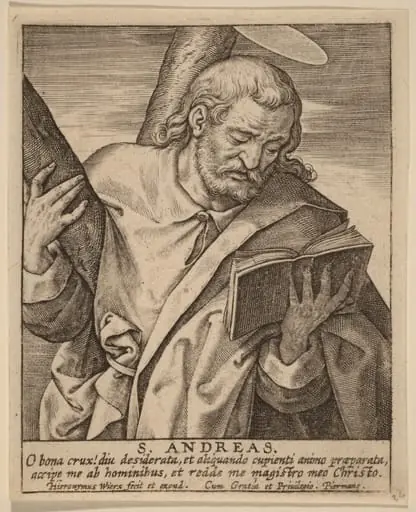
Sanctus Andreas
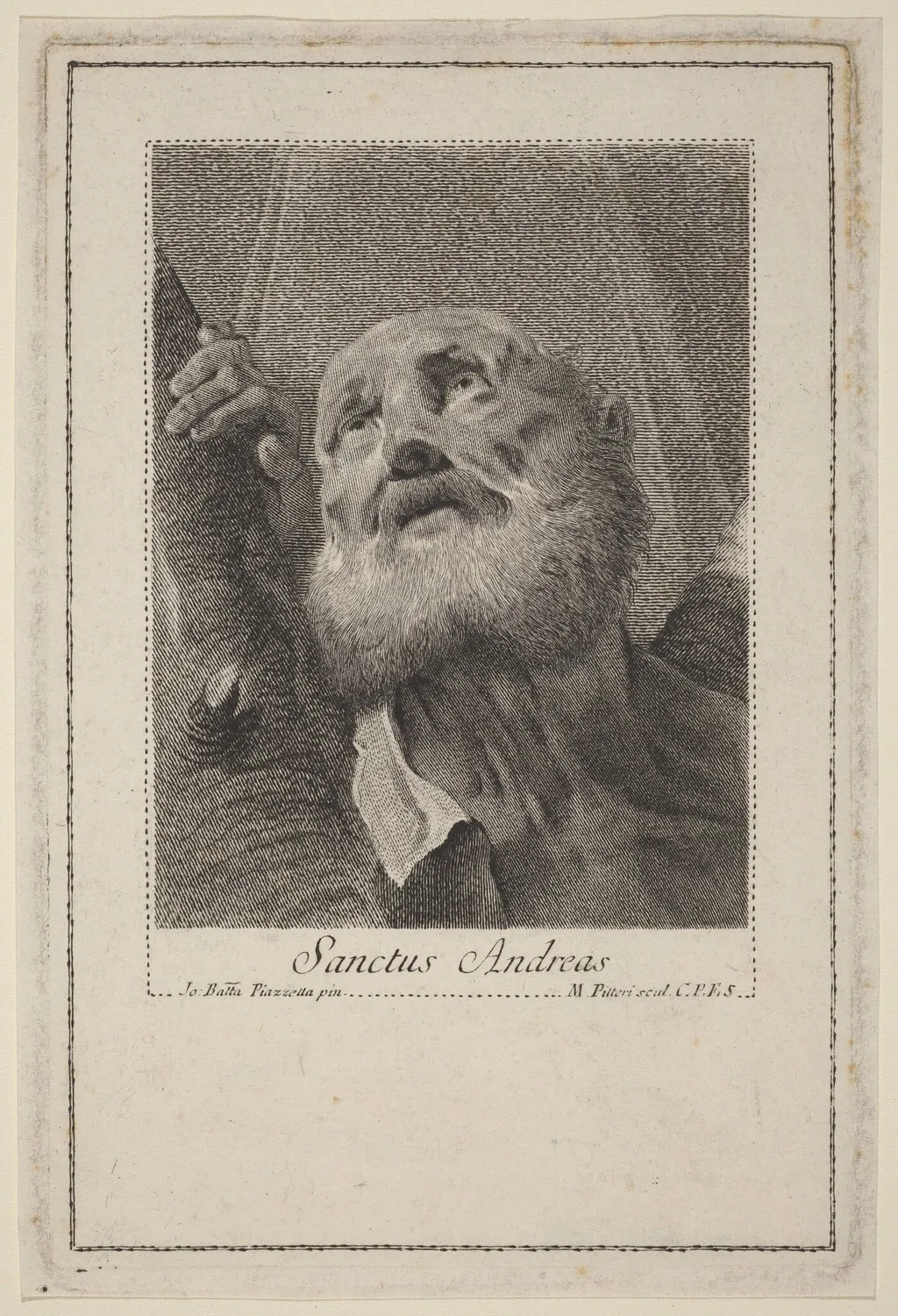
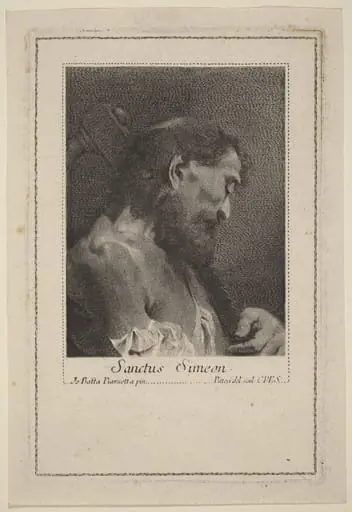
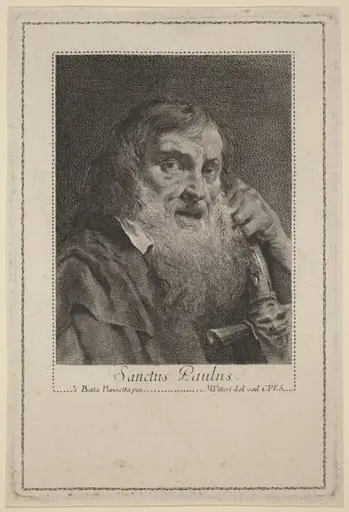
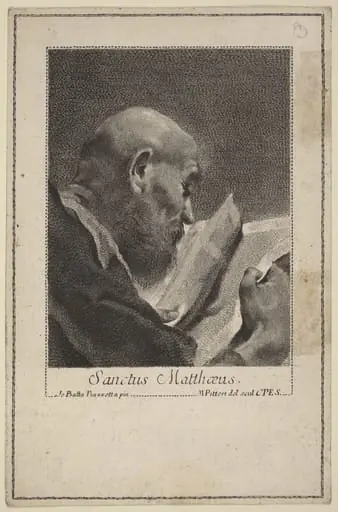
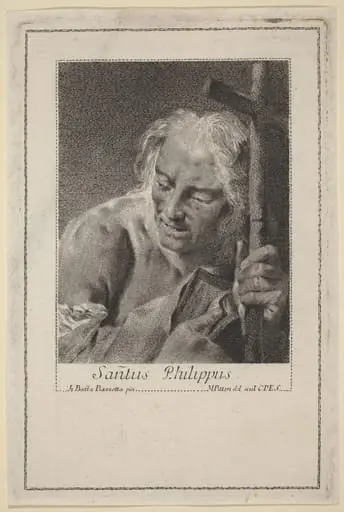
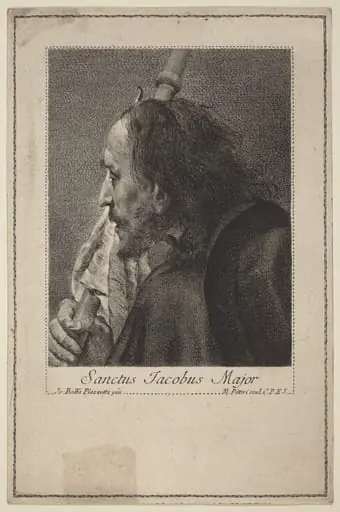
Sanctus Andreas is an ink print by the Baroque artist Marco Alvise Pitteri. It dates from 1744 and is held in the collection of the National Gallery of Art.
About this work
Overview
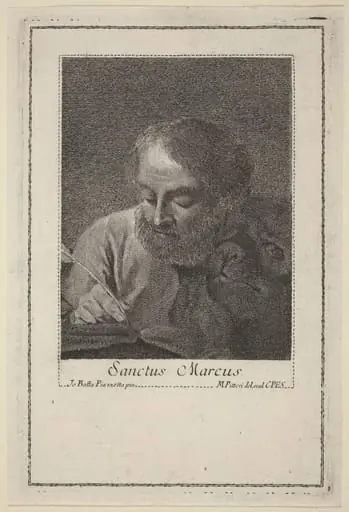
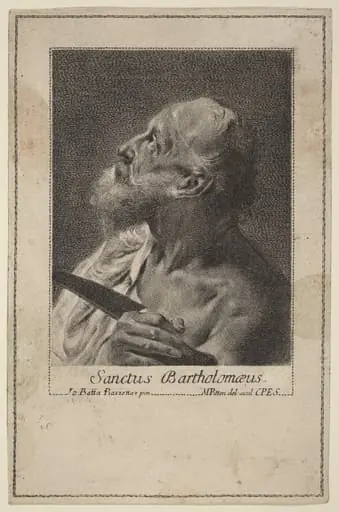
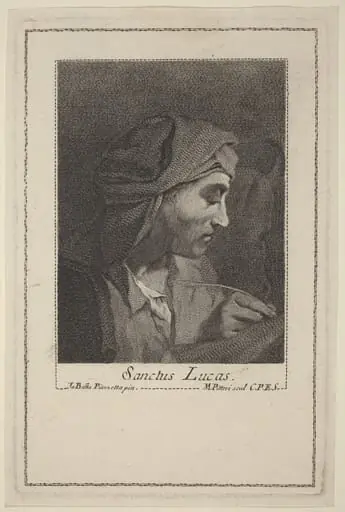
Marco Alvise Pitteri’s 1744 engraving titled Sanctus Andreas presents a solitary, bearded figure gazing upward. Rendered in monochrome, the image occupies a bordered sheet of paper, with the work’s name inscribed beneath the portrait. The composition is tightly focused on the sitter’s face and hair, emphasizing his contemplative expression.
Subject & Meaning
The figure is identified as Saint Andrew, a traditional Christian apostle often depicted with a beard and a reflective demeanor. His upward gaze suggests a moment of spiritual contemplation or divine inspiration, aligning with iconographic conventions that associate the saint with faith and martyrdom.
Technique & Style
Pitteri employed the engraving technique, using a dense network of fine parallel lines to model light, shadow, and texture. This hatching creates subtle gradations across the facial features and hair, a hallmark of 18th‑century printmaking that allowed for intricate detail within the limits of black‑and‑white media.
History & Provenance
Created in 1744, the print reflects the period’s demand for devotional images that could be reproduced and distributed. While specific ownership records are scarce, the work is catalogued among Pitteri’s religious prints, which were circulated among collectors and ecclesiastical patrons in Italy during the mid‑1700s.
Artist & collection