Artwork
De Servi Cacciator... (Servants Preparing the Guns for the Hunt)
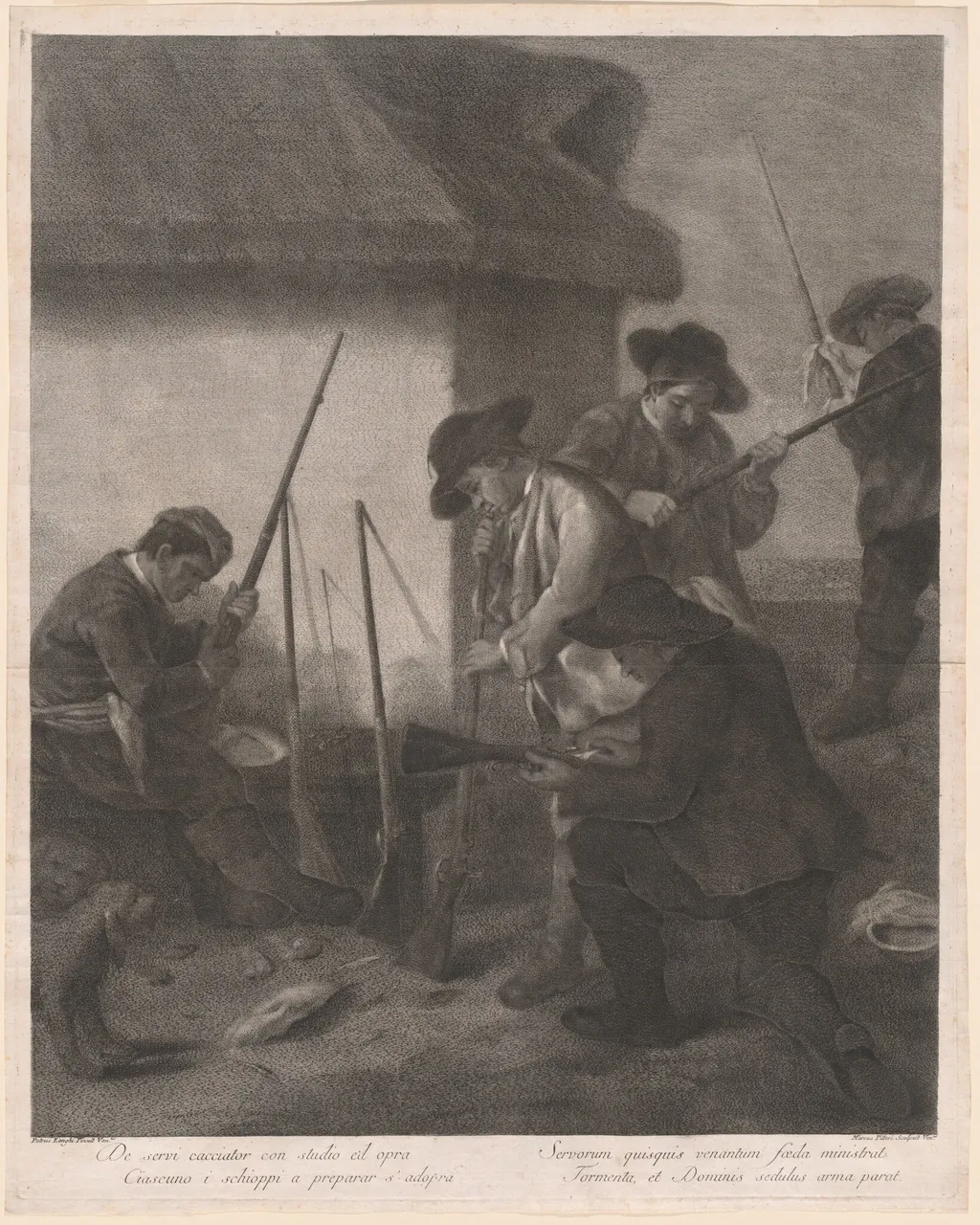
De Servi Cacciator... (Servants Preparing the Guns for the Hunt) is an ink print by the Romanticist artist Marco Alvise Pitteri. It dates from 1763 and is held in the collection of the National Gallery of Art.
About this work
Overview
The artist used a burin to incise lines into a metal plate, producing a detailed image through controlled etching rather than painting.
Created in 1763, this engraving by Marco Alvise Pitteri depicts a quiet interior scene of servants readying hunting firearms. Executed in ink on laid paper, the work belongs to the printmaking tradition of 18th-century Venice. The artist used a burin to incise lines into a metal plate, producing a detailed image through controlled etching rather than painting. The composition captures a moment of preparation, rendered with precision and subdued atmosphere.
Subject & Meaning
Three figures, illuminated by candlelight, attend to a collection of hunting weapons and tools. Their focused gestures suggest routine labor, emphasizing the domestic and logistical side of aristocratic sport. The absence of nobility in the scene shifts attention to the unseen patrons and the unseen hunt, framing the work as a quiet commentary on service and unseen labor within elite culture.
Technique & Style
Pitteri employed fine cross-hatching to model form and suggest volume in the dim interior. The dense, intersecting lines create texture in fabric, metal, and skin, while leaving areas of shadow deep and unbroken. The controlled use of light and shadow, achieved through meticulous line work, reflects the influence of Venetian draftsmanship and the precision expected in reproductive prints of the period.
History & Provenance
The print was produced in Venice during the height of Pitteri’s career as an engraver. It was likely made for collectors interested in genre scenes and the technical skill of printmaking. The work entered the collection of the National Gallery of Art in Washington, D.C., where it remains part of a broader holdings of European prints from the 18th century.
Context
In mid-18th-century Venice, engravings of daily life and aristocratic pursuits were popular among collectors. Pitteri’s work aligns with a trend that elevated mundane tasks into subjects of artistic interest, often reflecting the social hierarchy through quiet observation. This print contributes to a visual record of service roles that rarely appeared as central figures in grander artistic narratives.
Legacy
Though not widely known outside print circles, Pitteri’s engraving exemplifies the technical mastery and narrative subtlety of Venetian printmaking. It preserves a glimpse into the material culture of hunting and the labor that sustained it. Today, it stands as a quiet testament to the skill of engravers who translated everyday moments into enduring graphic form.
Artist & collection


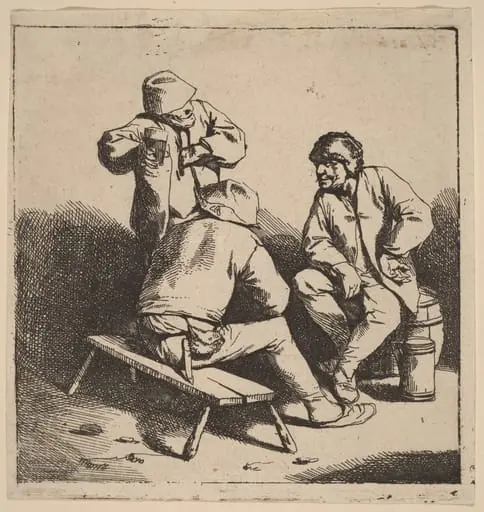 The Three Drinkers
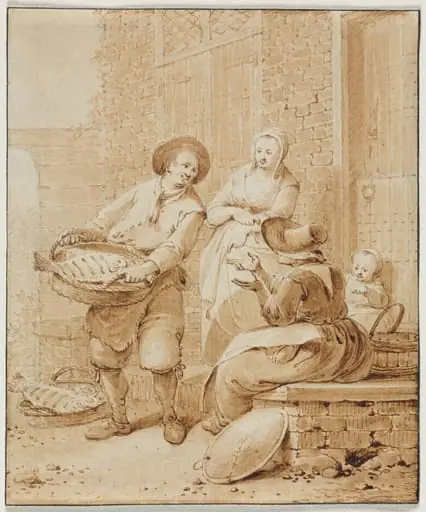 The Fish Monger
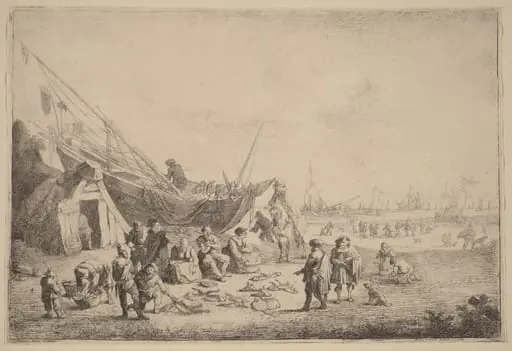 The Fishmongers
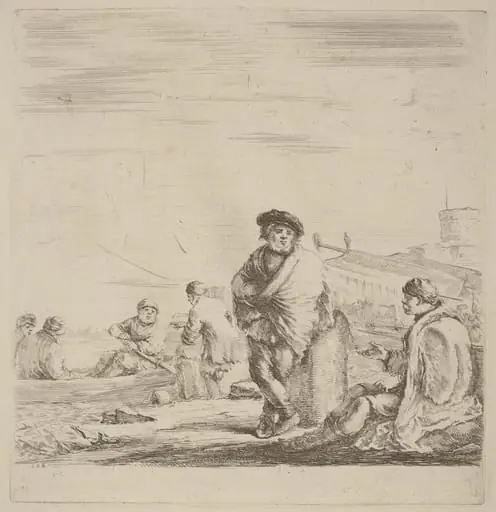 Standing Sailor Talking with a Seated Levantine
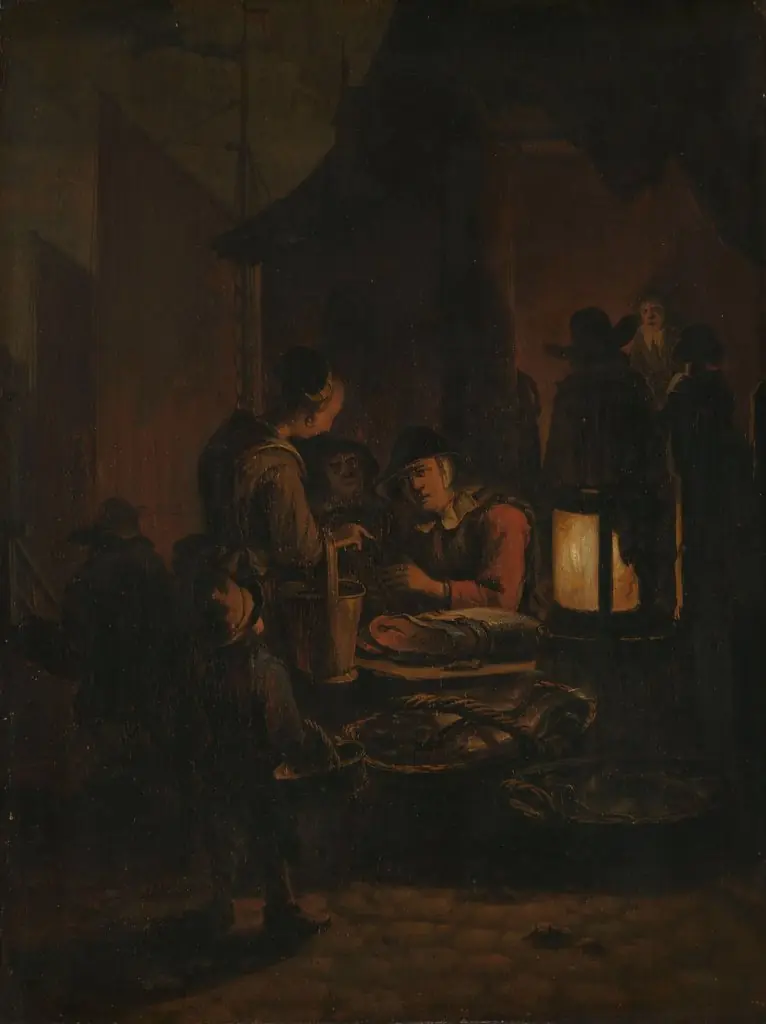 Fish market at night
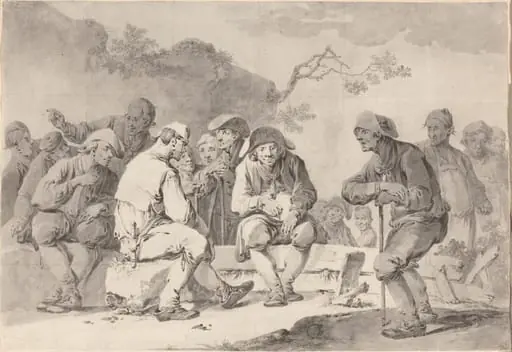 Self-Portrait with Country Folk from Appenzell
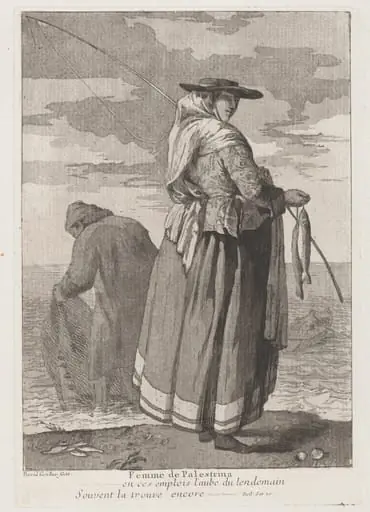 Femme de Palestrina (Woman from Pellestrina)
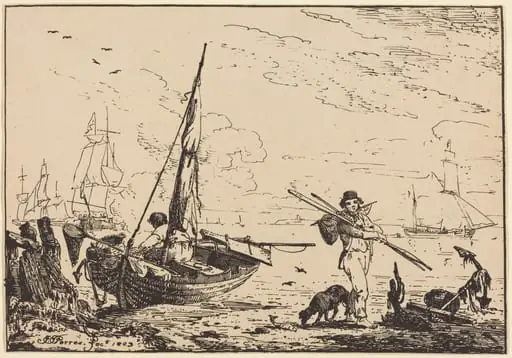 Marine: Fishing Boats on Shore, Man with Oars, Ship in Distance
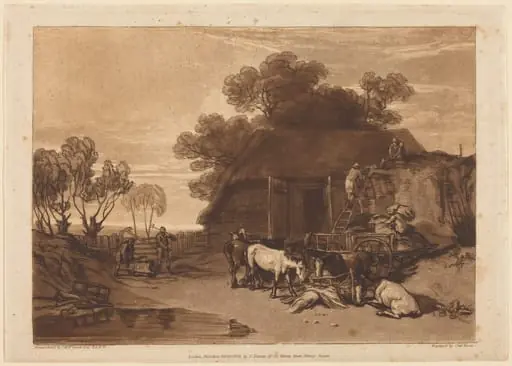 The Straw Yard
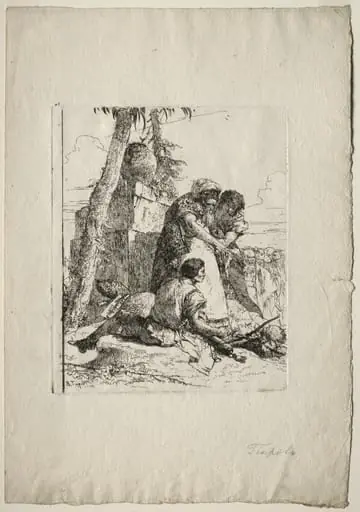 Scherzi di Fantasia: Magician Pointing Out a Burning Head to Two Youths
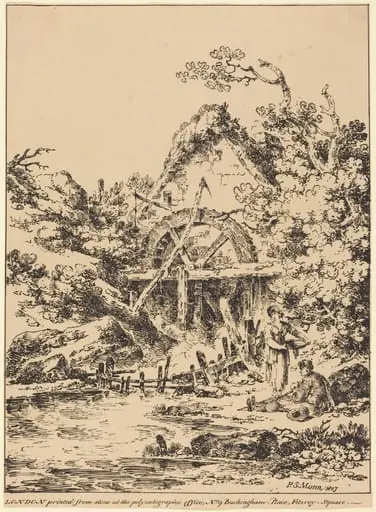 Old Water Mill