Artwork
Fată pe stâncă
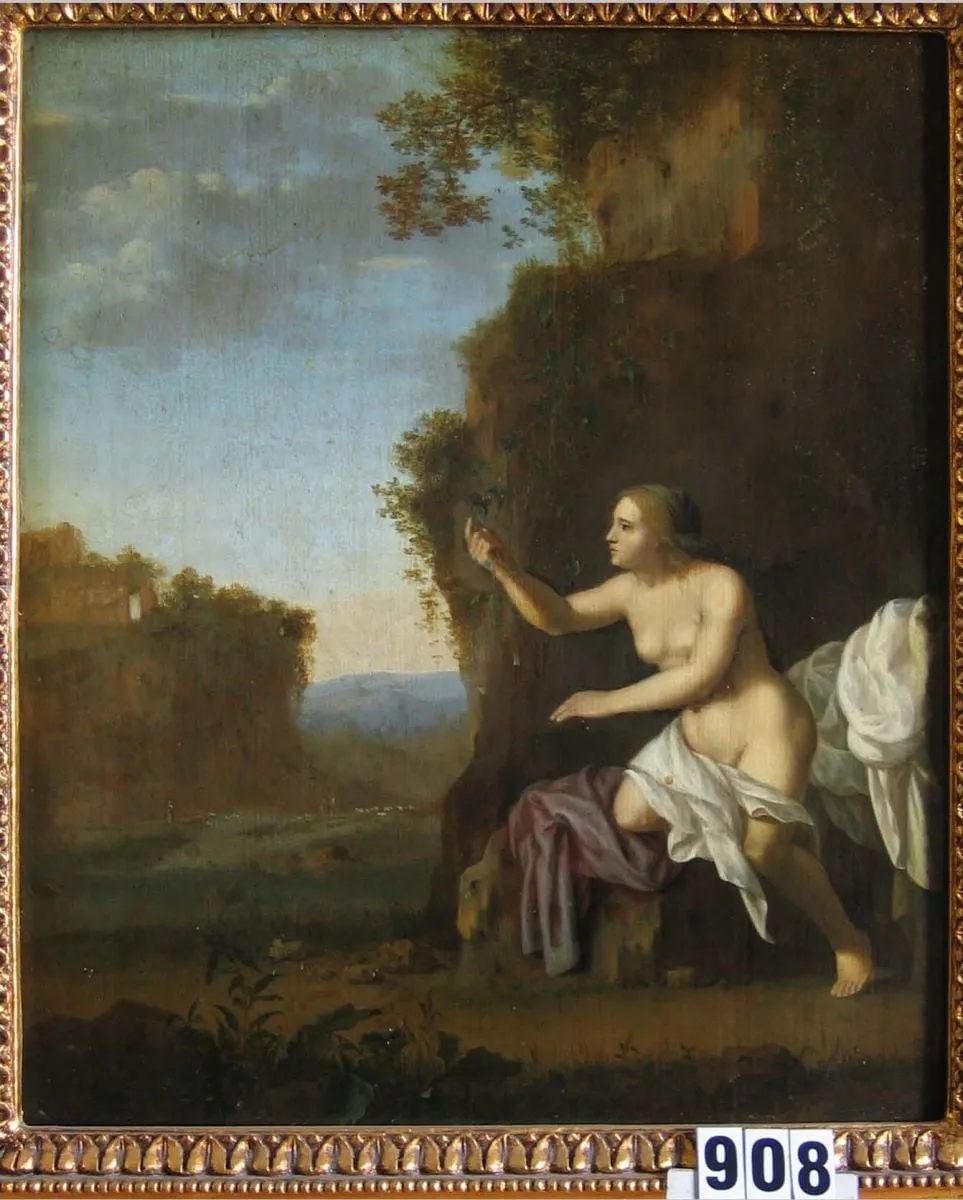
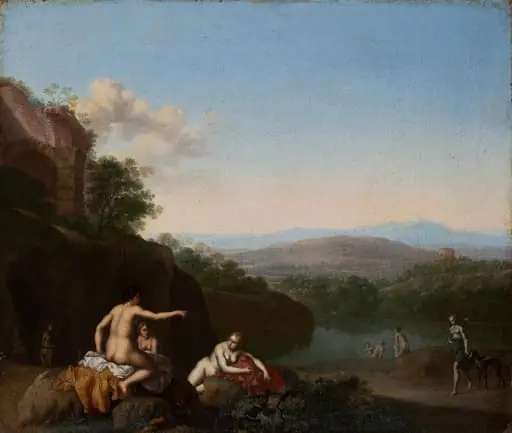
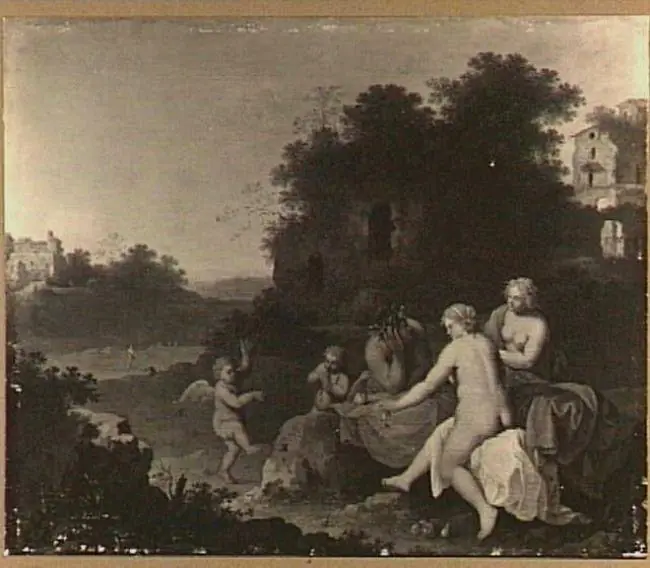
Fată pe stâncă is a print by the Baroque artist Cornelis van Poelenburgh. It dates from 1640 and is held in the collection of the Brukenthal National Museum.
About this work
Overview
The composition centers on her quiet interaction with the natural environment, framed by a softly rendered backdrop of hills, water, and distant structures.
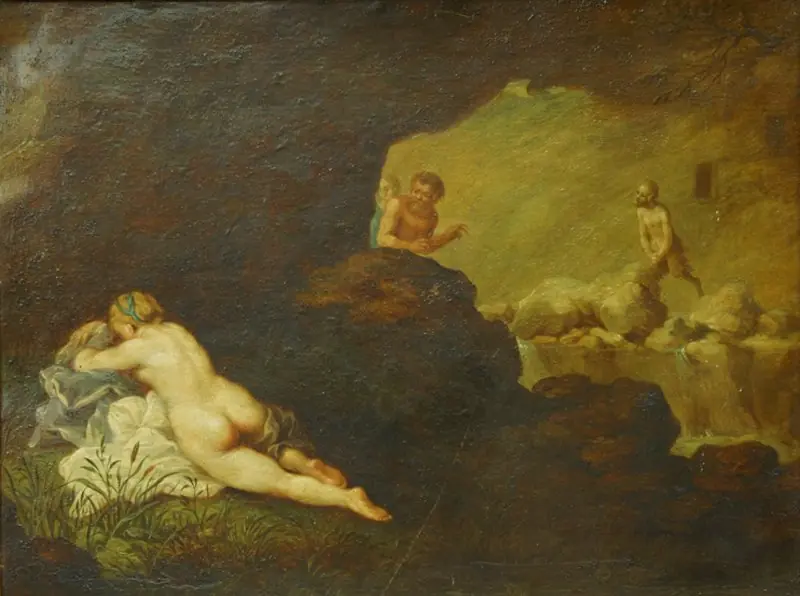
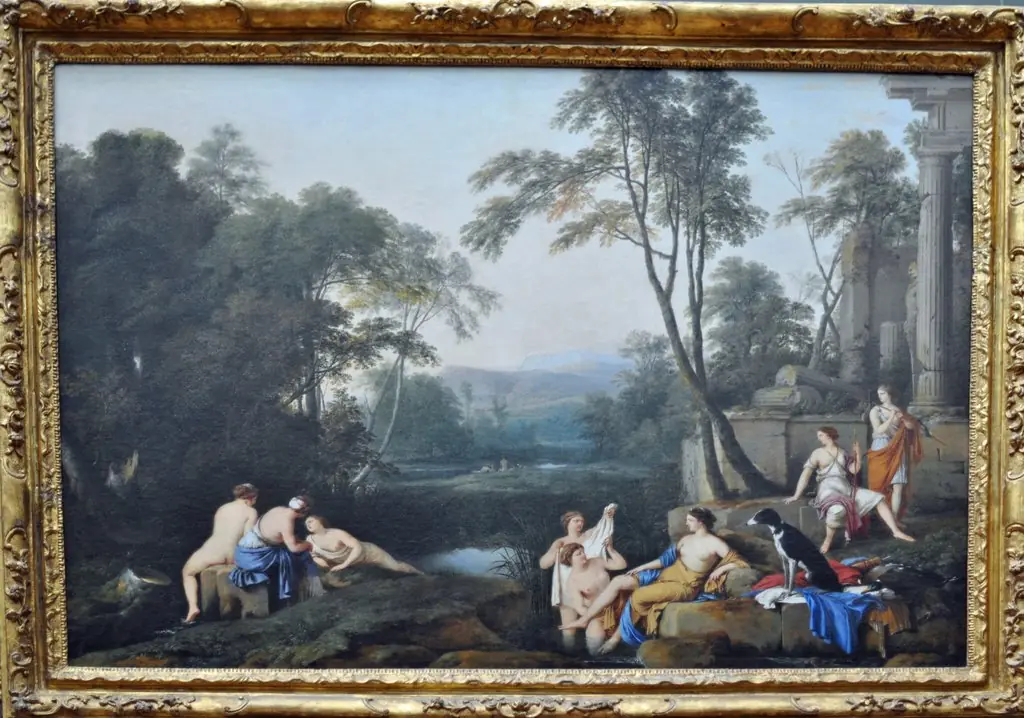
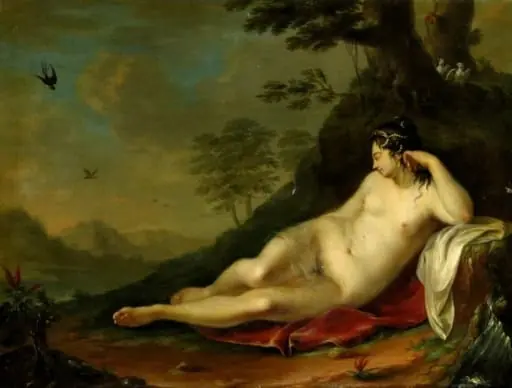
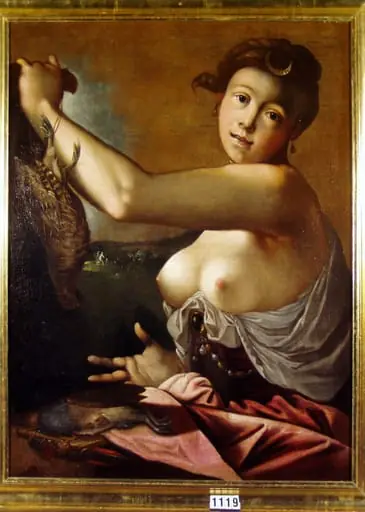
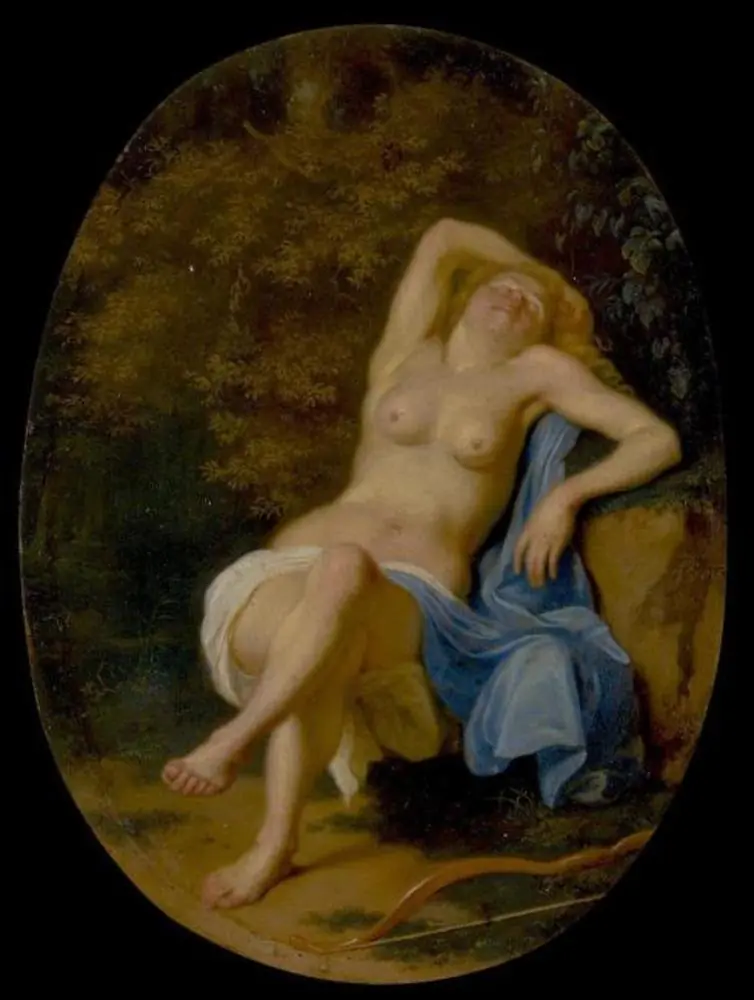
Painted around 1640 by Cornelis van Poelenburgh, this work depicts a solitary female figure seated on a rocky outcrop amid a tranquil landscape. The composition centers on her quiet interaction with the natural environment, framed by a softly rendered backdrop of hills, water, and distant structures. The figure’s pose and placement suggest contemplation rather than narrative action, emphasizing stillness over drama.
Subject & Meaning
The woman, partially draped and bare-chested, reaches upward toward unseen foliage, her gesture ambiguous yet deliberate. Her nudity, unembellished and unidealized, evokes a sense of natural harmony rather than mythological allegory. The scene resists clear symbolism, inviting interpretation as an intimate encounter with nature, possibly reflecting contemporary ideals of pastoral serenity and human quietude.
Technique & Style
Van Poelenburgh employs chiaroscuro to model the figure’s form, using sharp contrasts between light and shadow to define her contours while leaving the background in diffused illumination. The brushwork is refined but restrained, with delicate transitions across skin and fabric. The landscape, rendered in muted tones, recedes gently, enhancing the figure’s isolation and the painting’s atmospheric depth.
History & Provenance
The painting originates from the Dutch Golden Age, a period when Italianate landscapes and mythological themes were popular among Northern artists. Van Poelenburgh, trained in Italy and active in Utrecht, frequently blended classical motifs with Northern realism. While its early ownership is undocumented, the work aligns with his known output from the 1630s–1640s, a time when he refined his signature blend of Italianate composition and Dutch naturalism.
Context
During the mid-17th century, Dutch painters increasingly turned to pastoral subjects that emphasized harmony between humans and nature, often influenced by Italian models. Van Poelenburgh’s work reflects this trend, merging the idealized landscapes of Claude Lorrain with the intimate scale and observational precision of Utrecht Caravaggism. The absence of overt narrative aligns with a broader shift toward contemplative, mood-driven imagery in Dutch art.
Legacy
Though not widely reproduced, the painting exemplifies Van Poelenburgh’s contribution to the synthesis of Italian and Dutch traditions. His use of light and quiet figural presence influenced later landscape painters who favored subdued emotion over theatricality. The work remains a quiet testament to the period’s interest in nature as a space for introspection, rather than spectacle.
Artist & collection

Artist
Cornelis van Poelenburgh or Cornelis van Poelenburch, was a Dutch landscape painter and draughtsman.