Artwork
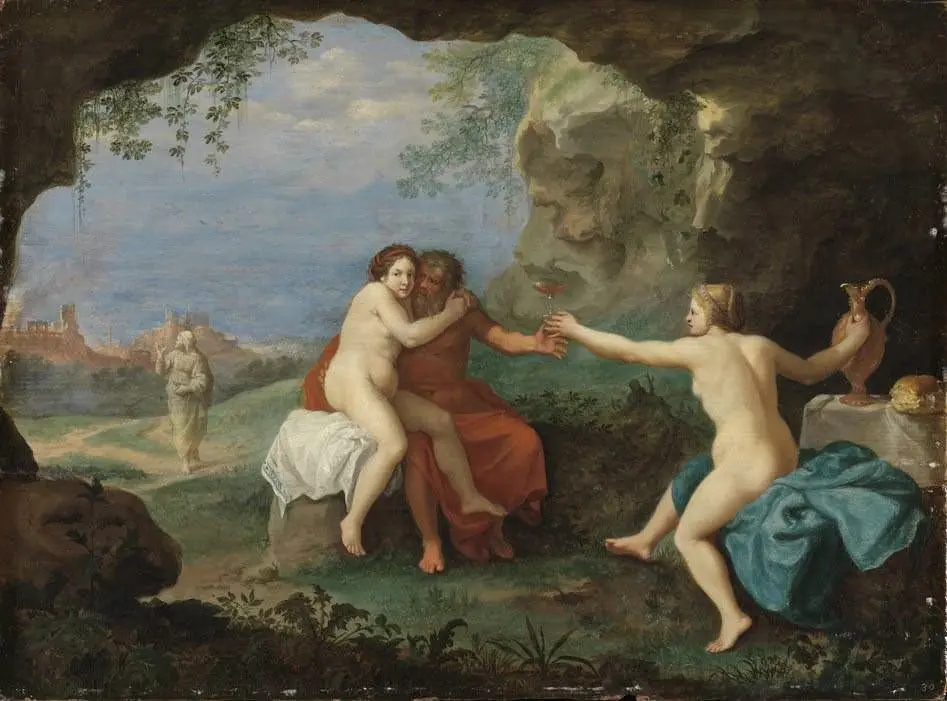
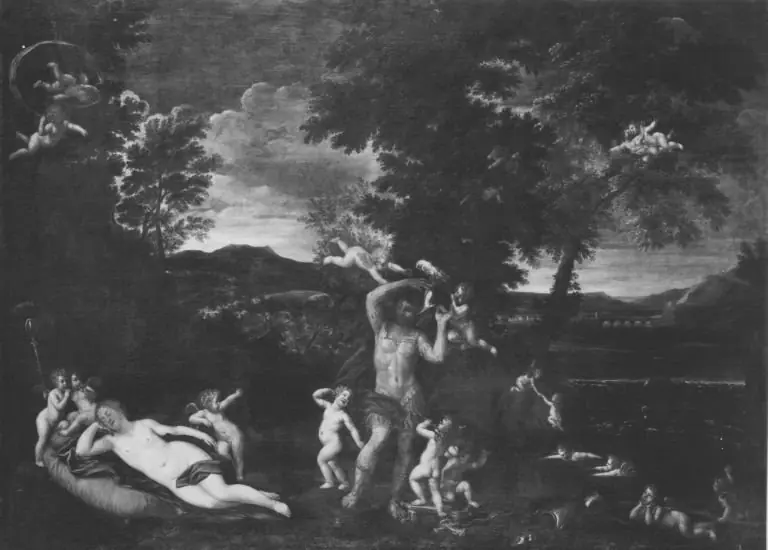
Sine Cerere et Baccho friget Venus
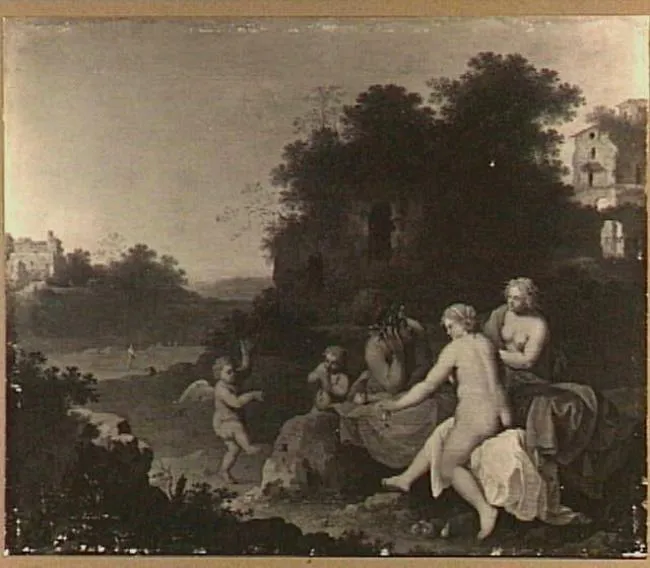
Sine Cerere et Baccho friget Venus is an oil painting by the Dutch Golden Age artist Cornelius van Poelenburgh. It is held in the collection of the Hermitage Museum.
About this work
Overview
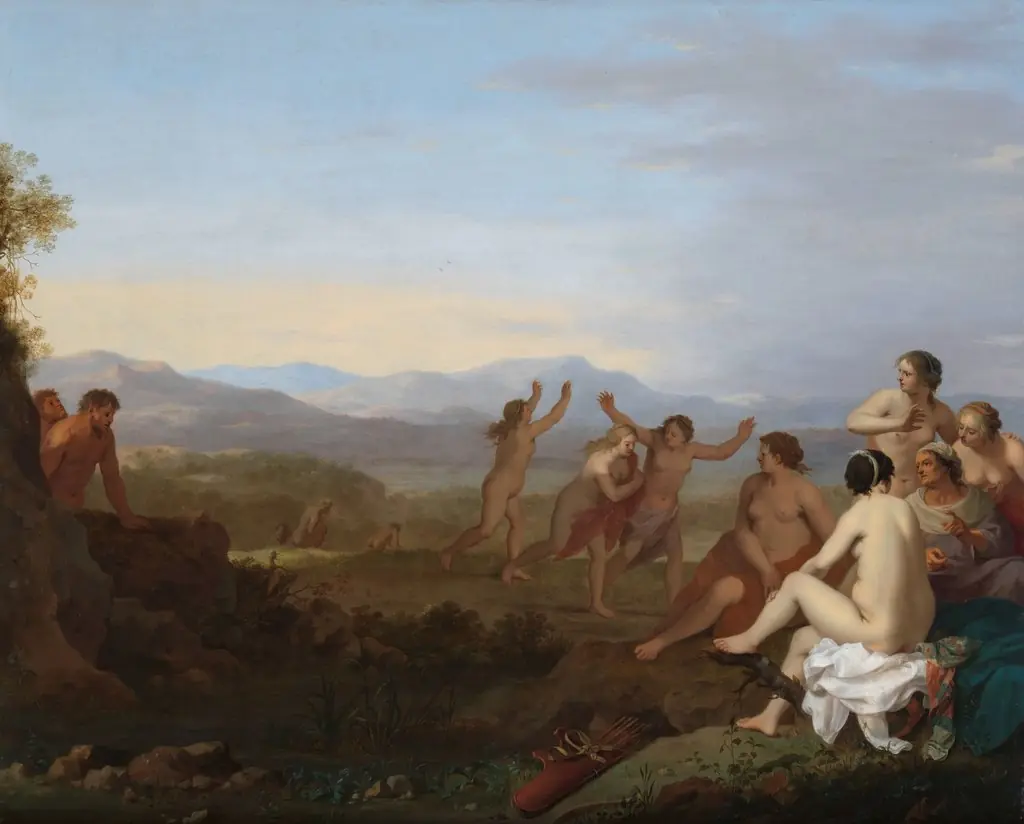
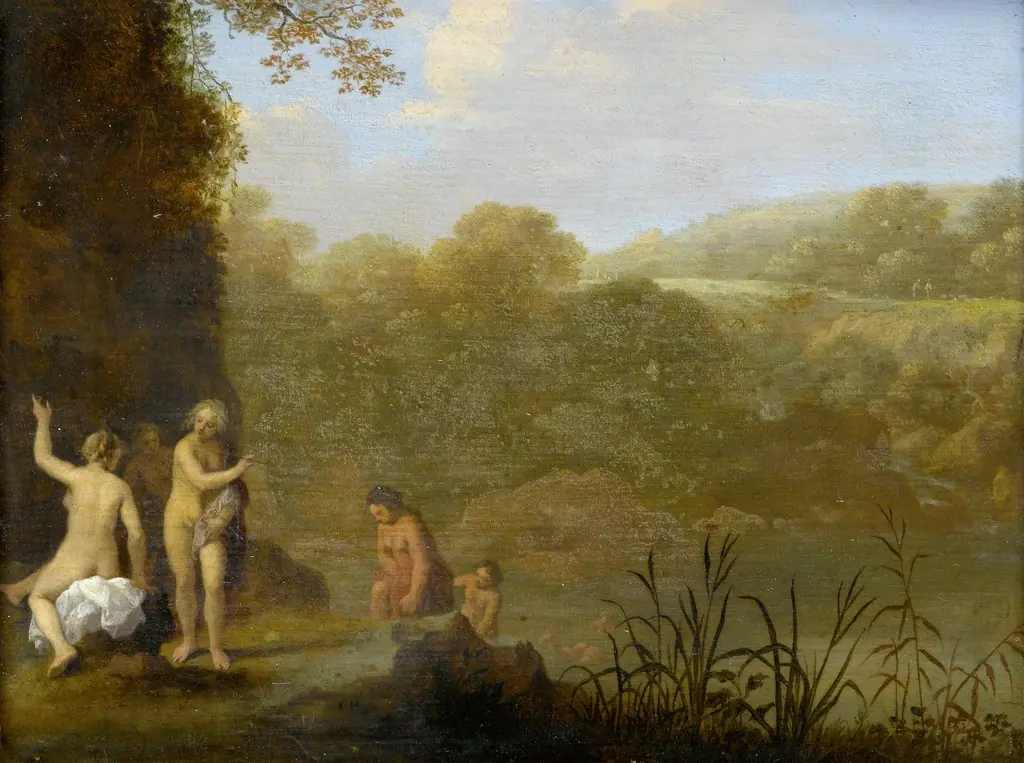
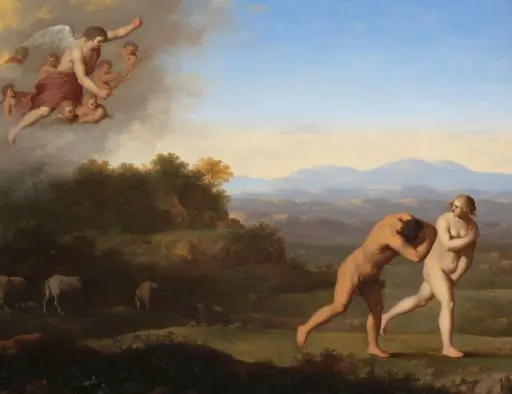
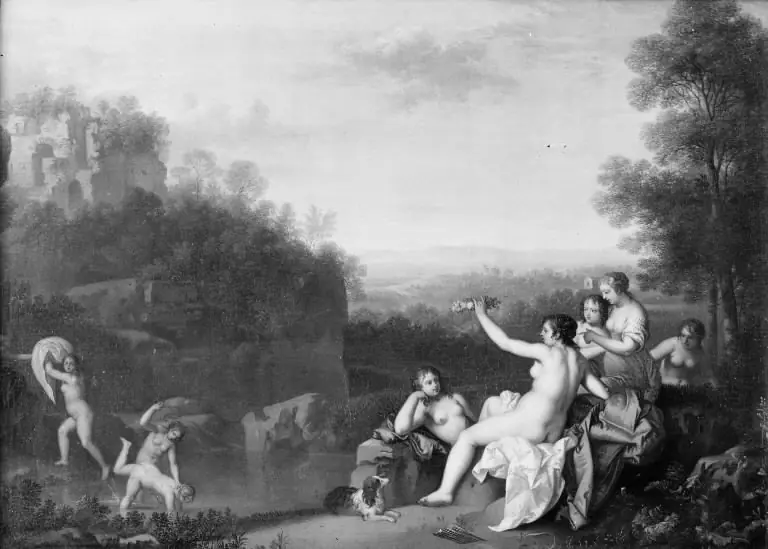
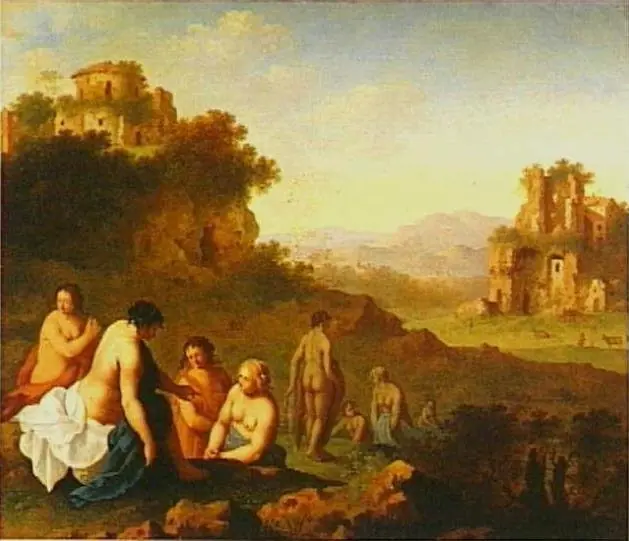
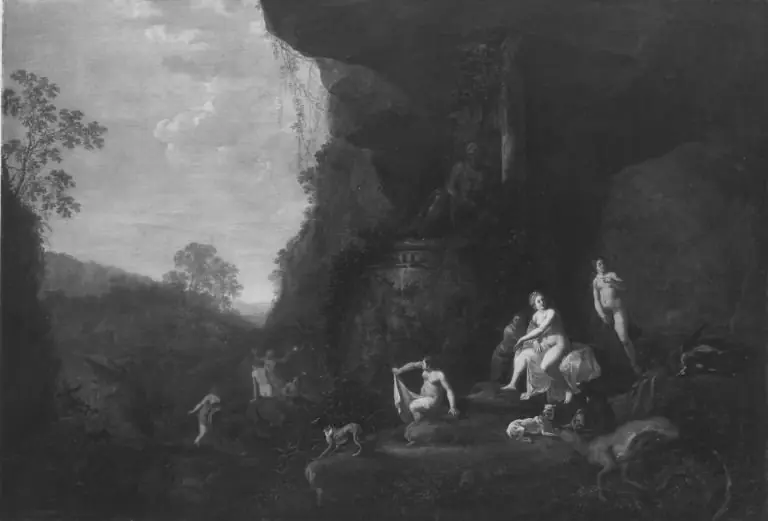
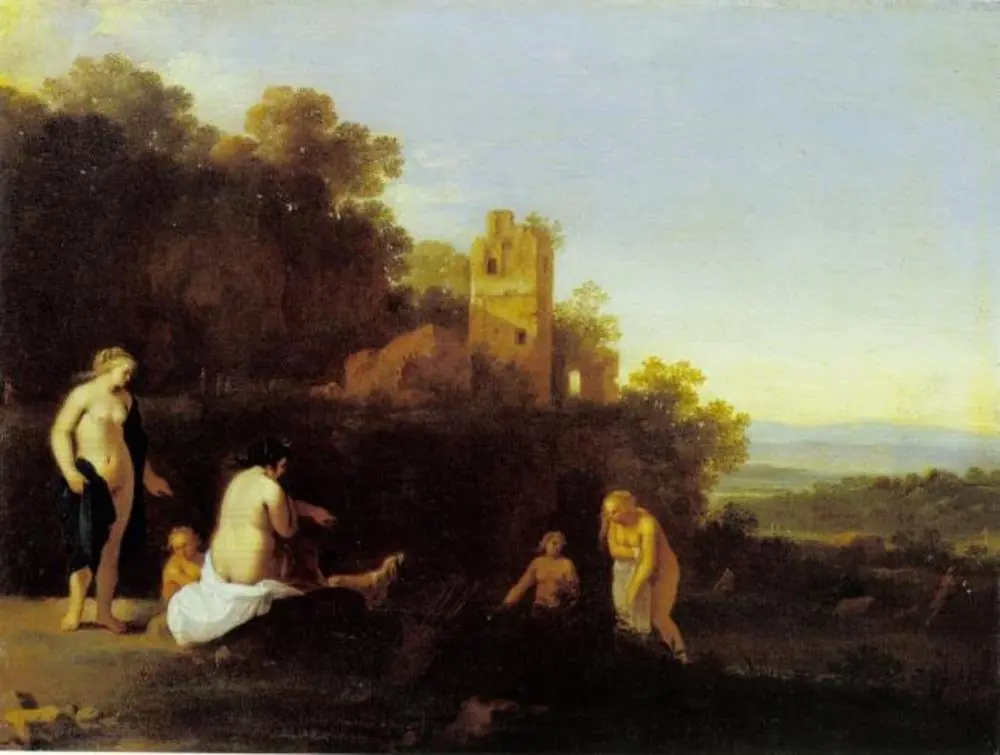
Cornelius van Poelenburgh’s 1691 oil painting *Sine Cerere et Baccho friget Venus* presents a tranquil mythological scene within an intimate, Italianate landscape. Executed on a modest scale, the work exemplifies the Dutch Golden Age’s fascination with classical subjects rendered in a serene, pastoral setting. It is part of the State Hermitage Museum’s collection.
Subject & Meaning
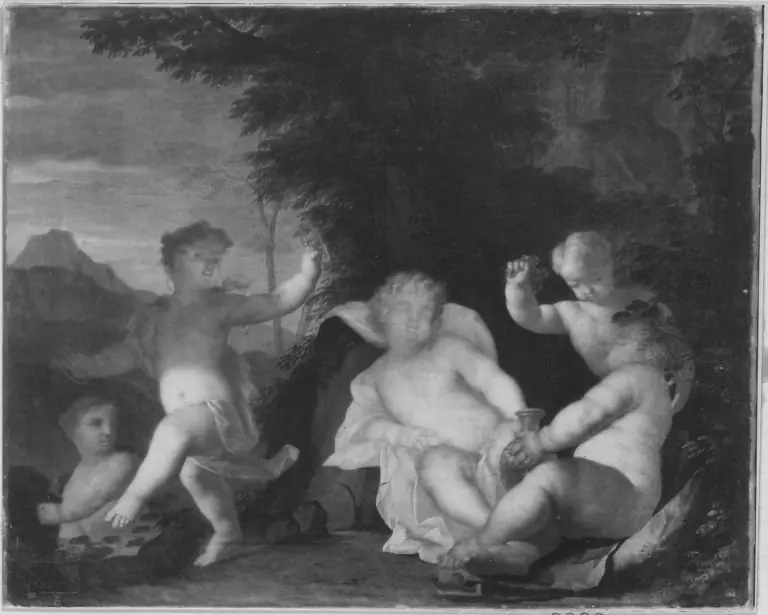
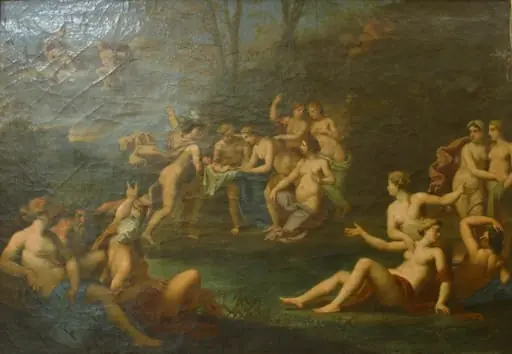
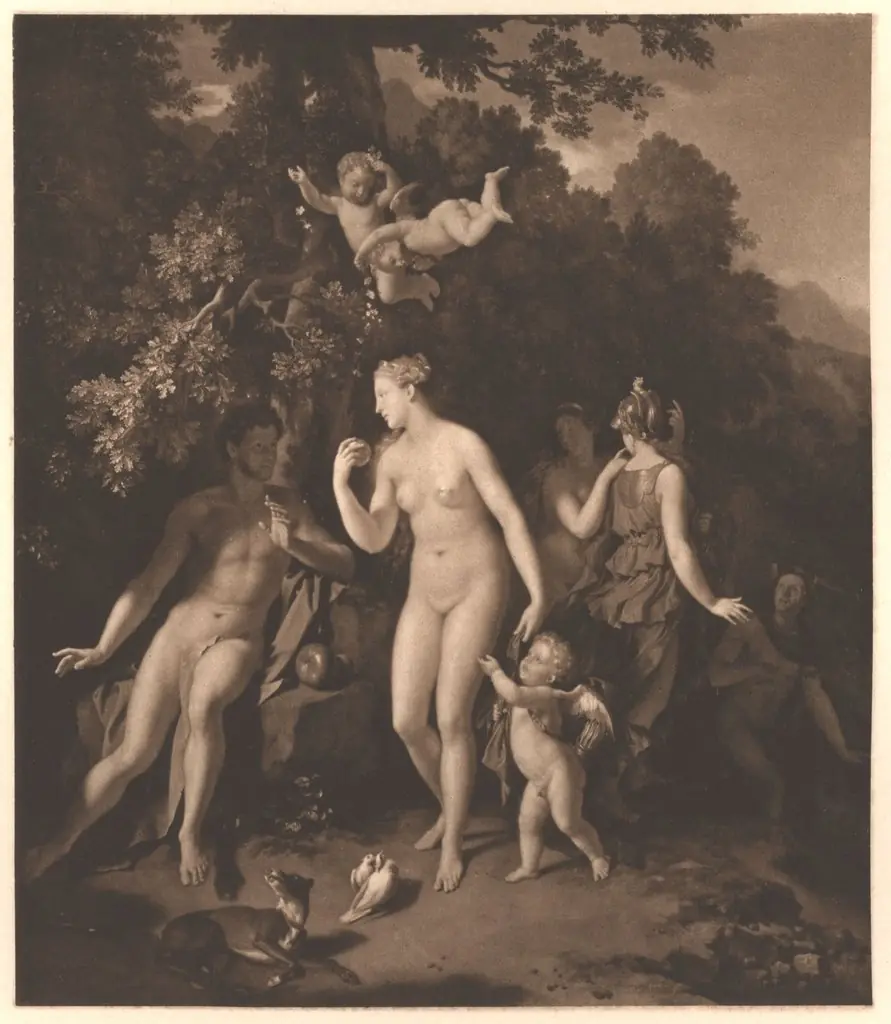
The composition shows a seated woman on a rock beside a standing man, accompanied by two children and a distant figure. The title, translating to “Without Ceres and Bacchus, Venus grows cold,” alludes to the ancient proverb that love wanes without nourishment and wine, suggesting the figures embody themes of love, sustenance, and conviviality.
Technique & Style
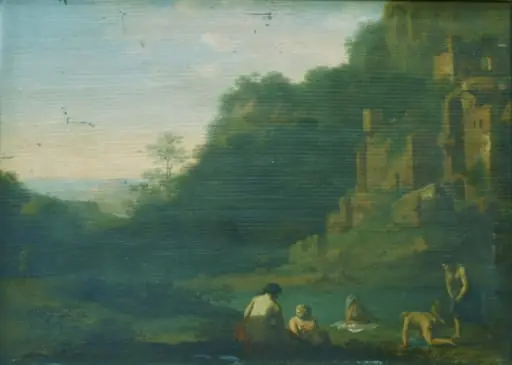
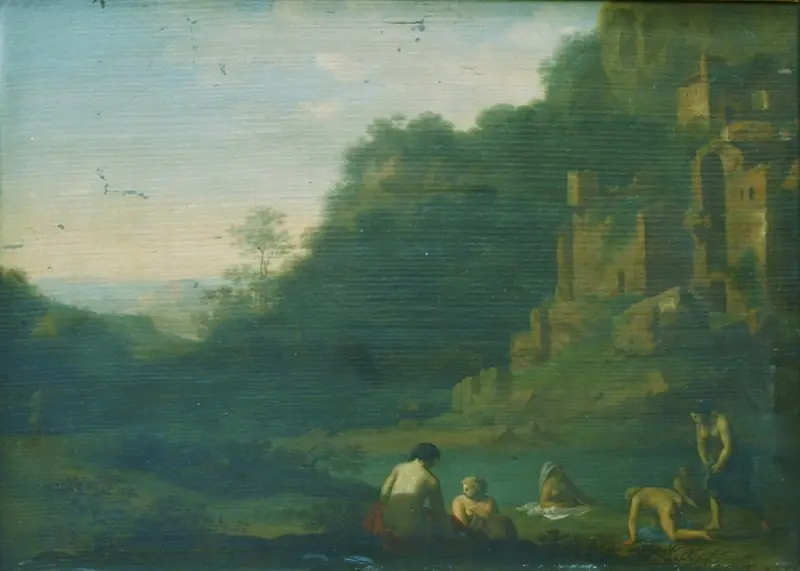
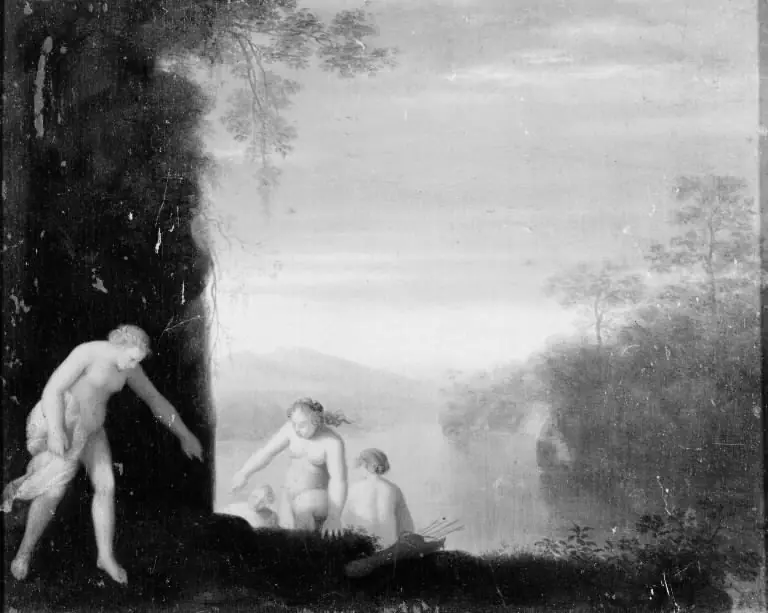
Poelenburgh employs a refined palette of muted earth tones and soft blues, achieving delicate modeling of flesh and foliage. The landscape features a carefully balanced arrangement of trees, rock formations, and distant hills, characteristic of his idealized Italian scenery. Fine brushwork renders the figures with graceful poses, while atmospheric perspective lends depth to the background.
History & Provenance
Active in Rome during the early 17th century, Poelenburgh became known for small, narrative-driven landscapes that catered to collectors interested in classical motifs. The painting entered the State Hermitage Museum’s holdings, where it remains on display as a representative example of his later output.
Artist & collection
Artist
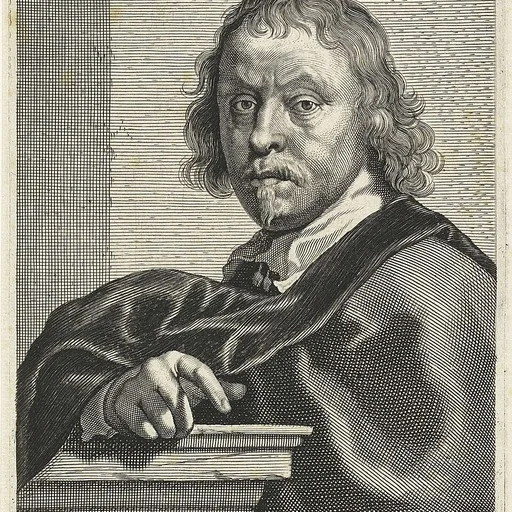
Cornelis van Poelenburgh or Cornelis van Poelenburch (1594 – 12 August 1667), was a Dutch landscape painter and draughtsman.