Artwork
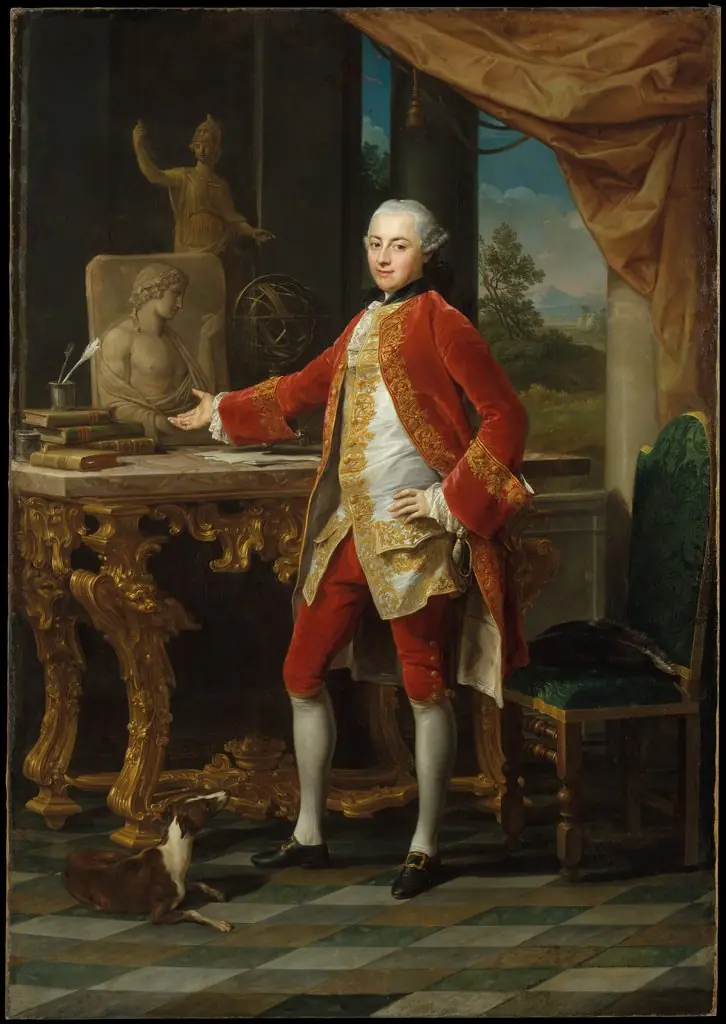
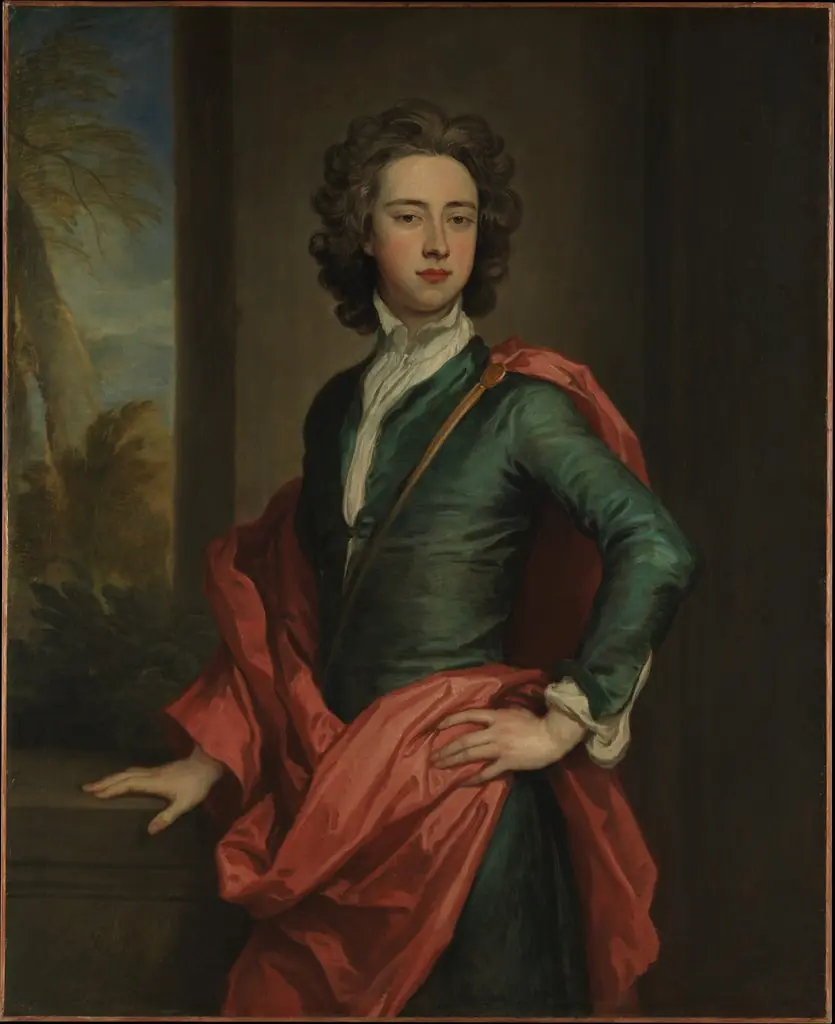
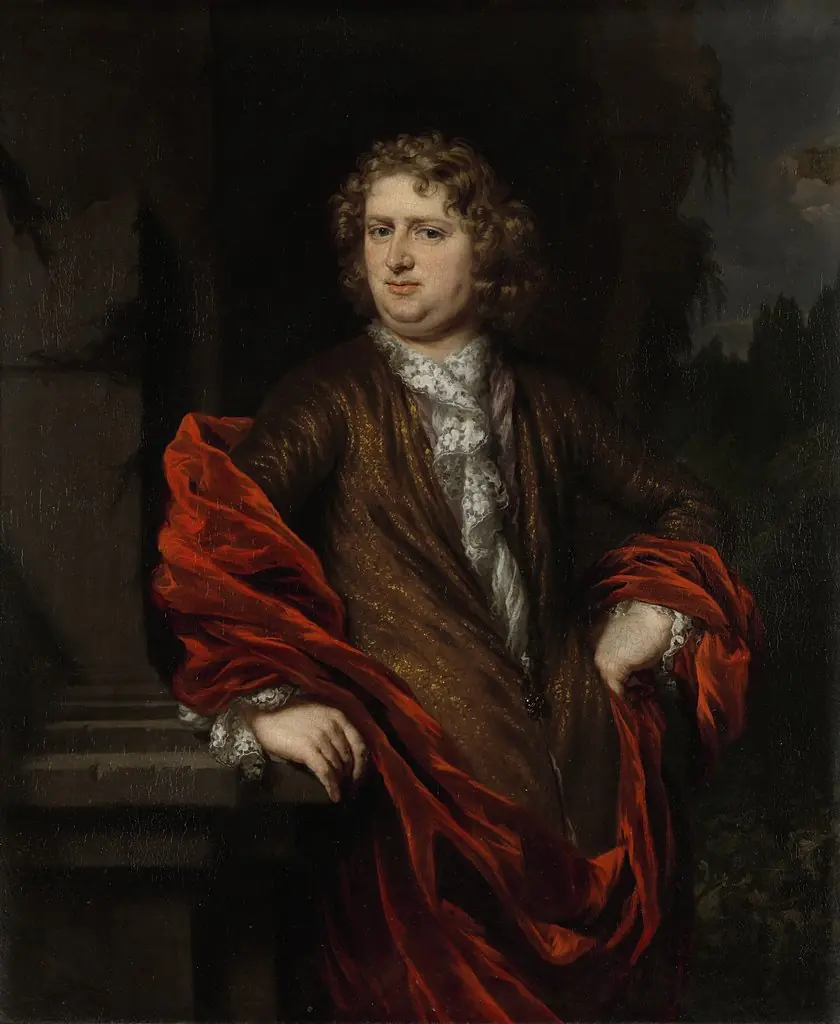
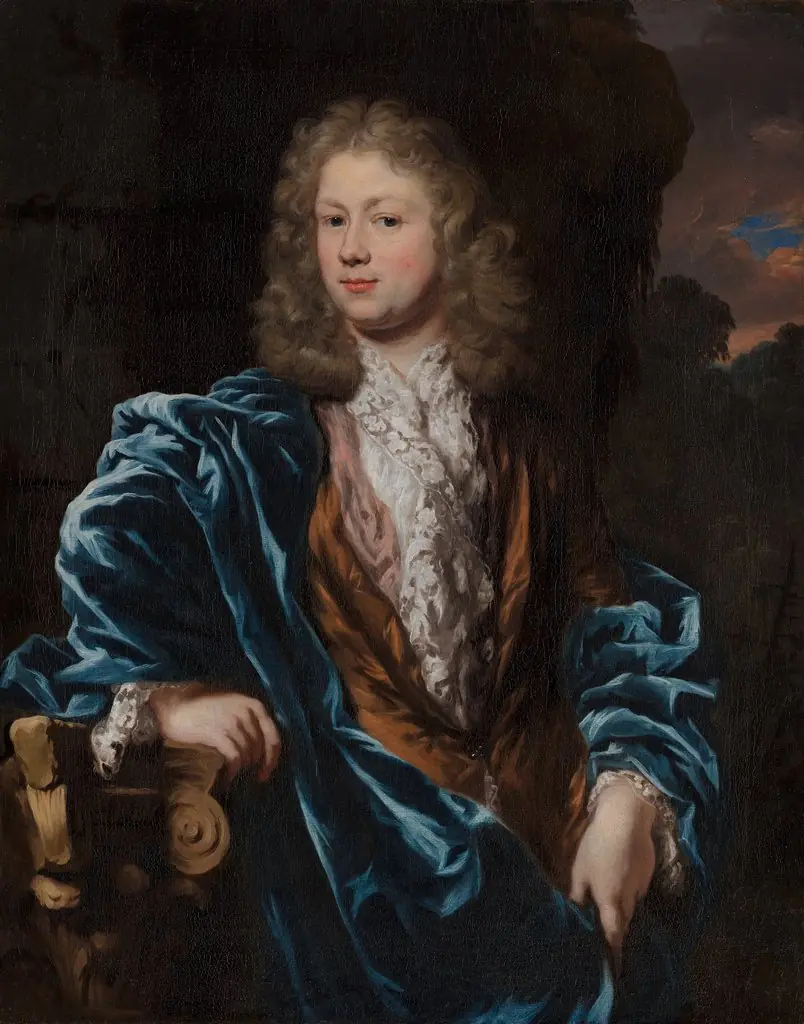
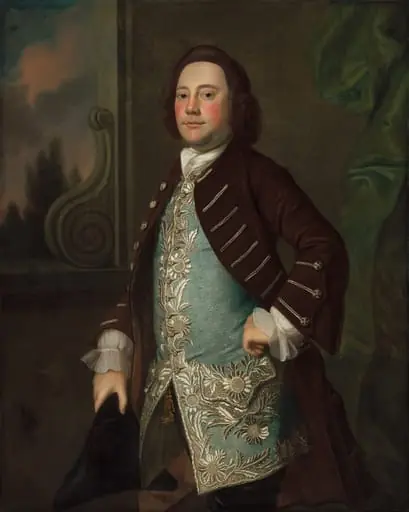
Portrait of Joseph Leeson, later 1st Earl of Milltown (1711-1783)
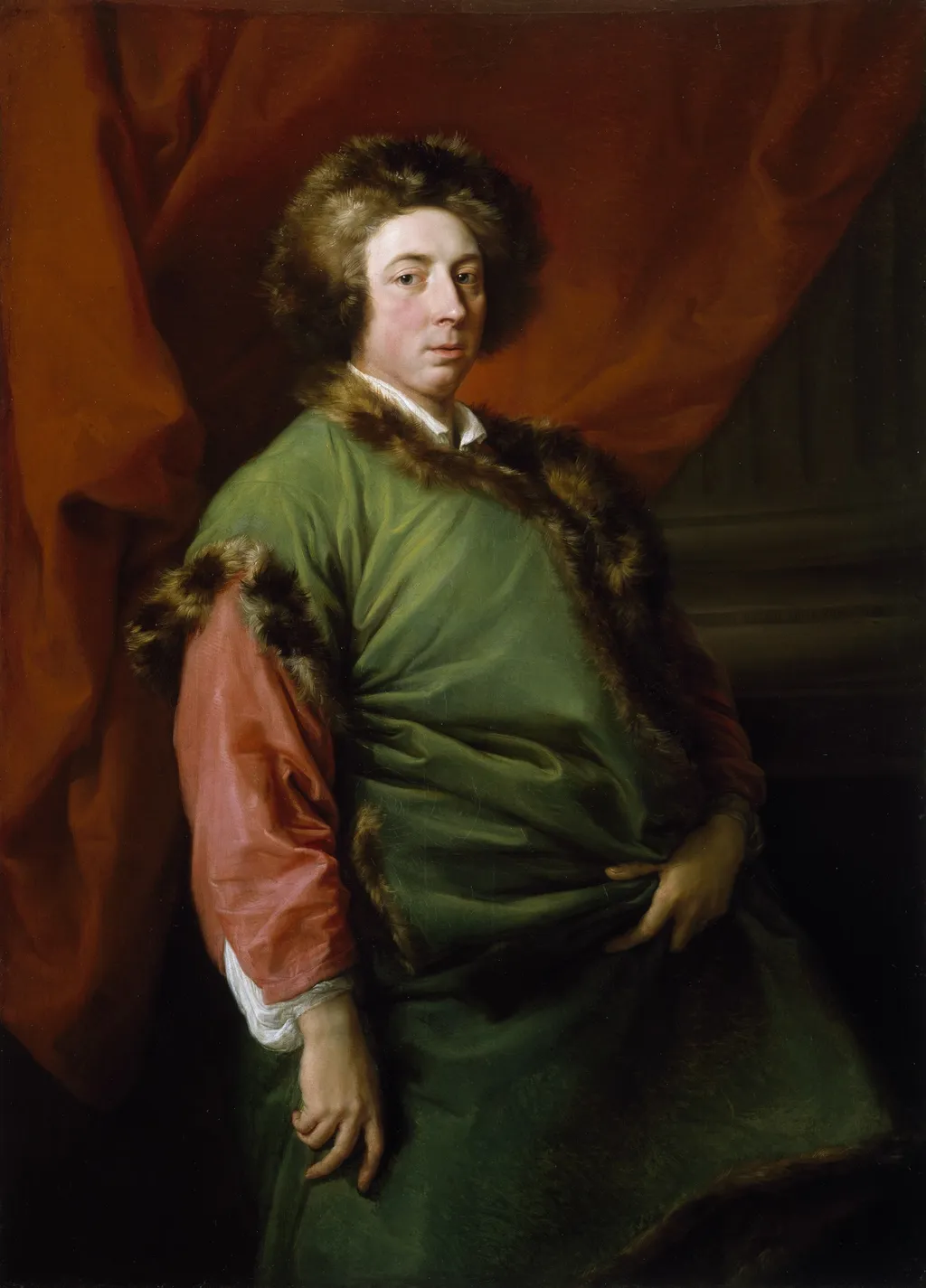
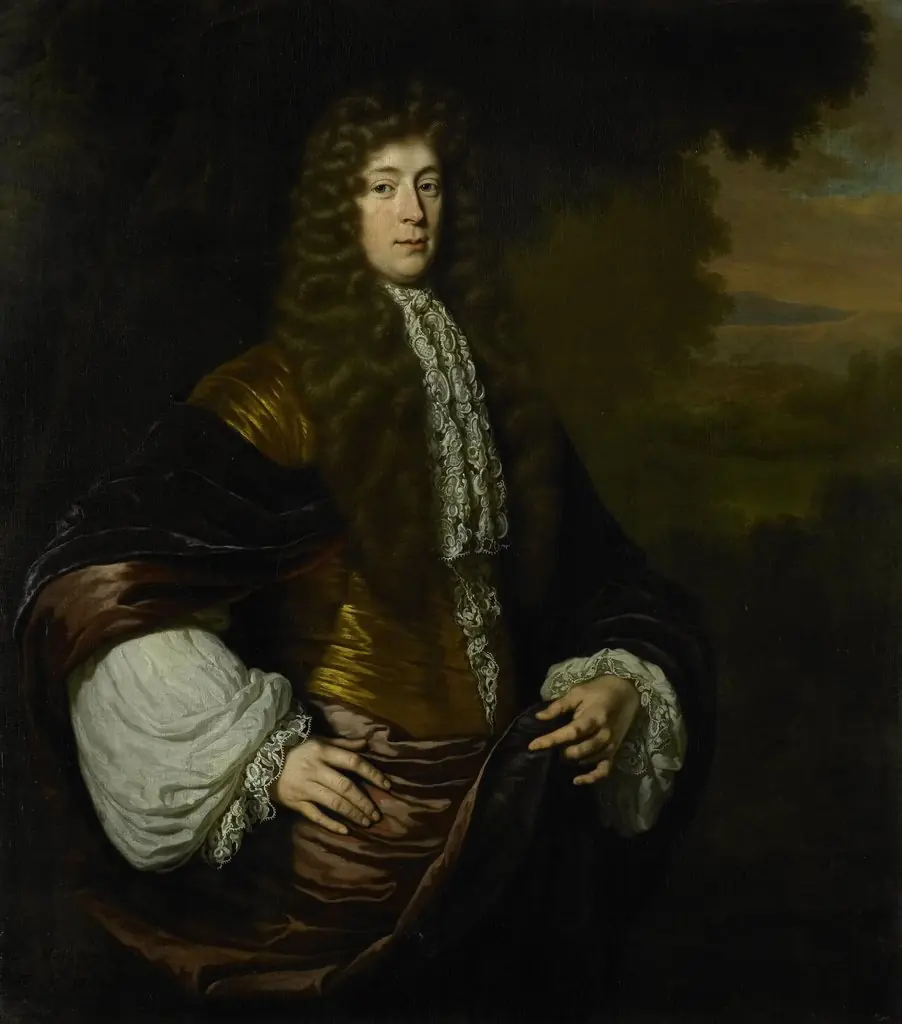
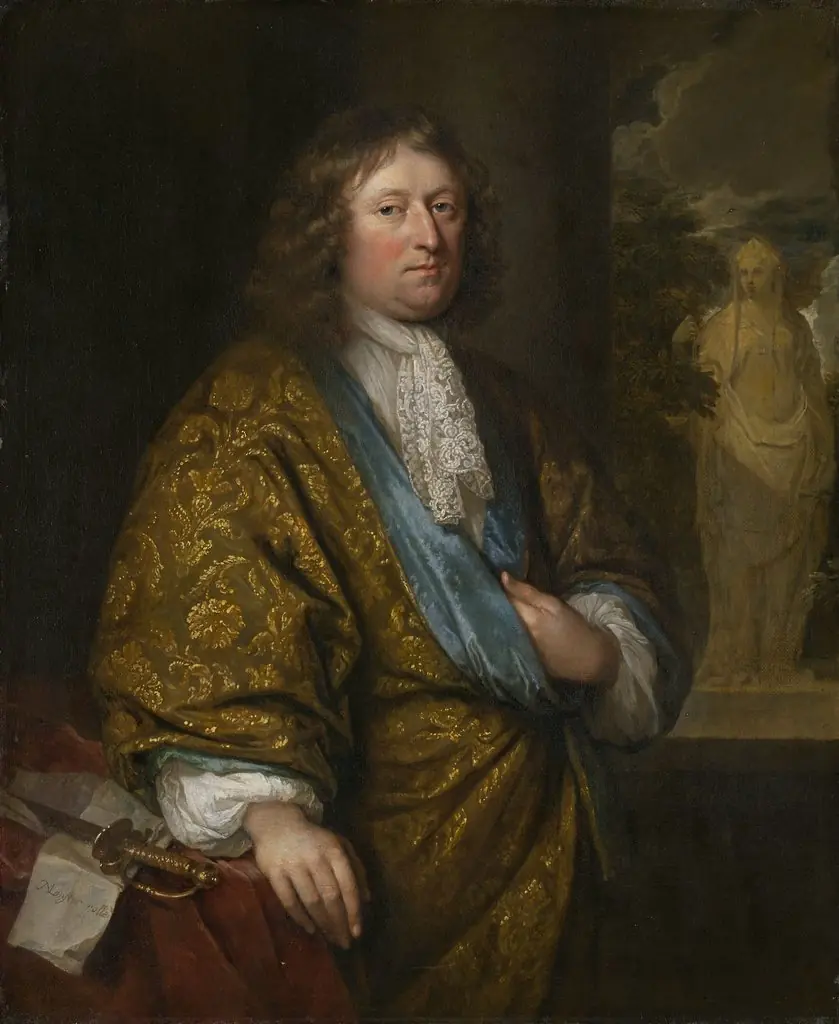
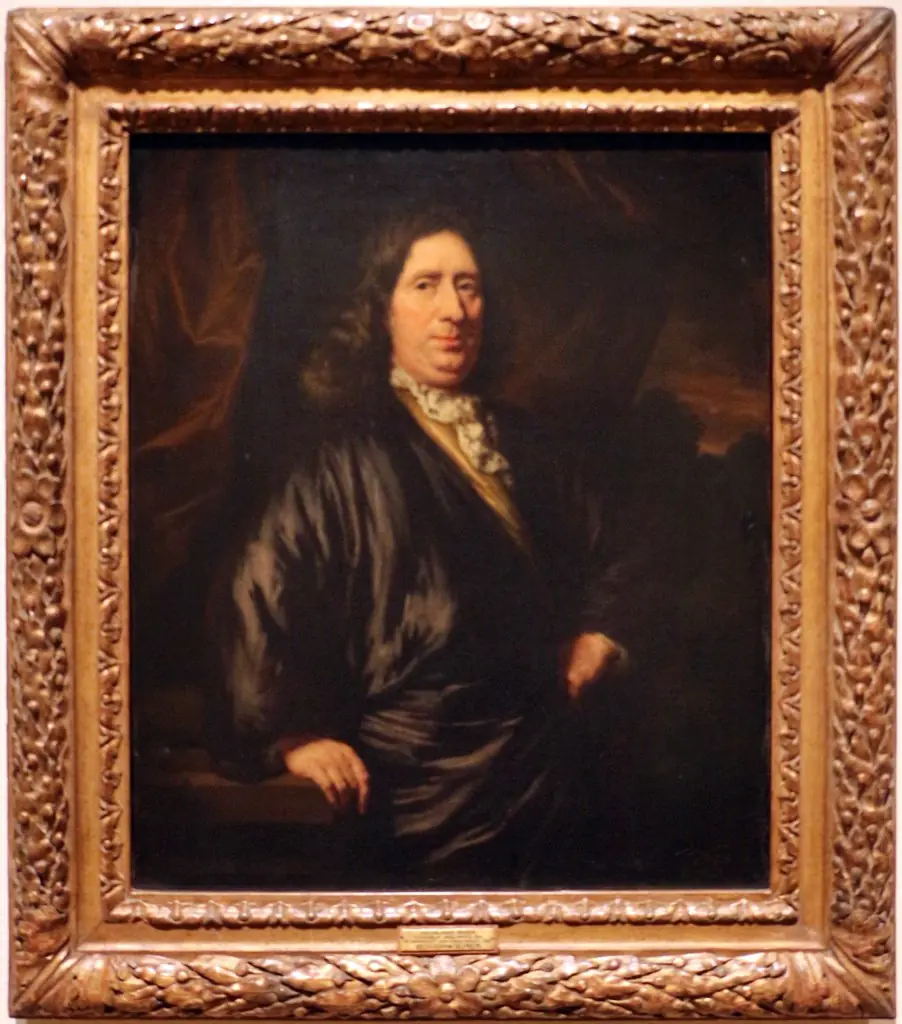
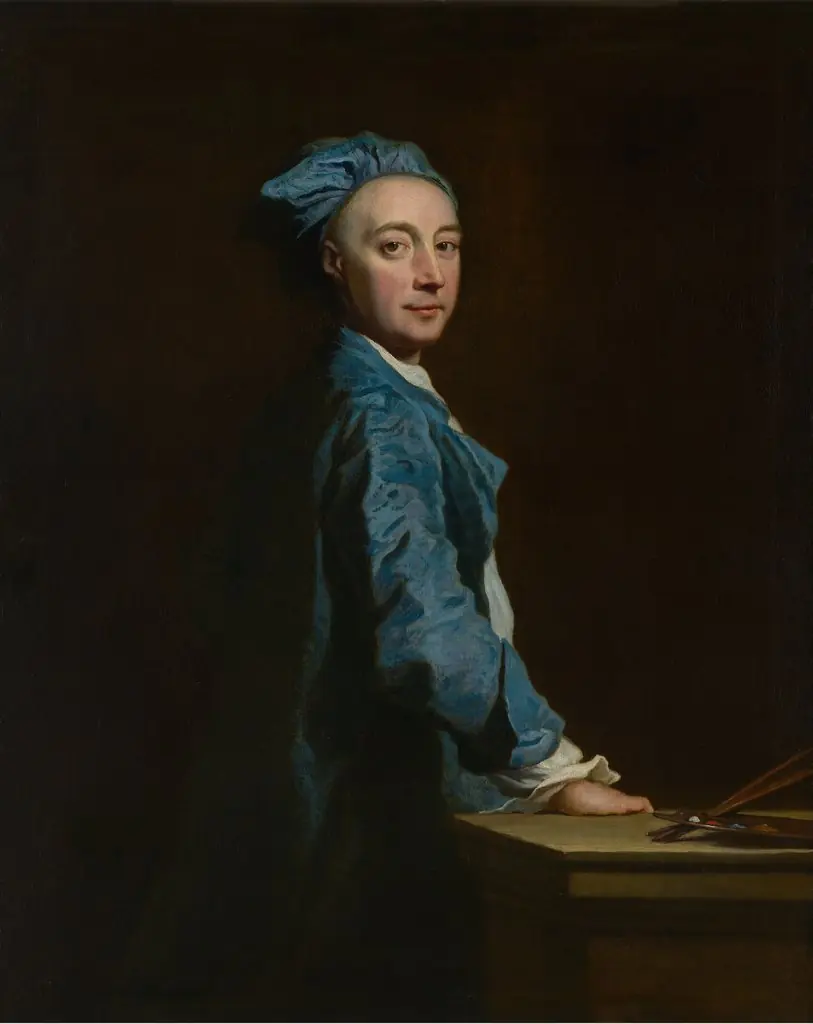
Portrait of Joseph Leeson, later 1st Earl of Milltown (1711-1783) is an oil painting by the Rococo painting artist Pompeo Batoni. It dates from 1744 and is held in the collection of the National Gallery of Ireland.
About this work
Overview
The painting is part of the National Gallery of Ireland’s collection, reflecting its significance as a document of 18th-century elite cultural practice.
Painted in 1744 by Pompeo Batoni, this oil portrait captures Joseph Leeson, an Anglo-Irish nobleman, during his Grand Tour of Italy. Batoni, renowned for his refined portraiture of northern European travelers, rendered Leeson with careful attention to detail and aristocratic bearing. The painting is part of the National Gallery of Ireland’s collection, reflecting its significance as a document of 18th-century elite cultural practice.
Subject & Meaning
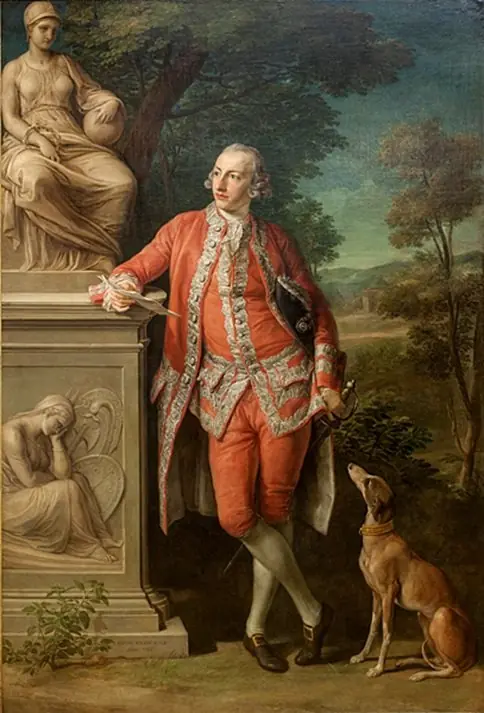
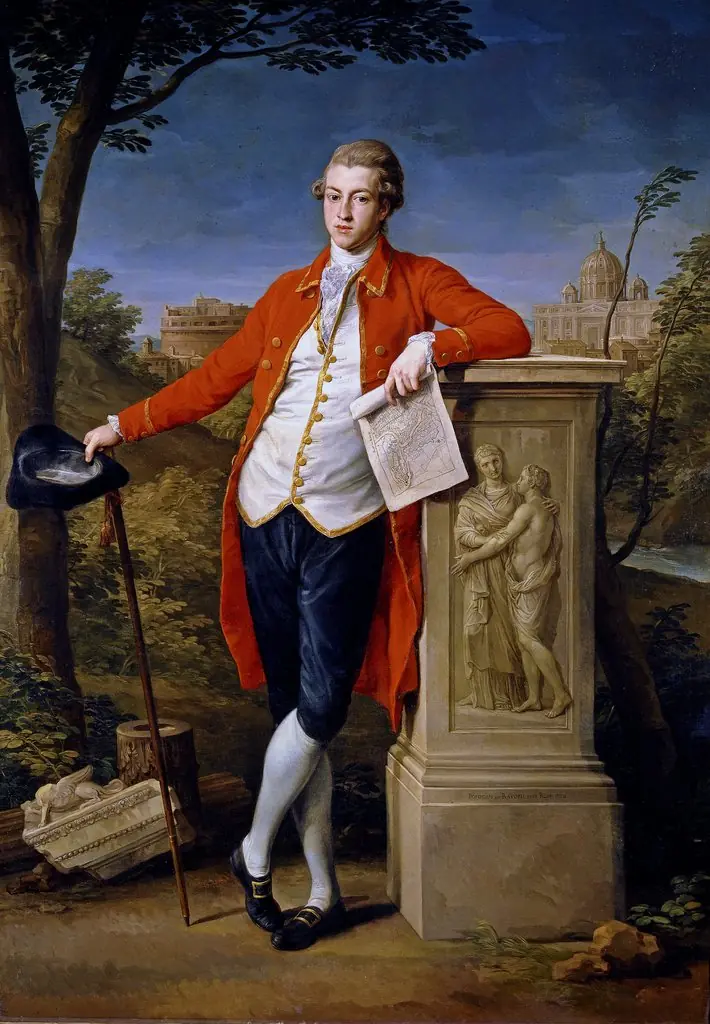
Joseph Leeson, later 1st Earl of Milltown, is depicted as a cultivated gentleman of means, embodying the ideals of the Grand Tour. His poised stance, direct gaze, and elegant attire signal confidence and social standing. The inclusion of rich fabrics and a theatrical curtain suggests not only wealth but also a deliberate performance of identity, aligning him with the classical and continental sophistication sought by British and Irish elites of the time.
Technique & Style
Batoni employed a restrained Rococo sensibility, emphasizing texture and tonal harmony over ornamental excess. The green robe with fur trim, red jacket, and white shirt are rendered with precise brushwork that captures the weight and sheen of materials. The background, a deep red curtain, creates contrast and depth, while the soft modeling of the face and hands conveys lifelike presence without theatricality.
History & Provenance
Commissioned during Leeson’s travels in Rome, the portrait was likely intended to affirm his status upon return to Ireland. It remained in the Leeson family until its acquisition by the National Gallery of Ireland, where it has been held since the 20th century. Its preservation reflects its value as both a personal memento and a cultural artifact of Anglo-Irish aristocratic identity in the mid-1700s.
Context
In the mid-18th century, British and Irish aristocrats commissioned portraits from Italian artists like Batoni to commemorate their Grand Tour. These works served as visual proof of education, taste, and cosmopolitanism. Batoni’s studio became a hub for such commissions, blending classical references with contemporary portraiture to satisfy patrons seeking to align themselves with antiquity and refinement.
Legacy
The portrait stands as a representative example of Batoni’s role in shaping the visual language of European elite identity. It illustrates how portraiture functioned beyond likeness—to communicate social aspiration, cultural literacy, and transnational connections. Its continued presence in a national collection underscores its enduring value as a historical record of aristocratic self-representation.
Own this work as a print
Artist & collection
Artist
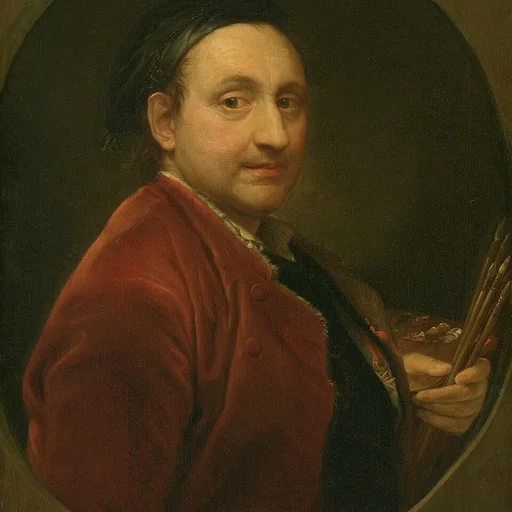
Pompeo Girolamo Batoni (25 January 1708 – 4 February 1787) was an Italian painter who displayed a solid technical knowledge in his portrait work and in his numerous allegorical and mythological pictures.