Artwork
Alessandro de' Medici
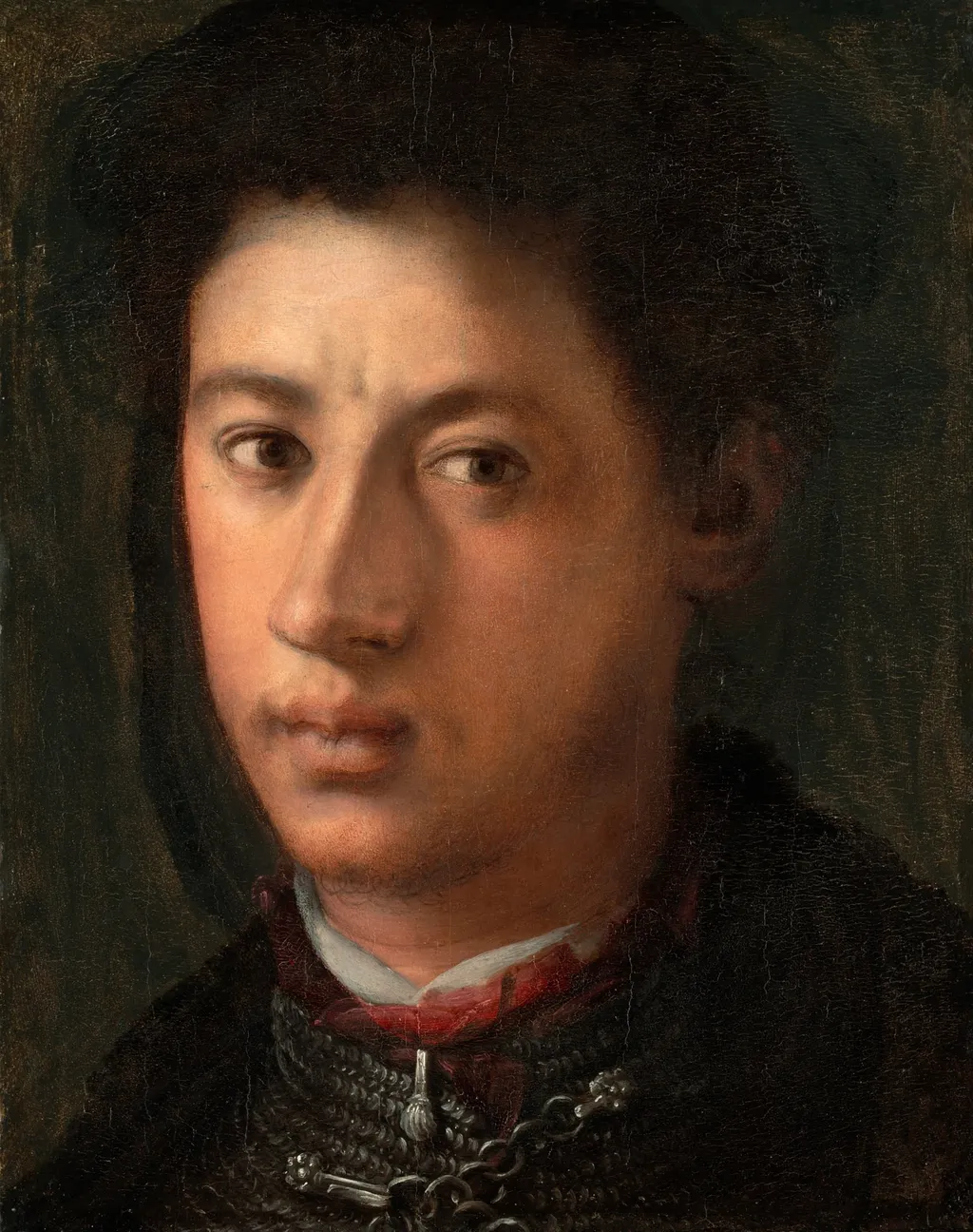
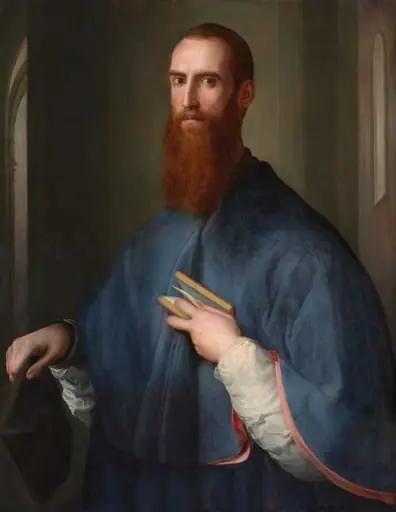
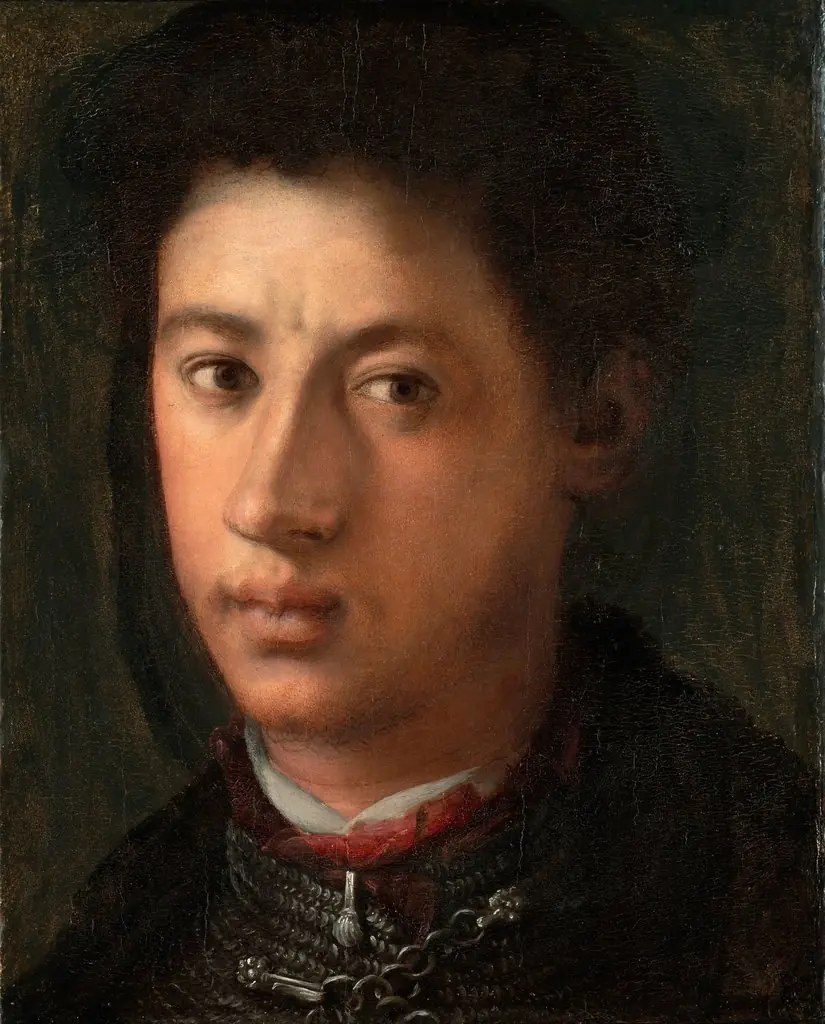
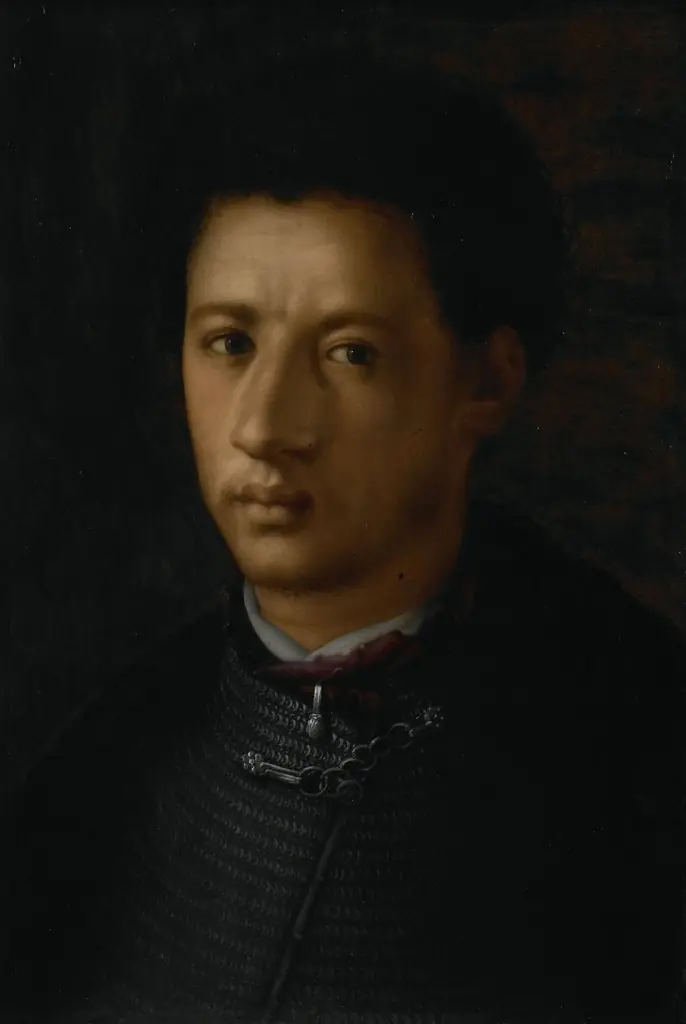
Alessandro de' Medici is an oil painting by the Renaissance artist Pontormo. It dates from 1534 and is held in the collection of the Art Institute of Chicago.
About this work
Overview
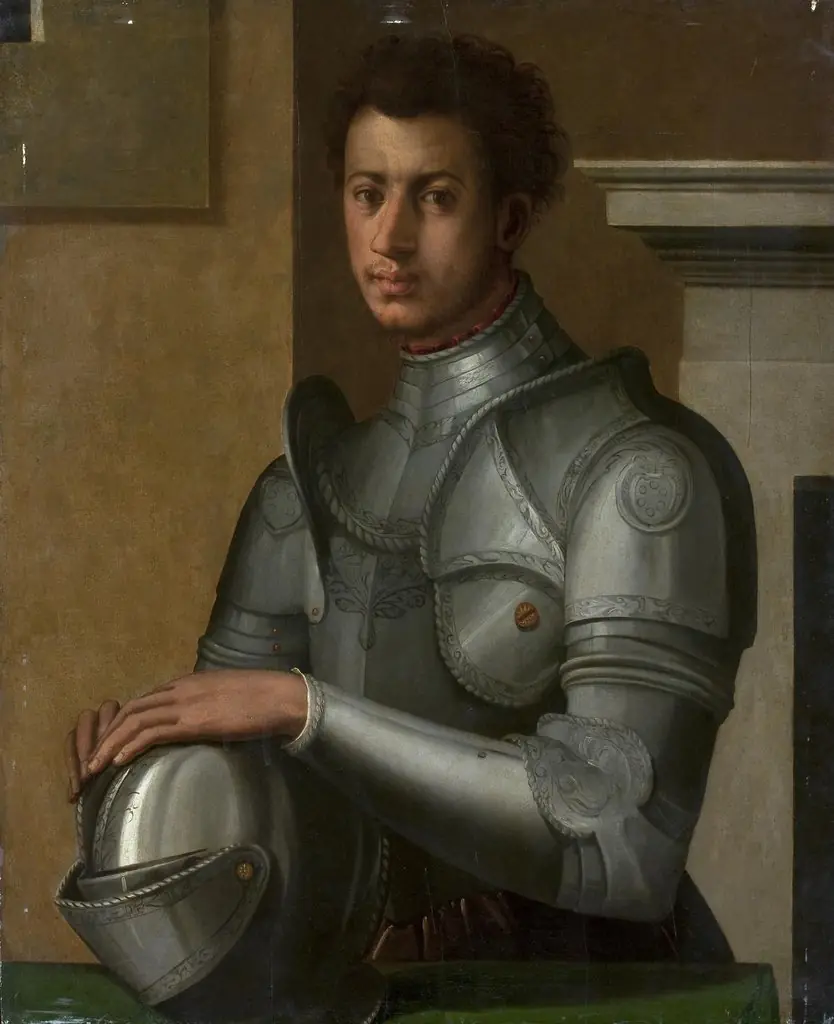
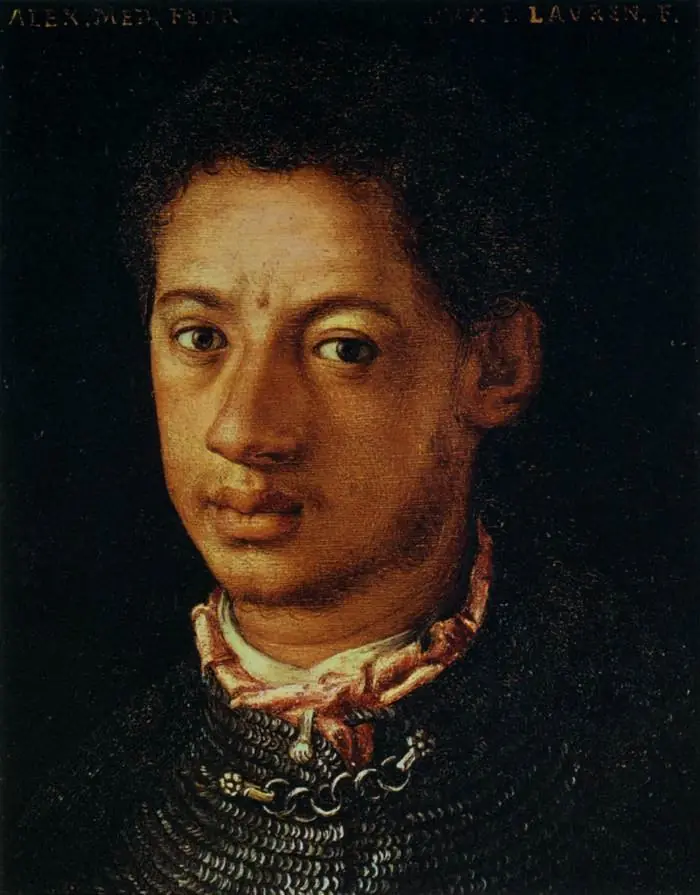
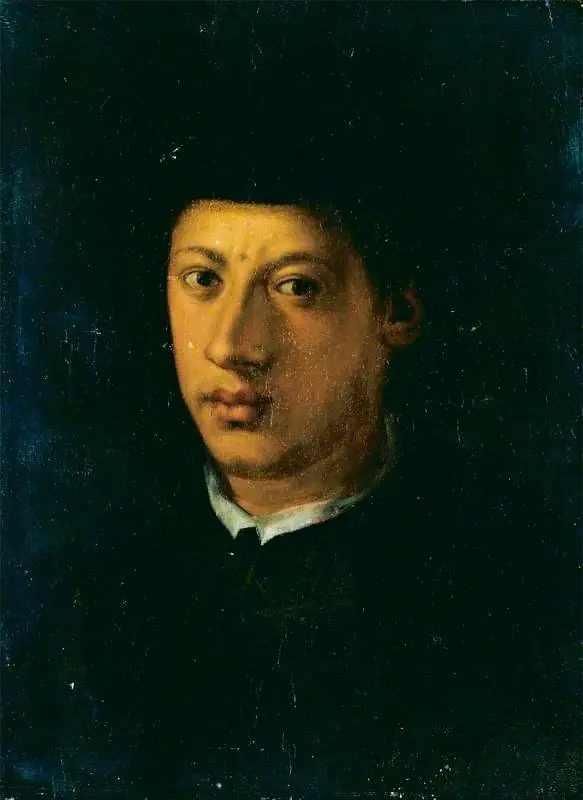
This oil on panel portrait is a preparatory study for larger formal depictions of Alessandro de' Medici, created by Jacopo da Pontormo and his workshop.
This oil on panel portrait is a preparatory study for larger formal depictions of Alessandro de' Medici, created by Jacopo da Pontormo and his workshop. It served as a reference for capturing the duke’s likeness and demeanor during the production of official portraits. The work reflects the Florentine court’s need for consistent visual representation of its ruler, emphasizing accuracy over idealization.
Subject & Meaning
Alessandro de' Medici, born to Pope Clement VII and an enslaved African woman, was the first Duke of Florence, appointed in 1529. Known as 'il Moro'—a period term for individuals of African descent—he consolidated power in a turbulent political climate. His portrait conveys authority through direct gaze and formal attire, yet also hints at the tension surrounding his rule, which ended with his murder by a cousin in 1537.
Technique & Style
The painting employs subtle chiaroscuro to model the face and fabric, creating depth without theatrical contrast. Brushwork is controlled and precise, focusing on texture in the hat, cloak, and skin tones. The composition is tightly framed, eliminating background distraction to center the subject’s expression. This restrained approach aligns with the functional purpose of the work: a reliable visual reference rather than a ceremonial display.
History & Provenance
Created during Alessandro’s brief reign, the portrait likely originated in the Medici court’s artistic circle around 1530–1534. It remained within Medici collections after his death, preserved as a historical record rather than a celebrated image. Its survival reflects the family’s interest in documenting their lineage, even for figures whose legitimacy was contested or whose rule was violently terminated.
Context
In early 16th-century Florence, portraiture served political ends as much as personal commemoration. Alessandro’s rise from illegitimacy to ducal power was unprecedented and controversial. His African heritage, while noted in contemporary sources, was not the focus of artistic representation—instead, his authority was emphasized through dress and posture, aligning him with Renaissance ideals of princely bearing.
Legacy
The portrait stands as a rare surviving image of a ruler of African descent in Renaissance Italy, offering insight into how identity and power were visually negotiated. Though not widely exhibited in its time, it contributes to modern understanding of diversity within elite circles and the role of art in legitimizing political authority during a period of upheaval.
Own this work as a print
Artist & collection
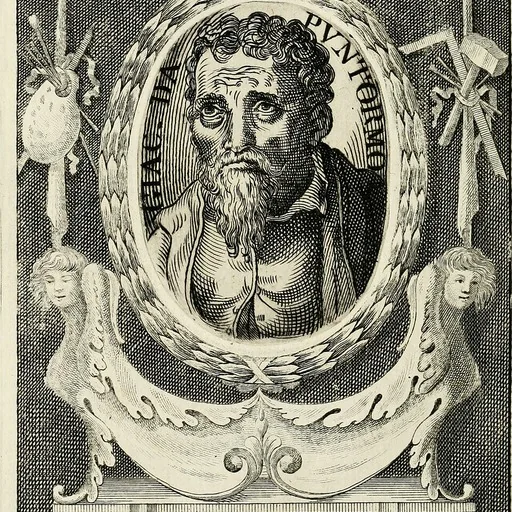
Artist
Jacopo Carucci or Carrucci (IPA: ; May 24, 1494 – January 2, 1557), usually known as Jacopo (da) Pontormo or simply Pontormo (IPA: ), was an Italian Mannerist painter and portraitist from the Florentine School.