Artwork
Vas decorativ
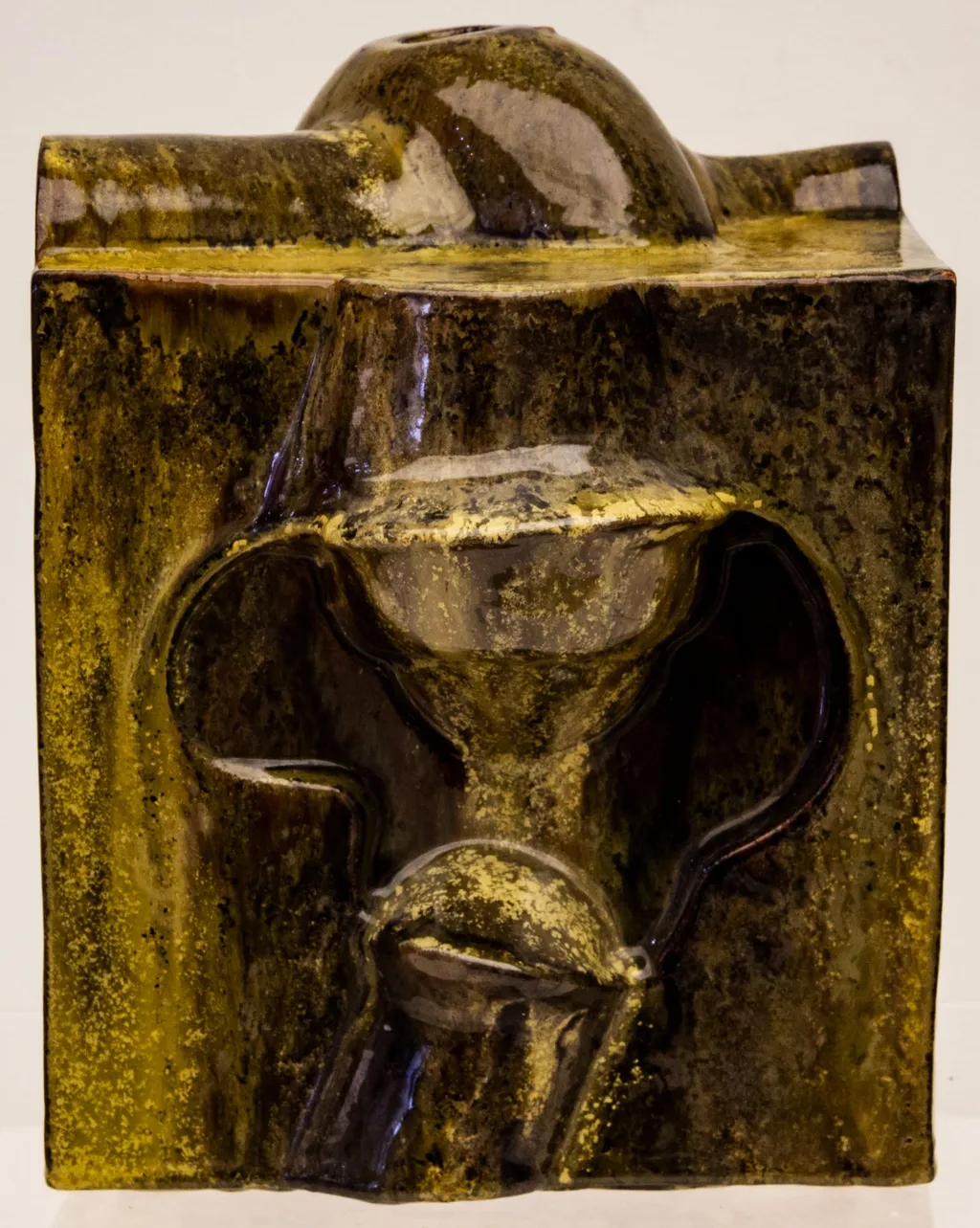
Vas decorativ is a photography by Nicolae Pop. It dates from 1950 and is held in the collection of the Gavrila Simion Eco-Museum Research Institute Tulcea. A small ceramic vase, dated around 1950, is documented in a black-and-white photograph held by the Museum of Ethnography.
About this work
Overview
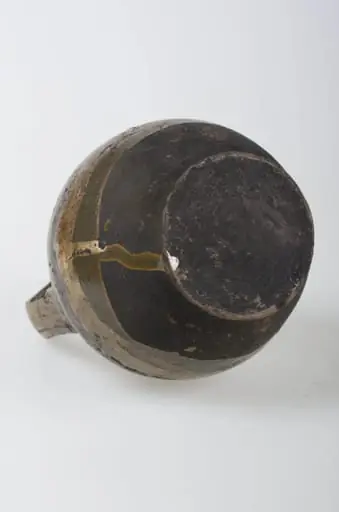
The vase appears weathered, with uneven surface texture and patches of yellowish staining, suggesting prolonged use or environmental exposure.
A small ceramic vase, dated around 1950, is documented in a black-and-white photograph held by the Museum of Ethnography. The image captures only the vessel’s upper portion, isolating its form against a plain background. The vase appears weathered, with uneven surface texture and patches of yellowish staining, suggesting prolonged use or environmental exposure. The photograph’s close framing emphasizes materiality over decoration.
Subject & Meaning
The object is a utilitarian vessel, likely used in domestic or ritual contexts, though its specific cultural function is not recorded. Its worn condition implies daily handling over time, and the absence of visible ornamentation suggests a focus on practicality rather than aesthetic display. The photograph preserves its physical state without interpreting symbolic meaning, leaving its cultural role open to inference.
Technique & Style
The vase is formed from coarse ceramic, shaped with a rounded body and a gently flared rim, typical of hand-thrown pottery. Surface irregularities indicate minimal finishing, with no glaze or painted decoration evident. The dark green hue, now faded and mottled, may result from natural clay composition or firing conditions. The photograph’s lighting accentuates these tactile qualities, underscoring the object’s handmade character.
History & Provenance
The vase was collected and documented by the Museum of Ethnography in the mid-20th century, though its origin and prior ownership remain unrecorded. It was likely acquired during fieldwork or donation, as part of efforts to preserve everyday material culture. The photograph, taken around the time of acquisition, serves as the primary archival record of the object’s condition at that point.
Context
Created in the early postwar period, the vase reflects a tradition of vernacular ceramics common in rural communities, where functional pottery was made locally and passed through generations. Its simplicity aligns with regional practices that prioritized durability over ornament. The photograph’s neutral presentation mirrors the museum’s ethnographic approach: documenting objects as cultural artifacts, not aesthetic objects.
Legacy
The vase remains in the museum’s collection as a representative example of modest, utilitarian ceramics from the mid-20th century. Its photographic record ensures its preservation despite the fragility of the original object. It contributes to broader studies of everyday life, offering insight into material habits and craftsmanship outside formal artistic traditions.
Artist & collection
Artist
Nicolae Vasile Pop is a Romanian former volleyball player who competed in the 1980 Summer Olympics.
Museum
Gavrila Simion Eco-Museum Research Institute Tulcea
Continue through works from the same source collection.
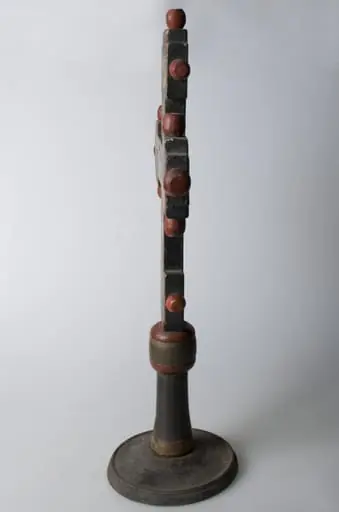 Crucea treflată este realizată din lemn de esență moale cu postament rotund, având câte trei bulbi pe cele trei brațe ale crucii și doi bulbi la bază. Aceasta are două fețe, fiind prelungită cu un mâner. Pe una dintre fețele crucii este pictată scena Botezul Domnului: central este reprezentat Iisus Hristos, iar deasupra un porumbel printre nori reprezentând Duhul Sfânt. În partea stângă este prezent Ioan Botezătorul, iar în dreapta o altă persoană. Pe cealaltă față este ilustrată scena Răstignirea Domnului: în partea centrală este Iisus Hristos, răstignit pe cruce. În partea stângă este pictată Maica Domnului, iar în partea dreaptă este pictat ucenicul iubit, Ioan. În registrul superior sunt reprezentate soarele și luna. Cromatică: alb; roșu; negru; bleumarin.
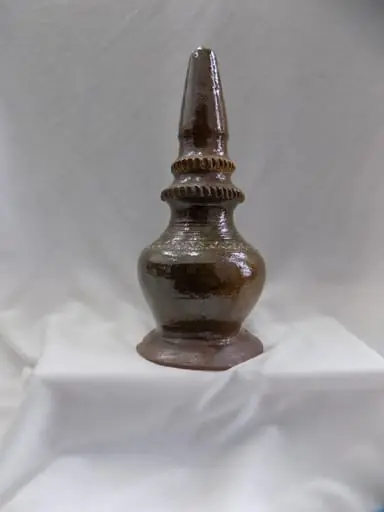 Bold pentru casă
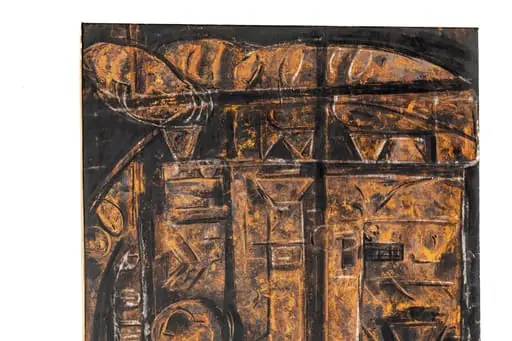 Fereastra
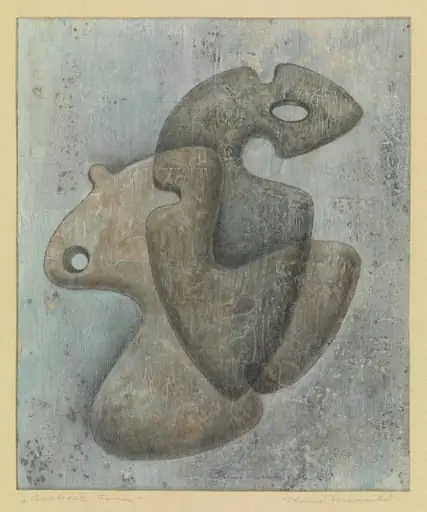 Untitled
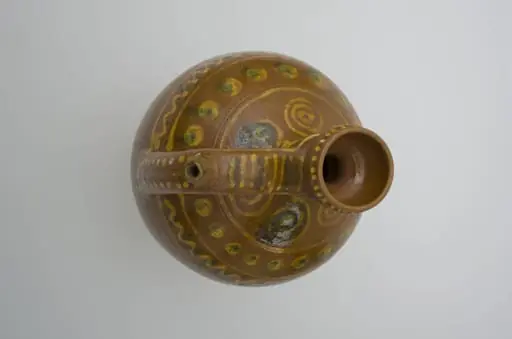 Ulcior de formă sferică cu gât înalt cu guler la mijloc; gura înaltă și largă, în formă de pâlnie tronconică. Buză rotundă și îngustă retrasă spre interior. Prezintă toartă goală aplatizată cu țâța ușor înălțată oblic ce pornește din gulerul gâtului și intră în pântece la diametrul maxim, într-un arc oval. Decorul este format din motive geometrice: brâu median de linii pararele și zig-zag; liniuțe orizontale și două șiruri de punctmotive florale; sub gât avem spirale. Smălțuit cu smalț incolor. Cromatică: fond: maro cărămiziu; motive: galben; verde.
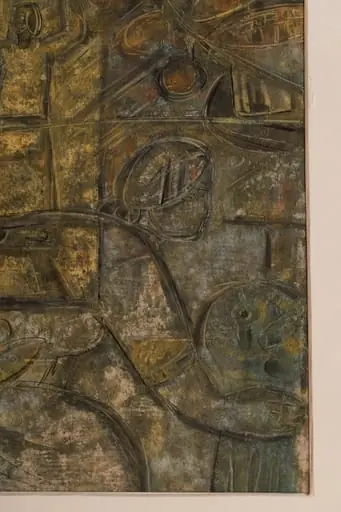 Toamna
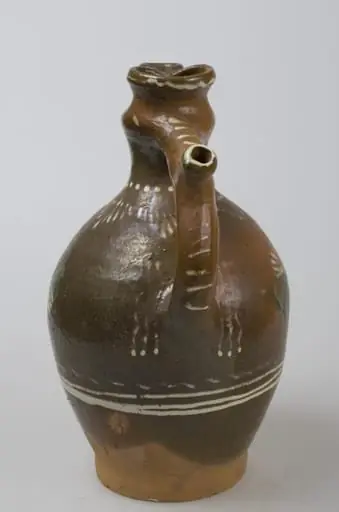 Recipient bitronconic cu gura bilobată. Prezintă mâner cu ”țâță”. Smălțuit până aproape de bază. Decorul este amplasat pe toată suprafața și este format din motive geometrice (linie); motive florale (pansea); motive fitomorfe (brad). Cromatică: fond: cărămiziu; motive: verde; maron; alb.
 Untitled
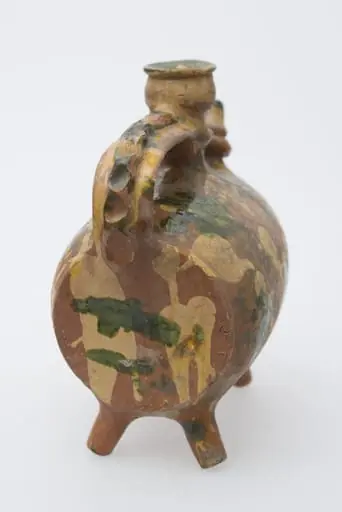 Recipient ceramic sub formă de butoiaș cilindric, dispus pe orizontală, asemănător corpului de rață. Sprijinit pe patru picioare tubulare dispuse oblic câte două la capete. Prezintă toartă. Scurgere printr-un cioc cu vârful conic care este legat prins printr-un inel de mijlocul gâtului cilindric și strâmt dispus la mijlocul vasului, având la capăt reliefată o față umană în relief terminată cu gura cu buză dreaptă pentru introducerea lichidelor. Opus ciocului, prezintă o toartă lată, puternic arcuită, de-a lungul căreia se suprapune, o bandă reliefață decorată prin presare cu degetul. Pe corpul vasului, dispuse aleatoriu, pete albe și de smalț verde și galben. Cromatică: fond: cărămiziu; motive: alb; galben; verde.
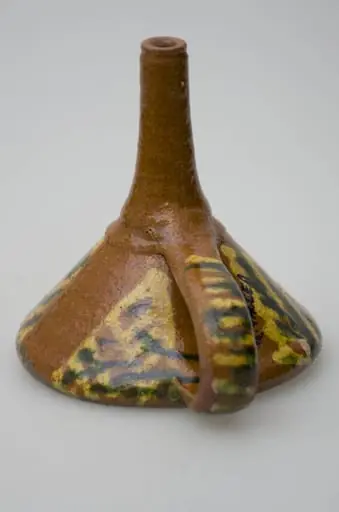 Pâlnie ceramică smălțuită, de formă tronconică, cu gura astupată cu o suprafață de lut găurită, formând o sită. La cealaltă latură a conului pâlnia este continuată printr-un tub cilindric, care se folosește la scurgerea lichidelor. Piesa de uz casnic este dotată cu un mâner care pleacă de la buză până la tubul cilindric de scurgere. Pe suprafața obiectului apar motive geometrice realizate cu pensula. Cromatică: fond: maro; motive: galben; verde.
 Vas decorativ
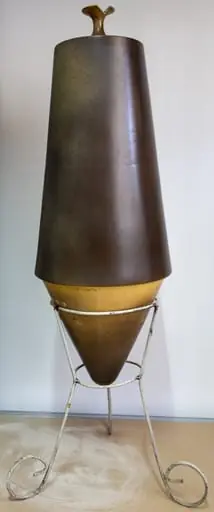
 Recipient ceramic de formă sferică cu o toartă ce pornește de la baza buzei, printr-un inel, și se prinde de corp deasupra diametrului maxim. Buza este înaltă și relativ îngustă. Decorul este compus din motive geometrice (liniare, curbilinii) pictate, plasate pe toată suprafața obiectului. Pe alocuri sunt prezente pete de smalț. Vasul este smălțuit la exterior. Cromatică: fond: maron; bej; motive: maron închis, verde, galben.