Artwork
Peisaj arab
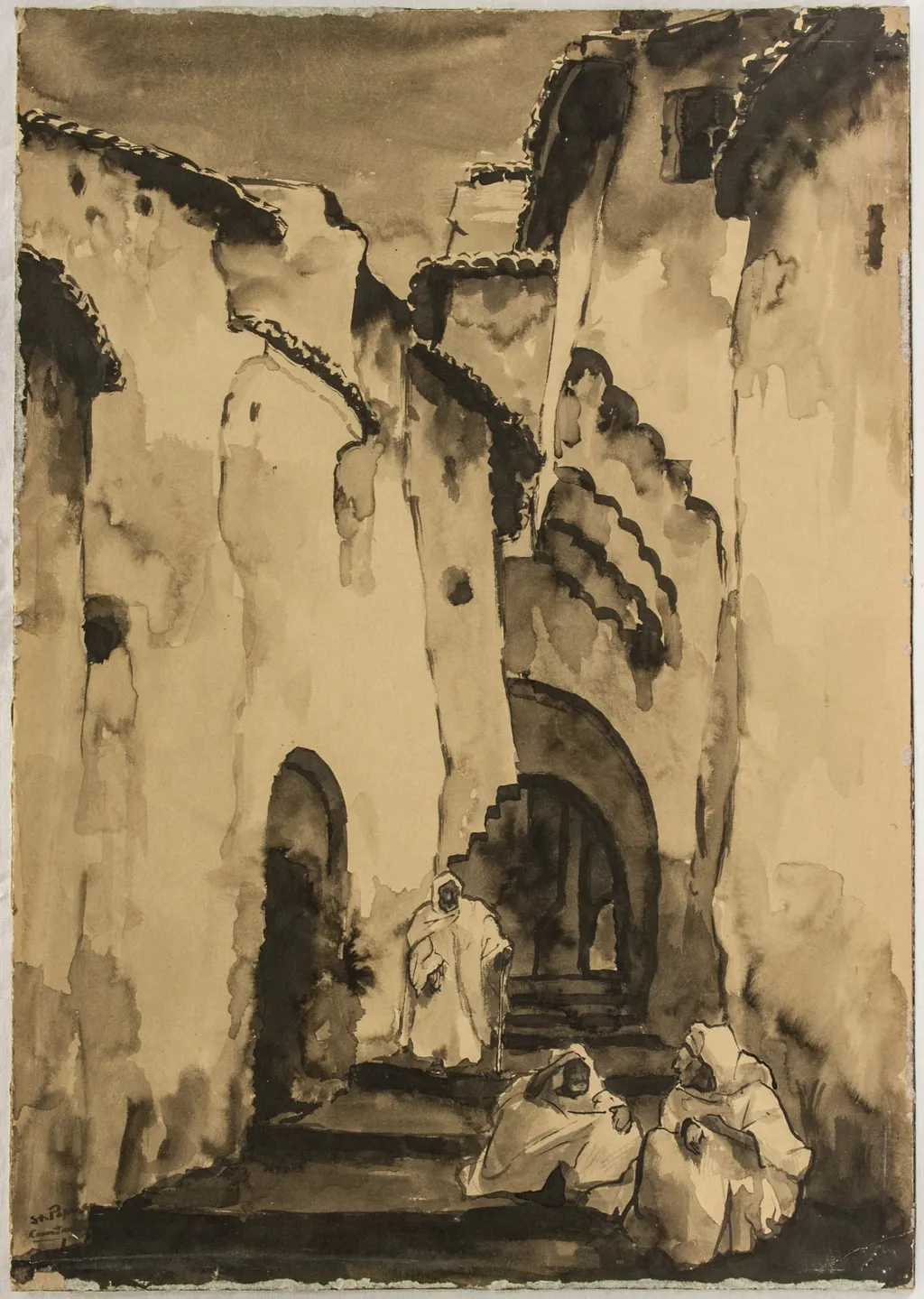
Peisaj arab is a drawing by Ștefan Popescu. It dates from 1950 and is held in the collection of the Gavrila Simion Eco-Museum Research Institute Tulcea.
About this work
Overview
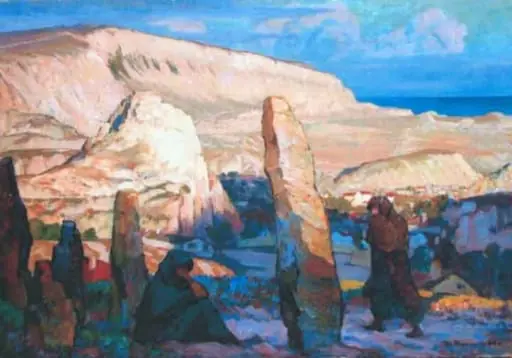
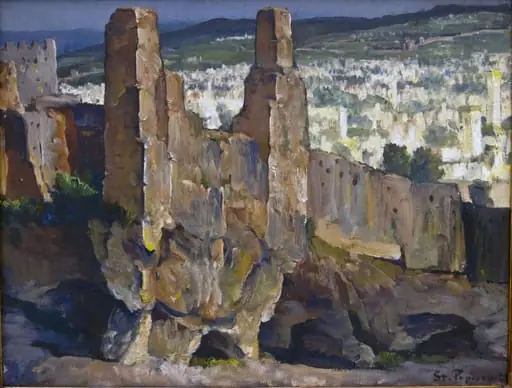
Peisaj arab, painted around 1950 by Romanian artist Ștefan Popescu, is part of the collection of the Museum of Ethnography. The work is an oil on canvas that depicts a tranquil scene set before a massive stone edifice, rendered in muted, earthy hues that emphasize mood over detail.
Subject & Meaning
In the foreground three figures—clad in white robes and head coverings—are positioned near the base of the structure. Their posture suggests a quiet exchange or contemplation, inviting viewers to sense a moment of stillness within an otherwise monumental setting.
Technique & Style
Popescu employs a restrained palette of ochres, grays, and whites, allowing the composition’s forms to emerge through tonal modulation rather than intricate brushwork. The rough stone walls and subtle cracks are suggested with broad, softened strokes, creating a sense of depth while maintaining a calm visual rhythm.
History & Provenance
Created in the early post‑war period, the painting entered the Museum of Ethnography’s holdings shortly after its completion, where it remains on display as part of the institution’s representation of mid‑20th‑century Romanian art.
Artist & collection
Artist
Ștefan Popescu painted quiet scenes from the 1920s, blending everyday places with soft light.
Museum
Gavrila Simion Eco-Museum Research Institute Tulcea
Continue through works from the same source collection.

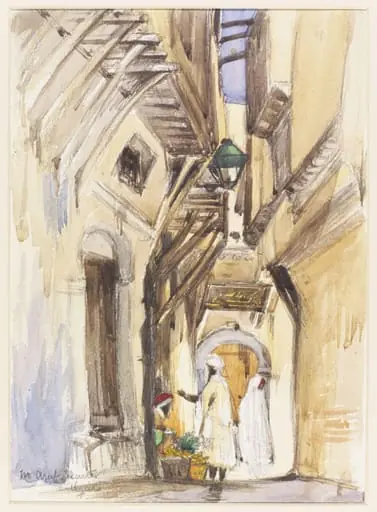 In Arab Quarter Algiers
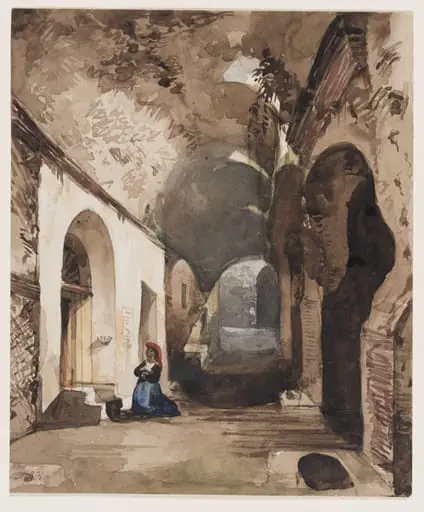 Woman praying in a vaulted shrine in the amphitheatre of Pozzuoli (Naples)
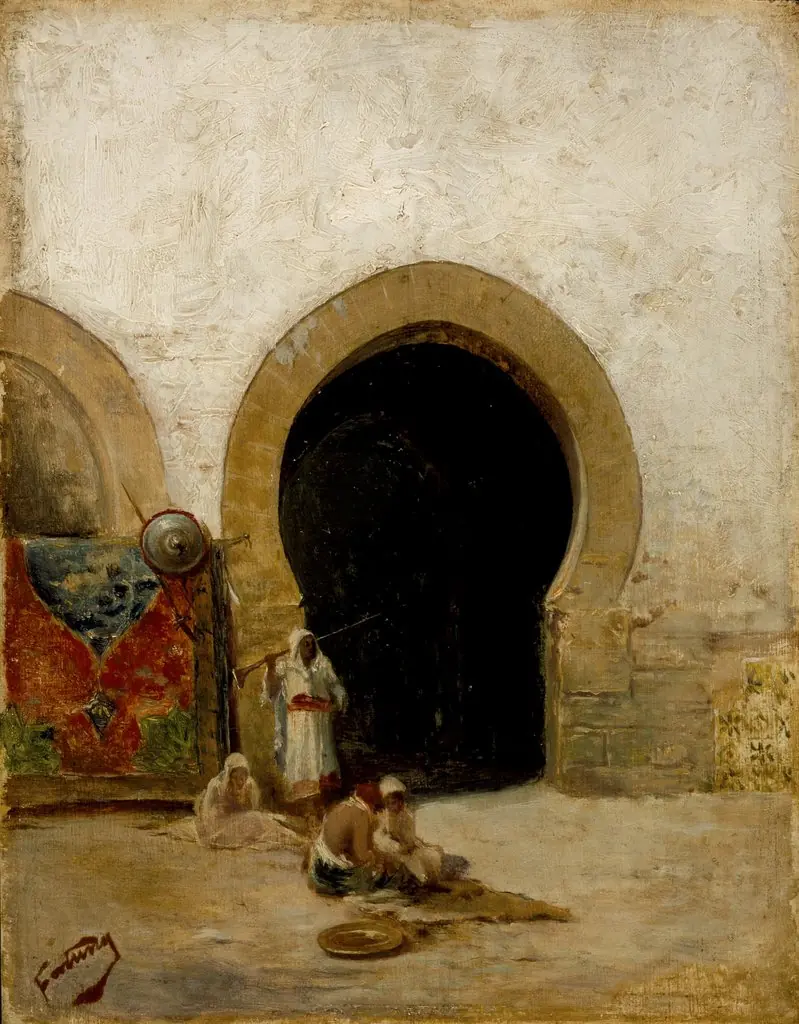 At the Gate of the Seraglio
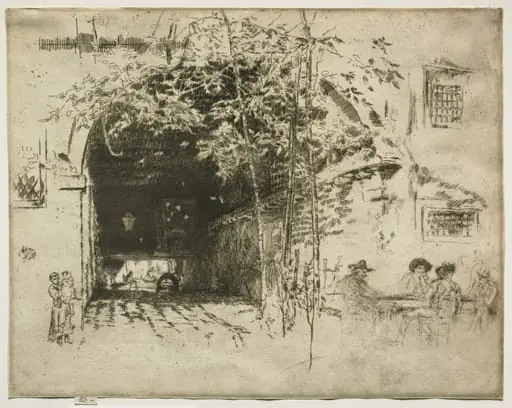 The Traghetto
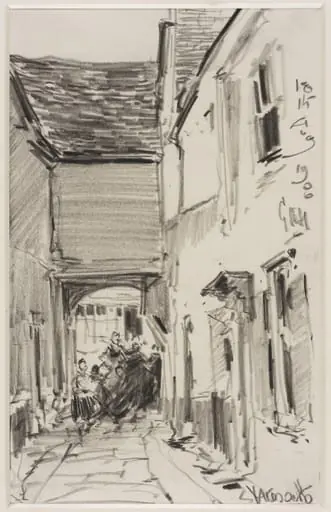 A Row, Great Yarmouth.
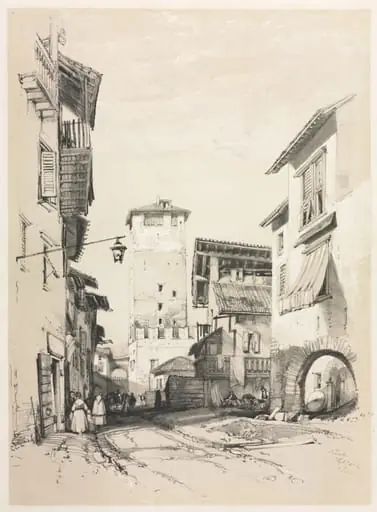 Sketches at Home and Abroad: Trento
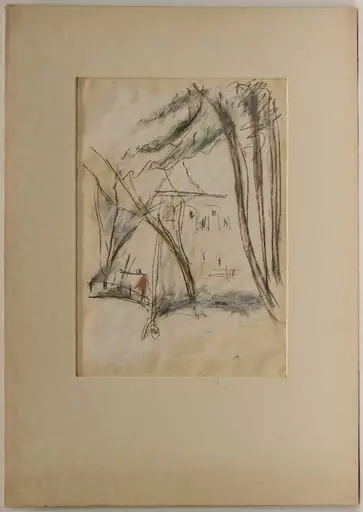 Peisaj
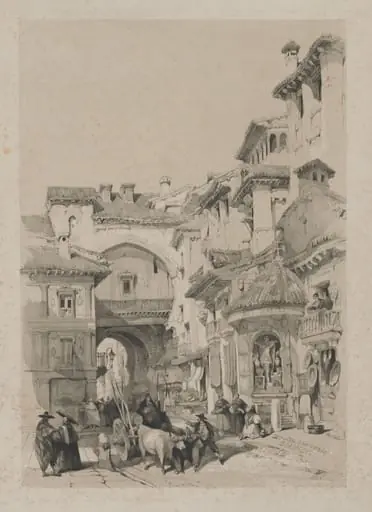 Picturesque Sketches in Spain: Gate of the Vivarrambla, Granada
 An Eastern Market.
 A Cairo Street Scene With Camels
 Dwarf in Narrow Street
 Street Scene