Artwork
Studiu pentru "Execuția lui Horia"
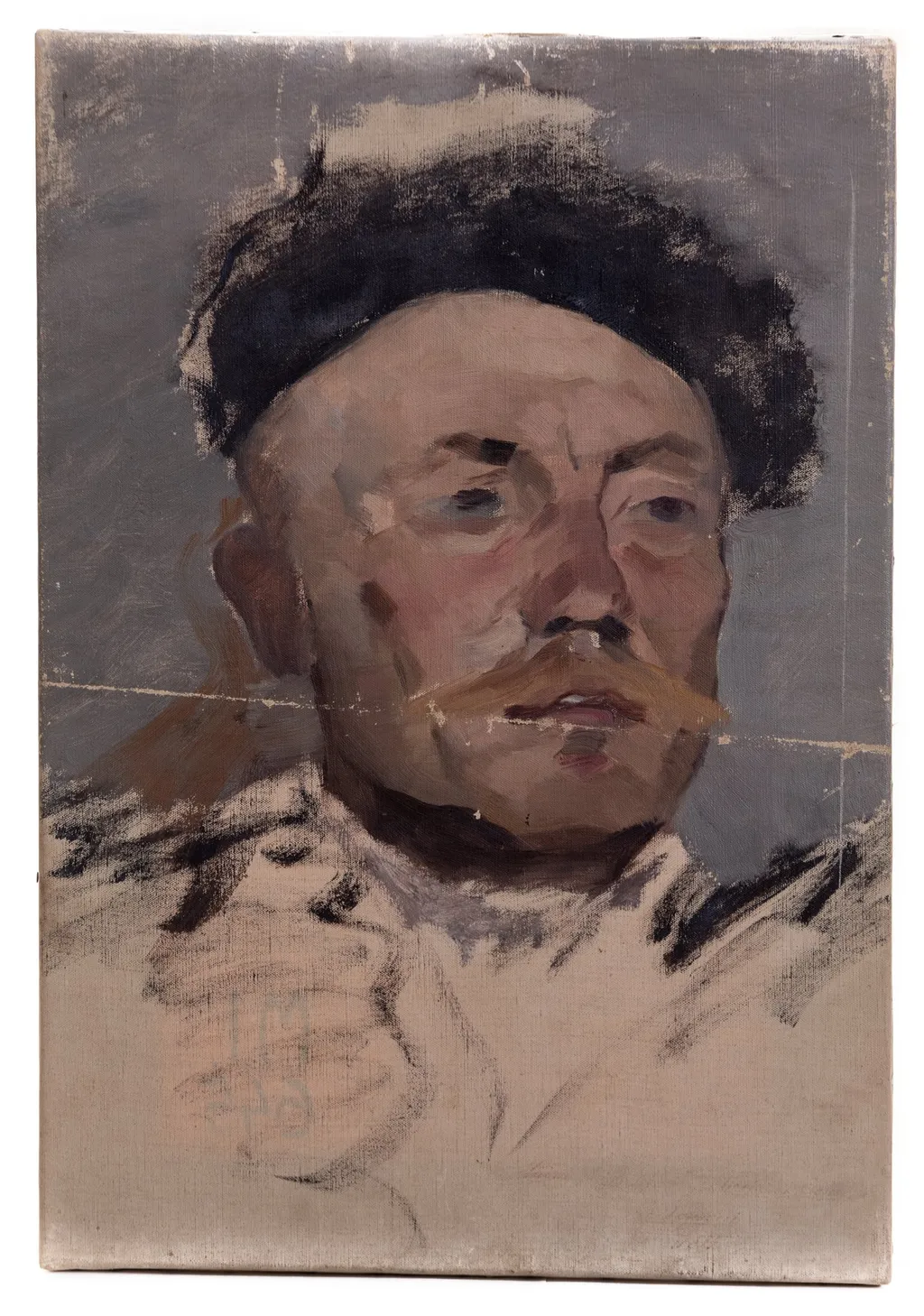
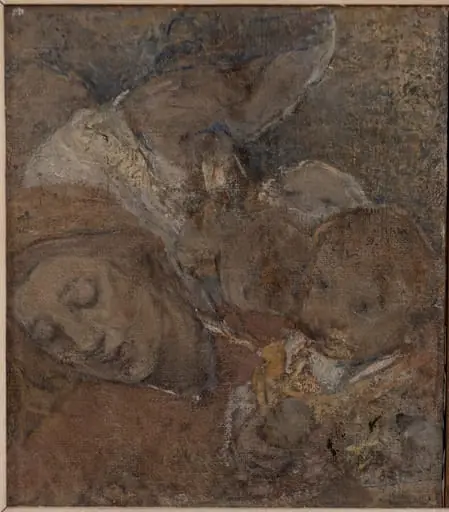
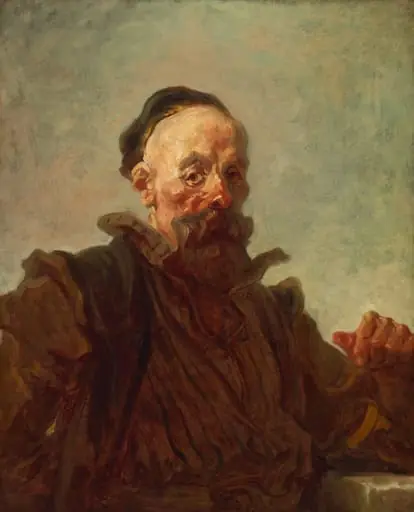
Studiu pentru "Execuția lui Horia" is an unspecified painting by Gheorghe Popovici. It dates from 1850 and is held in the collection of the Moldova National Museum Complex.
About this work
Overview
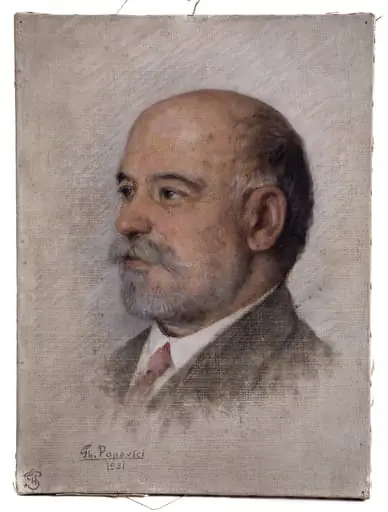
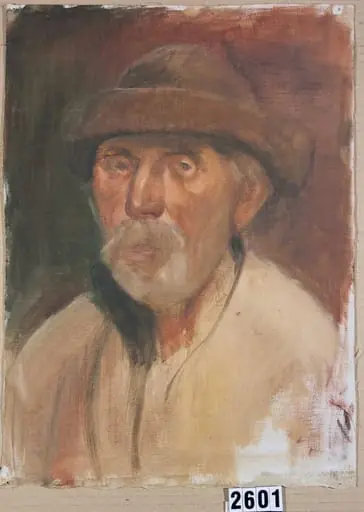
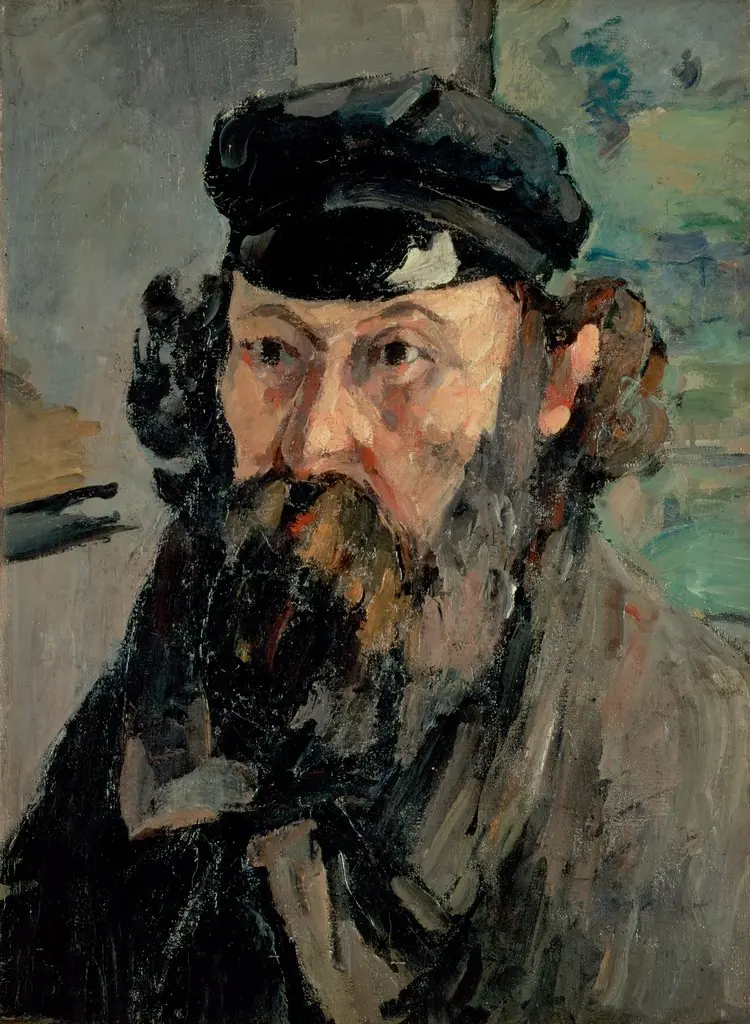
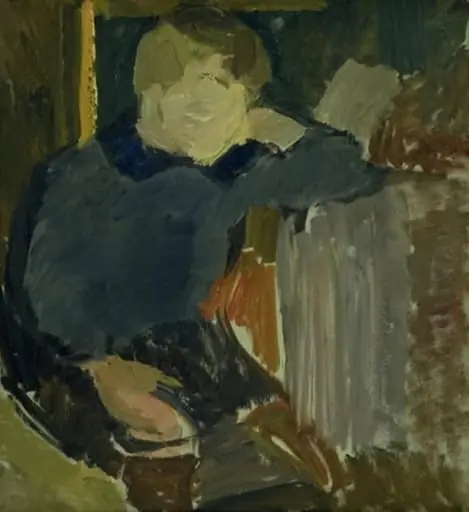
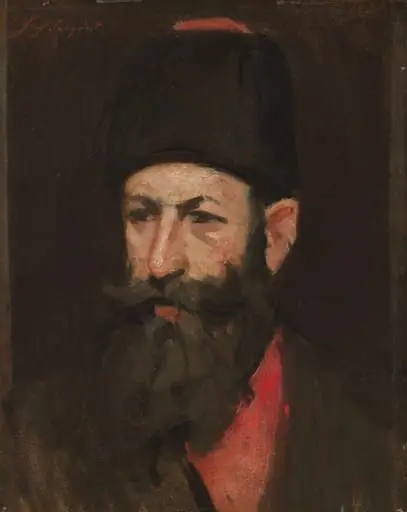
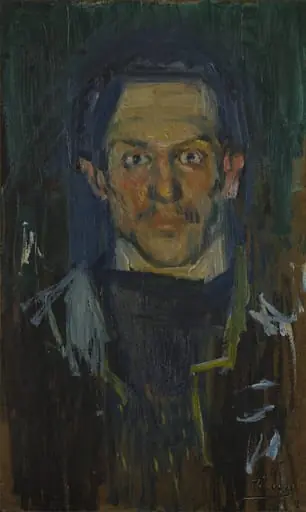
Created around 1850 by Gheorghe Popovici, this study serves as a preparatory work for the larger painting 'Execuția lui Horia.' Executed in oil, it captures a partial portrait of a male figure, focusing on the head and upper shoulders. The composition is intimate and unpolished, suggesting an early stage in the artist’s process rather than a finished piece.
Subject & Meaning
The figure depicted is likely Horia, a leader of the 1784 Romanian peasant uprising, whose execution became a symbol of resistance. The intense, somber expression and direct gaze convey gravity and resolve. Popovici’s choice to isolate the face emphasizes the human cost of political repression, transforming a historical moment into a personal portrait of dignity under duress.
Technique & Style
Popovici employed loose, visible brushwork with minimal blending, allowing the paint to retain texture and spontaneity.
Popovici employed loose, visible brushwork with minimal blending, allowing the paint to retain texture and spontaneity. Dark browns and grays dominate, with only a faint hint of a light collar breaking the monotony. The edges dissolve into the background, and areas of thin, faded pigment suggest rapid execution. The technique prioritizes emotional immediacy over finish, aligning with preparatory sketch traditions.
History & Provenance
The study was made in the early 1850s, during Popovici’s formative years as a painter engaged with national themes. It remained in private hands until acquired by Romanian cultural institutions in the 20th century. Its survival as a preparatory piece offers rare insight into the artist’s working method, contrasting with the more formal final composition now lost or unlocated.
Context
In mid-19th century Romania, artists increasingly turned to historical subjects to foster national identity under Habsburg and Ottoman influence. Popovici’s focus on Horia reflects this trend, aligning with broader Romantic-era interests in heroic resistance. The study’s informal style contrasts with academic norms, hinting at a shift toward expressive realism in Romanian art.
Legacy
Though not widely exhibited, this study remains a key example of early Romanian historical painting’s experimental phase. Its raw technique influenced later artists seeking emotional authenticity over polished finish. As one of the few surviving preparatory works from this period, it provides tangible evidence of how national narratives were visually developed before public presentation.
Own this work as a print
Artist & collection
Artist
Gheorghe Popovici made prints, paintings, and textiles in the early 1900s. Look at his 1903 woven “Struguri” and the 1914 print “Regina Elisabeta” to see how pattern and portrait blend. His autumn landscape “Peisaj de…