Artwork
Gheorghe Lazăr
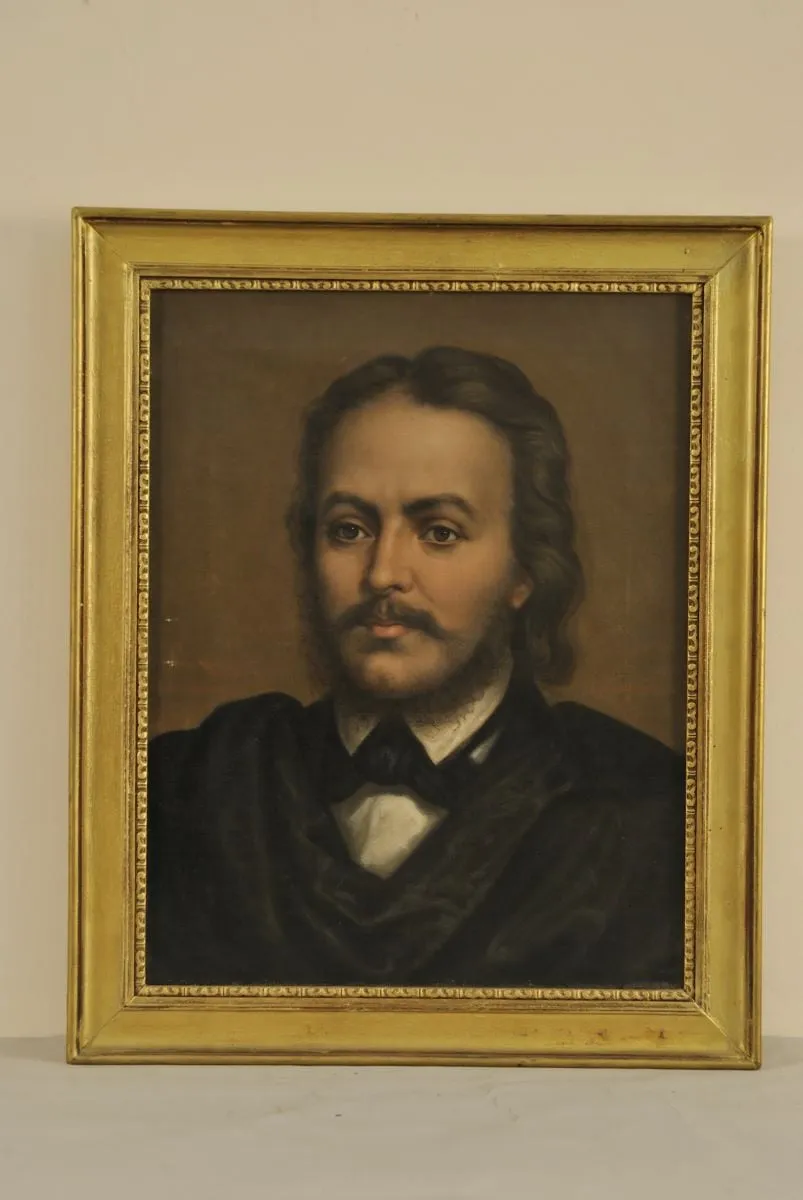
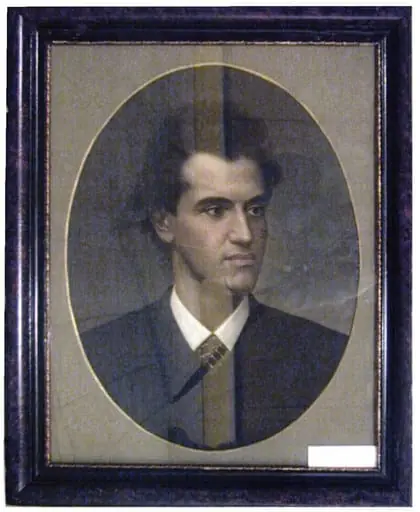
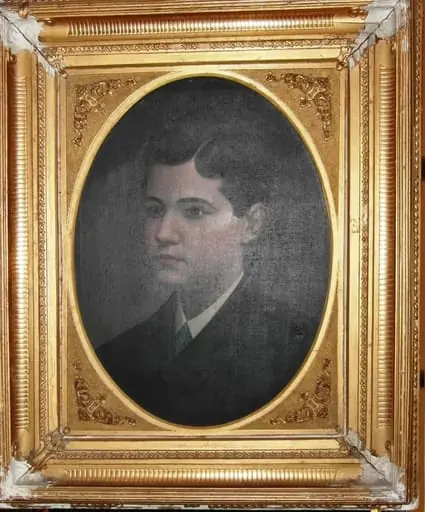
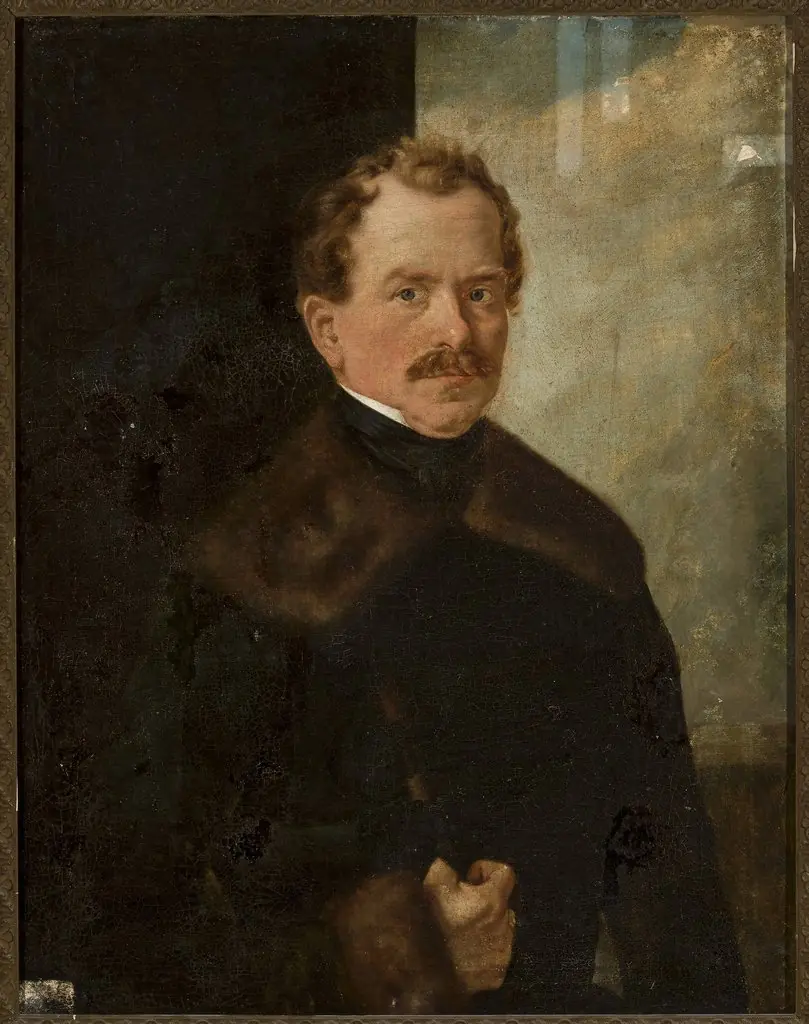
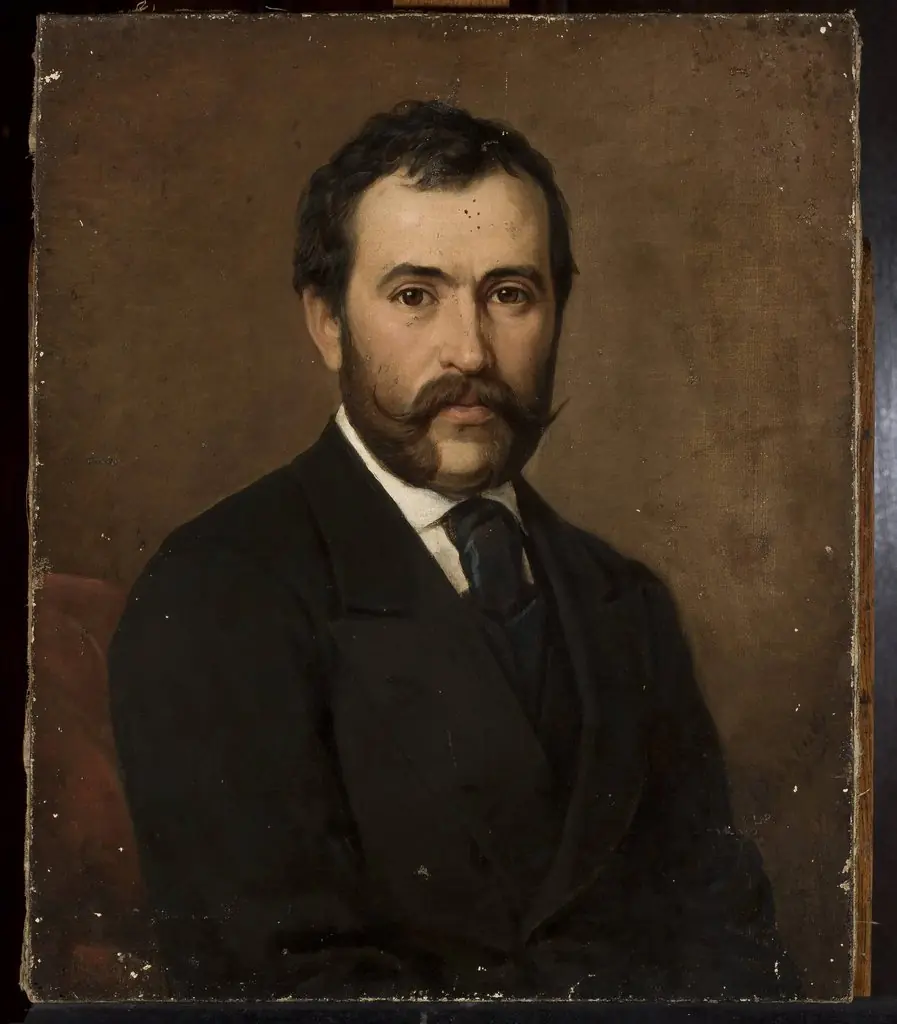
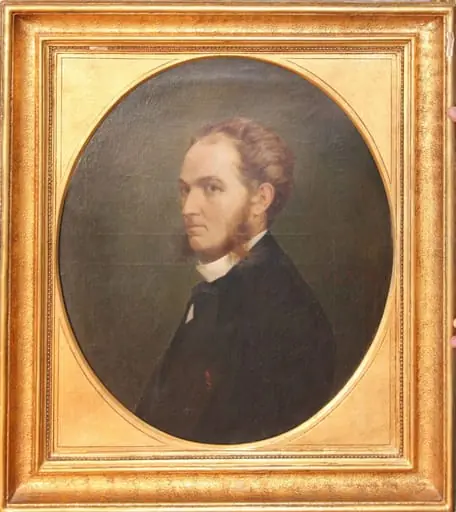
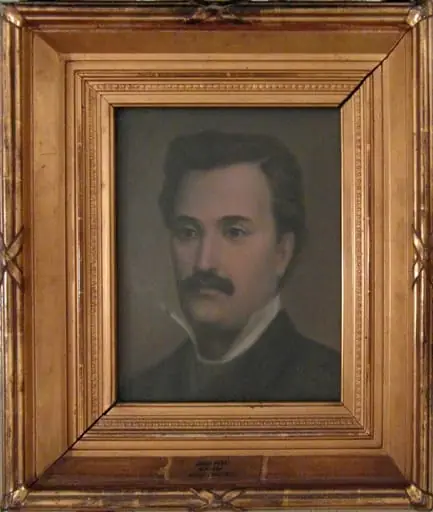
Gheorghe Lazăr is a print by Mișu Popp. It dates from 1869 and is held in the collection of the National Museum of Romanian History.
About this work
Overview
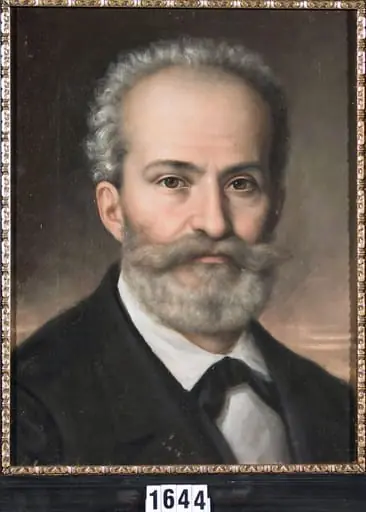
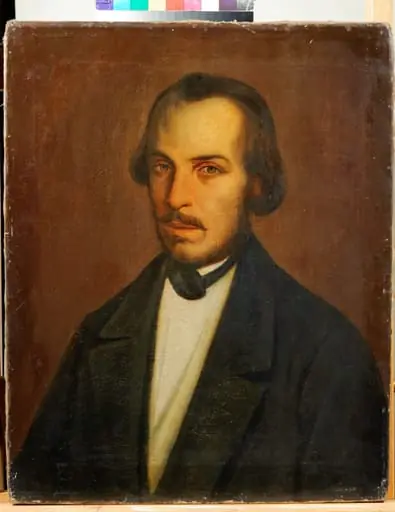
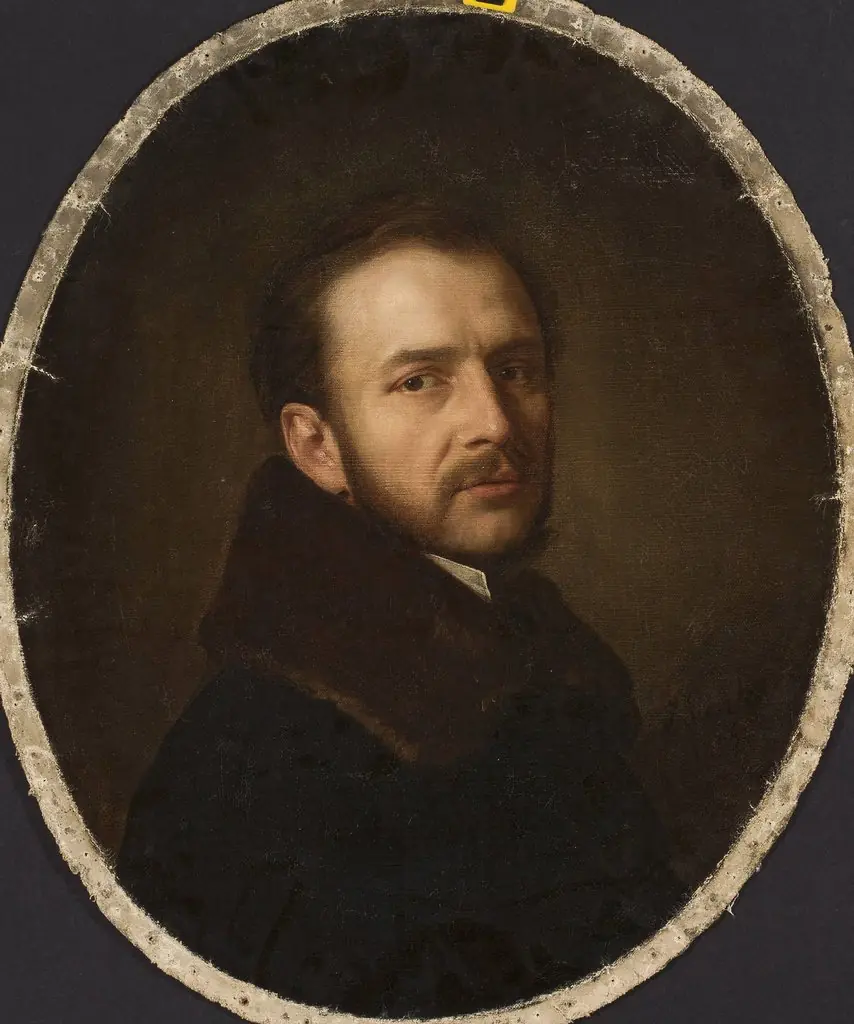
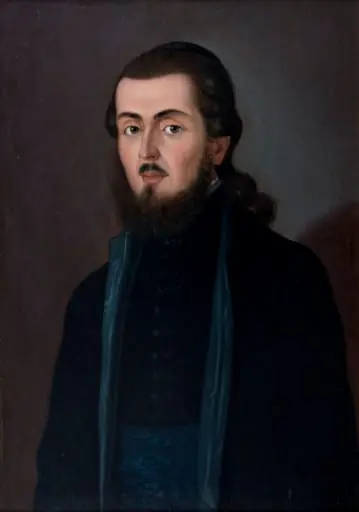
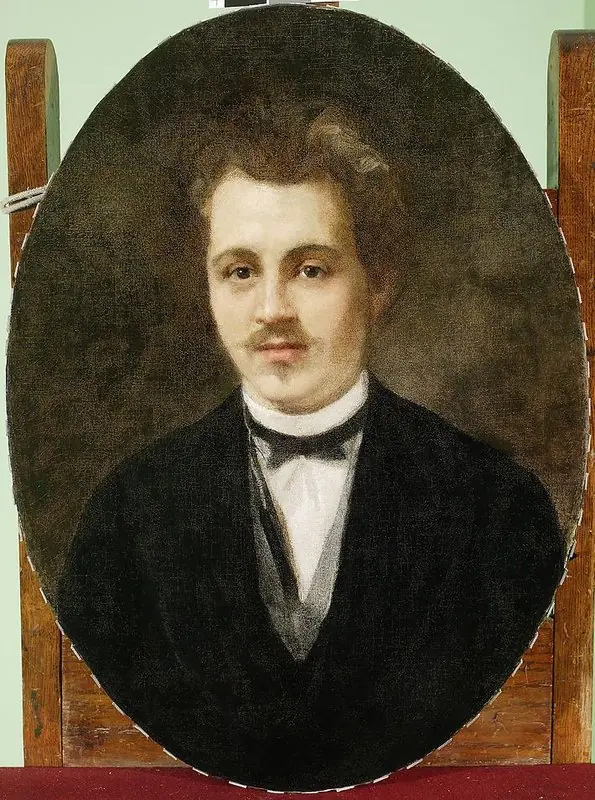
Painted around 1869 by Mișu Popp, this portrait depicts Gheorghe Lazăr, a Romanian educator and cultural figure. The composition is restrained, with the subject centered against a neutral backdrop. Soft, even lighting emphasizes the contours of his face and upper torso, minimizing distraction. The muted palette and deliberate focus suggest an intention to convey dignity rather than grandeur.
Subject & Meaning
Gheorghe Lazăr was a pioneering teacher and advocate for Romanian-language education in the 19th century.
Gheorghe Lazăr was a pioneering teacher and advocate for Romanian-language education in the 19th century. The portrait’s solemn expression and formal attire reflect his role as a respected intellectual. The absence of symbolic objects or elaborate setting directs attention to his presence and character, aligning with the era’s growing emphasis on individual merit and national identity in portraiture.
Technique & Style
Popp employs a subdued tonal range and gentle modeling to render Lazăr’s features with quiet precision. The brushwork is controlled, particularly in the rendering of the cravat and the texture of the coat, while the background remains unobtrusive. Light falls evenly across the face, avoiding dramatic contrasts, which supports a sense of calm authority rather than theatricality.
History & Provenance
The painting was created shortly after Lazăr’s death, likely as part of a broader effort to memorialize key figures in Romania’s cultural awakening. It remained within Romanian institutional collections, possibly in educational or national heritage contexts. Its preservation reflects its role as a visual testament to early national pedagogy rather than as a commissioned private portrait.
Context
In mid-19th century Romania, portraiture increasingly served national narratives, documenting educators, writers, and reformers who shaped modern Romanian identity. Popp’s work aligns with this trend, favoring clarity and restraint over ornamentation. The portrait’s simplicity mirrors the values of the time: seriousness, education, and civic responsibility as pillars of cultural renewal.
Legacy
The portrait endures as a reference image for Lazăr’s public persona, reproduced in textbooks and historical publications. Its unadorned realism has contributed to his enduring recognition as a foundational figure in Romanian education. Though not widely exhibited internationally, it holds steady significance within Romania’s cultural memory.
Artist & collection