Artwork
Portrait of Gracjan Rudowski
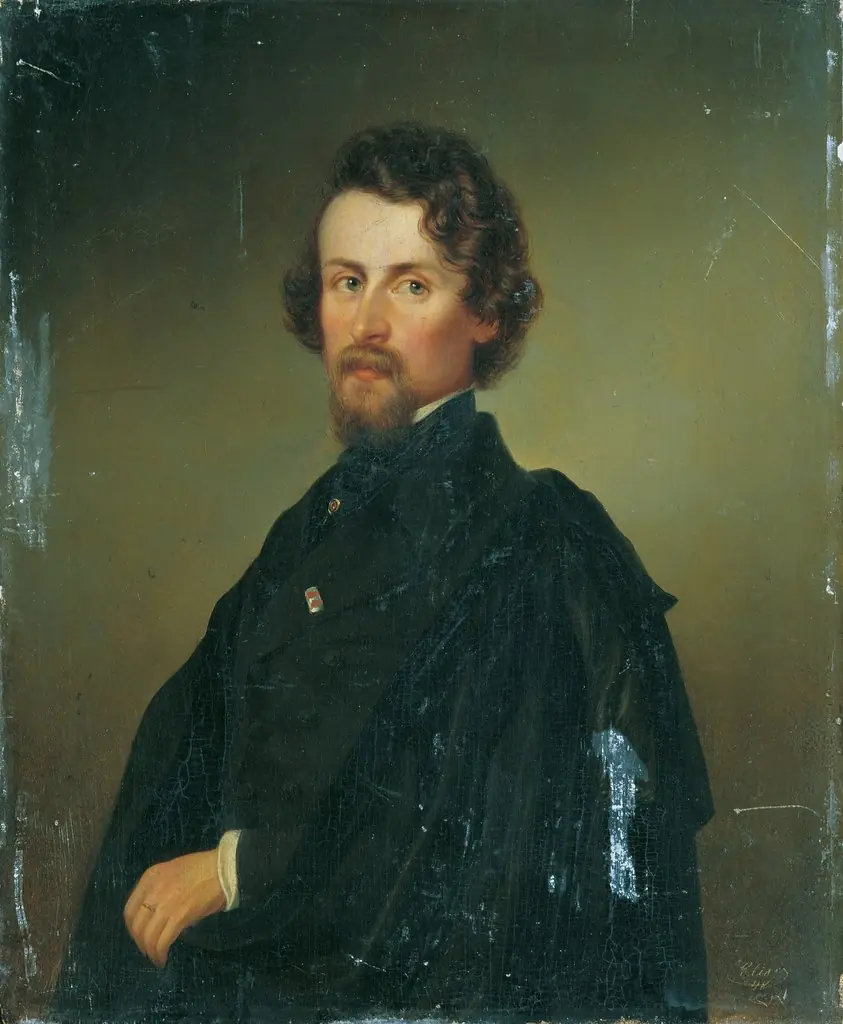
Portrait of Gracjan Rudowski is an oil painting by the Biedermeier artist Feliks Pęczarski. It dates from 1848 and is held in the collection of the National Museum in Warsaw.
About this work
Overview
Its restrained composition and focused lighting reflect academic traditions of the period, emphasizing the sitter’s presence without decorative distraction.
Painted in 1848 by Feliks Pęczarski, this oil portrait depicts Gracjan Rudowski, a Polish intellectual of the time. The work resides in the National Museum in Warsaw, where it is preserved as part of the museum’s 19th-century Polish portraiture collection. Its restrained composition and focused lighting reflect academic traditions of the period, emphasizing the sitter’s presence without decorative distraction.
Subject & Meaning
Gracjan Rudowski is portrayed with a composed, introspective demeanor, his dark eyes and tightly furrowed brow suggesting contemplation. His attire—a dark coat and crisp white collar—signals middle-class respectability, common among educated Poles during the partitions. The absence of symbols or context invites interpretation centered on character rather than status, aligning with emerging ideals of individuality in Polish cultural life.
Technique & Style
Pęczarski employs chiaroscuro to model the sitter’s face, using sharp contrasts between light and shadow to define bone structure and texture. The dark, unbroken background isolates the figure, enhancing the three-dimensionality of his form. Brushwork is precise yet unobtrusive, particularly in the rendering of the mustache and curls, which gain volume through subtle gradations rather than outline.
History & Provenance
The portrait entered the National Museum in Warsaw’s collection in the late 19th century, likely through acquisition or donation from Rudowski’s family or associates. Its survival through periods of political upheaval underscores its perceived cultural value. No significant alterations or restorations are documented, preserving the artist’s original intent and material integrity.
Context
Created during a time when Poland was partitioned and lacked statehood, portraits like this served as quiet assertions of national identity. Educated elites such as Rudowski became cultural anchors, and their depiction in art reinforced intellectual continuity. Pęczarski’s approach, rooted in academic realism, aligned with broader European trends while resisting overt romanticism.
Legacy
Though not widely exhibited beyond Poland, the portrait remains a representative example of mid-19th-century Polish portraiture. It contributes to scholarly understanding of how private individuals were visualized during a period of national fragmentation. Its restrained aesthetic continues to inform exhibitions on Polish cultural resilience in the face of political erasure.
Artist & collection

 Portrait of Aleksander Odrowąż Bębnowski
 Portrait of Edward Szydłowski
 Der Maler Josef Feid
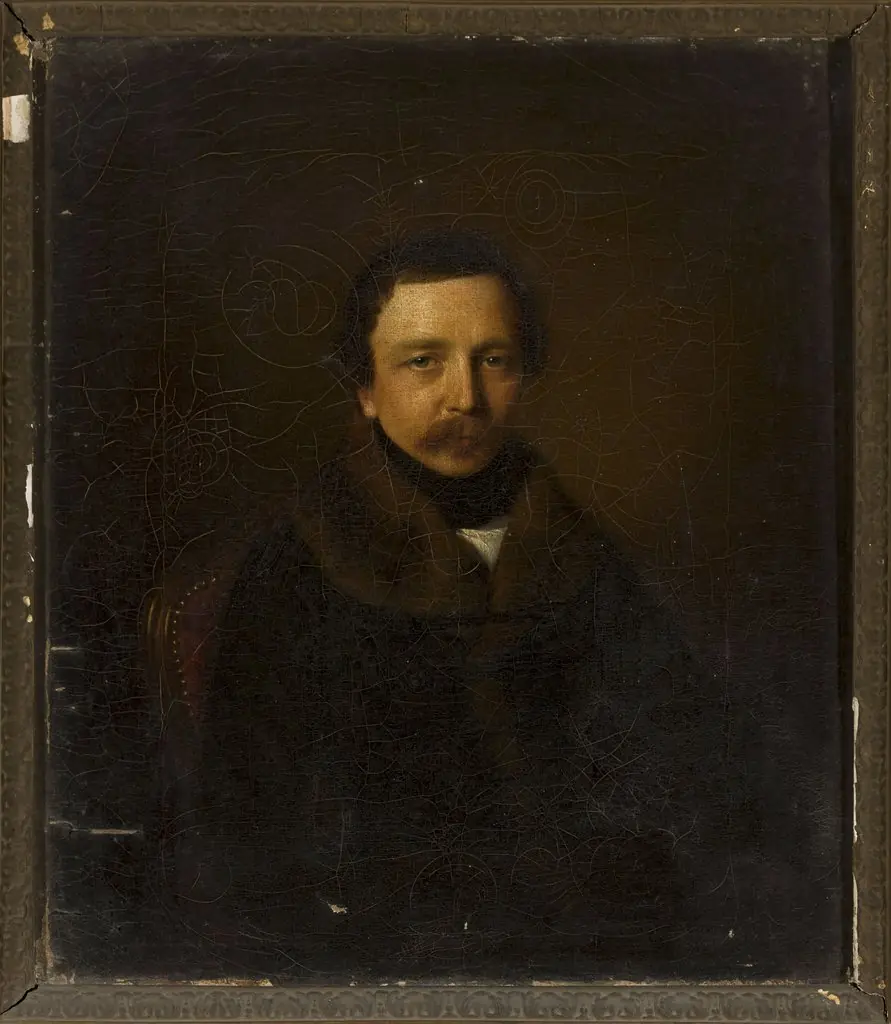 Portrait of a man in a coat with a fur collar
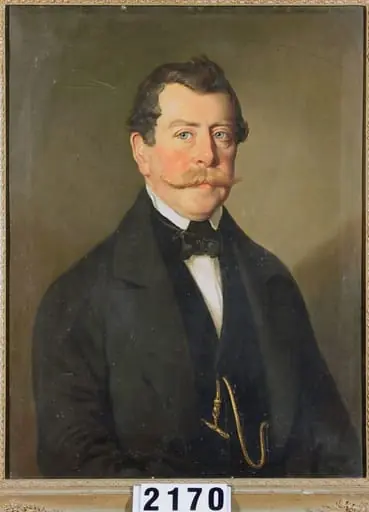 Portretul lui Drotleff
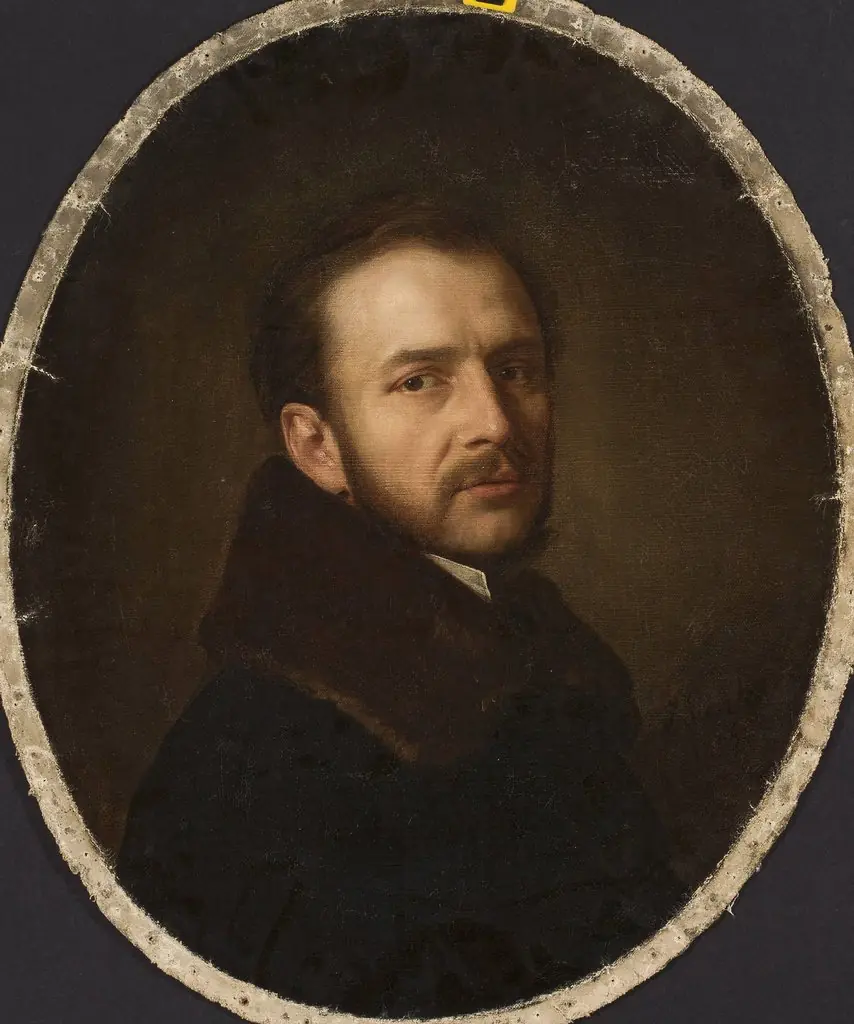 Portrait of a man
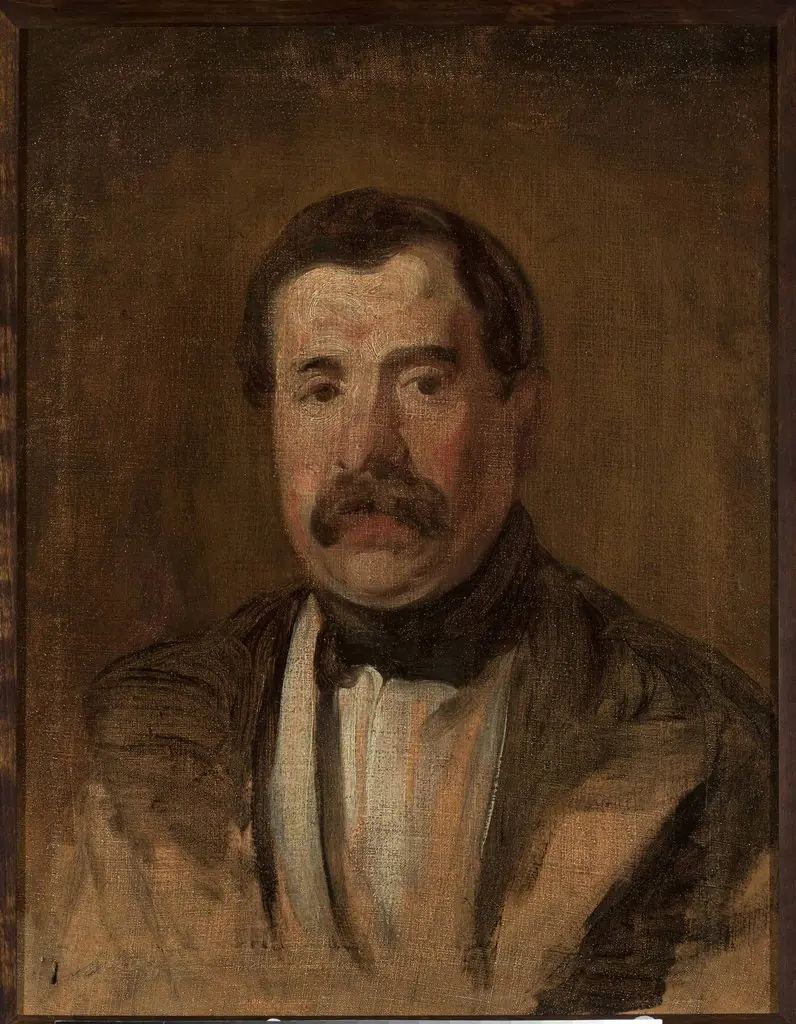 Portrait of Maksymilian Oborski
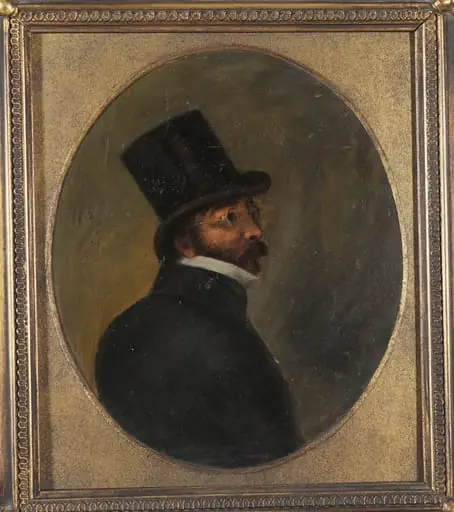 Προσωπογραφία του Αλεξάνδρου Μαυροκορδάτου
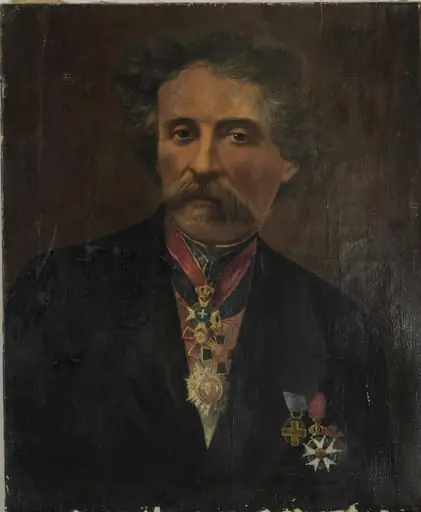 Προσωπογραφία του Γεωργίου Σκούφου
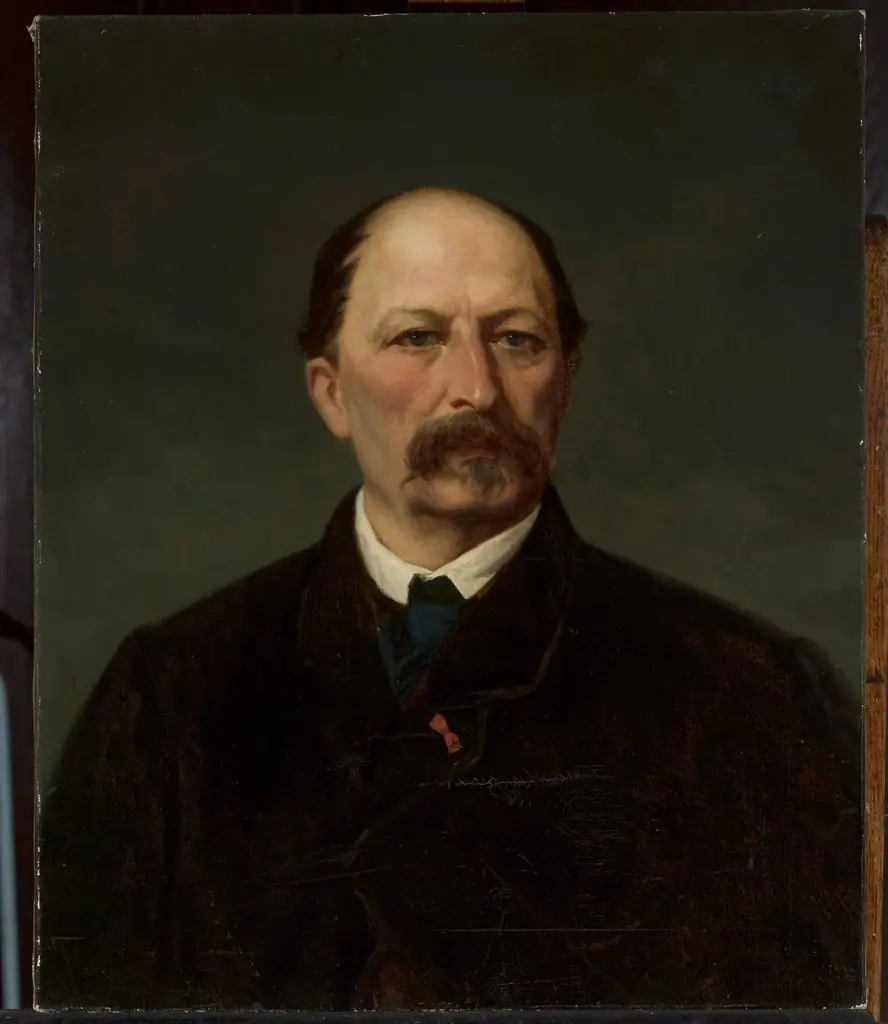 Portrait of Ksawery Branicki
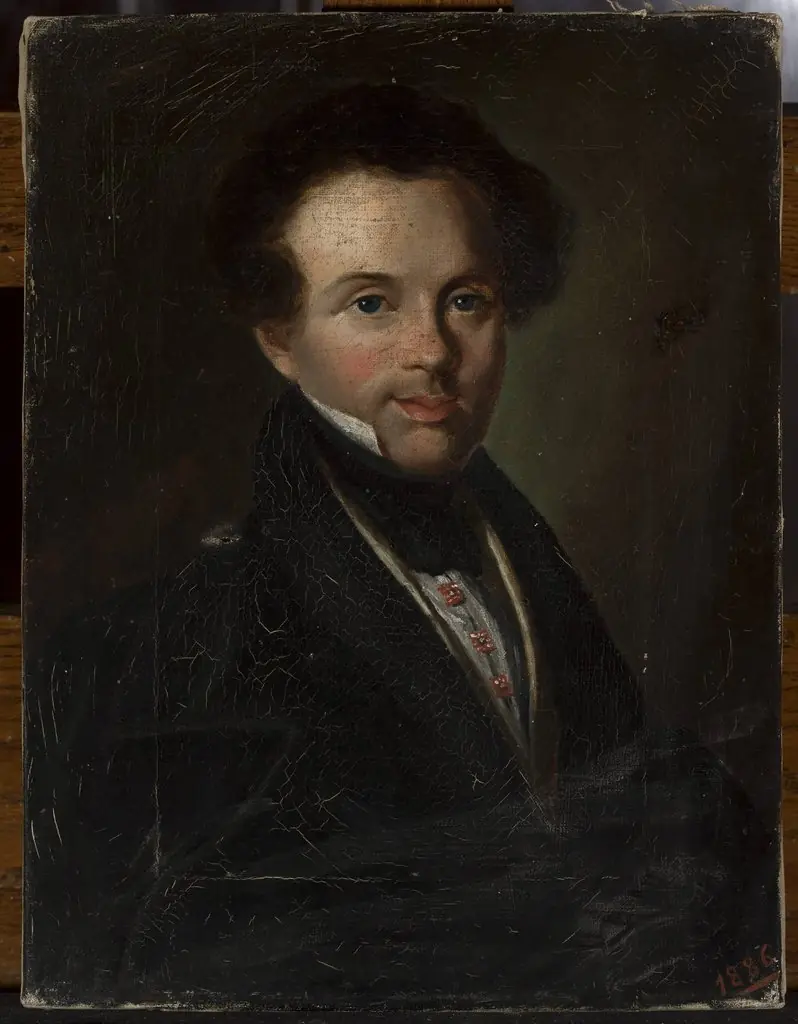 Portrait of a man
 The Painter Joseph Carl Berthold Püttner