Artwork
Ioan Mihălțeanu, Protopopul Zarandului
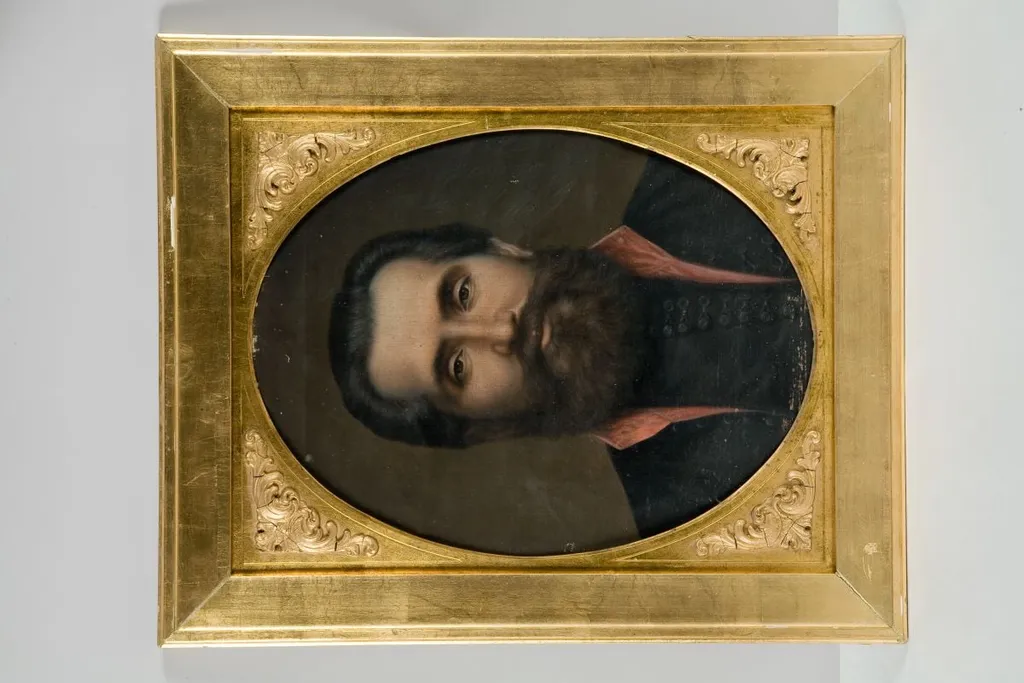
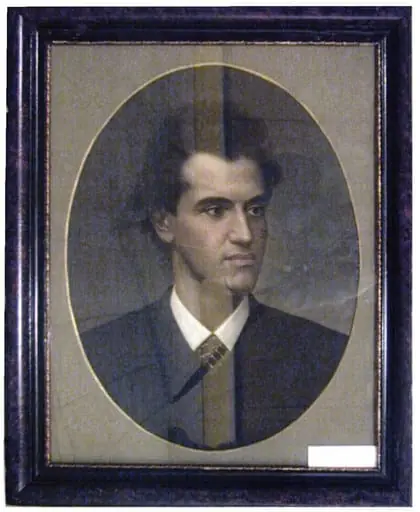
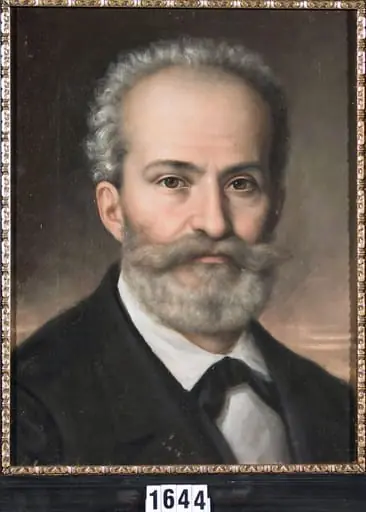
Ioan Mihălțeanu, Protopopul Zarandului is a print by Mișu Popp. It dates from 1869 and is held in the collection of the National Museum of Romanian History.
About this work
Overview
Executed in oil on canvas, the work presents a formal, half-length depiction centered on the subject’s face and upper torso.
Painted around 1869 by Mișu Popp, this portrait depicts Ioan Mihălțeanu, the Protopop of Zarand. Executed in oil on canvas, the work presents a formal, half-length depiction centered on the subject’s face and upper torso. The composition is restrained, with minimal background detail, directing attention to the sitter’s presence and demeanor. The original gold frame, ornately carved, complements the painting’s solemn tone.
Subject & Meaning
Ioan Mihălțeanu held a high ecclesiastical position in the Romanian Orthodox Church, and the portrait reflects his authority and spiritual gravity. His dark robe, edged with crimson, signals his clerical rank, while his direct gaze and composed expression convey solemnity and introspection. The absence of symbolic objects or settings emphasizes his identity as a religious leader, rooted in dignity rather than external adornment.
Technique & Style
Popp employs chiaroscuro to model the face and hands, using subtle gradations of light and shadow to create volume and depth. The brushwork is precise yet unobtrusive, favoring clarity over flourish. The dark, neutral background isolates the figure, enhancing the focus on facial expression and texture of fabric. The rendering of the robe’s red lining adds a quiet contrast, reinforcing the portrait’s restrained elegance.
History & Provenance
Commissioned during a period of national cultural consolidation in Romania, the portrait likely originated in the Zarand region, where Mihălțeanu served. It remained within ecclesiastical or family circles before entering public collections. The original frame, consistent with 19th-century Romanian craftsmanship, suggests the work was intended for display in a religious or institutional setting.
Context
Created in the decades after Romania’s unification, the portrait aligns with a broader movement to document and honor local religious and civic leaders. Artists like Popp were instrumental in shaping a visual identity for the emerging Romanian state, blending Western academic traditions with regional subjects. This work reflects the intersection of church authority and national identity during a formative era.
Legacy
Though not widely reproduced, the portrait endures as a representative example of Romanian 19th-century ecclesiastical portraiture. It preserves the visual language of clerical dignity and contributes to the historical record of regional religious leadership. Its quiet composition and technical discipline continue to inform studies of Romanian artistic practice beyond major urban centers.
Artist & collection

 Portretul lui Constantin Aricescu
 Portretul pictorului Carol Popp de Szathmári
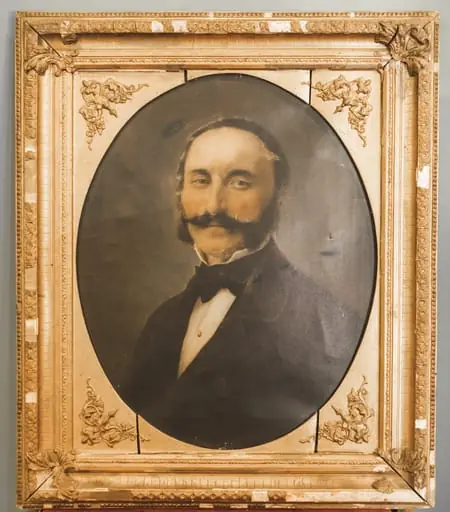 Vornicul Iancu Prăjescu
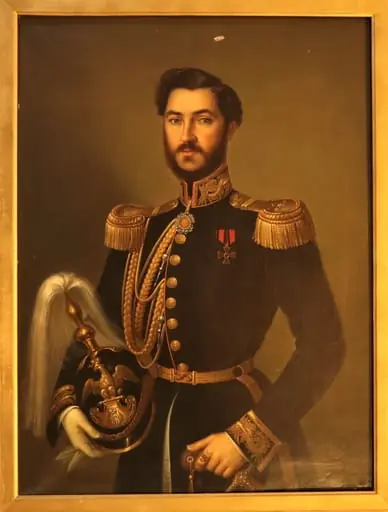 Colonelul Ioan Cornescu
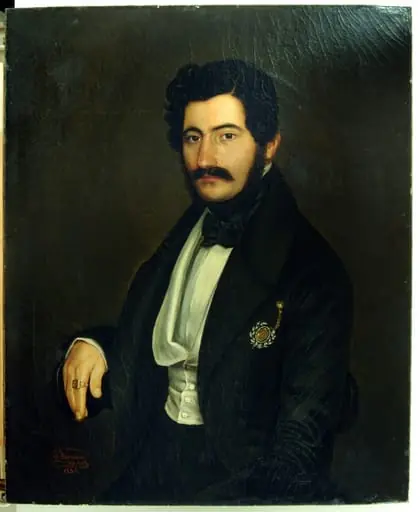 Aga Iancu Manu
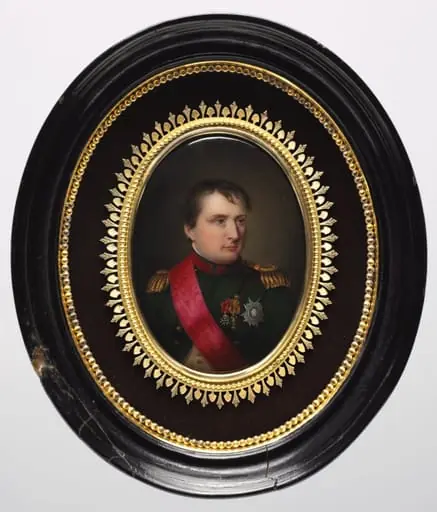 Portrait of Napoleon I, Emperor of the French
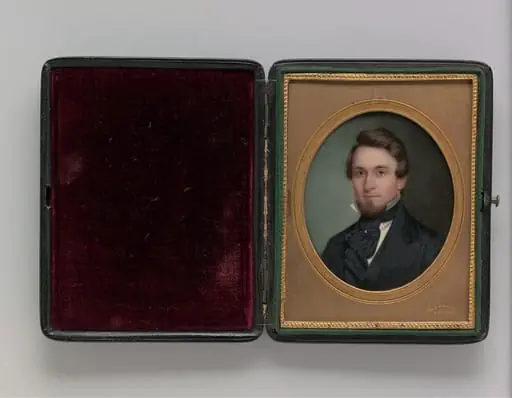 John Wood Dodge
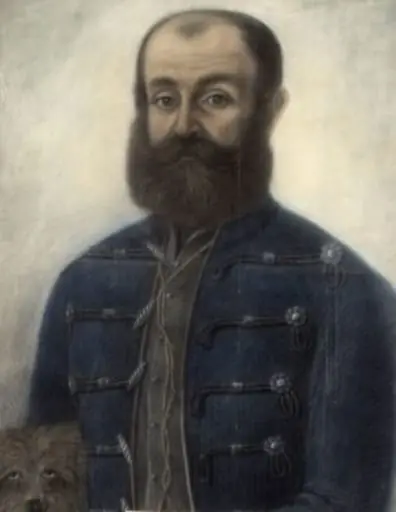 Căpitanul Freyburg Lajos
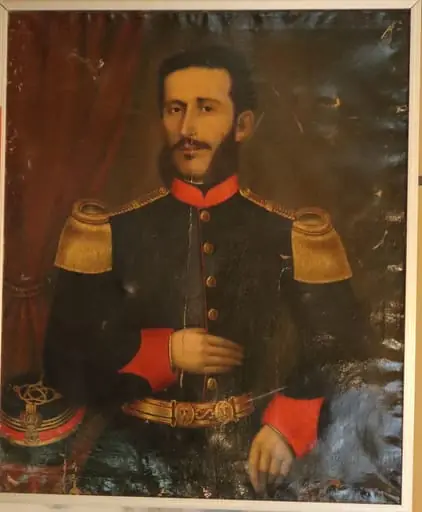 Căpitanul Vilhelm Theodor
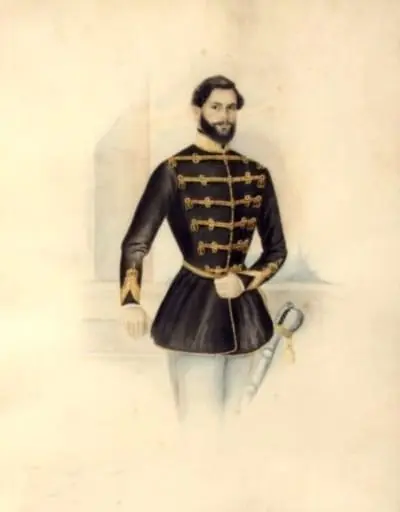 Maiorul Dallos Elek
 Portretul regelui Carol I
 Προσωπογραφία του Ανδρέα Λουριώτη