Artwork
Mary Gainsborough, copied from Thomas Gainsborough's portrait of his two daughters, Mary and Margaret (ca.1758) in the Victoria and Albert Museum
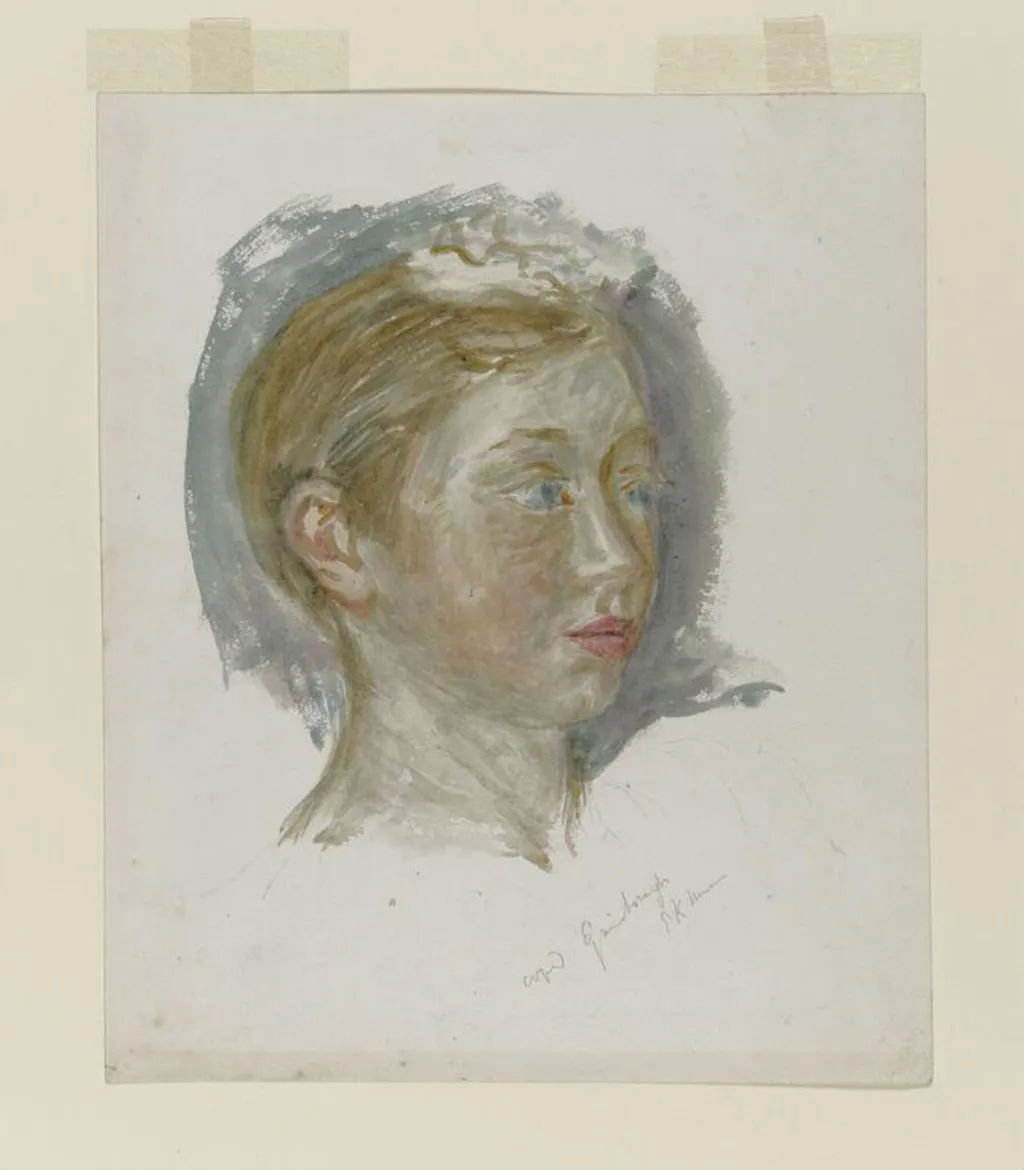
Mary Gainsborough, copied from Thomas Gainsborough's portrait of his two daughters, Mary and Margaret (ca.1758) in the Victoria and Albert Museum is a watercolor work on paper by the Impressionist artist Beatrix Potter. It dates from 1895 and is held in the collection of the Victoria and Albert Museum.
About this work
Overview
Though best known for animal illustrations, Potter engaged with human portraiture through such exercises, treating them as disciplined artistic training.
This watercolour is a faithful copy made by Beatrix Potter of a figure from Thomas Gainsborough’s 1758 double portrait of his daughters. Created during her youth, the work reflects her practice of studying Old Master paintings at the South Kensington Museum—later the V&A—to develop her draftsmanship. Though best known for animal illustrations, Potter engaged with human portraiture through such exercises, treating them as disciplined artistic training.
Subject & Meaning
The subject is Mary Gainsborough, the elder daughter in her father’s original oil painting. Potter isolated her figure from the full composition, focusing on the child’s posture, dress, and delicate facial features. The copy carries no narrative intent beyond technical study; it reflects Potter’s interest in historical costume and 18th-century aesthetics, which later informed her book illustrations, particularly in The Tailor of Gloucester.
Technique & Style
Executed in watercolour, the drawing demonstrates Potter’s careful attention to detail and tonal gradation. Her brushwork is precise, mimicking the softness of Gainsborough’s original while adapting it to the transparency of water-based media. The rendering of lace, fabric folds, and hair shows her ability to translate oil-painted textures into a lighter, more intimate medium, consistent with her method of learning through replication.
History & Provenance
The original Gainsborough painting entered the V&A’s collection in 1876 via a bequest from John Forster. Potter, a regular visitor to the museum’s Art Reading Room between the 1880s and 1890s, made multiple copies from its holdings. This watercolour, along with a separate study of Margaret Gainsborough, was part of her systematic practice of copying works by artists she admired, including Constable and Hogarth.
Context
During this period, formal art education for women was limited, and museum study offered a vital alternative. Potter’s copying was not mere imitation but a pedagogical strategy—common among aspiring artists—to internalize composition, anatomy, and historical style. Her engagement with Gainsborough’s work was personal and sustained, noted in her journals, where she questioned his legacy even as she meticulously reproduced his forms.
Legacy
Though unrelated to her later literary fame, these copies reveal the depth of Potter’s artistic discipline before she turned to illustration. They document her early engagement with British art history and her commitment to observational accuracy. Today, they serve as evidence of how museum collections functioned as informal academies for self-taught artists in the late 19th century.
Artist & collection
Artist
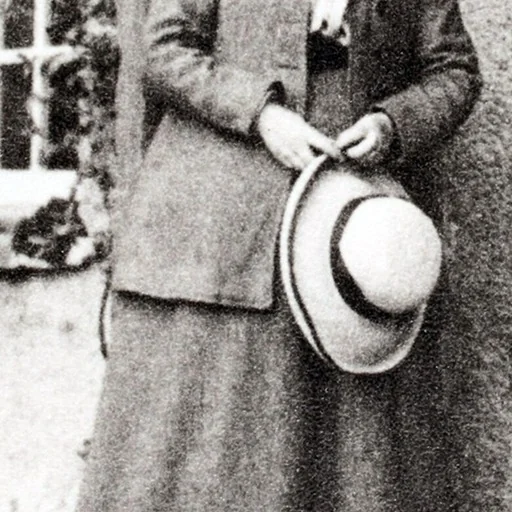
Helen Beatrix Heelis (née Potter; 28 July 1866 – 22 December 1943), usually known as Beatrix Potter ( BEE-ə-triks), was an English writer, illustrator, natural scientist, and conservationist.

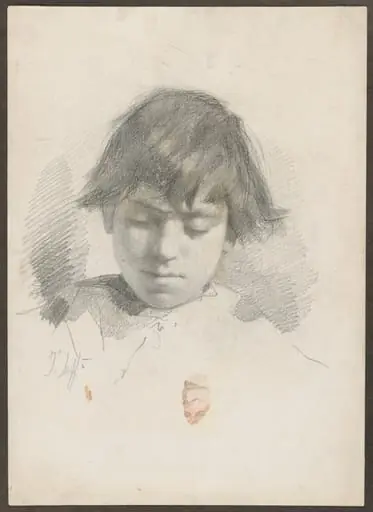 Head of a Youth and a Man with a Moustache
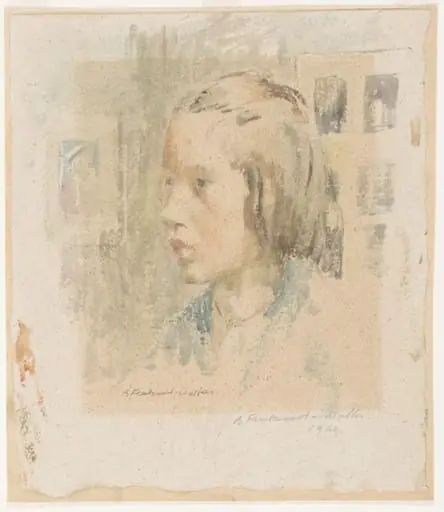 Head of a Girl
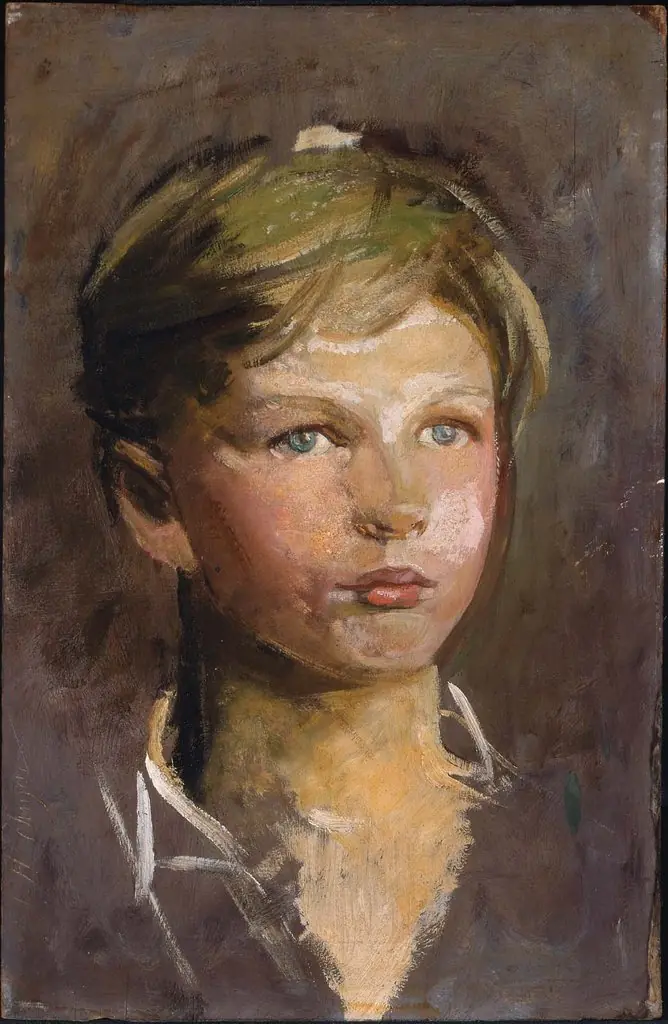 Oil Sketch of a Young Boy
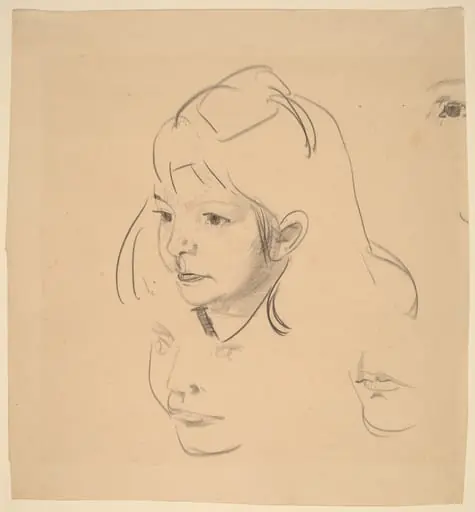 Studies of Jean
![The Artist's Son Georges [verso], by Camille Pissarro](https://artifactworldgallery.com/img/camille-pissarro--the-artist-s-son-georges-verso--053697550e9f2889-w320.webp) The Artist's Son Georges [verso]
The Artist's Son Georges [verso]![Profile of a Boy and Self-Portrait [recto], by Paul Gauguin](https://artifactworldgallery.com/img/paul-gauguin--profile-of-a-boy-and-self-portrait-recto--02ac582038ff6ec2-w320.webp) Profile of a Boy and Self-Portrait [recto]
Profile of a Boy and Self-Portrait [recto]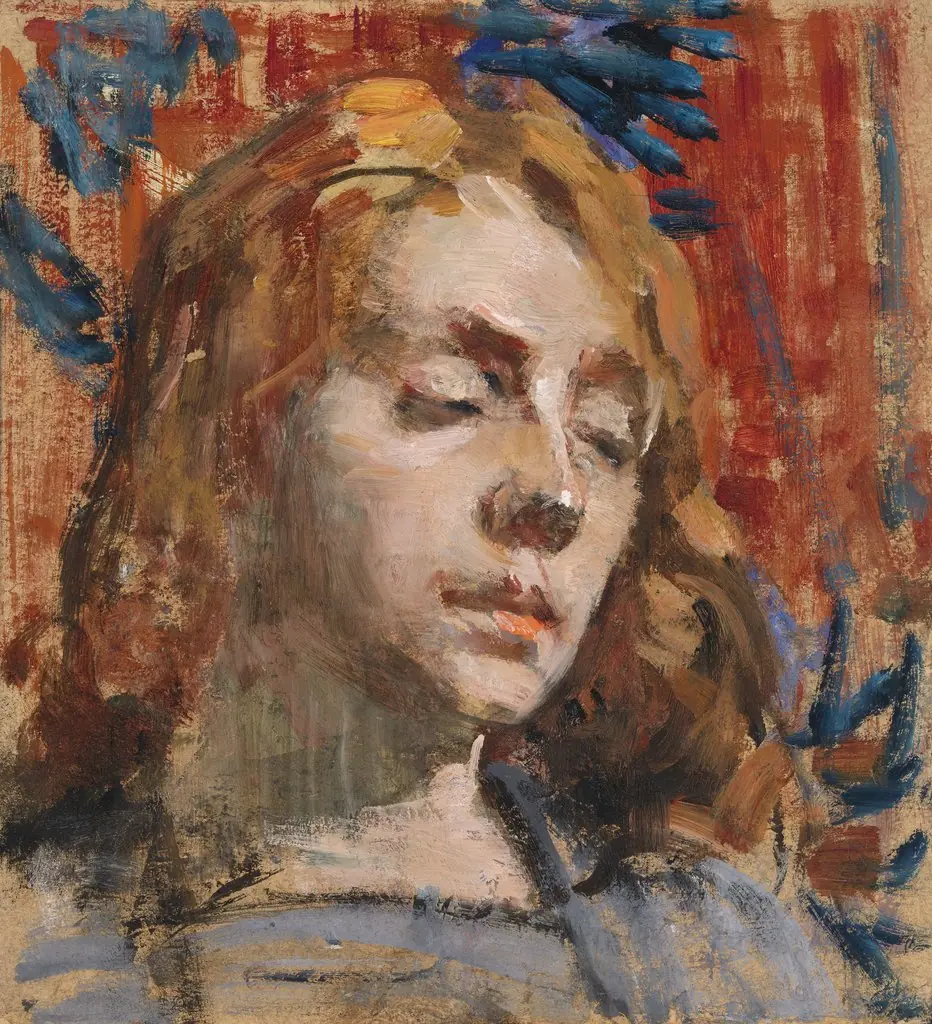 Portrait of Kathleen Behan
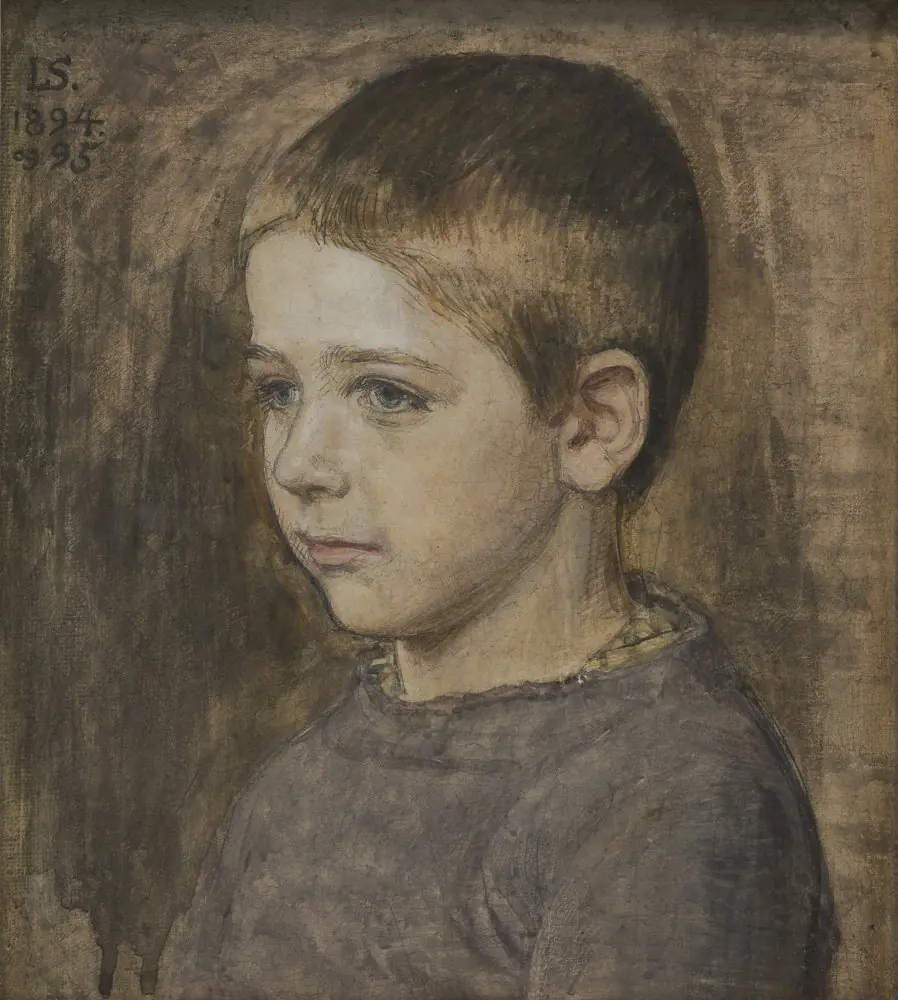 Kunstnerens søn, Peter
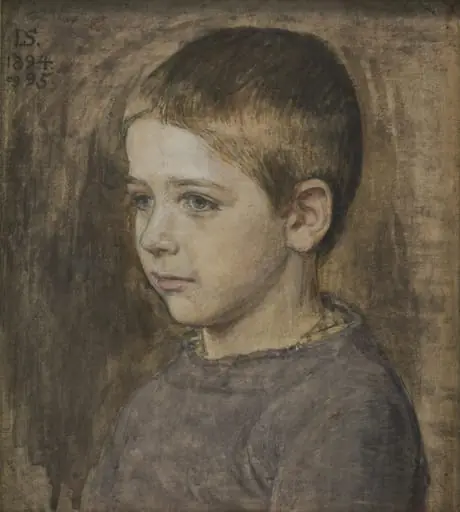 Kunstnerens søn, Peter
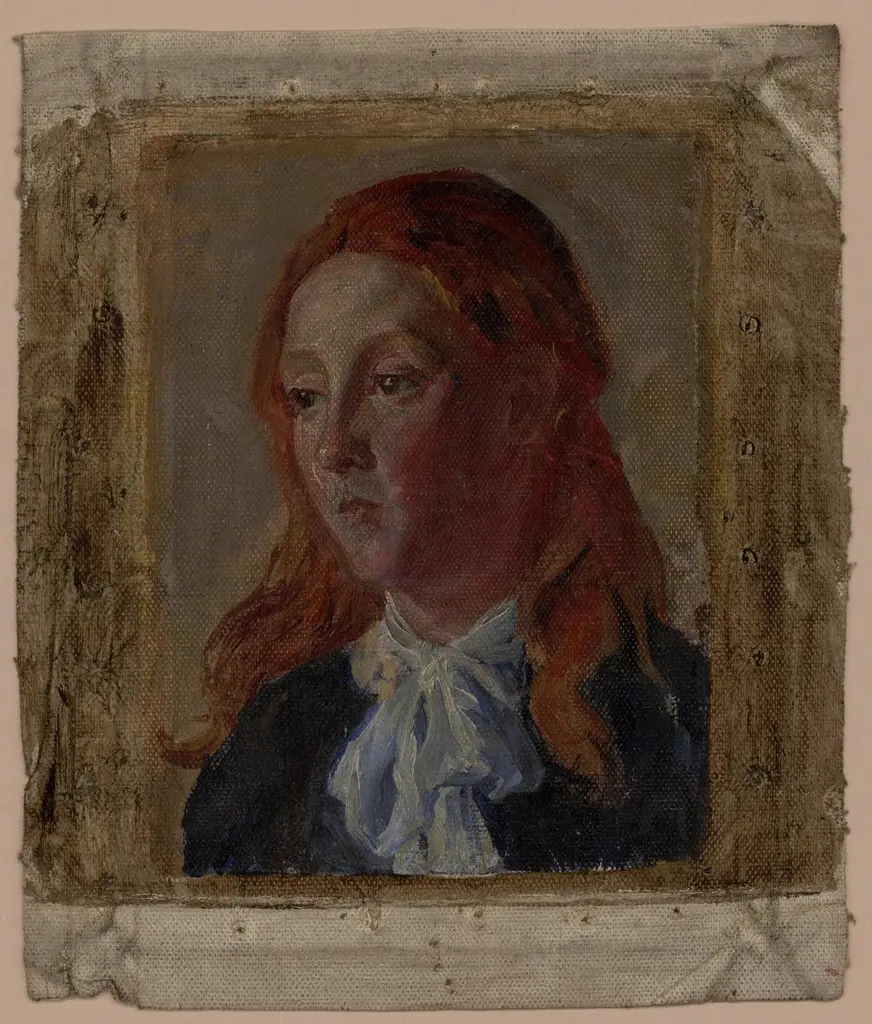 Mrs. Griffith John Williams?
![Heads of a Boy and a Man (Self-Portrait?) [verso], by Paul Gauguin](https://artifactworldgallery.com/img/paul-gauguin--heads-of-a-boy-and-a-man-self-portrait-verso--92a4d2aa3cb26bf0-w320.webp) Heads of a Boy and a Man (Self-Portrait?) [verso]
Heads of a Boy and a Man (Self-Portrait?) [verso]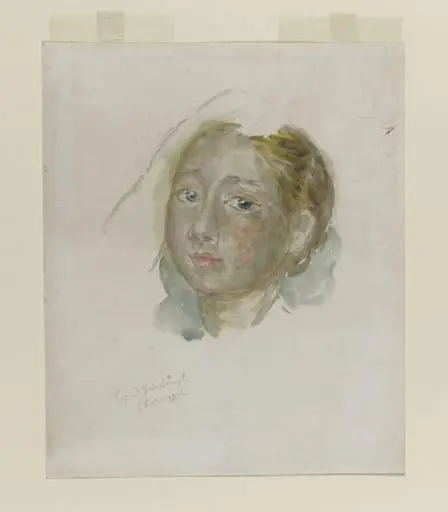 Margaret Gainsborough, copied from Thomas Gainsborough's portrait of his two daughters, Mary and Margaret (ca.1758) in the Victoria and Albert Museum