Artwork
SCHIMBAREA LA FATA
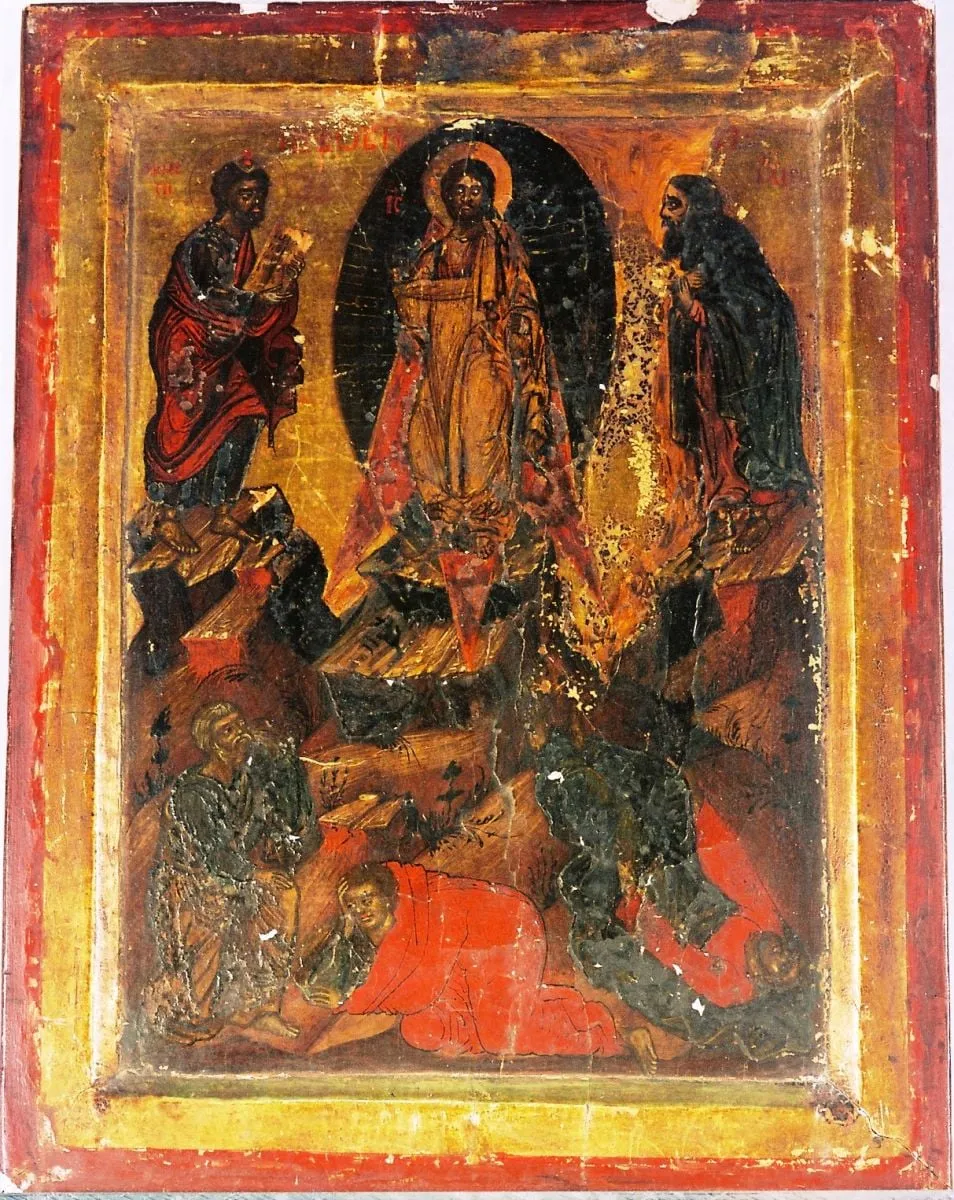
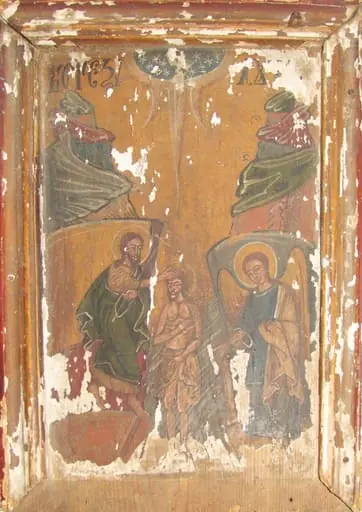
SCHIMBAREA LA FATA is an unspecified painting by Unknown. It dates from 1850 and is held in the collection of the National Museum of Art of Romania.
About this work
Overview
The palette is predominantly dark, with selective illumination around the central subject, suggesting deliberate tonal contrast.
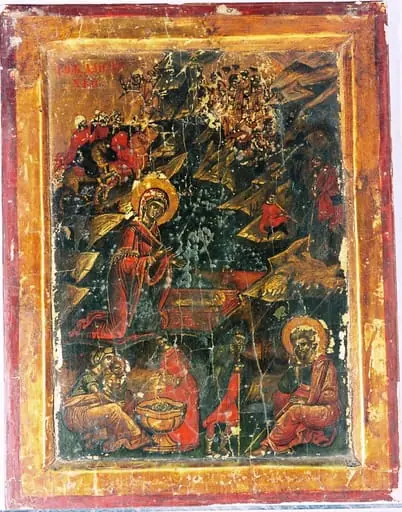
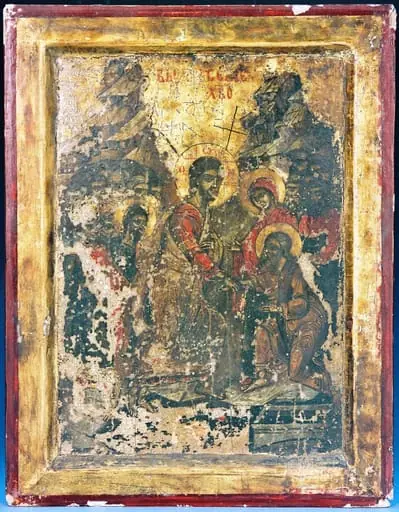
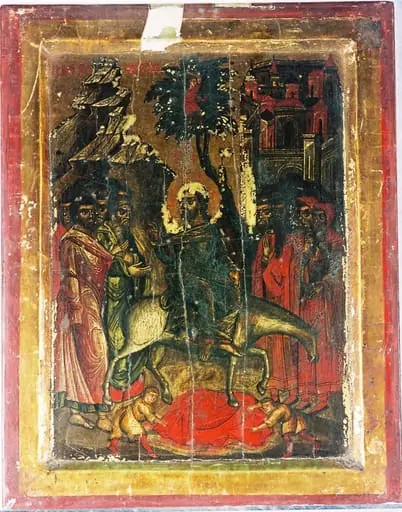
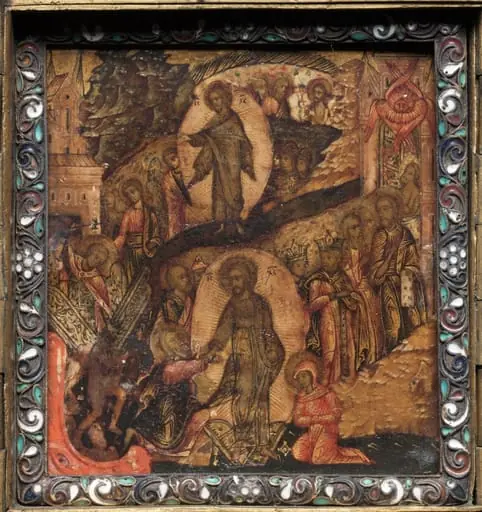
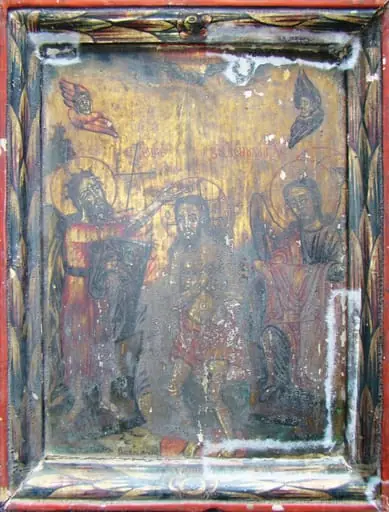
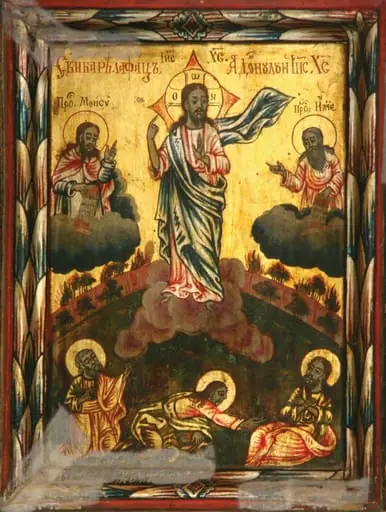
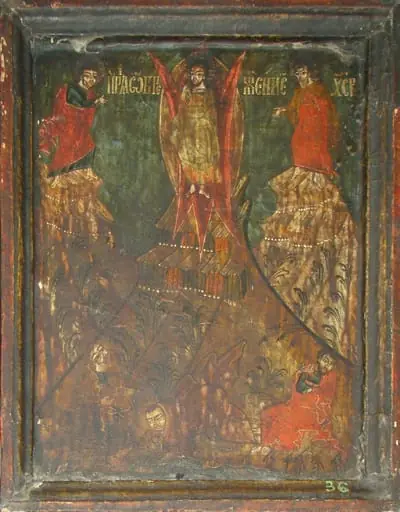
"SCHIMBAREA LA FATA" is a religious painting rendered in a traditional style, featuring a central male figure in a long robe standing on rocky terrain, surrounded by other figures. The palette is predominantly dark, with selective illumination around the central subject, suggesting deliberate tonal contrast. The surface shows signs of age, including wear and fading, consistent with prolonged exposure or imperfect preservation.
Subject & Meaning
The scene depicts a moment of spiritual transformation, likely drawn from biblical narrative, with the central figure possibly representing a divine or prophetic presence. The surrounding figures appear to react with reverence or awe, reinforcing a narrative of revelation. The title, translating to "The Change at the Girl," hints at a lesser-known local or folk interpretation of a canonical event, possibly tied to regional devotional traditions.
Technique & Style
The painting employs a muted, earth-toned palette with areas of heightened light to model form and direct focus. The use of chiaroscuro—sharp contrasts between shadow and illumination—creates depth and emotional gravity. Brushwork is restrained, lacking fine detail, suggesting an artisanal rather than academic approach, typical of provincial religious art in Eastern Europe during the 18th or early 19th century.
History & Provenance
The painting’s origin remains undocumented, with no known artist or commission record. Its condition indicates it was likely displayed in a rural church or private chapel, subjected to environmental stress over time. The absence of signatures or inscriptions, combined with its stylistic ambiguity, suggests it was produced by a local hand, possibly within a monastic or itinerant workshop tradition.
Context
This work aligns with the broader tradition of Orthodox Christian iconography in the Balkans and Carpathian regions, where religious imagery served both devotional and didactic purposes. While not following strict iconographic rules, it reflects a vernacular adaptation of sacred themes, blending local aesthetics with established biblical narratives, often shaped by oral tradition and limited access to formal training.
Legacy
"SCHIMBAREA LA FATA" contributes to the understanding of non-elite religious art in Eastern Europe, illustrating how spiritual narratives were interpreted beyond metropolitan centers. Its preservation, though imperfect, offers insight into the visual culture of communities where art was integrated into daily worship rather than displayed as curated heritage.
Artist & collection

 Domestic Scene
 Giacomo and Cardinal Marco, investing Andrea, Abbot of San Zeno, with his Benefice
 The Nymph of Fontainebleau
 Portrait of a Woman
 Madonna and Child with Saints in the Enclosed Garden
 Venus and Minerva
 Family Group of Four on Sofa
 Wall painting from Room H of the Villa of P. Fannius Synistor at Boscoreale