Artwork
Retrato de Manuelita Rosas
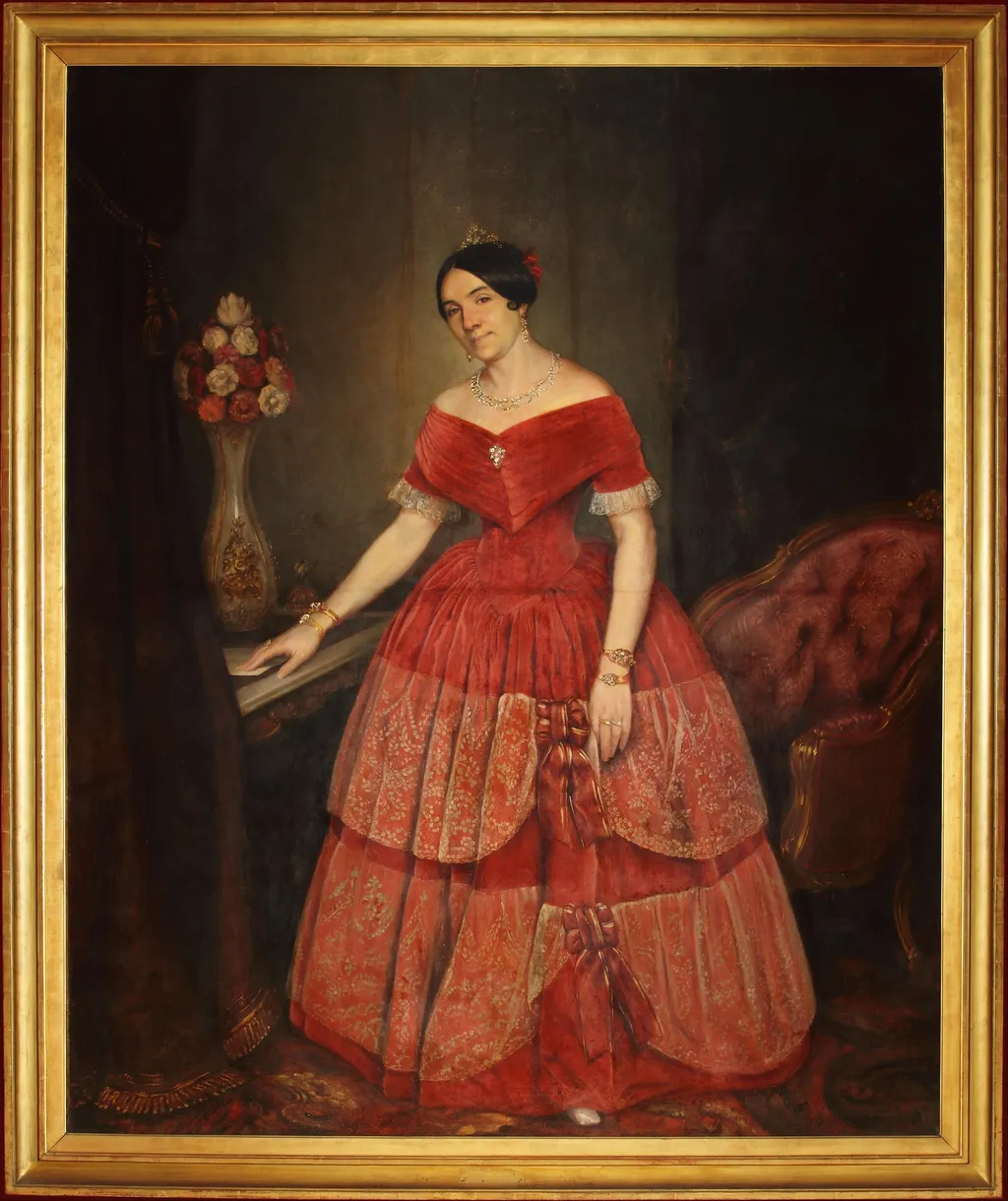
Retrato de Manuelita Rosas is an oil painting by the Realist artist Prilidiano Pueyrredón. It dates from 1851 and is held in the collection of the National Museum of Fine Arts, Argentina.
About this work
Overview
Painted in 1851 by Argentine artist Prilidiano Pueyrredón, this oil portrait captures Manuelita Rosas, daughter of the Argentine leader Juan Manuel de Rosas.
Painted in 1851 by Argentine artist Prilidiano Pueyrredón, this oil portrait captures Manuelita Rosas, daughter of the Argentine leader Juan Manuel de Rosas. Pueyrredón, among the nation’s earliest recognized painters, employed realism to depict private life with quiet dignity. The work resides in the National Museum of Fine Arts in Buenos Aires, where it stands as an early example of Argentine portraiture rooted in local identity rather than European models.
Subject & Meaning
Manuelita Rosas is portrayed not as a political figure but as a woman of social standing, her composure reflecting the expectations of elite femininity in mid-19th century Argentina. Her formal attire and restrained gestures suggest propriety and self-possession. The portrait avoids overt symbolism, instead conveying status through subtle details—jewelry, fabric texture, and posture—offering a glimpse into the private world of a public family.
Technique & Style
Pueyrredón used oil paint to build form with deliberate, visible brushwork, avoiding smooth academic finish in favor of tactile presence. Chiaroscuro defines the figure’s volume, directing attention to the face and hands against a deep, neutral background. The red dress gains richness through layered pigments, while the dark surroundings isolate the subject, enhancing her stillness and the quiet intensity of her gaze.
History & Provenance
Created during the final years of Juan Manuel de Rosas’s rule, the portrait was likely commissioned by the family. After political upheaval in 1852, the Rosas family went into exile, but the painting remained in Argentina. It entered the National Museum of Fine Arts’ collection in the late 19th century, where it has been preserved as a document of the era’s social and artistic values.
Context
In a period when Argentine art was still developing a distinct voice, Pueyrredón’s work bridged European training and local subject matter. While European portraiture often emphasized grandeur, this image reflects a more intimate, costumbrista approach—focusing on everyday elegance rather than political power. It aligns with broader regional trends seeking cultural identity beyond colonial influence.
Legacy
The portrait endures as a reference point in Argentine art history for its early embrace of realism and its focus on domestic life. It influenced later generations of painters who sought to depict national figures with psychological nuance rather than heroism. Its preservation in a public museum underscores its role as a cultural artifact, not merely a family likeness.
Artist & collection
Artist
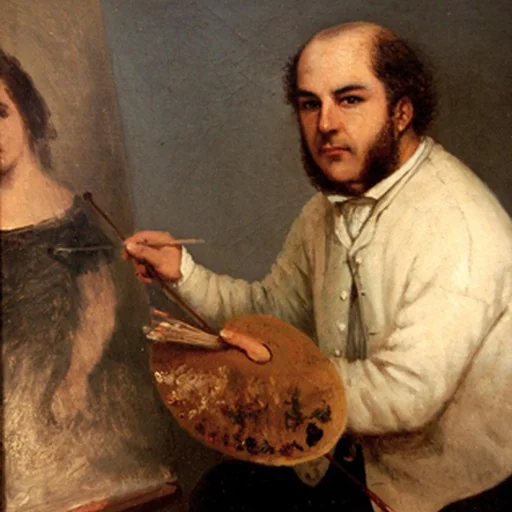
Prilidiano Pueyrredón (January 24, 1823 – November 3, 1870) was an Argentine painter, architect and engineer. One of the country's first prominent painters, he was known for his costumbrist sensibility and preference for everyday themes.

Museum
National Museum of Fine Arts, Argentina
Continue through works from the same source collection.
 Infanta Isabel of Spain, Countess Gurowski
 Portrait of Archduchess Hermine of Austria
 Madame Mols-de Brialmont
 Portrait of Marie Thérèse of France, Duchess of Angoulême (1778-1851)
 Julie (Julia Mathilda) Berwald, g. Åkerhielm af Margrethelund (1822-1877), operasångerska, gift med friherre hovmarskalk Gustaf Georg Knut Åkerhielm af Mergrethelund
 Portret de femeie
 Portrait of the Princess Mathilde
 Portret van Beatrix van Herreweghe
 Princess Maria Amélia of Brazil
 Portrait of Anna Babkina
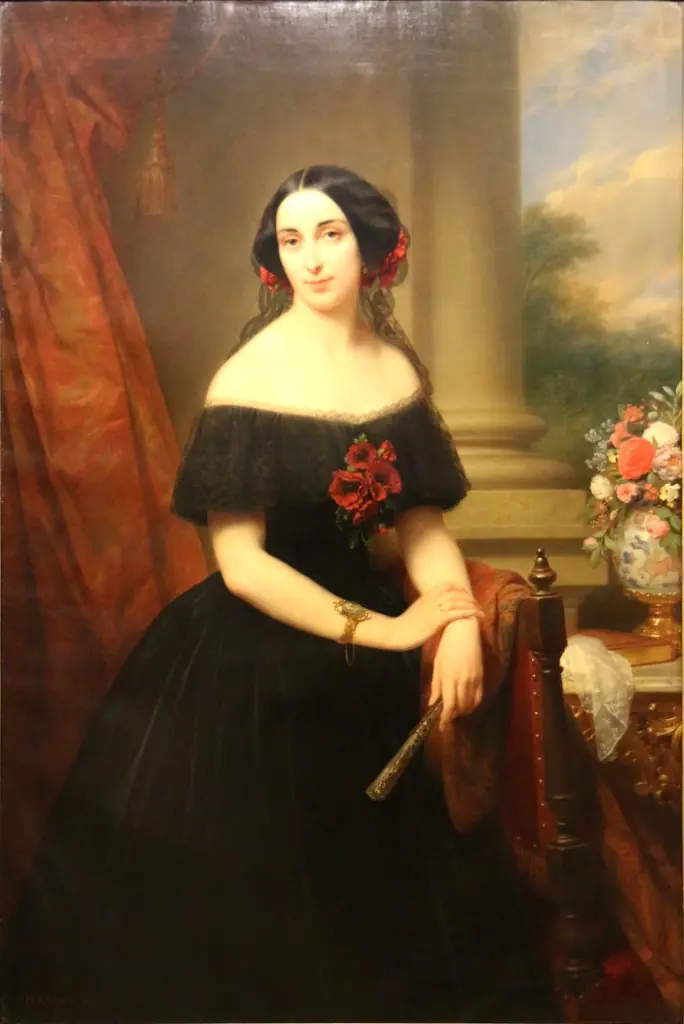 portrait of Louise van Campenhout (Louise-Caroline-Françoise van Campenhout)
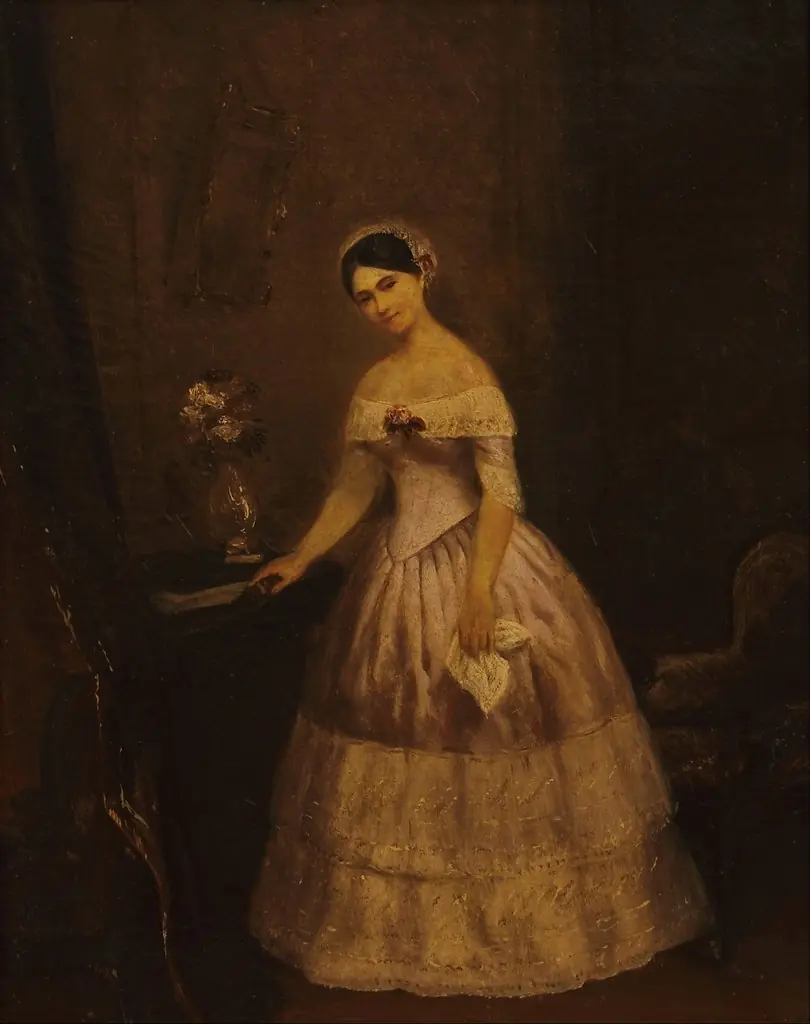 Retrato de Manuelita Rosas (estudio)