Artwork
Retrato de Miguel de Azcuénaga
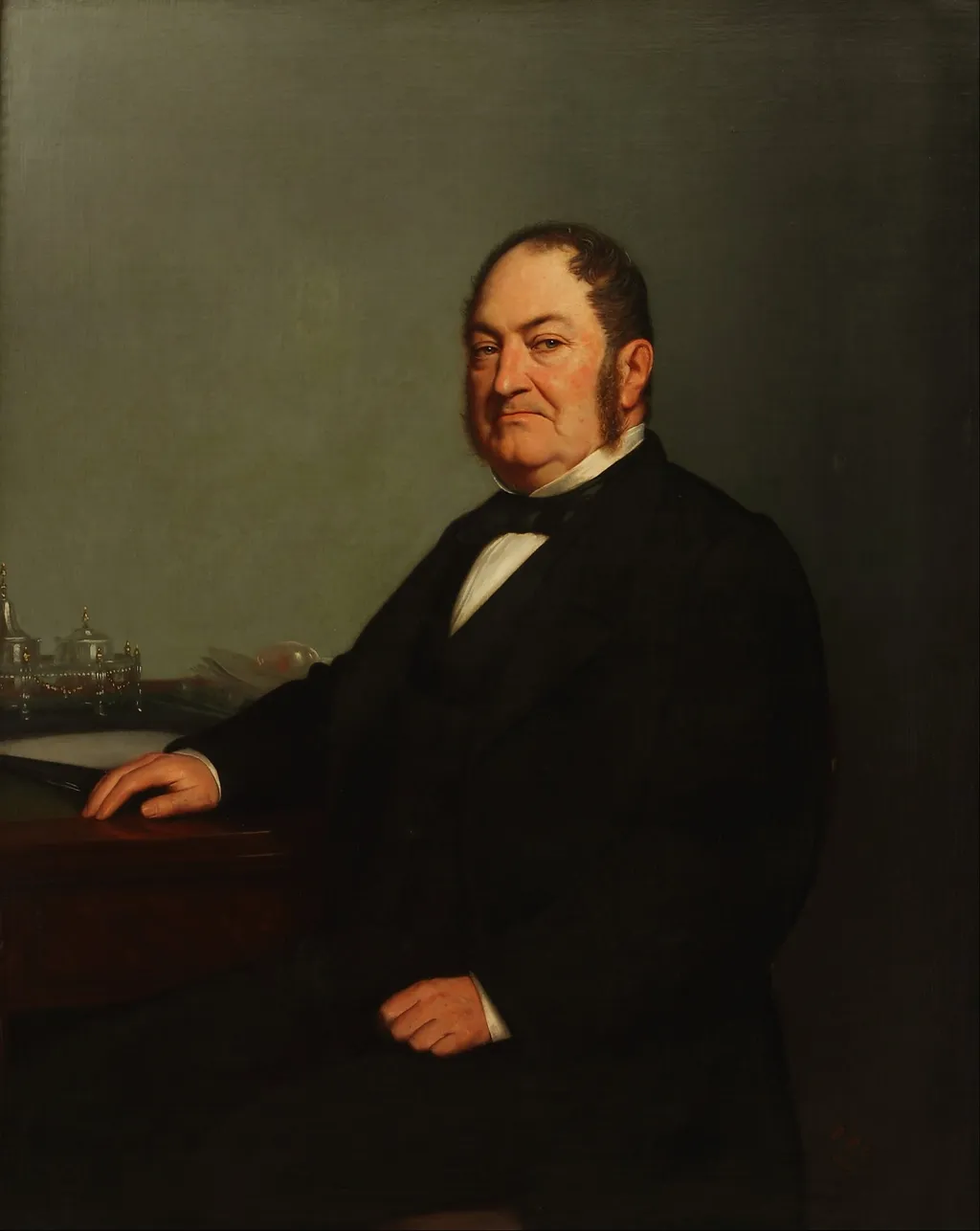
Retrato de Miguel de Azcuénaga is an oil painting by the Realist artist Prilidiano Pueyrredón. It dates from 1864 and is held in the collection of the National Museum of Fine Arts, Argentina. Created in 1864, this oil painting presents a formal portrait of a gentleman seated at a desk.
About this work
Overview
Created in 1864, this oil painting presents a formal portrait of a gentleman seated at a desk. He wears a dark suit, white shirt and black bow tie, his expression sober and gaze directed forward. The composition is set against a muted gray wall, emphasizing the figure’s presence and the subtle details of his attire and surroundings.
Subject & Meaning
The sitter is Miguel de Azcuénaga, a notable figure of early Argentine history. His poised posture and restrained demeanor convey the gravitas associated with public service in the nascent nation. The portrait functions both as a personal likeness and as a visual record of the era’s emerging political elite.
Technique & Style
Executed in a realistic manner, the work demonstrates careful observation of texture and light. The artist employs chiaroscuro to model the folds of the clothing and the contours of the face, while the dark background isolates the subject. Fine brushwork renders the sheen of fabric and the subtle sheen of the desk surface.
History & Provenance
The painting was produced by Prilidiano Pueyrredón, one of Argentina’s first recognized painters, who also practiced architecture and engineering. It entered the collection of the National Museum of Fine Arts in Buenos Aires, where it remains part of the institution’s holdings of 19th‑century Argentine art.
Own this work as a print
Artist & collection
Artist
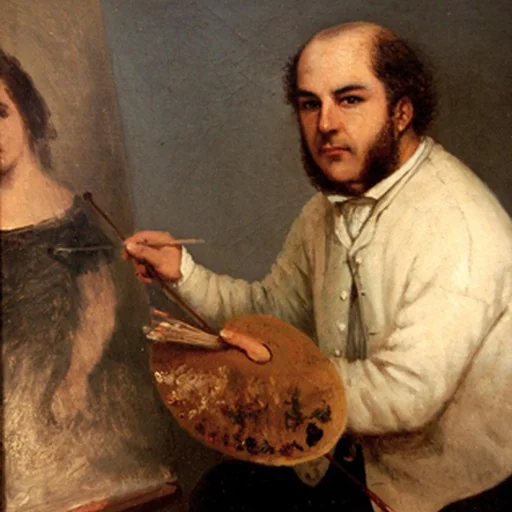
Prilidiano Pueyrredón (January 24, 1823 – November 3, 1870) was an Argentine painter, architect and engineer. One of the country's first prominent painters, he was known for his costumbrist sensibility and preference for everyday themes.

Museum
National Museum of Fine Arts, Argentina
Continue through works from the same source collection.
 Senator Charles Sumner
 Portrait of a man
 The Painter Jean Baptiste Madou
 Portret van Augustinus Gerardus Hubertus van Rijckevorsel (1828 - ’s-Hertogenbosch - 1891)
 Reverend genltleman
 William Warren
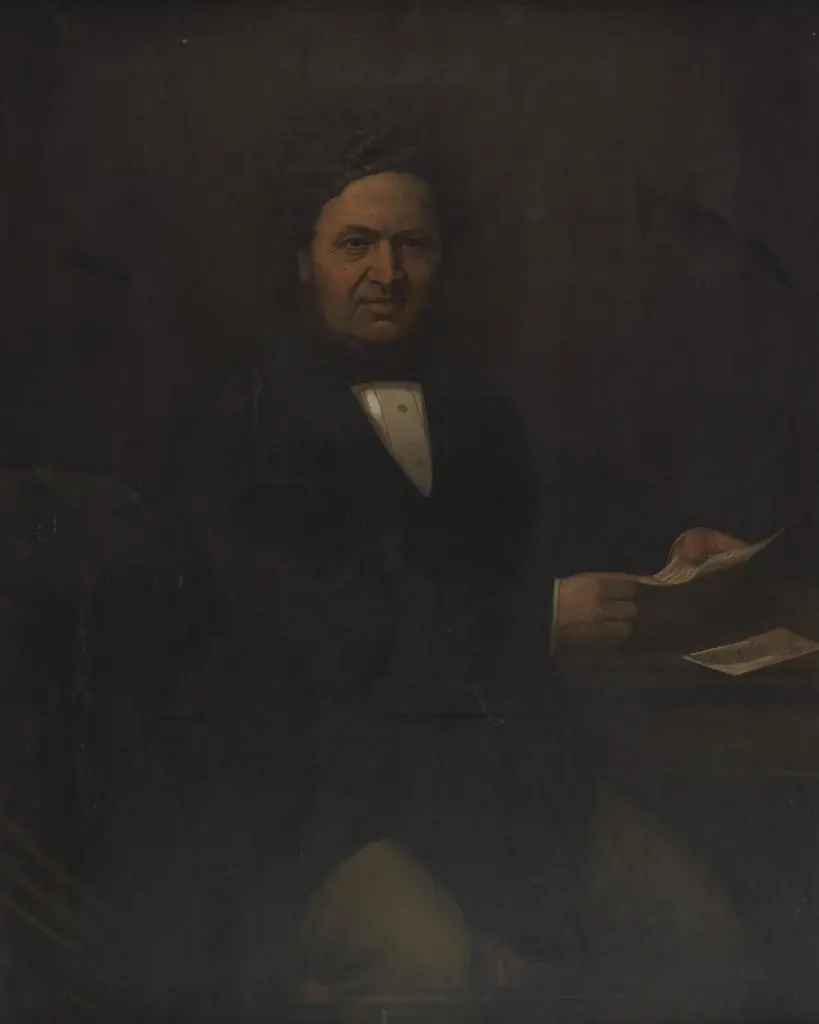 Thos Williams, JP, Gwaelodygarth 1823-03
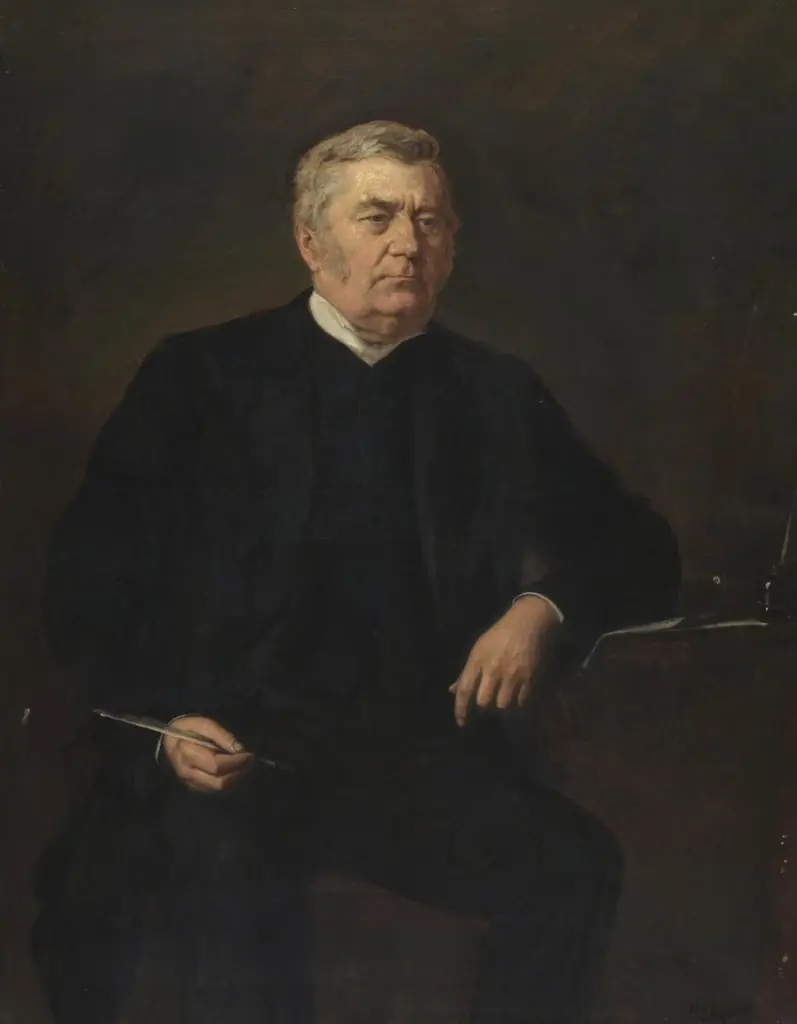 Rev. Edward Matthews
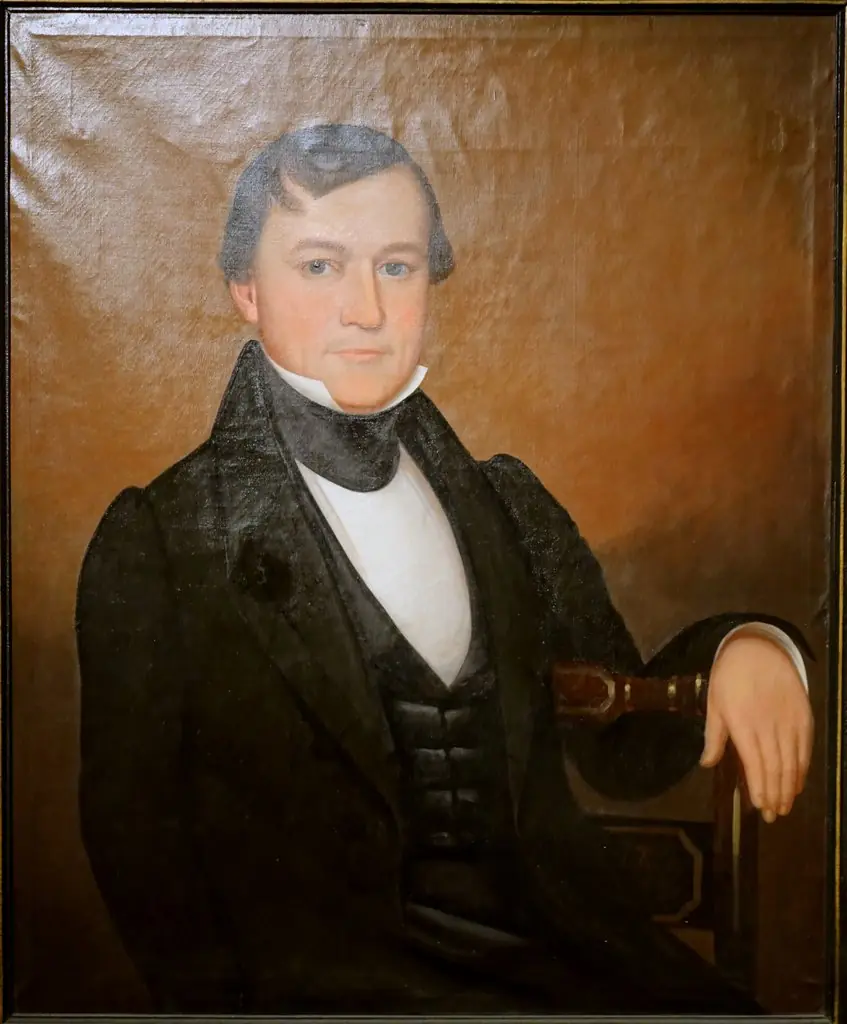 Portrait of Abraham Prescott Jr.
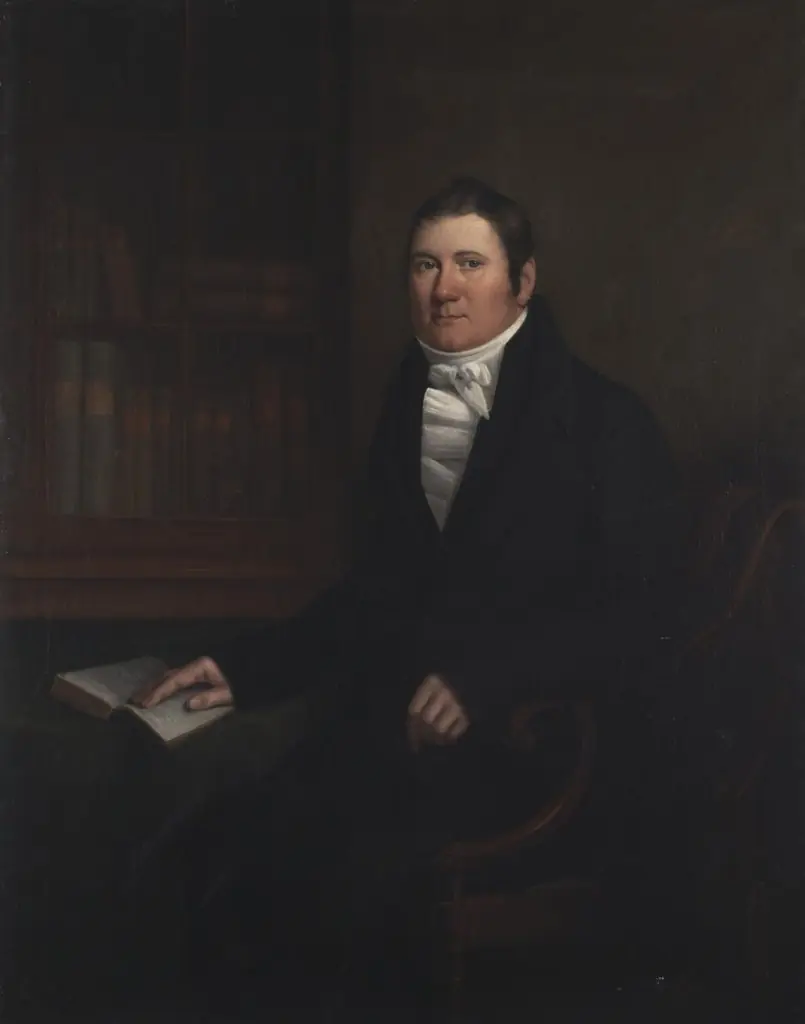 Man sitting at a table with an open book
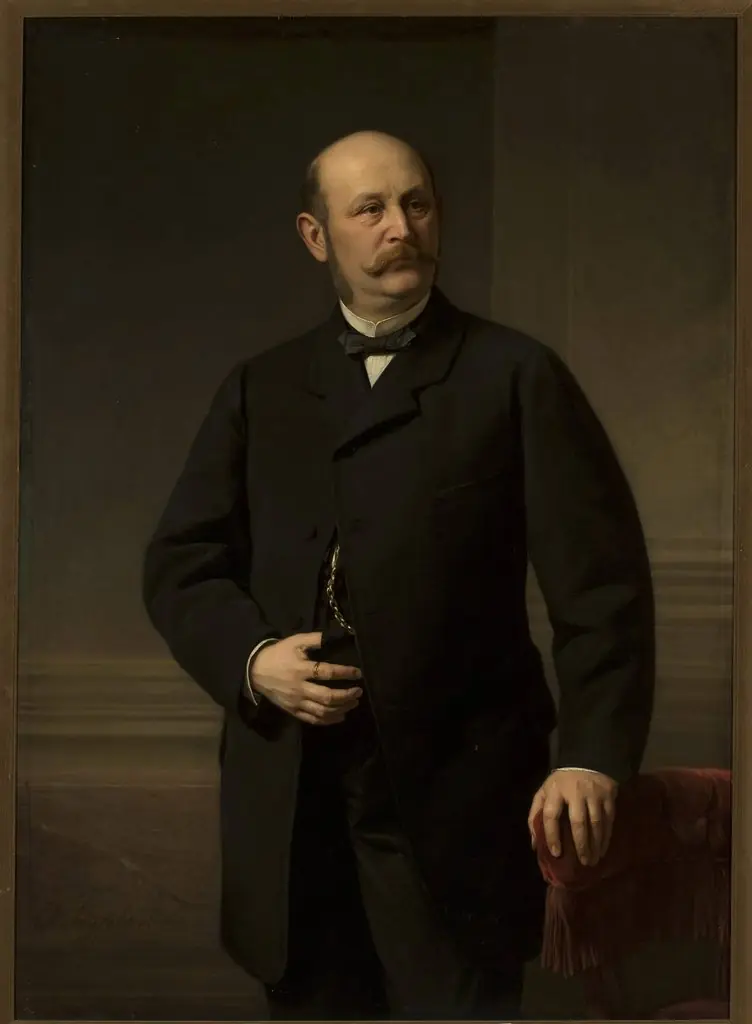 Portrait of Maurycy Brauman
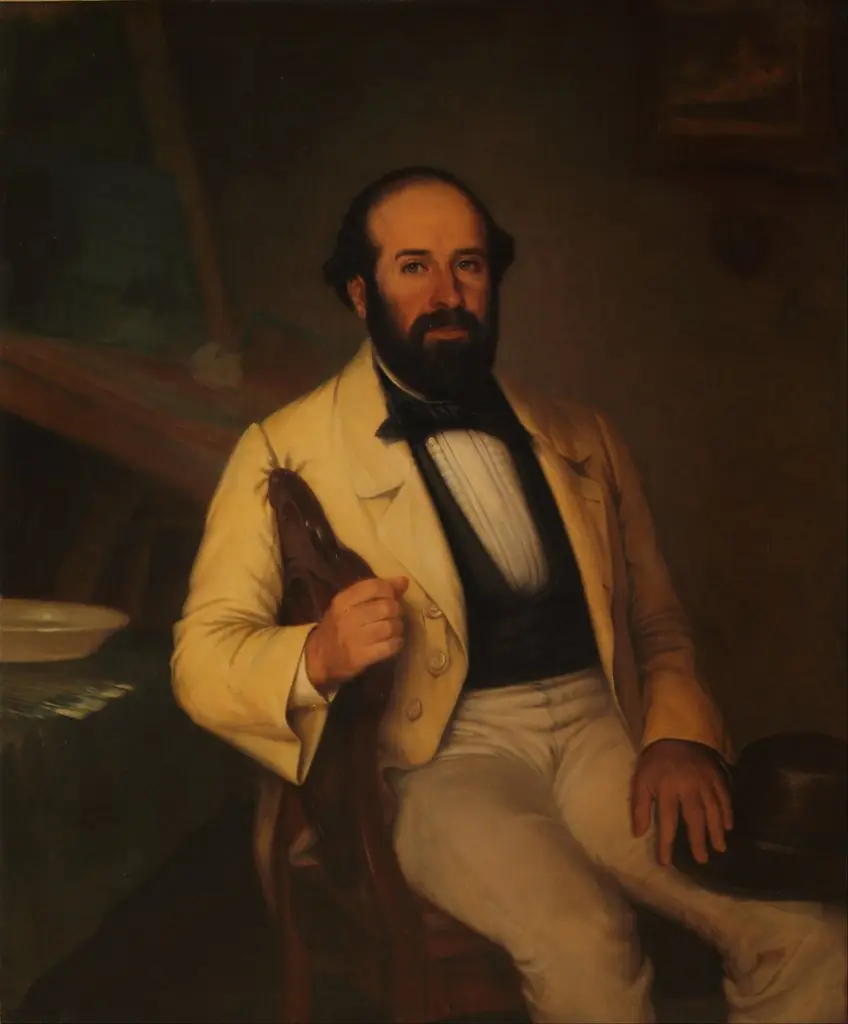 Retrato de Santiago Calzadilla