Artwork
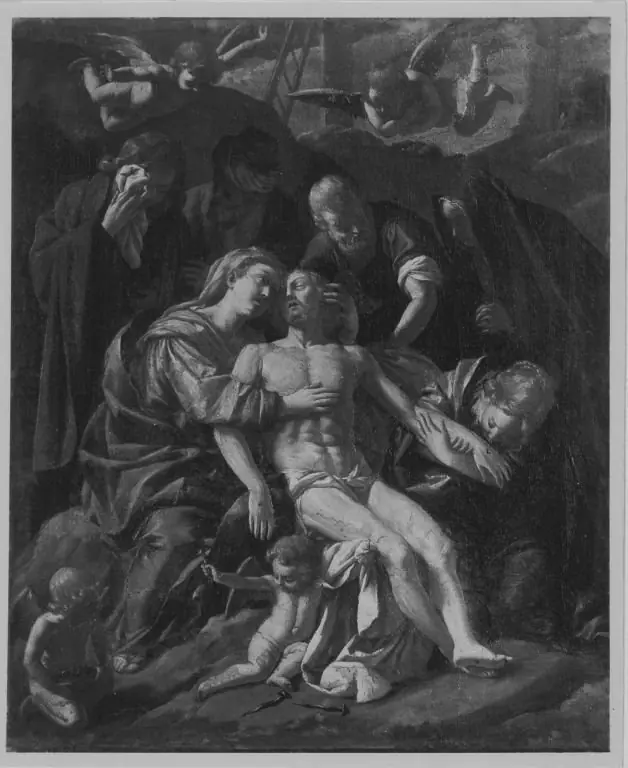
Lamentation of Christ with worshipping male and female figures (Two Pieces)
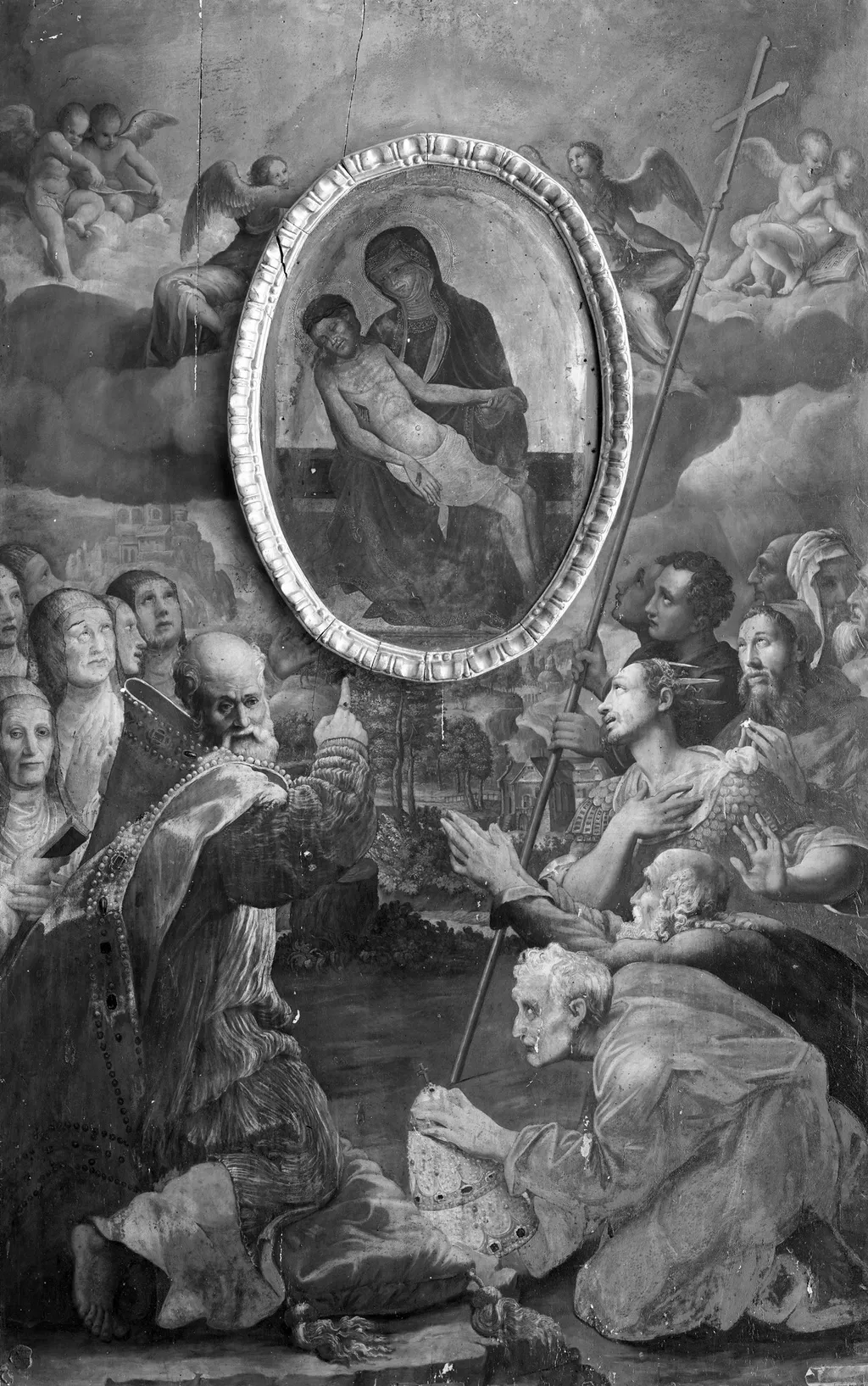
Lamentation of Christ with worshipping male and female figures (Two Pieces) is a paint painting by the Mannerist artist Prospero Fontana. It dates from 1568 and is held in the collection of the Gemäldegalerie Berlin.
About this work
Overview
Its dimensions and condition reflect the artist’s practice of producing sizable religious compositions for devotional settings during the late Renaissance.
Prospero Fontana’s *Lamentation of Christ with worshipping male and female figures* is a two‑panel oil painting executed in 1568. The work presents the traditional Christian scene of Christ’s mourning, arranged in a bifurcated format that allows a balanced distribution of figures and space. Its dimensions and condition reflect the artist’s practice of producing sizable religious compositions for devotional settings during the late Renaissance.
Subject & Meaning
The central narrative depicts the sorrowful aftermath of the crucifixion, with Christ’s body surrounded by a group of male and female worshippers who assume solemn, reverent postures. The inclusion of both genders underscores the universal nature of grief and piety, inviting viewers to contemplate the collective human response to the Passion. The composition emphasizes emotional intensity through the gestures and expressions of the surrounding figures.
Technique & Style
Executed in oil on canvas, the painting displays the elongated forms, heightened drama, and dynamic poses characteristic of Mannerist aesthetics. Fontana’s handling of light accentuates the central figure of Christ, while the surrounding drapery and architectural hints create a sense of depth without fully adhering to naturalistic perspective. The brushwork combines swift, decisive strokes with finer detailing in the faces, reflecting the artist’s reputation for rapid execution.
Context
Created in Bologna during a period when Mannerism was supplanting the balanced classicism of the High Renaissance, the work aligns with contemporary religious commissions that sought to convey spiritual fervor through heightened theatricality. Fontana, active in the city’s artistic circles, often collaborated with leading painters and contributed frescoes and decorative schemes to churches, situating this panel within a broader network of Counter‑Reformation visual propaganda.
Legacy
While not as widely reproduced as some of his contemporaries’ works, the painting illustrates Fontana’s role in transmitting Mannerist visual language to later Bolognese artists. Its preservation offers insight into the transitional stylistic currents of the 1560s and serves as a reference point for scholars examining the interplay between rapid workshop production and the emotive demands of religious art in the late Renaissance.
Artist & collection

Artist
Prospero Fontana (1512–1597) was a Bolognese painter of late Renaissance and Mannerist art.

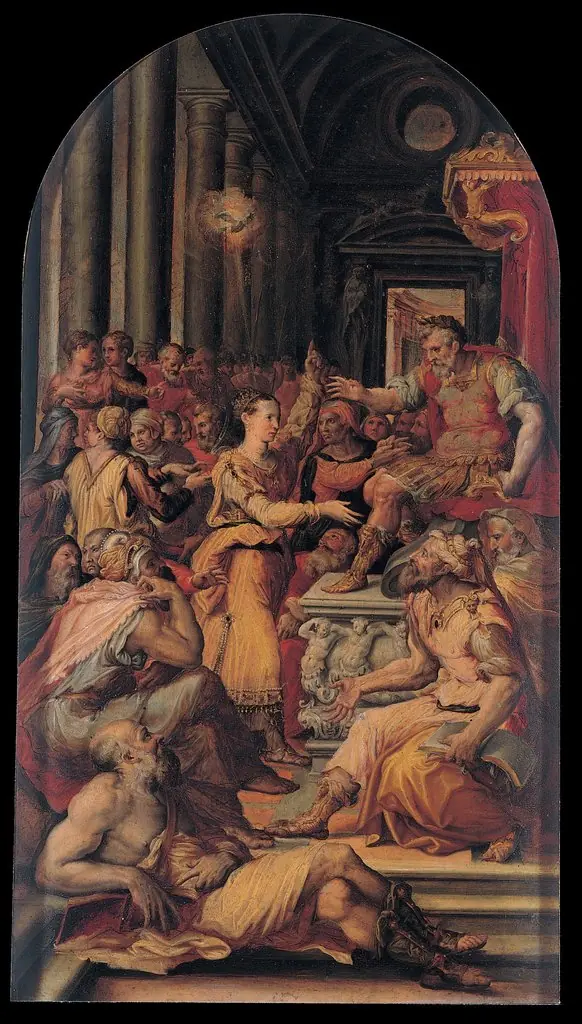
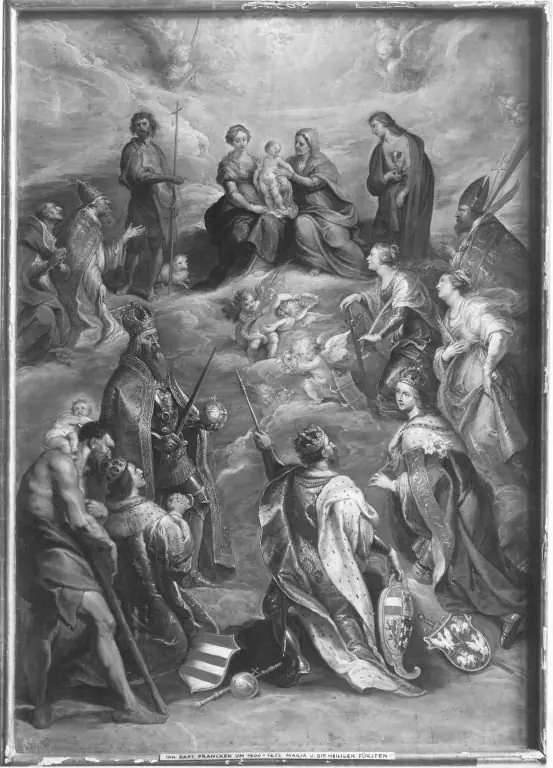 Virgin with child and St. Anna, surrounded by Saints and the Saints of the House of Austria
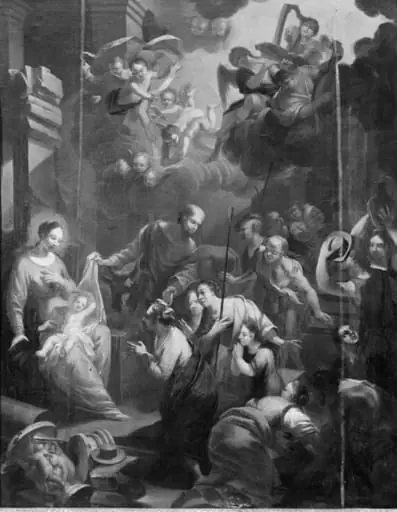 The Adoration of the Shepherds
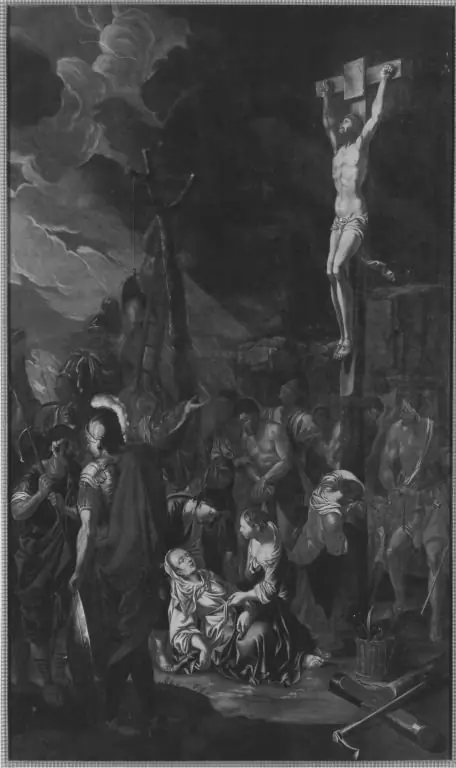 Kreuzigung
 Hyrdernes tilbedelse
 Hyrdernes tilbedelse
 Madonna mit Josef
 Verehrung Mariae durch Heilige
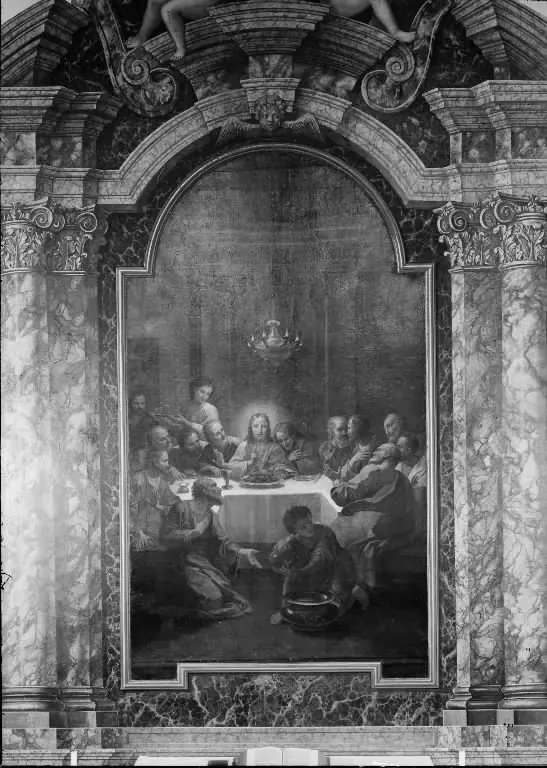 Nadveren
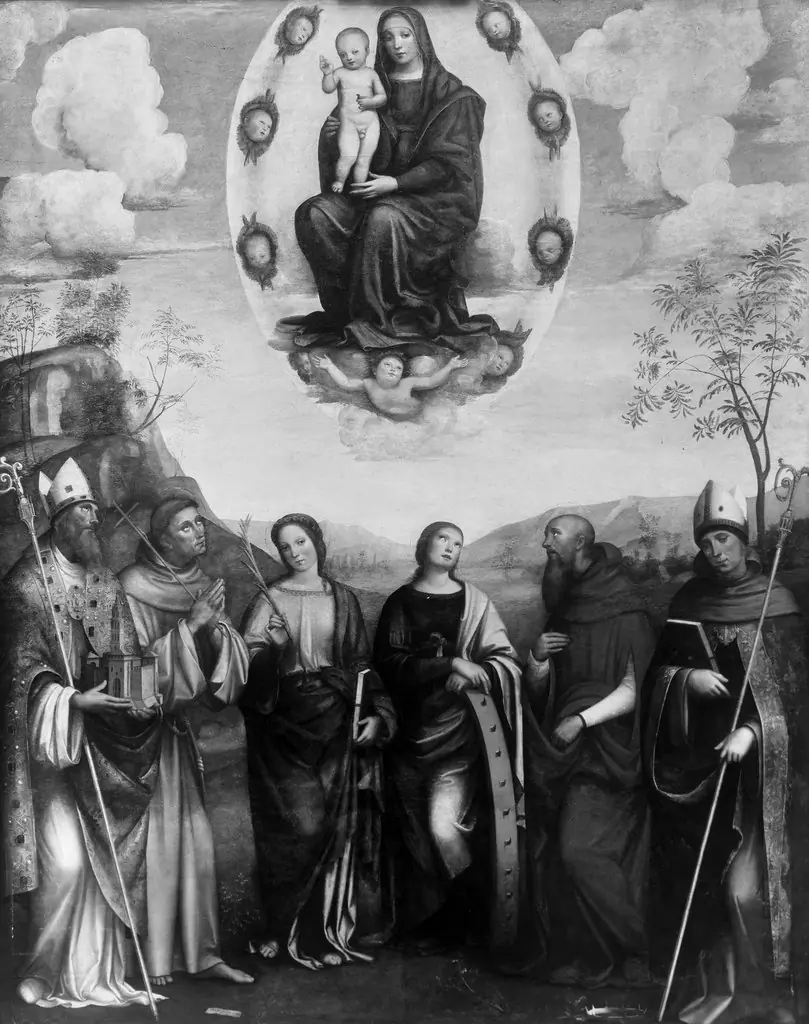 Mary with the child in glory adored by six saints
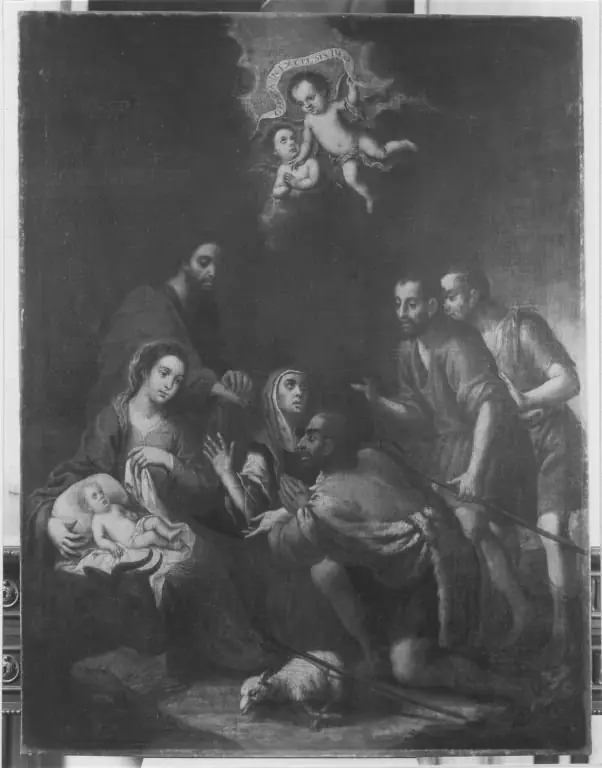 Anbetung der Hirten
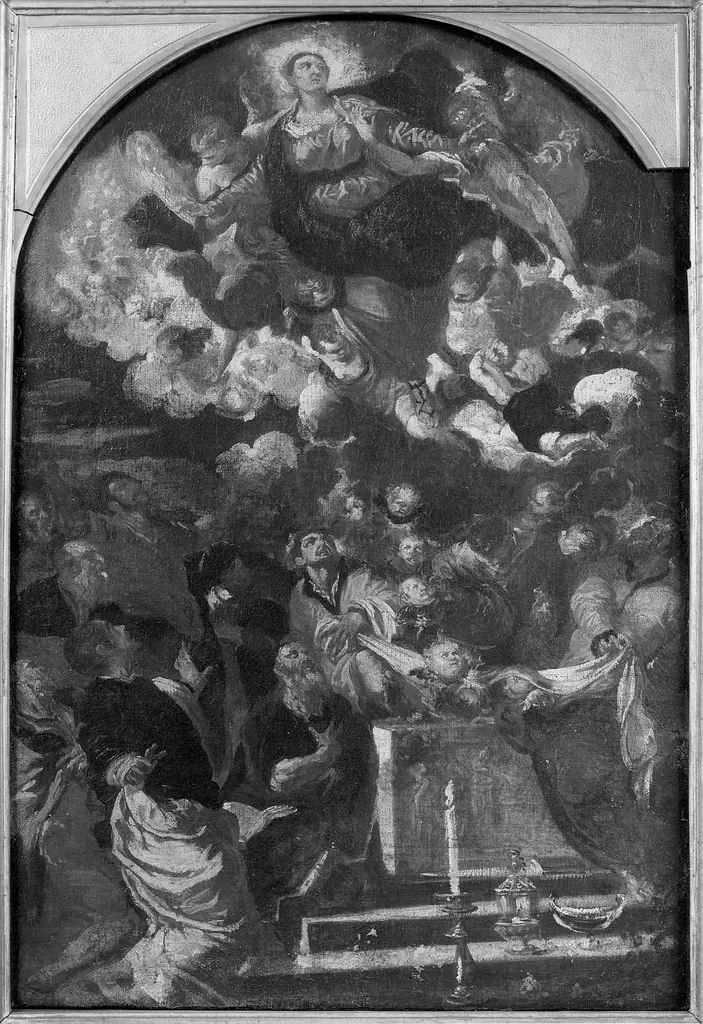 The Assumption of the Virgin
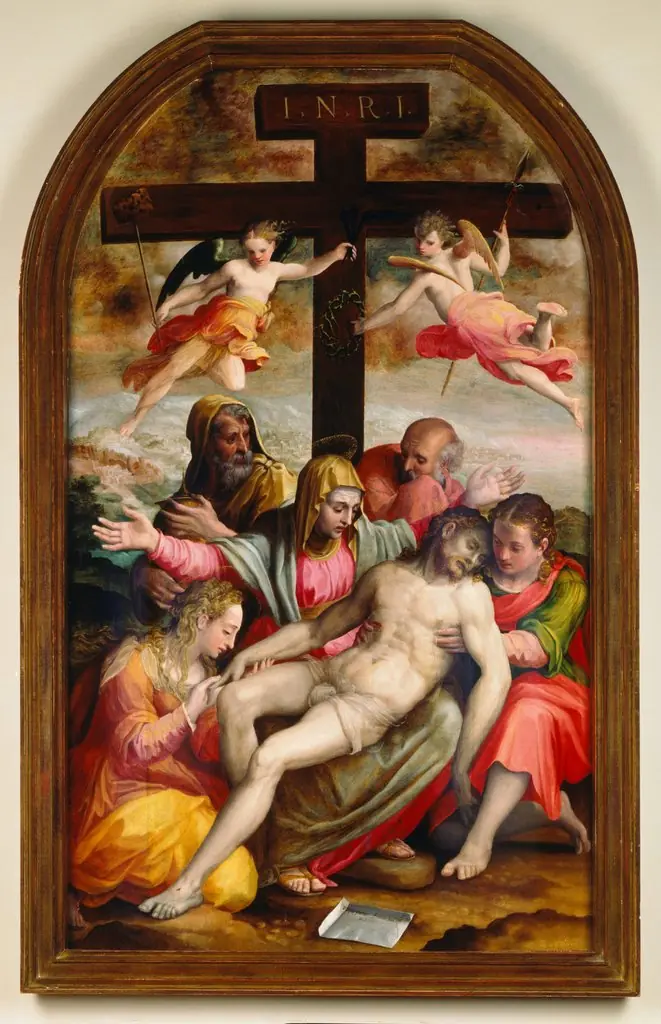
 Lamentation of Christ