Artwork
The Adoration of the Magi
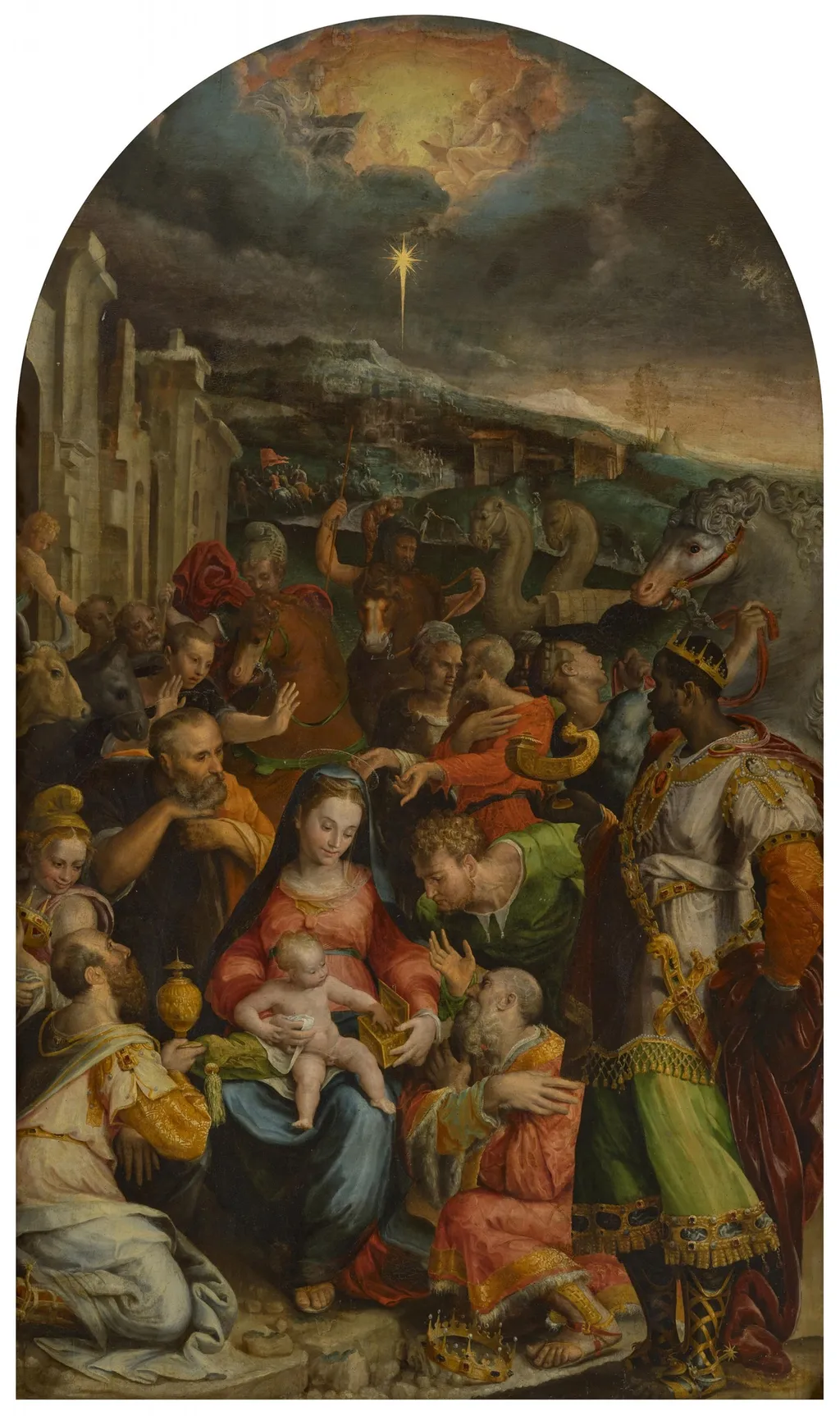
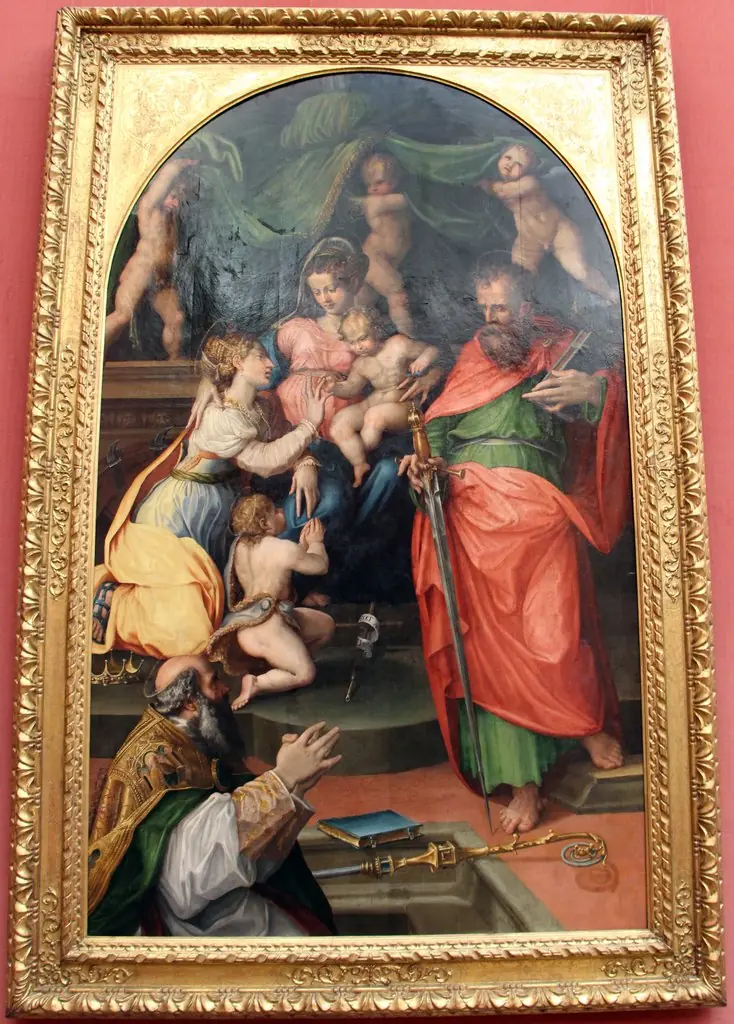
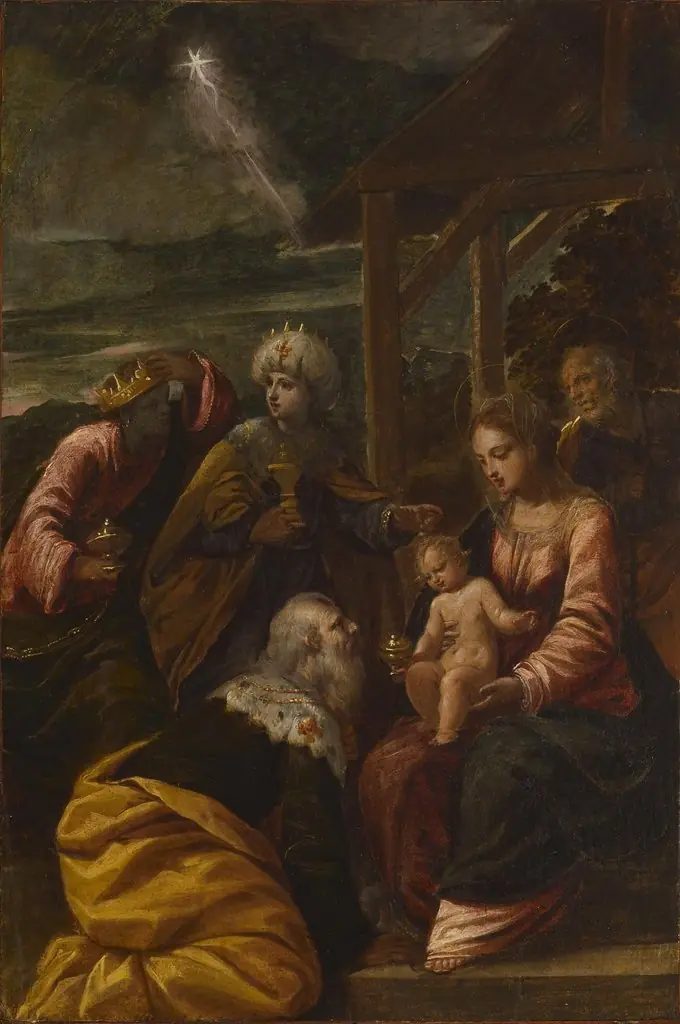
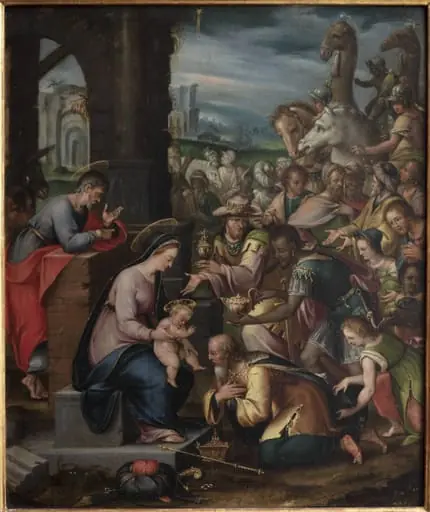
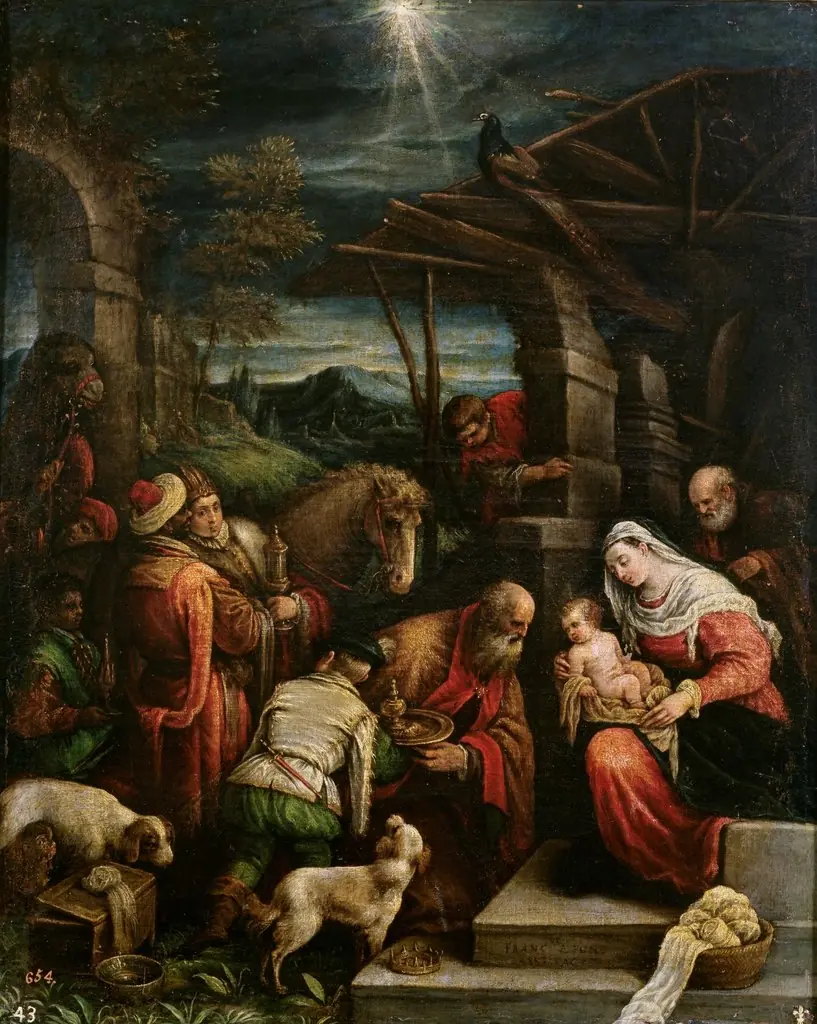
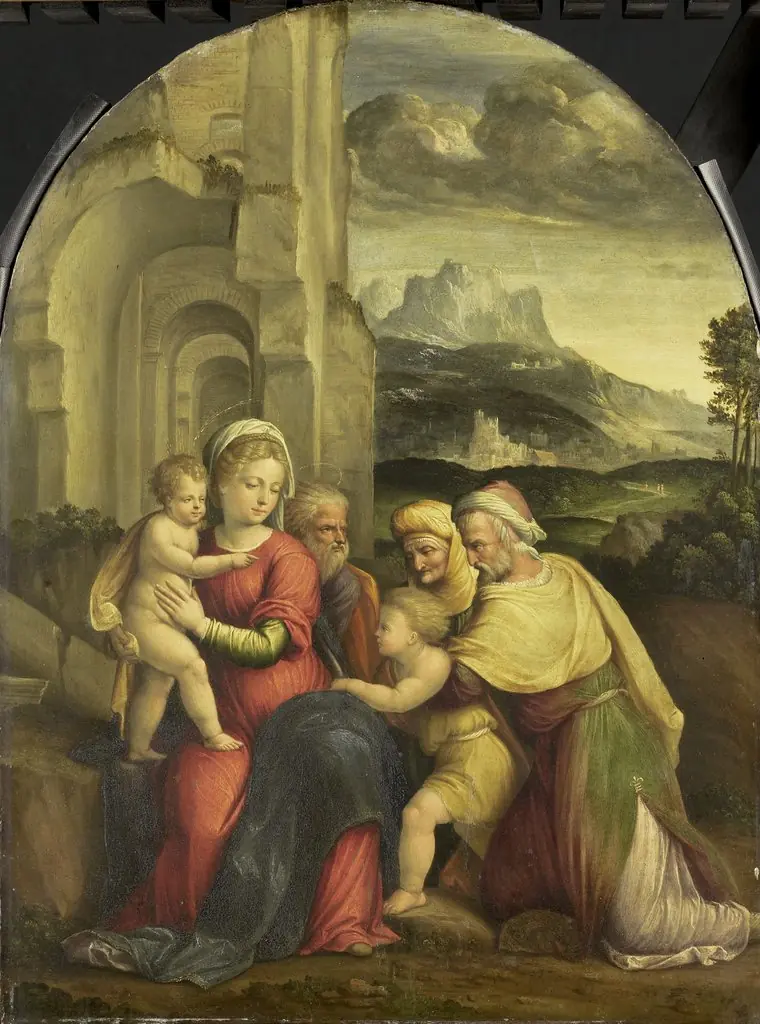
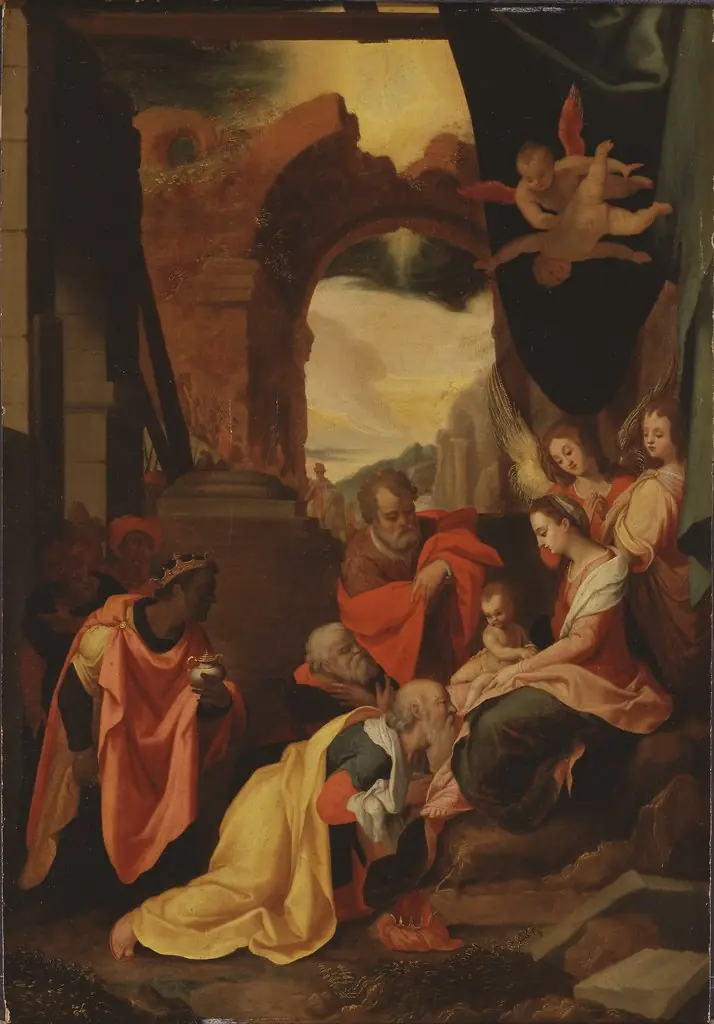
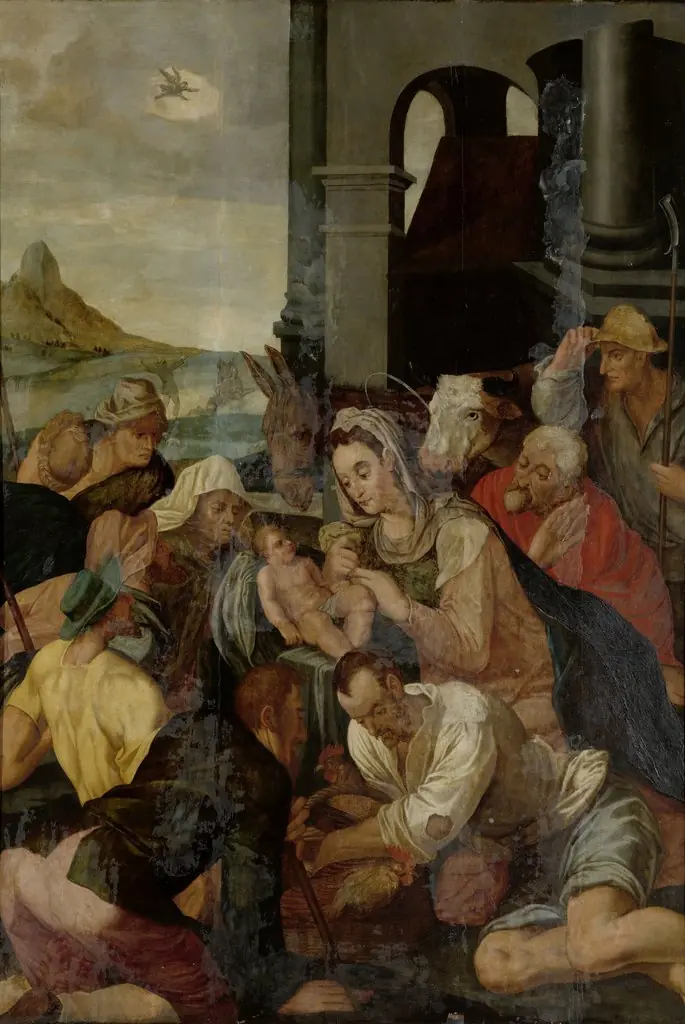
The Adoration of the Magi is an unspecified painting by the Early Baroque Italian artist Prospero Fontana. It dates from 1549 and is held in the collection of the Gemäldegalerie Berlin.
About this work
Overview
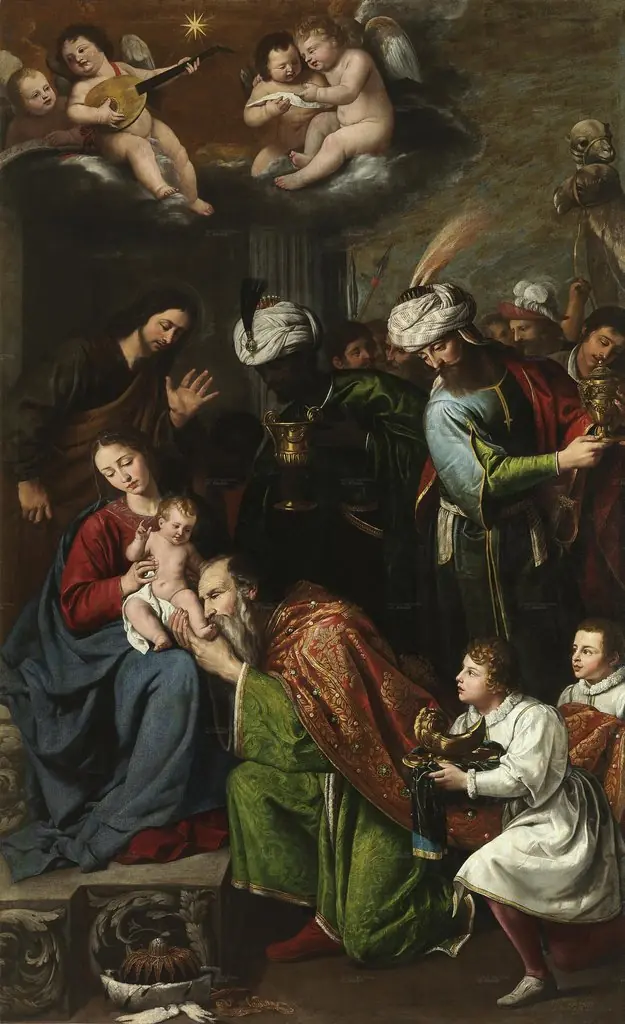
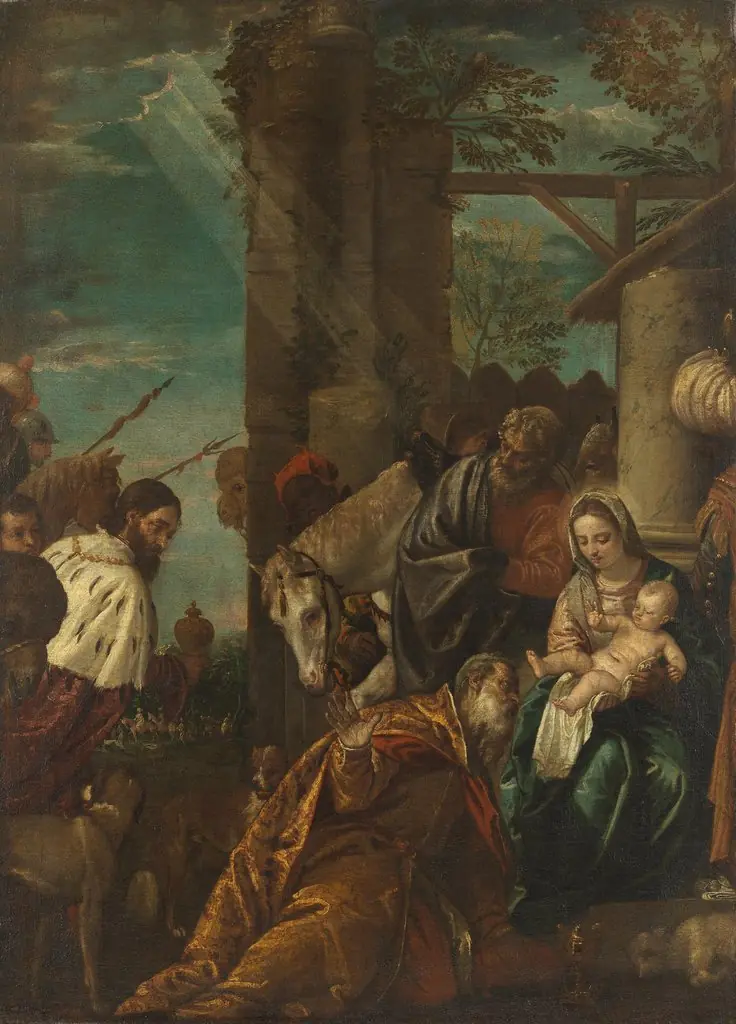
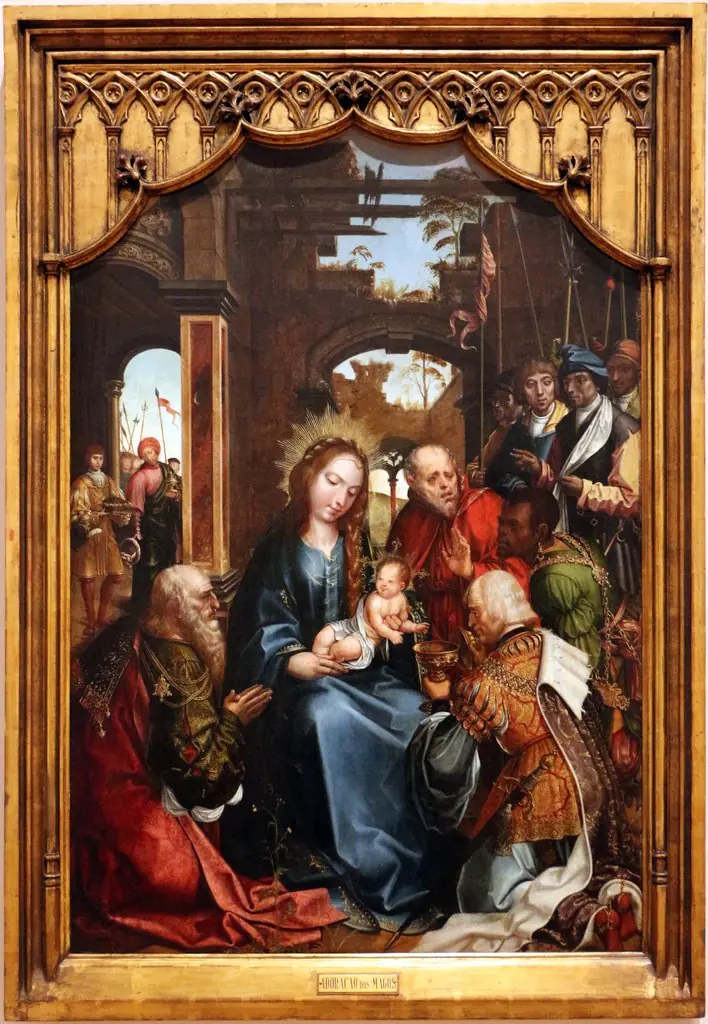
Prospero Fontana, a painter from Bologna active during the transition from the late Renaissance to Mannerism, completed a work titled *The Adoration of the Magi* in 1549. The canvas portrays the biblical episode of the three wise men presenting gifts to the infant Christ and is presently housed in Berlin’s Gemäldegalerie.
Subject & Meaning
The composition centers on the traditional Nativity moment when the Magi kneel before the newborn Messiah, offering gold, frankincense, and myrrh. By emphasizing the solemnity of the encounter, the painting underscores themes of devotion, the recognition of Christ’s divinity, and the universal acknowledgment of his significance across cultures.
Technique & Style
Executed in an early Baroque idiom, the piece combines the elongated figures and complex poses typical of Mannerist influence with a nascent dynamism that anticipates later Baroque vigor. Fontana’s handling of light and color creates a modest chiaroscuro, while his attention to architectural elements frames the scene with a sense of spatial depth.
History & Provenance
Fontana, known for his rapid execution of frescoes and decorative schemes, produced this oil work amid a prolific period of commissions and collaborations with other leading artists of his era. After remaining in private collections for several centuries, the painting entered the Gemäldegalerie in Berlin, where it forms part of the museum’s Italian Baroque holdings.
Artist & collection

Artist
Prospero Fontana (1512–1597) was a Bolognese painter of late Renaissance and Mannerist art.