Artwork
Deposition
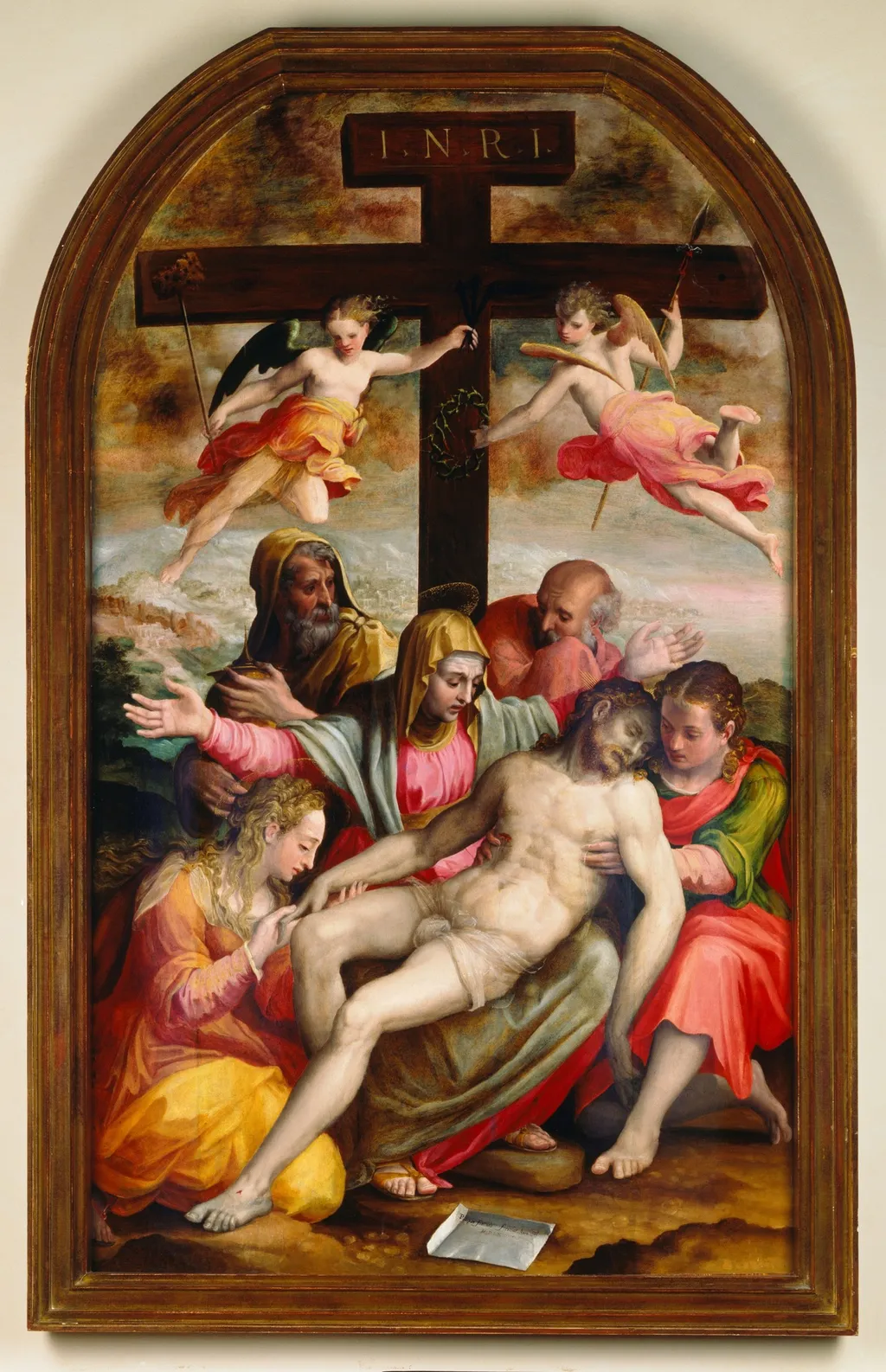
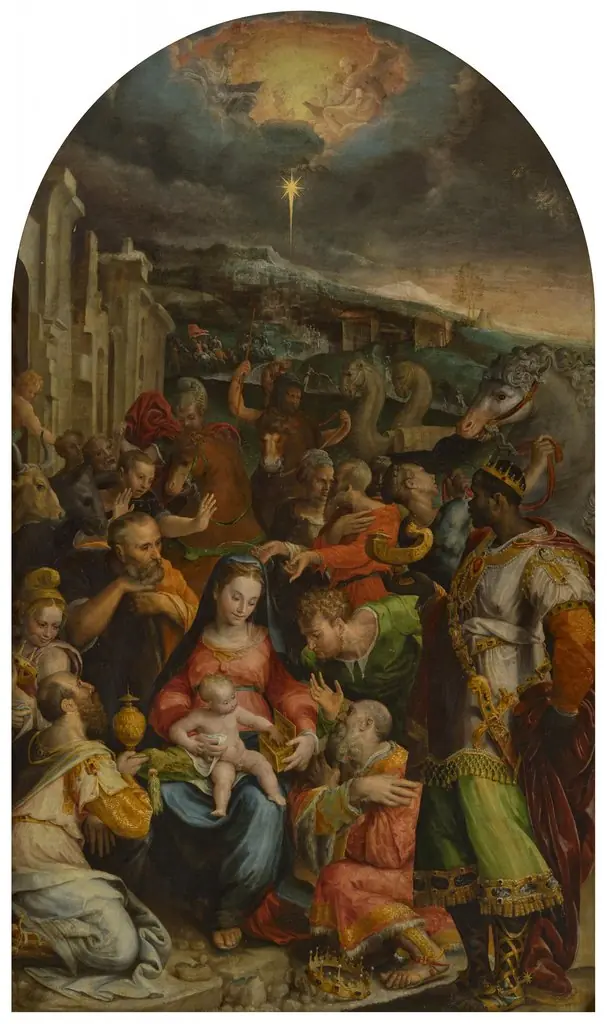
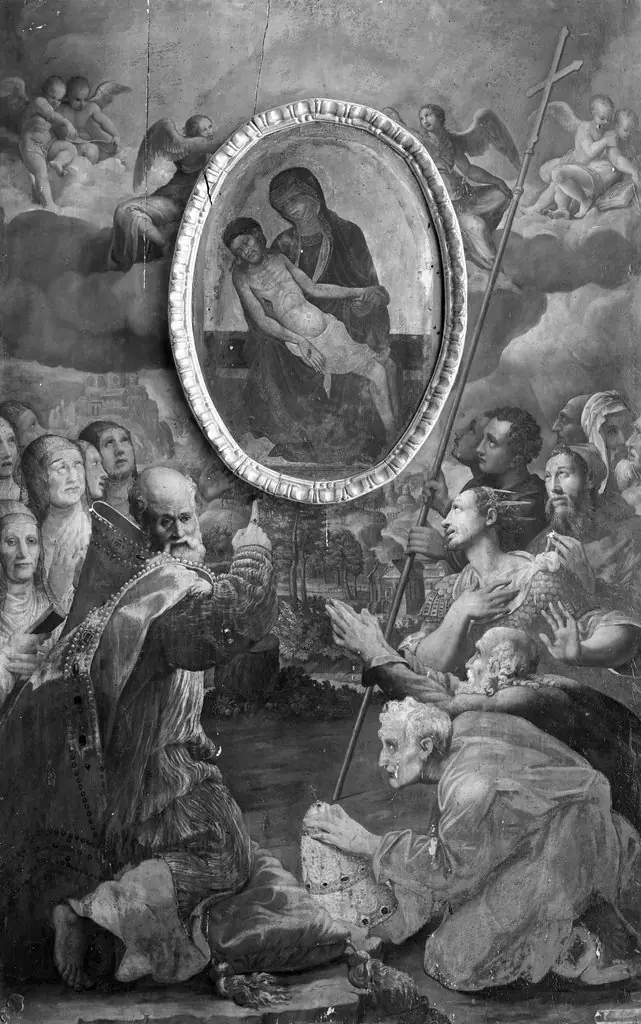
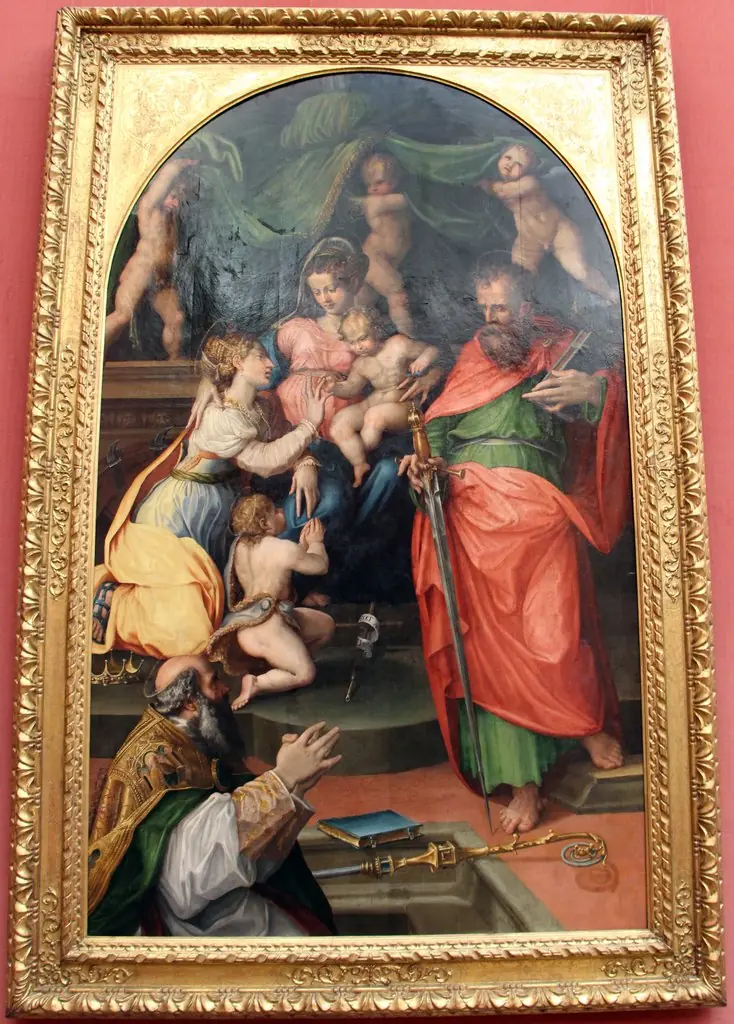
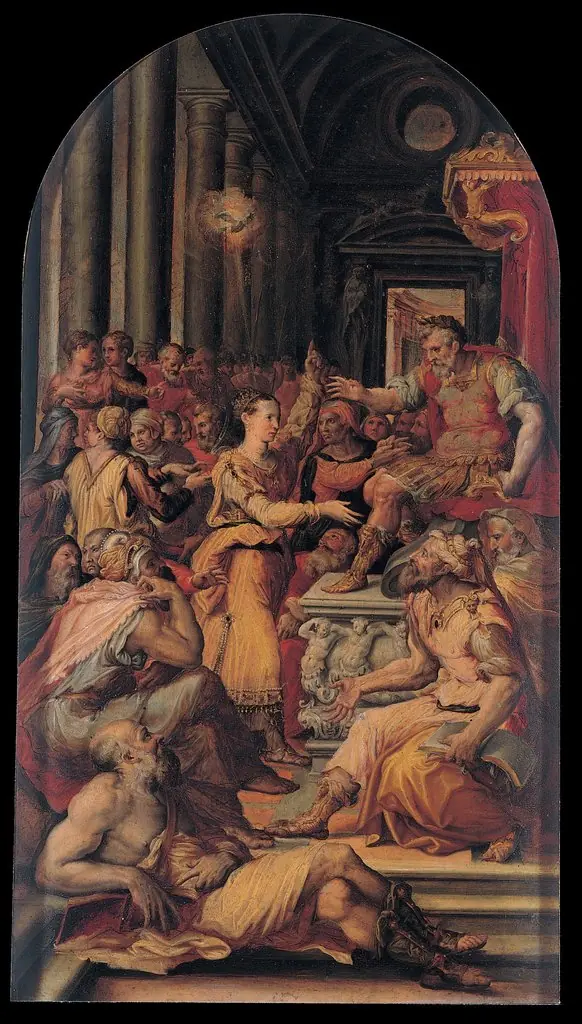
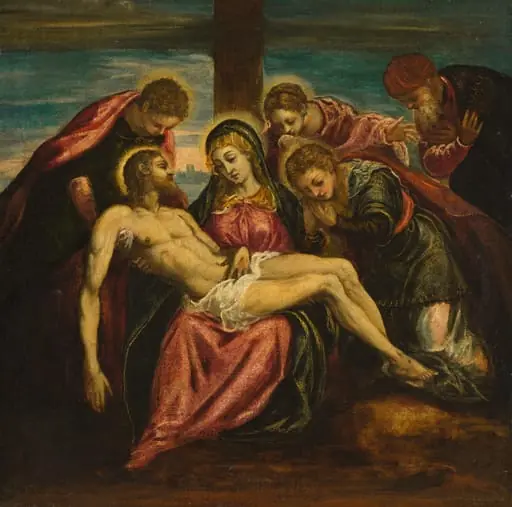
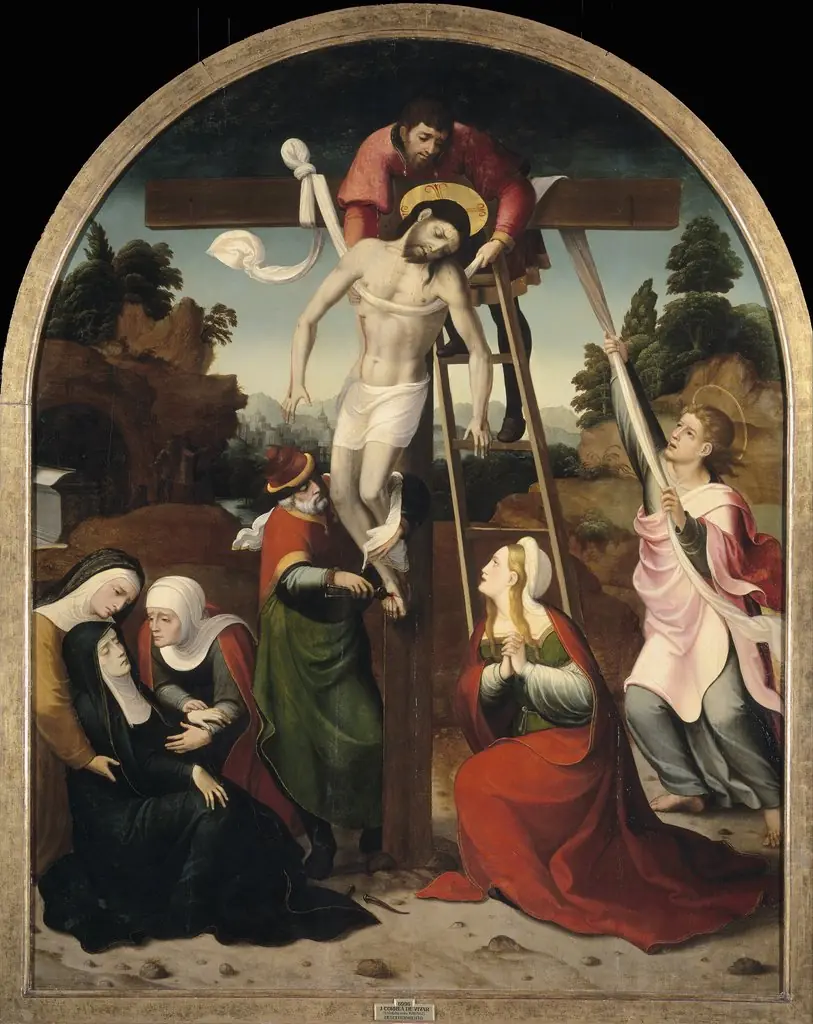
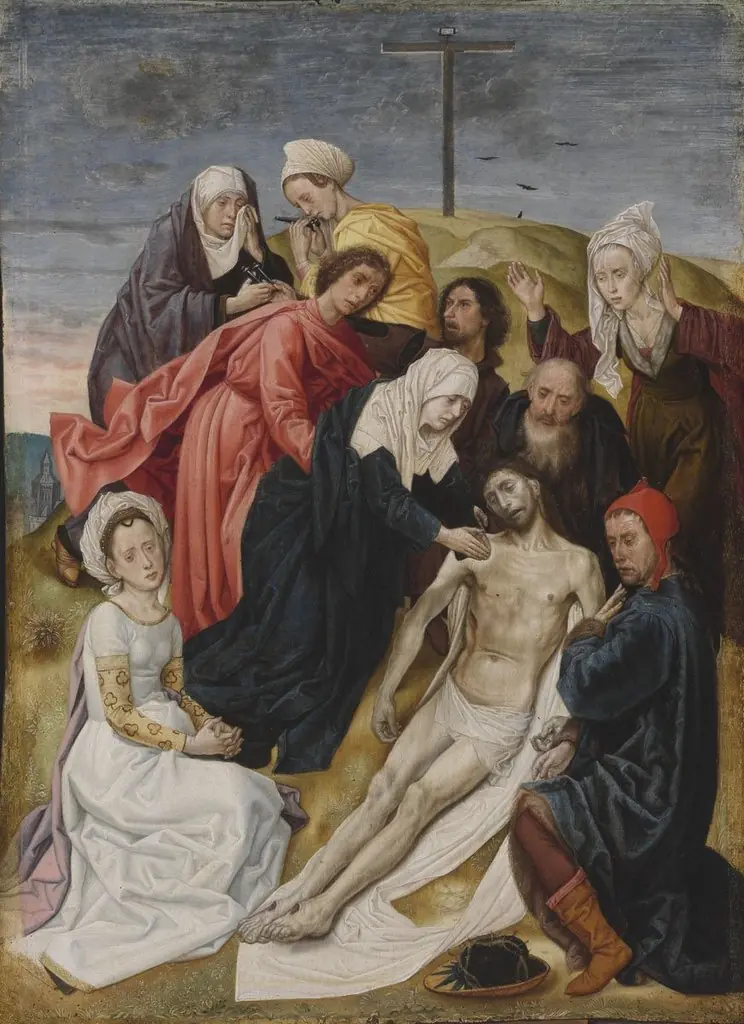
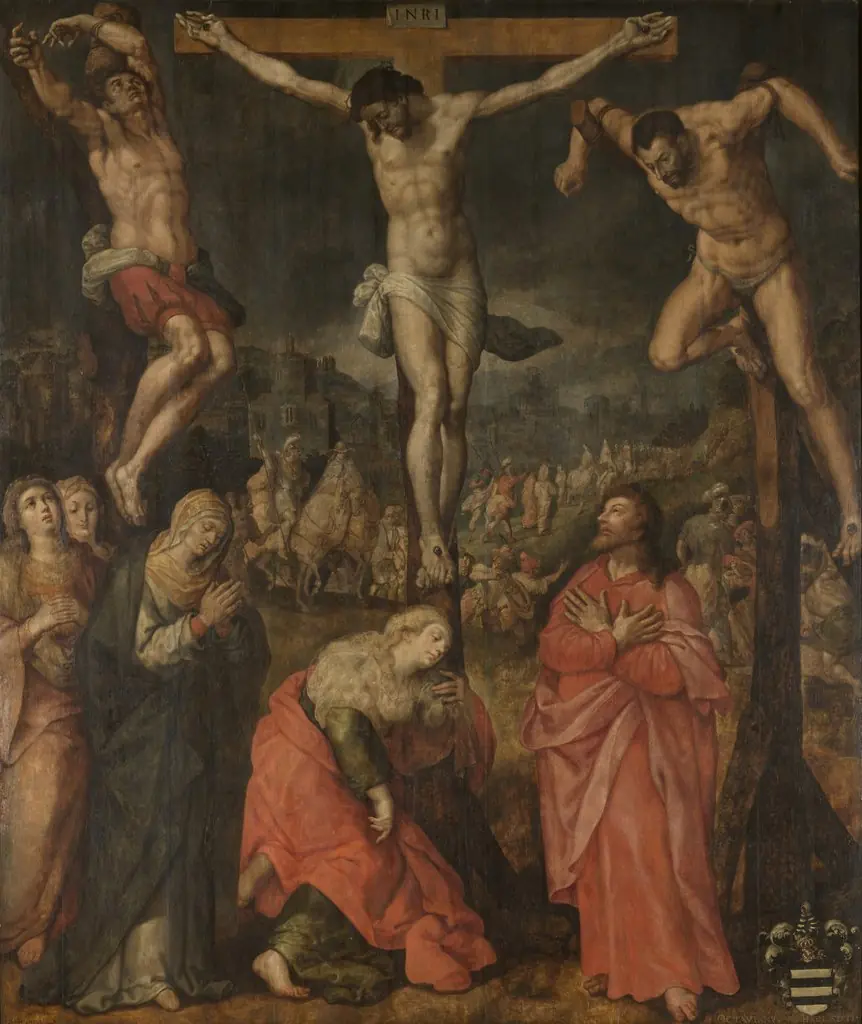
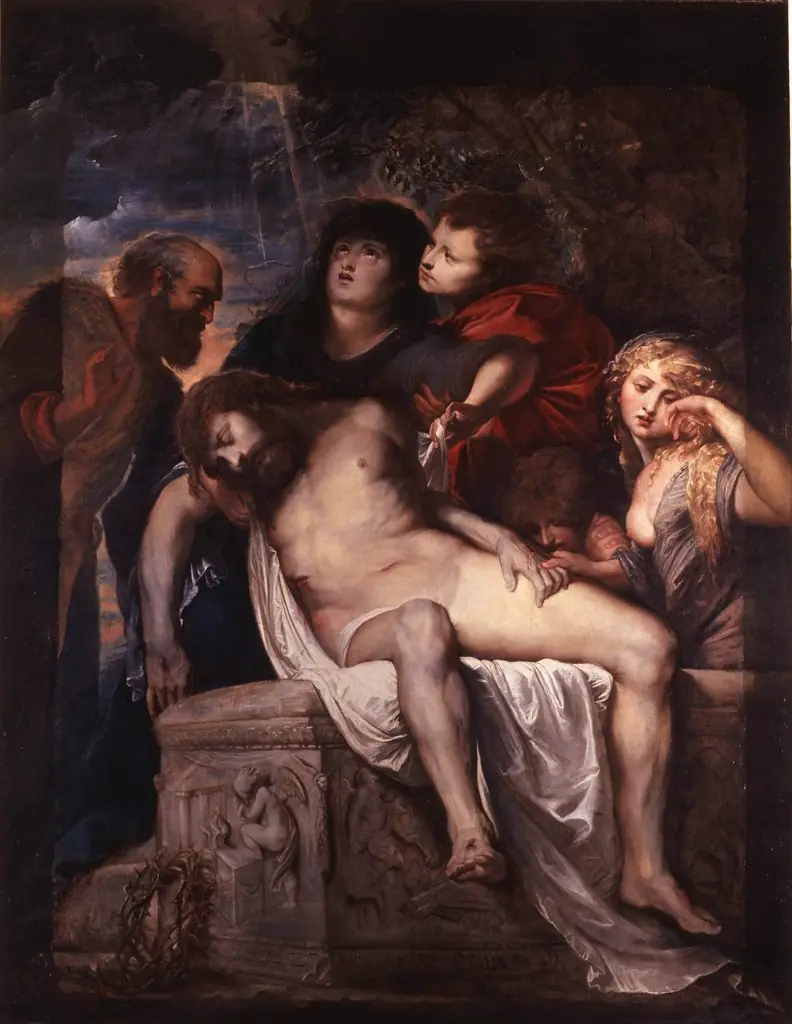
Deposition is an oil painting by the Mannerist artist Prospero Fontana. It dates from 1563 and is held in the collection of the Art Gallery of New South Wales.
About this work
Overview
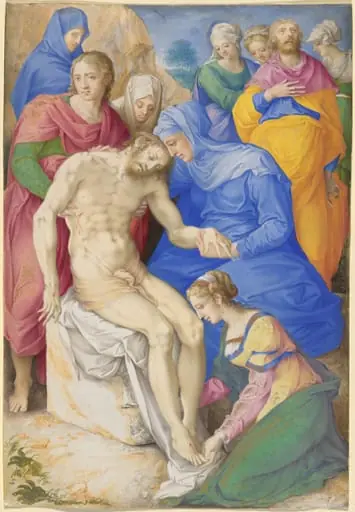
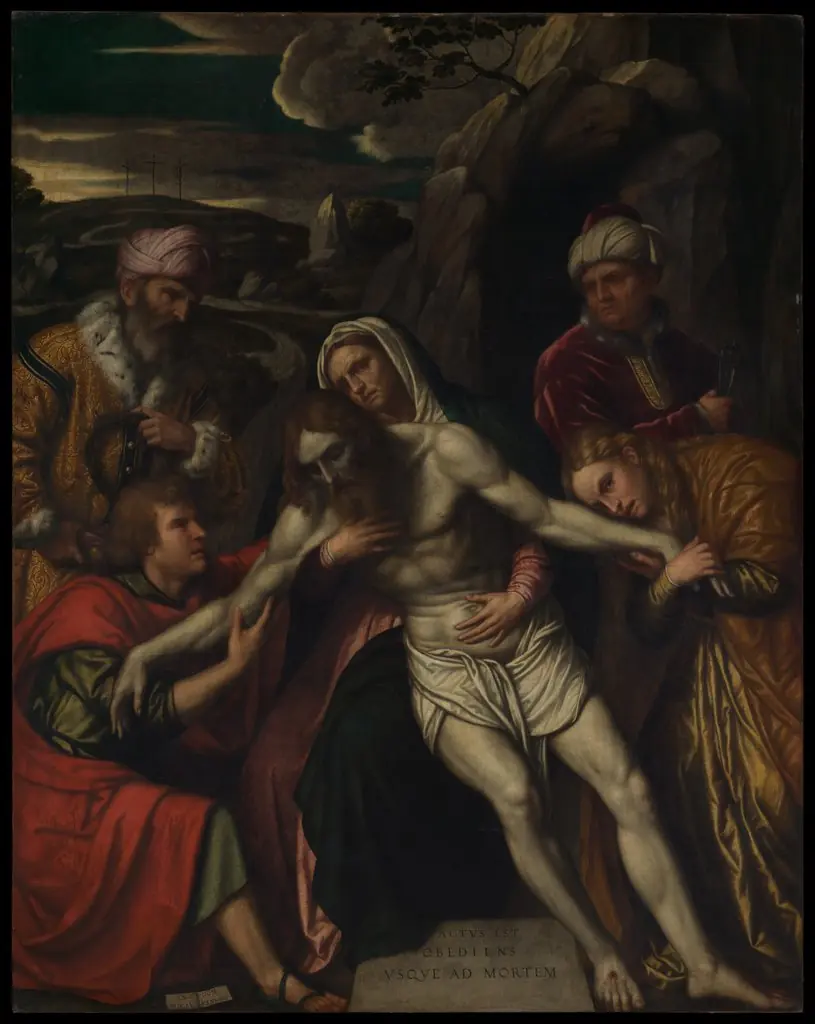
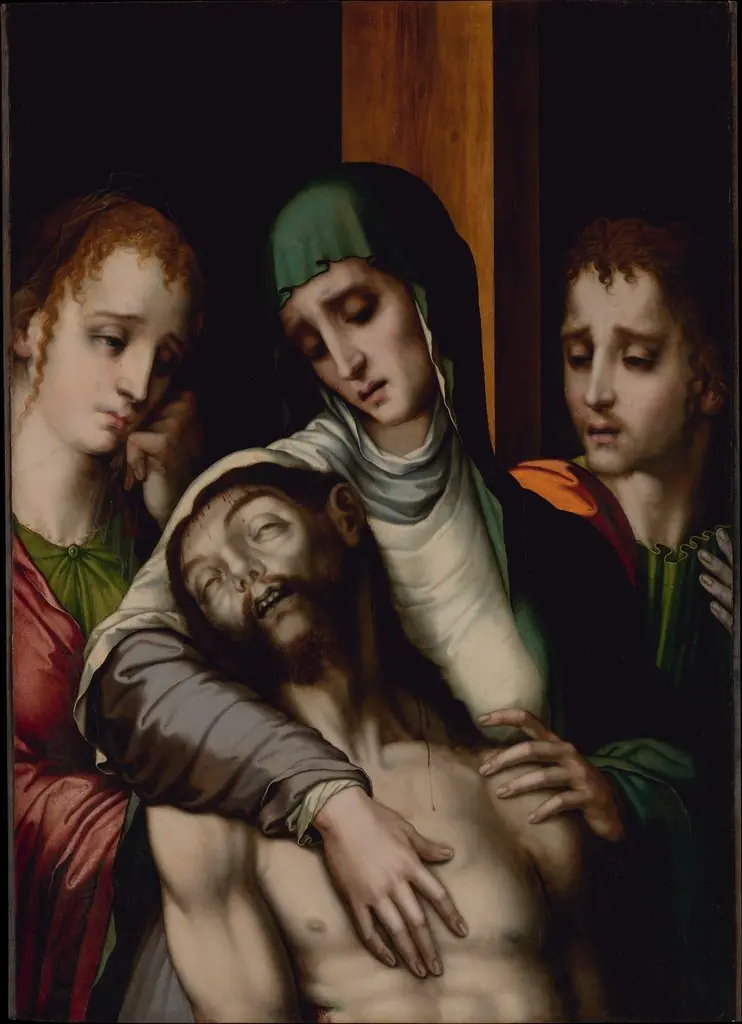
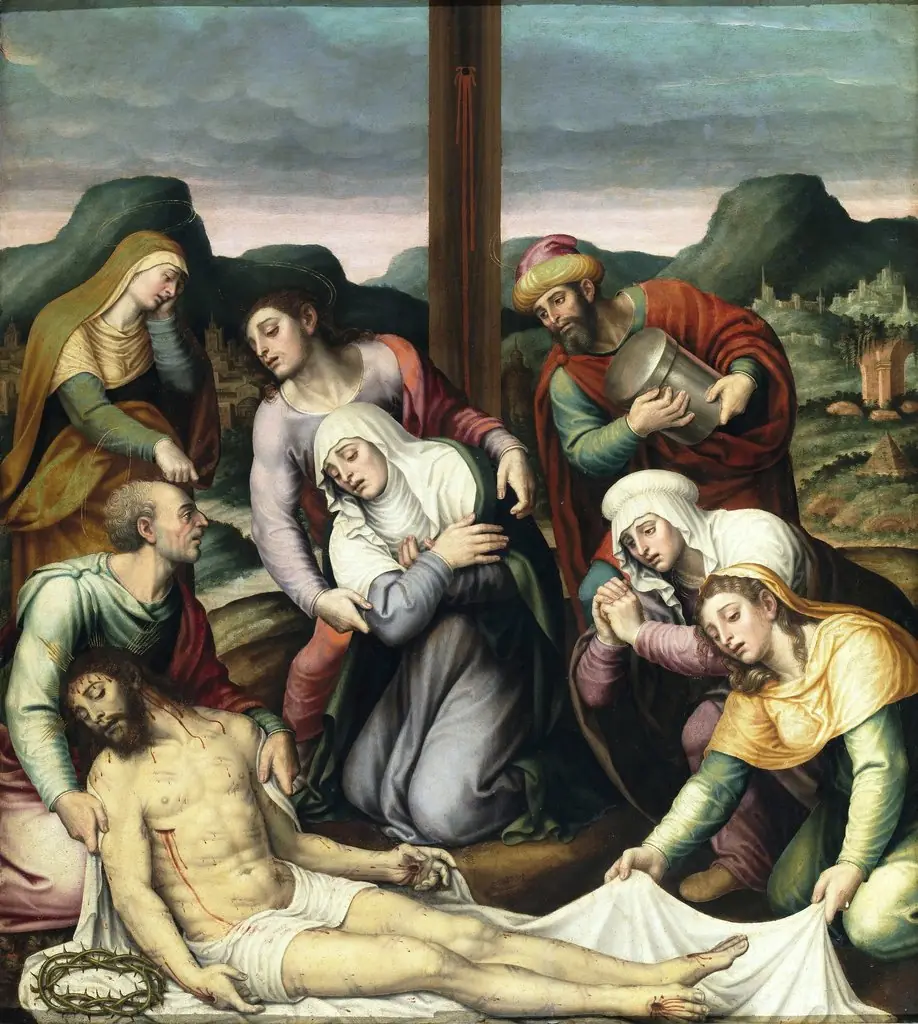
Prospero Fontana’s *Deposition*, executed in oil in 1563, presents the biblical moment when Christ’s body is lowered from the cross. The composition centers on the lifeless figure of Jesus surrounded by mourners in richly colored garments, creating a solemn yet visually striking tableau that remains in the Art Gallery of New South Wales.
Subject & Meaning
The work captures the emotional gravity of the Deposition, emphasizing grief and reverence. A woman in a pink robe with a yellow head covering appears to weep, while other figures in red and green attire support the body, underscoring the collective sorrow of the scene.
Technique & Style
Fontana employs the late‑Renaissance Mannerist vocabulary, using oil to achieve deep, saturated hues and subtle modeling of flesh. The background includes two cherubic figures—one bearing a spear, the other a cloth—adding symbolic layers and reinforcing the painting’s devotional tone.
History & Provenance
Created during Fontana’s mature period in Bologna, the painting later entered the collection of the Art Gallery of New South Wales, where it is displayed as part of the museum’s European holdings. Its acquisition reflects the gallery’s interest in Italian religious art of the 16th century.
Context
Fontana, noted for his fresco work and architectural detailing, often collaborated with contemporaries and served as an arbitrator within Bologna’s artistic circles. His workshop also trained younger artists, including his daughter Lavinia, contributing to the city’s vibrant artistic community during the transition from Renaissance to Mannerism.
Artist & collection

Artist
Prospero Fontana (1512–1597) was a Bolognese painter of late Renaissance and Mannerist art.