Artwork
Albert of Saxe-Coburg-Gotha, Prince Consort (1819–1861)
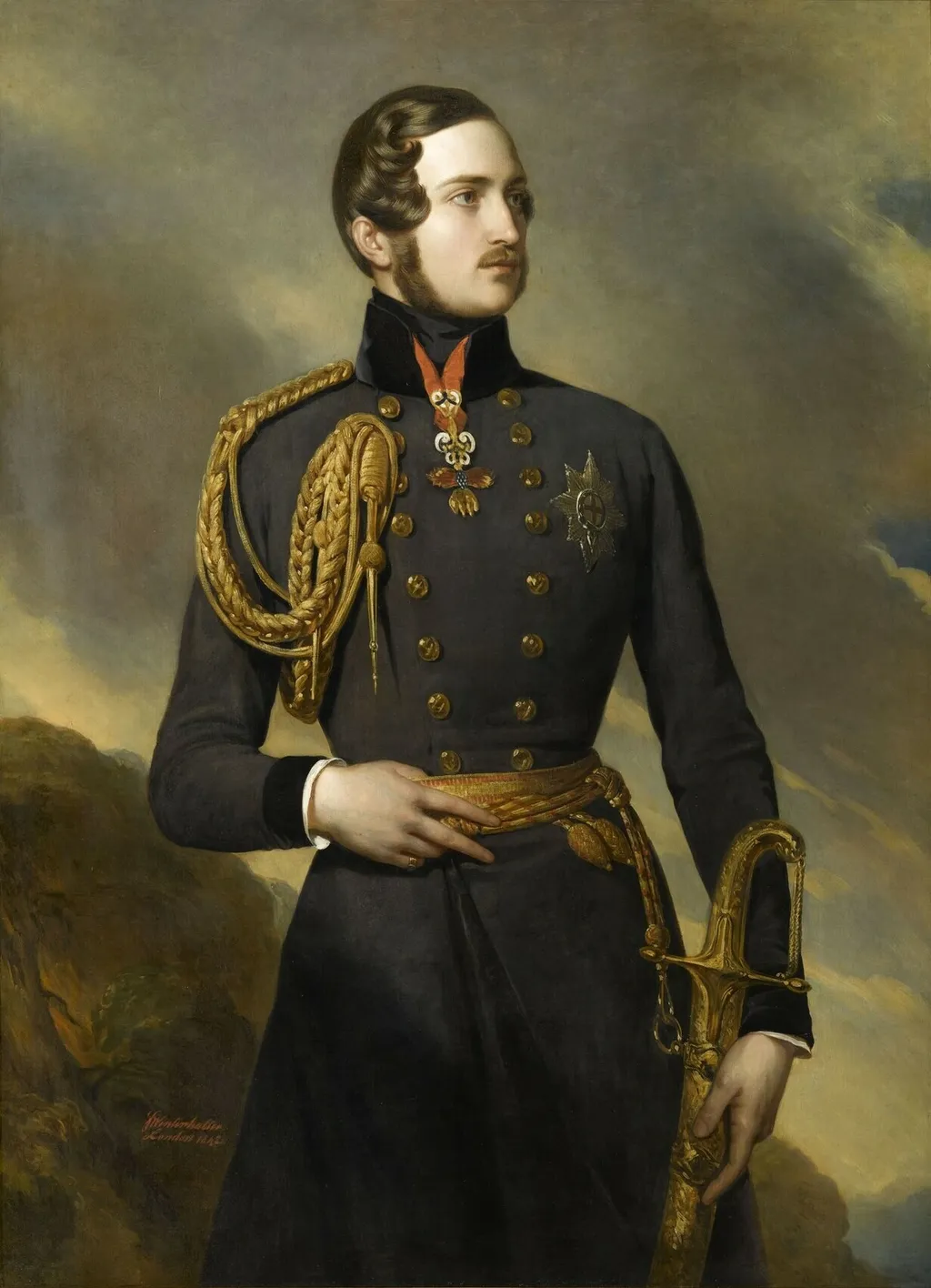
Albert of Saxe-Coburg-Gotha, Prince Consort (1819–1861) is an oil painting by Franz Xaver Winterhalter. It dates from 1842 and is held in the collection of the Museum of the History of France.
About this work
Overview
Franz Xaver Winterhalter’s 1842 oil portrait presents Prince Albert of Saxe‑Coburg‑Gotha in full military regalia. The composition centers the young consort against a muted, cloud‑filled sky, emphasizing his rank through the dark uniform, gold‑trimmed buttons, and a conspicuous sash.
Subject & Meaning
The sitter, Prince Albert (1819–1861), is shown wearing a medal suspended from a red ribbon and a sword at his side, symbols of his status within the British royal family and his military affiliations. The formal pose underscores his role as a dignified consort and future public figure.
Technique & Style
Winterhalter employs a refined, realistic technique characteristic of mid‑19th‑century court portraiture. Fine brushwork renders the texture of the fabric and metal fittings, while a restrained palette and soft atmospheric background lend the work a dignified, almost timeless quality.
History & Provenance
Completed shortly after Albert’s marriage to Queen Victoria, the portrait entered the royal collection and was later transferred to the Palace of Versailles, where it remains on display as part of the museum’s holdings of European aristocratic portraiture.
Context
The painting reflects the era’s emphasis on visual representation of royal authority and alliance. Winterhalter, a favored portraitist of European courts, captured Albert at a formative stage, before his later political influence and patronage of the arts became prominent.
Own this work as a print
Artist & collection
Artist
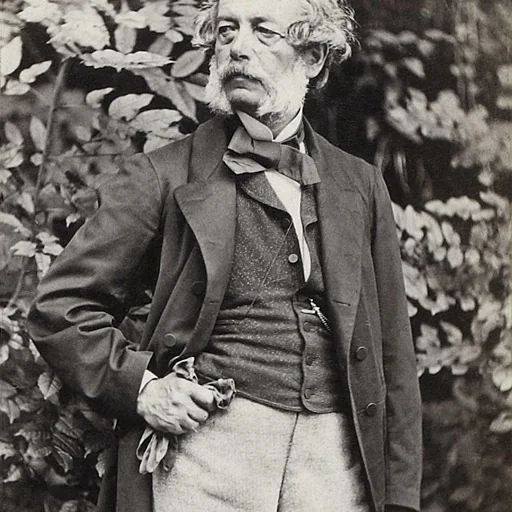
Franz Xaver Winterhalter (20 April 1805 – 8 July 1873) was a German painter and lithographer, known for his flattering portraits of royalty and upper-class society in the mid-19th century.

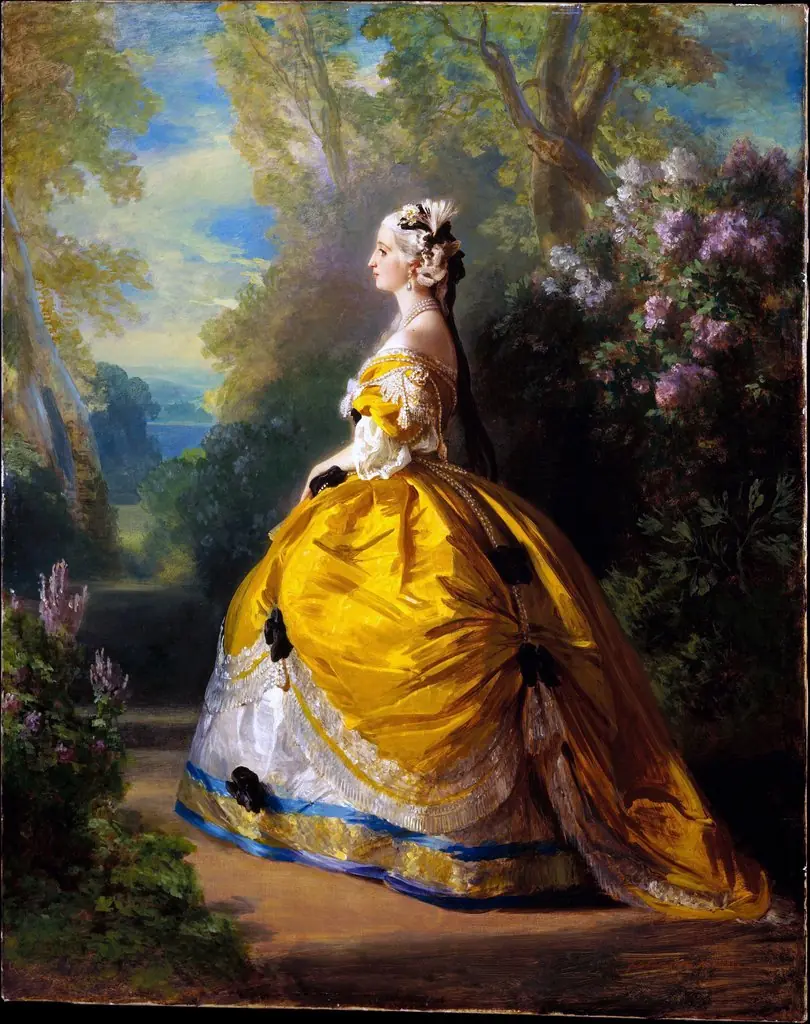 Portrait of Empress Eugénie de Montijo
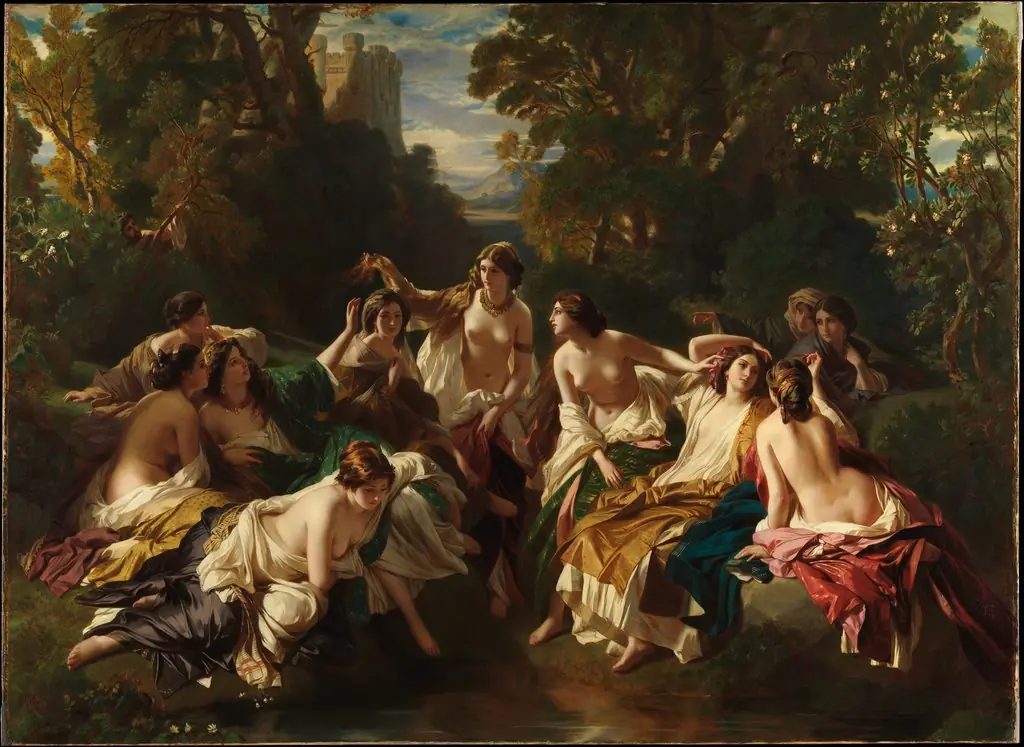 Florinda
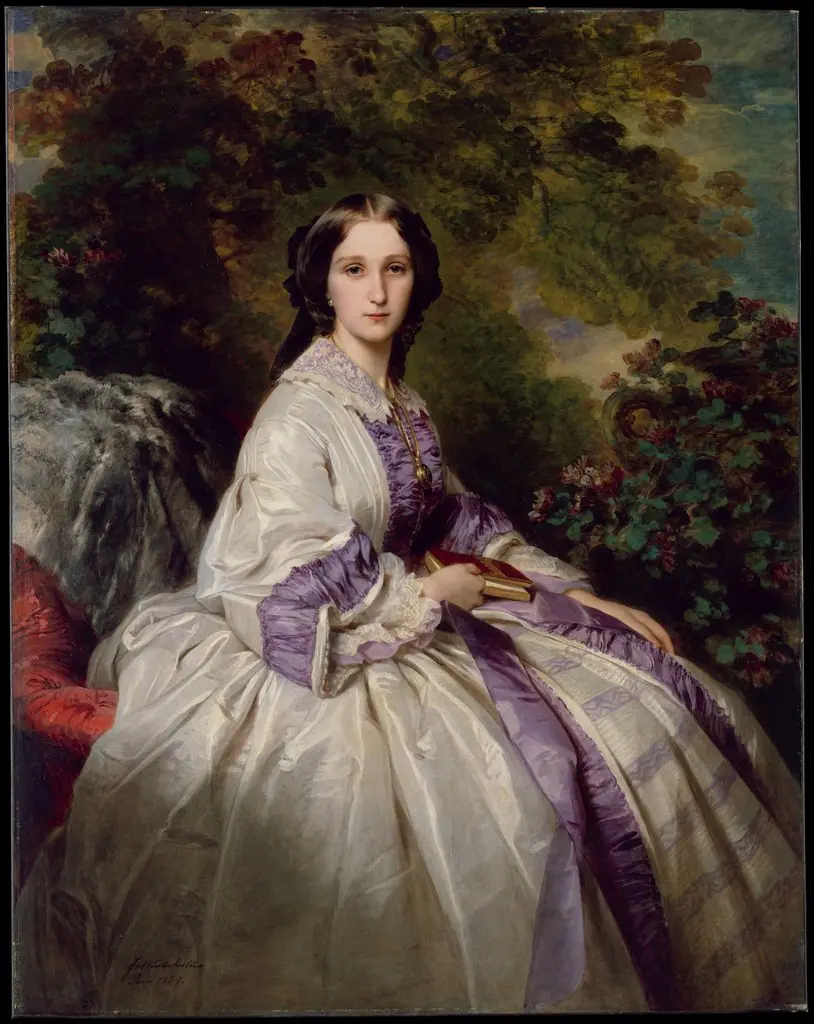 Portrait of Countess Alexander Nikolaevitch Lamsdorff
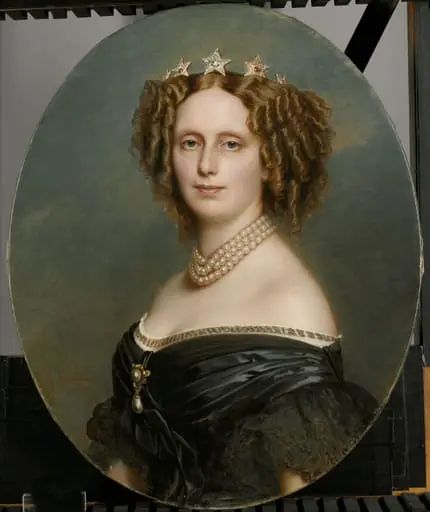 Portrait of Sophia Frederika Mathilda (1818-77), Princess of Württemberg
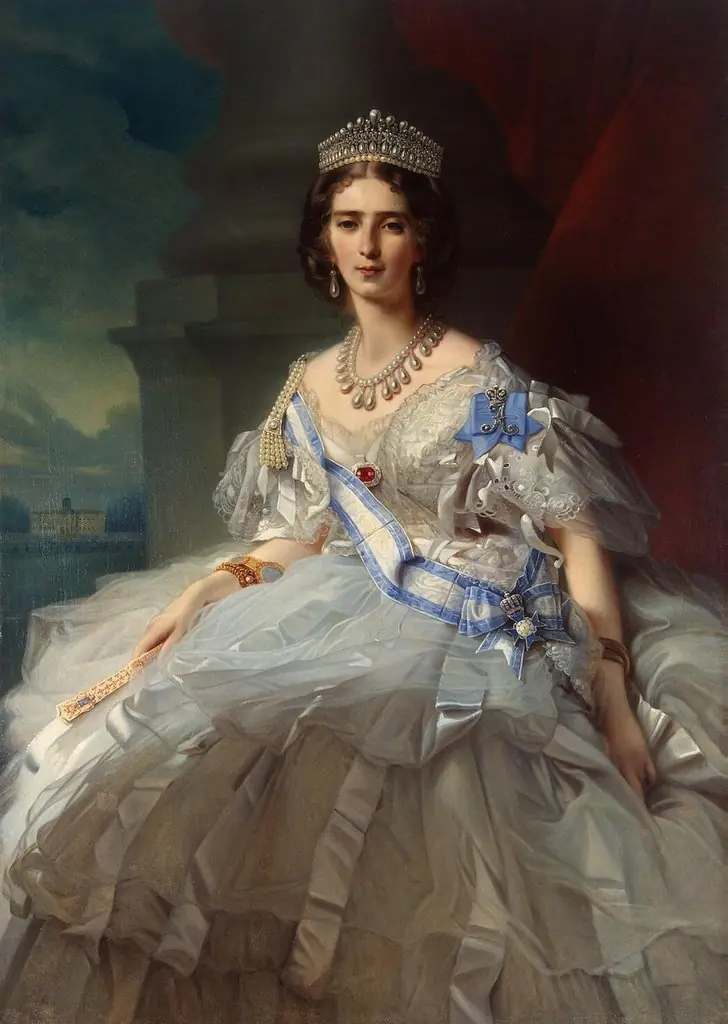 Portrait of Princess Tatyana Yusupova
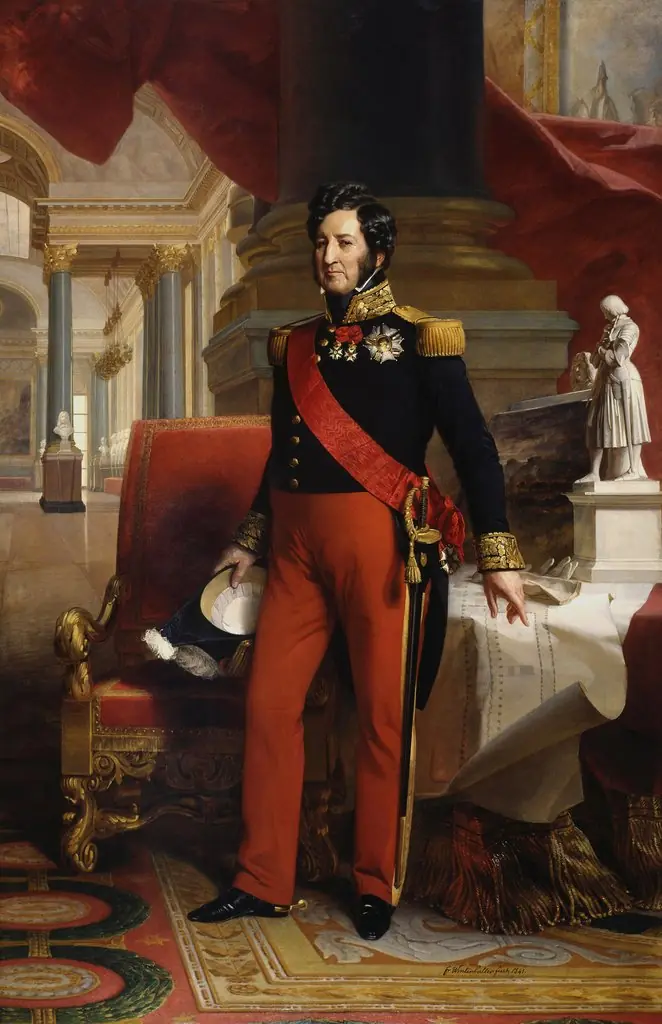 Louis-Philippe I, King of the French (1773–1850)
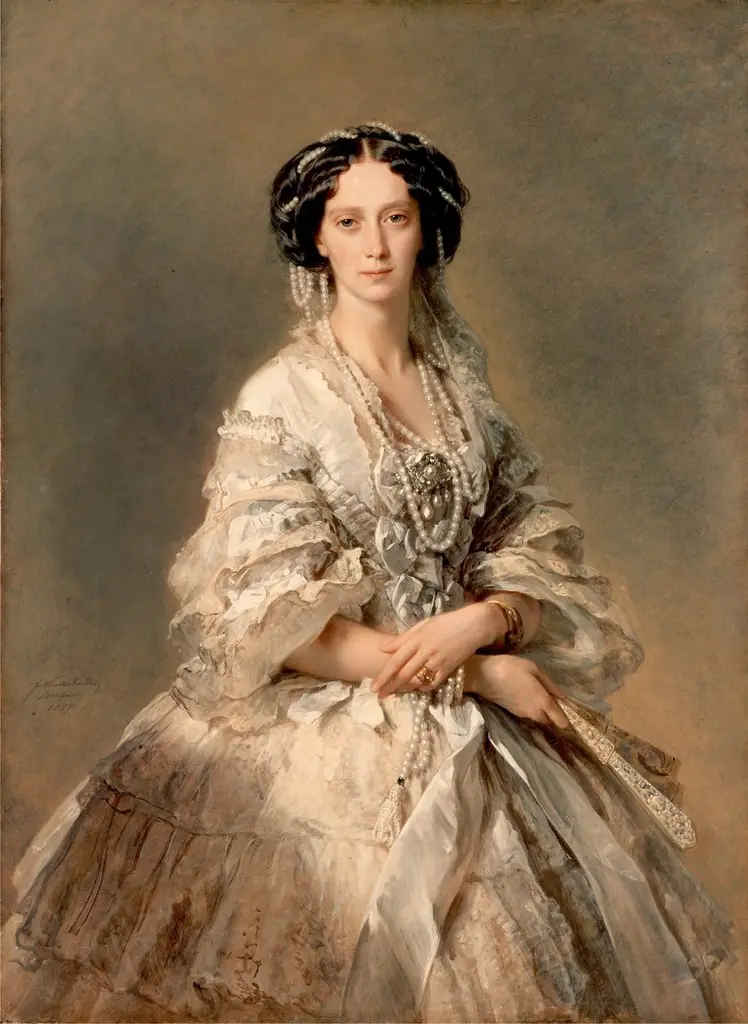 Portrait of Empress Maria Alexandrovna
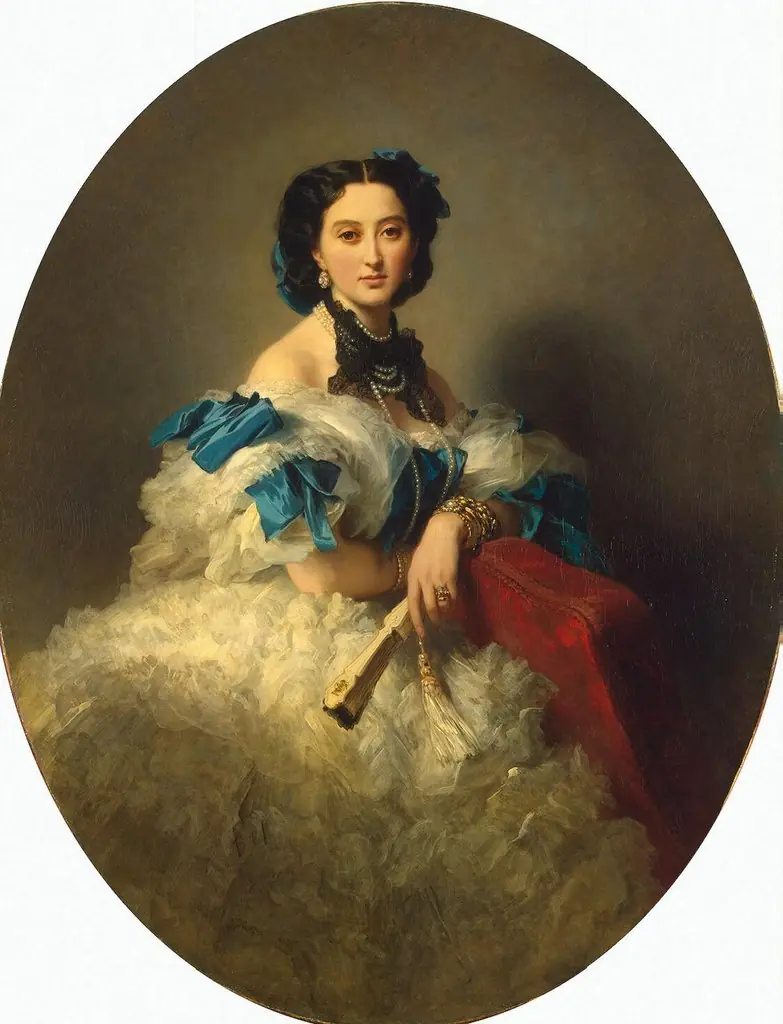 Portrait of Countess Varvara Musina-Pushkina
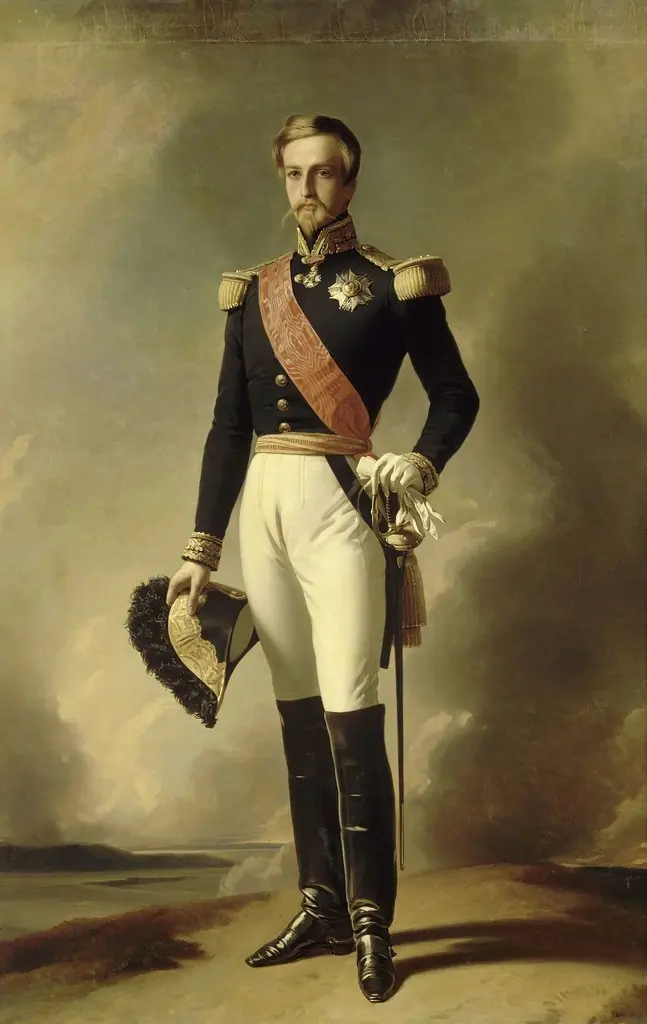 Portrait of Prince Henri, Duke of Aumale (1822-1897)
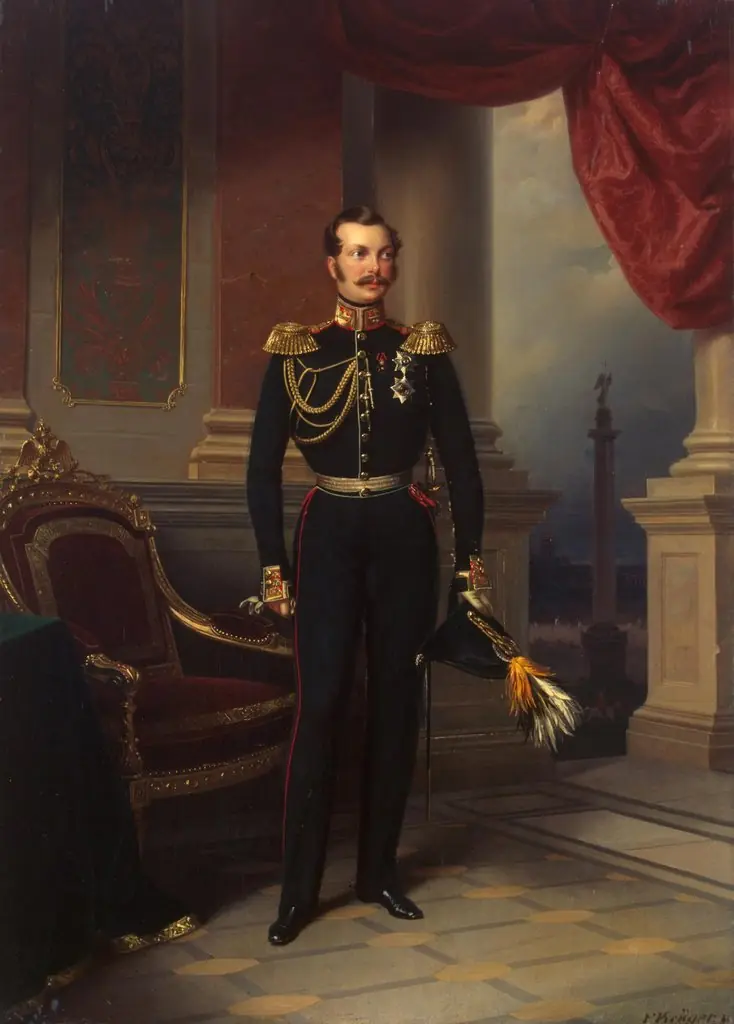 Portrait of Grand Prince Alexander Nikolayevich
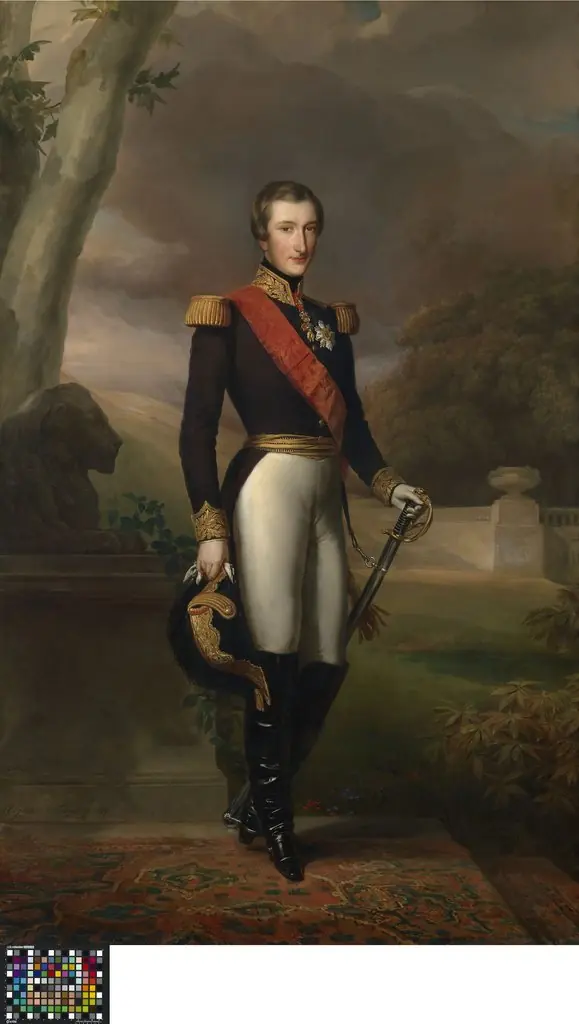 Portret van Leopold II, koning der Belgen, als hertog van Brabant
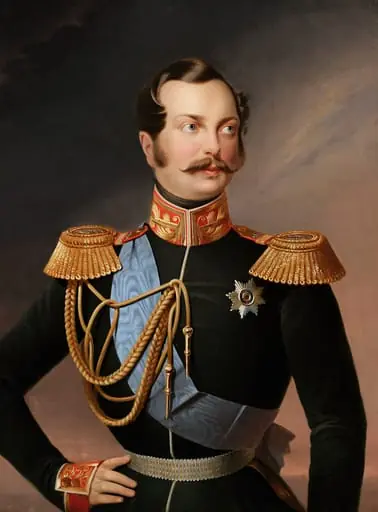 Aleksanteri II:n muotokuva
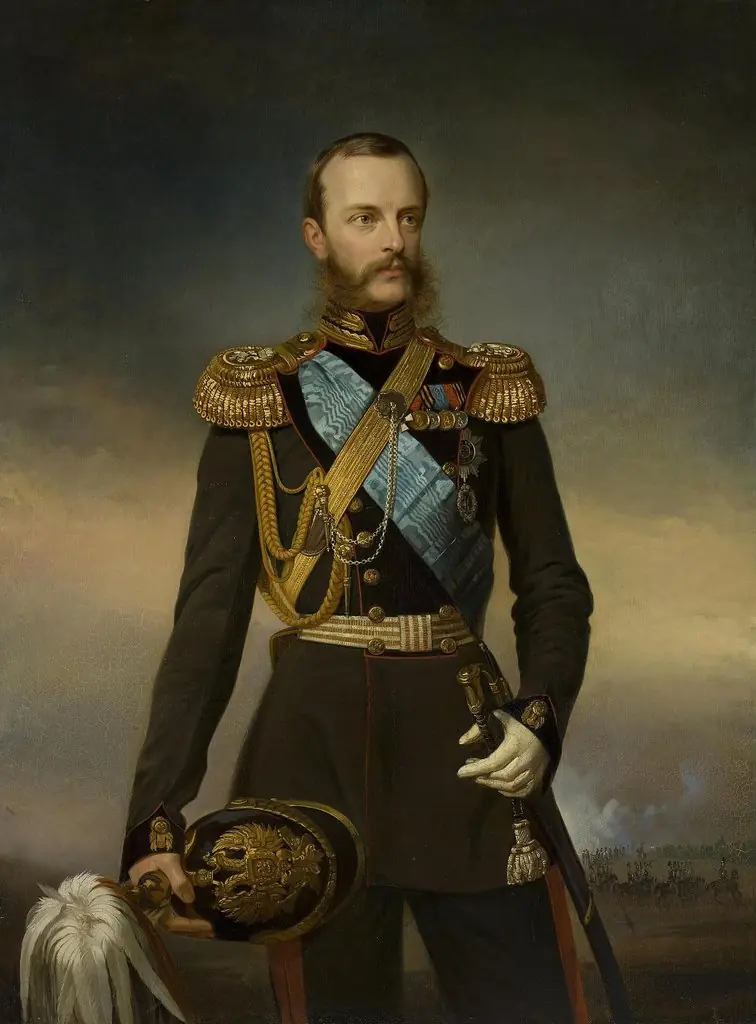 Portrait of Grand Duke Mikhail Nikolaevich
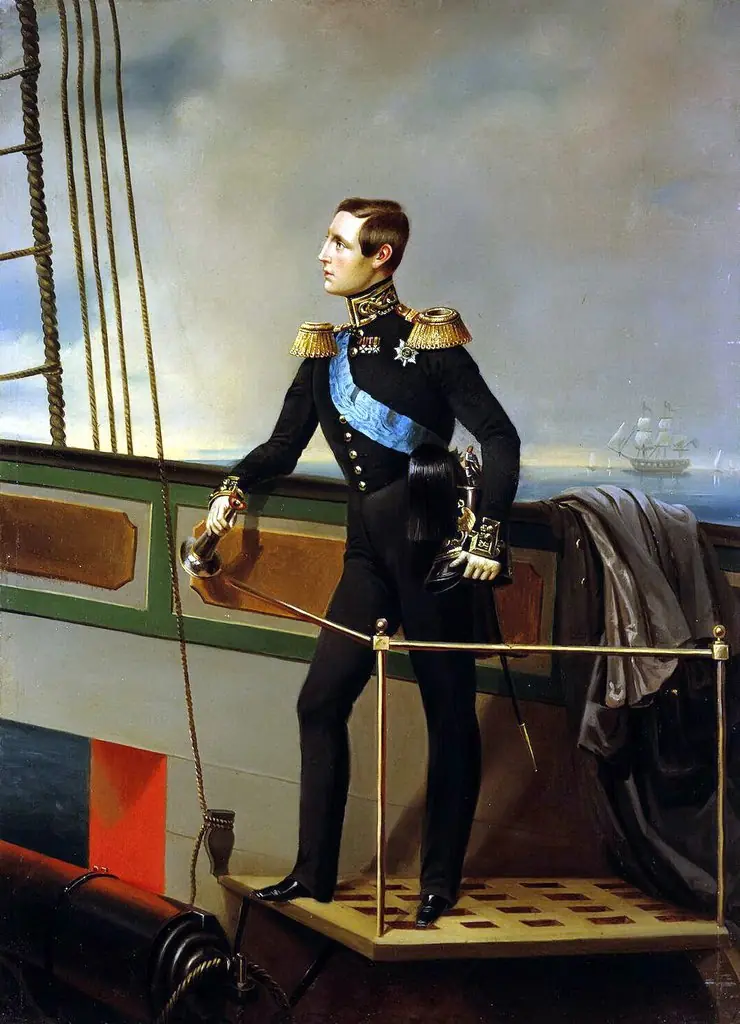 Portrait of Grand Duke Konstantin Nikolayevich
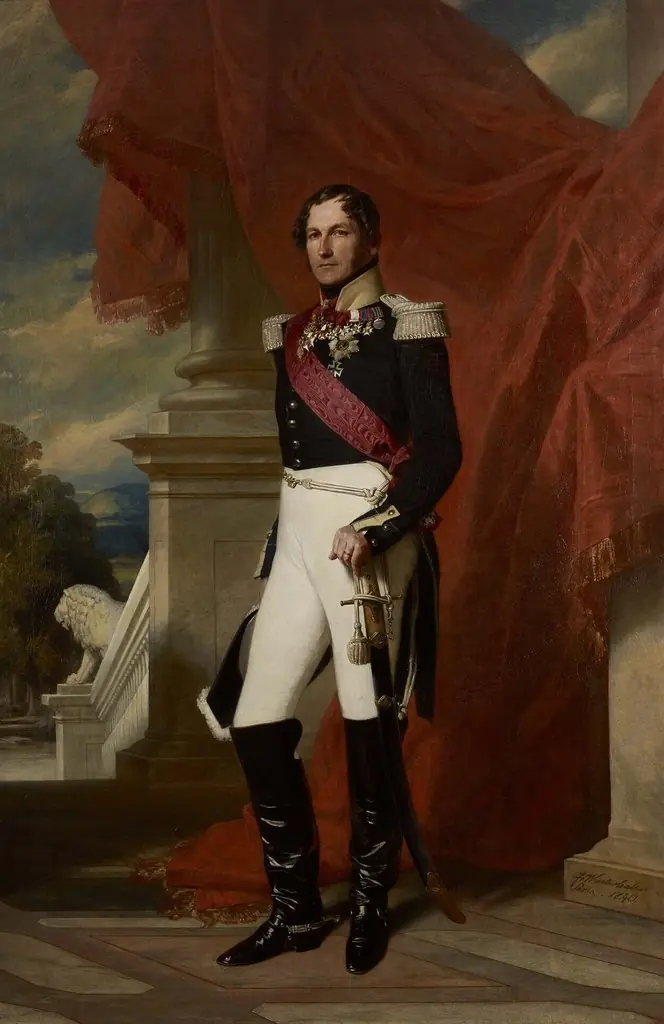 Leopold I, King of the Belgians
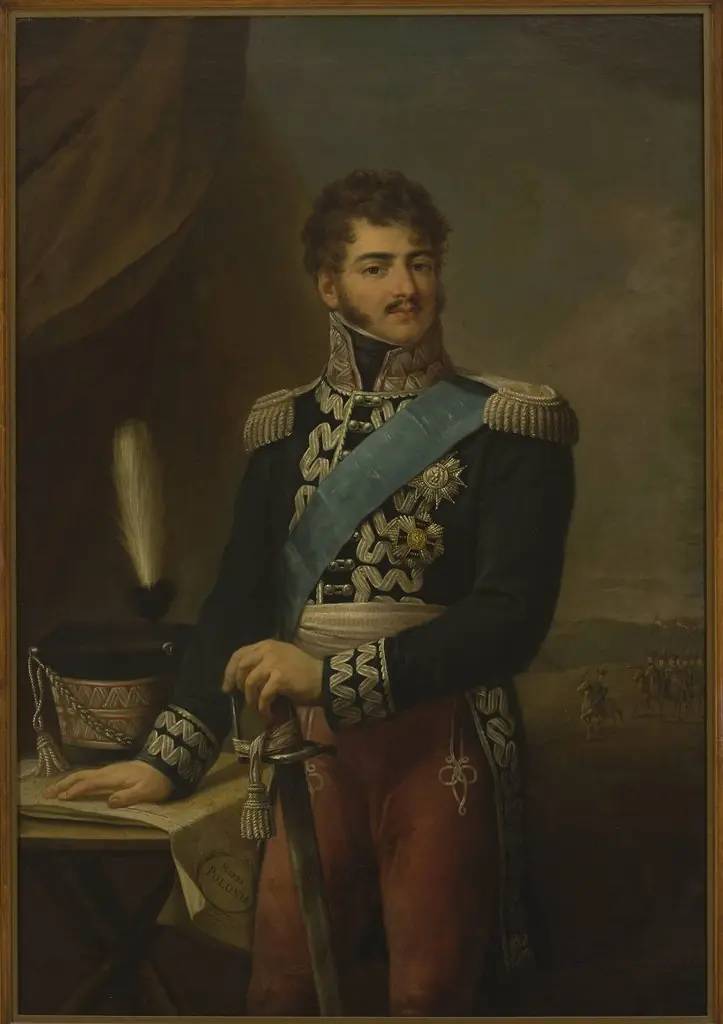 Portrait of Prince Józef Poniatowski
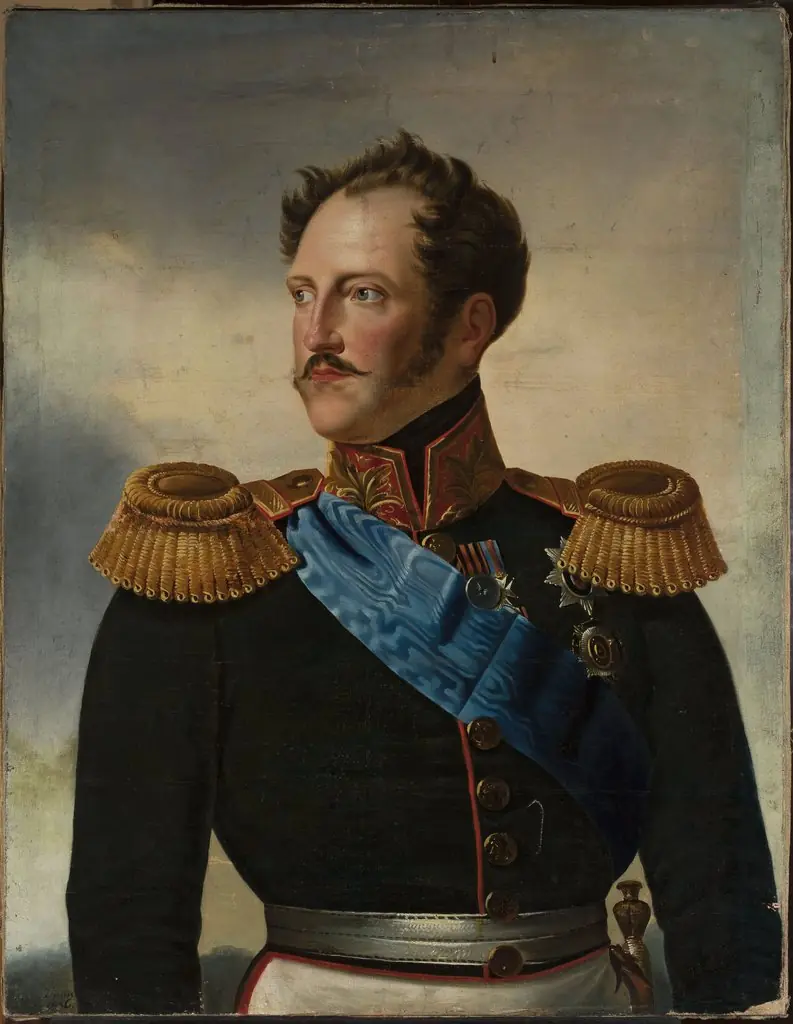 Portrait of Tsar Nicholas I
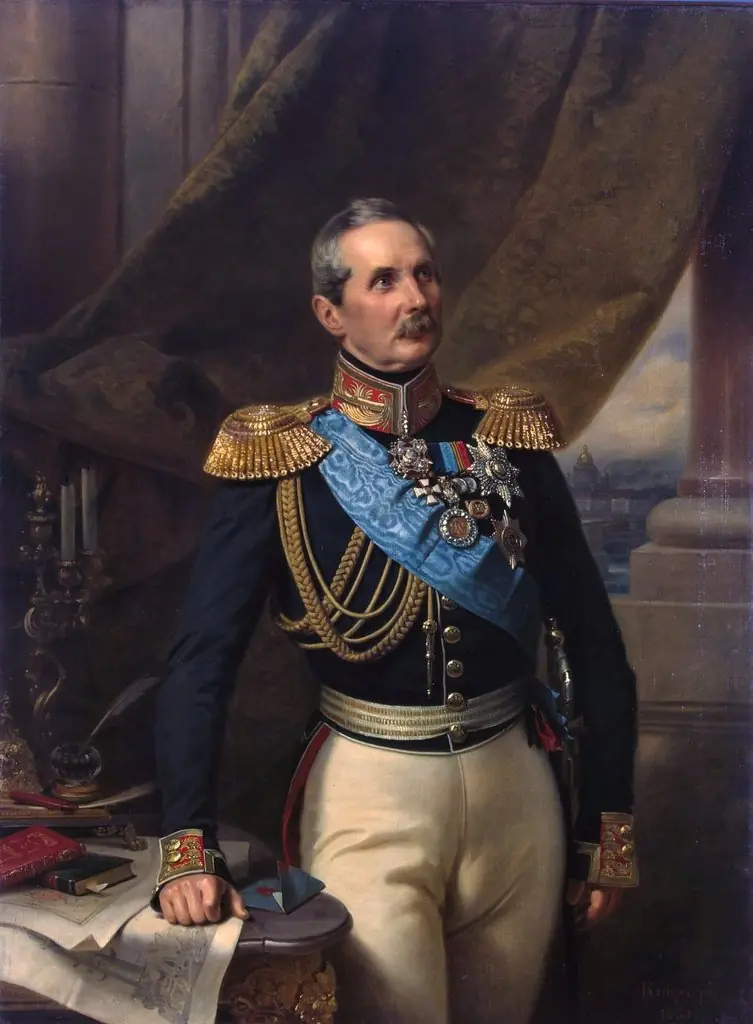 Portrait of Pyotr Kleinmichel