Artwork
Portret van Leopold II, koning der Belgen, als hertog van Brabant
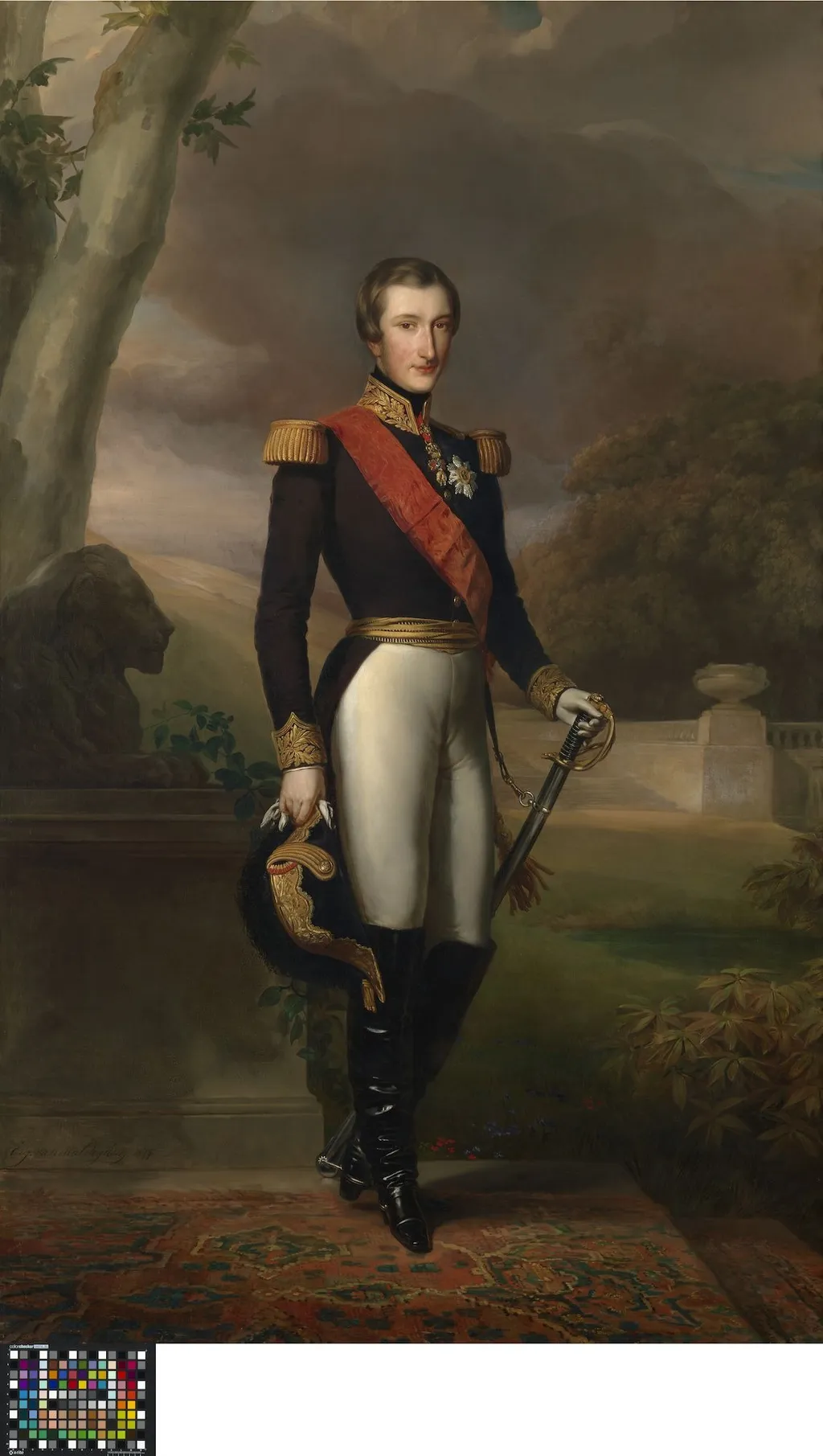
Portret van Leopold II, koning der Belgen, als hertog van Brabant is an oil painting by Eugene van Maldeghem. It dates from 1856 and is held in the collection of the Groeningemuseum.
About this work
Overview
Painted in 1856 by the Flemish artist Eugene van Maldeghem, this oil portrait depicts Leopold II in his role as Duke of Brabant.
Painted in 1856 by the Flemish artist Eugene van Maldeghem, this oil portrait depicts Leopold II in his role as Duke of Brabant. The work is part of the Groeningemuseum’s collection and exemplifies 19th-century Belgian portraiture. Van Maldeghem, trained under G. Wappers, was known for historical and landscape subjects, yet here he turns his focus to a formal representation of royalty, blending ceremonial presence with naturalistic setting.
Subject & Meaning
Leopold II is shown in military dress, signifying his dual identity as both a constitutional monarch and a symbolic military leader. The sword, sash, and hat convey authority and composure, while the absence of regalia emphasizes his regional role as Duke of Brabant rather than king. The composed stance and direct gaze suggest duty and gravitas, aligning the image with ideals of noble responsibility in mid-19th-century Belgium.
Technique & Style
Van Maldeghem employs a controlled brushwork typical of academic portraiture, with careful attention to fabric texture and metallic details. The dark uniform contrasts with the pale trousers and the soft, diffused landscape behind, grounding the figure in a tangible space. The sky’s muted tones and the stone wall’s solidity create atmospheric depth without distracting from the subject, reflecting a balance between formal portraiture and Romantic landscape elements.
History & Provenance
Commissioned during Leopold II’s tenure as Duke of Brabant, the portrait was completed before his accession to the throne in 1865. It entered the Groeningemuseum’s collection as part of its broader effort to document regional and royal history. The painting’s preservation reflects its significance as an early visual record of the future king, capturing him in a transitional phase of his public life.
Context
In 1850s Belgium, portraiture served political and cultural functions, reinforcing legitimacy through visual representation. As a constitutional monarchy, the royal family relied on imagery to project stability. Van Maldeghem’s depiction aligns with contemporary trends that merged aristocratic tradition with emerging national identity, positioning Leopold as a figure of continuity within a young, post-revolutionary state.
Legacy
Though overshadowed by later images of Leopold II as king, this portrait remains a key document of his early public persona. It illustrates how regional titles were visually codified in Belgian art and reflects the academic training of Flemish painters at mid-century. The work contributes to understanding how monarchy was represented in a nation navigating modernity and historical memory.
Artist & collection
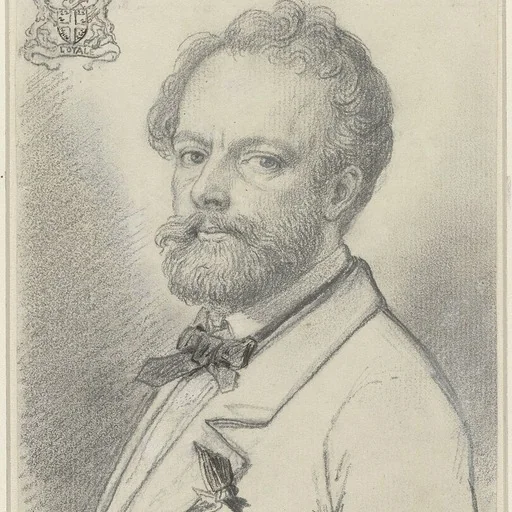
Artist
Eugene van Maldeghem, also known as Romaan Eugeen Van Maldeghem, (24 April 1813, Dentergem – 1867, Elsene) was a Flemish painter of history, landscape, and portraits.

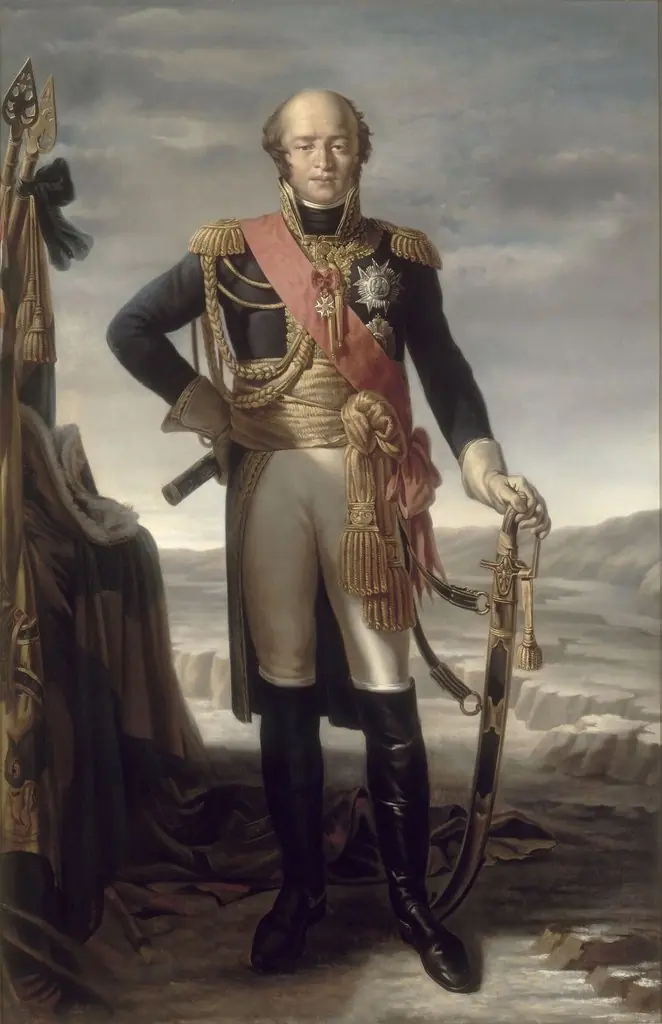 Portrait de Louis Nicolas Davout
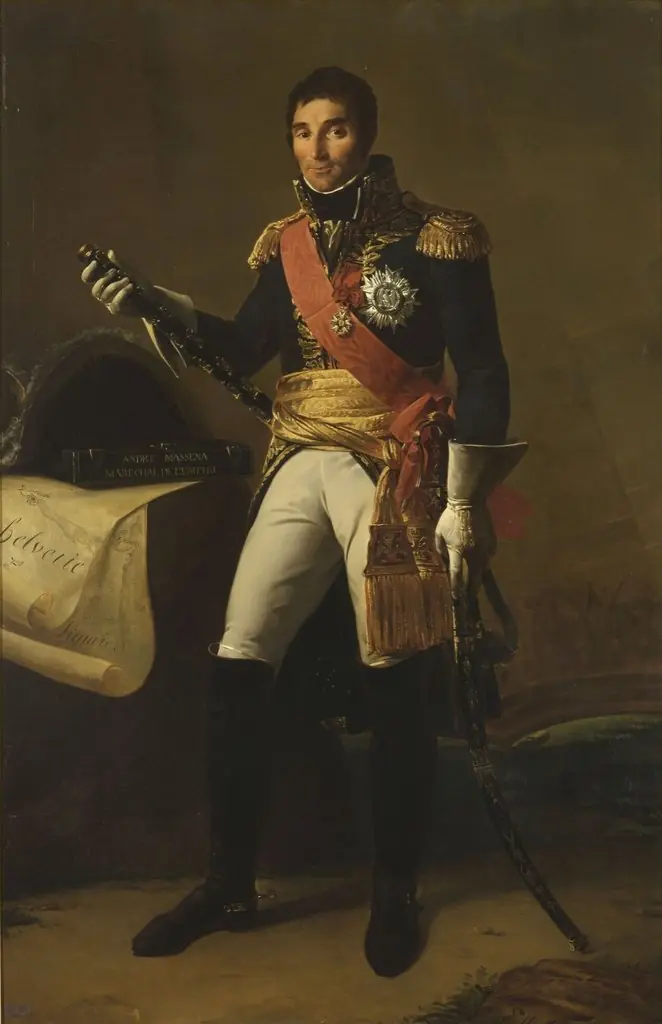 Le maréchal André Masséna (1758-1817), duc de Rivoli et prince d'Essling.
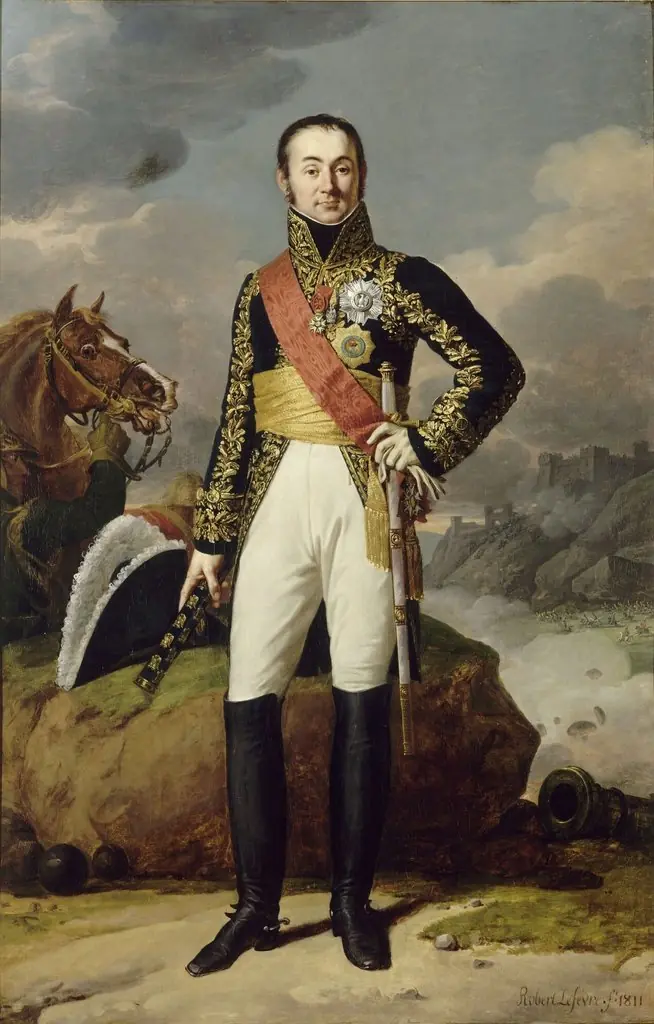 Nicolas-Charles Oudinot, Duke of Reggio, Marshal of France (1767-1847)
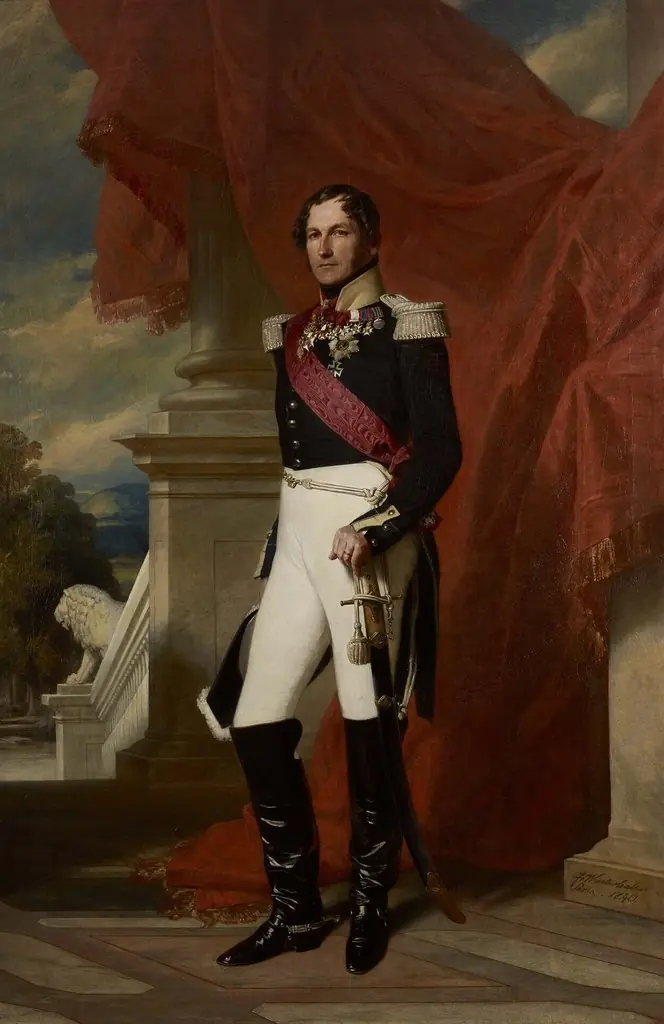 Leopold I, King of the Belgians
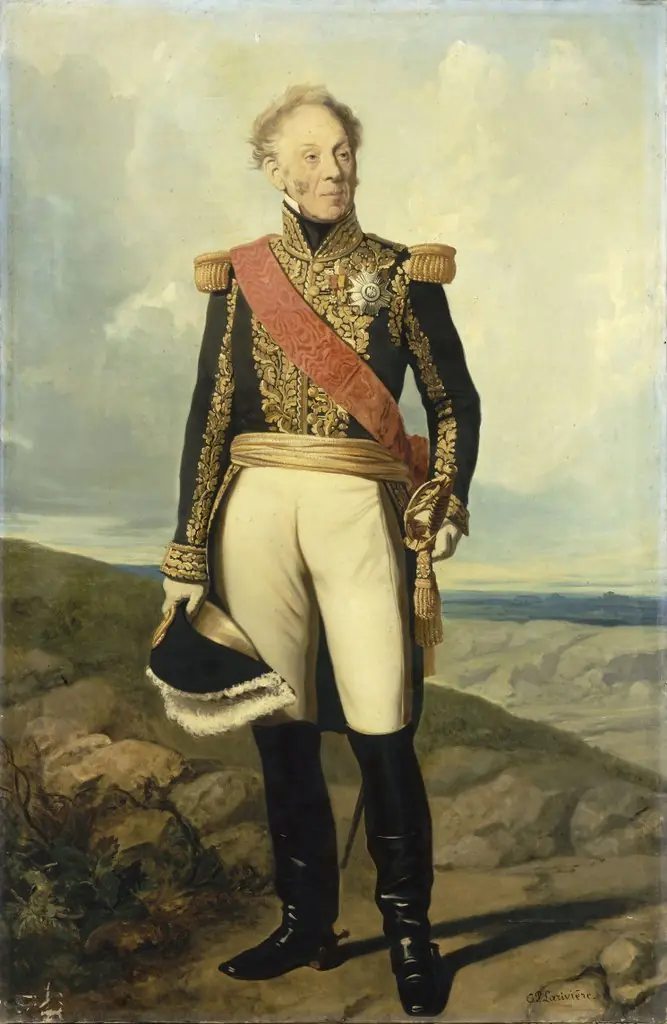 Porträt des Rémi Joseph Isidore Exelmans, Marechal De France (1775-1852)
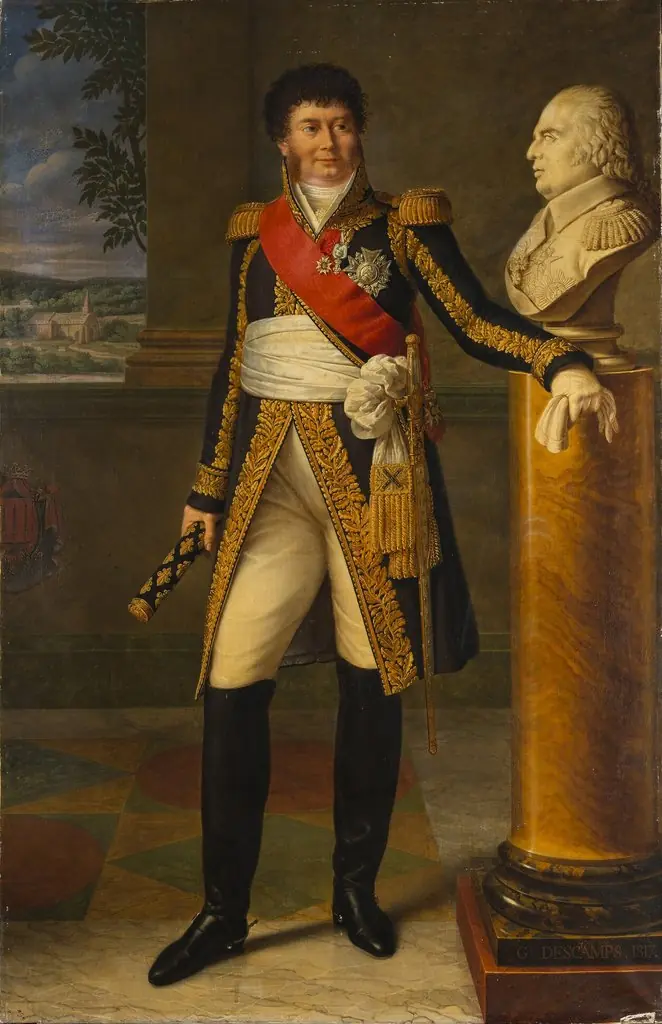 Henri-Jacques-Guillaume Clarke, Count of Hunebourg, Duke of Feltre, Marshal of France (1765-1818)
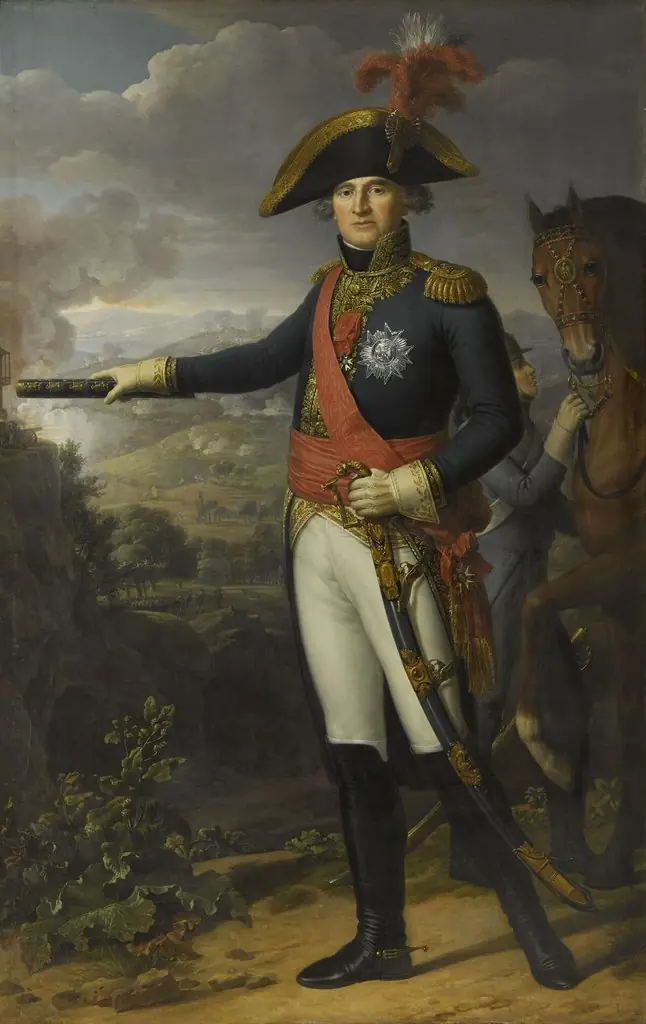 Jean Mathieu Philibert Serurier (1742-1819)
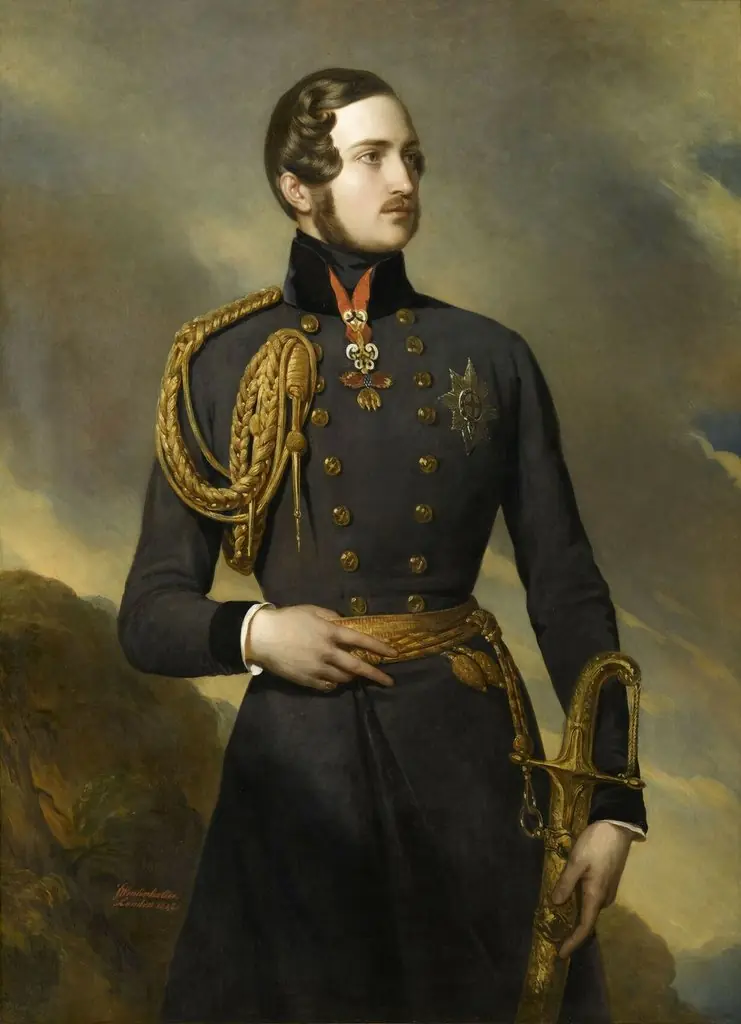 Albert of Saxe-Coburg-Gotha, Prince Consort (1819–1861)
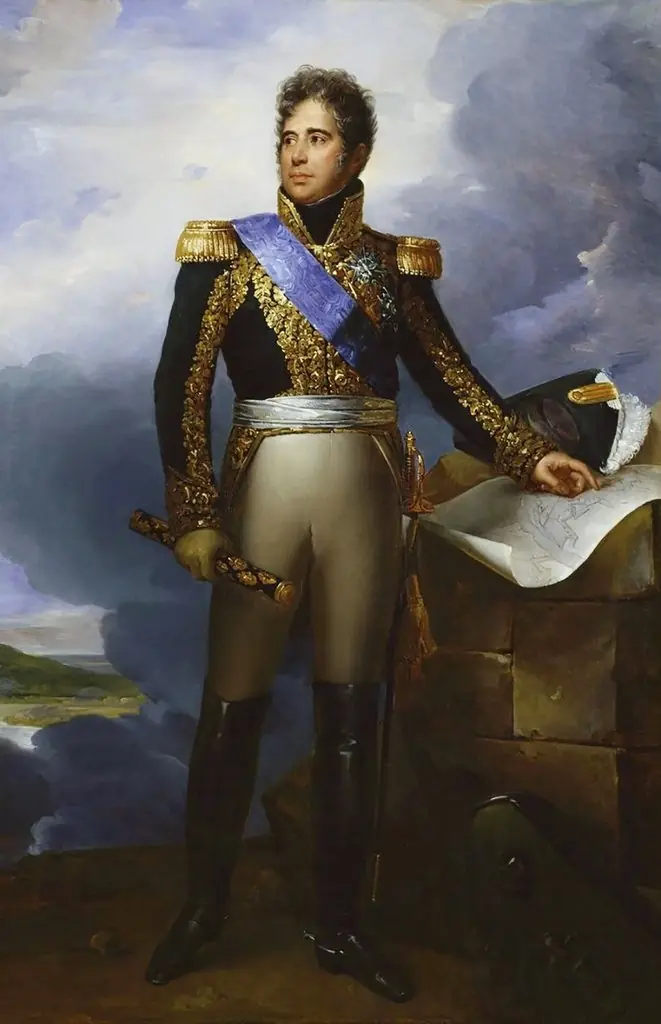 Jacques-Alexandre-Bernard Law de Lauriston
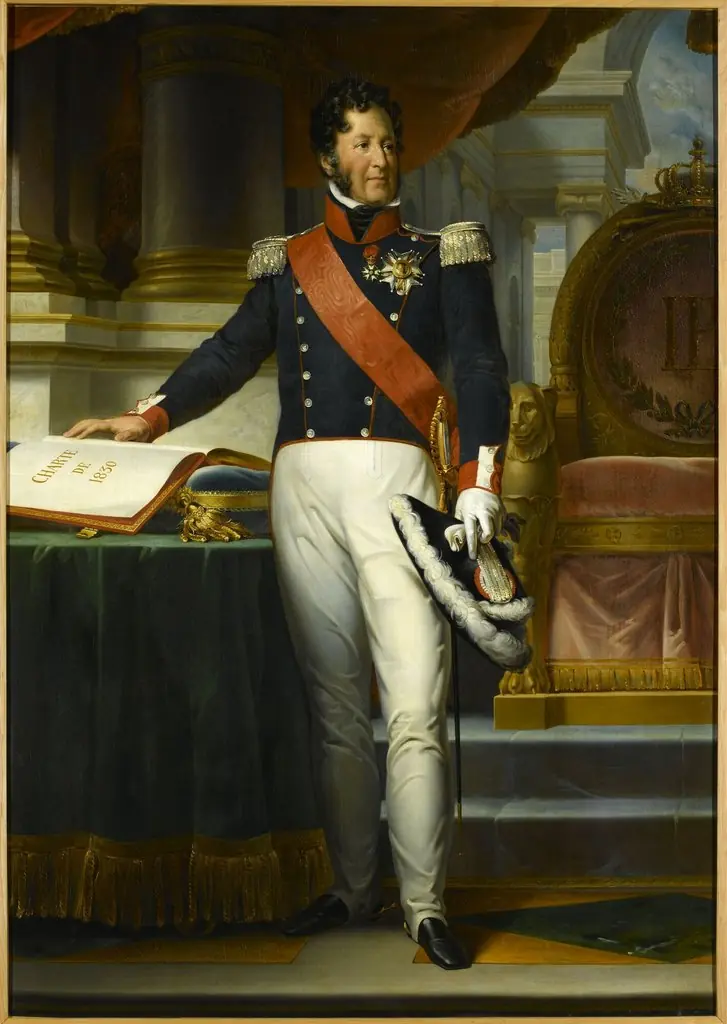 Portrait of Louis Philippe I
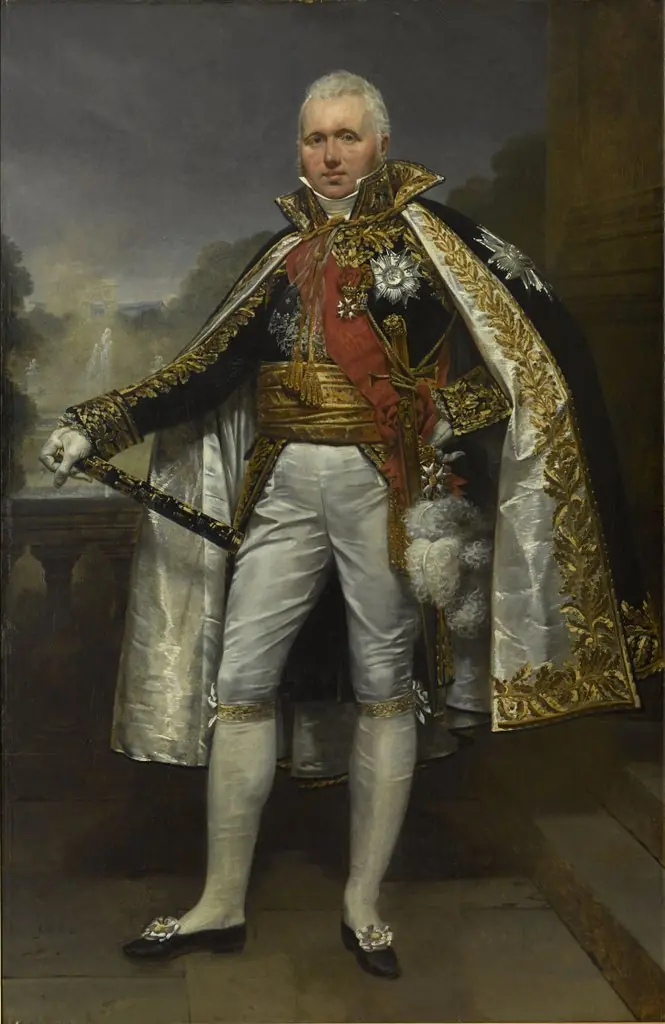 Claude-Victor Perrin, Duke of Bellune, Marshal of France
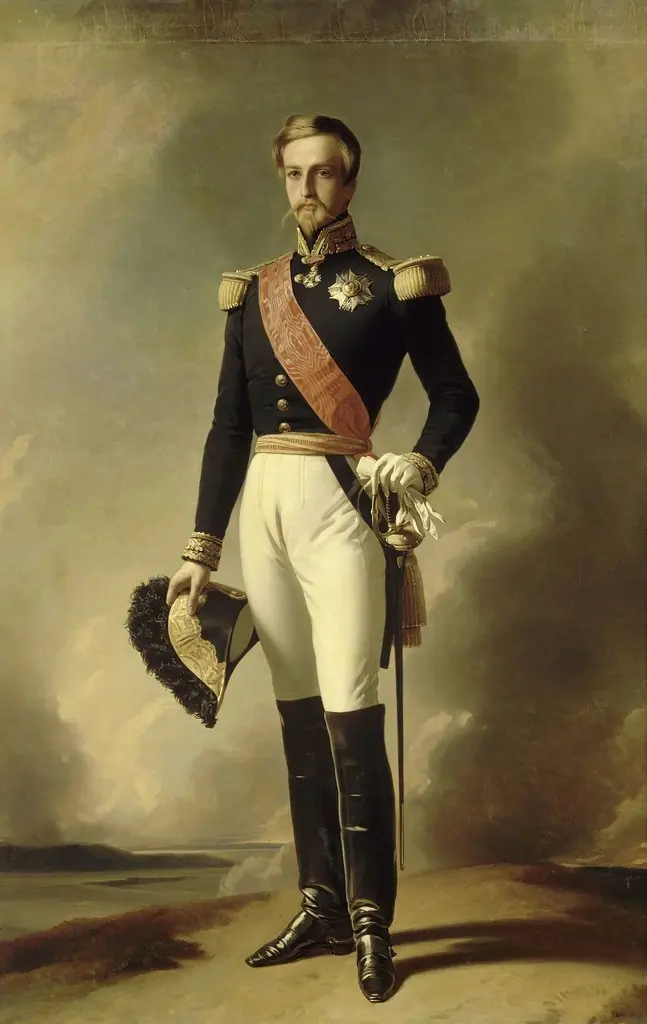 Portrait of Prince Henri, Duke of Aumale (1822-1897)