Artwork
Dwóch Mongołów z końmi
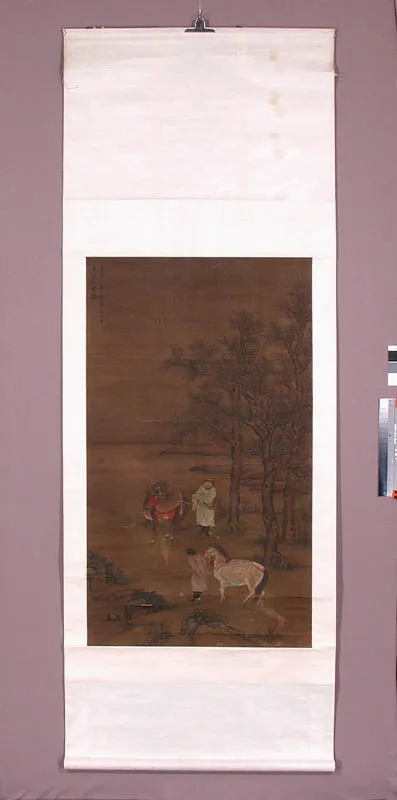
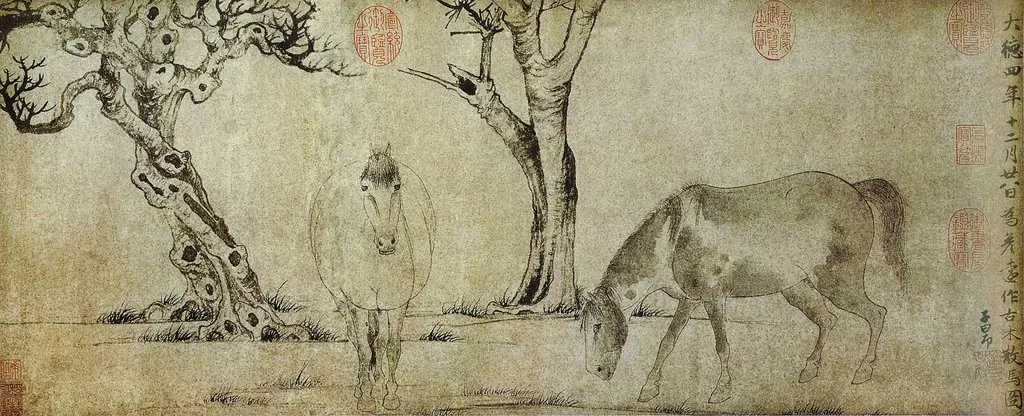
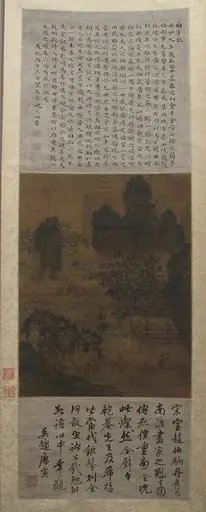
Dwóch Mongołów z końmi is an unspecified painting by Zhao Mengfu. It is held in the collection of the National Museum in Warsaw. This painting depicts two figures in traditional attire standing near trees, with two horses positioned in the foreground.
About this work
Overview
This painting depicts two figures in traditional attire standing near trees, with two horses positioned in the foreground.
This painting depicts two figures in traditional attire standing near trees, with two horses positioned in the foreground. The composition emphasizes stillness and quiet interaction, avoiding dramatic action. The muted palette and soft transitions between tones create a subdued atmosphere, reinforcing a mood of introspection. The figures are neither idealized nor stylized to excess, suggesting a deliberate restraint in representation.
Subject & Meaning
The two men, dressed in long robes and hats, appear absorbed in quiet conversation, their postures suggesting mutual respect and shared contemplation. The horses, calm and grounded, extend the theme of harmony between human and animal. The setting—trees, open space, and muted sky—implies a retreat from worldly concerns. The scene may reflect ideals of scholarly retreat or pastoral companionship valued in literati culture.
Technique & Style
Brushwork is controlled and deliberate, with fine lines defining robes and horse forms, while the background employs gentle washes to suggest depth without detail. Colors are restrained: earth tones, soft grays, and pale greens dominate. Shading is subtle, avoiding strong contrasts, and texture is implied rather than rendered aggressively. The style aligns with literati painting’s preference for expressive economy over ornate detail.
History & Provenance
Attributed to Zhao Mengfu, a Yuan dynasty scholar-official and painter, the work reflects his role in reviving classical Tang and Song aesthetics during a period of Mongol rule. Though specific early ownership records are sparse, the painting’s style and subject align with known works from his circle. It likely circulated among educated elites who valued artistic expression rooted in tradition.
Context
Created during the Yuan dynasty, when Mongol rulers governed China, the painting reflects a cultural retreat by Han Chinese literati into private, contemplative art. Rather than courtly grandeur, Zhao favored landscapes and quiet human scenes as expressions of moral integrity. This work embodies the literati ideal: art as a vessel for inner virtue, not public display.
Legacy
Zhao Mengfu’s approach influenced later generations of Chinese painters who sought to reconcile personal expression with classical forms. This painting, though not widely reproduced, exemplifies the shift toward introspective, brush-based aesthetics that became central to Ming and Qing literati traditions. Its quiet dignity helped redefine what constituted meaningful subject matter in Chinese painting.
Artist & collection
Artist
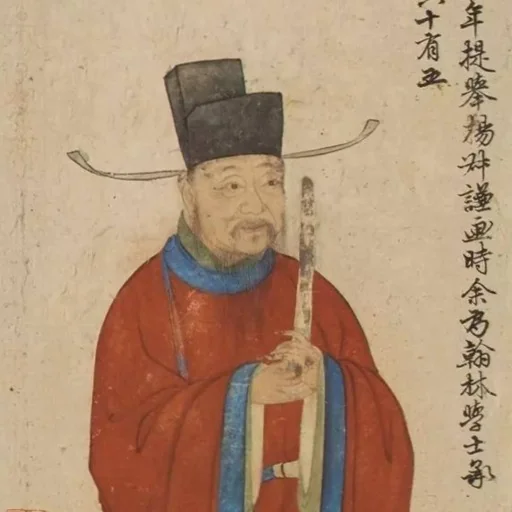
Zhao Mengfu (Chinese: 趙孟頫; pinyin: Zhào Mèngfǔ; Wade–Giles: Chao Meng-fu; courtesy name Zi'ang (子昂); pseudonyms Songxue (松雪, "Pine Snow"), Oubo (鷗波, "Gull Waves"), and Shuijing-gong Dao-ren (水精宮道人, "Master of the Water…