Artwork
Johanna Charlotta, 1682-1750, prinsessa av Anhalt-Dessau
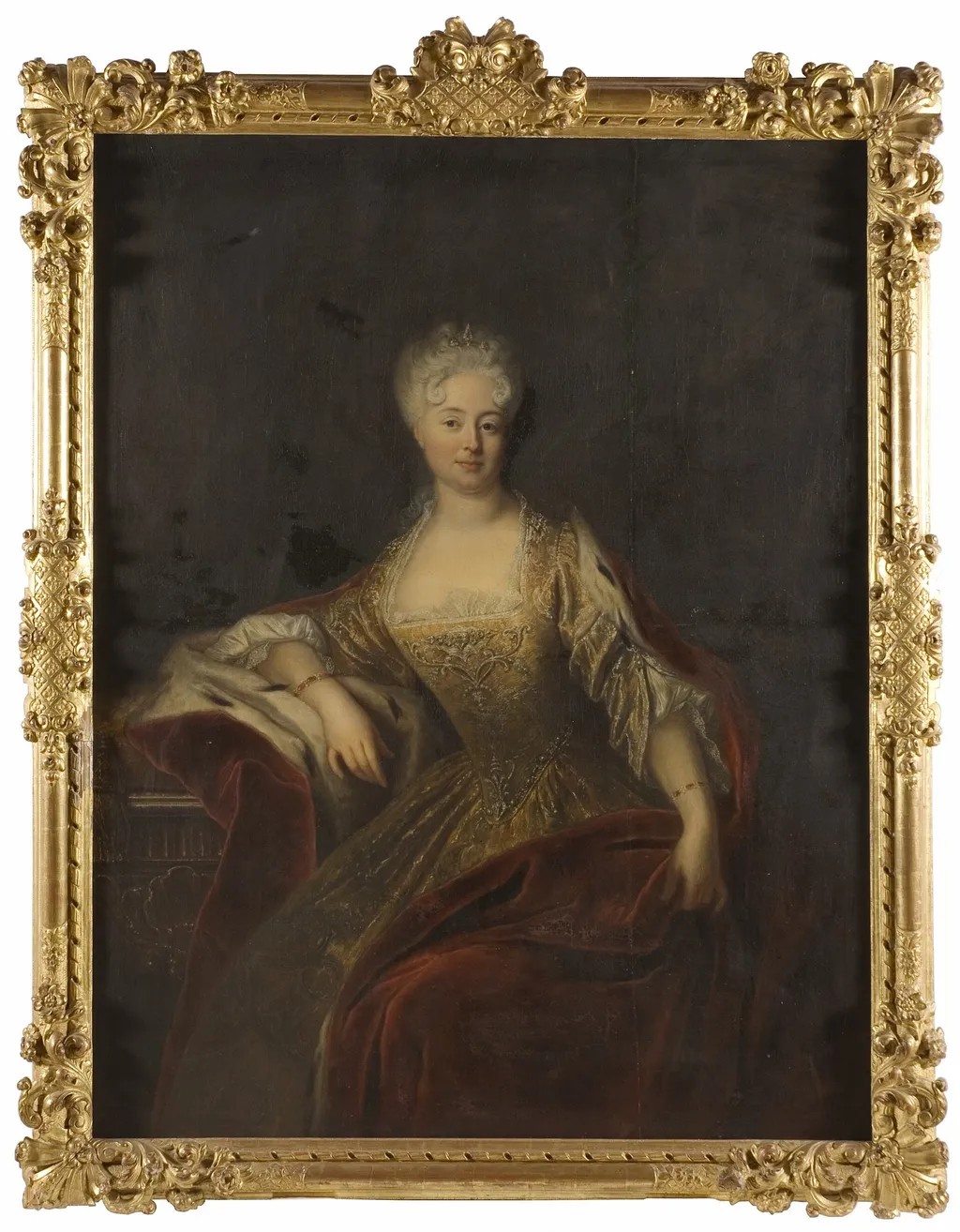
Johanna Charlotta, 1682-1750, prinsessa av Anhalt-Dessau is an oil painting by the Rococo painting artist Antoine Pesne. It dates from 1727 and is held in the collection of the Nationalmuseum.
About this work
Overview
This 1727 oil portrait by Antoine Pesne captures Princess Johanna Charlotte of Anhalt-Dessau (1682-1750) in a formal, lavishly detailed setting. The work is part of the collection at the Nationalmuseum.
Subject & Meaning
The portrait focuses on Princess Johanna Charlotte, conveying her status through opulent attire and regal accessories. Her seated pose, with one arm relaxed and the other at rest on the chair, suggests a blend of dignity and understated comfort.
Technique & Style
Characteristic of 18th-century European portraiture, the painting features meticulous attention to textile details, rich color palette (notably the gold dress and red cloak), and a white wig adorned with a small crown, all executed in Pesne's distinctive style.
History & Provenance
Created in 1727 by Antoine Pesne, the portrait has been acquired by the Nationalmuseum, where it remains part of the permanent collection.
Context
The portrait reflects the aristocratic tastes of the early 18th century, emphasizing the subject's nobility and wealth through symbols of luxury and formal attire.
Legacy
While specific impact on art history is not broadly highlighted, the portrait remains a notable example of Pesne's work and 18th-century European portraiture techniques, offering insight into the era's aristocratic culture.
Artist & collection
Artist
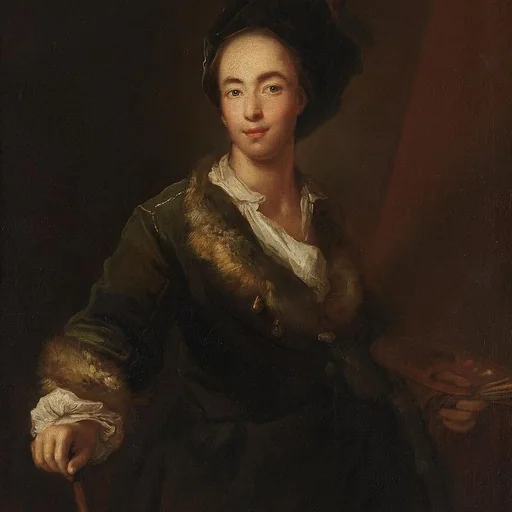
Antoine Pesne (French pronunciation: ) (29 May 1683 – 5 August 1757) was a French-born court painter of Prussia.

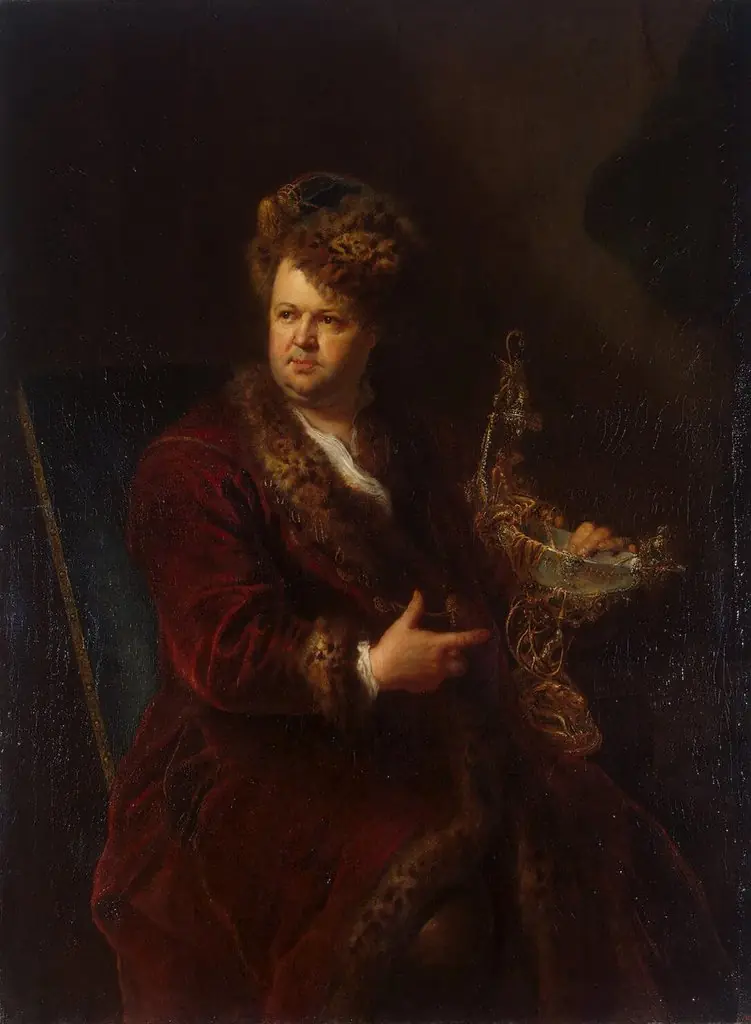 Portrait of Johann Melchior Dinglinger
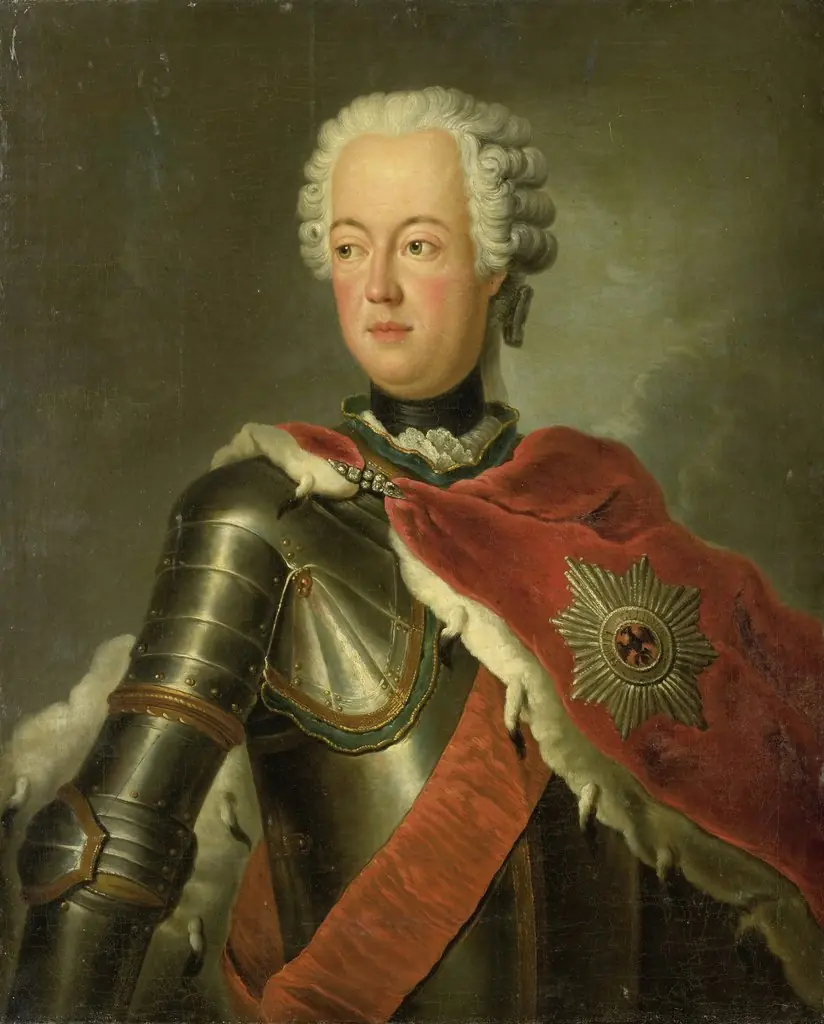 Portrait of Prince August Wilhelm of Prussia
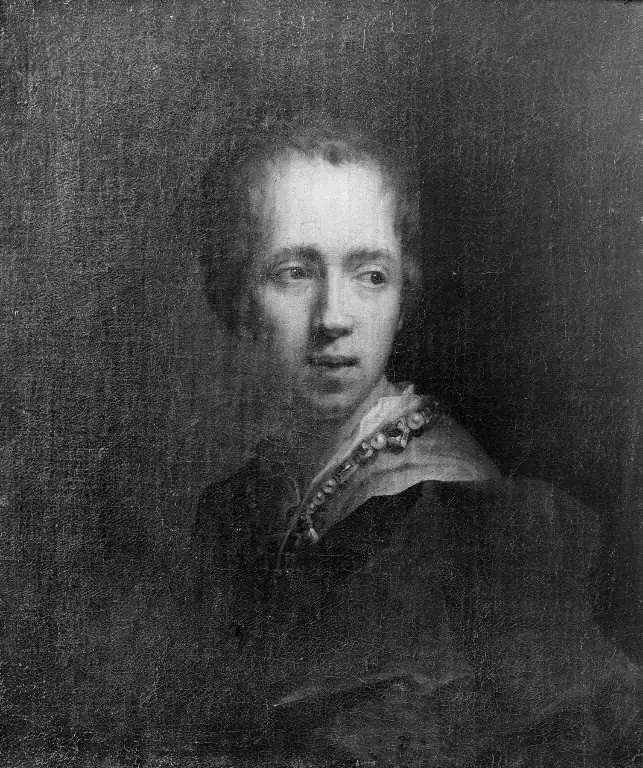 Portrait of a Man
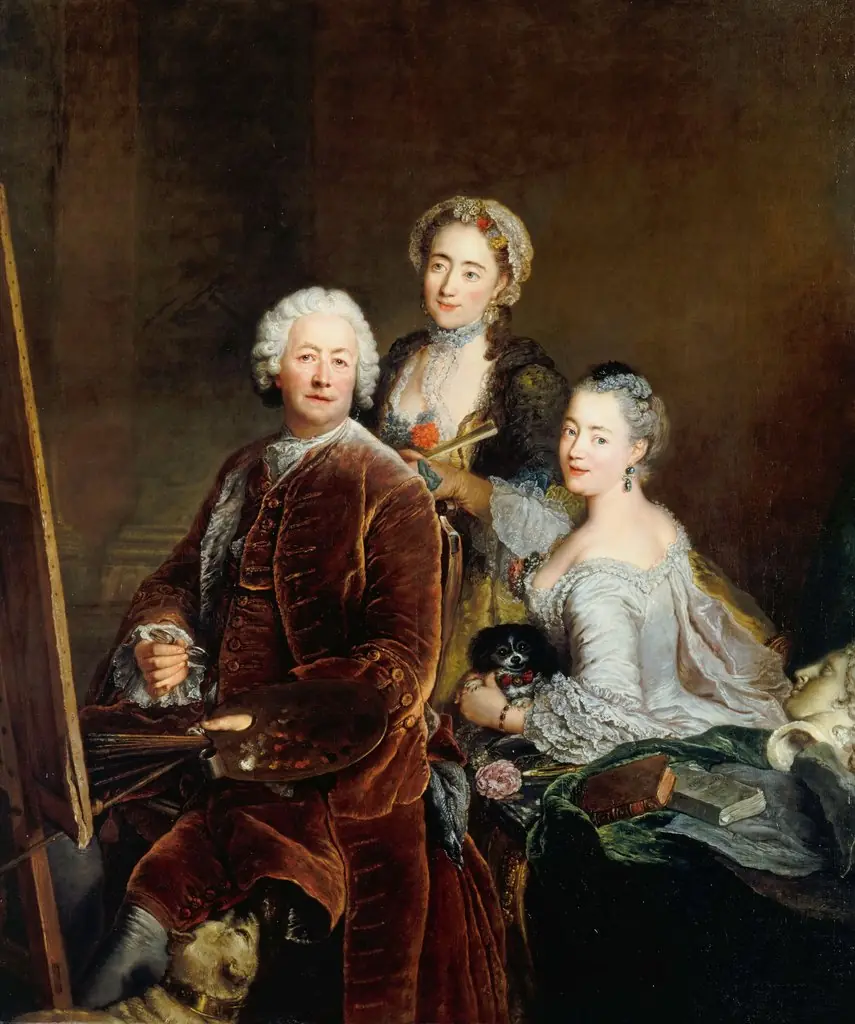 Self-portrait with Daughters Henriette Joyard and Marie de Rège in front of the easel
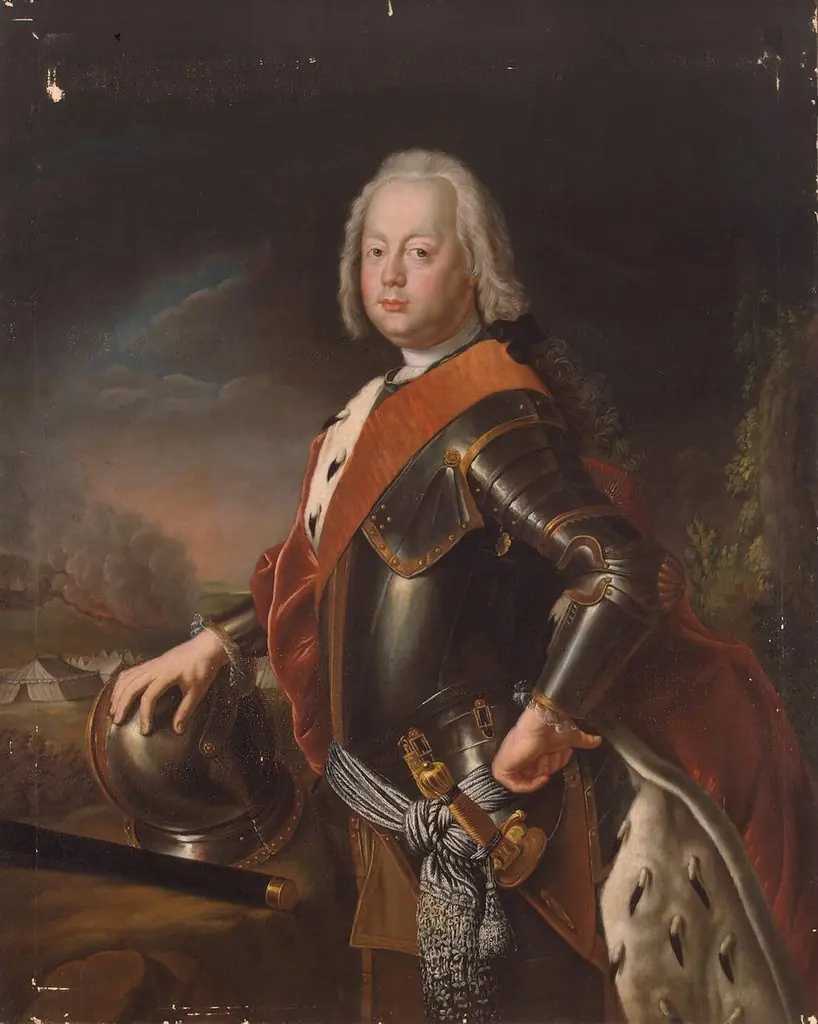 Portrait of Christian Augustus of Anhalt-Zerbst
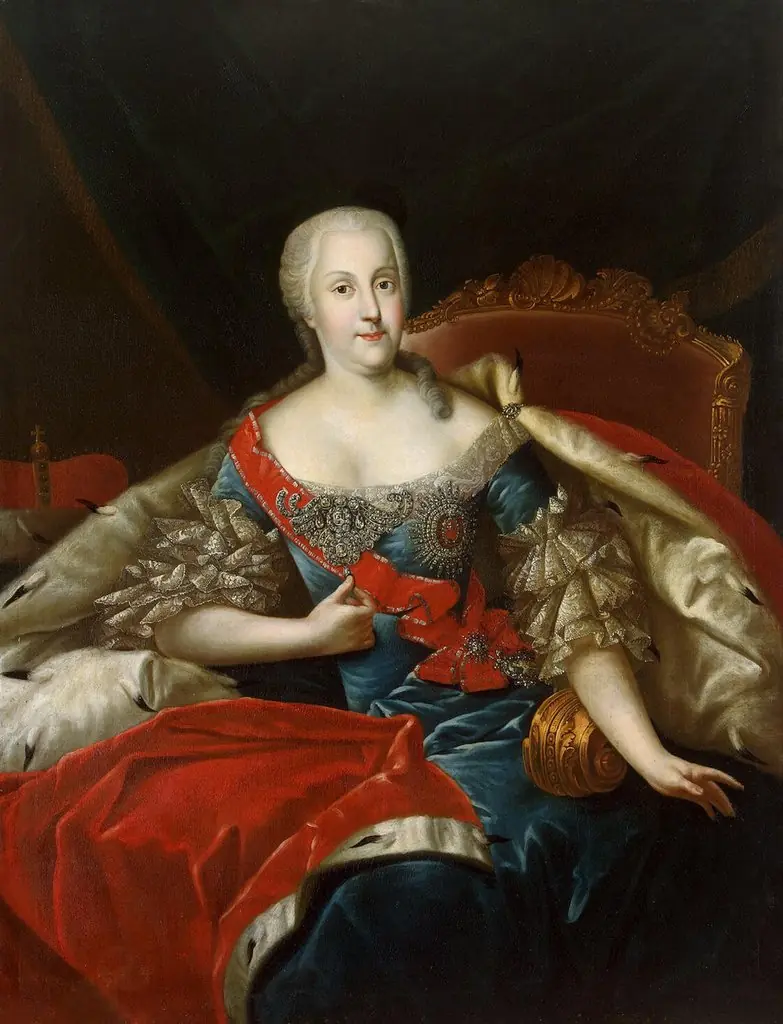 Portrait of Johanna Elisabeth, Princess of Anhalt-Zerbst
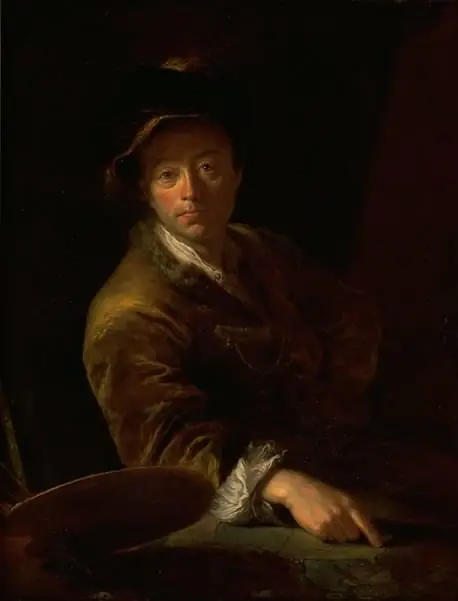 Portrait of a Painter (presumably C. L. Agricola, 1667-1719)
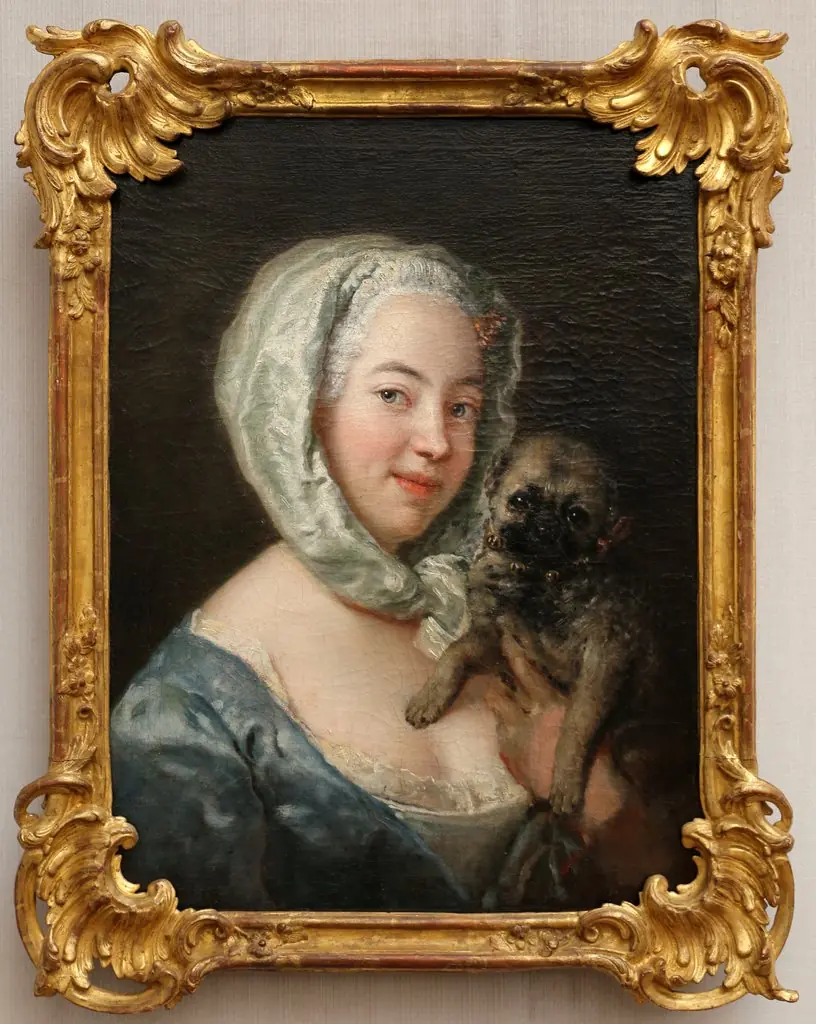 Marie de Rège, the artist's daughter
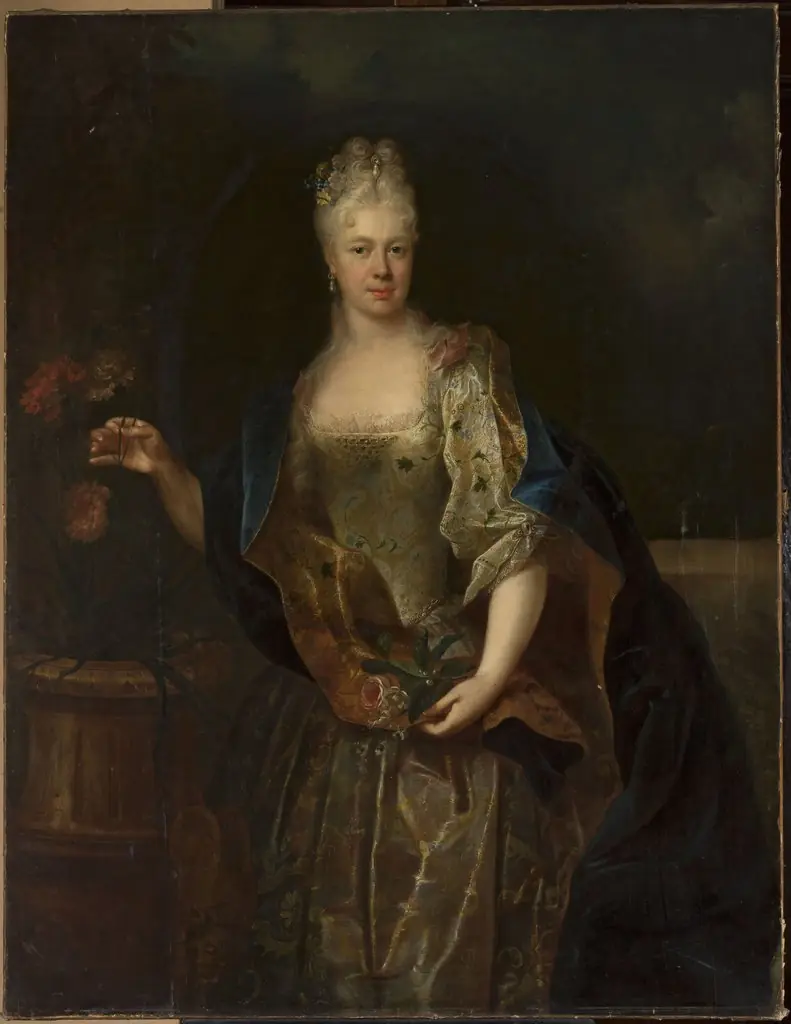 Portrait of Ludwika Amalia Lubomirska (1722–1778)
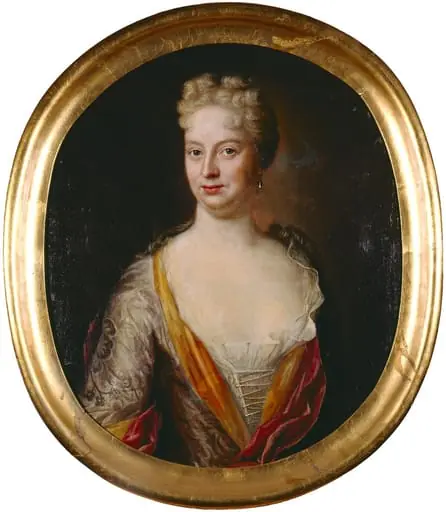 Piispatar Elisabet Wallin
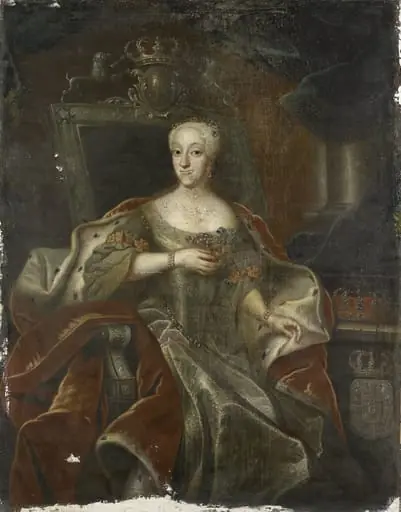 Portrait of Princess Charlotte Amalie, Daughter of Frederick IV, King of Denmark
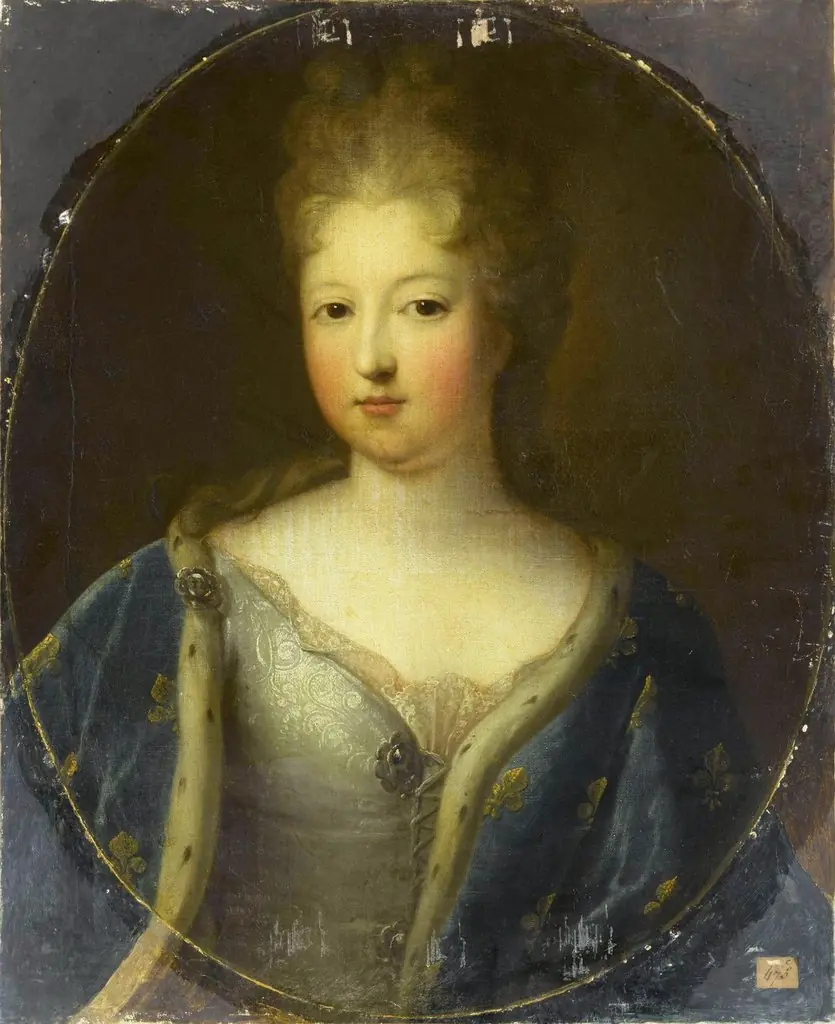 Portrait of Françoise-Marie de Bourbon
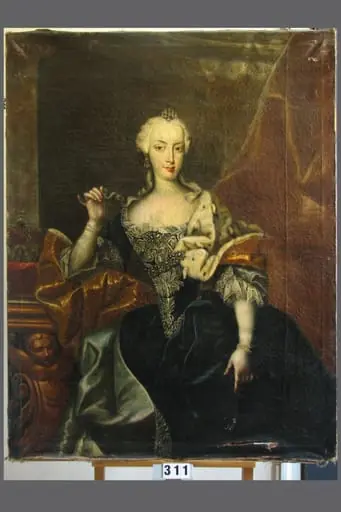 Maria Theresia, arhiducesă de Austria ; în registrul inventar: Prințesă în haină albastră
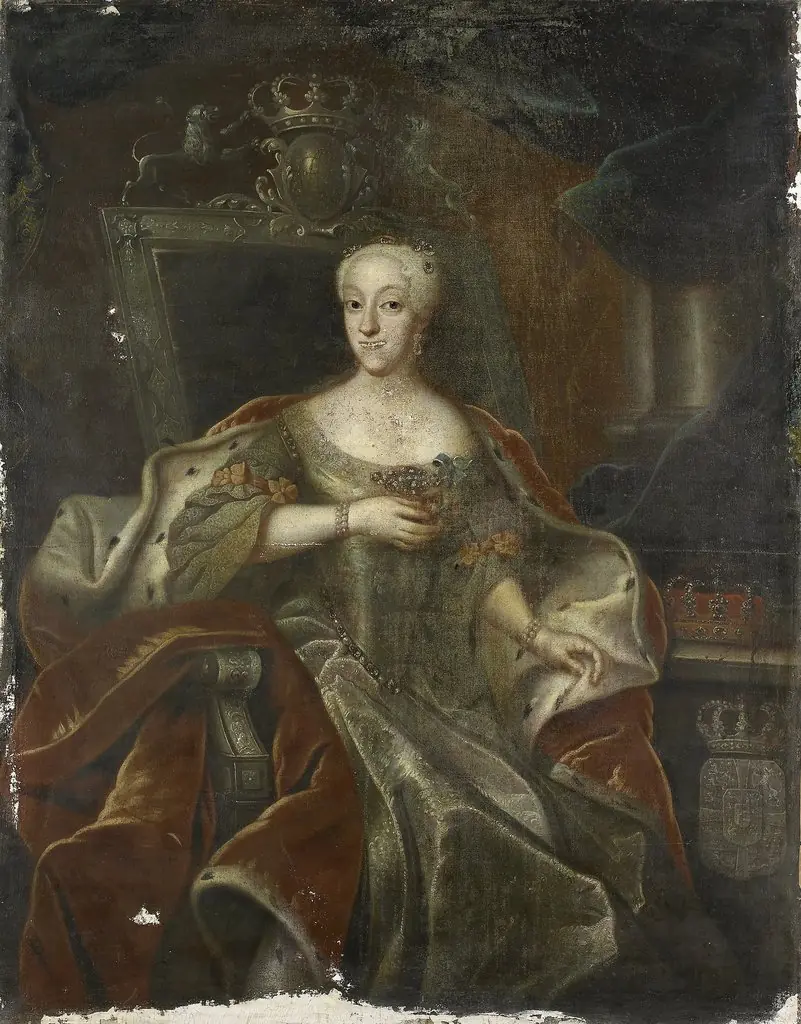 Portrait of Princess Charlotte Amalie, Daughter of Frederick IV, King of Denmark
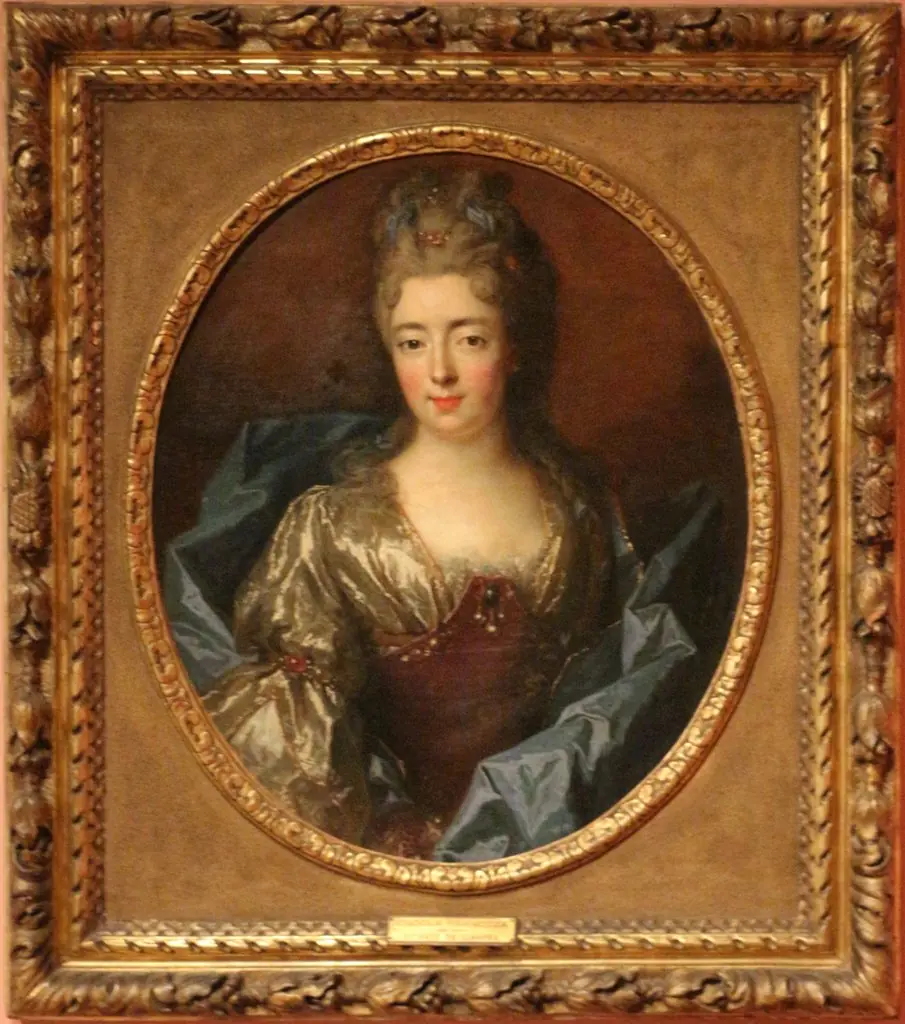 Portrait of Anne Genevieve of Levis, Duchess of Rohan
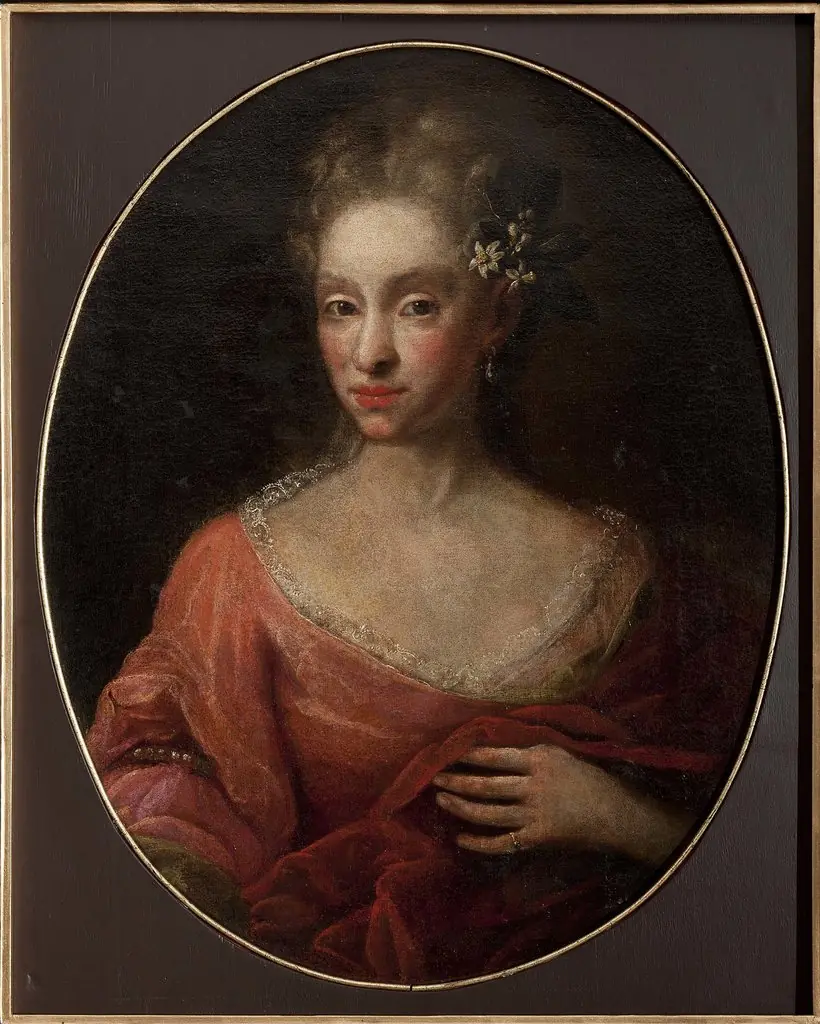 Portrait of Urszula Dembińska née Morsztyn (1746–1825)
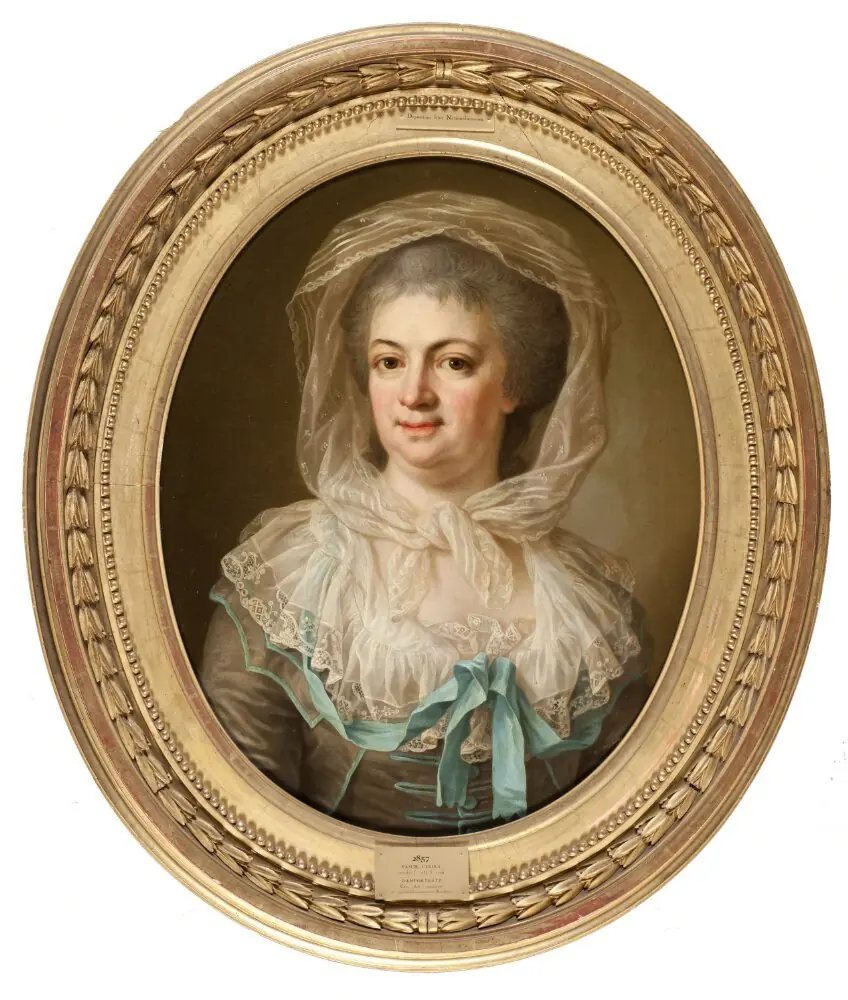 Portrait of a Lady
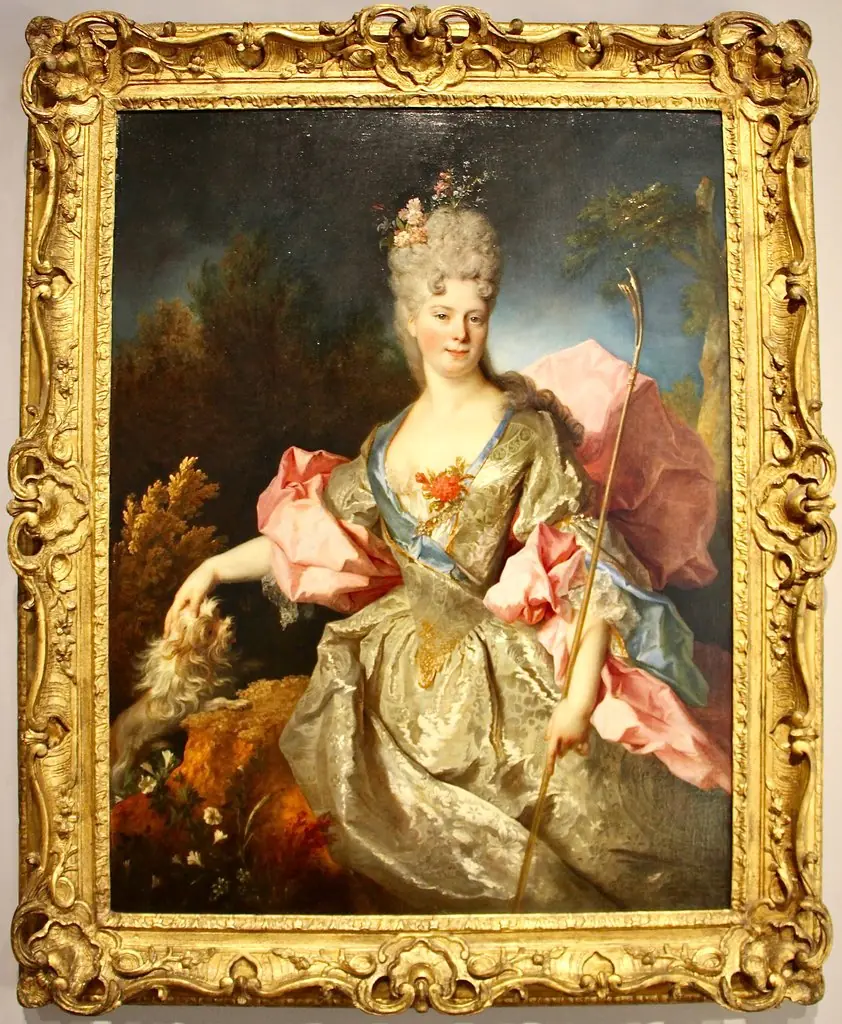 Portrait of a Woman as Astrea, Probably Mary Josephine Drummond, Condesa de Castelblanco
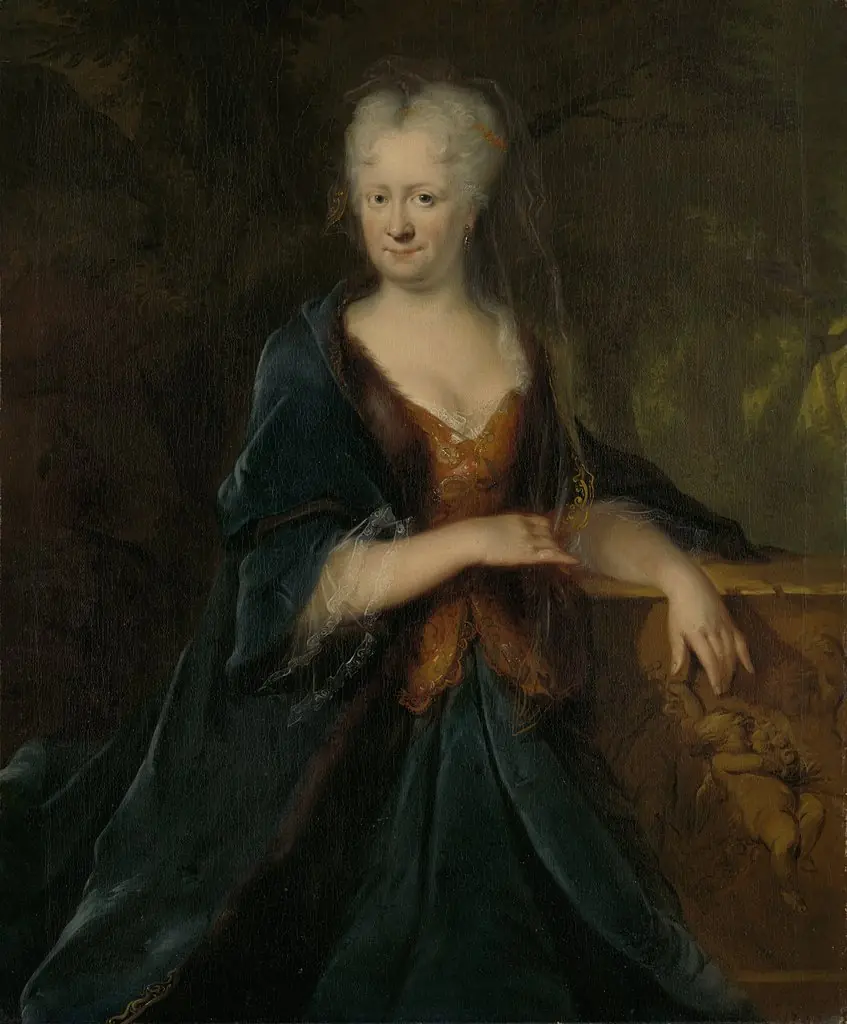 Portrait of Louise Christina Trip, Wife of Gerrit Sichterman
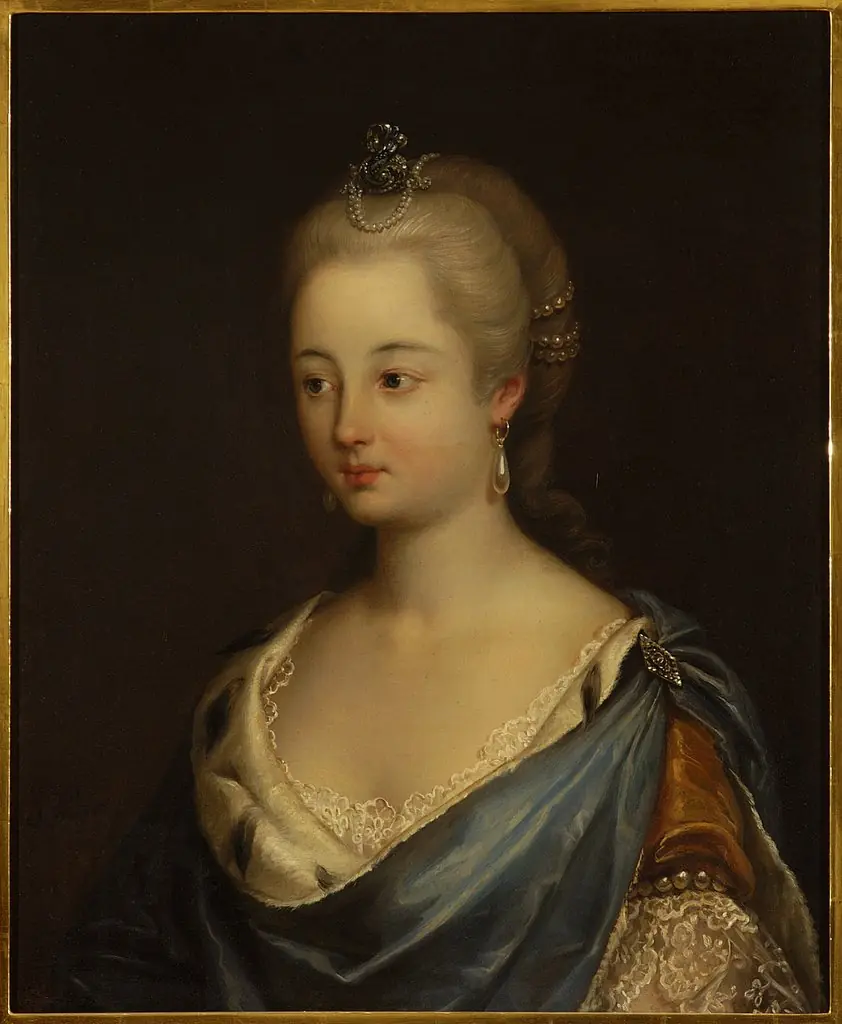 Portrait of Mrs. Kruszewska née Komorowska