Artwork
Portrait of a Woman as Astrea, Probably Mary Josephine Drummond, Condesa de Castelblanco
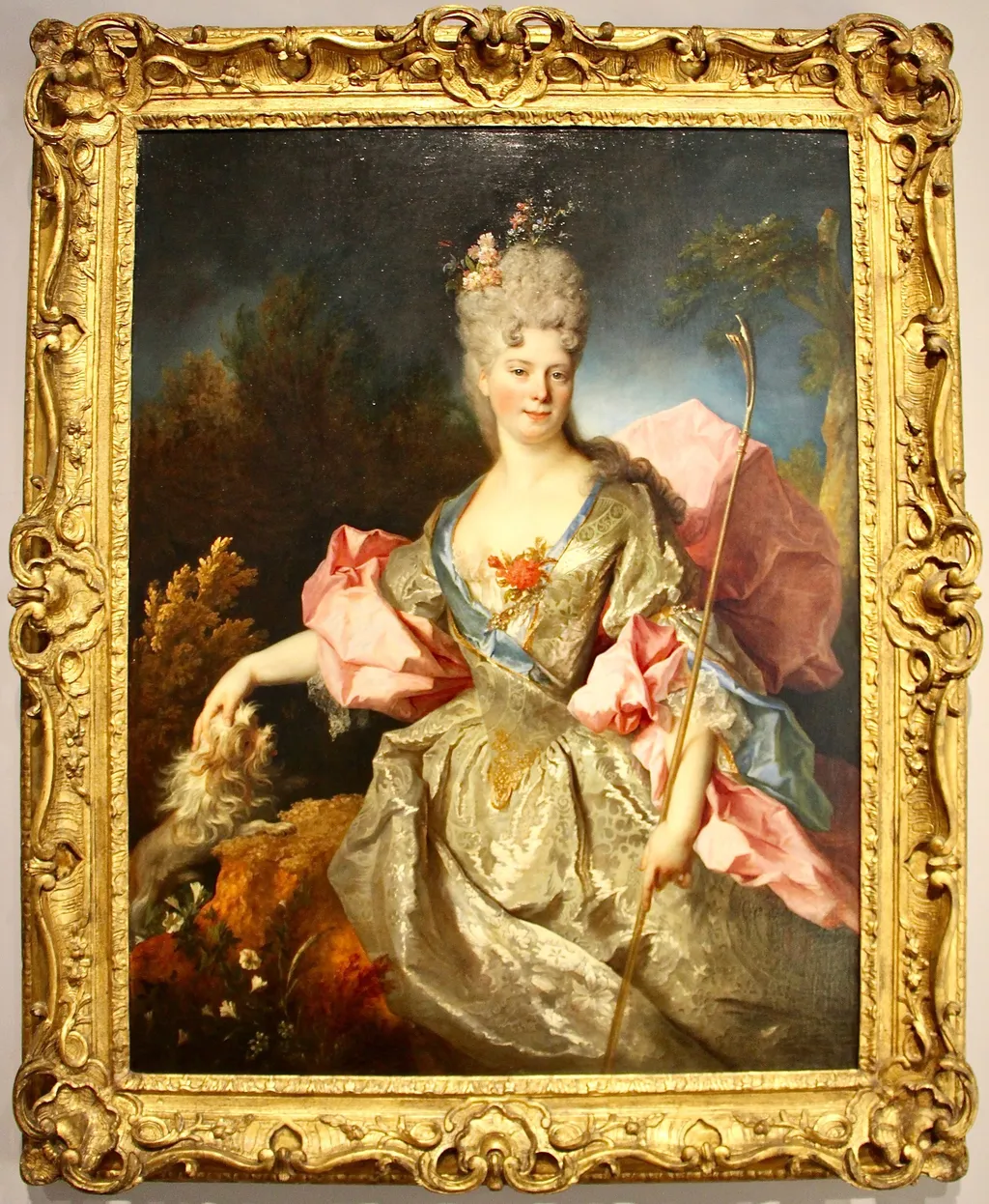
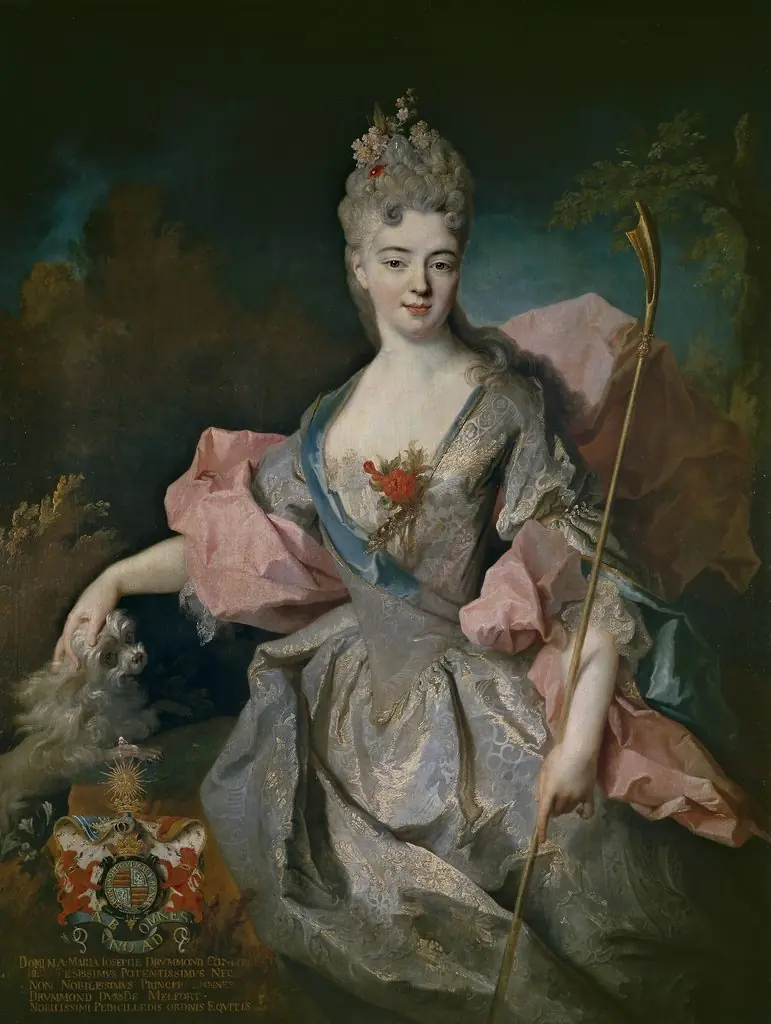
Portrait of a Woman as Astrea, Probably Mary Josephine Drummond, Condesa de Castelblanco is an oil painting by the Rococo painting artist Nicolas de Largillière. It dates from 1711 and is held in the collection of the Montreal Museum of Fine Arts.
About this work
Overview
Its composition combines mythological symbolism with the sitter’s contemporary fashion, creating a layered portrait of status and virtue.
Executed in 1711, this oil painting by French portraitist Nicolas de Largillière presents a young aristocratic woman cast in the guise of the classical goddess Astrea. The work belongs to the early Rococo period and is presently owned by the Montreal Museum of Fine Arts. Its composition combines mythological symbolism with the sitter’s contemporary fashion, creating a layered portrait of status and virtue.
Subject & Meaning
The figure is identified as Mary Josephine Drummond, Condesa de Castelblanco, portrayed as Astrea, the personification of innocence and justice. She is shown in an elaborate dress with a blue sash and pink shawl, an up‑do coiffure crowned by a floral headband, and a staff in her right hand. A small dog reaches toward her left hand, adding a note of domestic affection and reinforcing the theme of fidelity.
Technique & Style
Largillière employs a smooth, luminous oil technique typical of early Rococo portraiture, rendering the silk fabrics and delicate skin tones with subtle gradations of light. The background features a stylized landscape of trees beneath a clear blue sky, providing a gentle contrast to the richly textured foreground. The painter’s handling of the staff and the dog demonstrates careful attention to detail while maintaining an overall graceful elegance.
History & Provenance
Created during the height of Largillière’s career, the painting later entered the collection of the Montreal Museum of Fine Arts, where it remains on display. The artist, who later served as director of the Académie de Peinture et de Sculpture from 1733 to 1735, produced the work for a Spanish‑influenced aristocratic patron, reflecting the transnational networks of European nobility in the early eighteenth century.
Context
The portrait reflects the early eighteenth‑century fascination with classical allegory, a trend that allowed patrons to align themselves with virtues embodied by mythological figures. By casting the Condesa as Astrea, the sitter signals both personal purity and her family’s elevated social standing. Largillière’s ability to blend portraiture with allegorical elements exemplifies the transitional aesthetics between the Baroque grandeur and the lighter, more decorative Rococo style.
Artist & collection
Artist
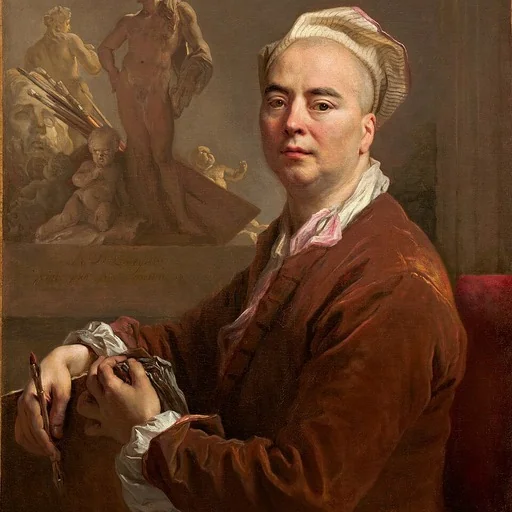
Nicolas de Largillière (French: ; baptised 10 October 1656 – 20 March 1746) was a French painter and draughtsman. From 1733 until 1735, he was director of the Académie de Peinture et de Sculpture.

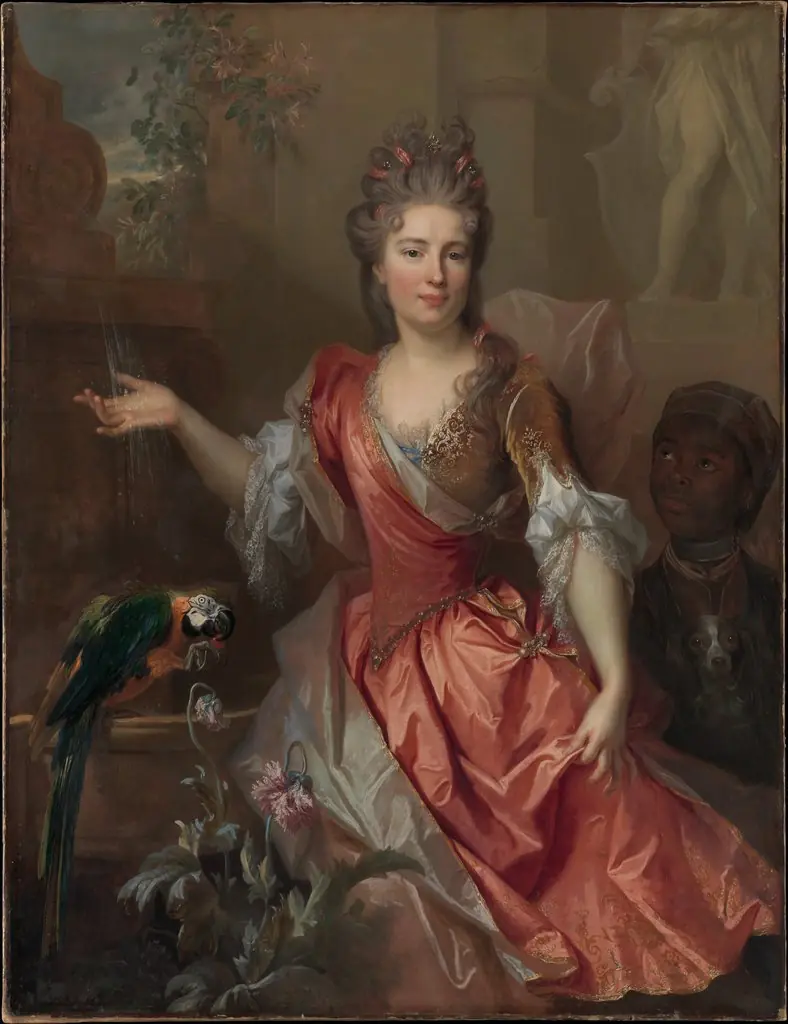 Portrait of a Woman, Possibly Madame Claude Lambert de Thorigny (Marie Marguerite Bontemps, 1668–1701)
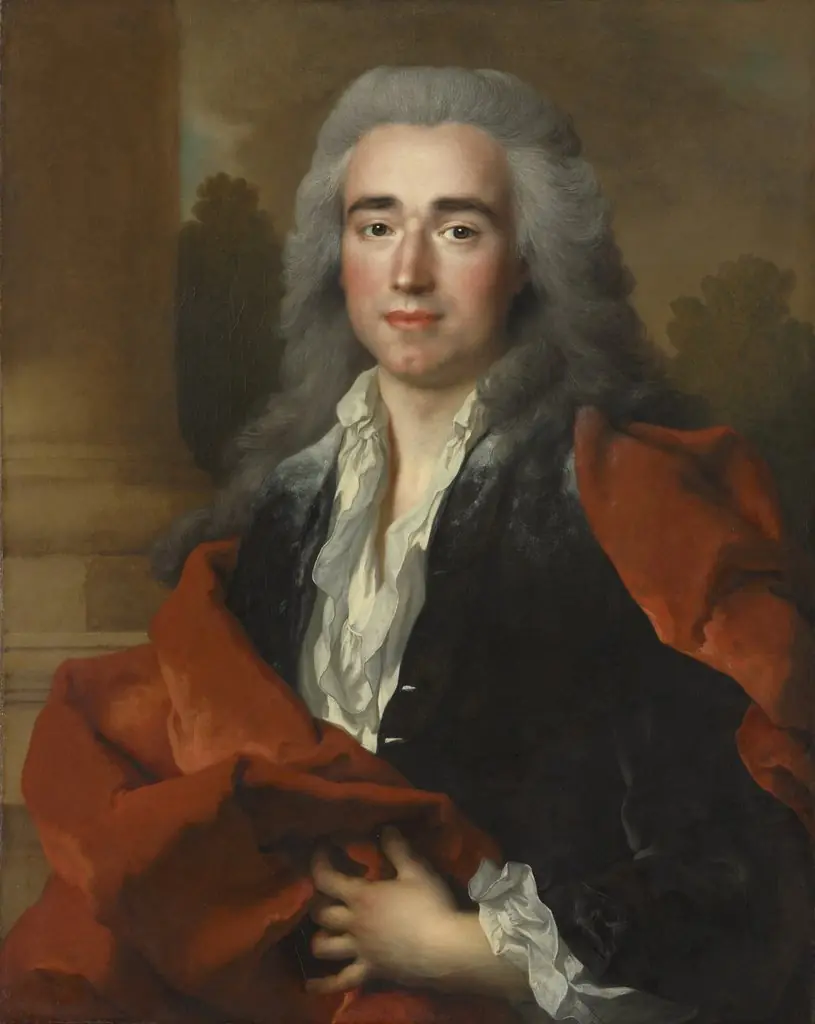 Portrait of Anne Louis Goislard de Montsabert, Comte de Richbourg-le-Toureil
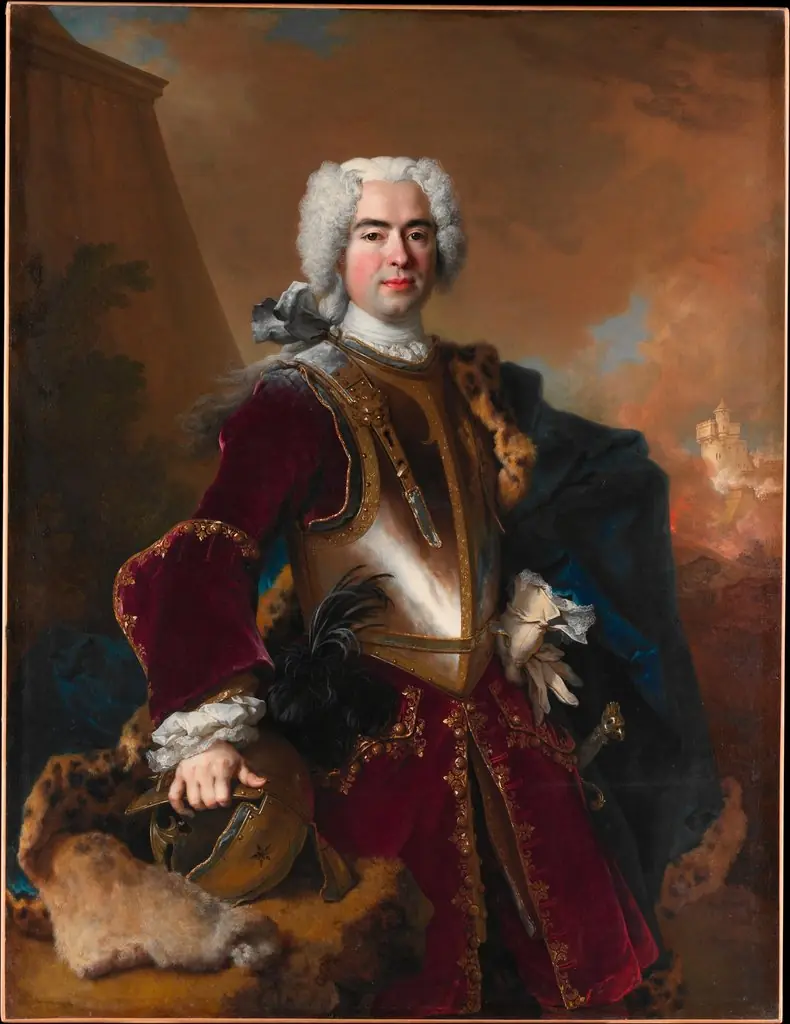 André François Alloys de Theys d'Herculais (1692–1779)
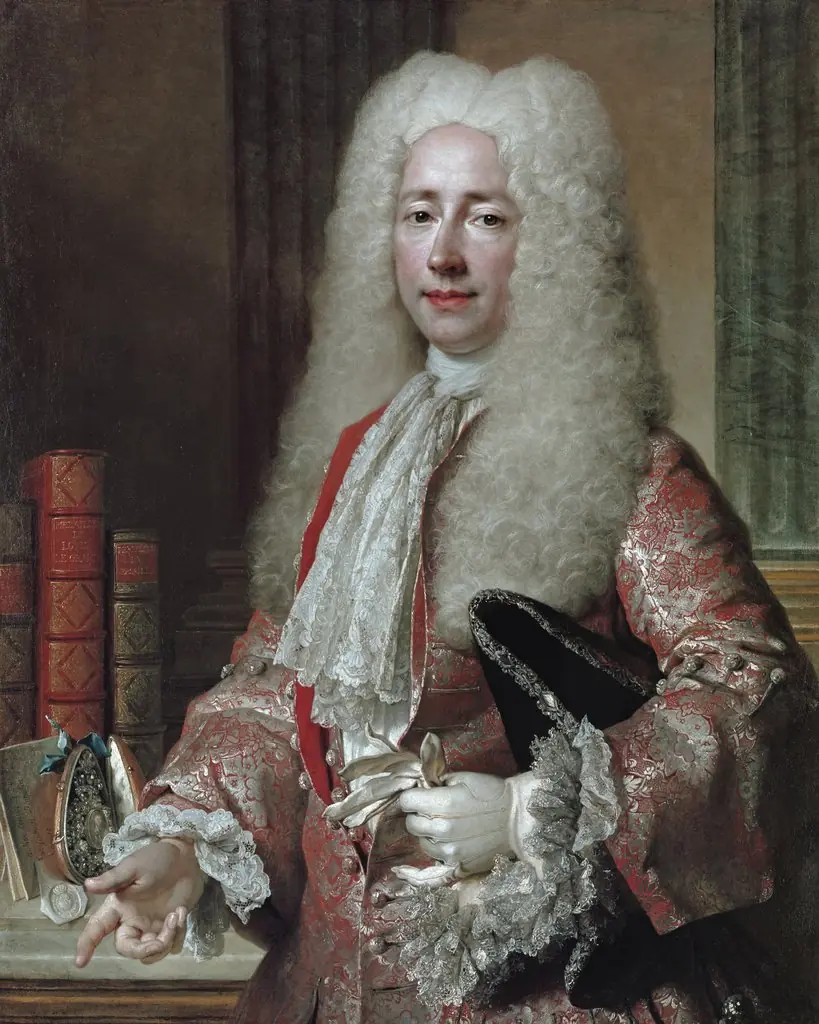 Portrait de Conrad Detlef, comte de Dehn
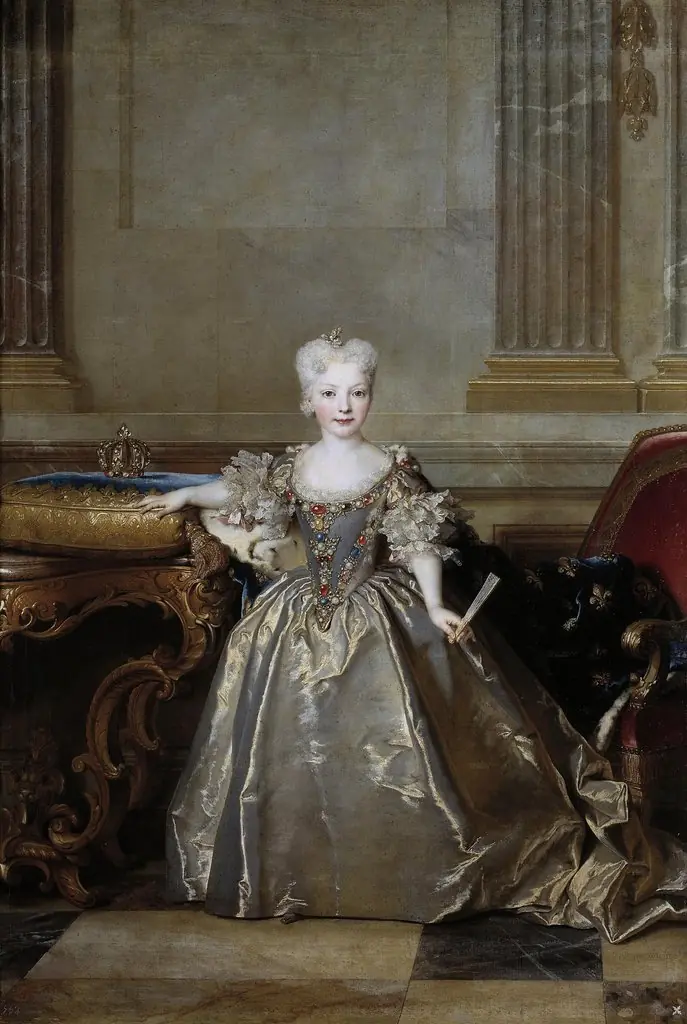 María Ana Victoria de Borbón y Farnesio
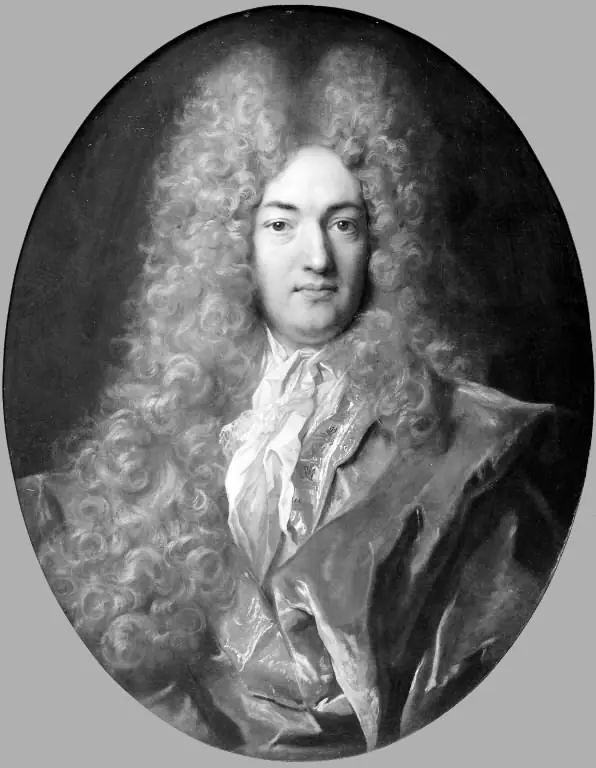 Portrait of a Man
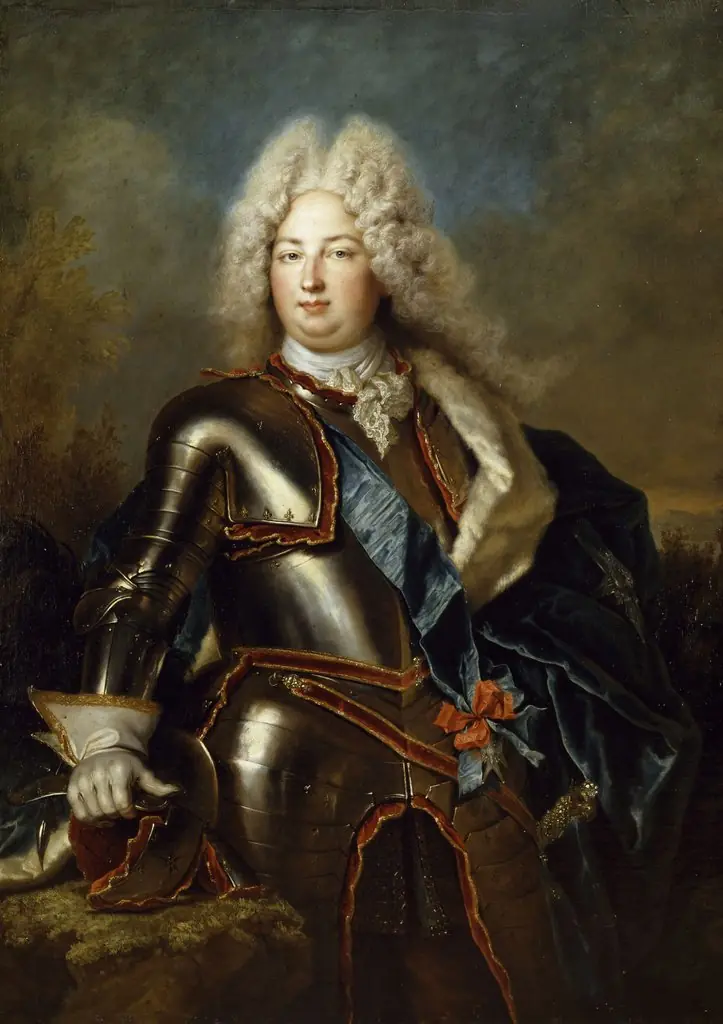 Charles of France, Duke of Berry
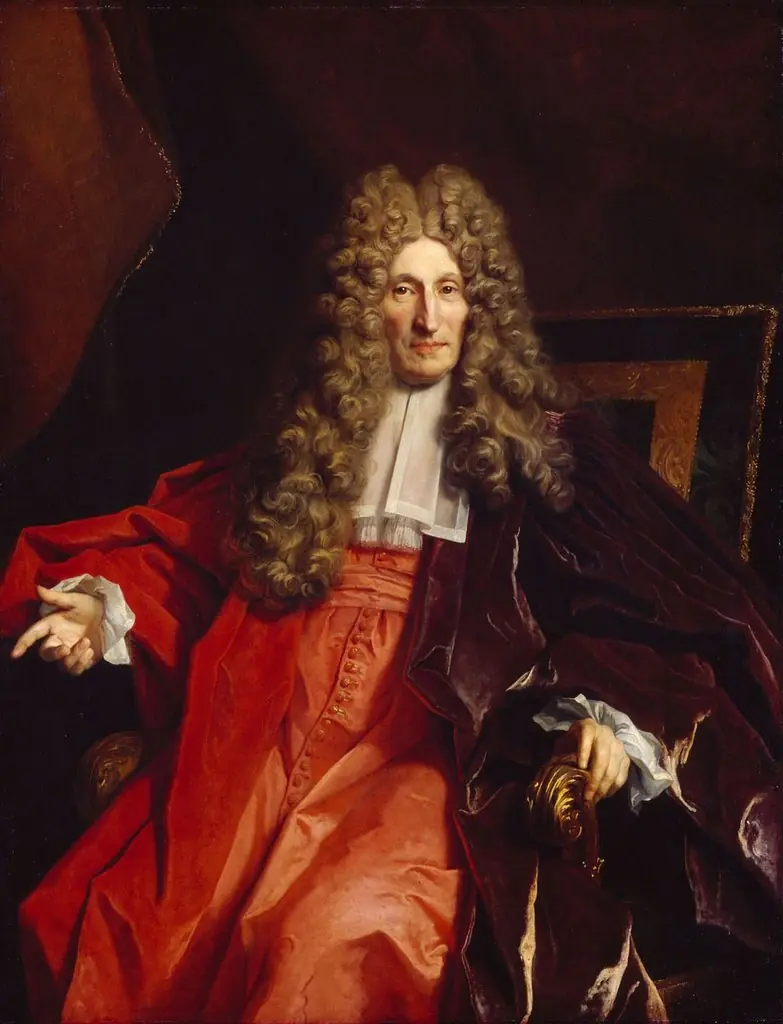 Charles Boucher, Herr von Orsay
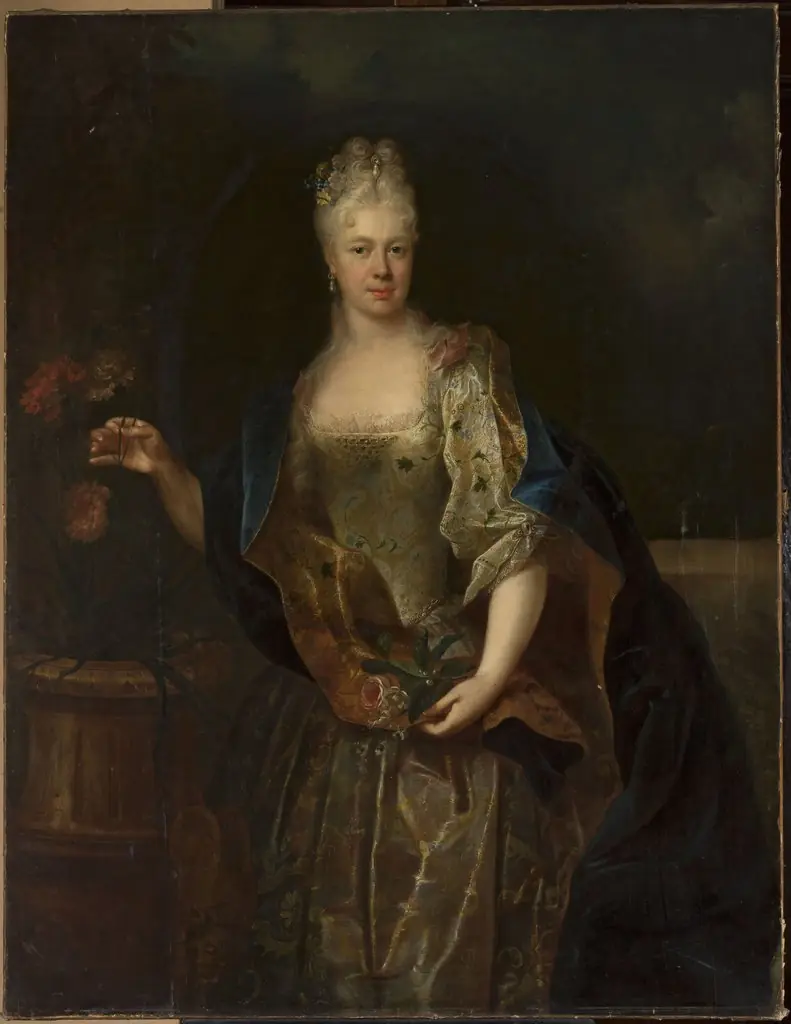 Portrait of Ludwika Amalia Lubomirska (1722–1778)
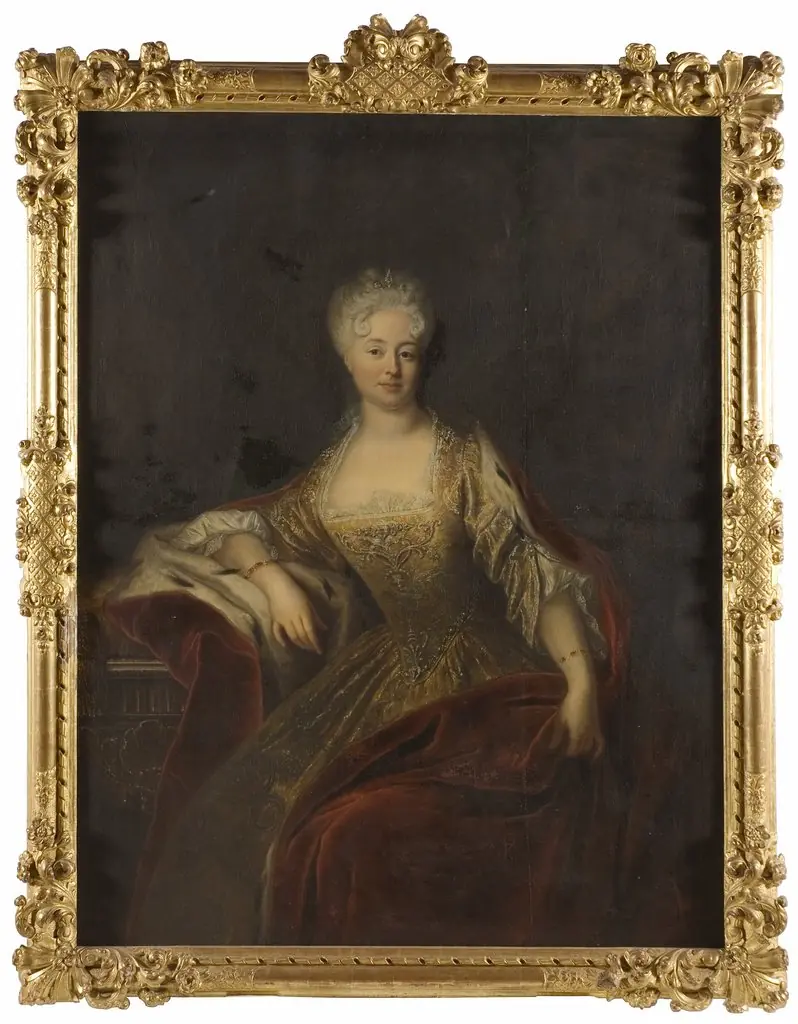 Johanna Charlotta, 1682-1750, prinsessa av Anhalt-Dessau
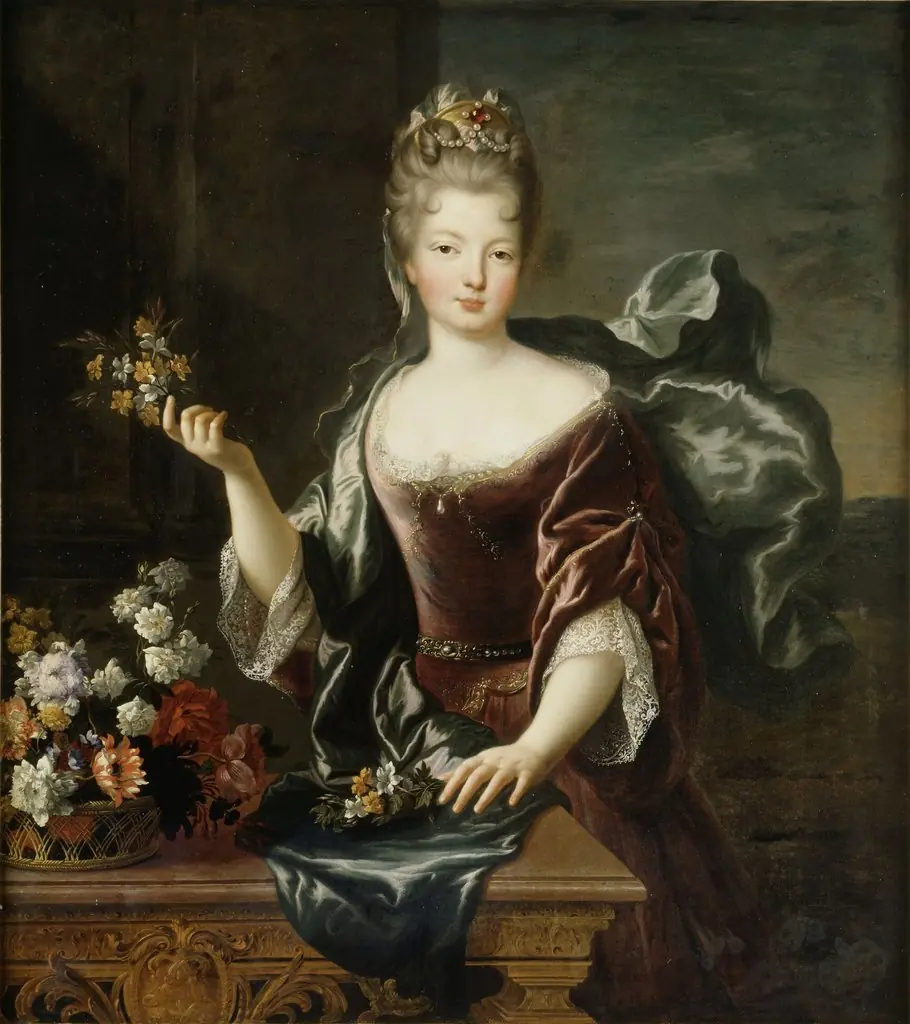 Françoise-Marie de Bourbon, Mademoiselle de Blois, Duchess of Orleans
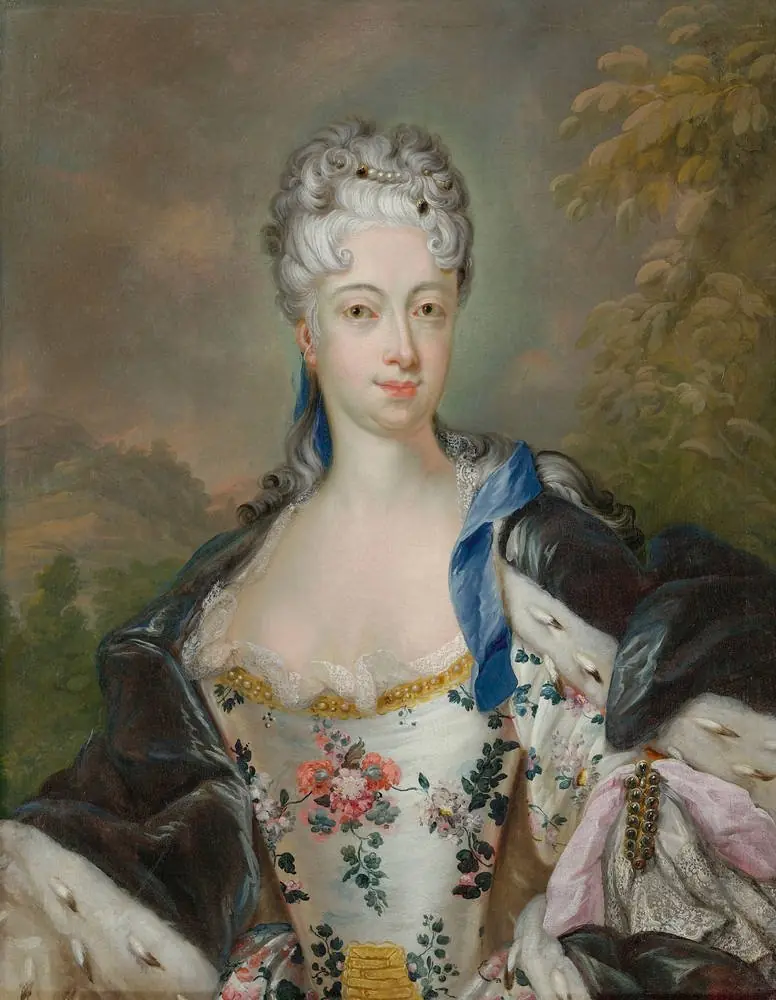 Anna Constanze Gräfin von Cosel (1680-1765)
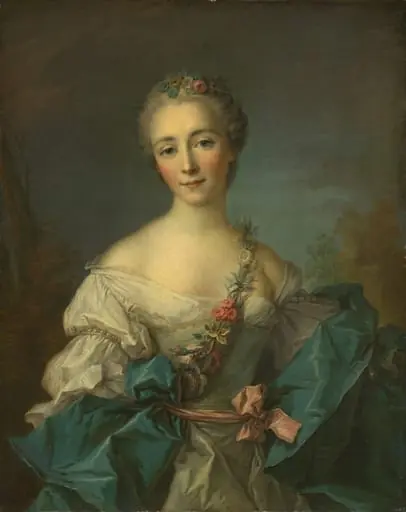 Portrait of a Young Woman
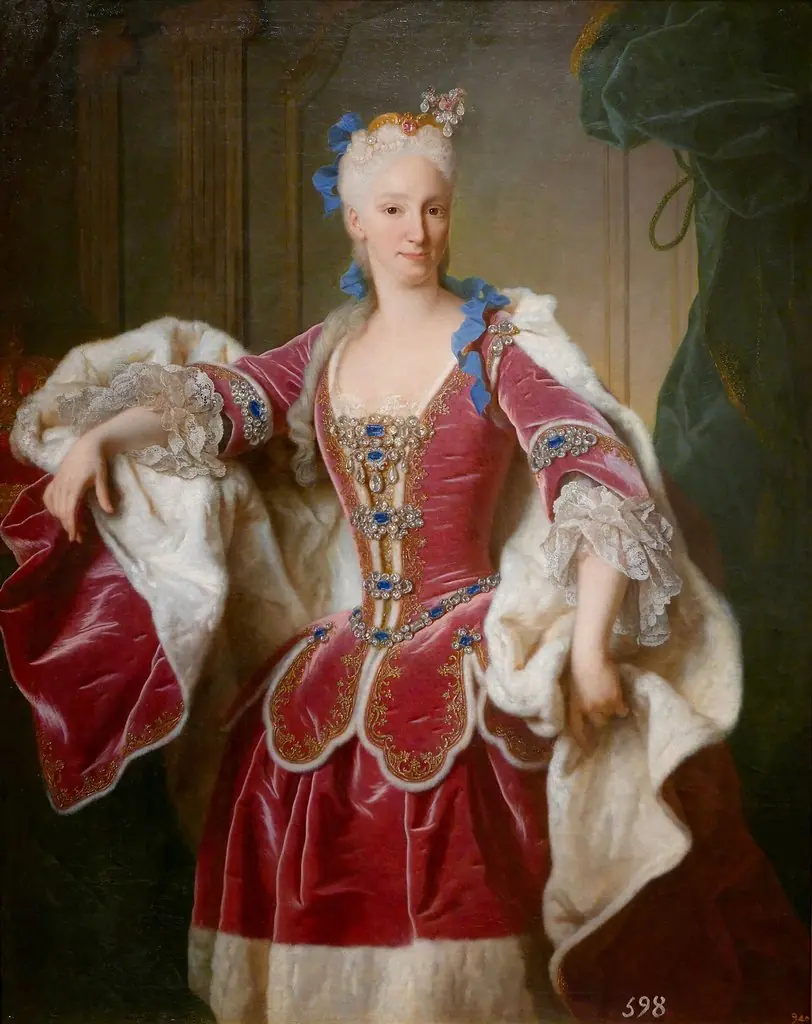 Elisabeth Farnese, Queen of Spain
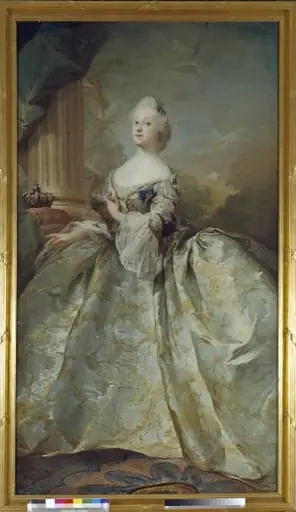 Portræt af Louise, Frederik V's første dronning
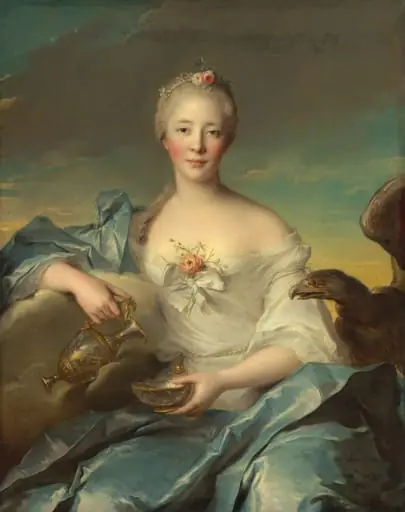 Madame Le Fèvre de Caumartin as Hebe
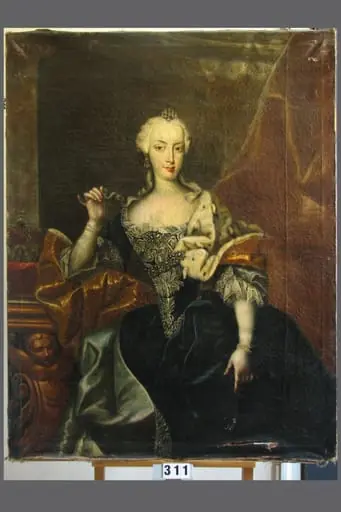 Maria Theresia, arhiducesă de Austria ; în registrul inventar: Prințesă în haină albastră
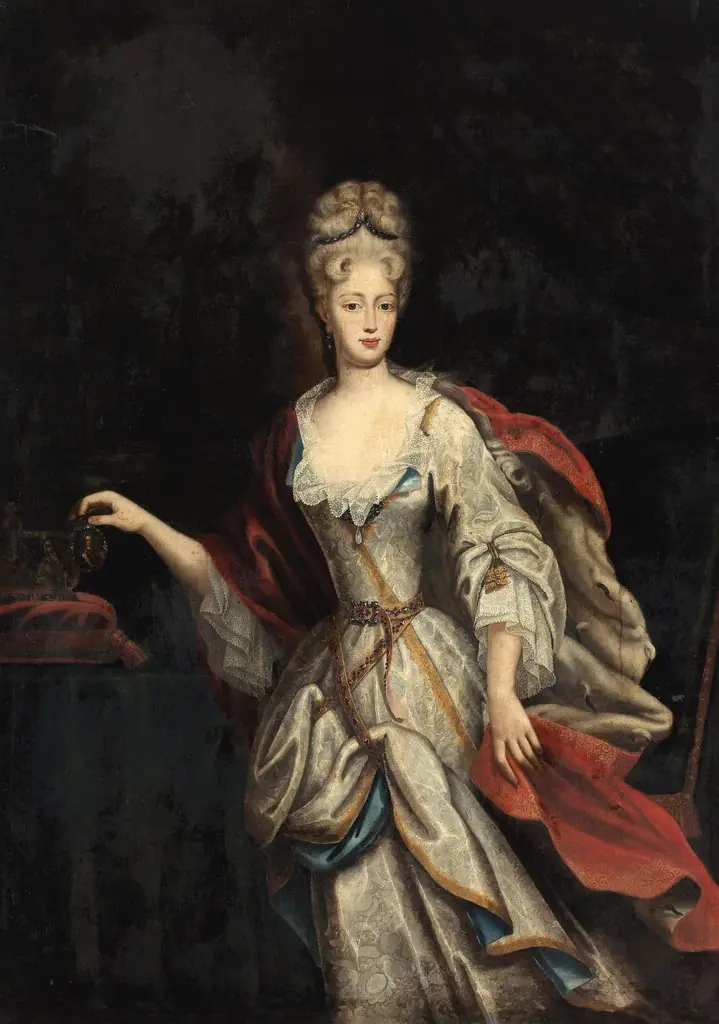 Bildnis einer Fürstin
 Juliane Marie, Queen of Denmark
 Lady Mary Josephine Drummond, Countess of Castelblanco