Artwork
Moses Striking the Rock
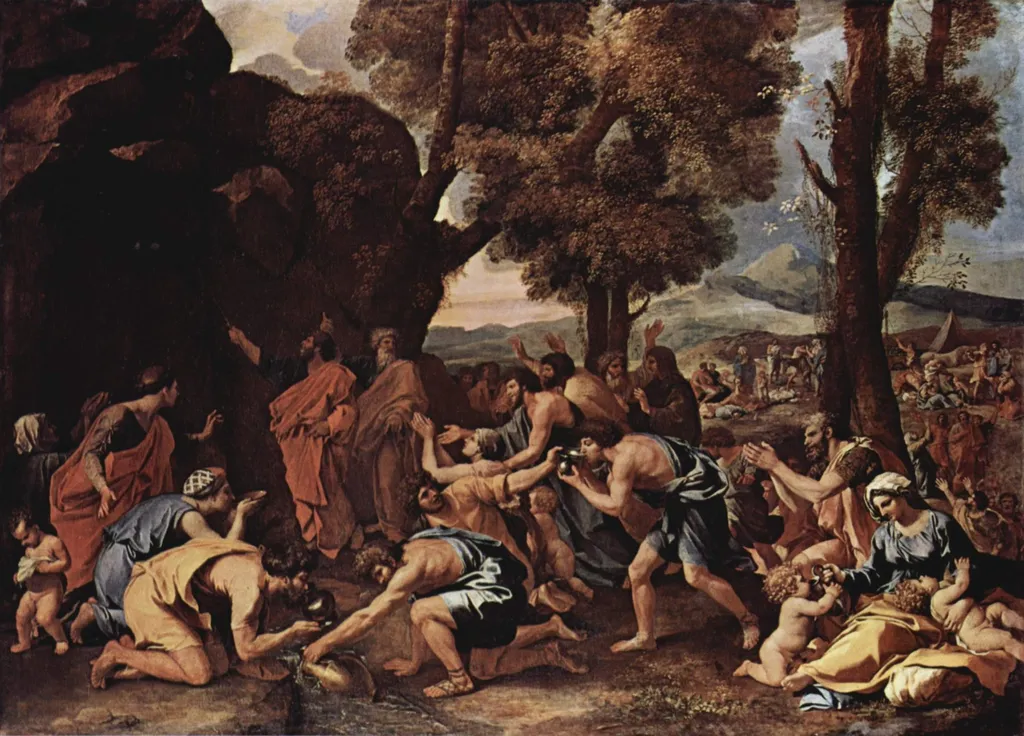
Moses Striking the Rock is an oil painting by the Early Baroque Italian artist Nicolas Poussin. It dates from 1633 and is held in the collection of the National Galleries Scotland.
About this work
Overview
It captures the biblical episode in which Moses, commanded by God, strikes a rock to produce water for the Israelites wandering in the desert.
Painted in 1633, Moses Striking the Rock is an oil-on-canvas work by Nicolas Poussin, depicting a moment from the Book of Exodus. The painting resides in the Scottish National Gallery in Edinburgh. It captures the biblical episode in which Moses, commanded by God, strikes a rock to produce water for the Israelites wandering in the desert. The composition is carefully structured, balancing human figures with a vast, arid landscape.
Subject & Meaning
The scene illustrates divine intervention through Moses, who acts as intermediary between God and the Israelites. The crowd’s postures—kneeling, gazing, or leaning forward—convey collective anticipation. The rock, though unbroken, is the focal point of spiritual expectation. Poussin emphasizes faith and obedience, framing the moment not as miracle, but as fulfillment of divine promise, rooted in quiet solemnity rather than spectacle.
Technique & Style
Poussin employs oil paint with precise, controlled brushwork to render textures of fabric, stone, and sand. Chiaroscuro defines forms and creates spatial depth, guiding the viewer’s eye toward the rock and Moses’s raised staff. The palette is restrained yet rich, with earth tones dominating, punctuated by the red of Moses’s robe. Figures are arranged in a balanced, classical composition, reflecting Poussin’s adherence to rational order and narrative clarity.
History & Provenance
Commissioned by the French cardinal and art patron Nicolas de Neufville, the painting entered the collection of the Duke of Orleans in the 17th century. It passed through several private holdings before being acquired by the Scottish National Gallery in 1845. Its documented lineage reflects its status as a significant work of French classical painting, valued for its intellectual rigor and compositional discipline.
Context
Created during Poussin’s mature Roman period, the painting reflects his engagement with classical antiquity and biblical narrative as subjects of moral and philosophical inquiry. Influenced by Renaissance ideals and ancient sculpture, Poussin sought to elevate religious themes through structured form and restrained emotion. This work aligns with contemporary scholarly interests in scriptural interpretation and the role of leadership in times of crisis.
Legacy
Moses Striking the Rock exemplifies Poussin’s influence on later academic painting, particularly in France and England. Its emphasis on clarity, order, and symbolic weight informed 18th- and 19th-century historical painting. Though less widely known than his mythological scenes, this work remains a touchstone for understanding how classical principles were applied to biblical subjects in the Baroque era.
Own this work as a print
Artist & collection
Artist
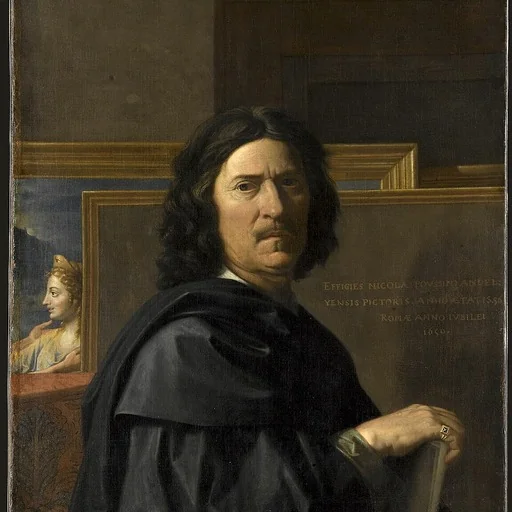
Nicolas Poussin (UK: , US: , French: ; June 1594 – 19 November 1665) was a leading painter of the classical French Baroque style, although he spent most of his working life in Rome.

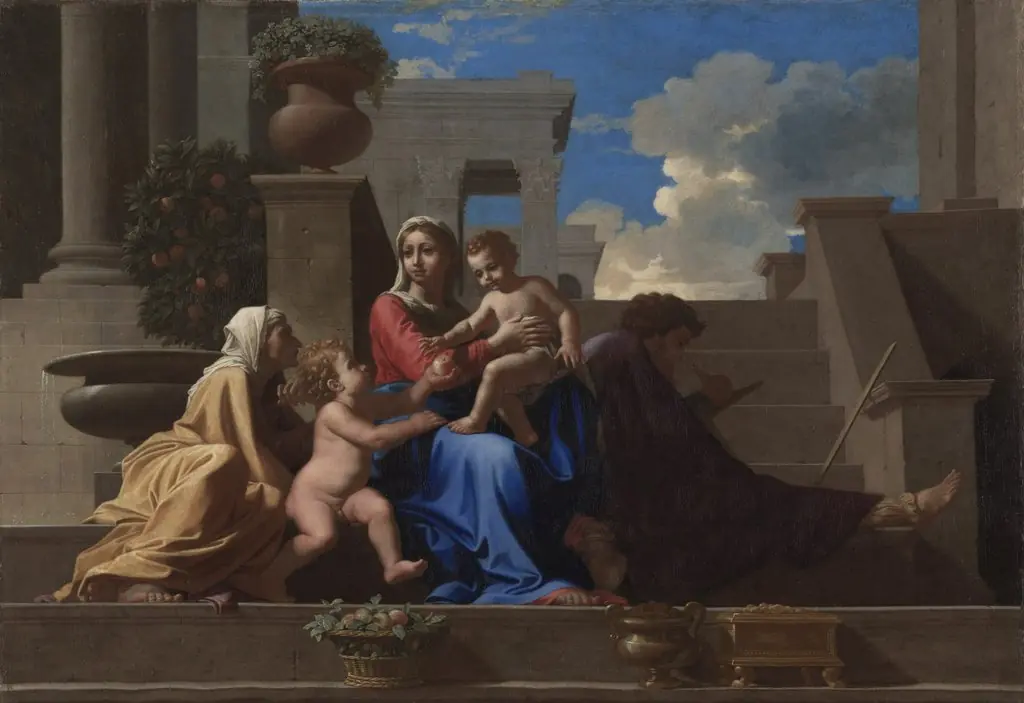
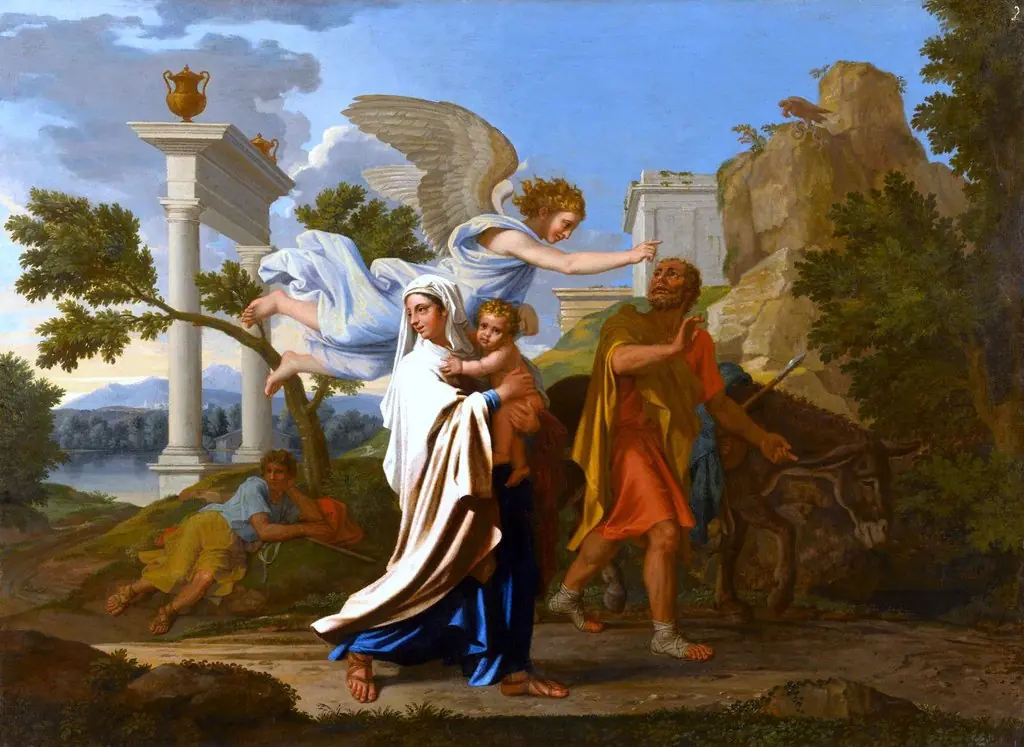
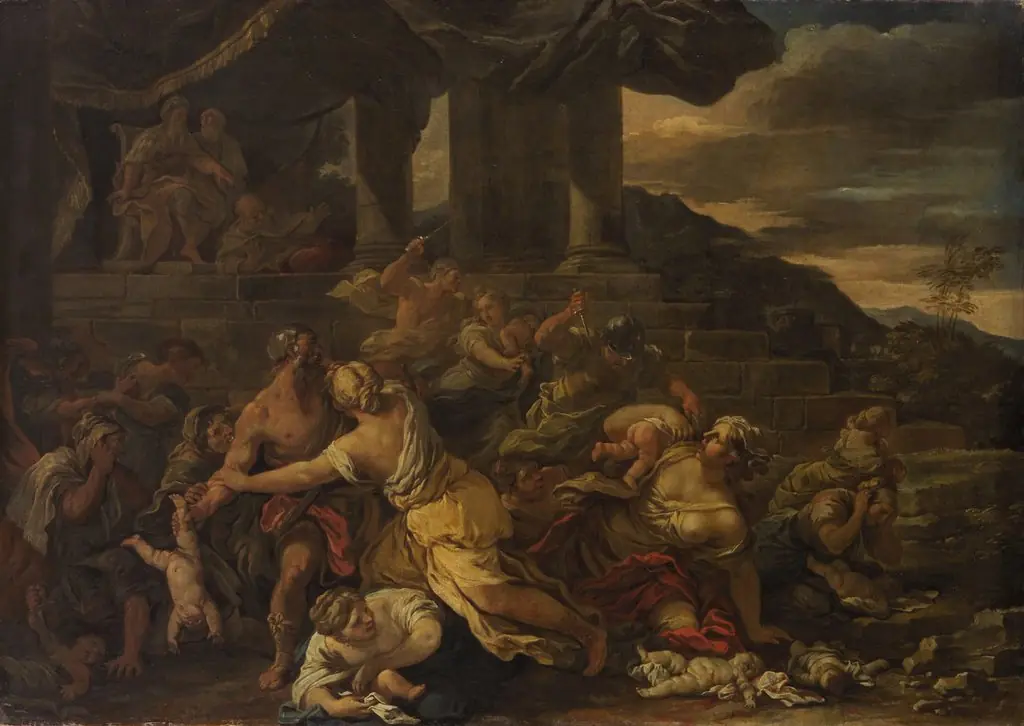 Killing of the Children in Bethlehem
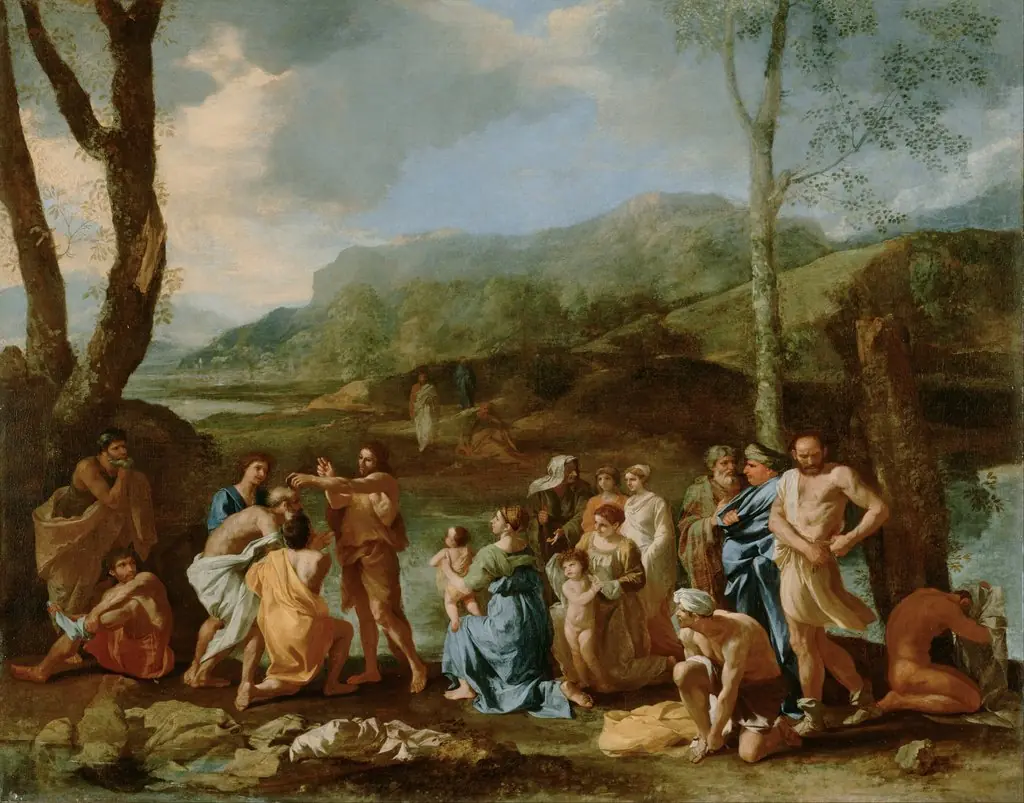 Saint John Baptizing in the River Jordan
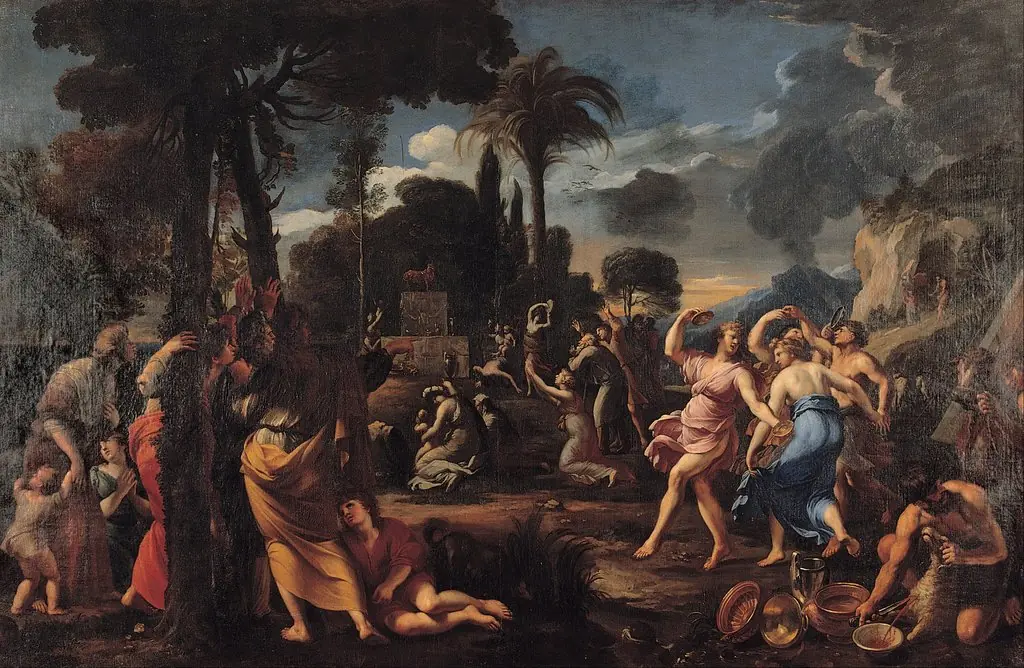 Adoration of the Golden Calf
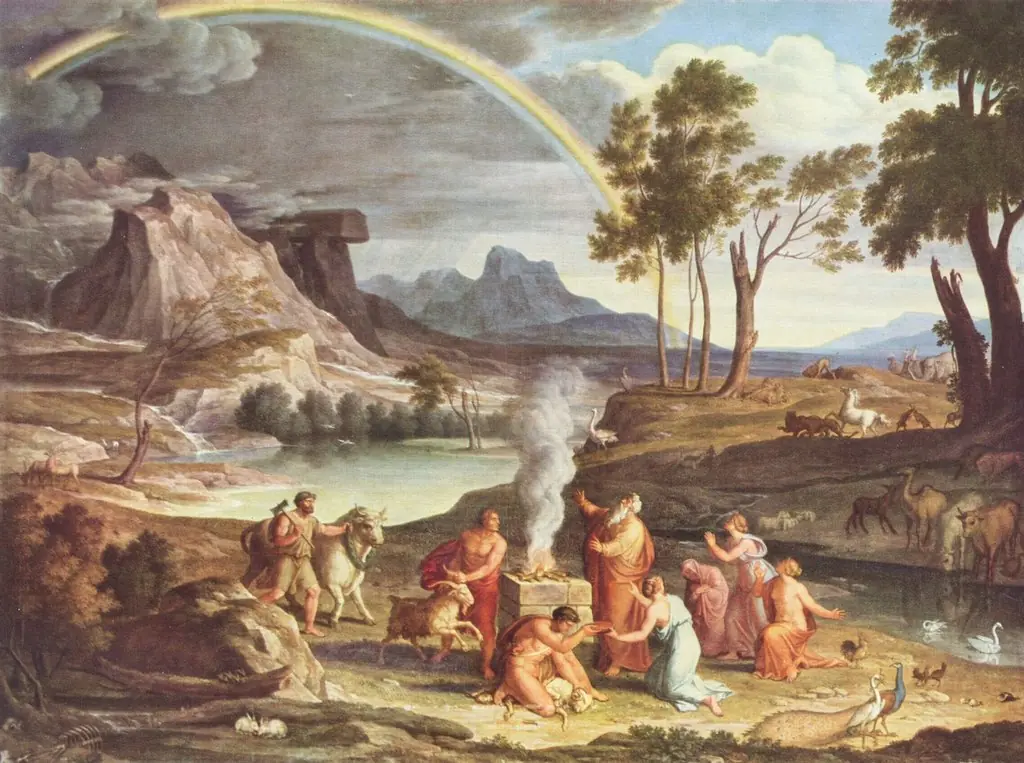 Landscape with Noah, Offering a Sacrifice of Gratitude
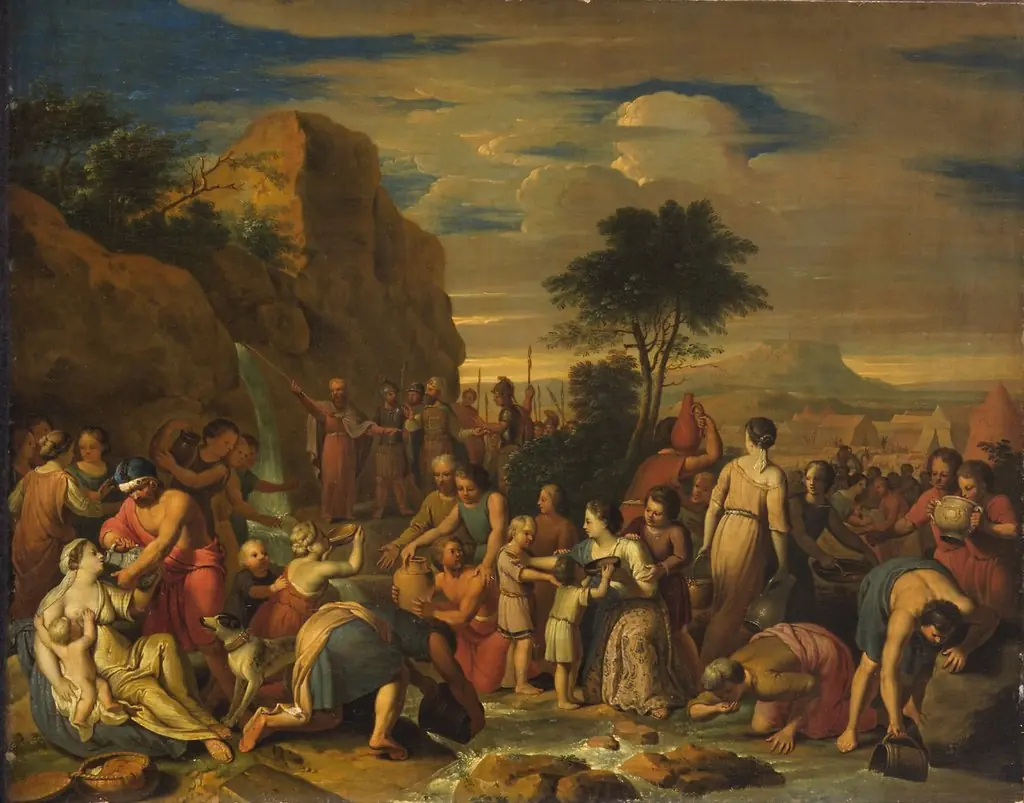 Moses schlägt Wasser aus dem Felsen
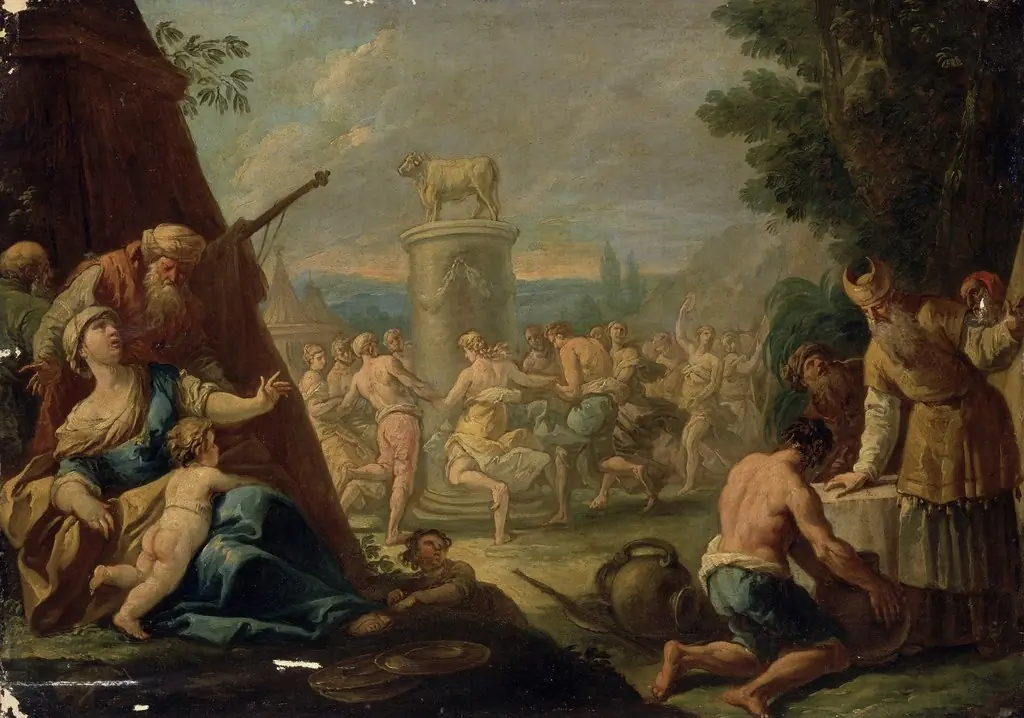 Adoration of the Golden Calf
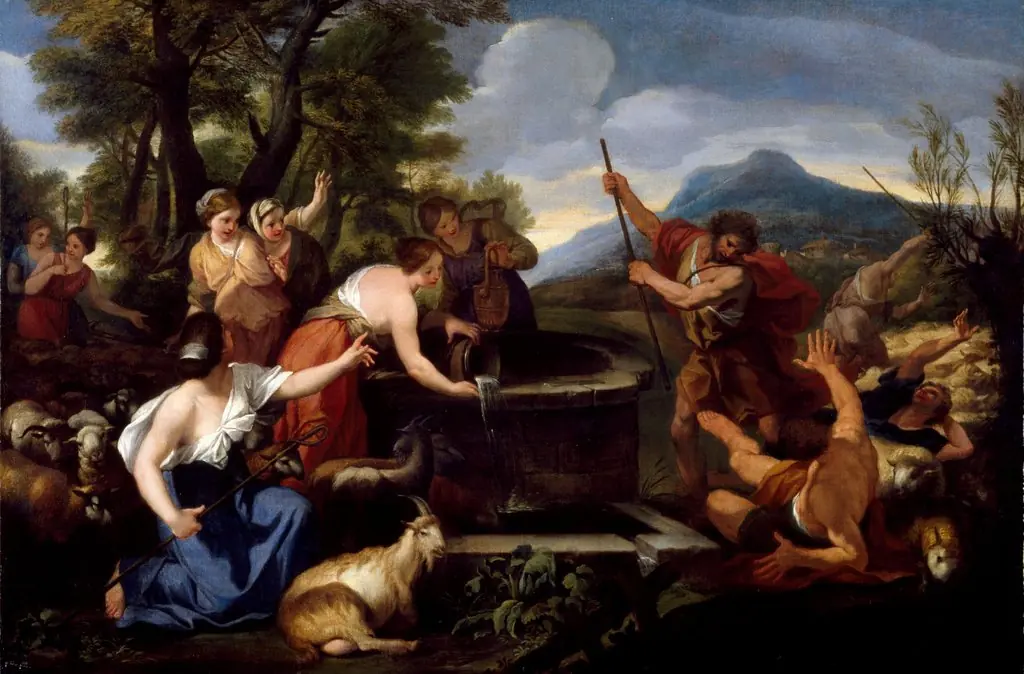 Moses and the Daughters of Jethro
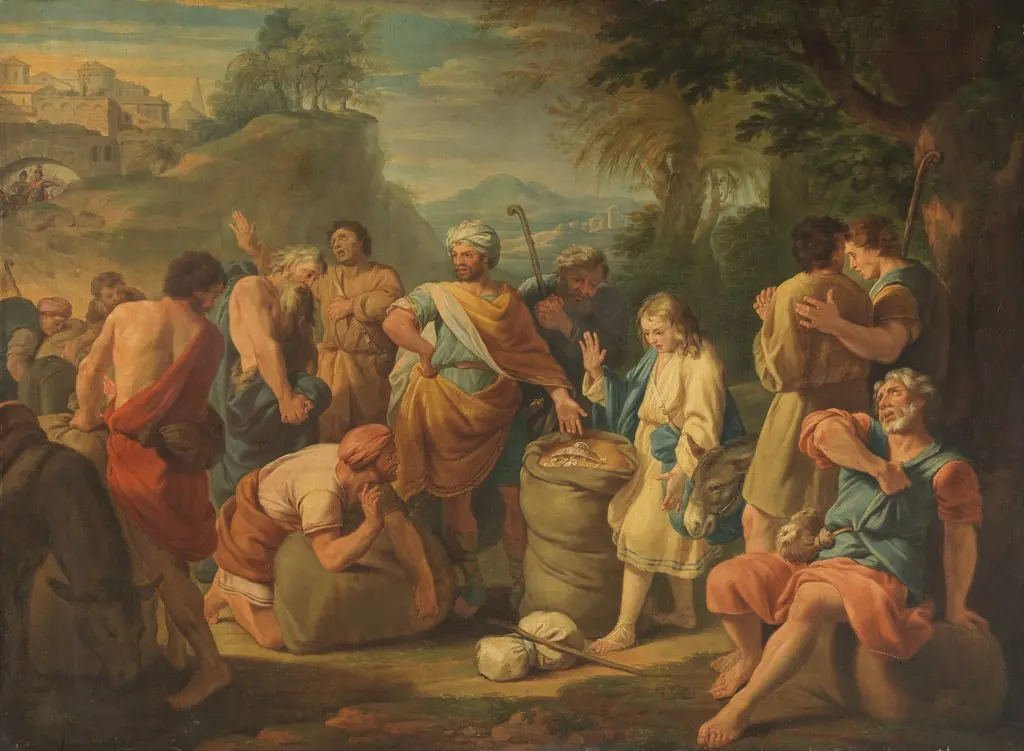 The Finding of the Money in Benjamin's Sack
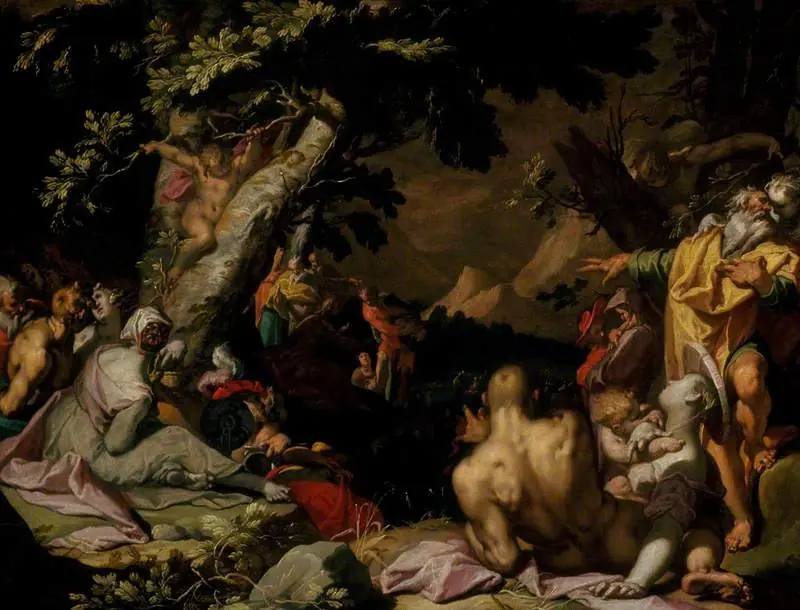 Miracle of the loaves (Jesus feeds the five thousand)