Artwork
Última comunión de san Jerónimo o El viático de san Jerónimo
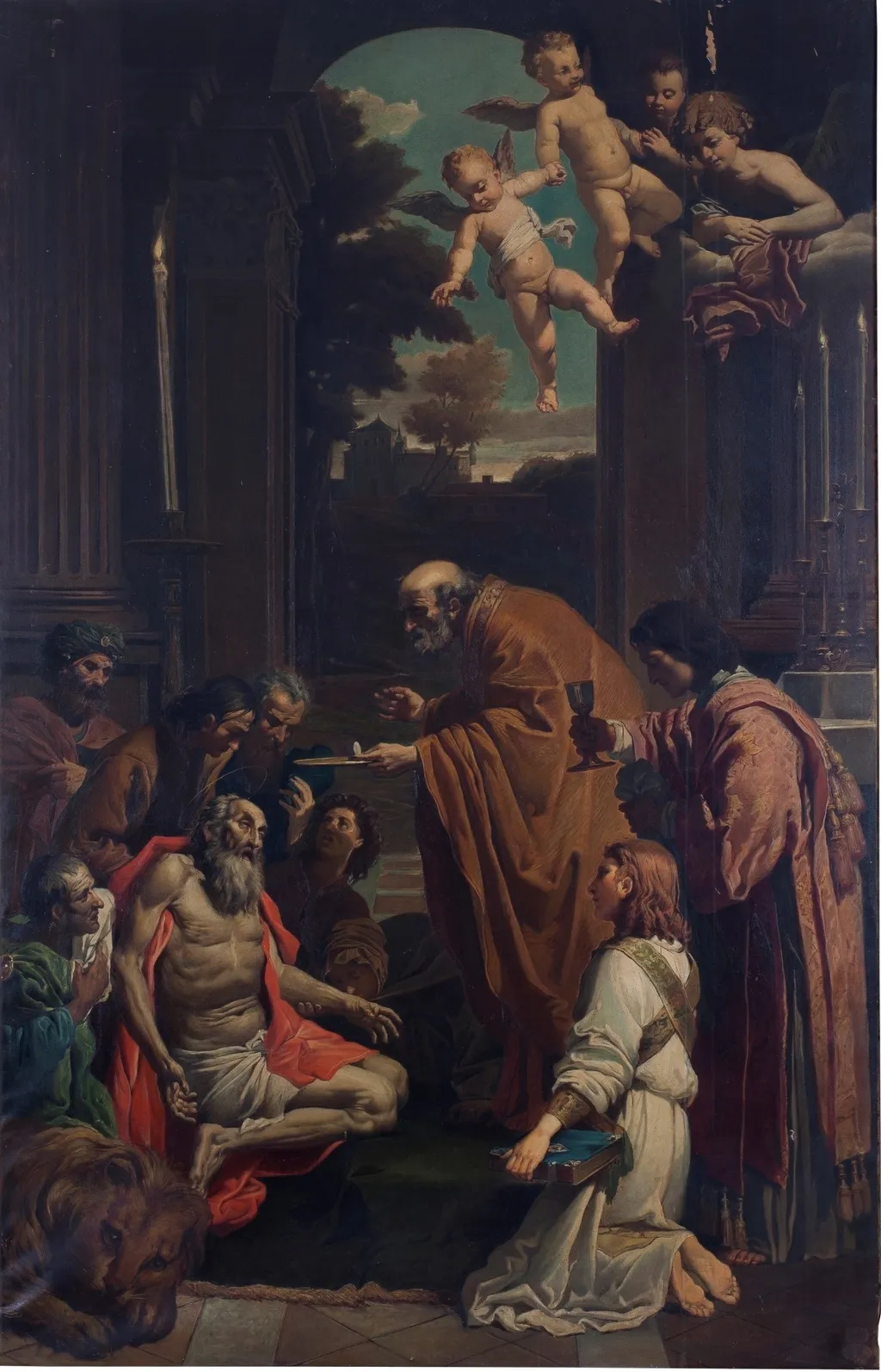
Última comunión de san Jerónimo o El viático de san Jerónimo is an oil painting by the Realist artist Luis Álvarez Catalá. It dates from 1869 and is held in the collection of the Museo del Prado.
About this work
Overview
Última comunión de san Jerónimo o El viático de san Jerónimo is an 1869 oil painting by Spanish artist Luis Álvarez Catalá, associated with the Realism movement. The work is part of the Museo del Prado's collection.
Subject & Meaning
The painting depicts a solemn, candlelit religious scene. At its center, a figure in a deep red robe holds a gold plate and chalice, surrounded by seated and kneeling figures. The composition suggests a moment of reverence, possibly the last communion of Saint Jerome, implied by the title.
Technique & Style
Executed in oil paint, the work features a muted color palette with accents of deep red, gold, and soft blue, conveying a sense of importance and solemnity. The realism movement's influence is evident in the detailed, naturalistic rendering of the scene.
History & Provenance
Created in 1869, the painting is now held in the Museo del Prado's collection. Notably, its creator, Luis Álvarez Catalá, later directed the Museo del Prado from 1898 until his death in 1901.
Context
Part of the broader European Realism movement, the painting reflects the 19th-century interest in historical and religious subjects, often depicted with meticulous detail and emotional depth.
Legacy
As part of the Museo del Prado's collection, the painting contributes to the institution's vast holdings of Spanish art, reflecting Álvarez Catalá's contribution to Spanish Realism. His later role as director further intertwines his legacy with the museum.
Own this work as a print
Artist & collection
Artist
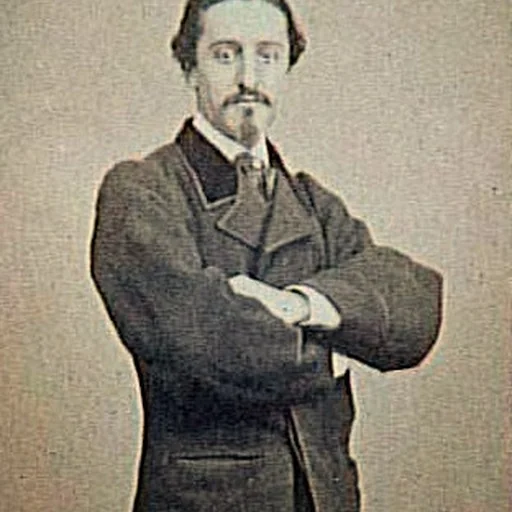
Luis Álvarez Catalá (22 January 1836 – 4 October 1901) was a Spanish painter of historical scenes and Director of the Museo del Prado from 1898 to 1901.

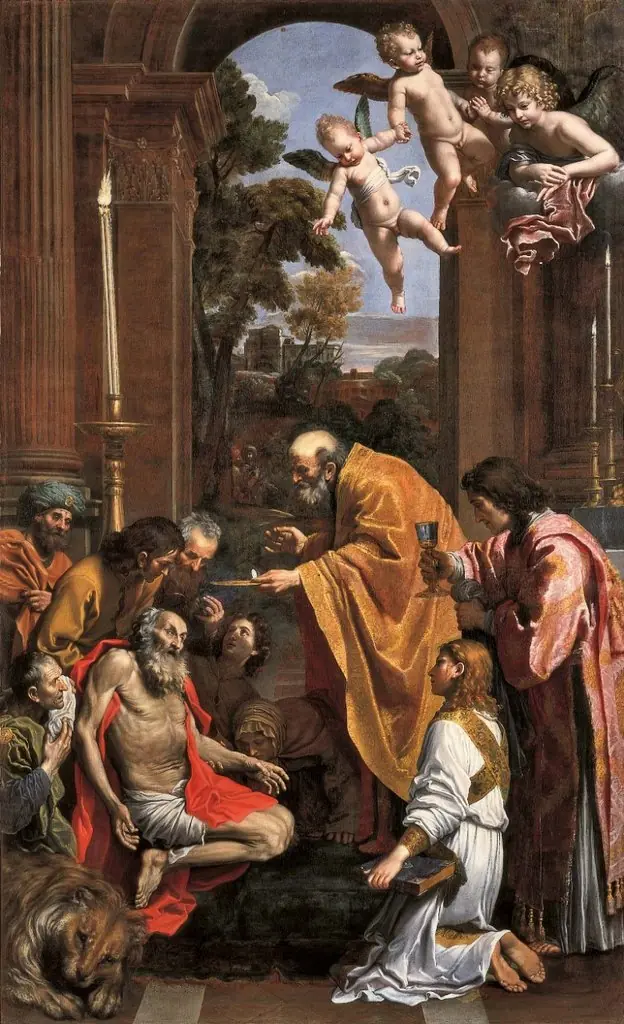 Communion of Saint Jerome
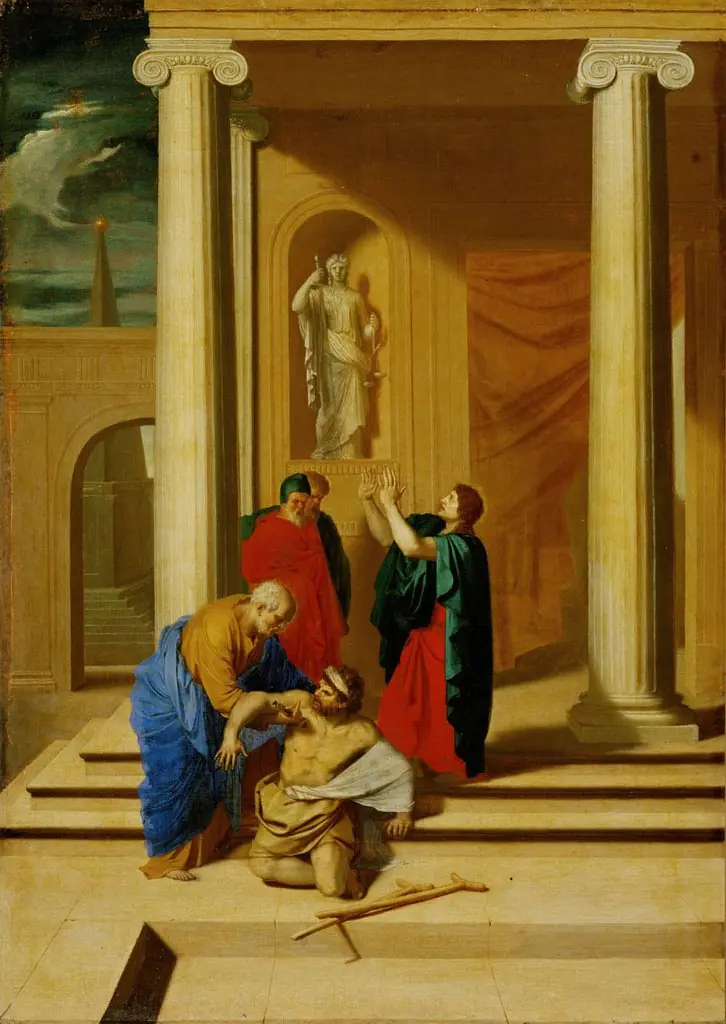 Peter and John heal a lame man in the temple
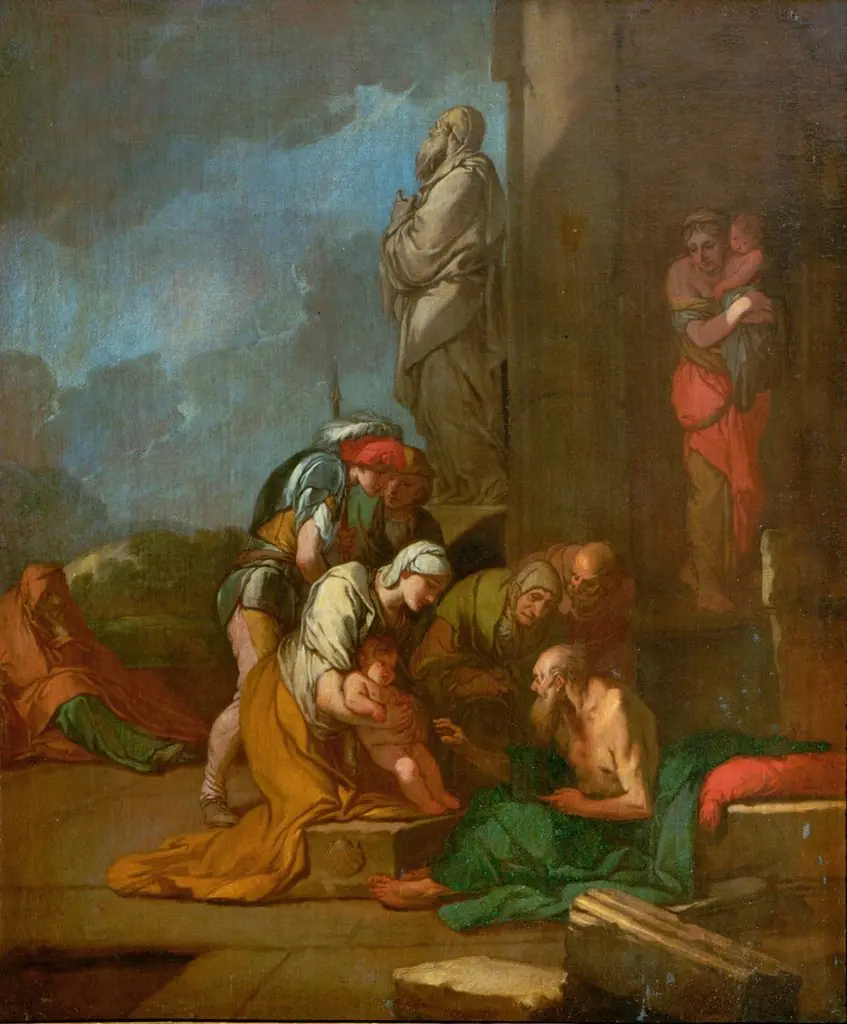 Nymphe Liriope bringt ihren Sohn Narcissus zu Tiresias
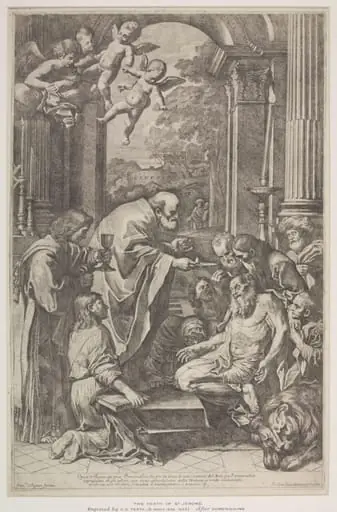 Death of St. Jerome
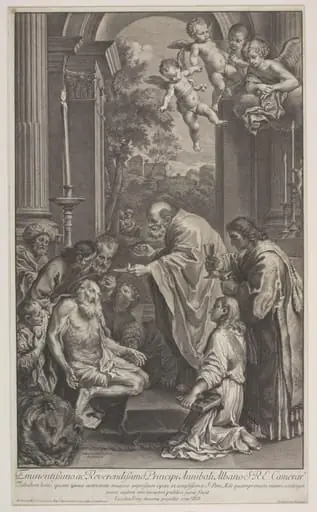 The Communion of St. Jerome
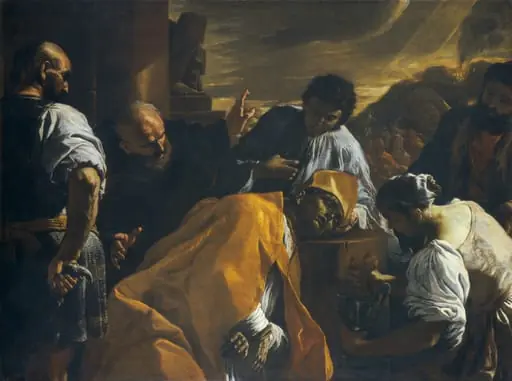 The Martyrdom of Saint Gennaro
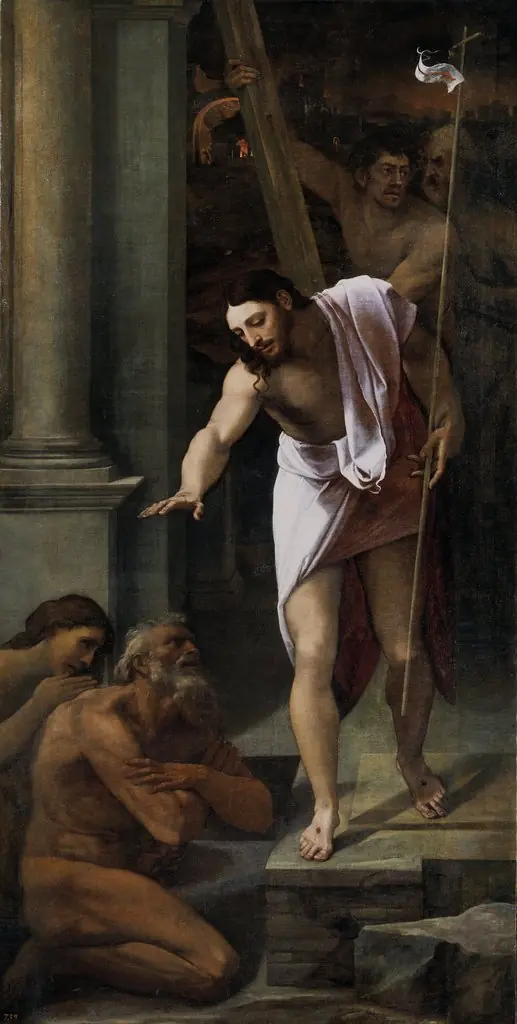 Christ’s Descent into Limbo
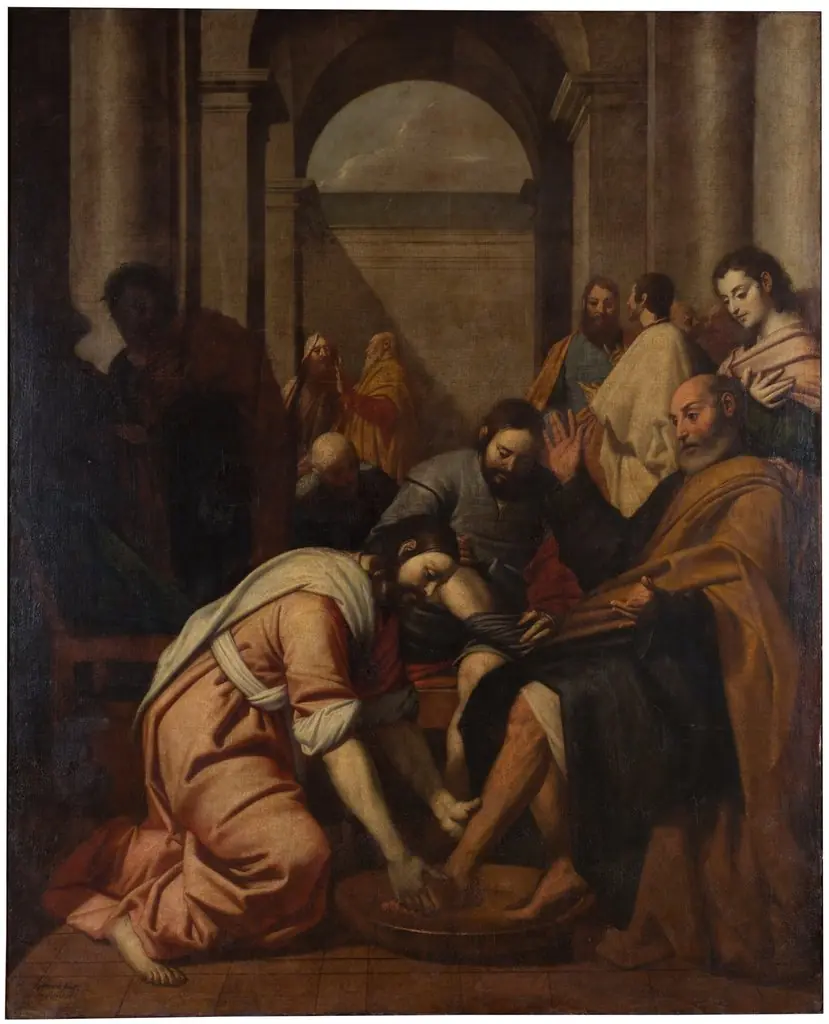 Jesus Washing Peter's Feet
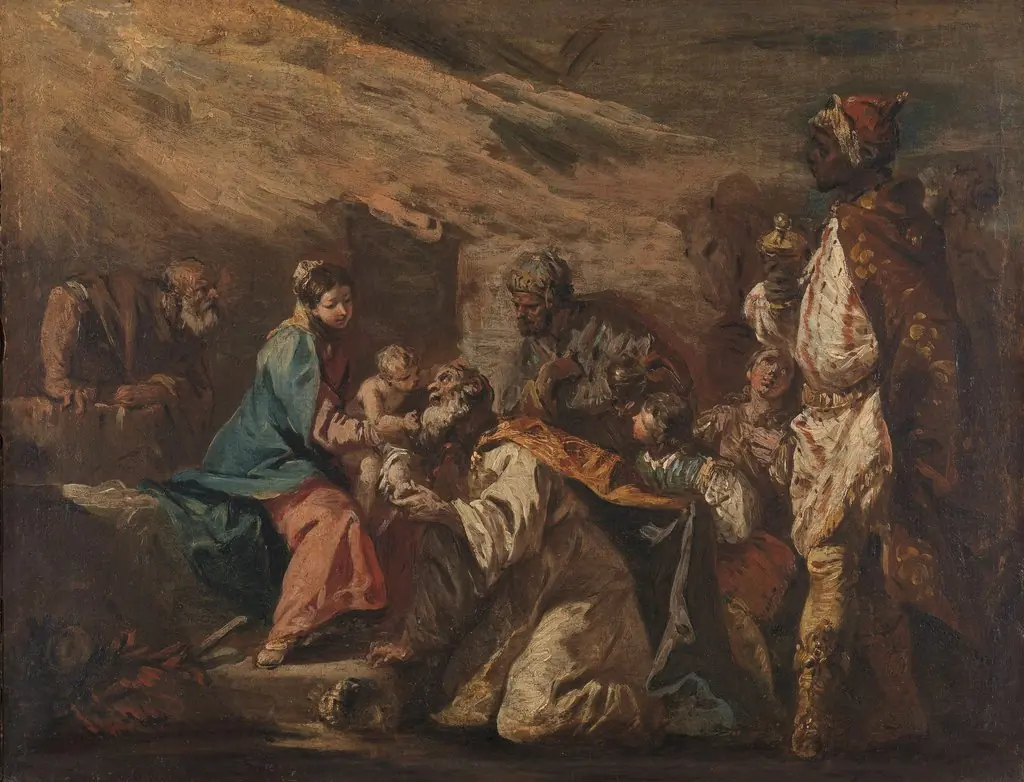 Adoration of the Magi
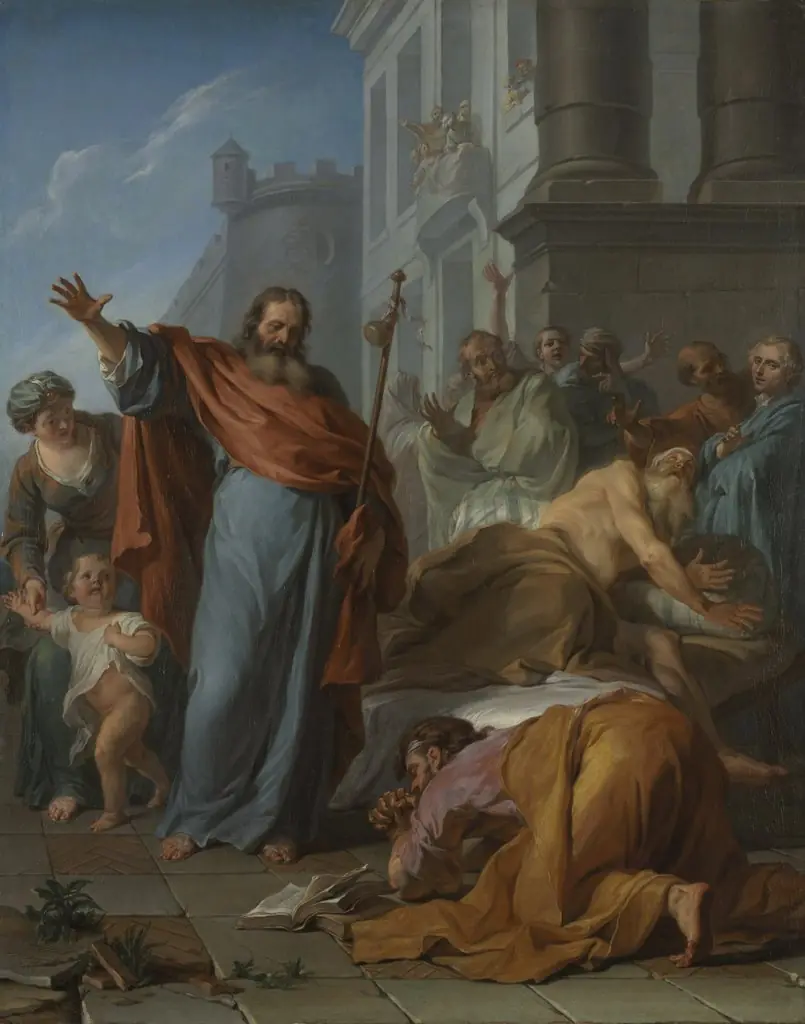 The Miracles of Saint James the Greater
 Die Auferweckung des Jünglings von Naim
 Milagro de San Francisco de Paula