Artwork
Memorial Portrait of the Actor Ichikawa Ōmezō I
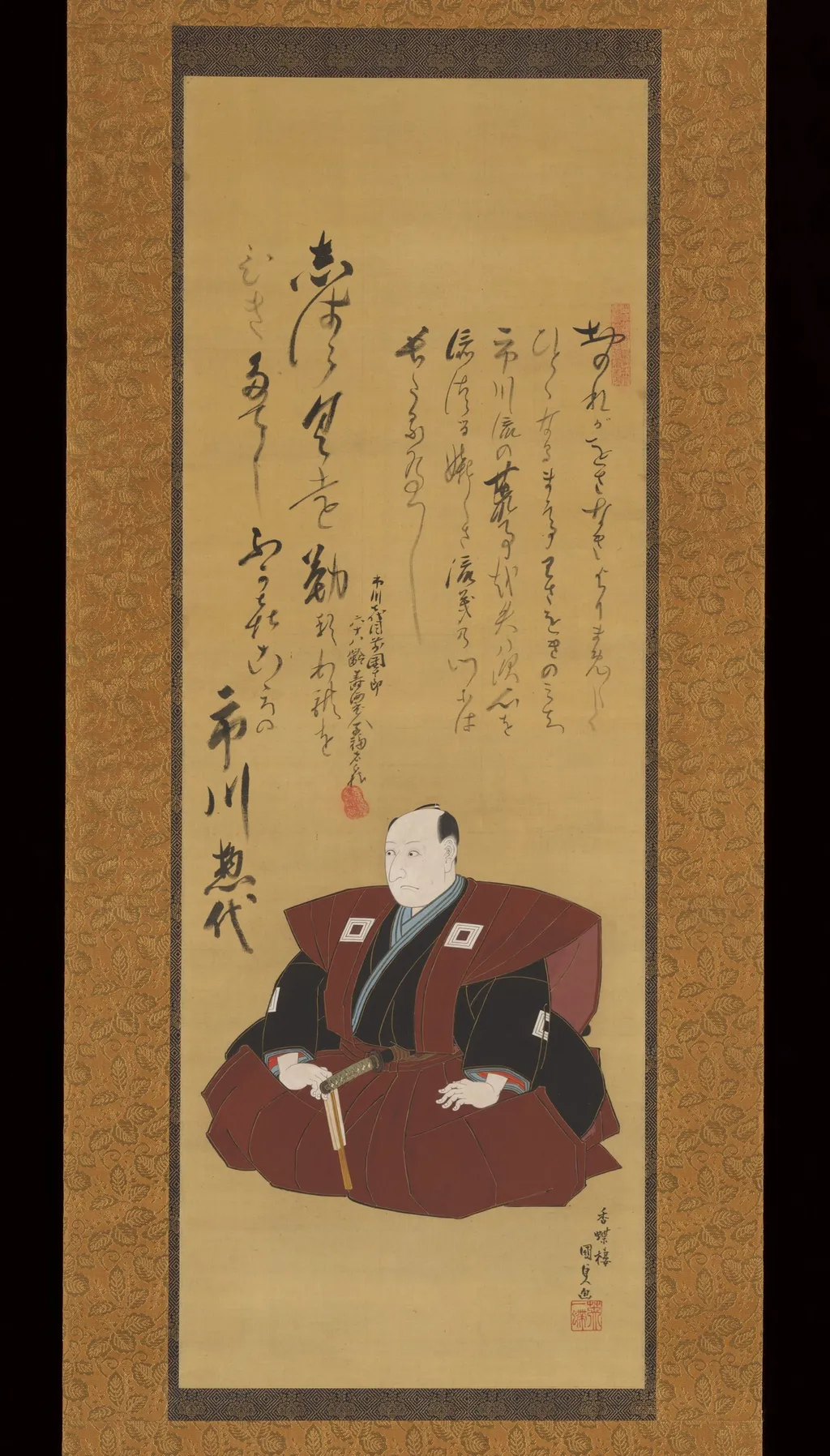
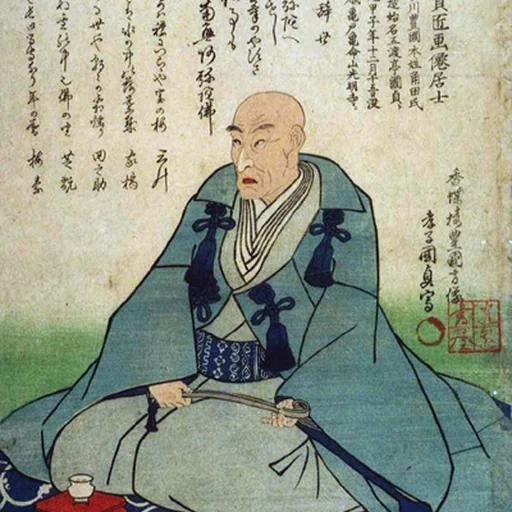
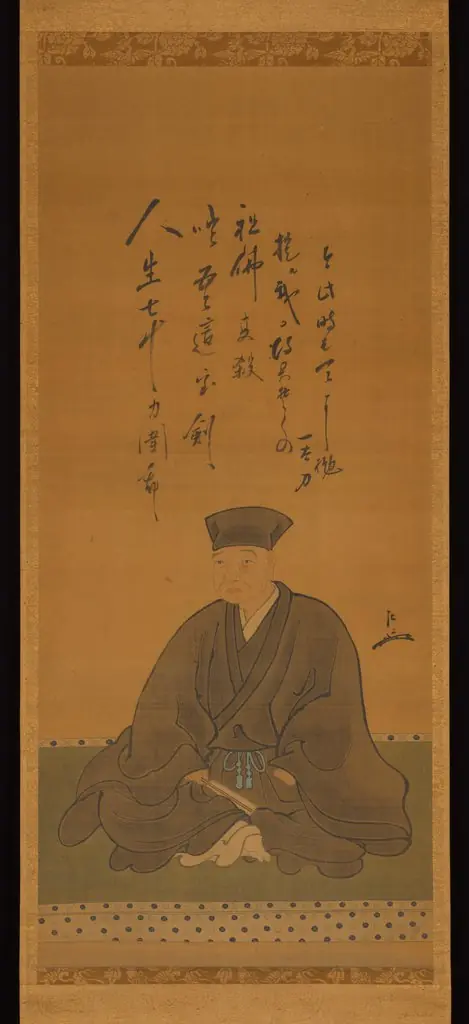
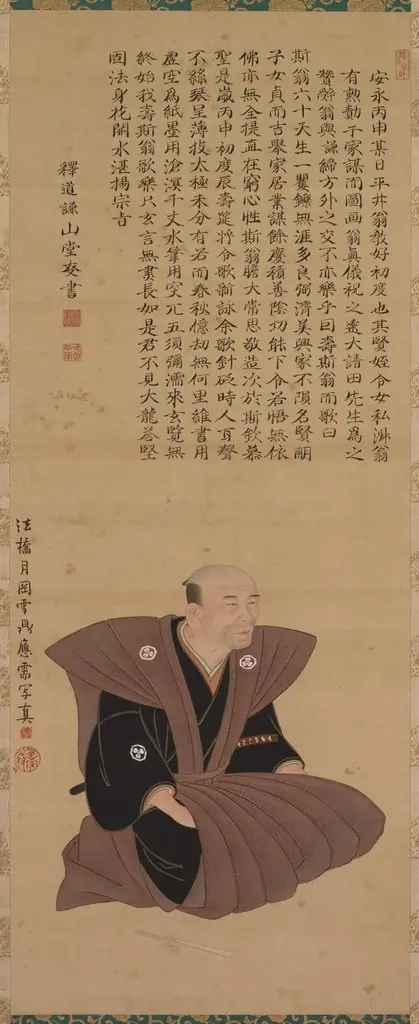
Memorial Portrait of the Actor Ichikawa Ōmezō I is an unspecified painting by the Ukiyo-e artist Utagawa Kunisada. It dates from 1845 and is held in the collection of the Metropolitan Museum of Art.
About this work
Overview
Utagawa Kunisada’s 1845 work, Memorial Portrait of the Actor Ichikawa Ōmezō I, is a wooden-panel painting in the collection of The Metropolitan Museum of Art. The composition presents a seated figure in formal attire, framed by a gold‑patterned border and a sparse background of ink calligraphy.
Subject & Meaning
The portrait depicts the celebrated kabuki performer Ichikawa Ōmezō I, rendered with a solemn expression and a sword held in one hand, indicating his status as a warrior‑type role. A small red seal on his chest marks the work as a commemorative image, likely intended to honor the actor’s achievements.
Technique & Style
Kunisada employs the ukiyo‑e woodblock aesthetic within a painted medium, using bold color fields—dark red kimono, white gloves—and precise line work for the facial features. The gold‑patterned border and the minimal ink inscription create a contrast of surface texture and negative space, emphasizing the figure’s presence.
History & Provenance
Created in the mid‑Edo period, the portrait entered the Western museum circuit in the early twentieth century and now resides at The Metropolitan Museum of Art. Its acquisition reflects the growing interest of Western collectors in Japanese print culture and actor portraiture during that era.
Context
Ichikawa Ōmezō I was a leading actor of the Tokugawa theater, known for his portrayals of heroic and samurai characters. Portraits such as this served both as public memorials and as promotional material, linking the actor’s personal identity with the dramatic roles he embodied.
Artist & collection