Artwork
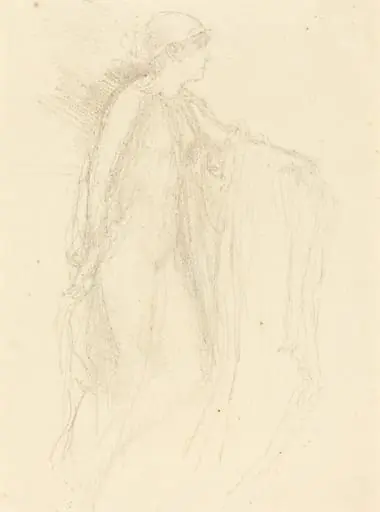
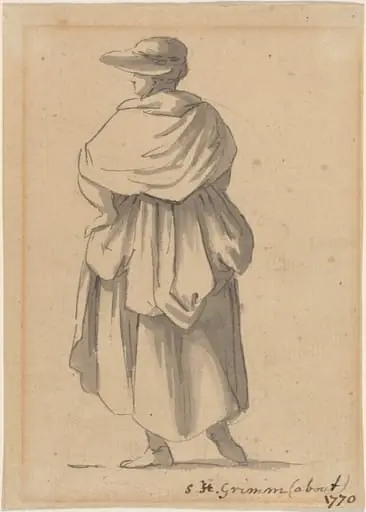
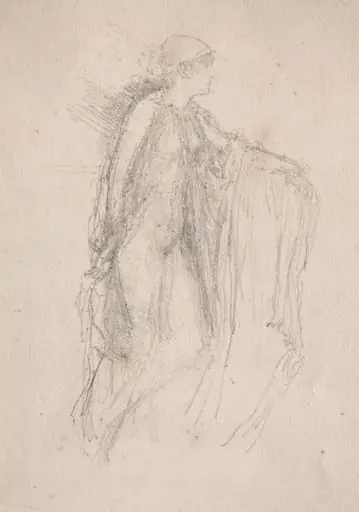
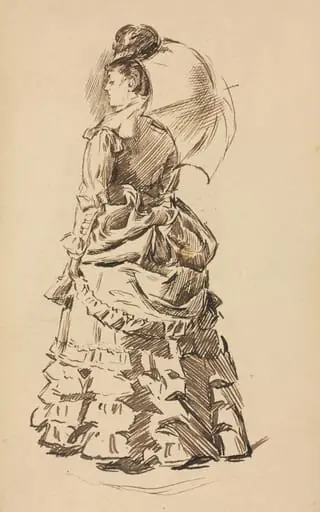
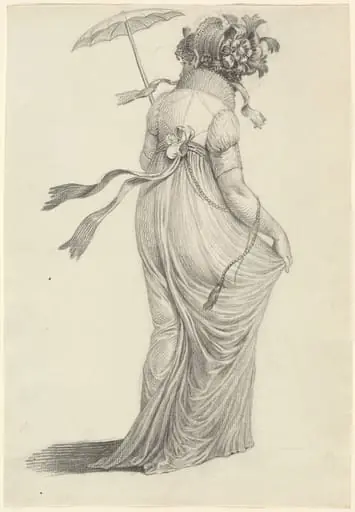
Lady Seen from Behind
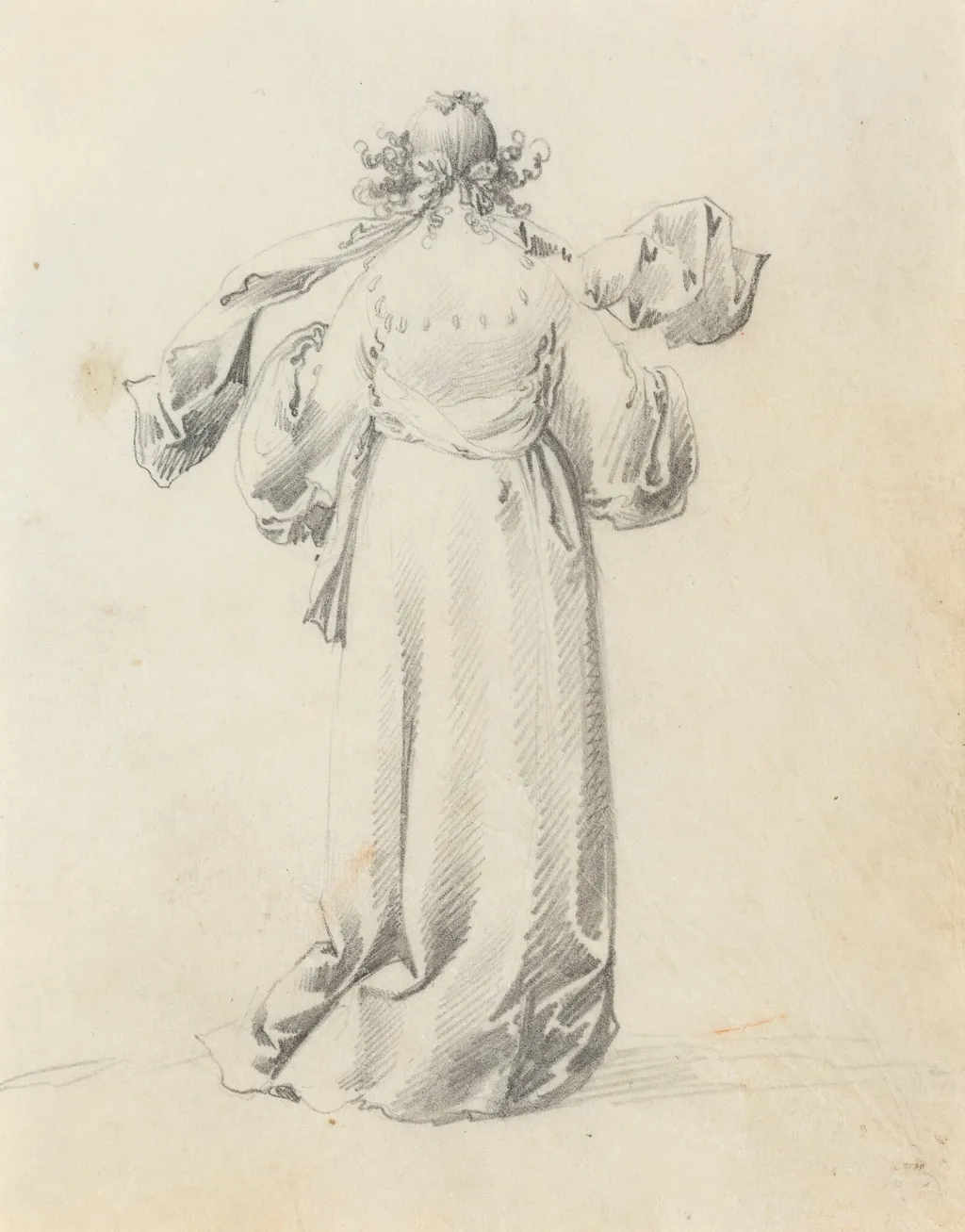
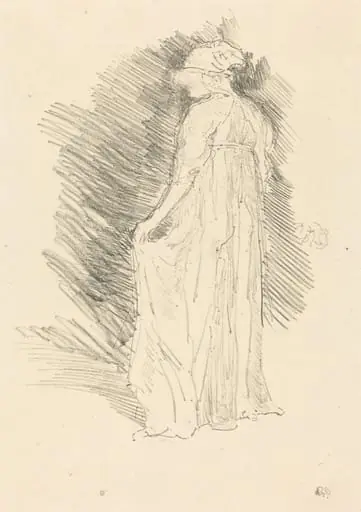
Lady Seen from Behind is a graphite drawing by the Baroque artist Pieter Jansz Quast. It dates from 1626 and is held in the collection of the National Gallery of Art.
About this work
Overview
Pieter Jansz Quast’s drawing titled *Lady Seen from Behind* dates to 1626. Executed in graphite on vellum, the work measures a modest size typical of preparatory sketches and presents a solitary female figure observed from the rear.
Subject & Meaning
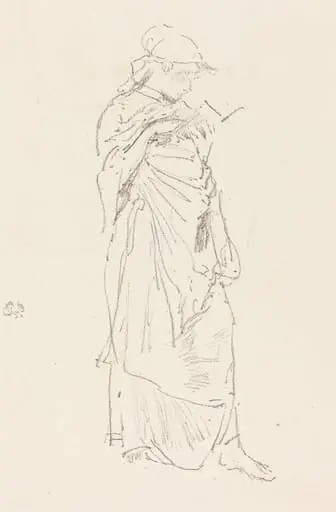
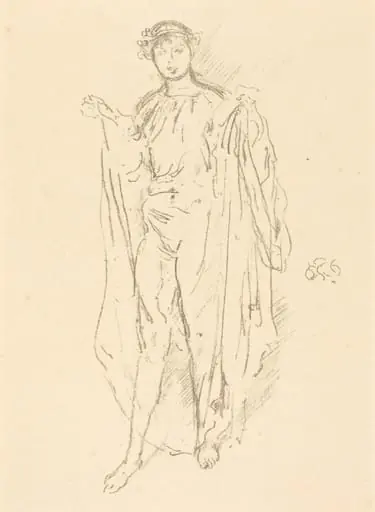
The figure is shown from behind, wearing a long, flowing dress with pronounced, puffy sleeves. Her hair is gathered upward, leaving a few loose curls, and she holds a fan in one hand, suggesting a moment of private contemplation or a gesture of elegance.
Technique & Style
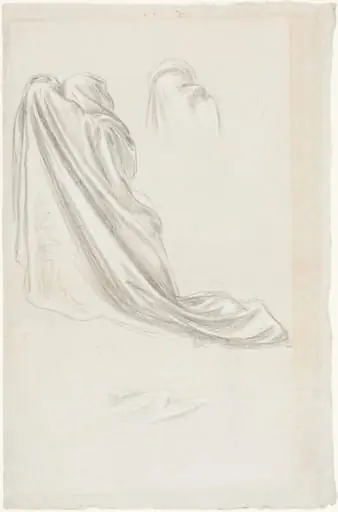
Quast employs swift, gestural lines that convey a sketchy immediacy. Soft graphite shading models the drapery’s folds and the contours of the body, a method common in early‑17th‑century drawings to suggest volume without fully rendering detail.
History & Provenance
Created in the Dutch Baroque period, the drawing reflects the era’s interest in studies of the human figure and costume. Its provenance traces back to private collections before entering a museum inventory in the late 20th century, where it remains catalogued as a representative example of Quast’s draftsmanship.
Artist & collection