Artwork
La potcovar
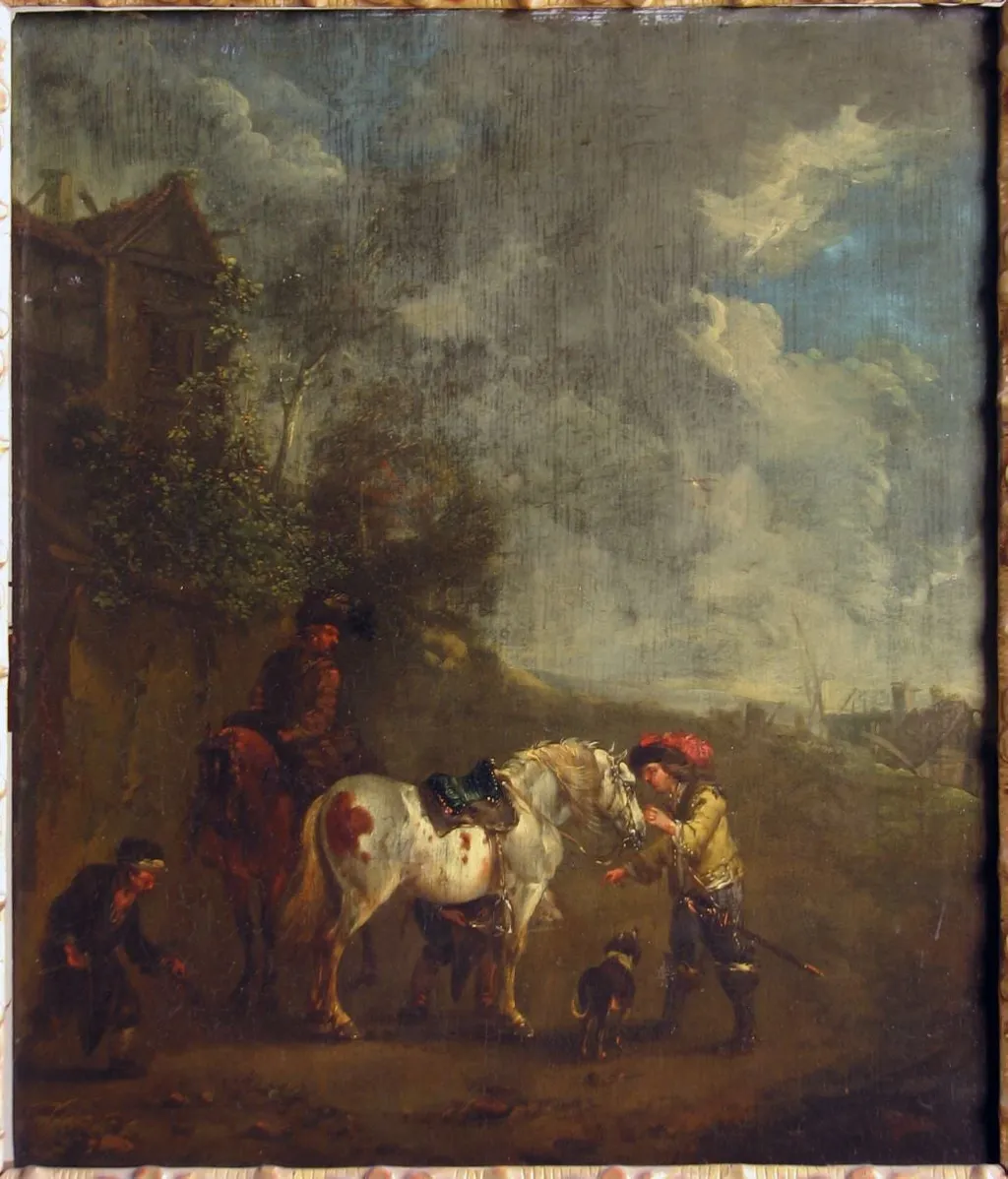
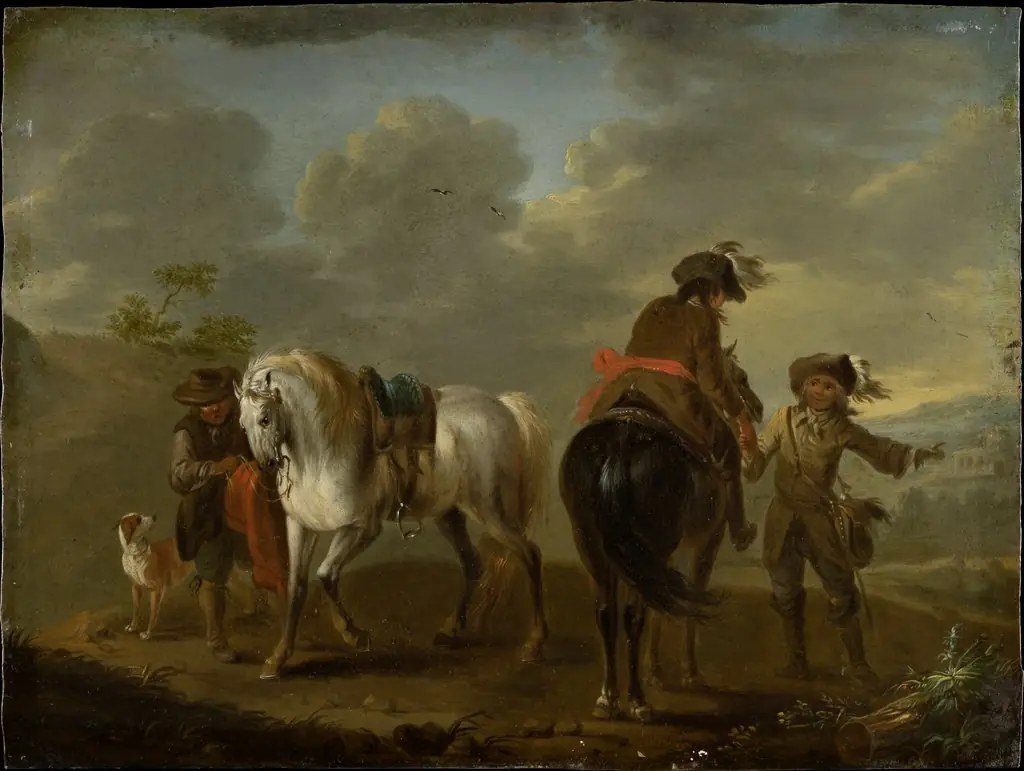
La potcovar is an unspecified painting by the Baroque artist August Querfurt. It dates from 1738 and is held in the collection of the Brukenthal National Museum.
About this work
Overview
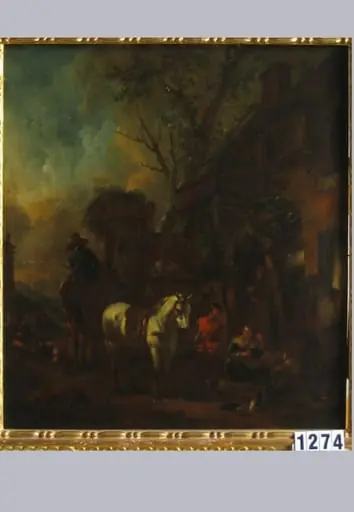
Figures nearby—a standing man in a red hat and a kneeling figure—engage in unremarkable tasks, their actions neither dramatic nor ceremonial.
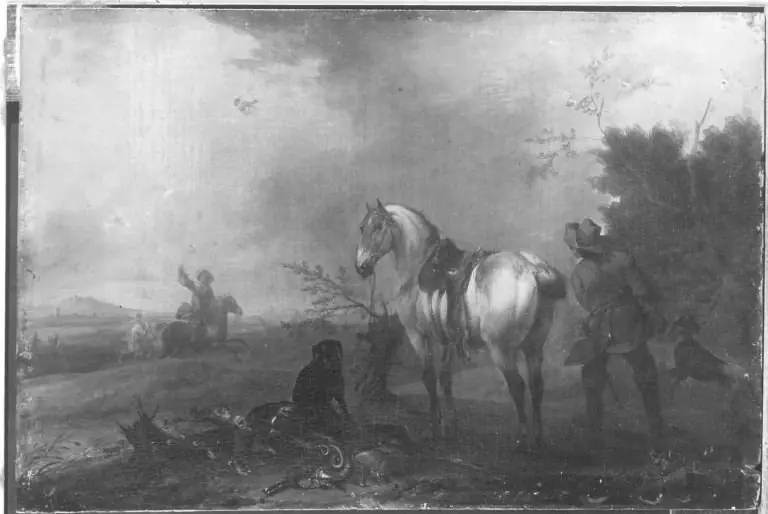
La potcovar, dated around 1738, is a painting by August Querfurt that captures a rural moment with quiet realism. The scene centers on a dappled white horse, its saddle suggesting use in daily labor. Figures nearby—a standing man in a red hat and a kneeling figure—engage in unremarkable tasks, their actions neither dramatic nor ceremonial. The background includes sparse architecture and trees under a muted sky, reinforcing the painting’s grounded, unembellished tone.
Subject & Meaning
The painting presents an unidealized glimpse of rural life, avoiding narrative grandeur. The horse, dog, and individuals appear engaged in routine activities—perhaps tending to equipment or preparing for travel. No clear story is told, but the composition implies a moment of pause within daily work. The absence of overt symbolism suggests the artist valued observation over allegory, documenting ordinary existence with quiet dignity.
Technique & Style
Querfurt employs visible, deliberate brushwork that lends texture to fabric, fur, and foliage. The palette favors warm earth tones—ochres, browns, and muted greens—creating cohesion across the landscape and figures. Light filters diffusely through overcast skies, softening contrasts and enhancing the scene’s stillness. The handling of form is neither polished nor impressionistic, but direct, aligning with regional traditions of observational painting in early 18th-century Central Europe.
History & Provenance
Little is documented about the painting’s early ownership or exhibition history. It remains associated primarily with Querfurt’s known body of work, which includes genre scenes of rural and domestic life. Its survival suggests it was preserved within private collections, likely in regions connected to the artist’s activity. No major institutional records trace its path before the 20th century, leaving its provenance partially obscured.
Context
Querfurt worked during a period when Central European art increasingly turned toward secular, everyday subjects. While academic painting favored mythological or religious themes, regional artists like him documented local customs and labor. La potcovar reflects this shift, aligning with a broader trend of genre painting that valued authenticity over idealization, particularly in areas outside major artistic centers.
Legacy
Though not widely known outside specialized circles, La potcovar contributes to understanding the breadth of 18th-century Central European painting beyond courtly or religious commissions. It stands as an example of how local artists captured the rhythms of ordinary life with sensitivity and restraint. Its preservation offers insight into visual culture beyond dominant artistic narratives of the era.
Artist & collection
Artist
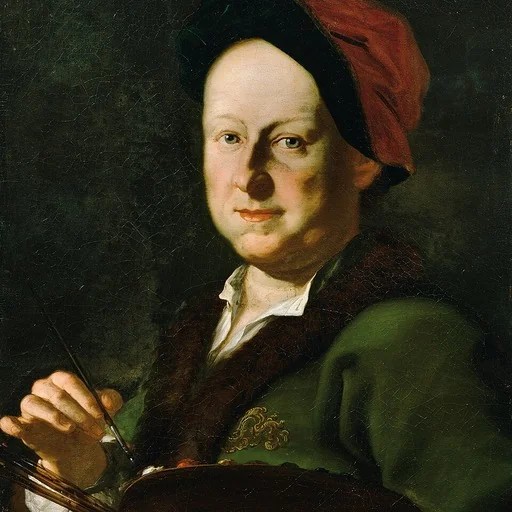
August Querfurt (1696, Wolfenbüttel – 1761, Vienna) was an Austrian painter. He painted primarily soldiers and battle scenes. He was first instructed by his father, Tobias Querfurt, a landscape and animal painter, and…

 Popas lângă cârciumă (în registrul inventar: Lângă cârciumă)
 Popas la fântână (în registrul inventar: La fântână)
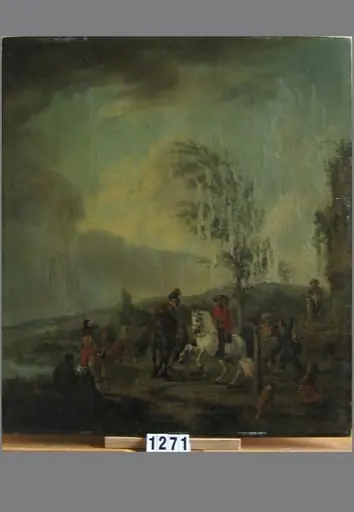 Manej în aer liber
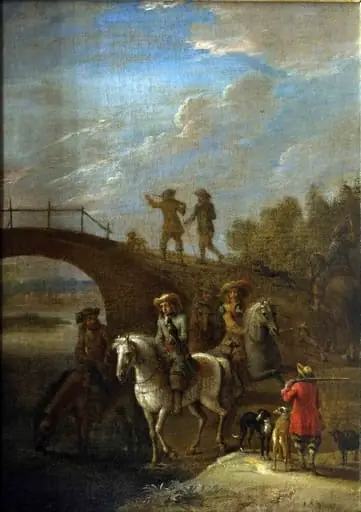 Plecarea la vânătoare
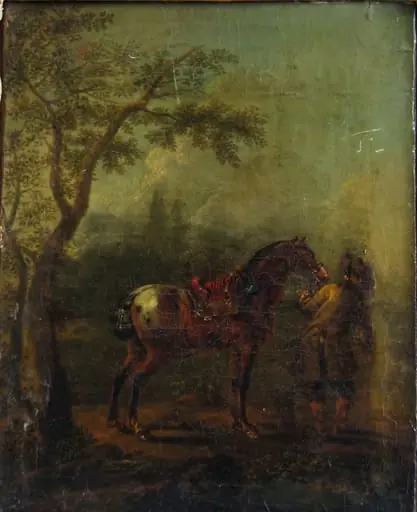 Cal murg deschis și un grăjdar; pandant: Cal murg închis și un grăjdar
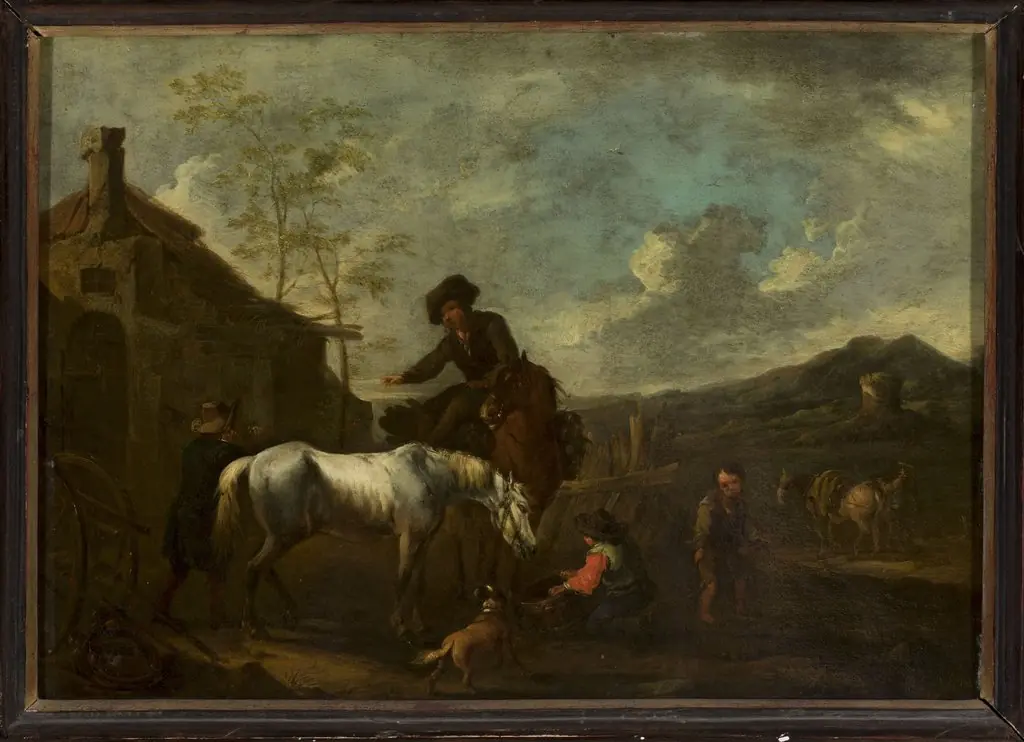 Watering the horses
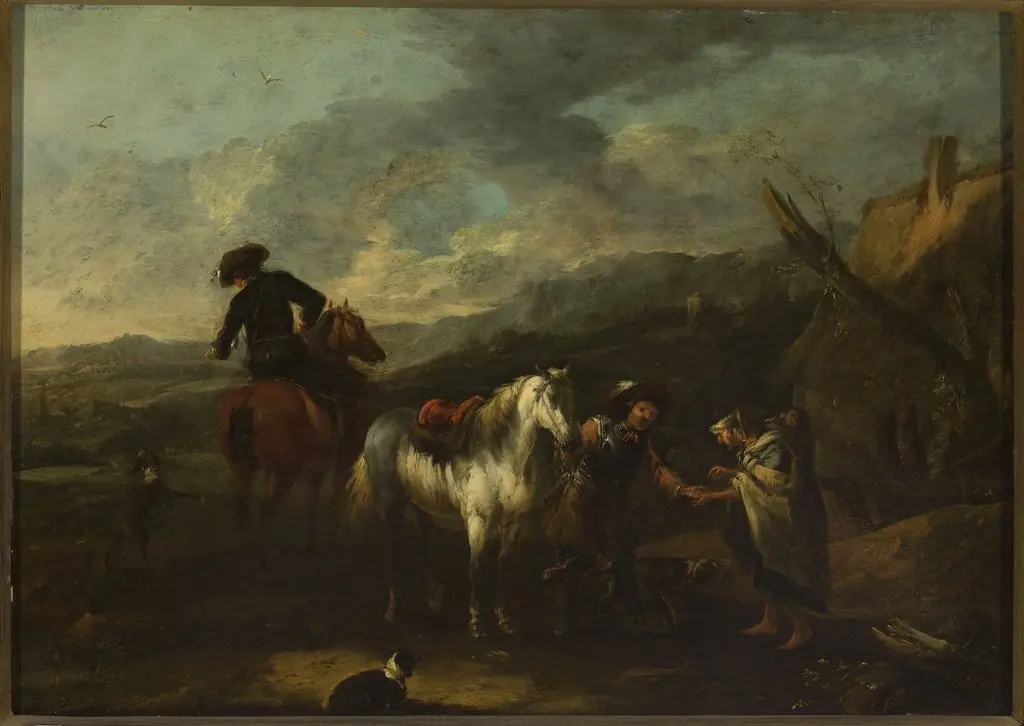 Horsemen and a beggar woman against landscape
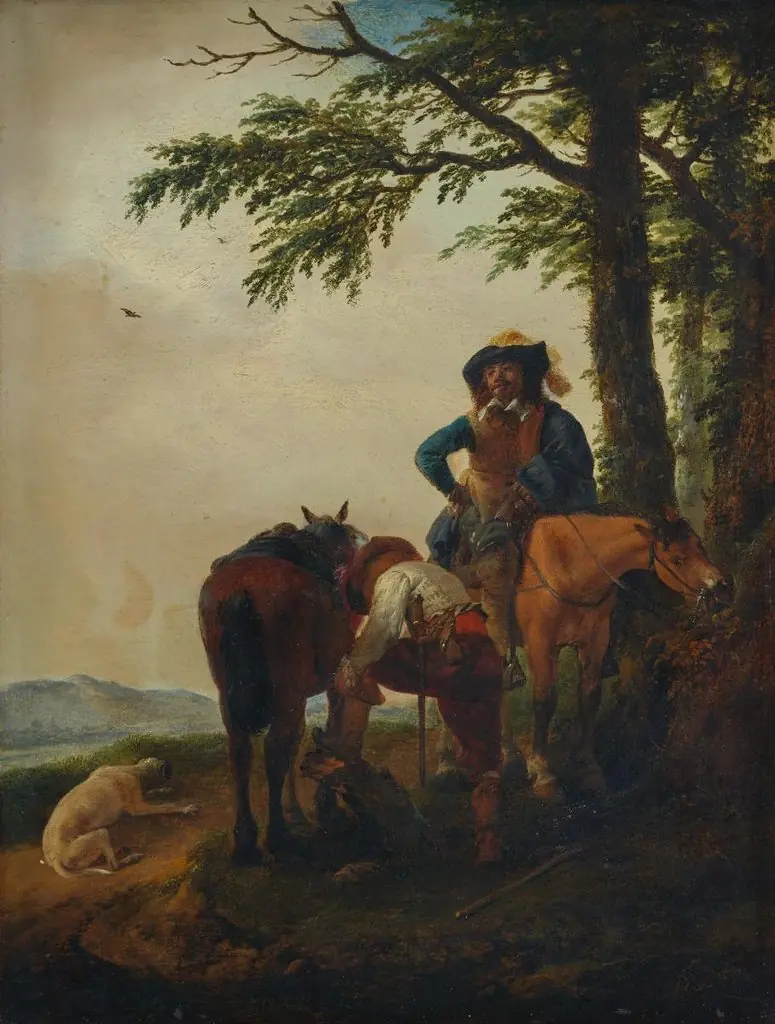 Halt zweier Reiter
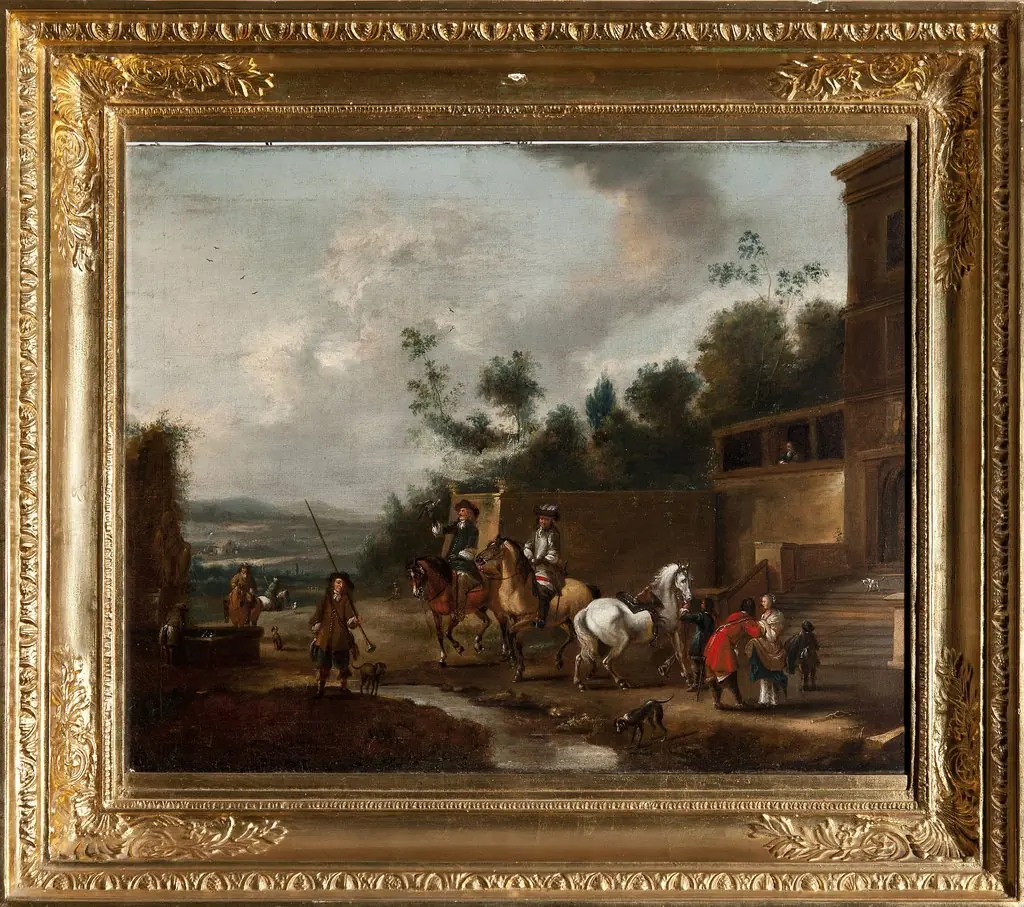 Departure for hunting
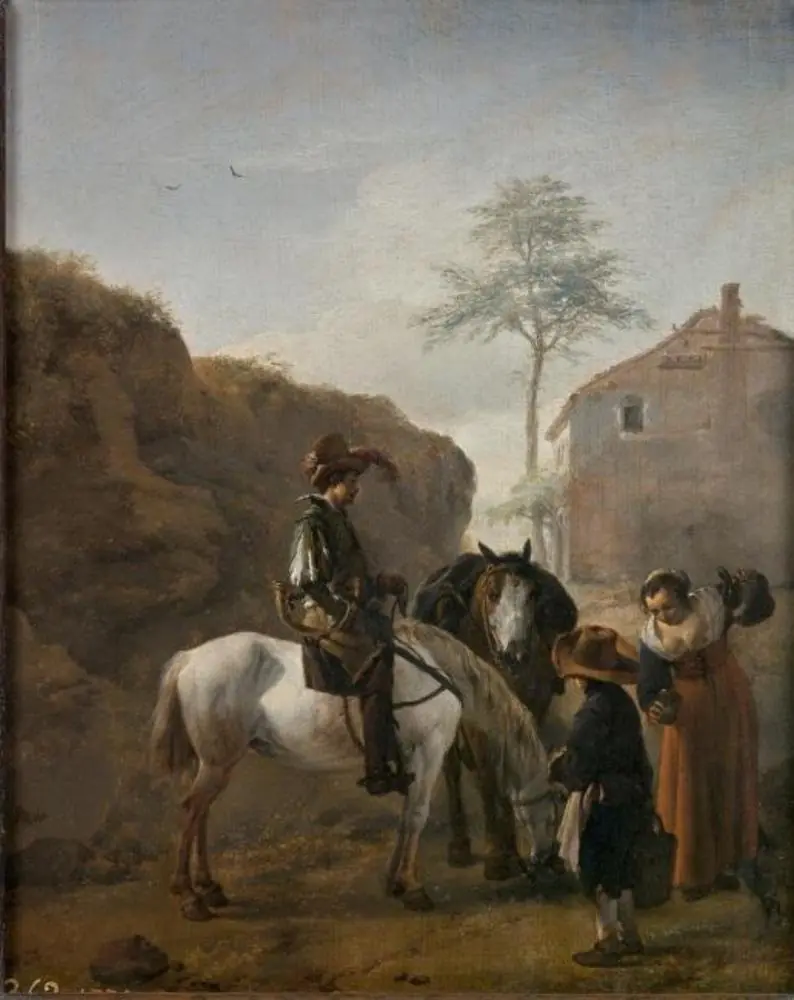 A Huntsman
 Landscape with Riders
 Hunters at Rest