Artwork
Mater Dolorosa
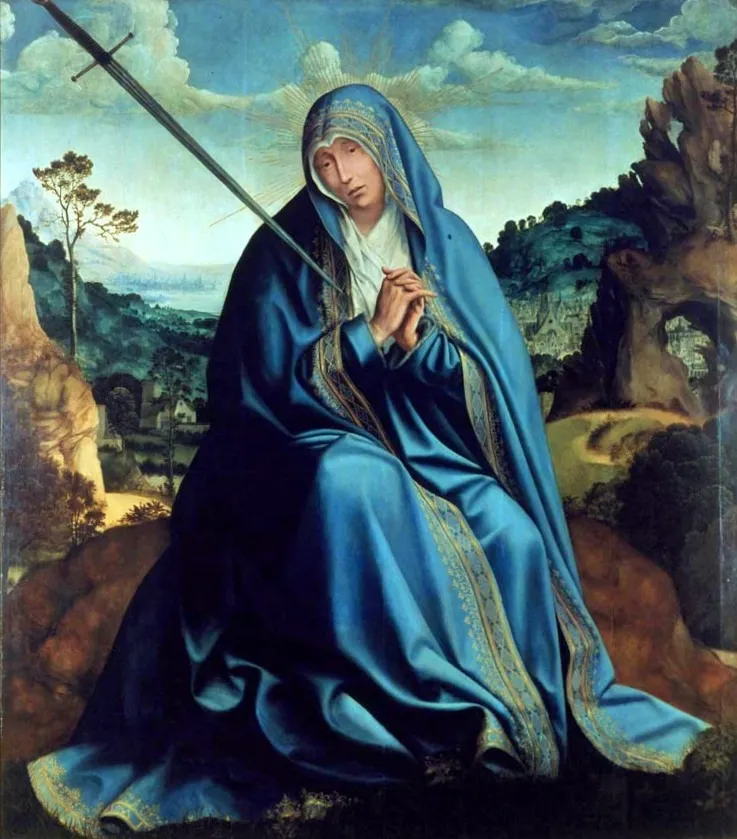
Mater Dolorosa is an oil painting by the Northern Renaissance artist Quinten Metsys. It dates from 1509 and is held in the collection of the National Museum of Ancient Art.
About this work
Overview
Created in 1509, *Mater Dolorosa* is an oil painting by the Flemish artist Quinten Metsys. Executed during his Antwerp period, the work portrays a solemn female figure seated on a craggy ledge against a distant landscape of trees, hills and water. The painting is part of the collection of the National Museum of Ancient Art.
Subject & Meaning
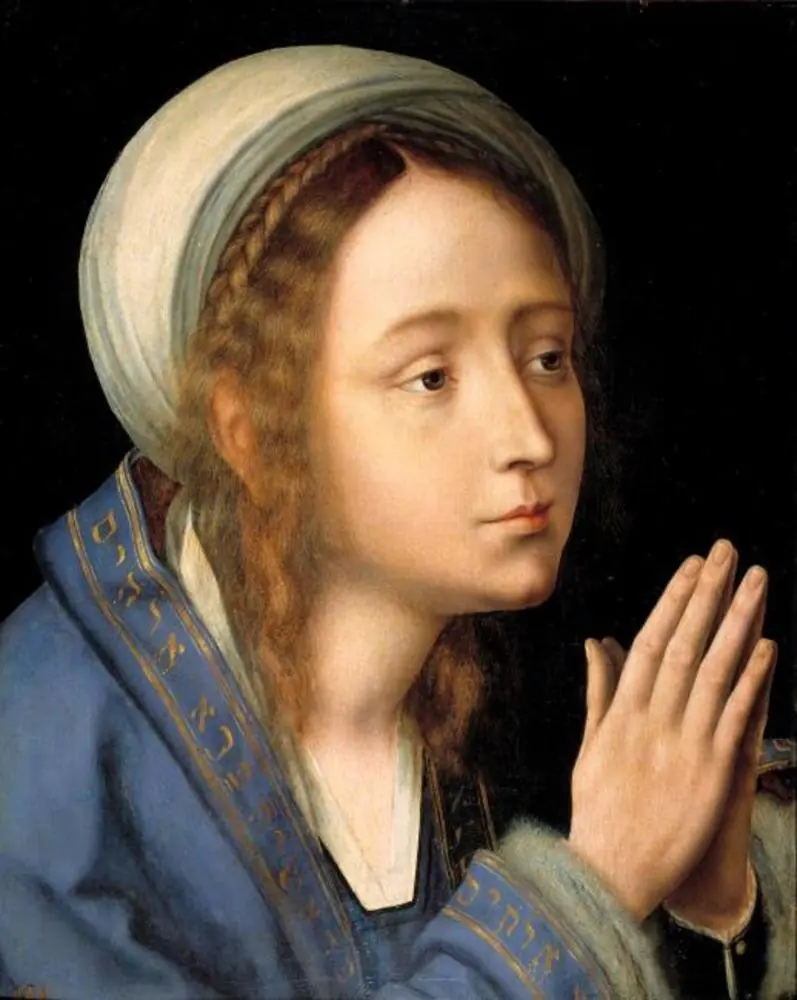
The central figure is identified as the Virgin Mary, rendered in a deep blue robe edged with intricate gold embroidery. She holds a slender, cross‑topped sword and gazes downward with a mournful expression, evoking the traditional theme of the Sorrowful Mother and the spiritual weight of Christ’s passion.
Technique & Style
Metsys employs the detailed realism characteristic of the Northern Renaissance, using layered oil glazes to achieve vivid coloration in the robe and landscape. The fine modeling of flesh, the precise rendering of the sword’s hilt, and the atmospheric depth of the background demonstrate his mastery of texture and light.
History & Provenance
Born in Leuven and initially trained as an ironsmith, Metsys later founded a prominent painting workshop in Antwerp. *Mater Dolorosa* entered the National Museum of Ancient Art’s holdings in the early twentieth century, where it has remained on public display, illustrating the artist’s religious output.
Context
The work reflects the early sixteenth‑century Flemish emphasis on devotional imagery that combined moral instruction with emotional engagement. By integrating a personal, contemplative pose with symbolic elements such as the sword, Metsys aligns the painting with contemporary theological reflections on Mary’s suffering.
Artist & collection
Artist
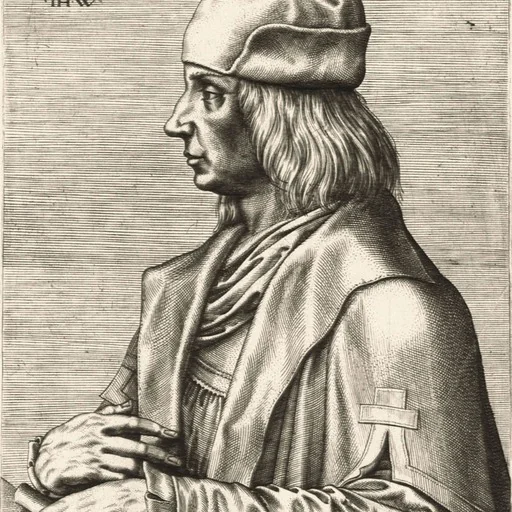
Quentin Matsys (UK: MAT-sysse, US: MAHT-sysse; also Massys or Metsys; Flemish: Quinten Matsijs ; 1466–1530) was a Flemish painter in the Early Netherlandish tradition.

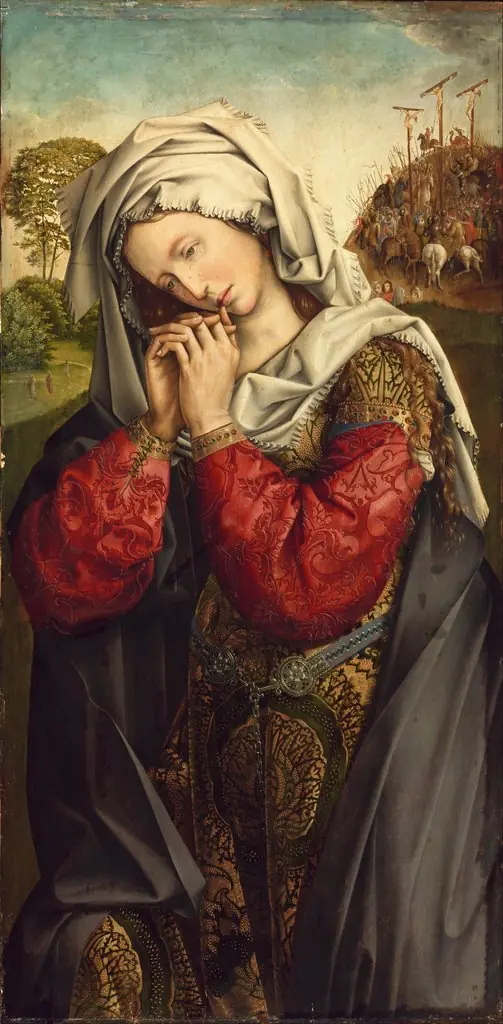 The Mourning Mary Magdalene
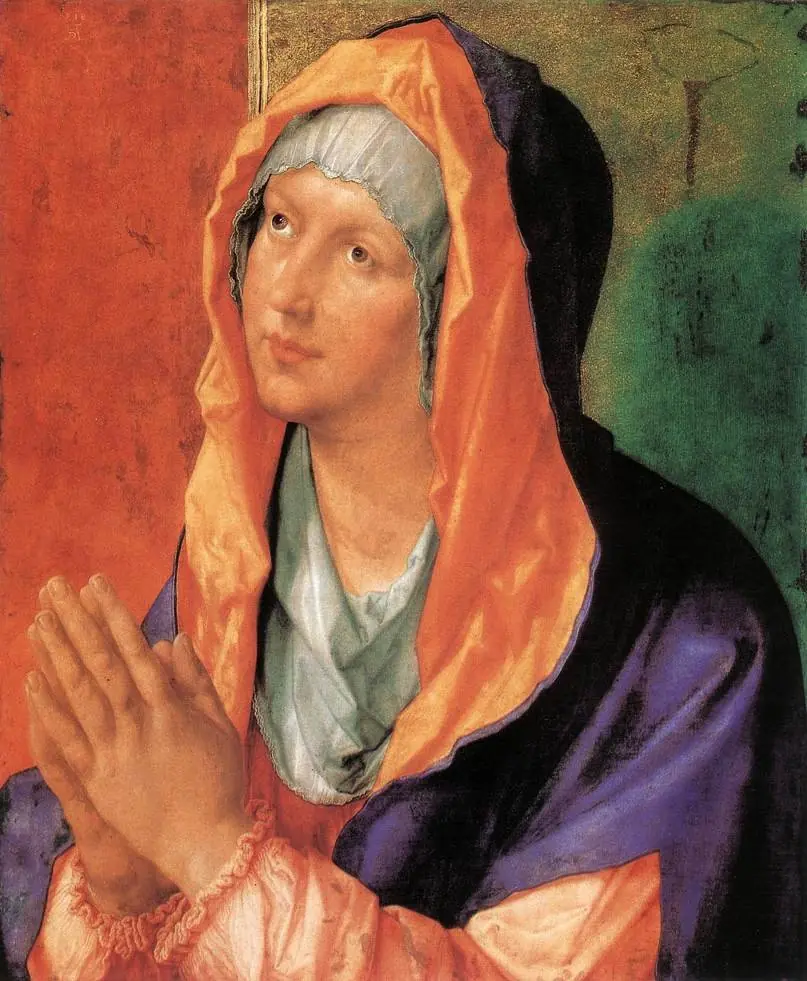 The Virgin Mary in Prayer
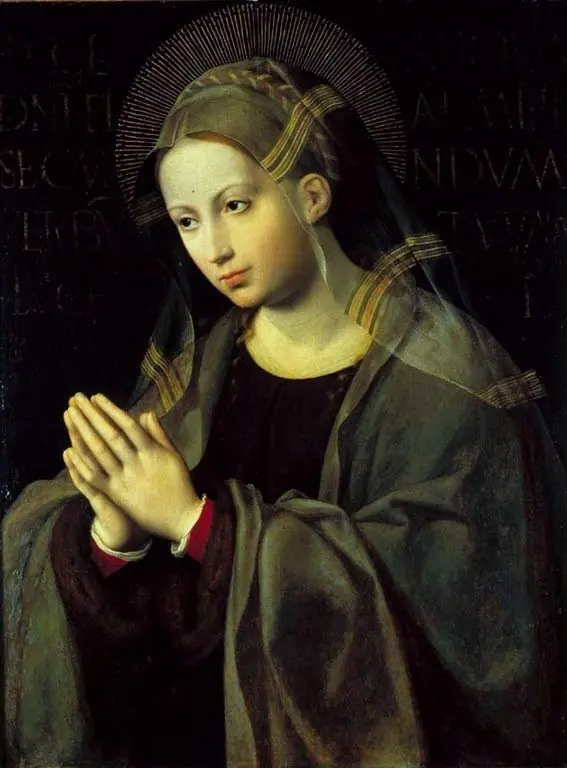 The Virgin Annunciate
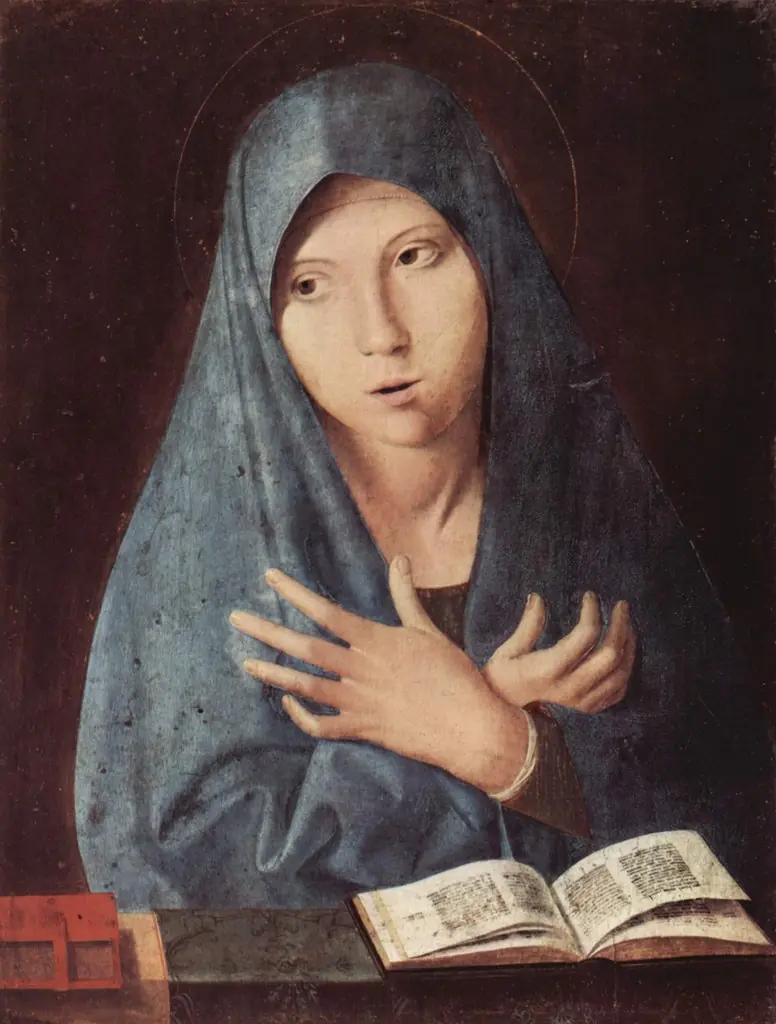 Virgin Annunciate
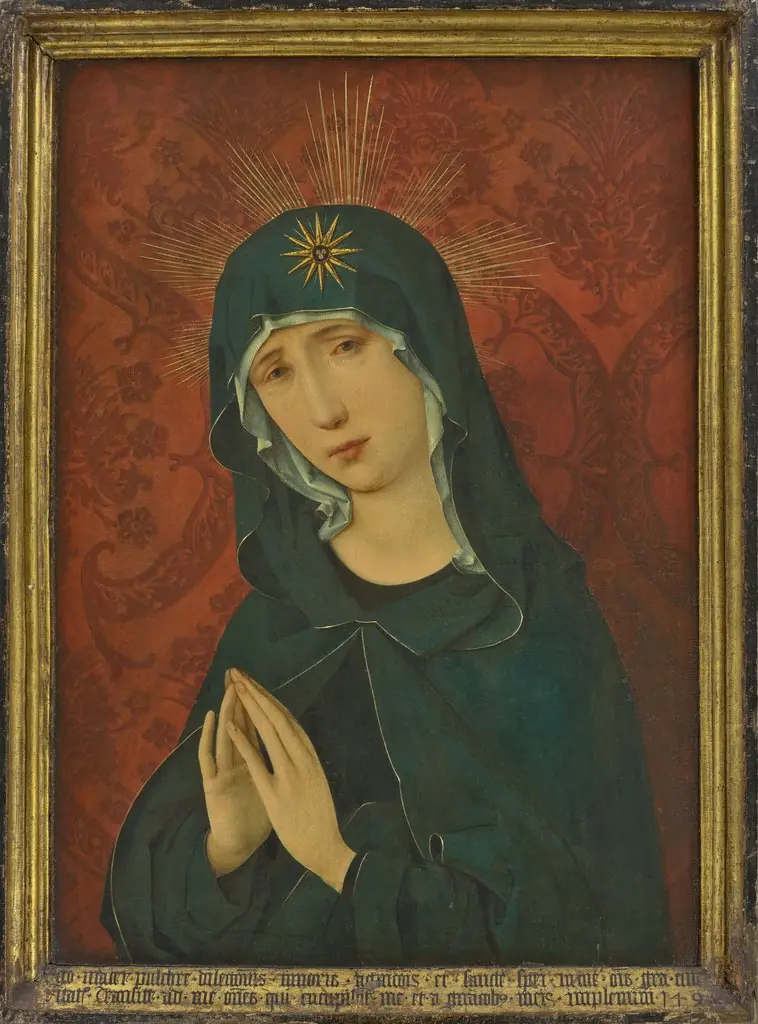 The Virgin Mary as the Mother of Sorrows
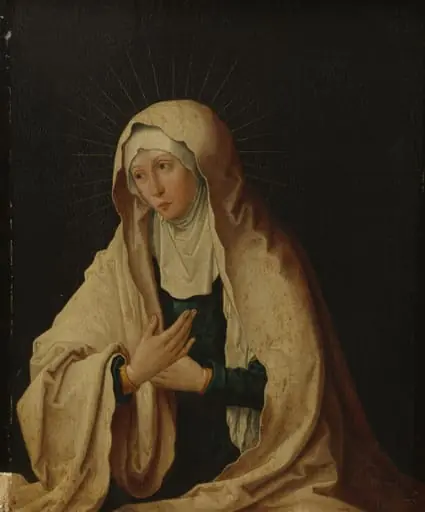 Virgin Mary
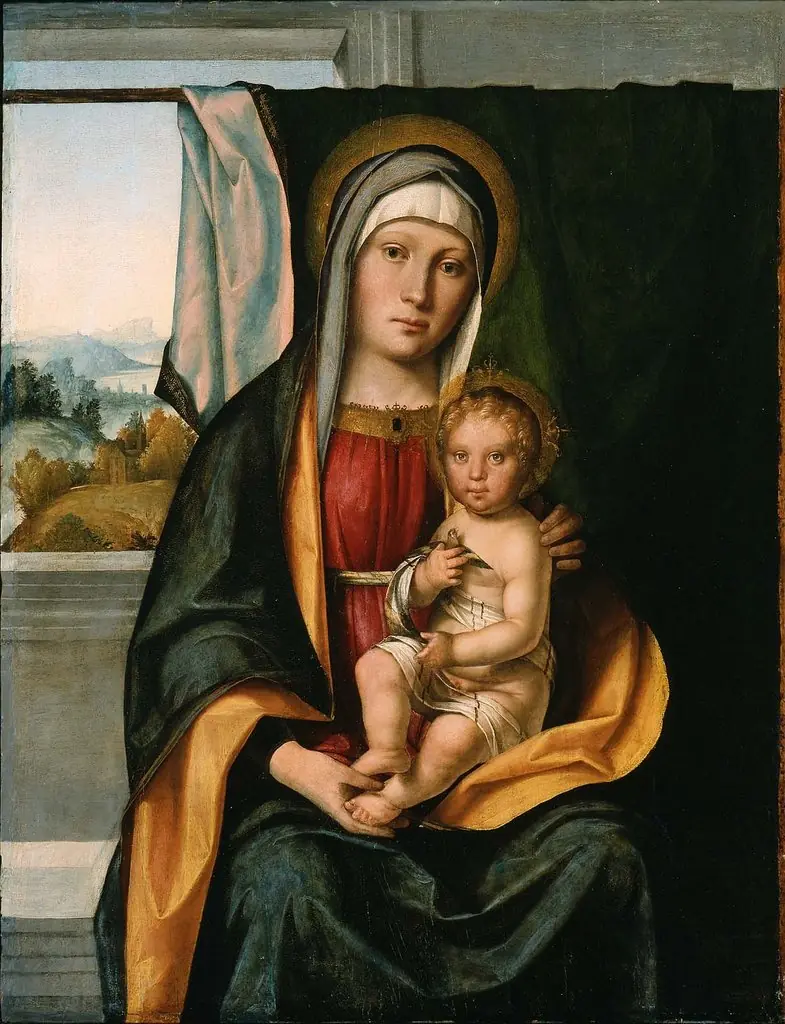 Virgin and Child
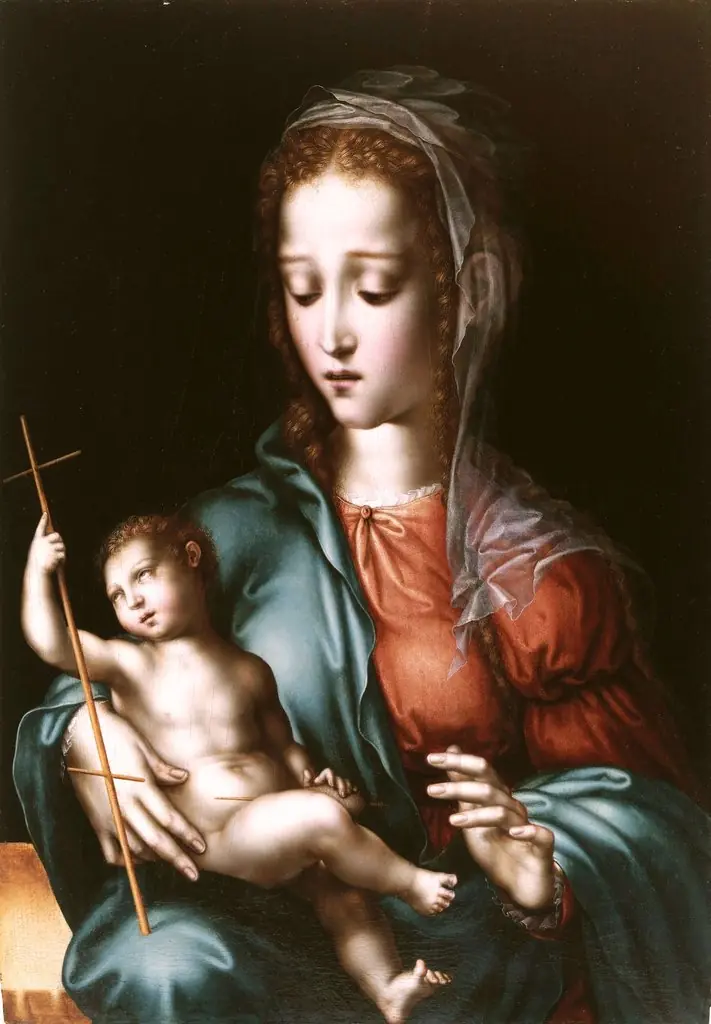 The Virgin and Child with a Spindle
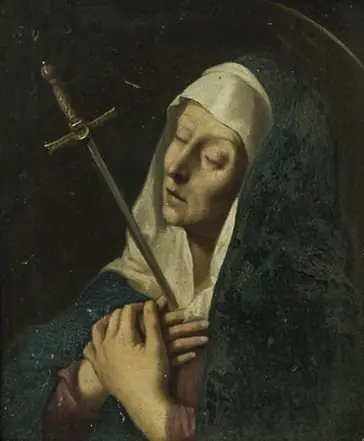 Mater Dolorosa
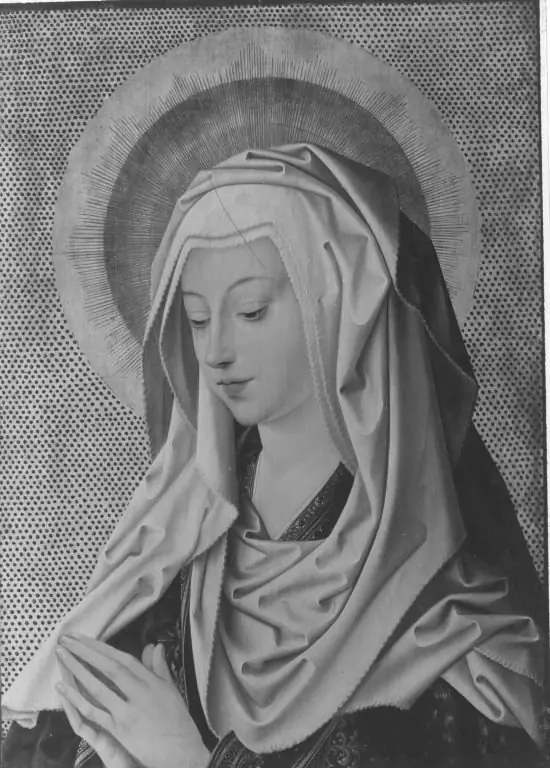 Virgin at prayer
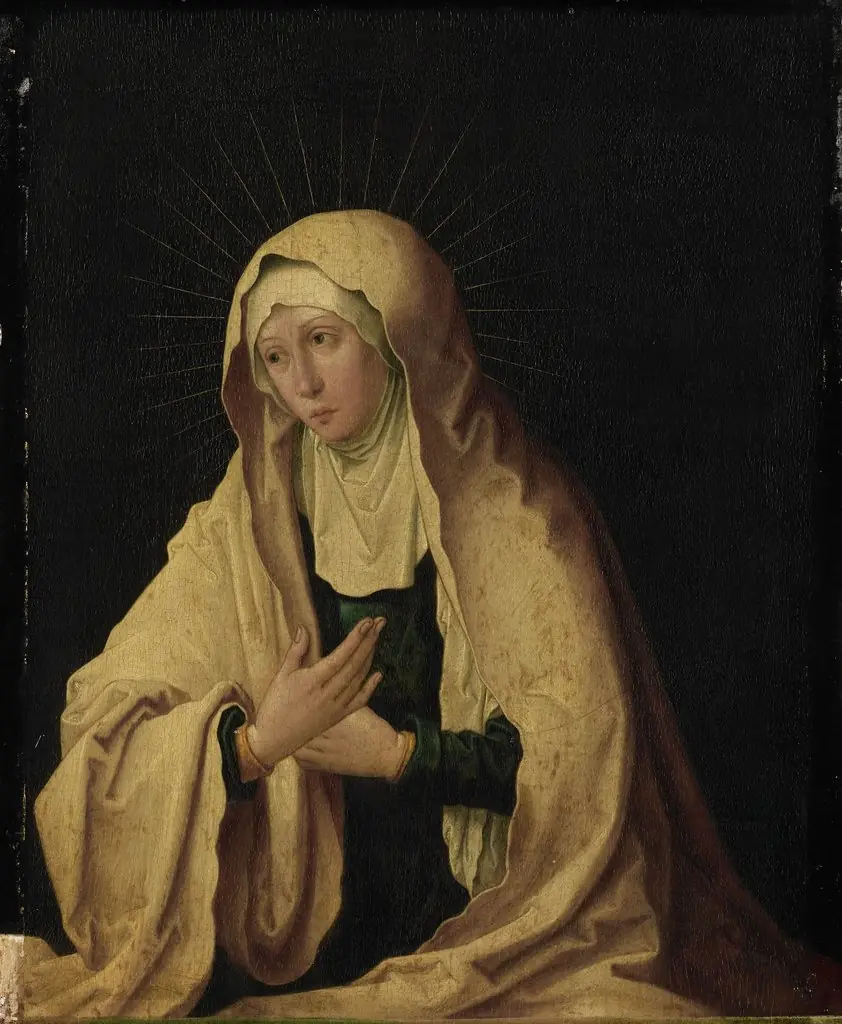 Inner right wing of a diptych with the Virgin as Mater Dolorosa
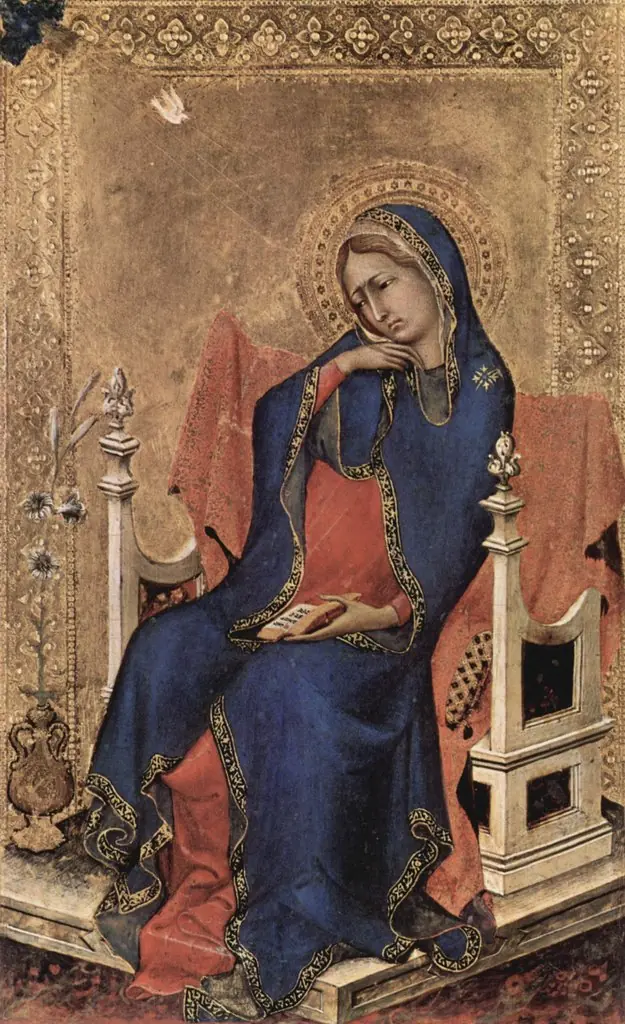 Virgin of the Annunciation