Artwork
The Virgin Annunciate
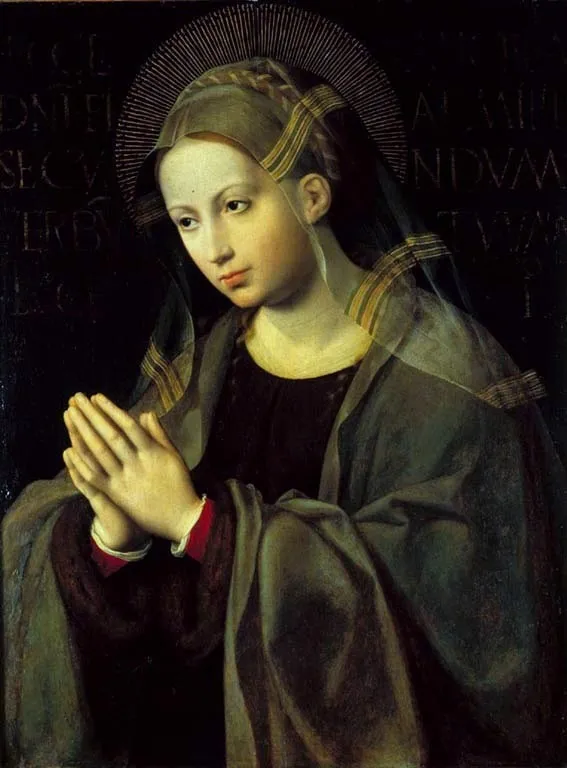
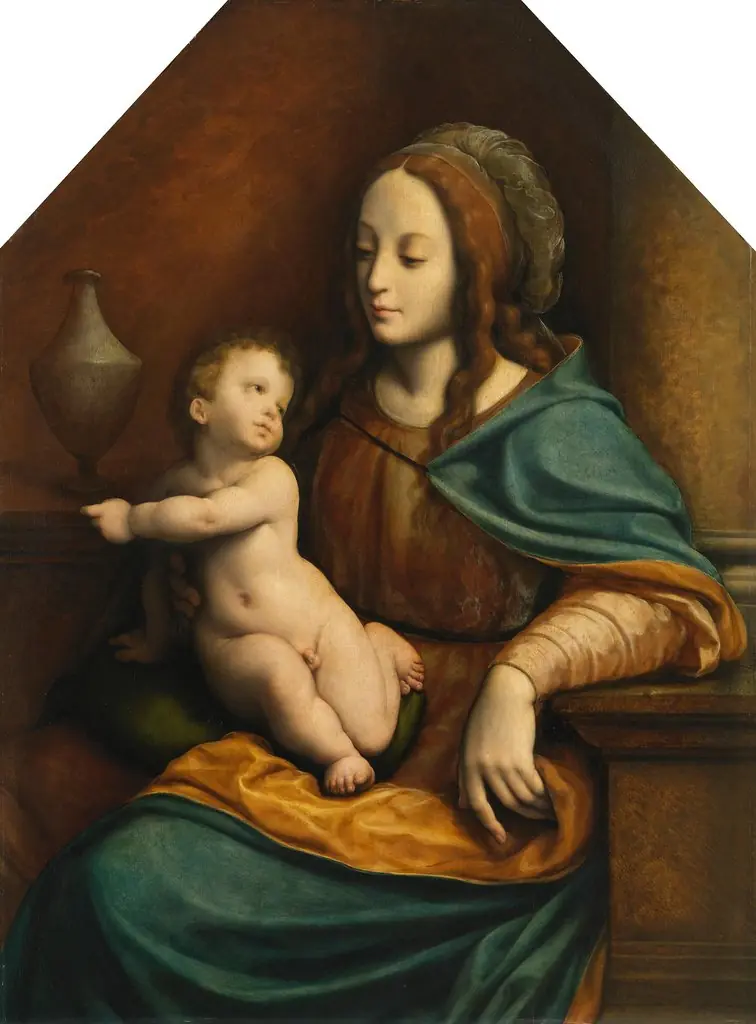
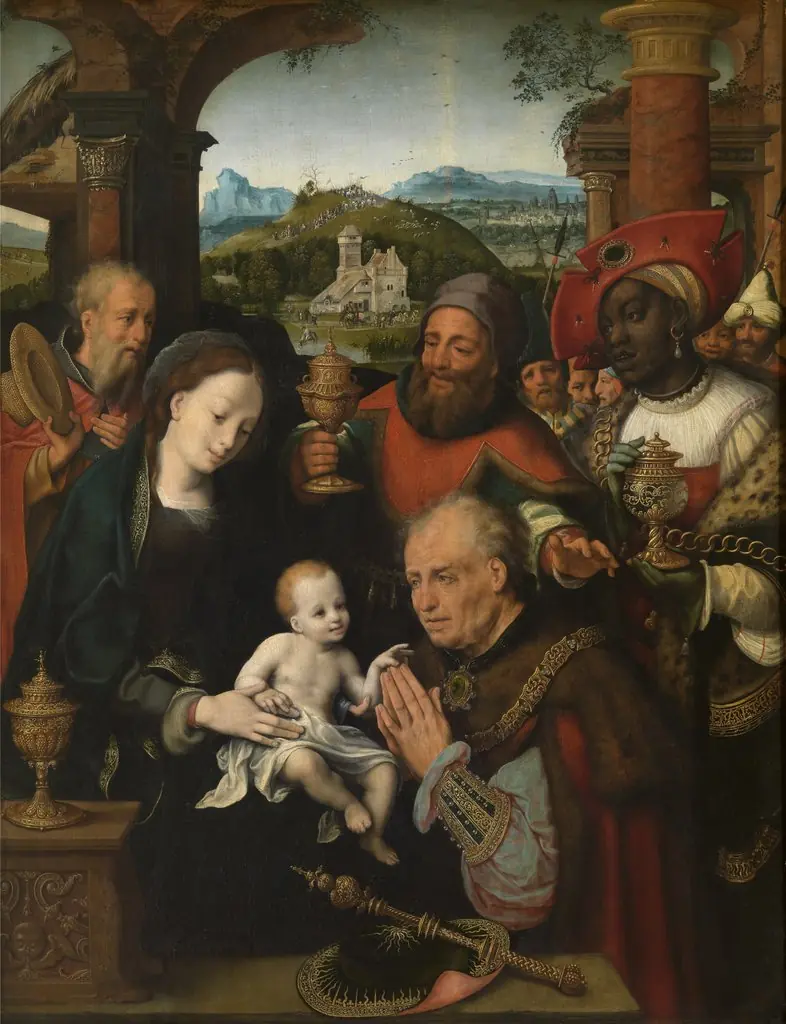
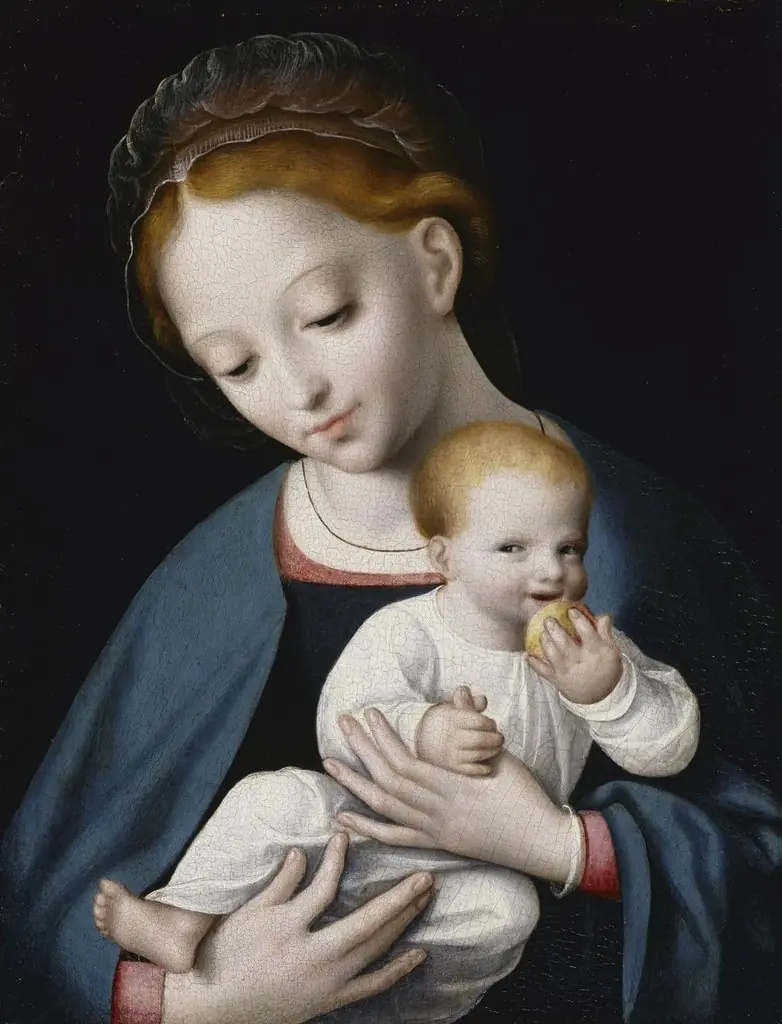
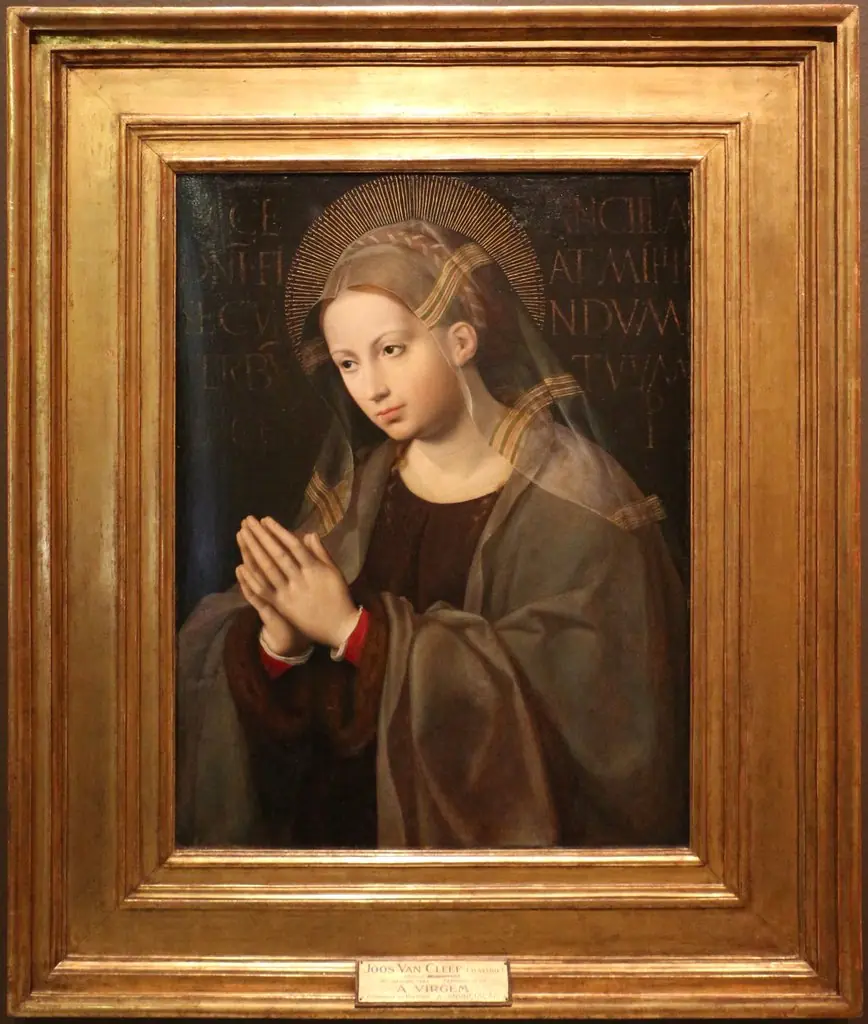
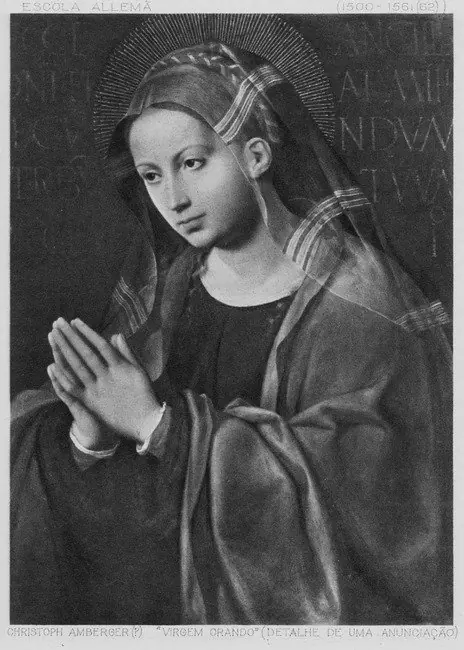
The Virgin Annunciate is an oil painting by the Mannerist artist Cornelis van Cleve. It dates from 1541 and is held in the collection of the National Museum of Ancient Art.
About this work
Overview
The painting is part of the collection at the National Museum of Ancient Art in Lisbon, reflecting its significance within Northern Renaissance devotional art.
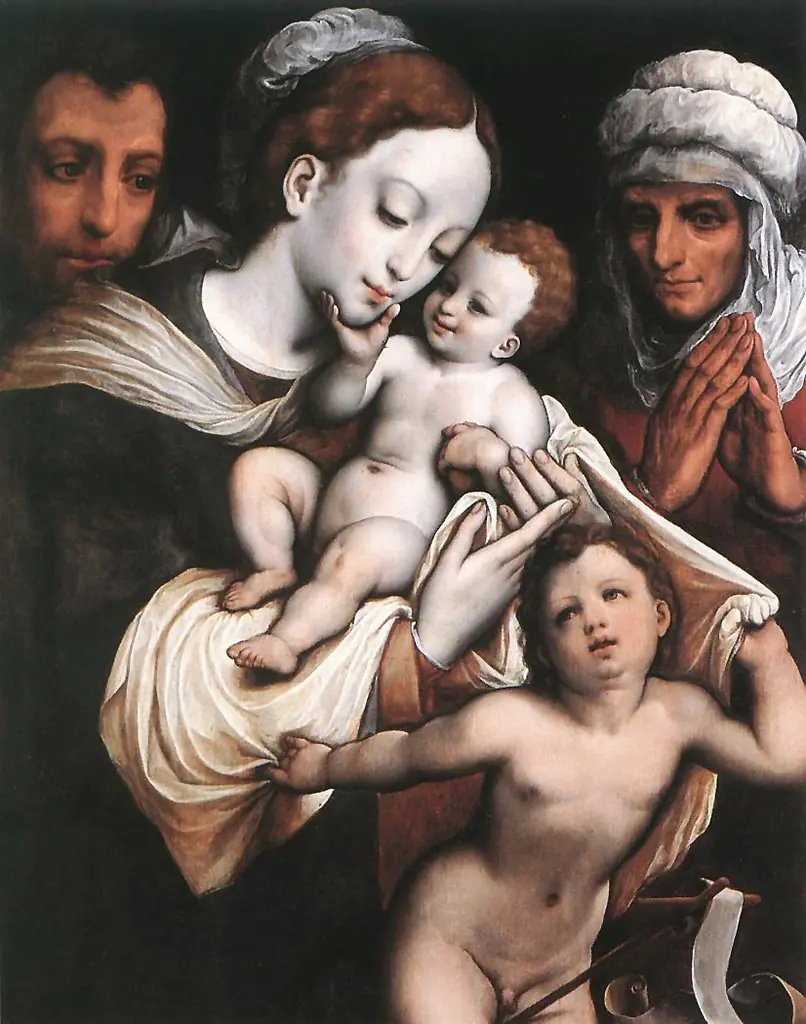
Painted in 1541 by Cornelis van Cleve, a Flemish artist active in Antwerp, this oil on panel work portrays the Virgin Mary at the moment of the Annunciation. Van Cleve, trained in his father’s workshop and briefly active in London, specialized in religious subjects. The painting is part of the collection at the National Museum of Ancient Art in Lisbon, reflecting its significance within Northern Renaissance devotional art.
Subject & Meaning
The Virgin is depicted in a moment of quiet reception, her hands folded in prayer and her gaze lowered, suggesting inner reflection rather than surprise. The absence of the angel and the faint, illegible script in the background imply the divine message has already been received. The halo of light around her head signifies sanctity, while the somber tone emphasizes spiritual gravity over narrative drama.
Technique & Style
Van Cleve employs oil paint with subtle gradations to model Mary’s face and drapery, creating a soft, lifelike presence. The dark, unadorned background isolates her figure, heightening the intimacy of the scene. The restrained palette and delicate handling of light reflect Mannerist tendencies—emphasizing emotional stillness over theatricality, while retaining the precision characteristic of Flemish tradition.
History & Provenance
Commissioned during the height of Antwerp’s artistic output, the painting entered the Portuguese royal collection before being transferred to the National Museum of Ancient Art. Its survival through centuries of political and religious change underscores its perceived value as a devotional object. No early documentation of its commission survives, but its quality suggests it was made for private worship or a high-status patron.
Context
In mid-16th century Flanders, religious imagery remained central despite growing Reformation pressures. Van Cleve’s focus on solitary contemplation aligns with devotional practices that encouraged personal meditation on sacred moments. The painting’s quiet intensity contrasts with more dramatic Annunciations of the period, reflecting a shift toward inward spirituality among Northern artists.
Legacy
Though less widely known than his father Joos van Cleve, Cornelis’s work contributed to the evolution of intimate religious portraiture in the Northern Renaissance. *The Virgin Annunciate* exemplifies how Mannerist restraint could deepen spiritual resonance. Its preservation in Lisbon ensures its continued role as a quiet testament to the devotional aesthetics of its time.
Artist & collection
Artist
Cornelis van Cleve, Cornelis van Cleef or Cornelis van der Beke, nickname Sotte Cleve ('Mad Cleve') (1520 in Antwerp – 1567/1614) was a Flemish Renaissance painter active in Antwerp who is known for his religious compositions and portraits.