Artwork
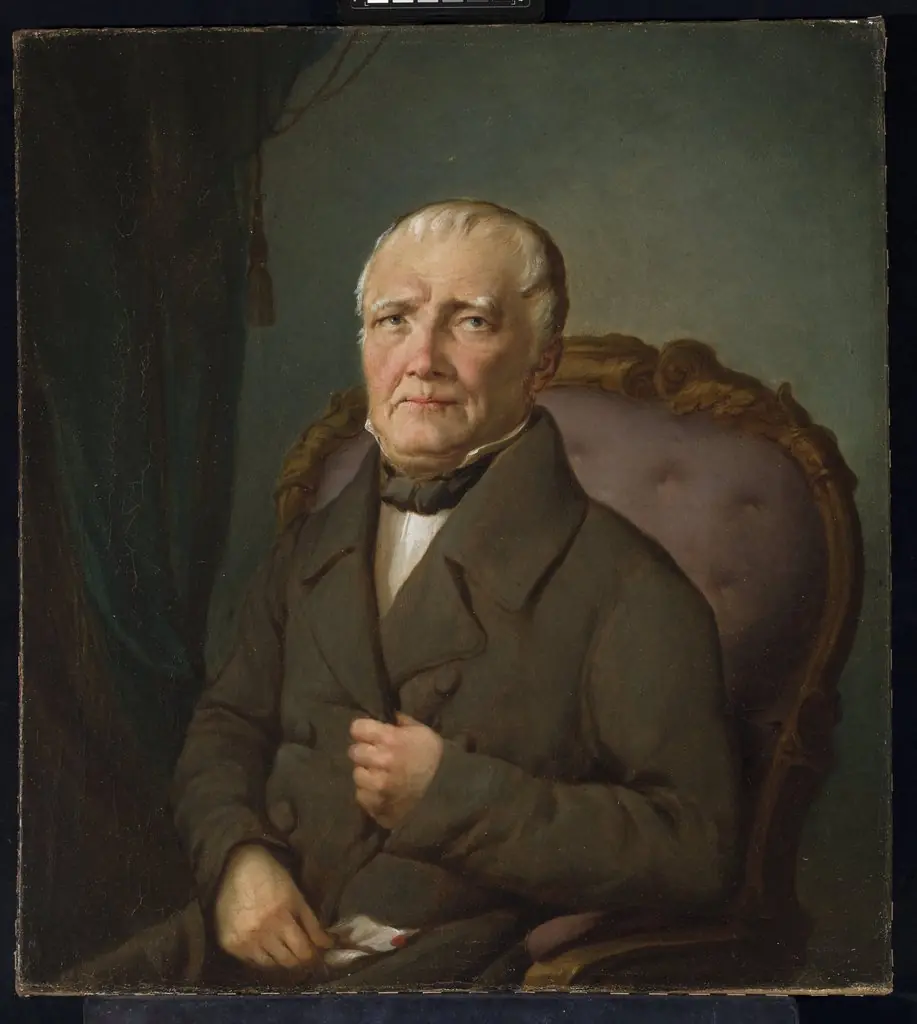
Portrait of Stefania Jarońska née Głowacka
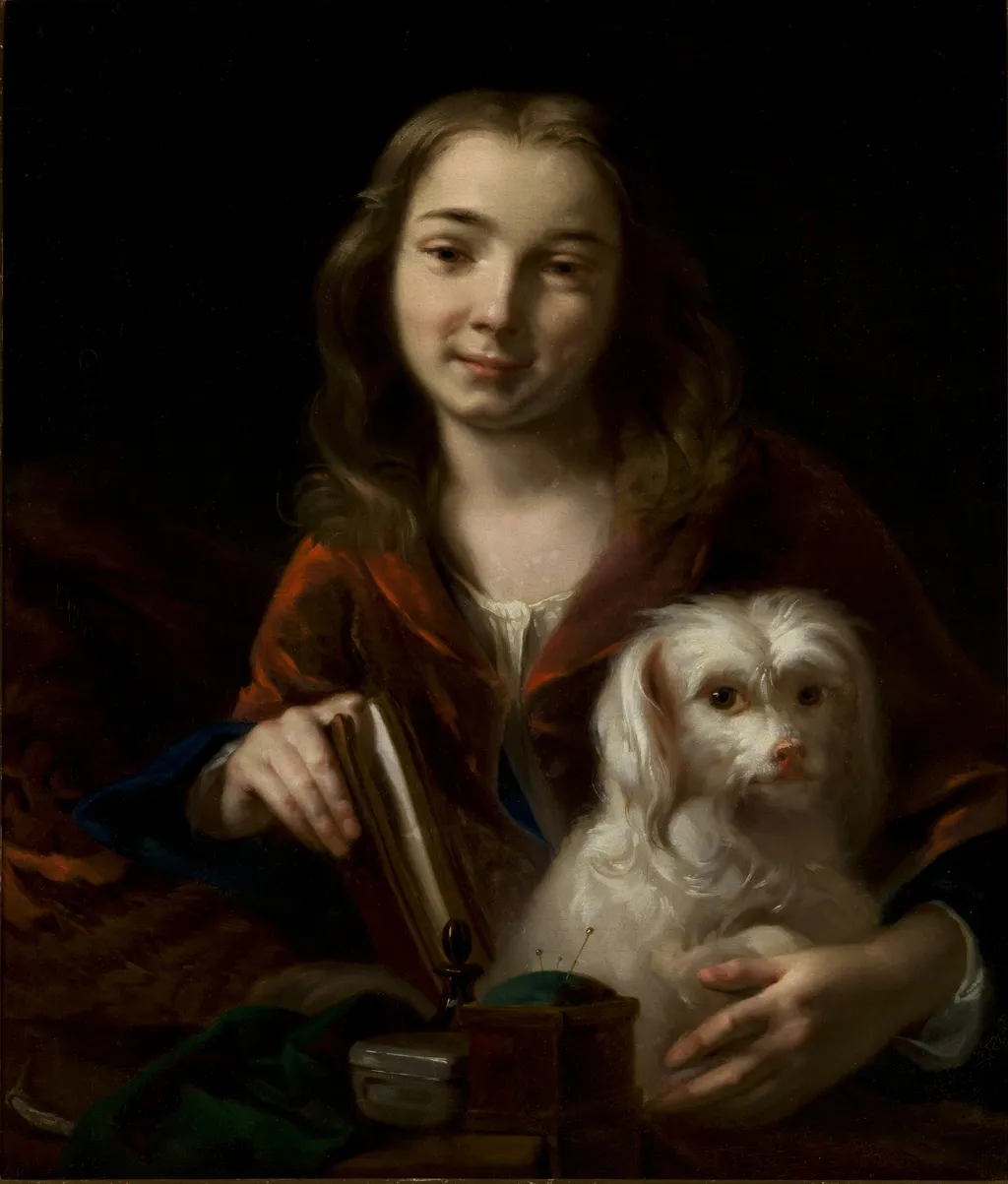
Portrait of Stefania Jarońska née Głowacka is an oil painting by Rafał Hadziewicz. It dates from 1853 and is held in the collection of the National Museum in Kraków.
About this work
Overview
Hadziewicz, active in the mid-19th century, focused on portraiture and religious themes, drawing on classical influences.
Painted around 1853 by Polish artist Rafał Hadziewicz, this oil portrait depicts Stefania Jarońska, born Głowacka. Hadziewicz, active in the mid-19th century, focused on portraiture and religious themes, drawing on classical influences. The work is part of the National Museum in Kraków’s collection, reflecting his engagement with intimate domestic subjects during a period of growing interest in personal identity in Polish art.
Subject & Meaning
The subject, a young girl, is shown seated with a small white dog in her lap and a book resting on a table beside her. These elements suggest quiet contemplation and domestic refinement. The inclusion of a book implies education or literary interest, while the dog and domestic objects—such as a box, pins, and a green cloth—hint at personal, private life. The composition avoids grandeur, favoring a subdued, introspective mood.
Technique & Style
Hadziewicz employed oil paint to render soft transitions of light and shadow, creating a gentle chiaroscuro that enhances the figure’s presence without dramatic contrast. Warm tones dominate the palette, particularly in the red robe and the ambient glow on the skin. The brushwork is refined but unobtrusive, emphasizing texture in fabric and fur while maintaining a calm, harmonious surface that supports the portrait’s tranquil atmosphere.
History & Provenance
The painting entered the collection of the National Museum in Kraków after its creation, likely through acquisition or donation in the late 19th or early 20th century. Its provenance remains largely undocumented beyond its association with Hadziewicz’s known circle. The work has remained in institutional care since, preserving its condition and historical context within Poland’s national art heritage.
Context
Created during a time when Polish identity was being redefined under foreign partitions, portraits like this one emphasized personal dignity and cultural refinement. Hadziewicz’s focus on domestic scenes aligned with broader European trends favoring intimate, middle-class subjects over aristocratic grandeur. His training in classical antiquity informed his compositional balance, even in seemingly simple domestic settings.
Legacy
Though not widely exhibited outside Poland, the portrait exemplifies Hadziewicz’s contribution to 19th-century Polish portraiture. It reflects a shift toward psychological nuance and everyday realism, distinguishing his work from more formal or idealized styles. The painting continues to serve as a quiet testament to the private lives of individuals in a nation navigating cultural preservation under political constraint.
Own this work as a print
Artist & collection
Artist
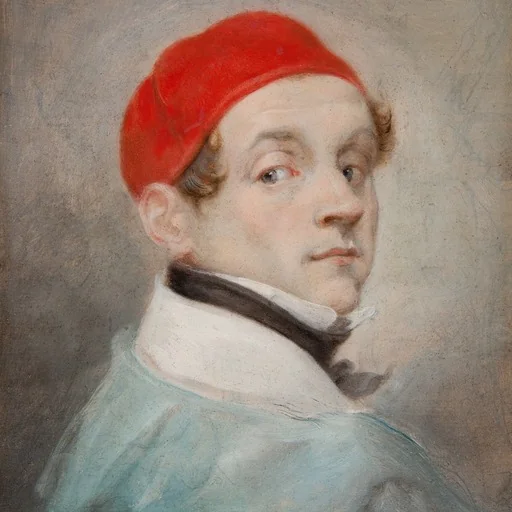
Rafał Hadziewicz (13 October 1803 – 7 September 1883) was a Polish painter; primarily of portraits and religious works, and an expert on ancient culture.

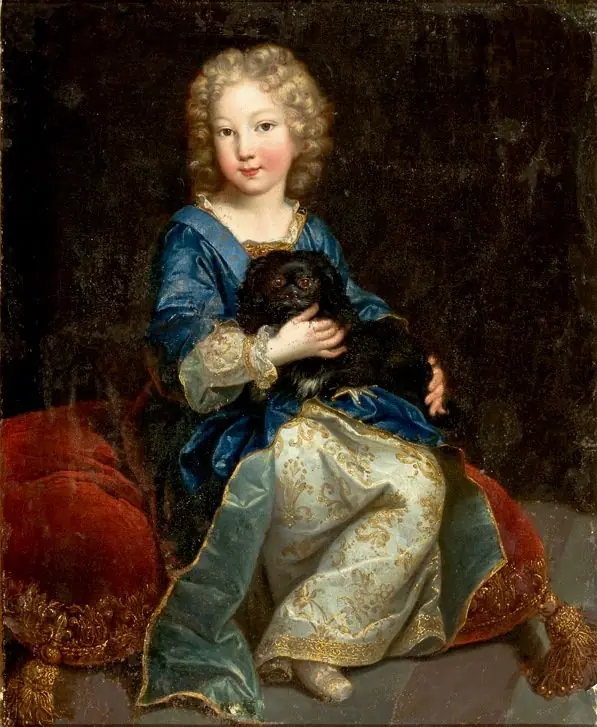 Portrait of Mademoiselle Léomenie Brienne, Marquise de Roualt Gamache
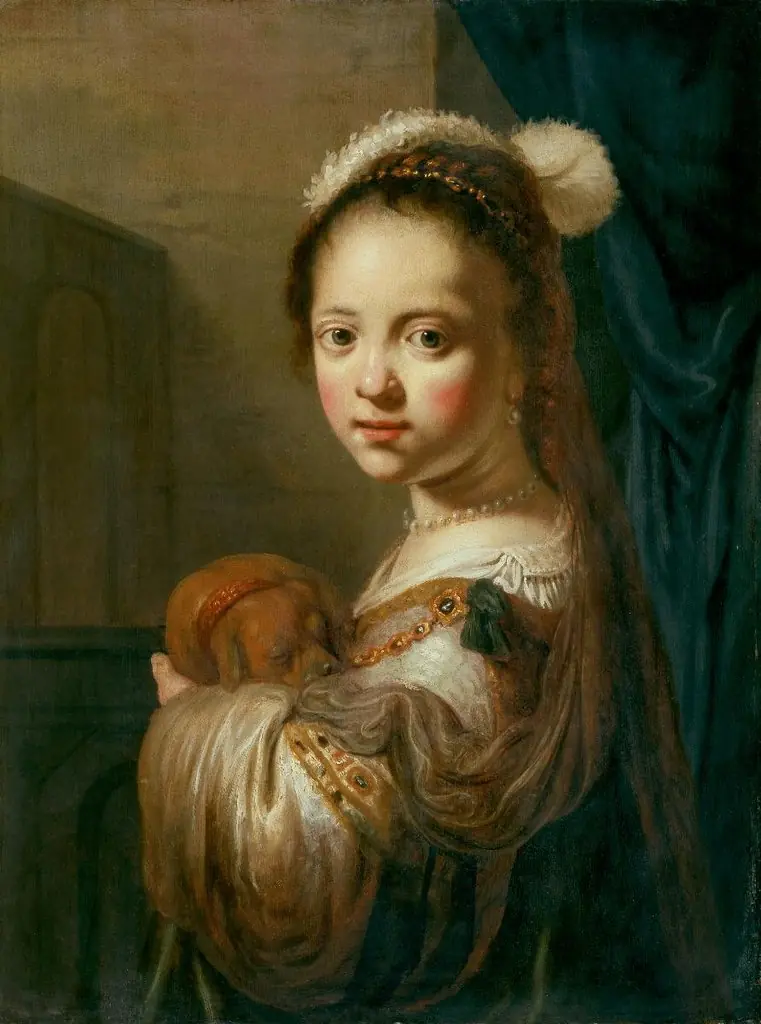 Mädchen mit einem kleinen Hund im Arm
 Portrait of Antoinette Métayer, Oldest Sister of Louis Métayer
 Fetița cu cățel
 Portrait of Antoinette Métayer, Oldest Sister of Louis Métayer
 Felipe de Borbón duque de Anjou y futuro Felipe V de España niño
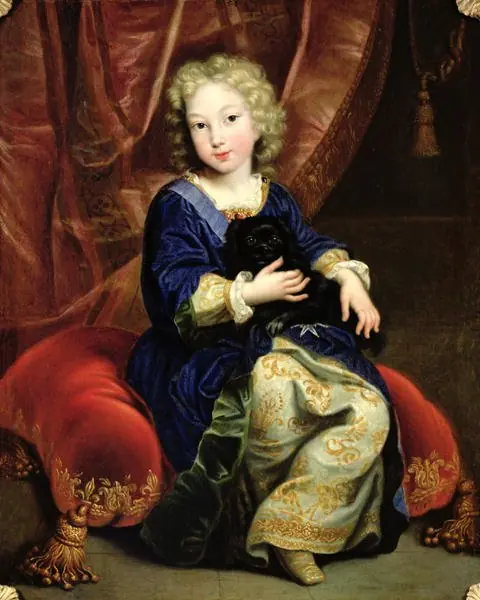 Portrait of Philippe of France (future Philip V of Spain) as a child
 The Annunciation
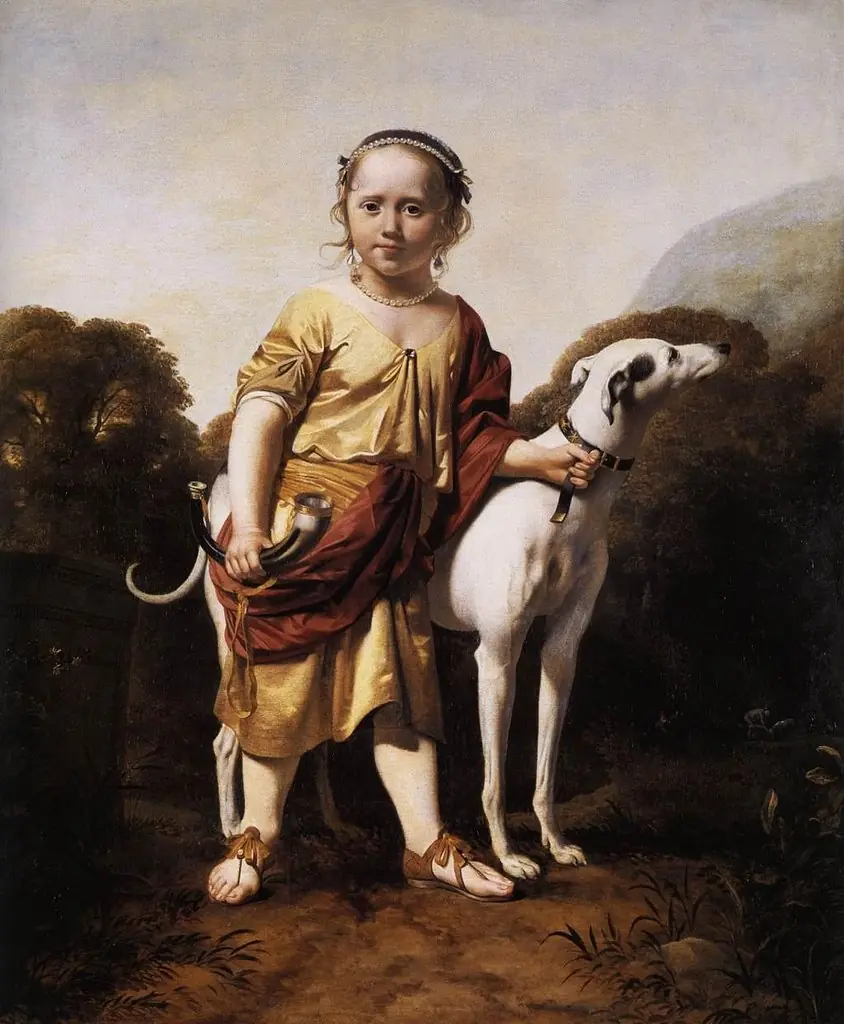 Portrait of a Girl as a Huntress
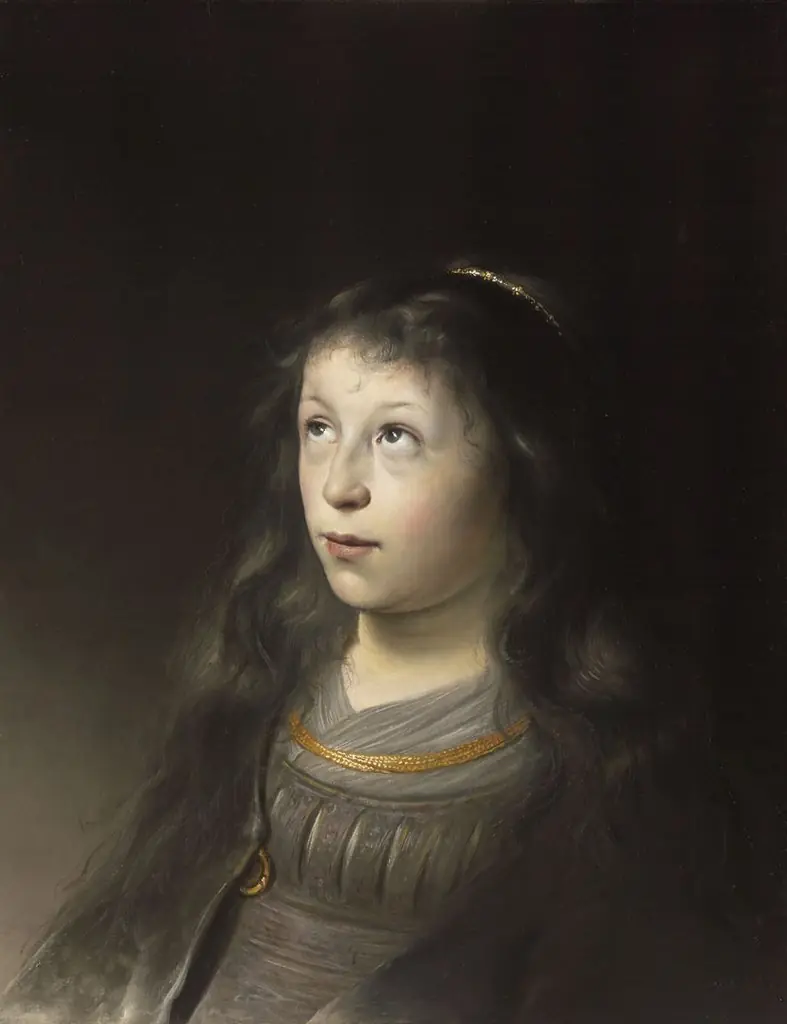 Head of a Young Girl
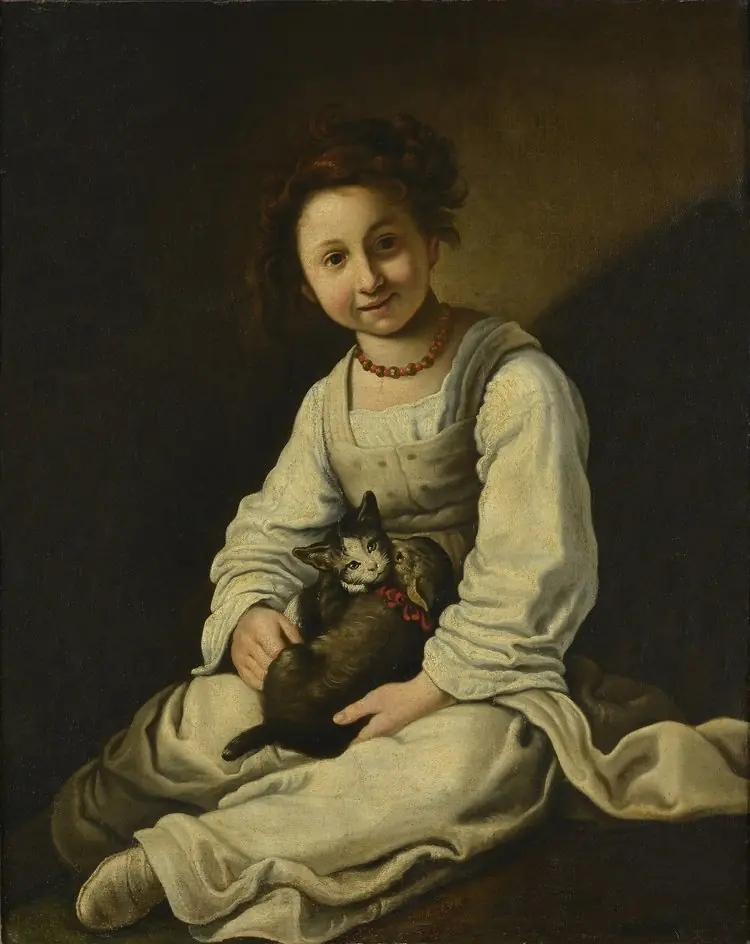 Girl with a Dog and a Kitten
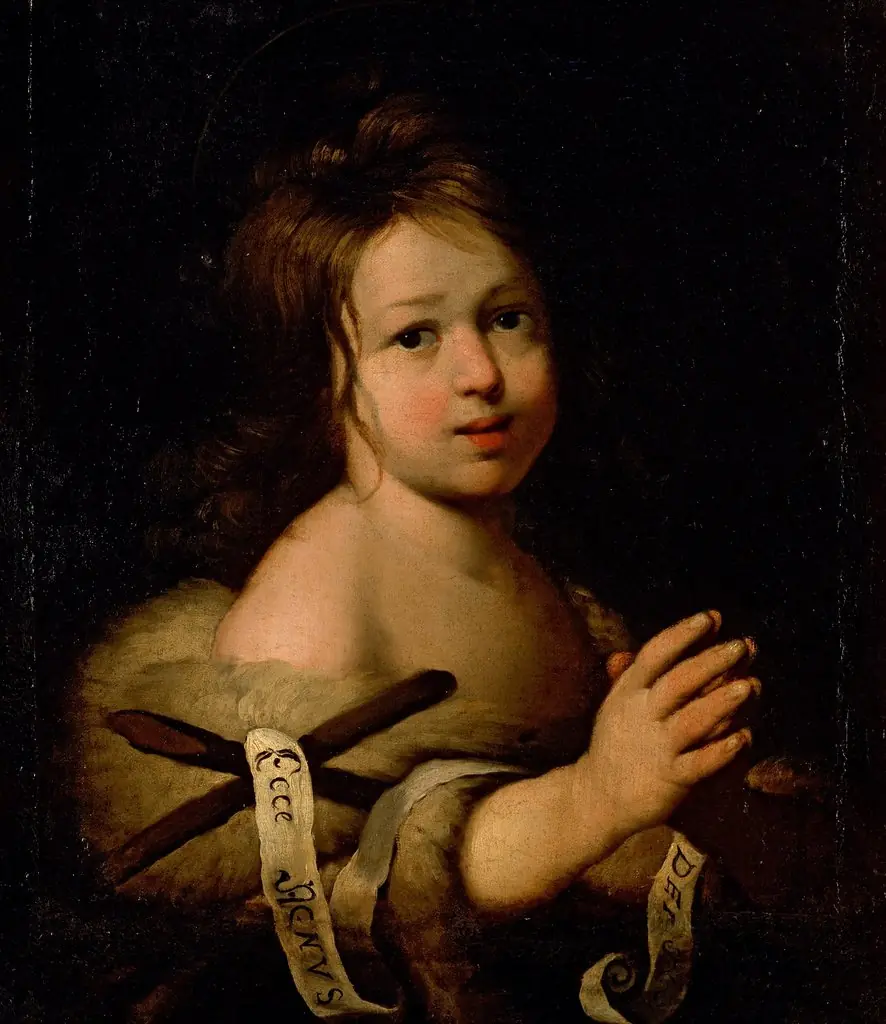 St John the Baptist