Artwork
Woman Holding a Fan
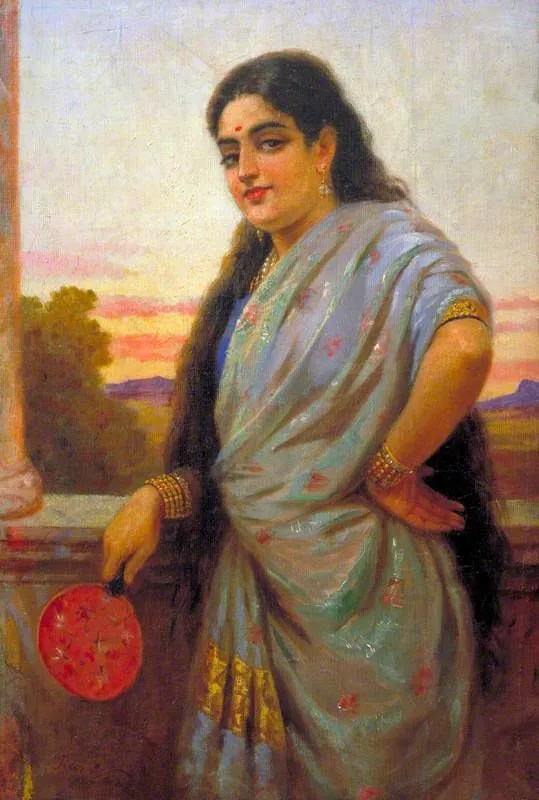
Woman Holding a Fan is an oil painting by the Realist artist Raja Ravi Varma. It dates from 1898 and is held in the collection of the Victoria and Albert Museum.
About this work
Overview
Painted in 1898 by Raja Ravi Varma, this oil portrait captures a woman holding a fan against a softly rendered landscape.
Painted in 1898 by Raja Ravi Varma, this oil portrait captures a woman holding a fan against a softly rendered landscape. Executed in a realist style, the work reflects Varma’s synthesis of European academic methods with Indian subject matter. It is part of the Victoria and Albert Museum’s collection, representing a moment when Indian artists began redefining visual culture through technical precision and local identity.
Subject & Meaning
The figure is a woman dressed in a light blue sari adorned with pink floral motifs and gold embroidery, her jewelry and coiled braid signaling traditional South Indian aesthetics. She stands calmly, the fan held with quiet grace, suggesting poise rather than narrative action. The serene backdrop of hills and sunset evokes a contemplative mood, framing her as an embodiment of dignified domesticity rather than myth or royalty.
Technique & Style
Varma employed oil paint with careful attention to light and texture, using warm tones to model the woman’s form and the distant landscape. Soft transitions between shadow and highlight create a lifelike presence, while the delicate rendering of fabric and jewelry demonstrates his mastery of European realism. The composition avoids dramatic tension, favoring stillness and harmony, characteristic of his portraiture during this period.
History & Provenance
Created in 1898, the painting entered the Victoria and Albert Museum’s collection as part of broader efforts to document colonial-era Indian art. Though Varma gained fame through mass-produced lithographs, this original oil work reflects his engagement with fine art traditions. Its preservation in a major British institution underscores its role in cross-cultural artistic exchange during the late 19th century.
Context
In late 19th-century India, artists like Varma navigated colonial influences while asserting indigenous identity. This portrait emerged amid growing interest in depicting everyday Indian life with technical rigor, countering Orientalist stereotypes. The choice of a non-mythological subject, rendered with naturalism, aligned with emerging nationalist sensibilities that valued cultural authenticity over exoticism.
Legacy
Though Varma is better known for his lithographic reproductions, this painting exemplifies his contribution to elevating Indian portraiture within academic frameworks. It influenced later generations of artists seeking to merge traditional aesthetics with Western techniques. Its presence in a major museum collection affirms its significance as a quiet but pivotal work in the evolution of modern Indian art.
Artist & collection
Artist
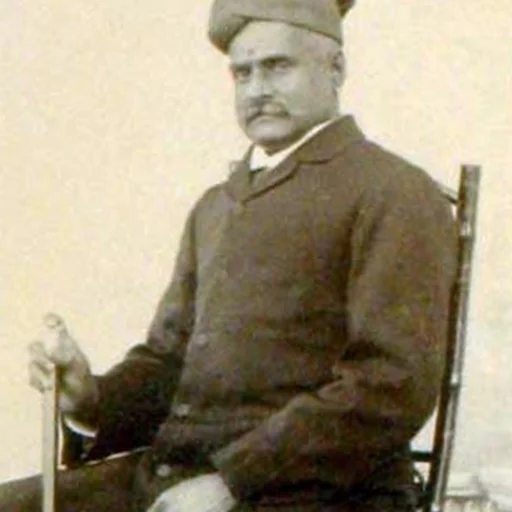
Raja Ravi Varma (Malayalam: ) (29 April 1848 – 2 October 1906) was an Indian painter.

 Untitled
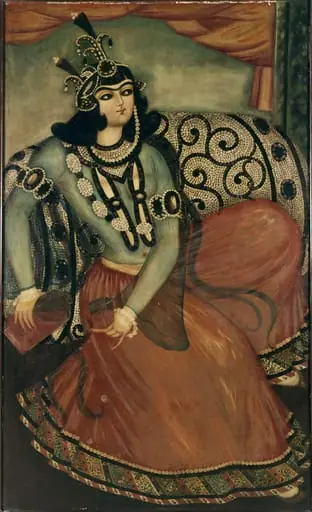 Seated Woman Pouring Wine
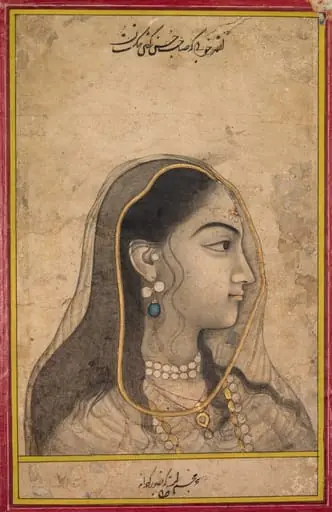 Head of a Beauty
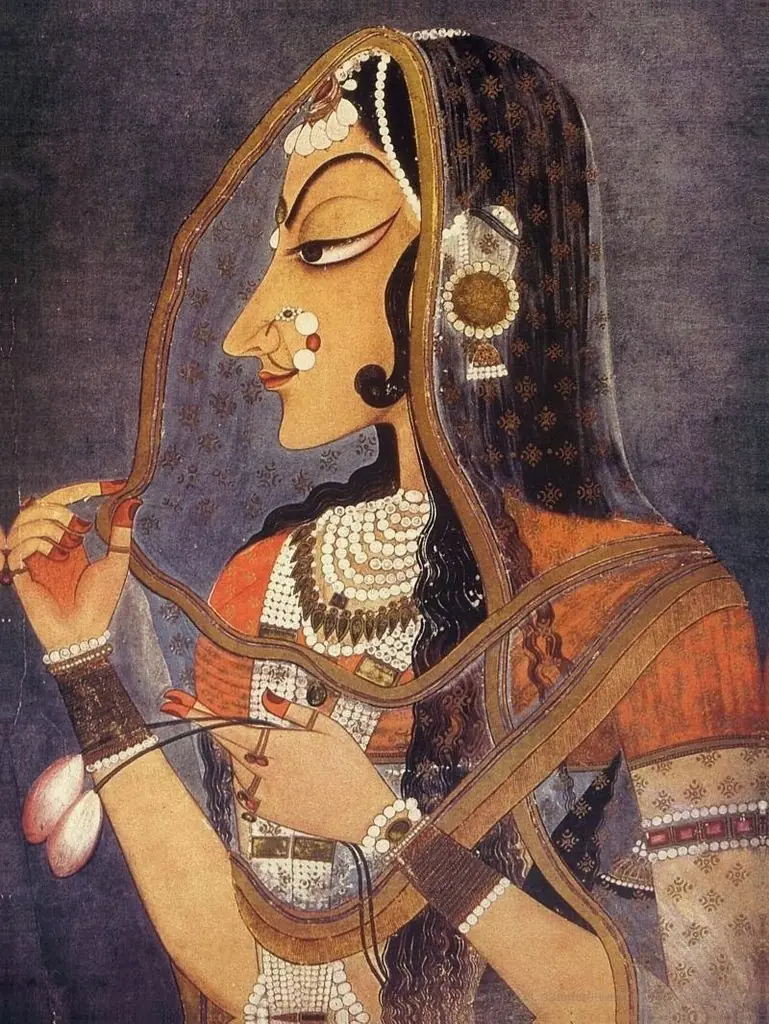 Bani Thani
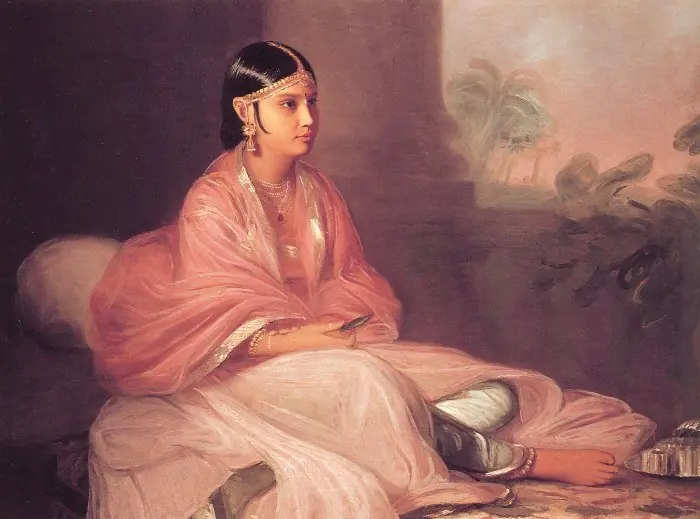 An Indian Lady, perhaps 'Jemdanee', Bibi of William Hickey
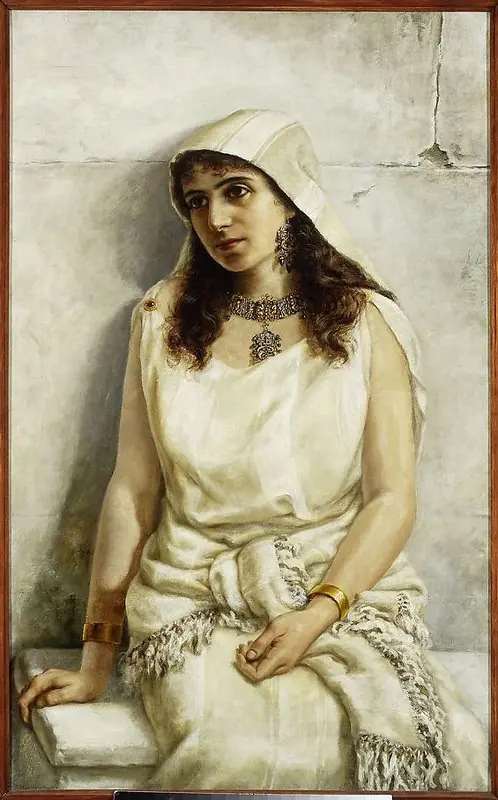 Portrait of a woman
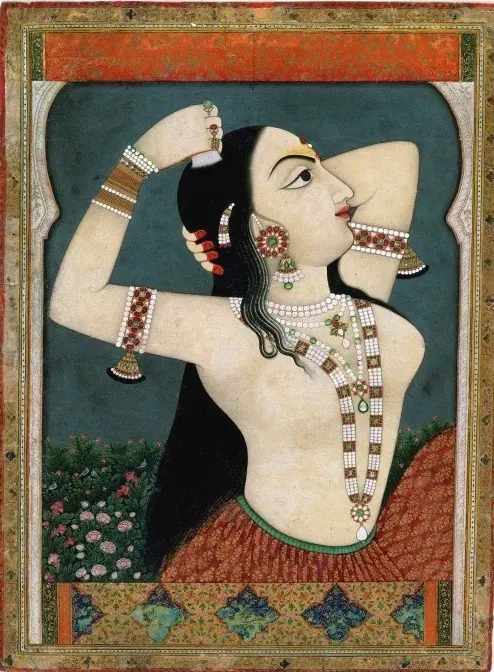 A lady combing her hair
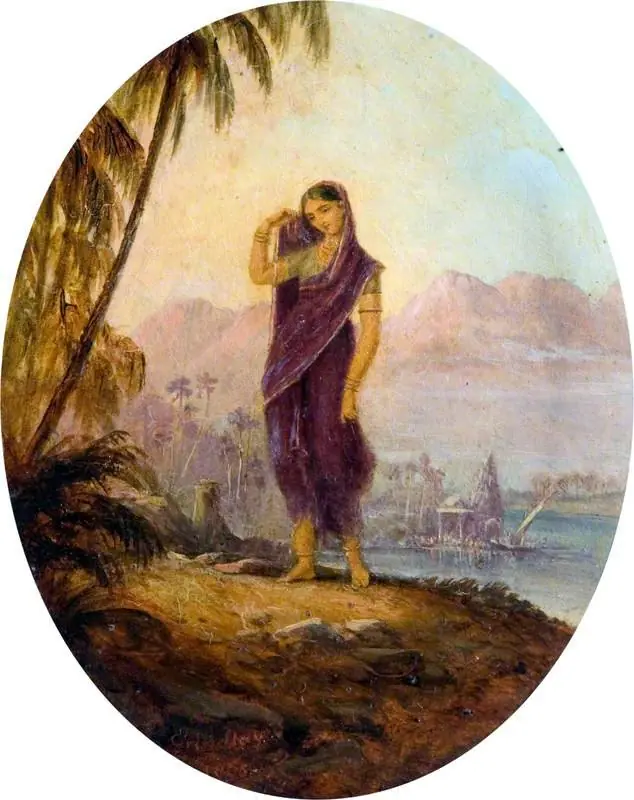 A Hindoo Female of the Deccan and Concane
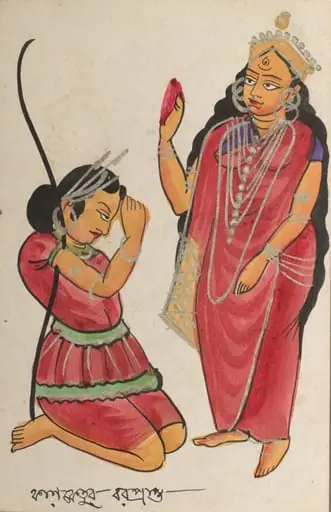 Kalaketu Receiving a Boon from the Goddess Chandi
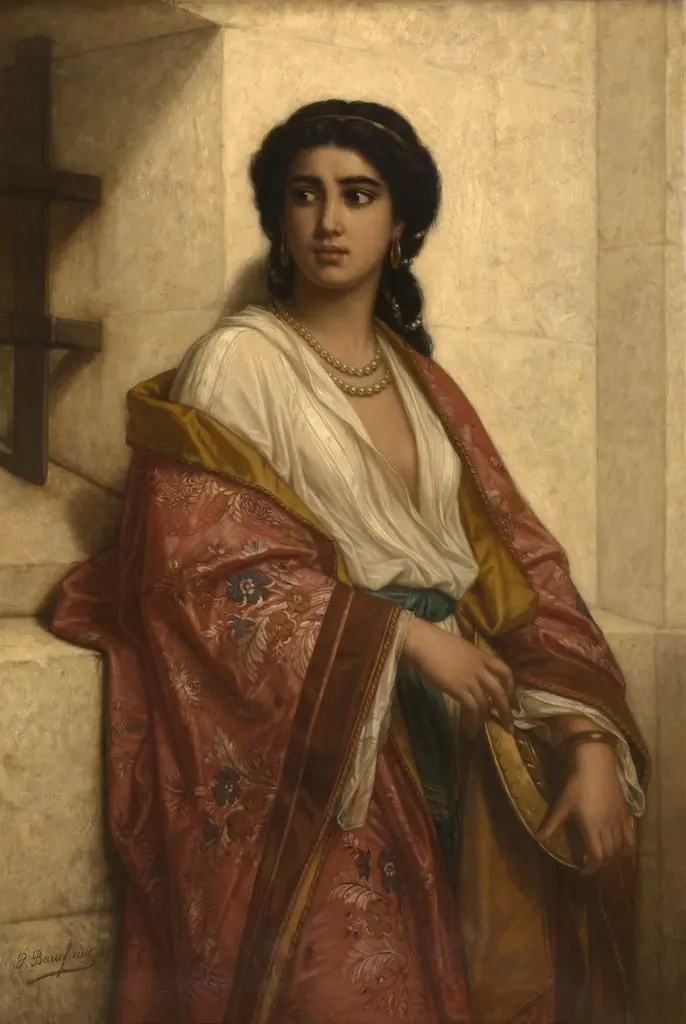 Salome Watching the Beheading of John the Bapitist
 Odaliscă
 Woman playing a <i>kamānchah</i>