Artwork
Untitled
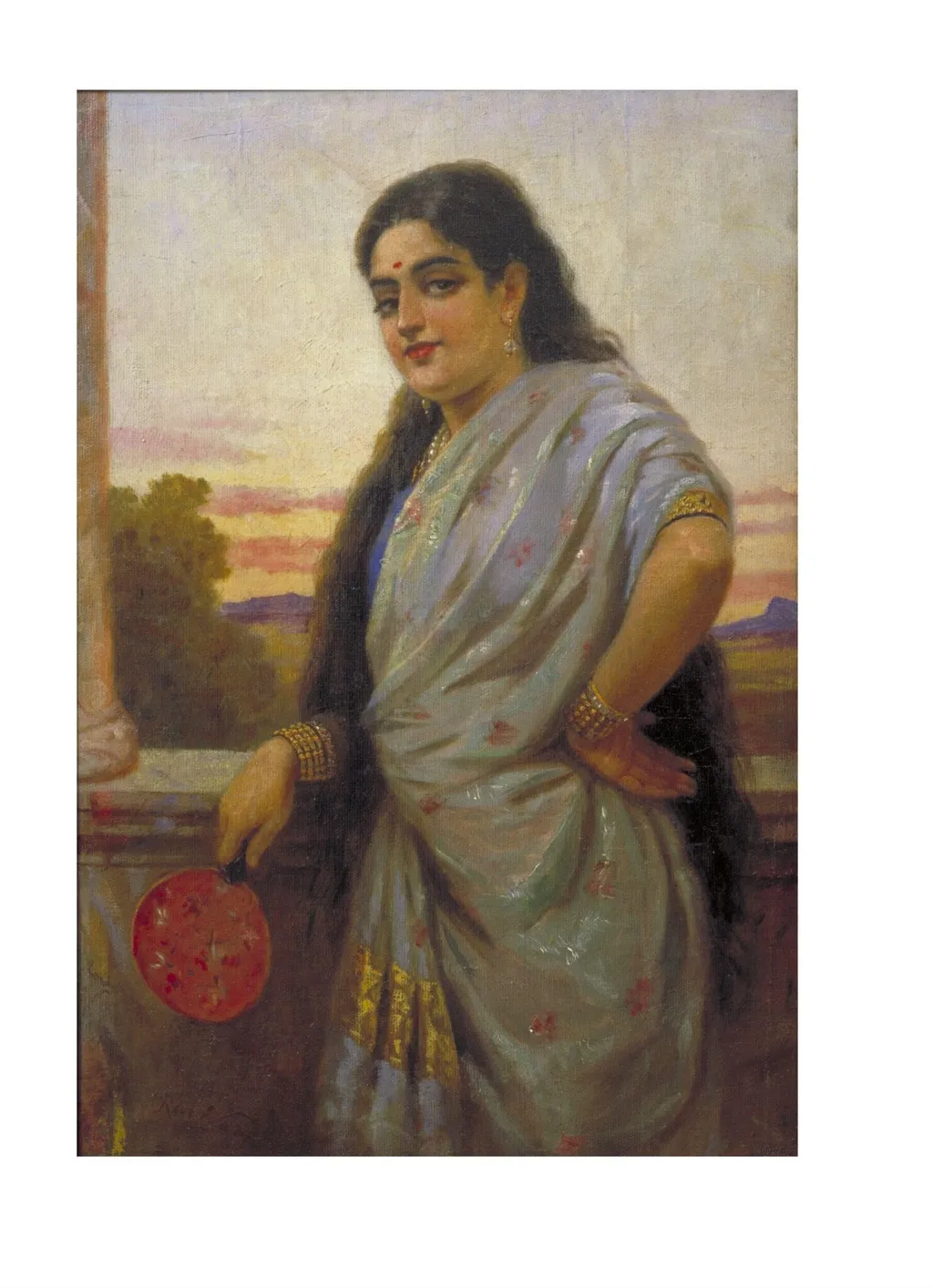
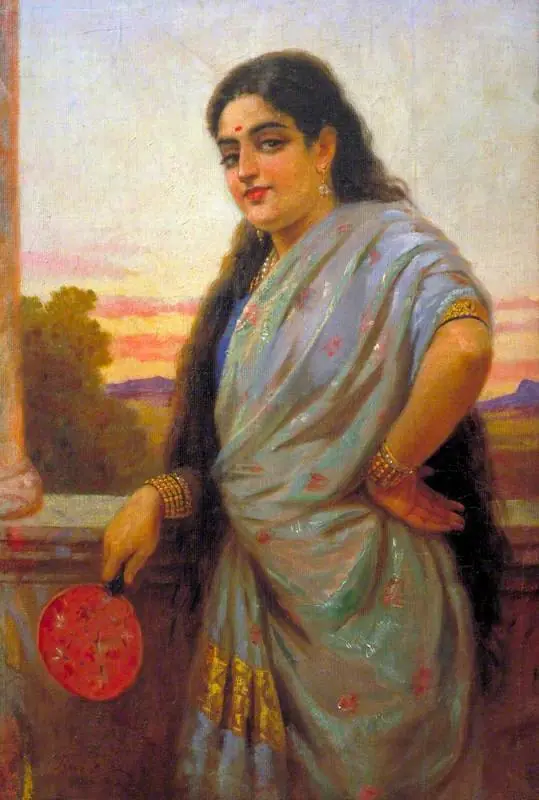
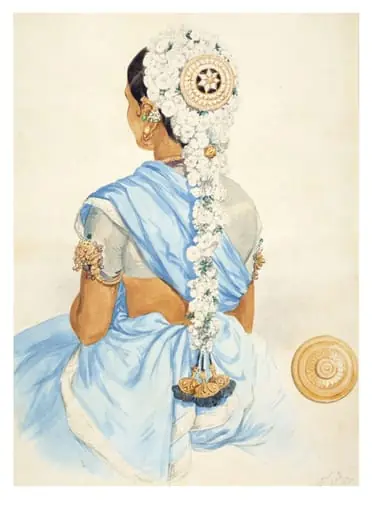
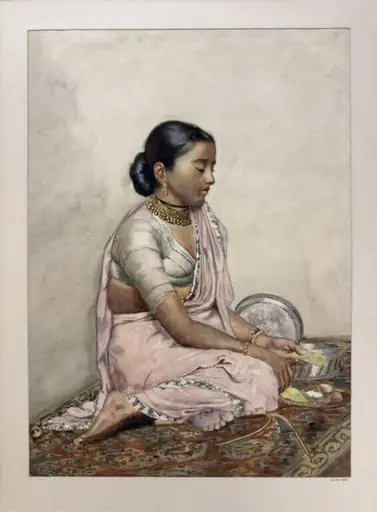
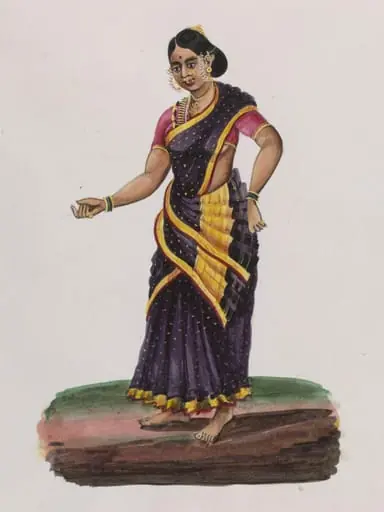
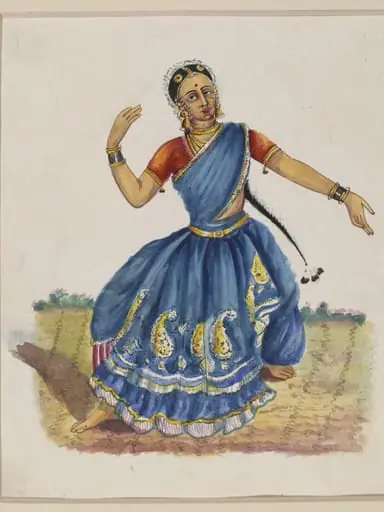
Untitled is a paint painting by the Impressionist artist Varma Ravi. It dates from 1895 and is held in the collection of the Victoria and Albert Museum.
About this work
Overview
Raja Ravi Varma, born in 1848 in the Travancore royal family, became a pivotal figure in Indian art by merging European oil techniques with indigenous subjects.
Raja Ravi Varma, born in 1848 in the Travancore royal family, became a pivotal figure in Indian art by merging European oil techniques with indigenous subjects. Trained initially in watercolor by palace artists and later introduced to oil painting by the British painter Theodor Jenson, he gained recognition through international exhibitions in Vienna and Chicago. His work bridged traditional Indian iconography with Western realism, reshaping visual culture in late 19th-century India.
Subject & Meaning
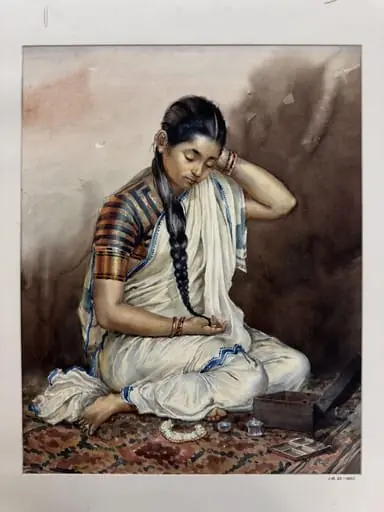
This painting depicts a woman in a long sari, adorned with gold jewelry, holding a basket of fruit against a plain background. While not explicitly mythological, the figure embodies an idealized Indian femininity rooted in regional dress and daily life. Varma often portrayed women as symbols of cultural identity, grounding spiritual and social ideals in recognizable, human forms rather than abstract tradition.
Technique & Style
Varma employed oil painting techniques learned from European models, using chiaroscuro and naturalistic modeling to render form and texture. His palette is vivid and deliberate, with strong contrasts and smooth transitions that emphasize the figure’s presence. Unlike traditional Indian miniatures, he used live models and perspective to create depth, resulting in a lifelike quality that departed from stylized conventions of the time.
History & Provenance
Varma’s work gained prominence after winning medals at international exhibitions in the 1890s, including Vienna and Chicago. His studio in Bombay produced lithographic prints that reached wide audiences, making his imagery accessible beyond elite circles. While the specific provenance of this painting is not documented, it aligns with his broader output of domestic and feminine subjects created during his mature period.
Context
In colonial India, Varma’s art emerged amid shifting cultural dynamics. As British institutions promoted Western aesthetics, he asserted Indian identity through familiar religious and domestic themes rendered in a technically modern style. His use of real models for divine figures challenged orthodox iconography, while his depictions of women reflected emerging middle-class ideals of modesty and grace.
Legacy
Varma’s fusion of European technique with Indian subject matter laid the groundwork for modern Indian painting. His prints reached millions, influencing popular visual culture for decades. Though later critics questioned his romanticism, his role in establishing realism and accessibility in Indian art remains significant, shaping how generations perceived their own visual heritage.
Own this work as a print
Artist & collection
Artist
Varma painted scenes from Indian life and myth in the late 1800s, blending European realism with local themes.