Artwork
Ghost Dance (The Vision of Life)
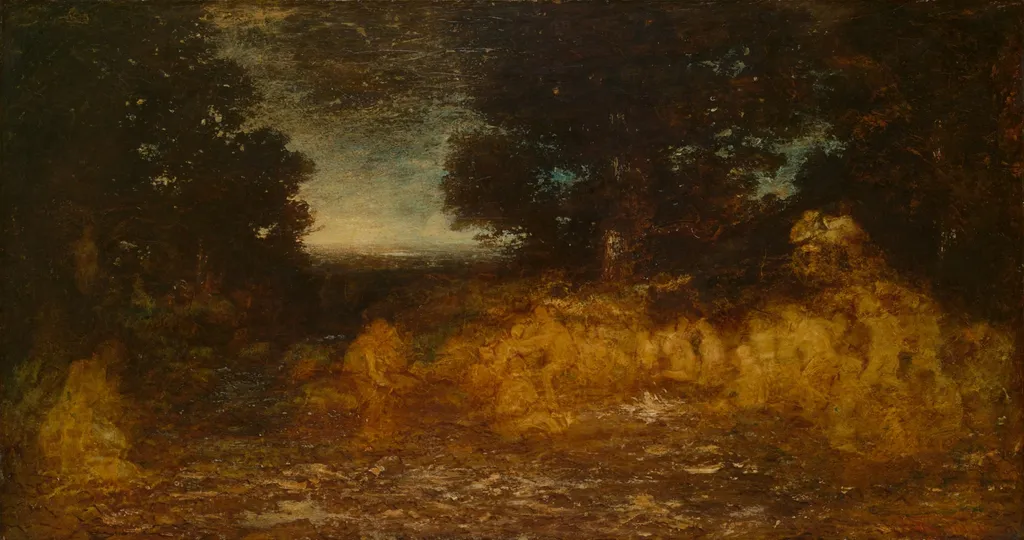
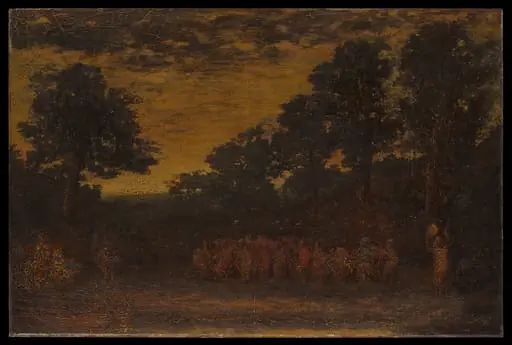
Ghost Dance (The Vision of Life) is an oil painting by the Hudson River School artist Ralph Albert Blakelock. It dates from 1896 and is held in the collection of the Art Institute of Chicago.
About this work
You see a dark forest at night, moonlight cutting through the trees like silver knives.
You see a dark forest at night, moonlight cutting through the trees like silver knives. Tiny figures dance in a circle, their bodies almost swallowed by shadows.
Blakelock painted this around 1890, when the U.S. government was trying to stop Native American Ghost Dance ceremonies. The dances were a way to resist oppression and hope for a better future. The painting feels quiet, like a secret moment.
If you like how the light and dark play here, look up *chiaroscuro*.
Overview
Painted around 1890, Ghost Dance (The Vision of Life) is an oil on canvas by Ralph Blakelock that evokes the spiritual gatherings of Native American communities during a time of intense cultural suppression. Though the artist had not visited the American West in over two decades, he rendered the scene based on secondhand reports, crafting an atmosphere of quiet mystery rather than documentary accuracy.
Subject & Meaning
The painting depicts a nocturnal circle of dancers, their forms barely discernible against a dense forest, suggesting ritual movement tied to the Ghost Dance movement. This practice, rooted in Indigenous spirituality and millenarian hope, sought renewal and resistance against displacement. Blakelock’s treatment transforms the dancers into spectral presences, reflecting both their cultural significance and the perception of their practices as fading or unreal by outsiders.
Technique & Style
Blakelock employed chiaroscuro to heighten the painting’s emotional weight, using stark contrasts between moonlit glades and deep shadow to obscure detail and suggest the ephemeral. Brushwork is loose and atmospheric, dissolving figures into the landscape. The lack of clear definition invites contemplation, aligning the visual experience with the introspective nature of the ceremonies it alludes to.
History & Provenance
Created in the aftermath of the Wounded Knee Massacre, the painting emerged as the U.S. government suppressed Ghost Dance rituals. Blakelock, never having witnessed the ceremonies firsthand, relied on sensationalized media accounts. His interpretation, though visually poetic, reflects the broader cultural anxiety and romanticization of Native life during a period of forced assimilation.
Context
In the late 1880s, the Ghost Dance spread among Plains tribes as a nonviolent movement of spiritual resistance, promising the return of ancestors and the restoration of land. Authorities viewed it as a threat, leading to violent crackdowns. Blakelock’s work, though not ethnographic, captures the mood of unease and loss that surrounded these events, mirroring the national narrative of Indigenous erasure.
Legacy
The painting endures as a symbolic representation of cultural memory and invisibility. While not a record of actual ceremonies, its haunting tone resonates with the silenced voices of Native communities. It stands as a product of its time—both a meditation on loss and a testament to how non-Native artists interpreted, and often misunderstood, Indigenous spiritual practices.
Artist & collection
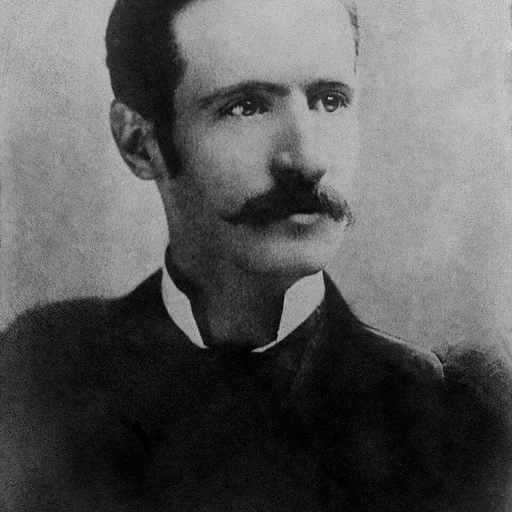
Artist
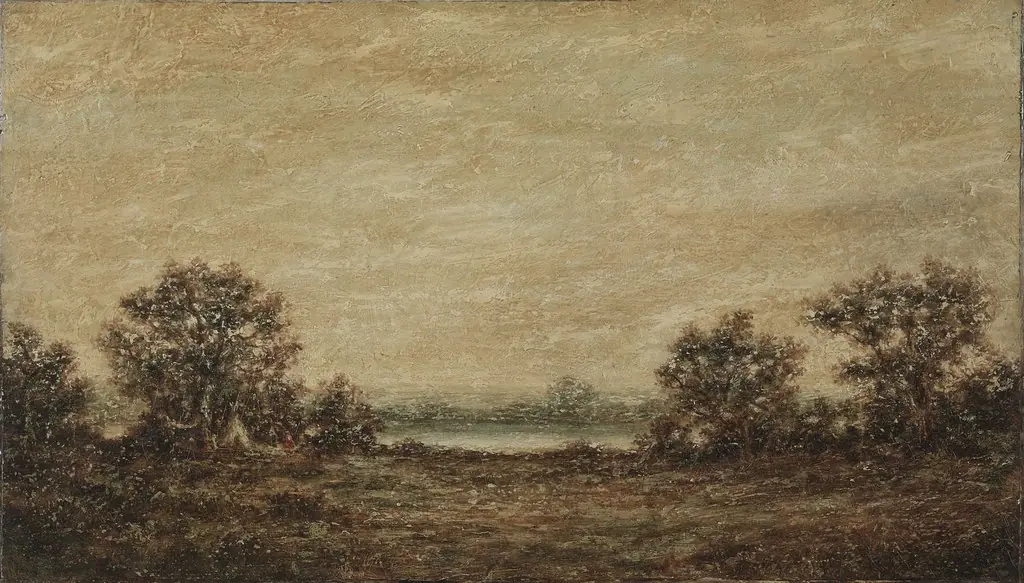
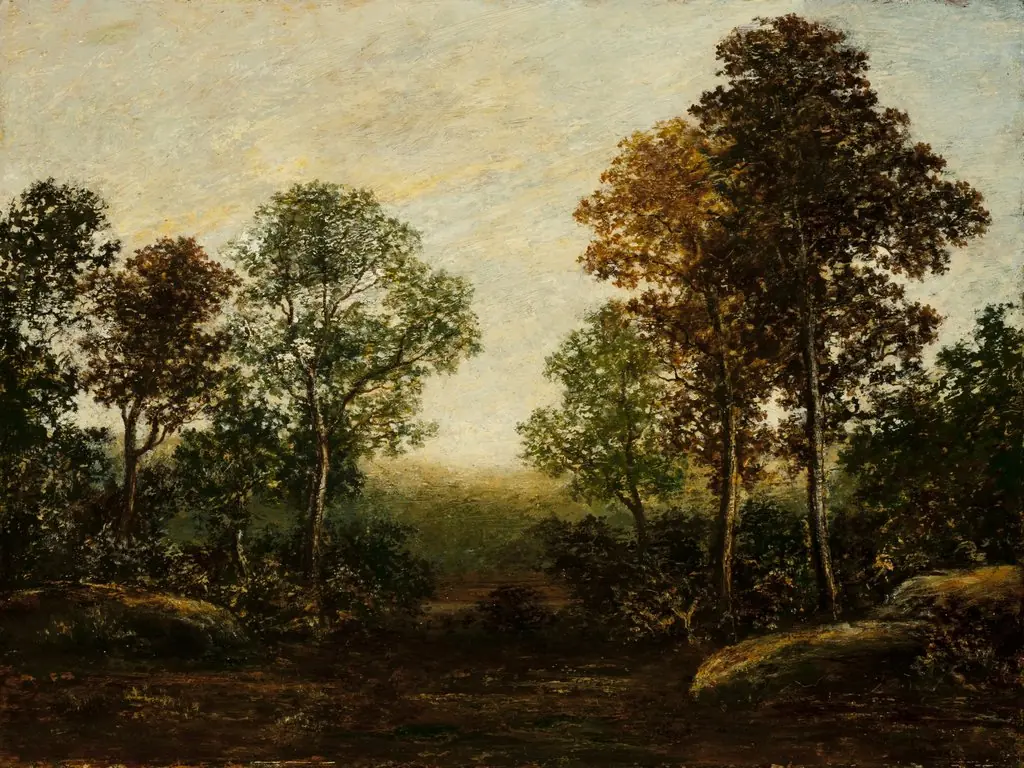
Ralph Albert Blakelock was a romanticist American painter known primarily for his landscape paintings related to the Tonalism movement.

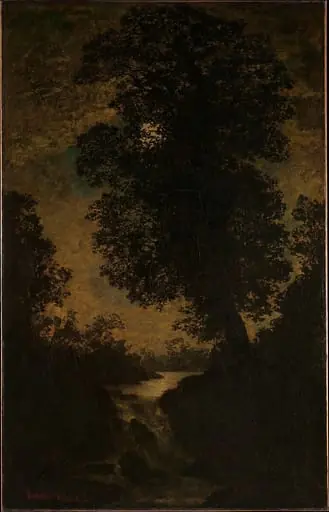
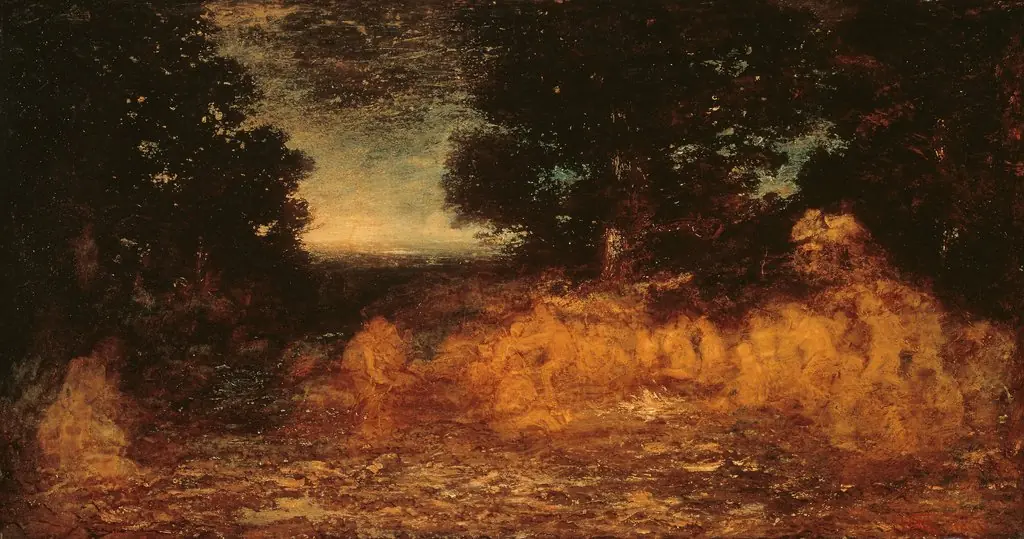 The Vision of Life
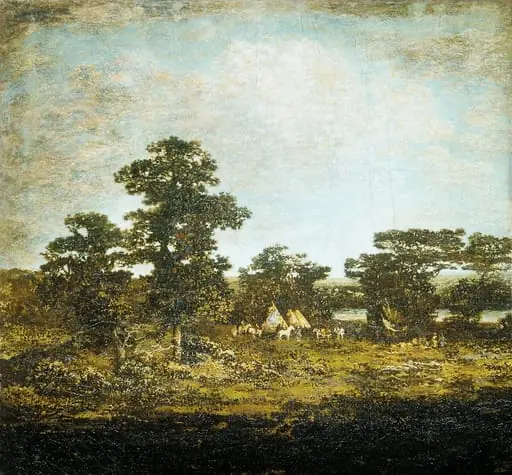
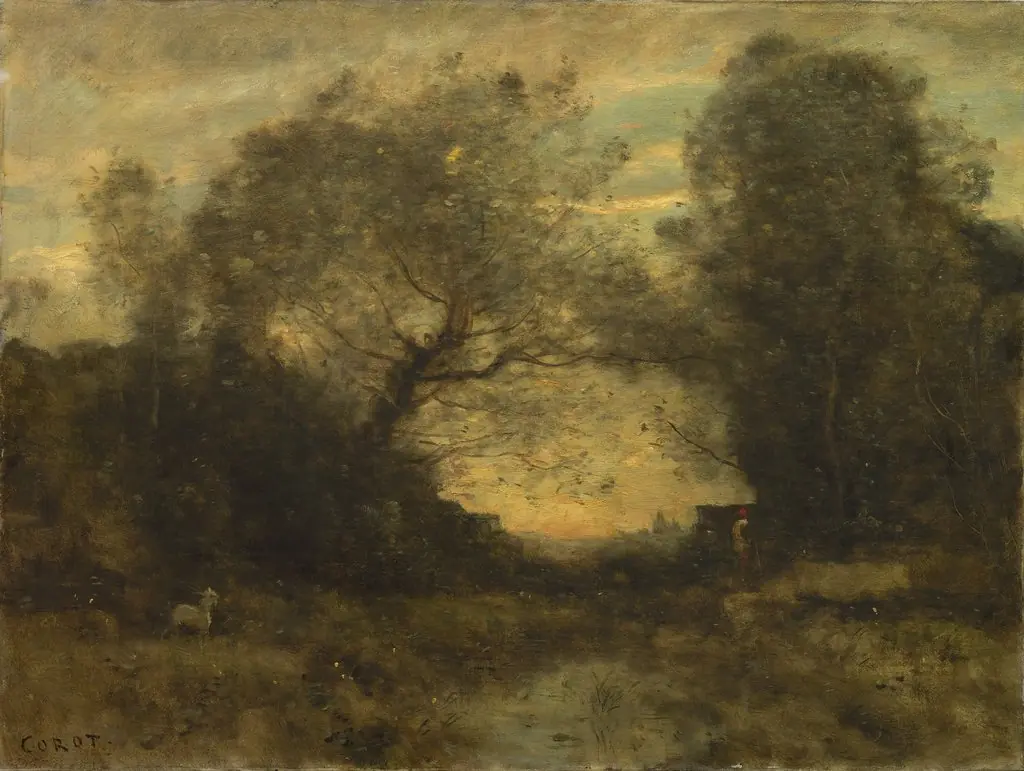 The Pond at the Entrance of the Woods
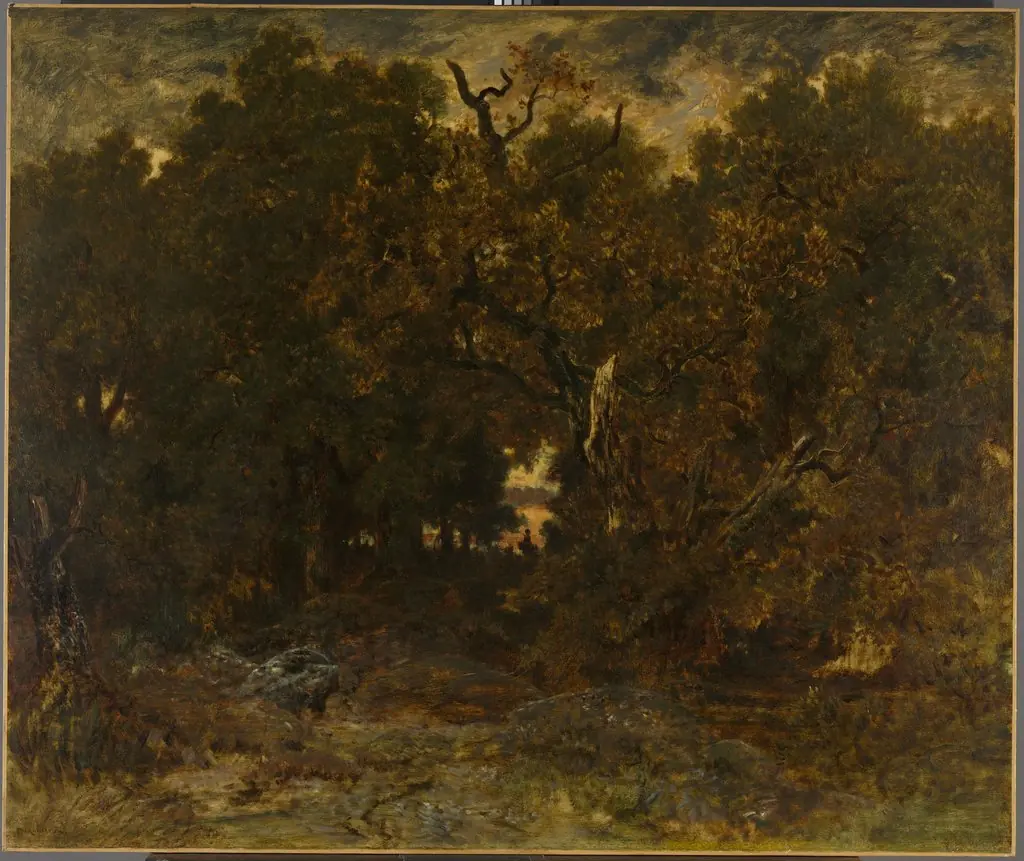 Leaving the Forest, Fontainebleau: Setting Sun
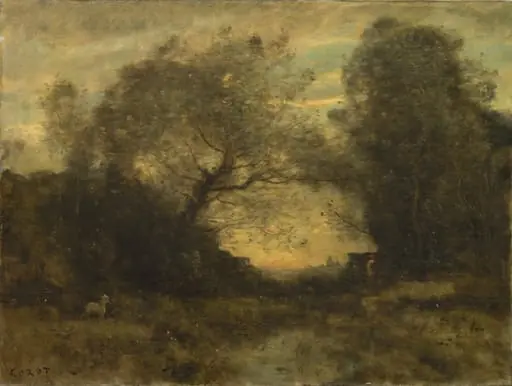 The Pond at the Entrance of the Woods
 Leaving the Forest, Fontainebleau: Setting Sun
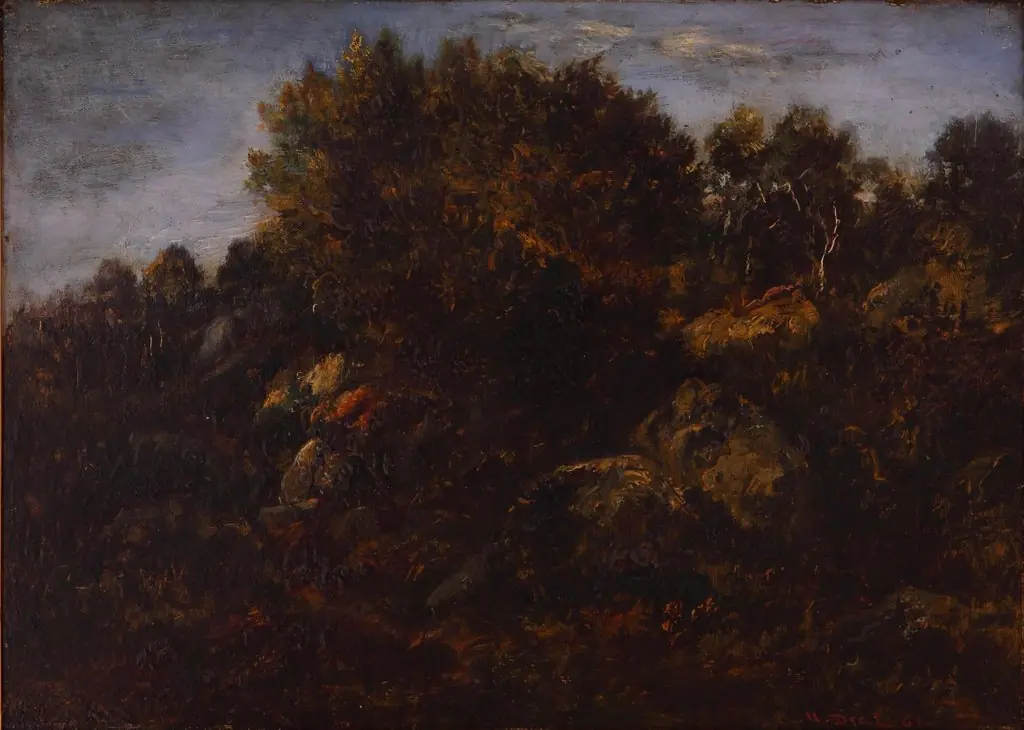 Paisaje
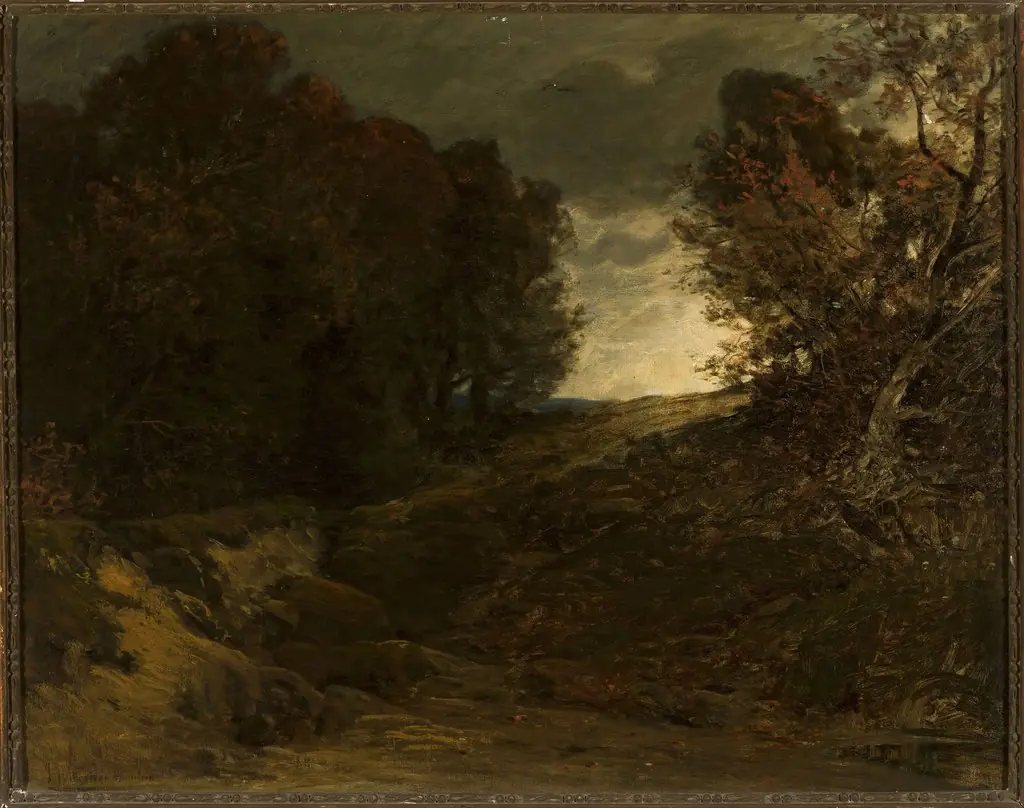 Forest landscape with a creek
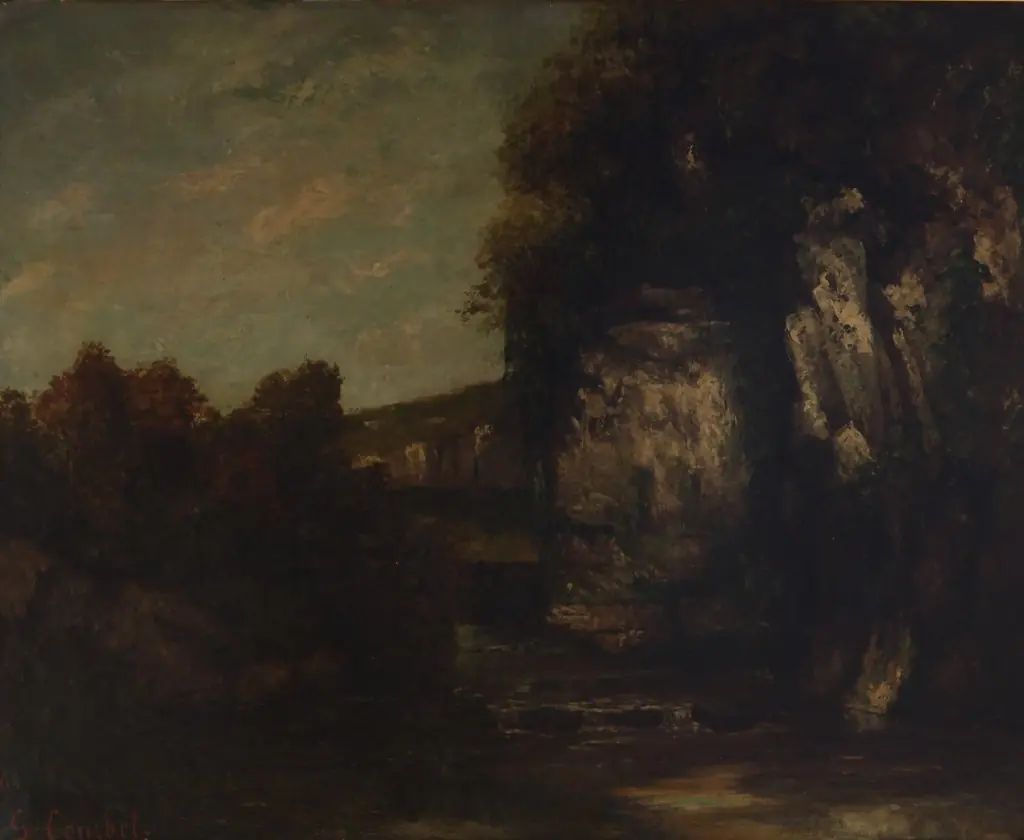 Rocas
Rocas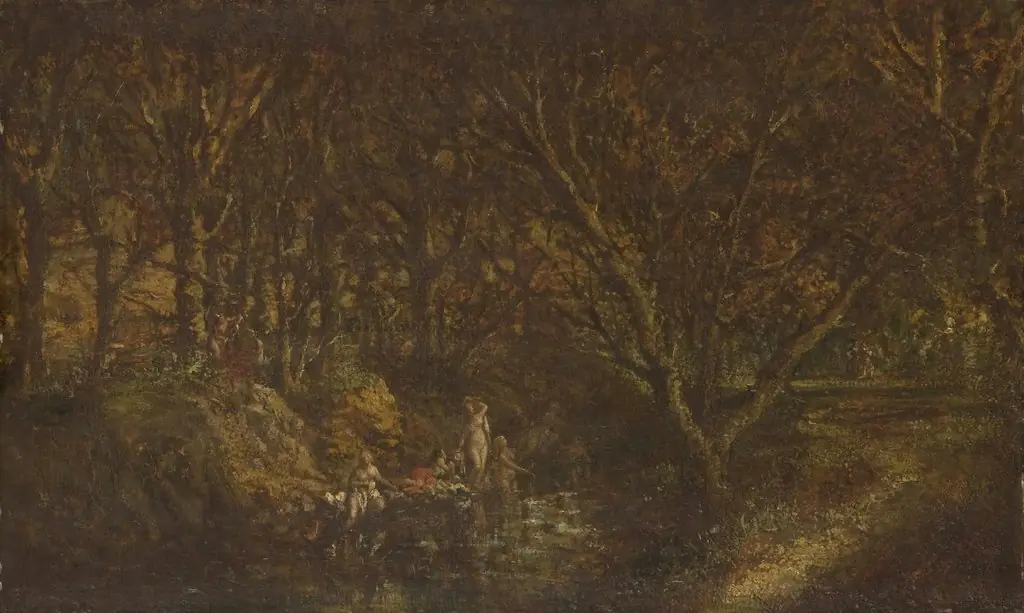 Nymphs Bathing
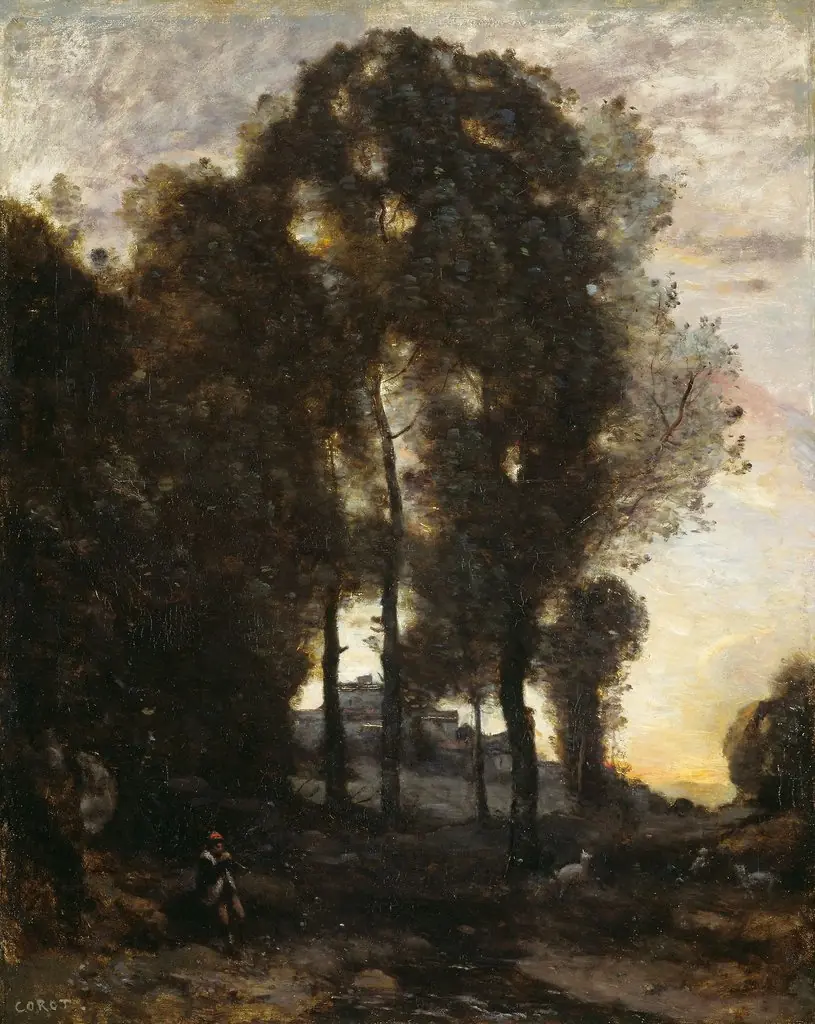 Souvenir of Italy
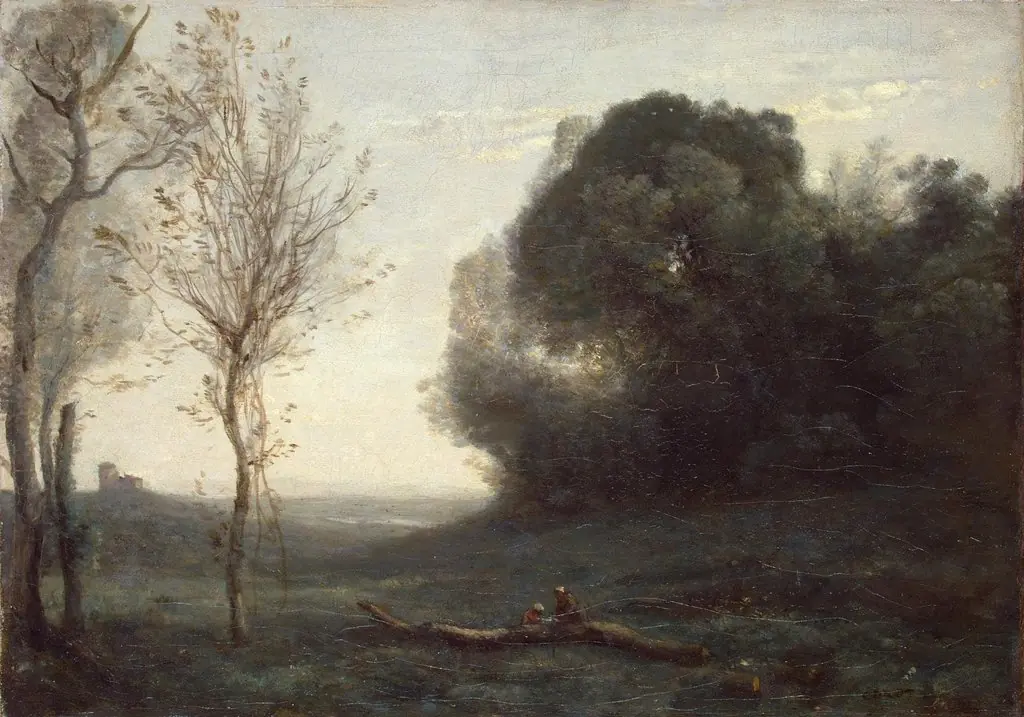 Morning
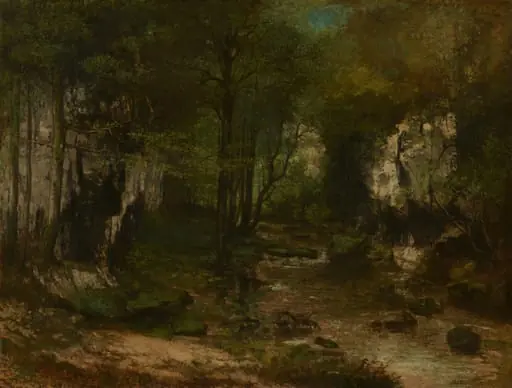 The Stream (Le Ruisseau du Puits-Noir; vallée de la Loue)