Artwork
Jupiter and Cupid
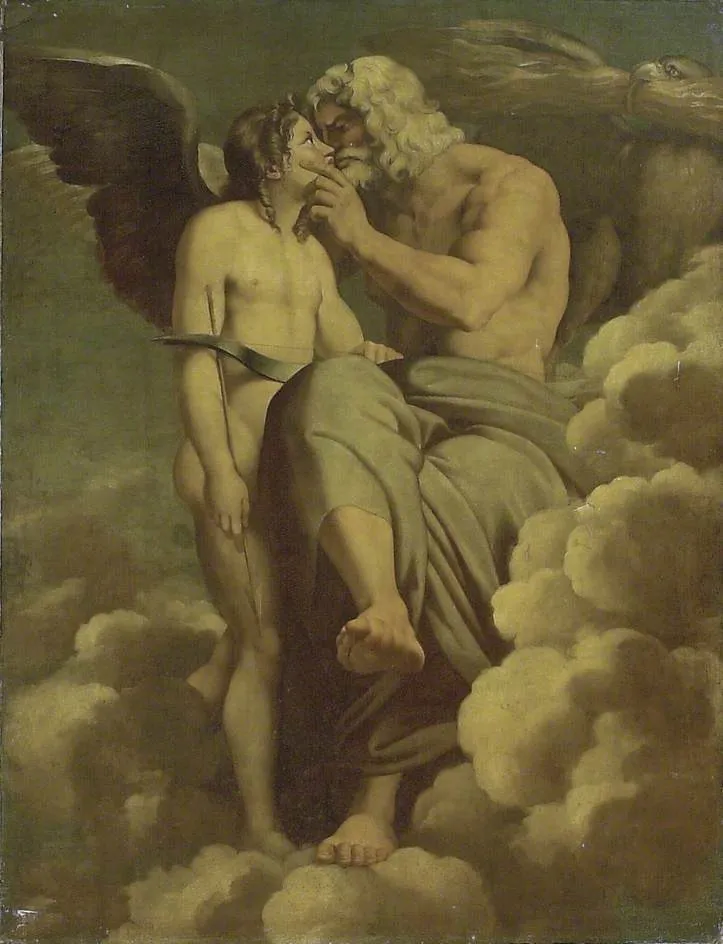
Jupiter and Cupid is an oil painting by the High Renaissance artist Raphael. It is held in the collection of the Ashmolean Museum.
About this work
Overview
Jupiter and Cupid is an oil painting on canvas dating to the year 1700. The work presents a mythological scene featuring the Roman god Jupiter and the winged child Cupid. Currently, the canvas is part of the collection of the Ashmolean Museum, where it is displayed among other works of the period.
Subject & Meaning
The composition shows a muscular, long‑haired male figure seated upon a cloud, his torso uncovered and a draped cloth resting across his lap. He gently grasps the chin of a small, nude boy equipped with delicate wings and a bow, suggesting a protective or instructional moment between the deity and his son.
Technique & Style
The artist employs chiaroscuro to model the figures, using strong contrasts of light and shadow that give the bodies a three‑dimensional presence against a dark, turbulent sky. The rendering of flesh, the soft rendering of clouds, and the subtle smile on Cupid’s face reflect a style reminiscent of Raphael’s classical approach.
History & Provenance
Although attributed to the influence of Raphael, the painting was executed in the early eighteenth century. Its provenance traces to the Ashmolean Museum, where it entered the collection through acquisition in the nineteenth century, providing a link between Baroque sensibilities and earlier High Renaissance models.
Artist & collection
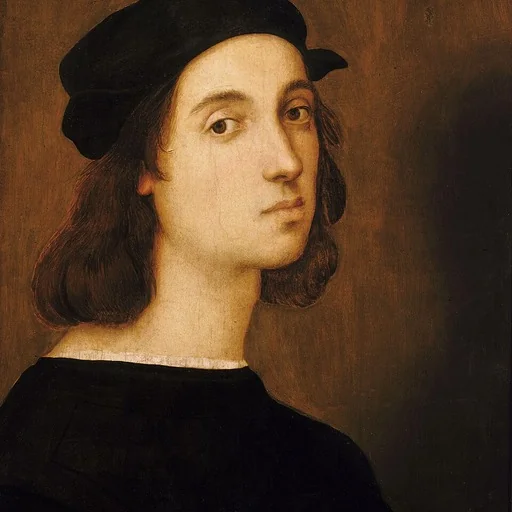
Artist
Raphael was born Raffaello Sanzio in Urbino on April 6, 1483, the son of Giovanni Santi, a painter and poet attached to the ducal court.

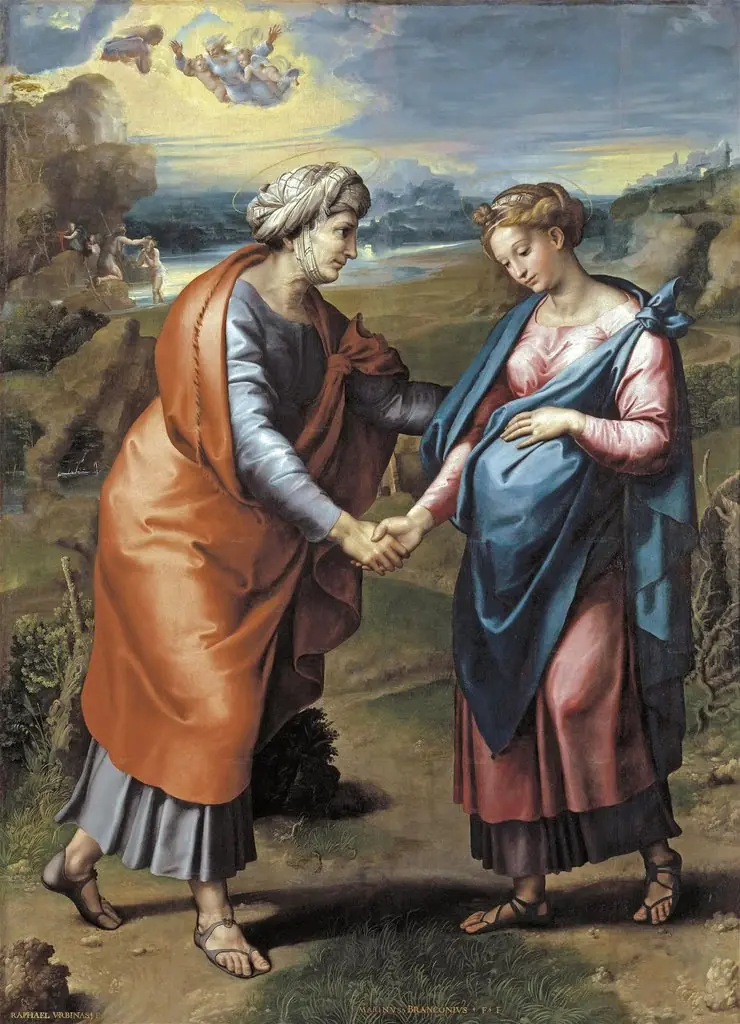
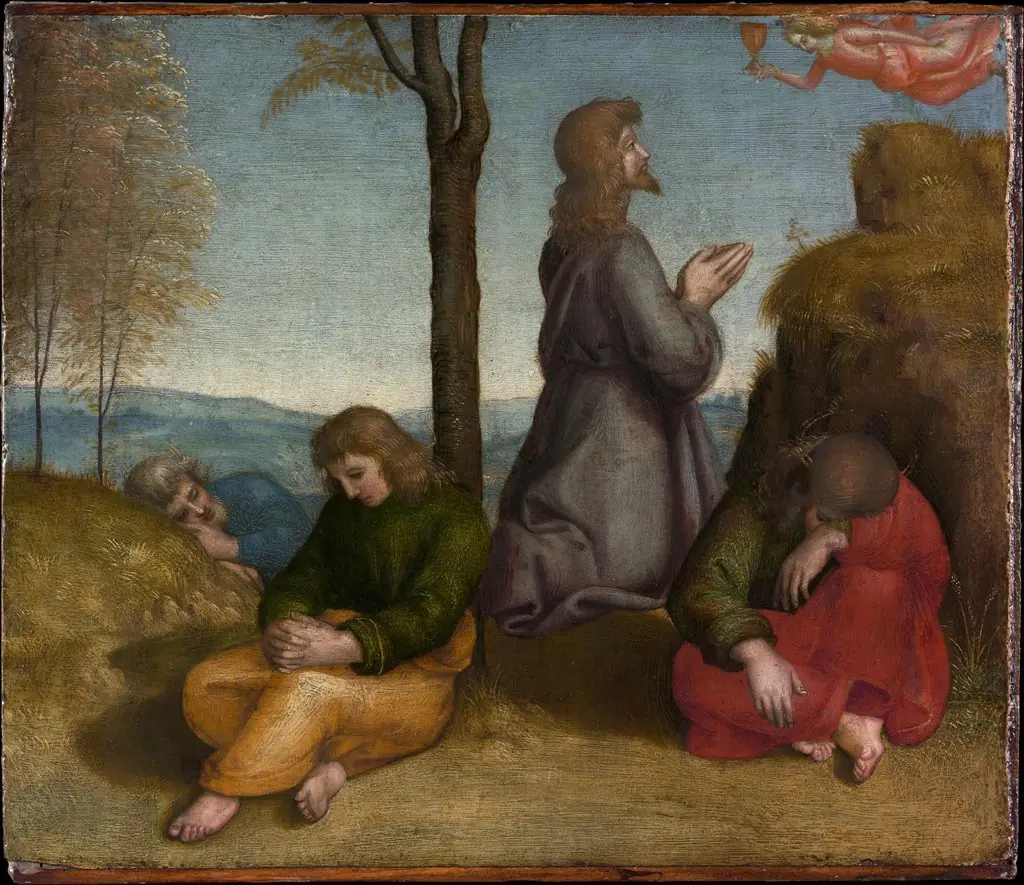
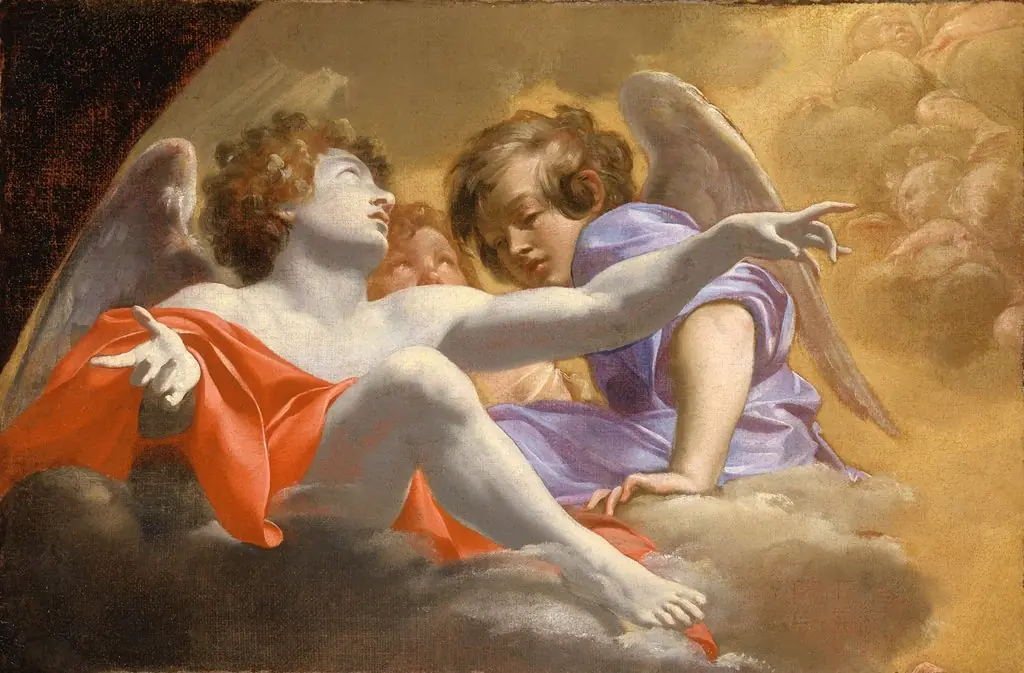 Model for Altarpiece in St. Peter's
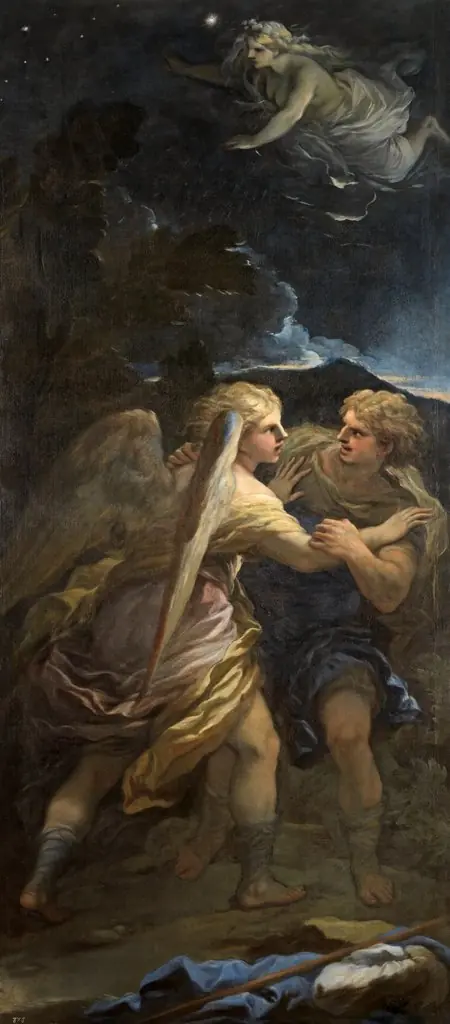 Lucha de Jacob con el ángel
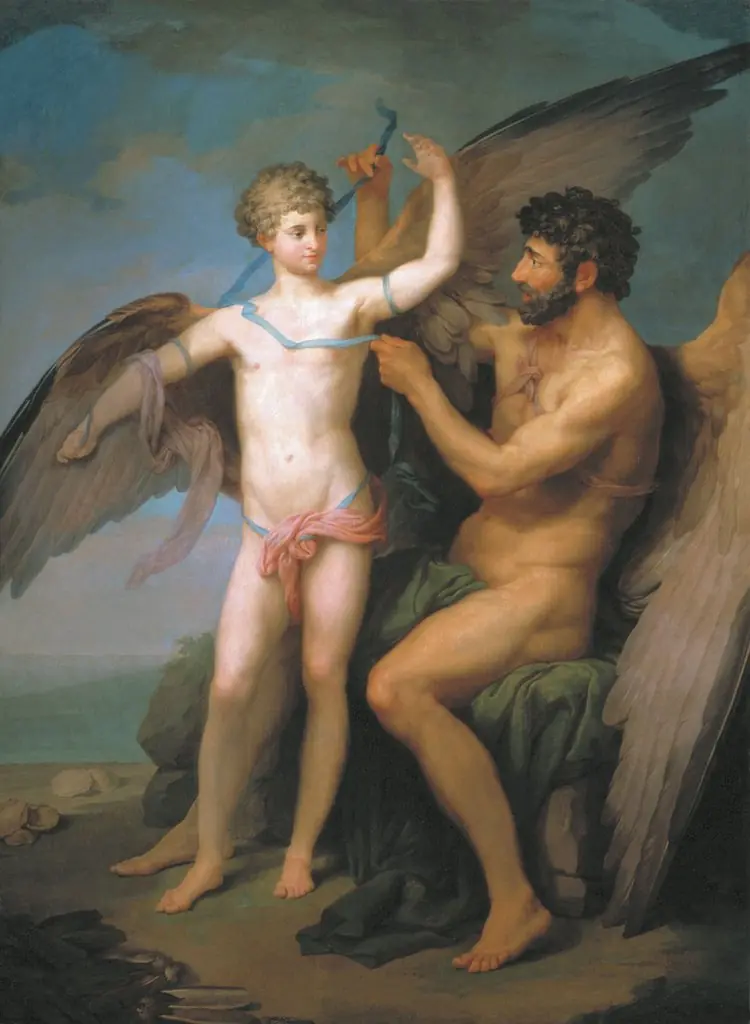 Daedalus and Icarus
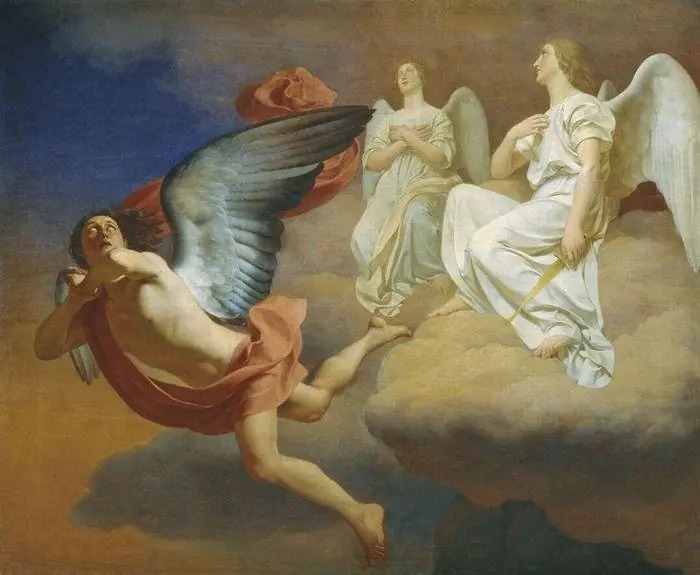 Abaddon and the Angels
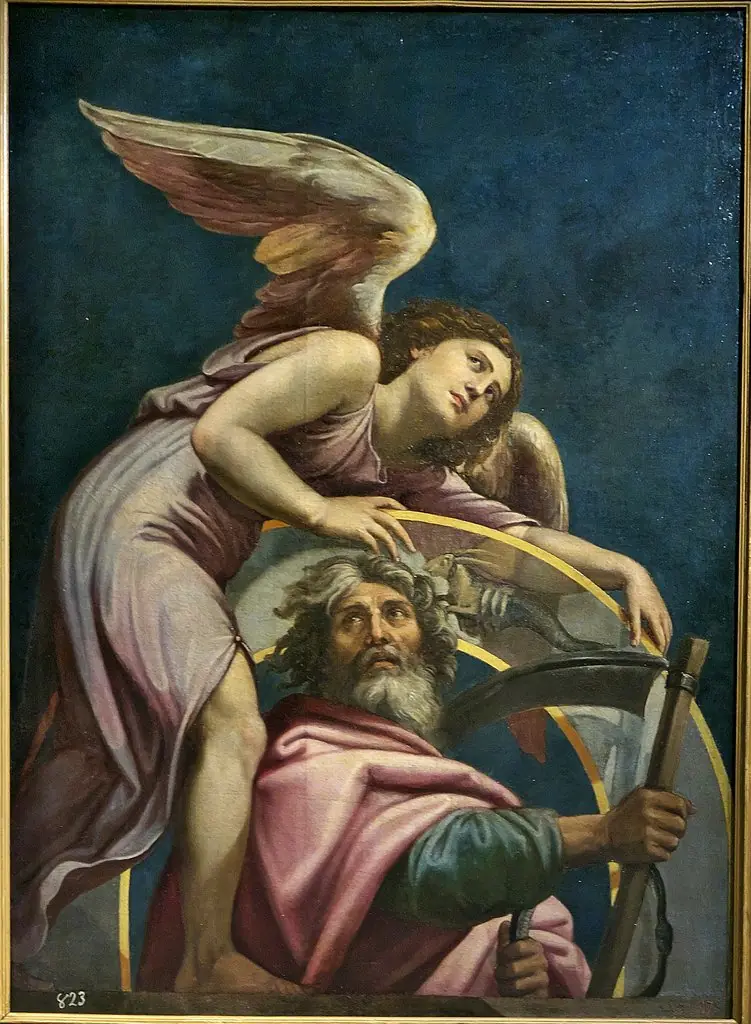 The planet Saturn with an angel and the zodiac sign of Capricorn
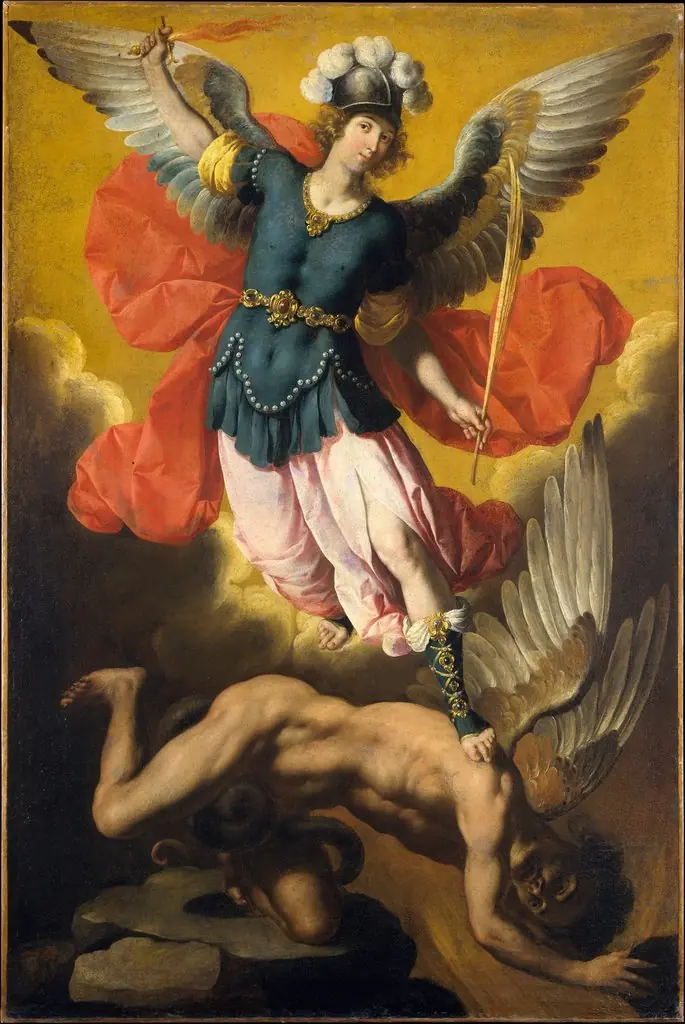 Saint Michael the Archangel
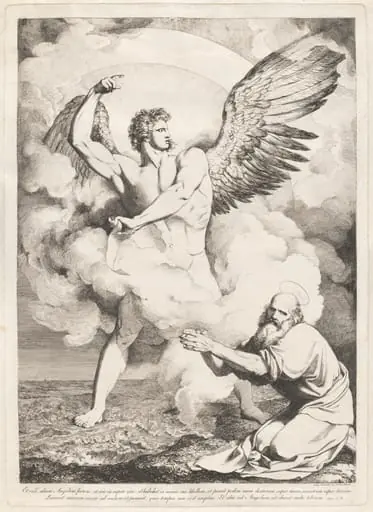 Et vidi alium angelum fortem... (The Angel of the Apocalypse Appearing to Saint John)
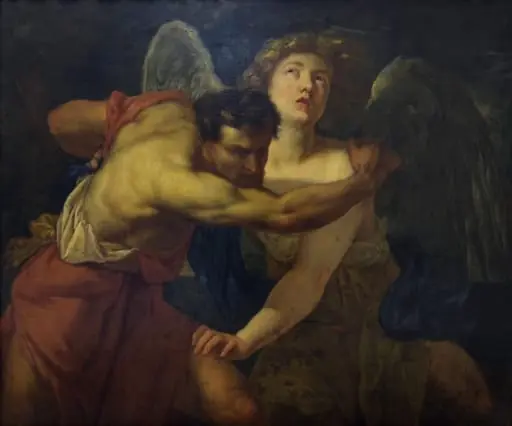 Lupta lui Iacob cu îngerul
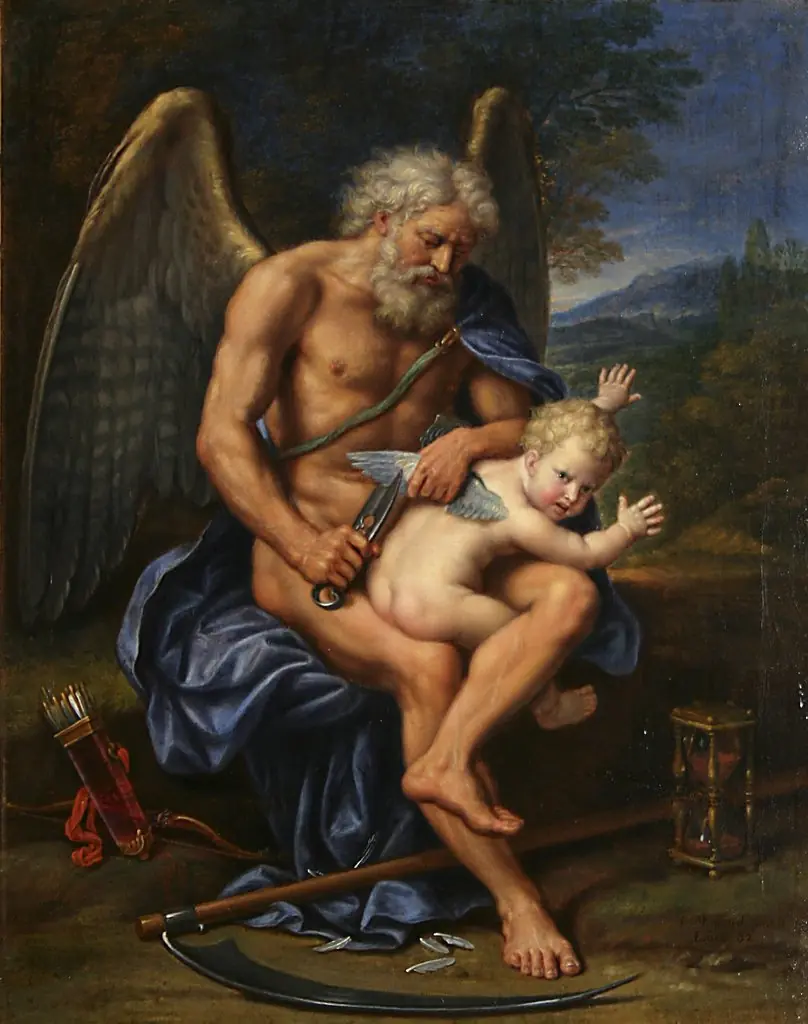 Time Clipping Cupid's Wings
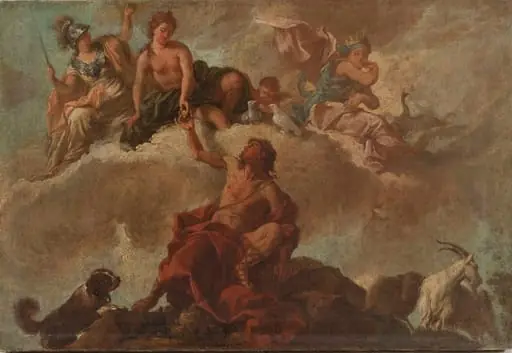 Judecata lui Paris
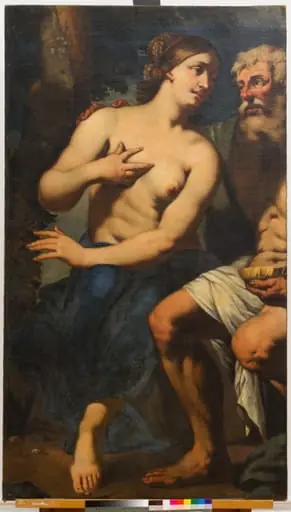 Lot und seine Töchter (Fragment)
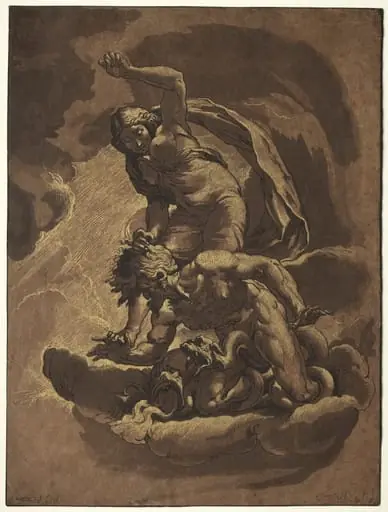 The Triumph of Truth over Envy, Plate 24