Artwork
Et vidi alium angelum fortem... (The Angel of the Apocalypse Appearing to Saint John)
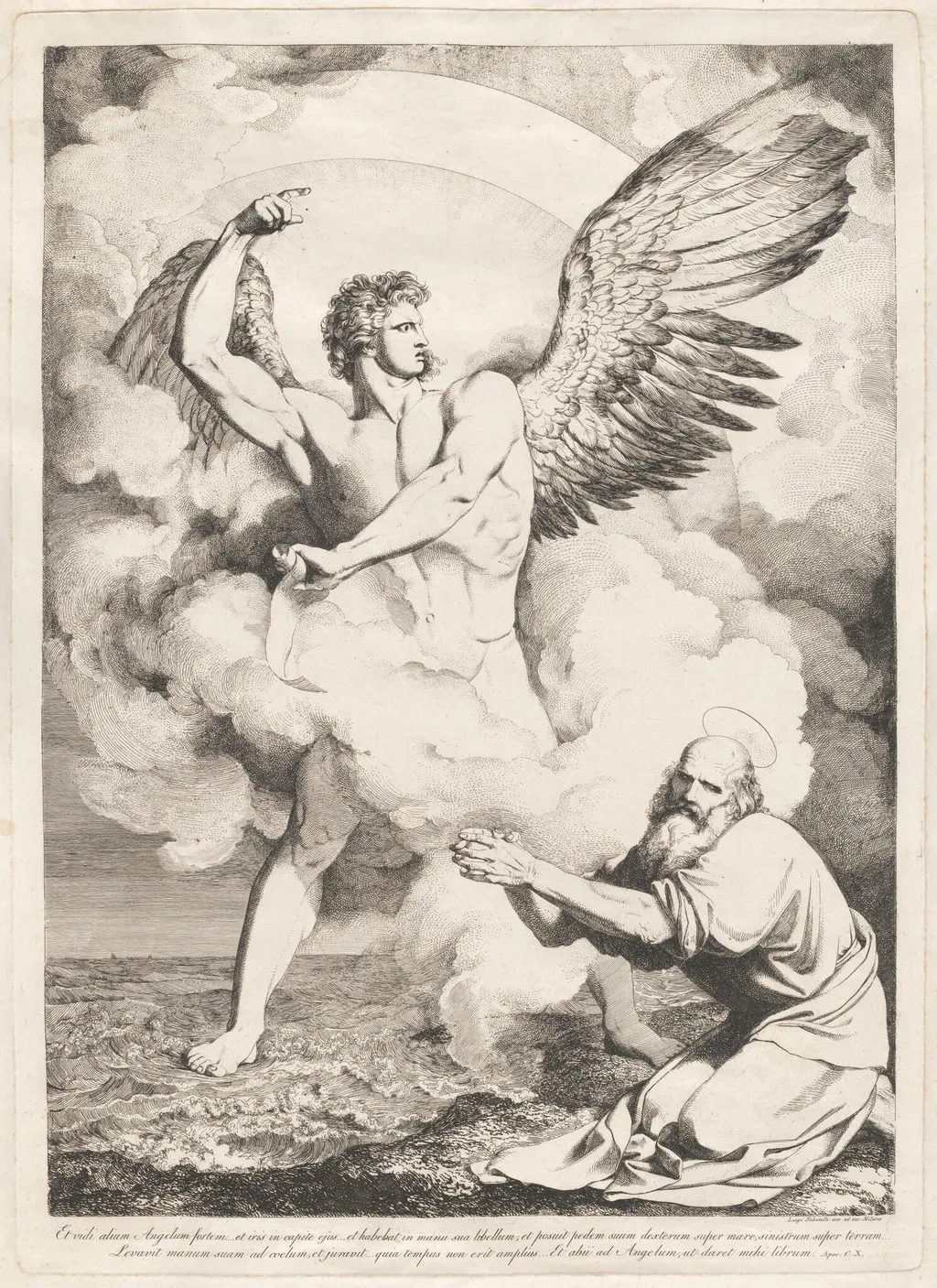
Et vidi alium angelum fortem... (The Angel of the Apocalypse Appearing to Saint John) is an ink print by the Romanticist artist Luigi Sabatelli I. It dates from 1810 and is held in the collection of the National Gallery of Art.
About this work
Overview
Luigi Sabatelli I's 1810 etching, Et vidi alium angelum fortem..., depicts a pivotal religious scene from the Apocalypse, rendered in black and white.
Subject & Meaning
The print illustrates the Angel of the Apocalypse appearing to Saint John. A muscular angel, with expansive wings, stands on a rocky coastline, gesturing upward. Before him, a bearded figure, identified as Saint John, kneels in devout prayer, hands clasped. The composition conveys a moment of profound revelation.
Technique & Style
Sabatelli employed etching techniques to achieve detailed, three-dimensional forms. Strategic shading enhances the sculptural quality of the figures, while expressive lines capture the dynamic movement of swirling clouds and crashing waves, emphasizing the scene's dramatic intensity.
History & Provenance
Created in 1810, specific details regarding the etching's commission, original audience, or subsequent ownership history are not provided in the available information.
Context
This work reflects Sabatelli's engagement with religious themes common in early 19th-century European art. The choice of subject from the Apocalypse suggests an interest in depicting powerful, spiritually charged moments.
Legacy
The etching's impact on subsequent artistic works or its reception over time is not detailed in the provided sources, indicating a need for further research to assess its broader influence.
Artist & collection


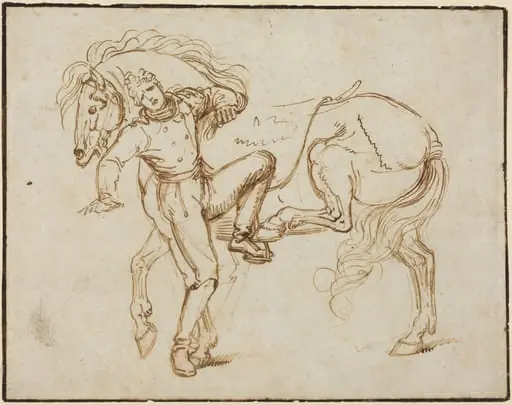 Cavalryman Mounting a Horse
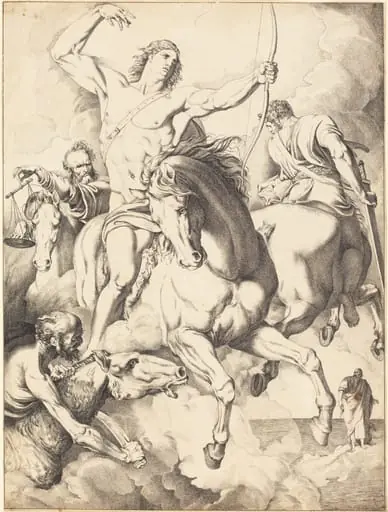 Vidi, quod aperuisset agnus... (The Four Horsemen of the Apocalypse)
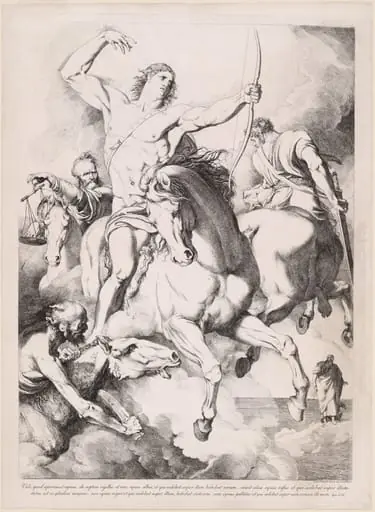 Vidi, quod aperuisset agnus... (The Four Horsemen of the Apocalypse)
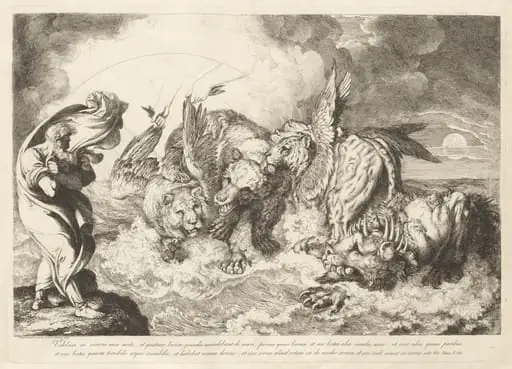 Daniel's Vision
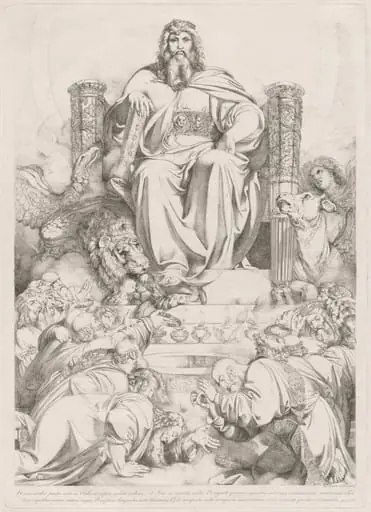 Et ecce sedes posita erat in coelo... (God the Son in Majesty on the Throne Surrounded by the Four Creatures and Worshipped by the Twenty-four Elders)
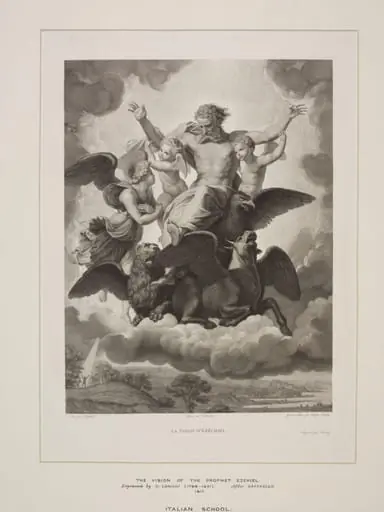 The Vision of Ezekiel
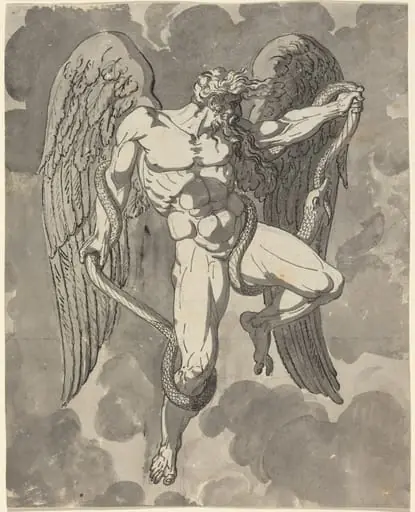 Saturn Wrestling with a Snake
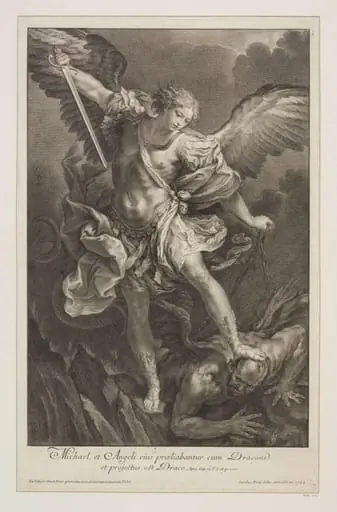 The Archangel Michael
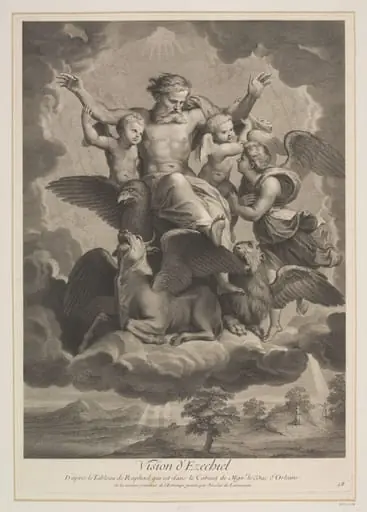 The Vision of Ezekiel
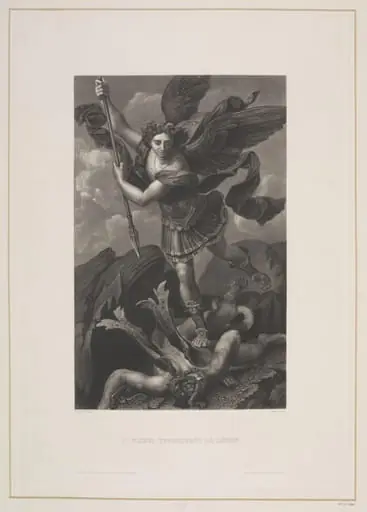 St. Michael
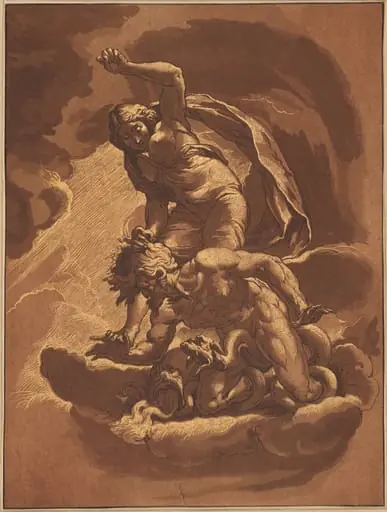 The Triumph of Truth Over Envy
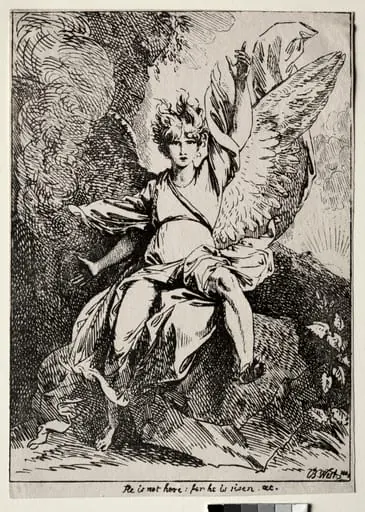 Specimens of Polyautography: The Angel at the Tomb of Christ
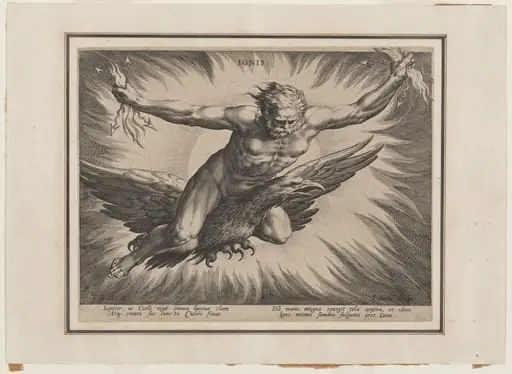 Fire
Fire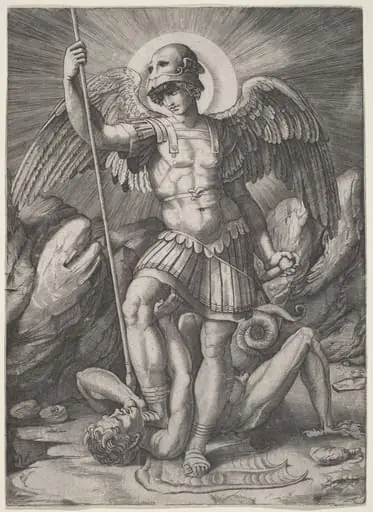 Saint Michael
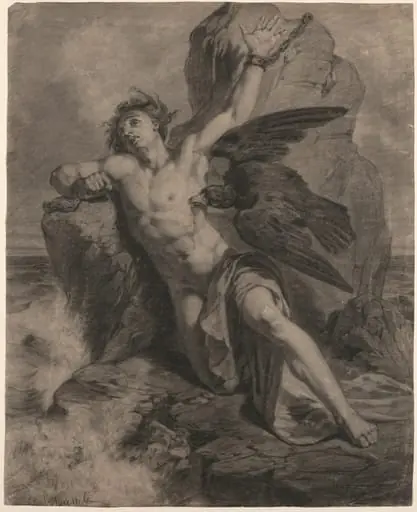 Prometheus Bound
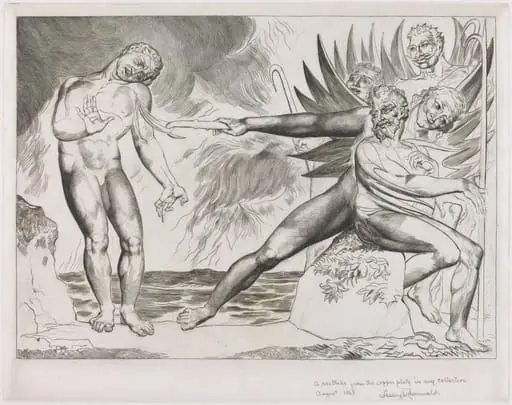 The Circle of the Corrupt Officials; the Devils Tormenting Ciampolo
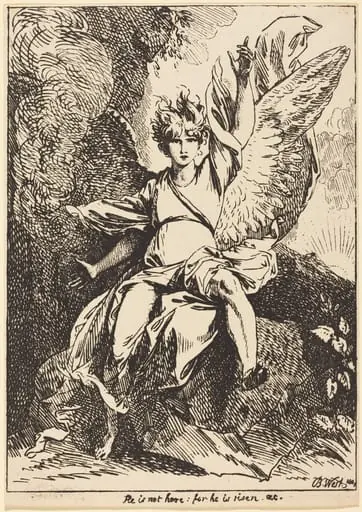 Angel of the Resurrection