Artwork
Portrait of a Man
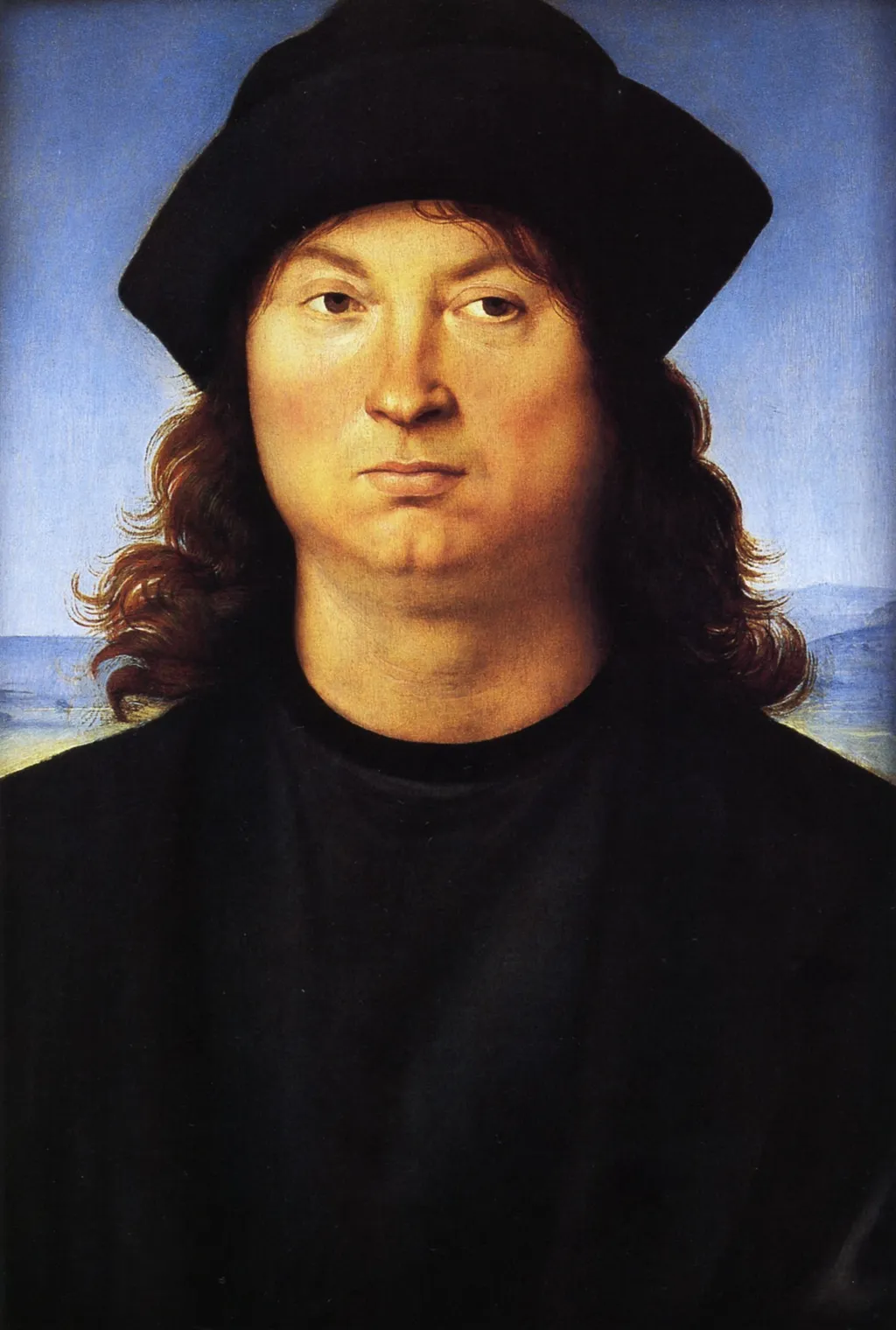
Portrait of a Man is an oil painting by the High Renaissance artist Raphael. It dates from 1503 and is held in the collection of the Galleria Borghese.
About this work
Overview
Painted between 1500 and 1504, this oil portrait is an early work by Raphael, created during his formative years in central Italy. Once misattributed to Hans Holbein and Perugino, it was later recognized as his. The painting underwent restoration in 1911 and is now held in the Galleria Borghese in Rome, where it remains a quiet example of his developing skill in capturing individual presence.
Subject & Meaning
The sitter is a man with neutral expression and direct gaze, dressed in a black shirt and wide-brimmed hat. His parted, shoulder-length hair and composed posture suggest a figure of modest status, possibly a scholar or local noble. The lack of overt symbolism or adornment emphasizes introspection over status, reflecting a shift toward psychological realism in early Renaissance portraiture.
Technique & Style
The brushwork is precise yet restrained, particularly in the rendering of hair and the soft transition between the figure and the distant landscape.
Raphael employs chiaroscuro to model the face and fabric with subtle gradations of light, lending volume and texture without harsh contrasts. The brushwork is precise yet restrained, particularly in the rendering of hair and the soft transition between the figure and the distant landscape. The blue sky and hazy mountains behind him create a serene, atmospheric backdrop that enhances the sitter’s stillness.
History & Provenance
The painting’s attribution shifted over centuries, initially credited to Holbein and later to Perugino, Raphael’s teacher. By the early 20th century, stylistic analysis confirmed Raphael’s hand. It was restored in 1911 to clarify details obscured by age and varnish. Since then, it has remained in the Borghese collection, where it was likely acquired in the 17th century.
Context
Created during Raphael’s time in Perugia and Florence, this portrait reflects the influence of local masters and the growing Renaissance interest in individual identity. Unlike formal court portraits, it avoids grandeur, instead focusing on quiet dignity. Its composition aligns with contemporary trends in Italian portraiture that valued naturalism over idealization.
Legacy
Though not among Raphael’s most celebrated works, this portrait illustrates his early mastery of psychological nuance and spatial harmony. It contributes to understanding his artistic evolution before his mature Roman period. Its enduring presence in the Borghese collection underscores its role as a representative example of early 16th-century Italian portraiture.
Own this work as a print
Artist & collection
Artist
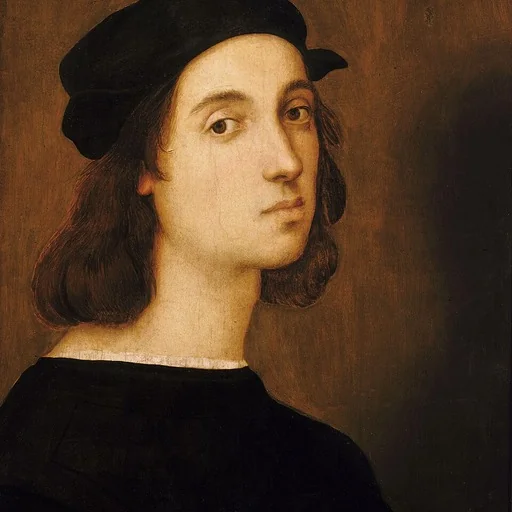
Raphael was born Raffaello Sanzio in Urbino on April 6, 1483, the son of Giovanni Santi, a painter and poet attached to the ducal court.

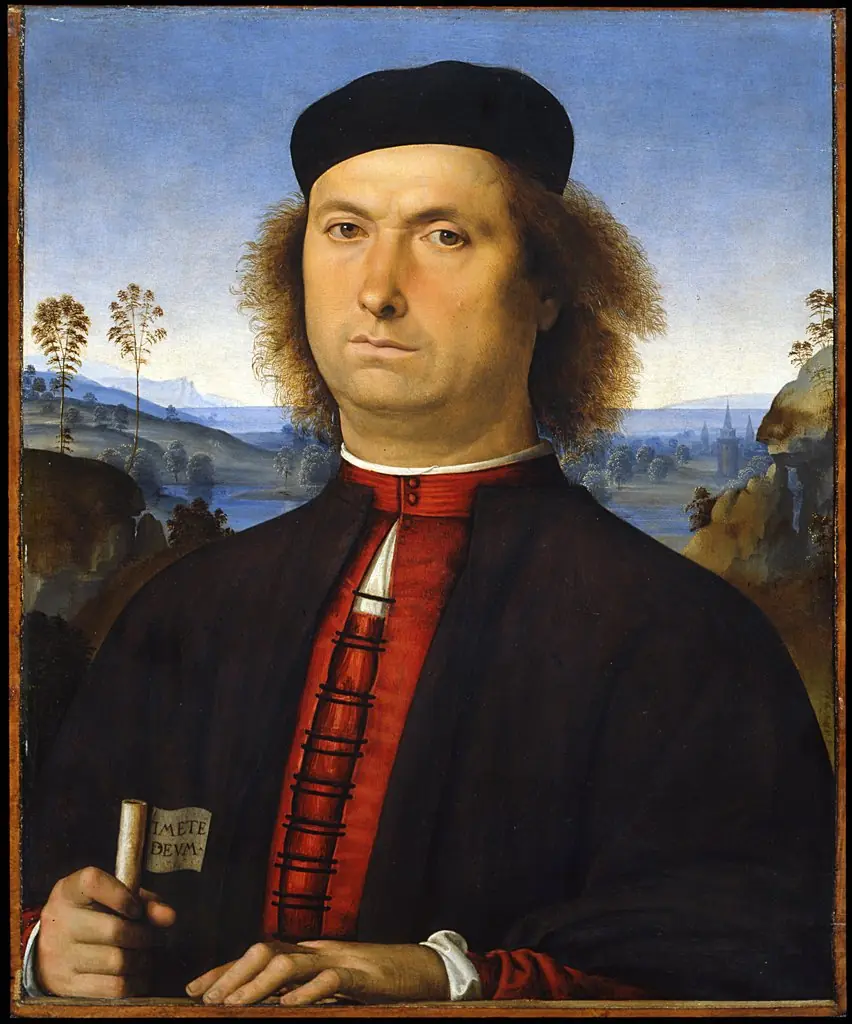 Portrait of Francesco delle Opere
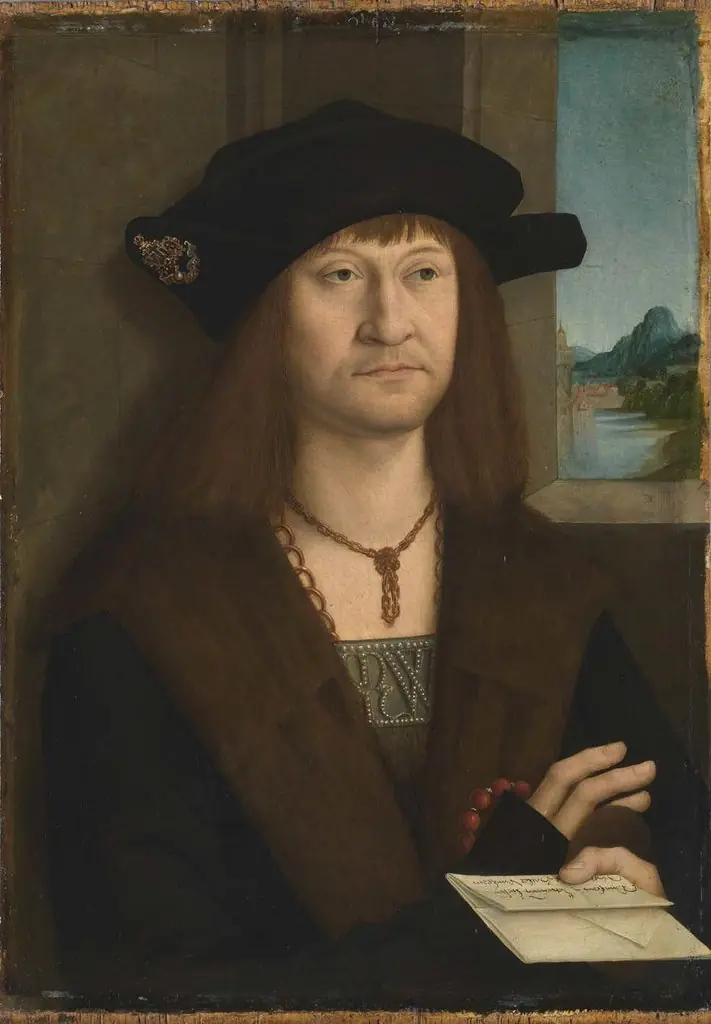 Bildnis des Hieronymus II. Haller zu Kalchreuth
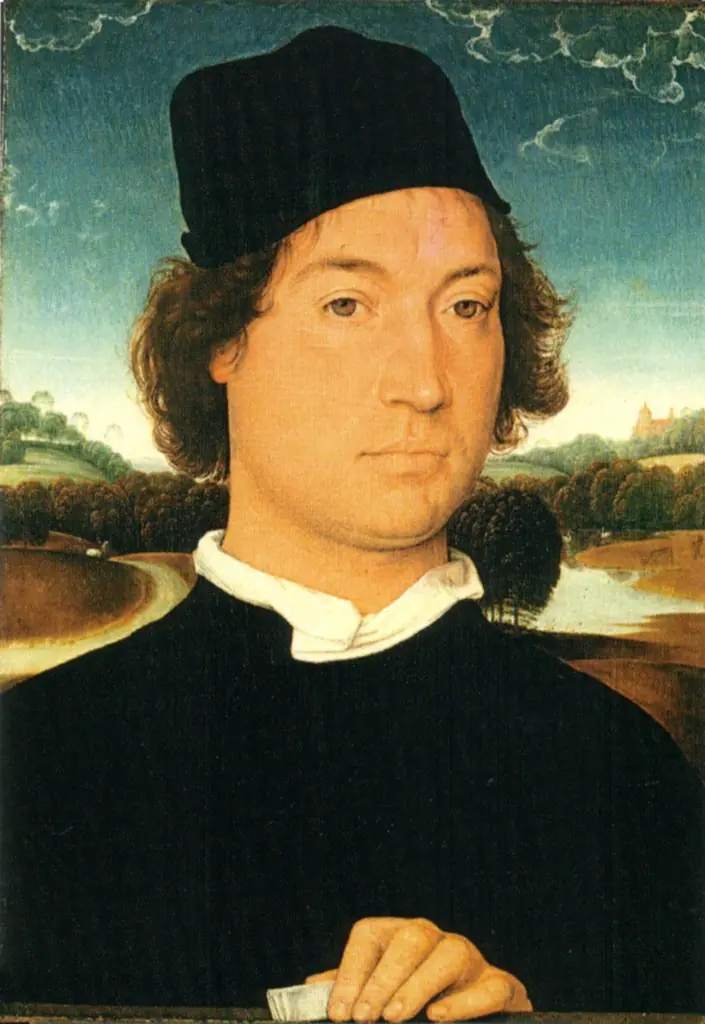 Portrait of an unknown man with a letter
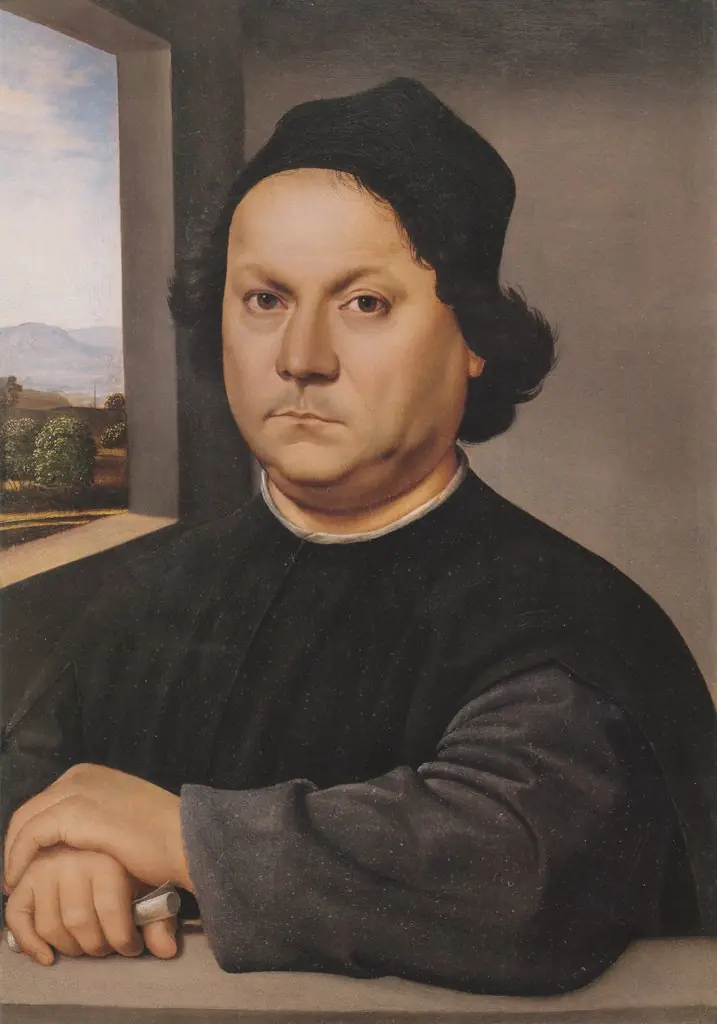 Portrait of Perugino
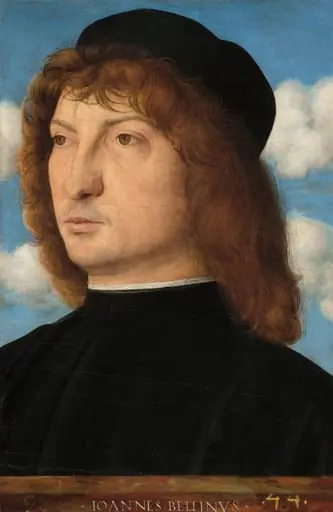 Portrait of a Venetian Gentleman
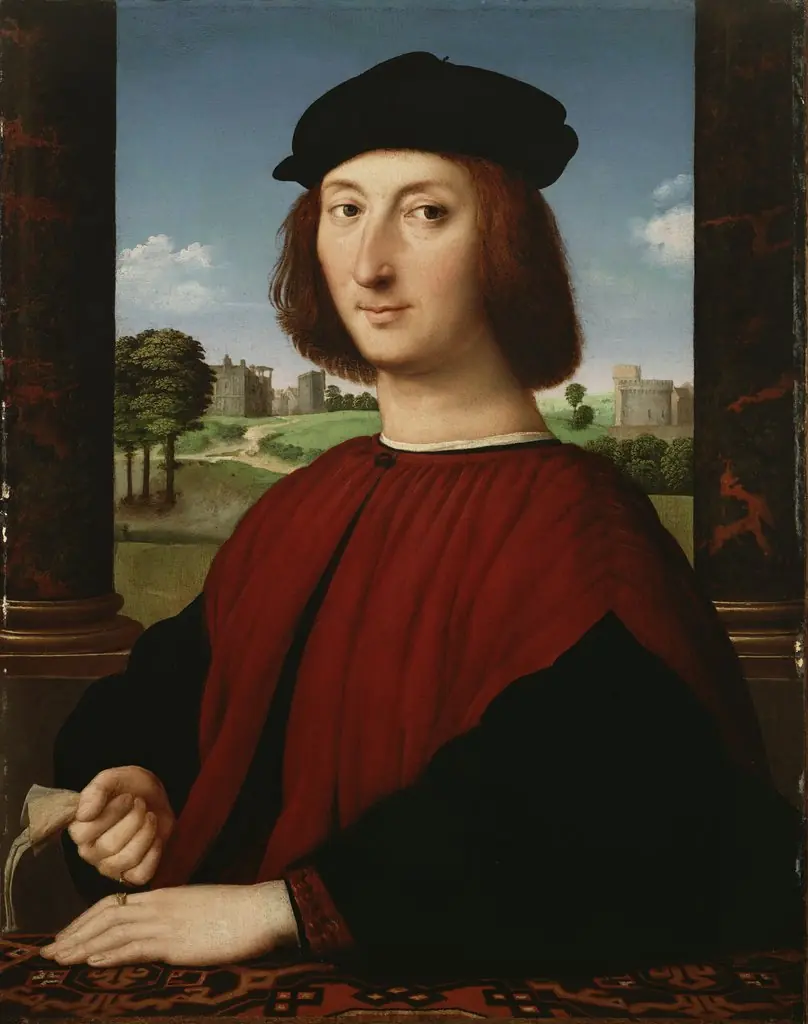 Portrait of a Young Man in Red
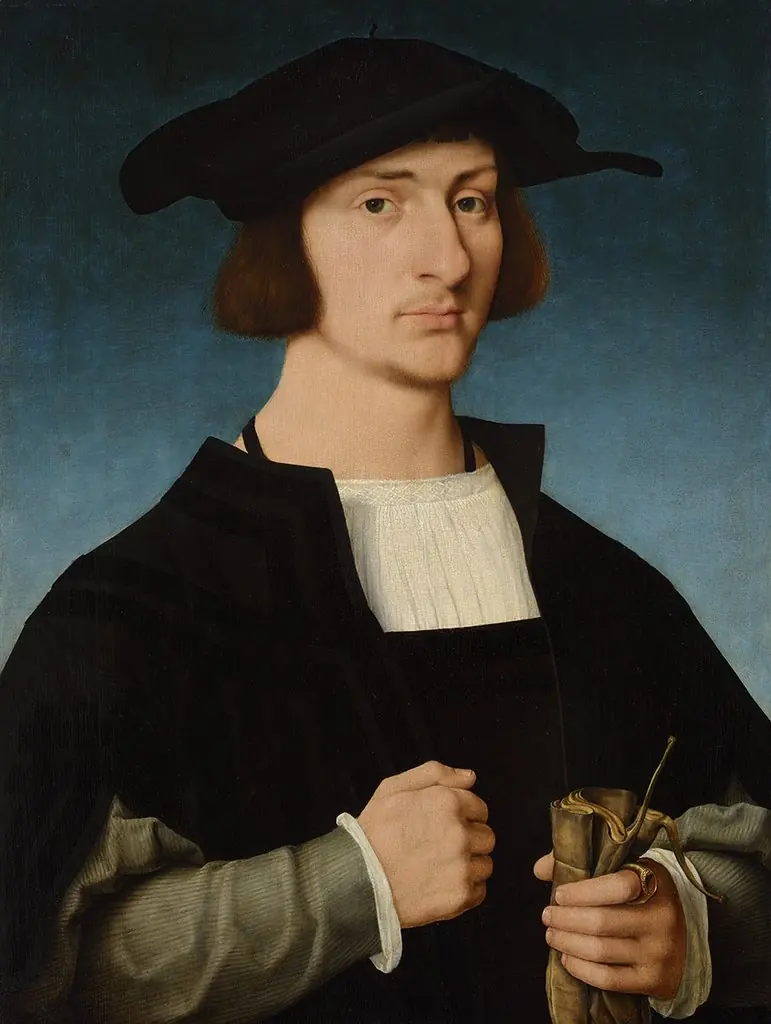 Portrait of a Young Man (Lyons)
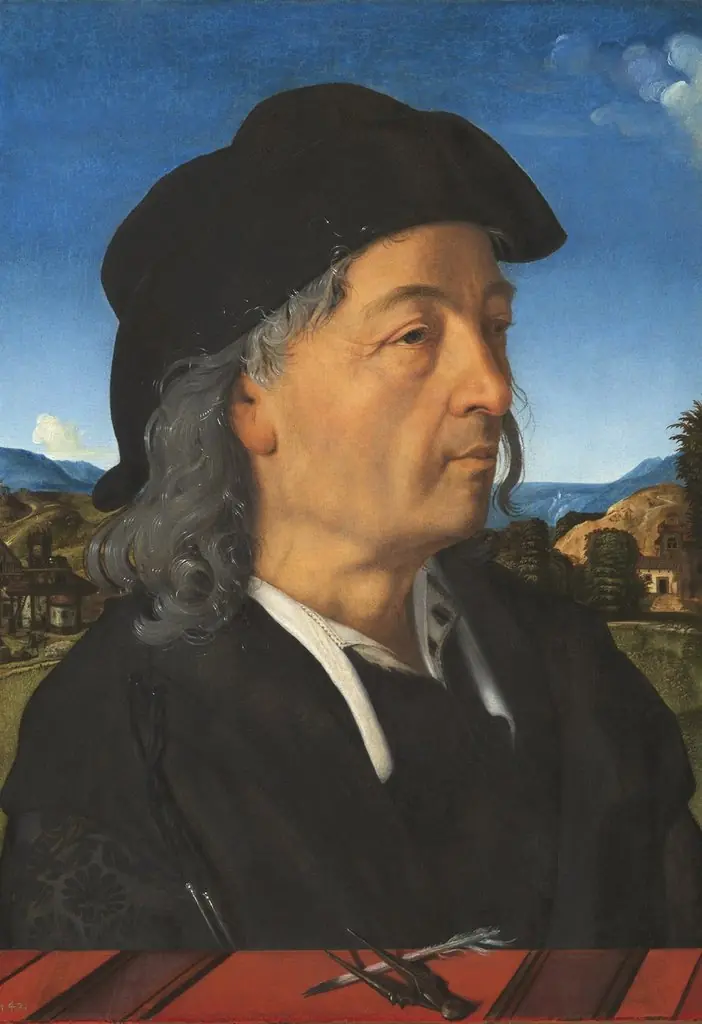 Portrait of Giuliano Giamberti da Sangallo
 Portrait of a Man
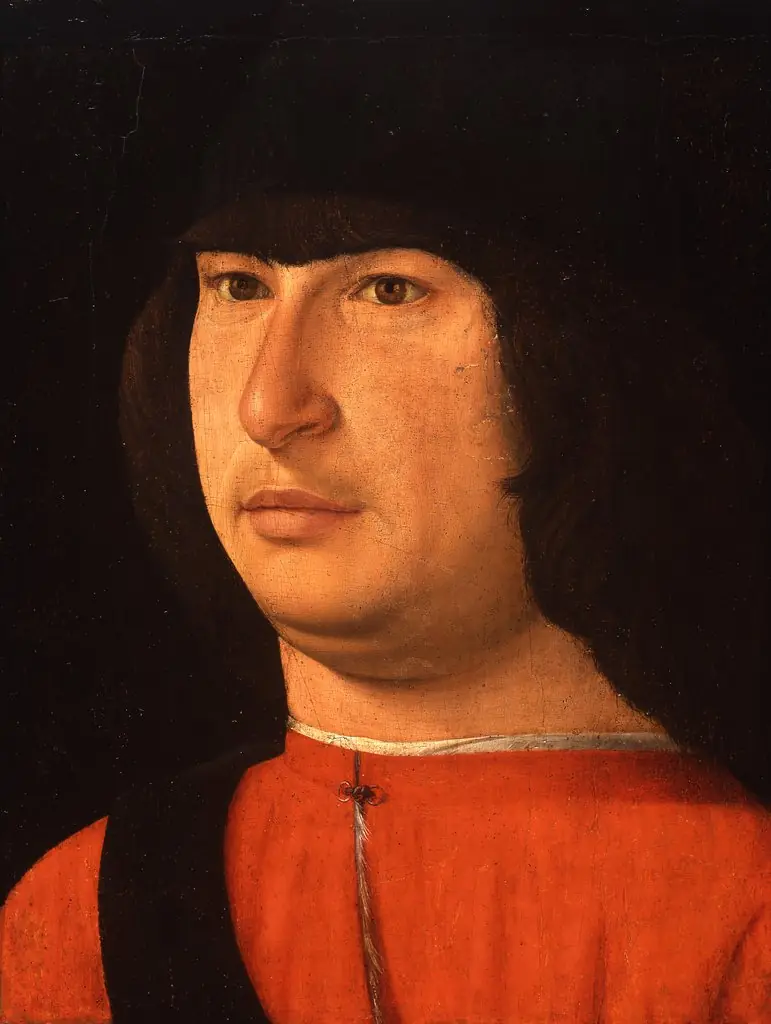 Portrait of a Venetian Procurator
 Portrait of Alessandro de Richao
 Portrait of a man