Artwork
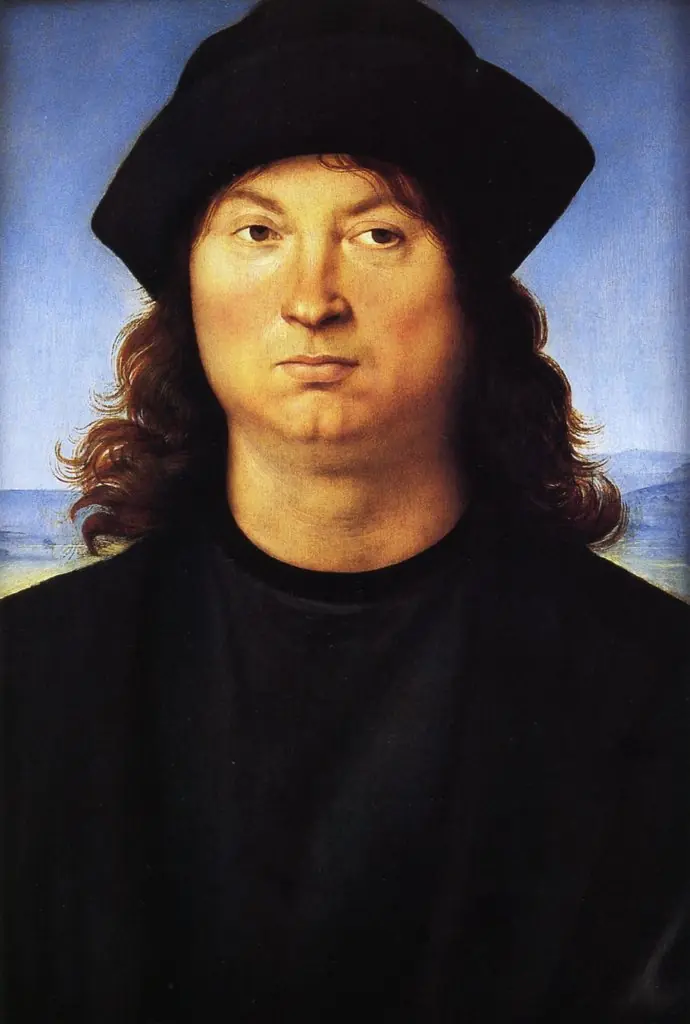
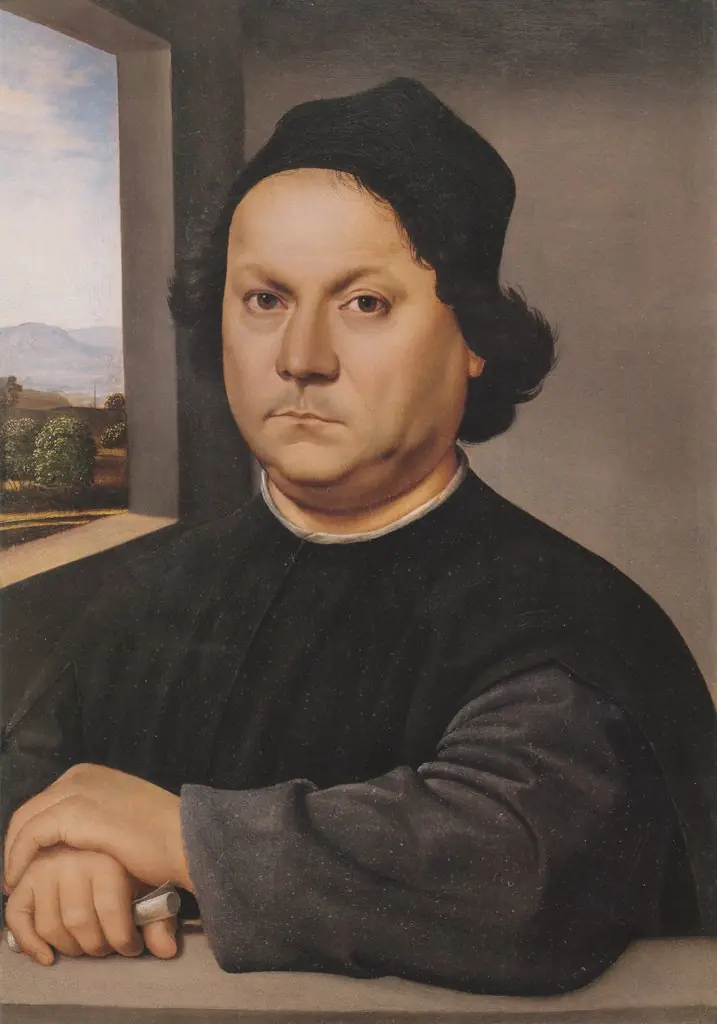
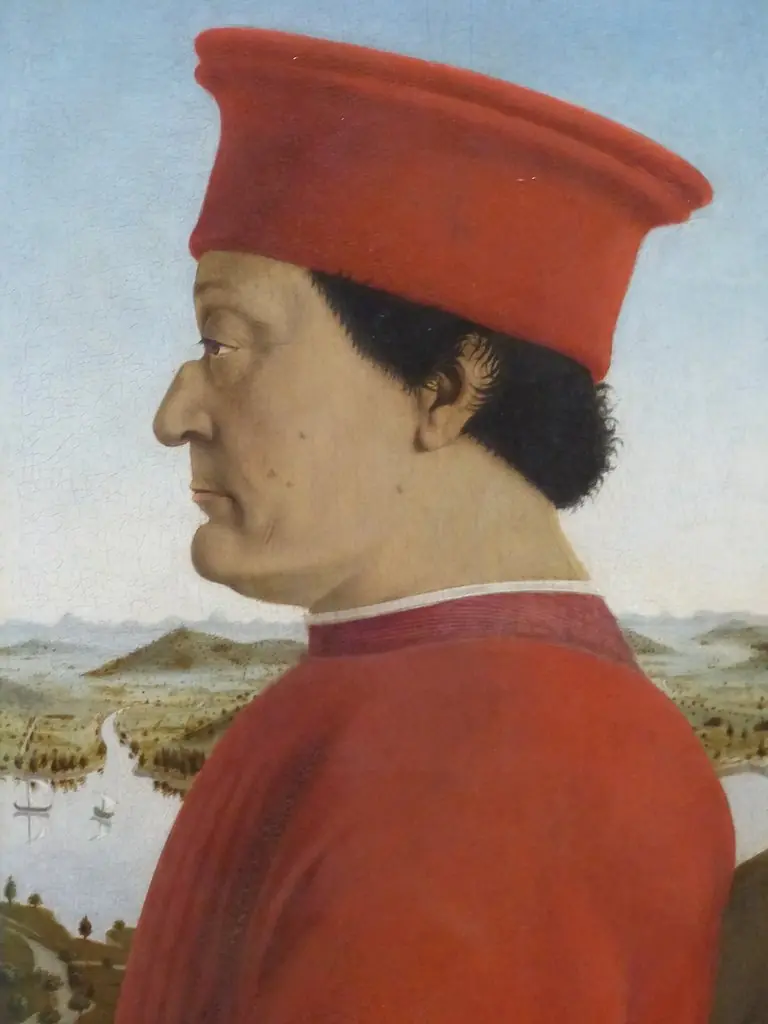
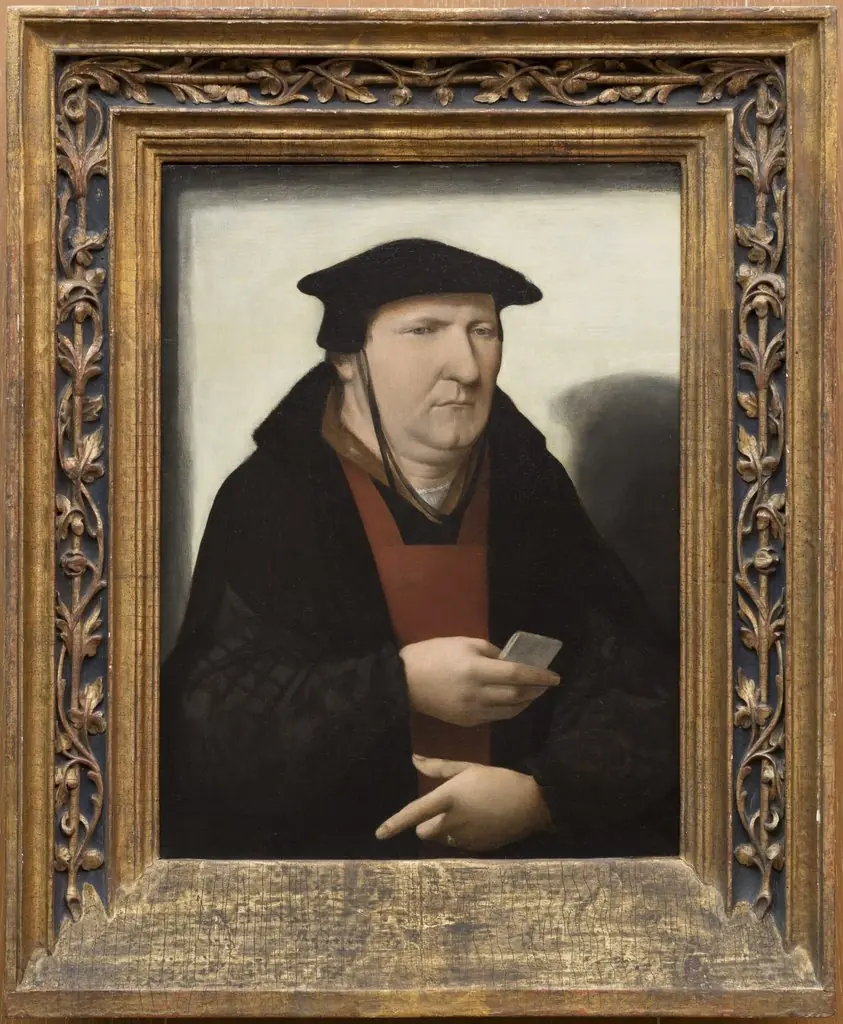
Portrait of a man
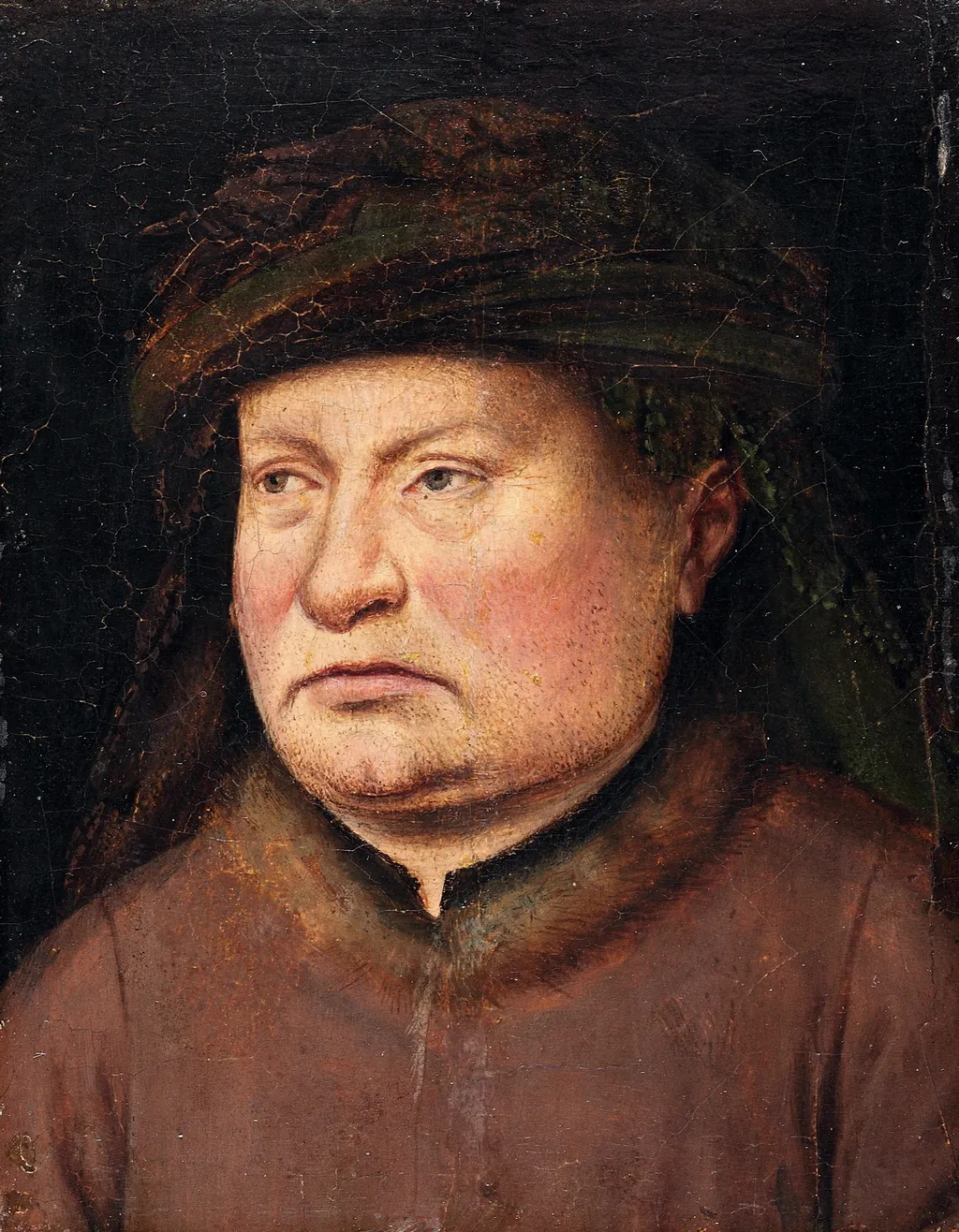
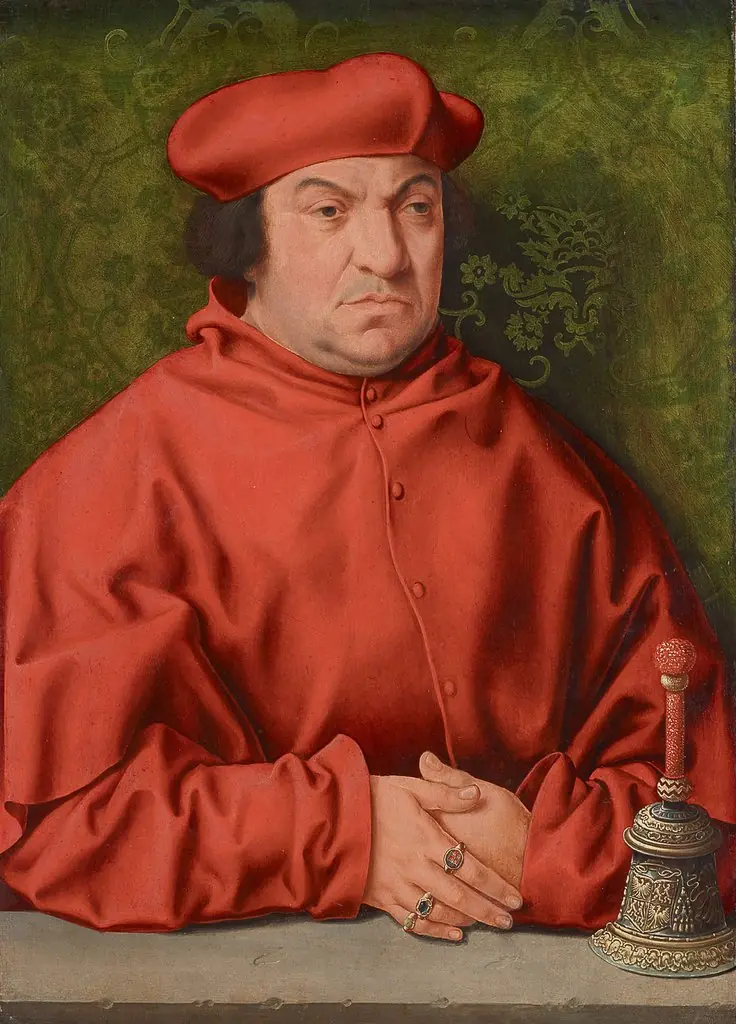
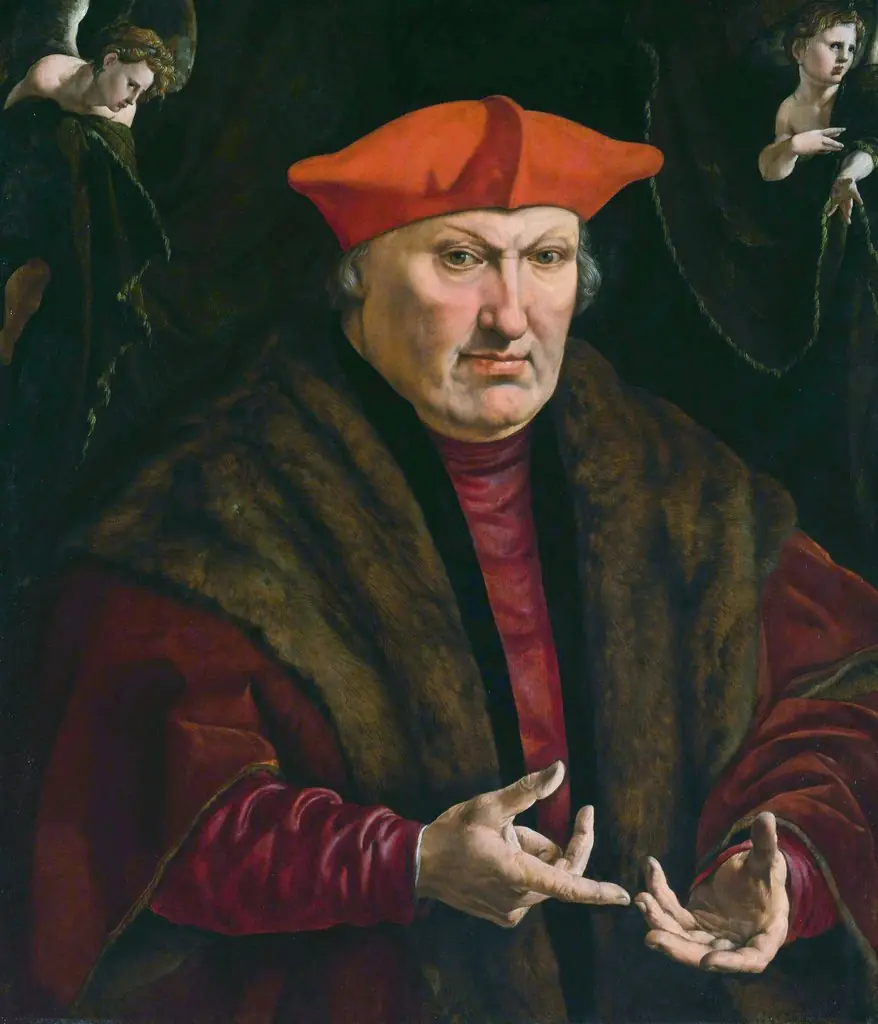
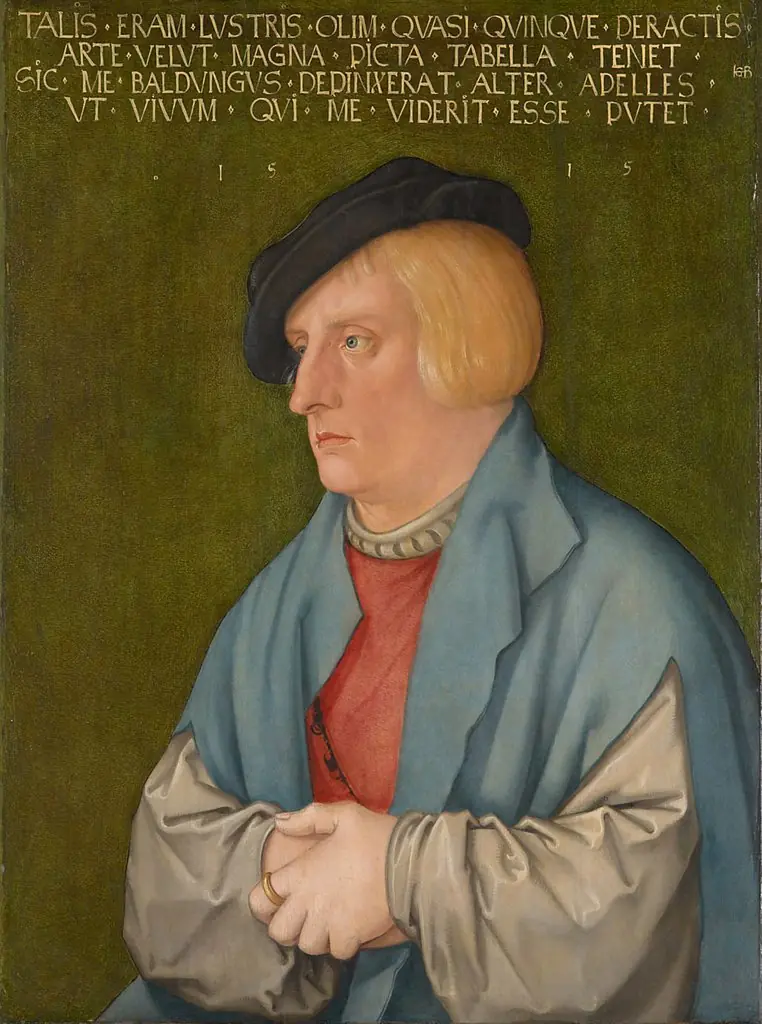
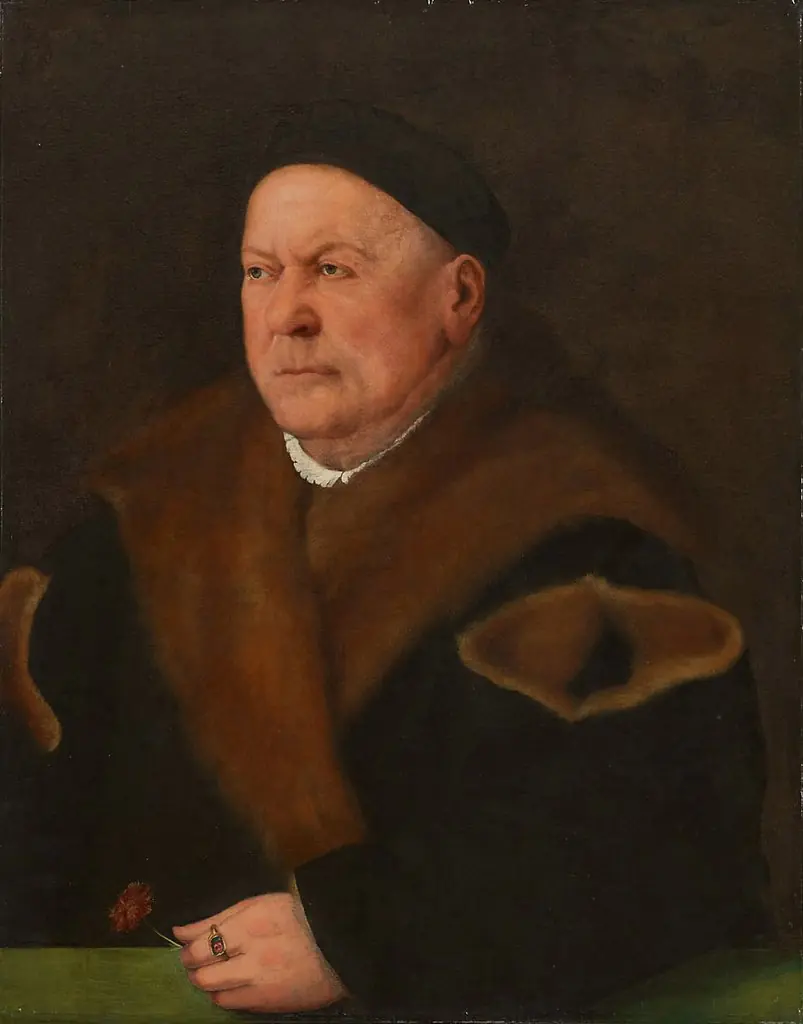
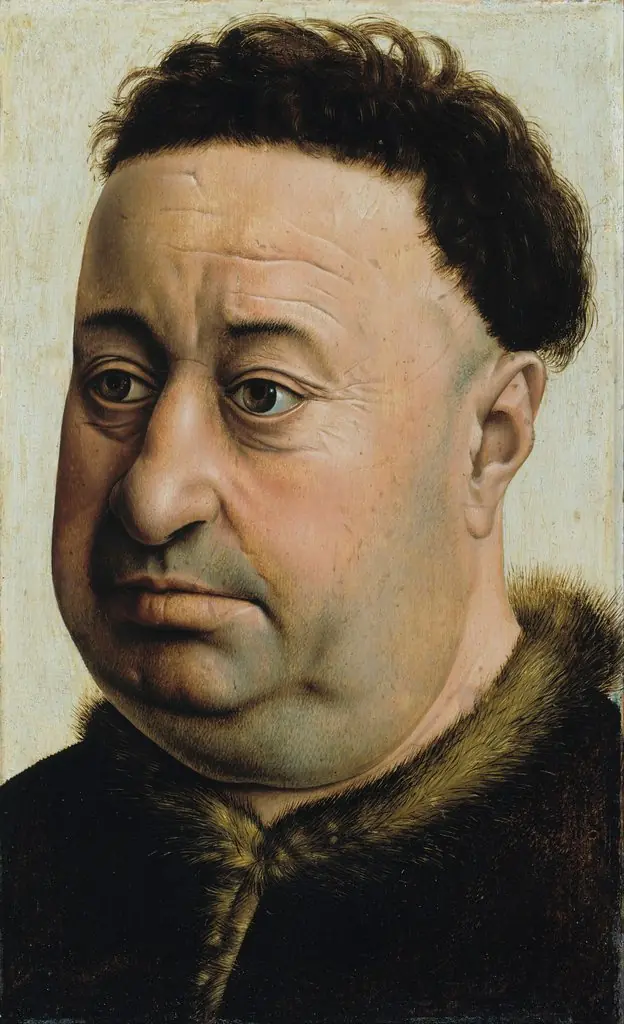
Portrait of a man is an oil painting by the Northern Renaissance artist Jan van Eyck. It dates from 1430 and is held in the collection of the Gemäldegalerie Berlin.
About this work
Overview
Created circa 1430, this oil painting by Jan van Eyck—an early Netherlandish artist based in Bruges—shows a single male sitter. The work is held in the Gemäldegalerie, Berlin, and exemplifies the painter’s early Northern Renaissance output.
Subject & Meaning
The figure wears a dark hat and a brown robe, his face marked by subtle stubble and a slightly furrowed brow. He looks directly forward, his expression serious and contemplative, suggesting a private, introspective moment rather than a formal display of status.
Technique & Style
Van Eyck employs his pioneering oil medium to achieve a finely detailed surface, rendering textures of fabric and skin with a luminous depth. The careful modeling of light and shadow creates a three‑dimensional presence, while the restrained palette emphasizes the sitter’s naturalistic features.
History & Provenance
The portrait entered the Berlin Gemäldegalerie collection in the early 20th century, having passed through several private hands after its creation. Its attribution to van Eyck has been consistently supported by stylistic analysis and documentary evidence linking it to his Bruges workshop.
Context
Produced during a period when van Eyck was refining oil techniques that would influence generations of Northern artists, the painting reflects the growing interest in individualized portraiture among the Burgundian elite. It aligns with other contemporary works that prioritize realistic depiction over idealized symbolism.
Artist & collection
Artist
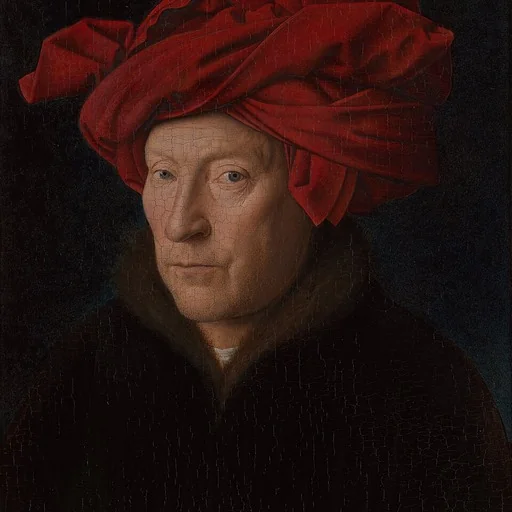
Jan van Eyck was a sharp-eyed observer who spent his life in the Low Countries, painting what he saw with almost eerie precision.