Artwork
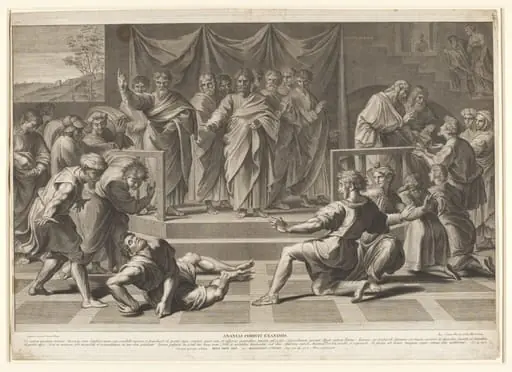
The Death of Ananias
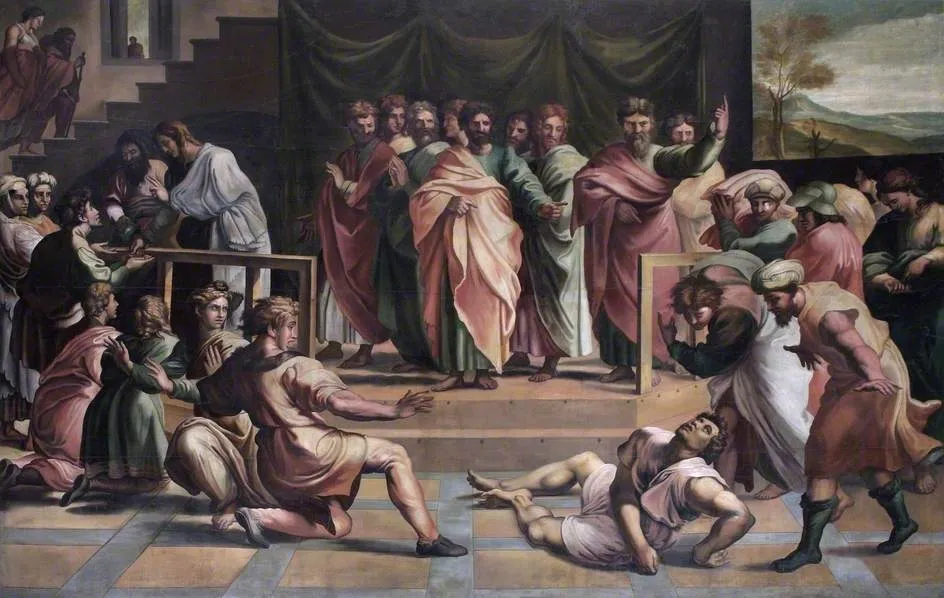
The Death of Ananias is an oil painting by the High Renaissance artist Raphael. It dates from 1511 and is held in the collection of the Ashmolean Museum.
About this work
Overview
The Death of Ananias is an oil painting attributed to Raphael, dated to around 1511, and is part of the collection at the Ashmolean Museum.
Subject & Meaning
The painting depicts a dramatic biblical scene, likely from Acts 5:1-10, where Ananias falls dead after being confronted by Saint Peter for withholding money from the community. The reactions of the surrounding figures convey shock, sorrow, and discussion.
Technique & Style
Executed in muted tones of brown, beige, and green, the work features a mix of standing, kneeling, and prone figures in ancient attire, set against a contrasting backdrop of a dark curtain and a landscape with hills and trees.
History & Provenance
Created circa 1511, the painting's history prior to its acquisition by the Ashmolean Museum is not detailed in the provided sources.
Context
The piece reflects Renaissance interests in biblical narratives and classical influences in attire and composition, characteristic of early 16th-century European art.
Legacy
As a work by Raphael, it contributes to the artist's oeuvre, though its specific impact or influence on subsequent art is not highlighted in the given information.
Artist & collection
Artist
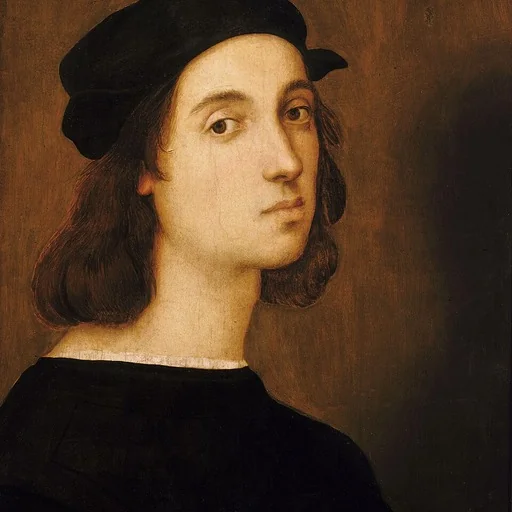
Raphael was born Raffaello Sanzio in Urbino on April 6, 1483, the son of Giovanni Santi, a painter and poet attached to the ducal court.

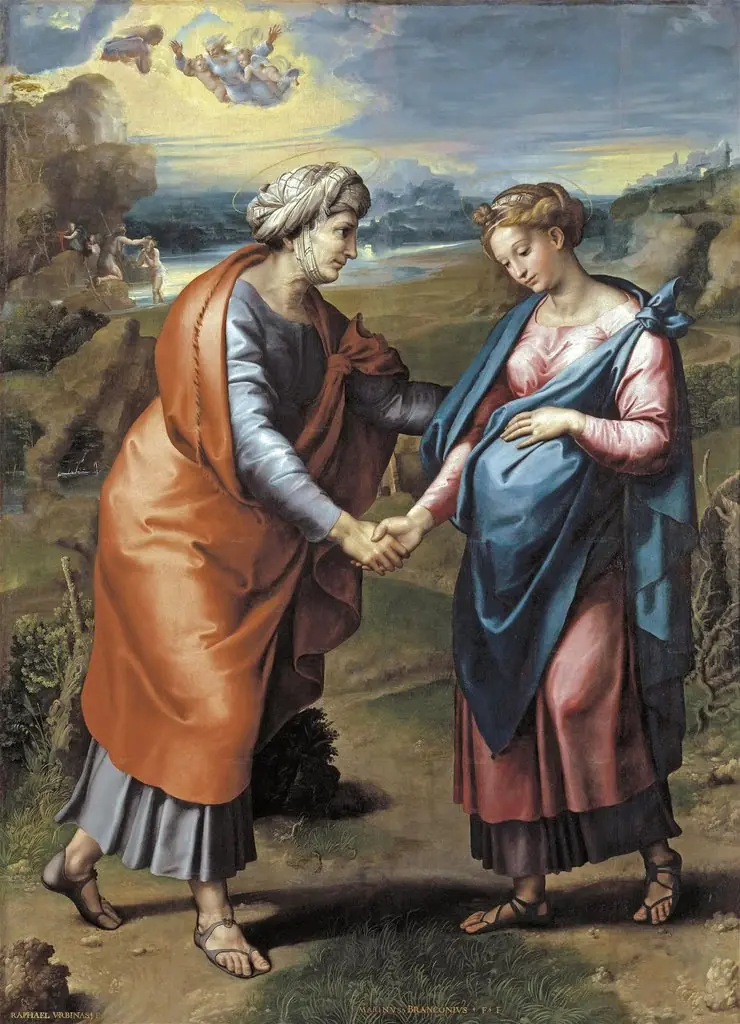
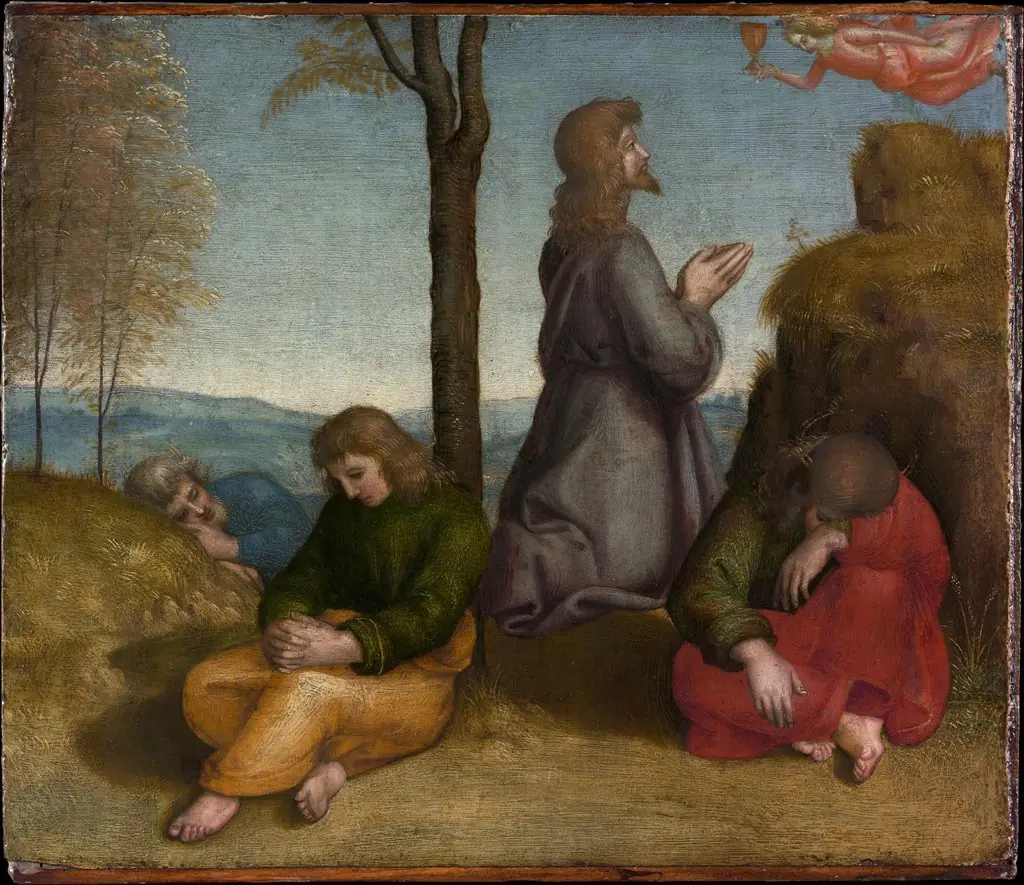
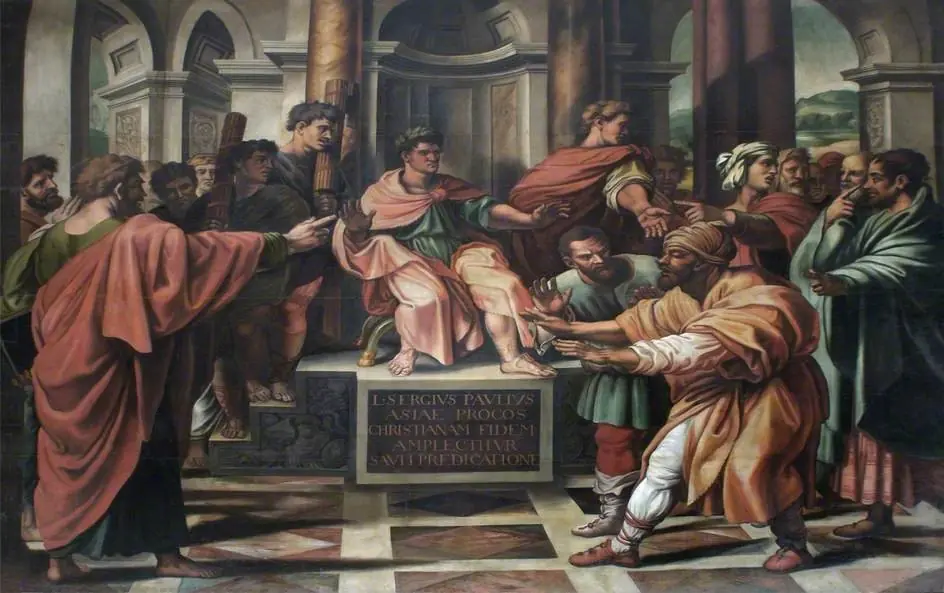 Elymas
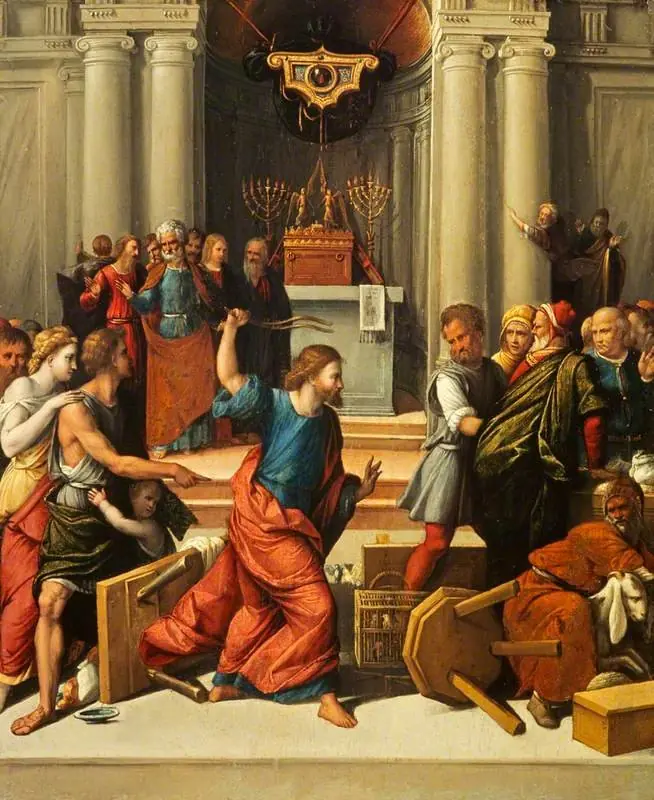 Christ Driving the Money-changers from the Temple
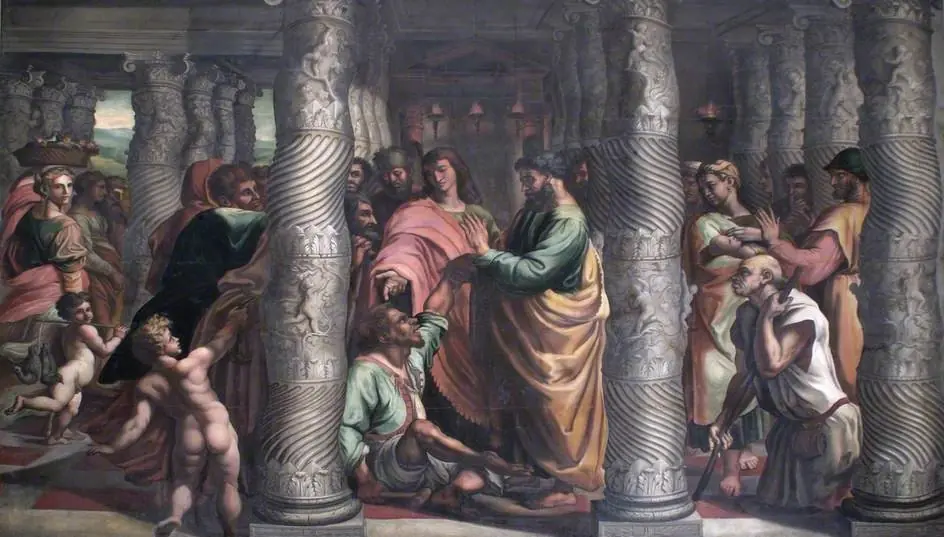 Sts Peter and John at the beautiful Gate
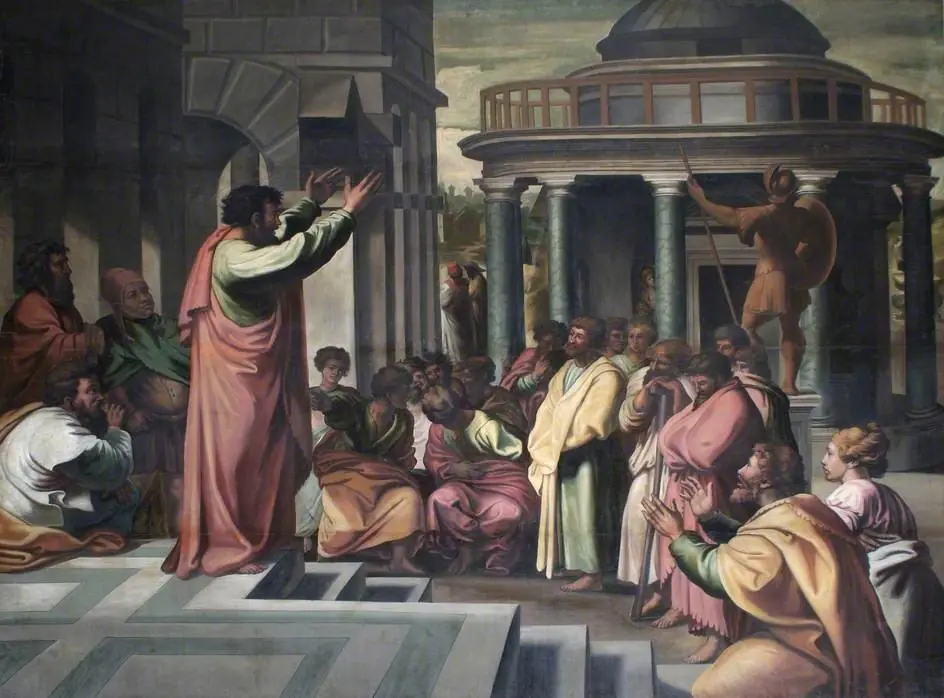 St Paul preaching at Athens
 Pinacotheca Hamptoniana
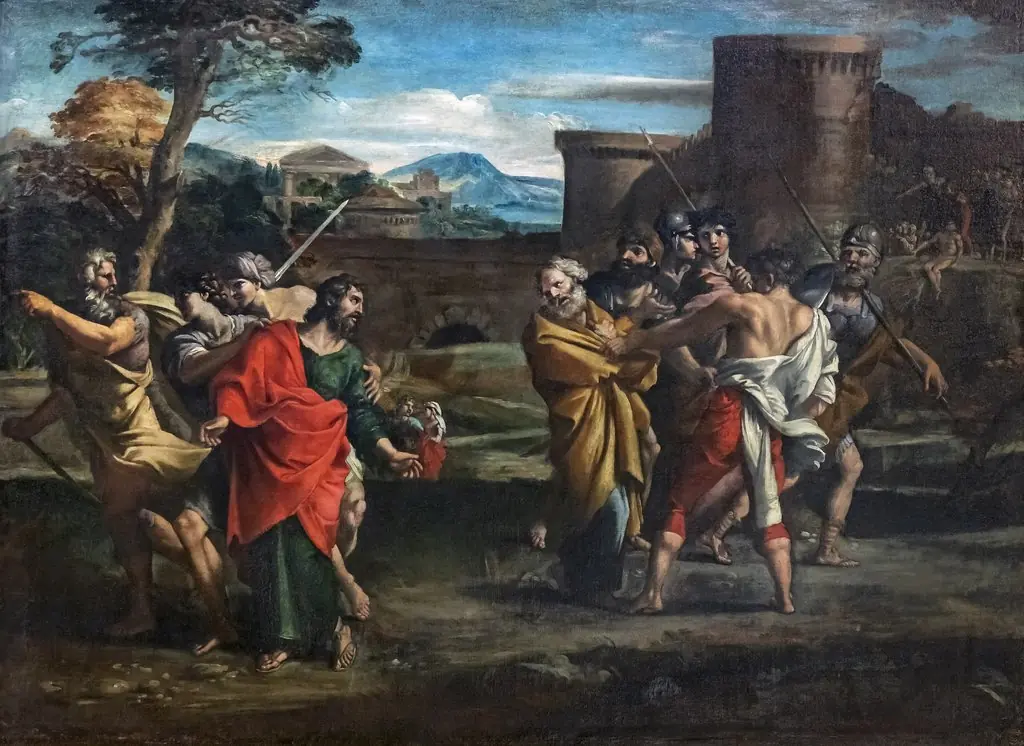 Separation of Saints Peter and Paul
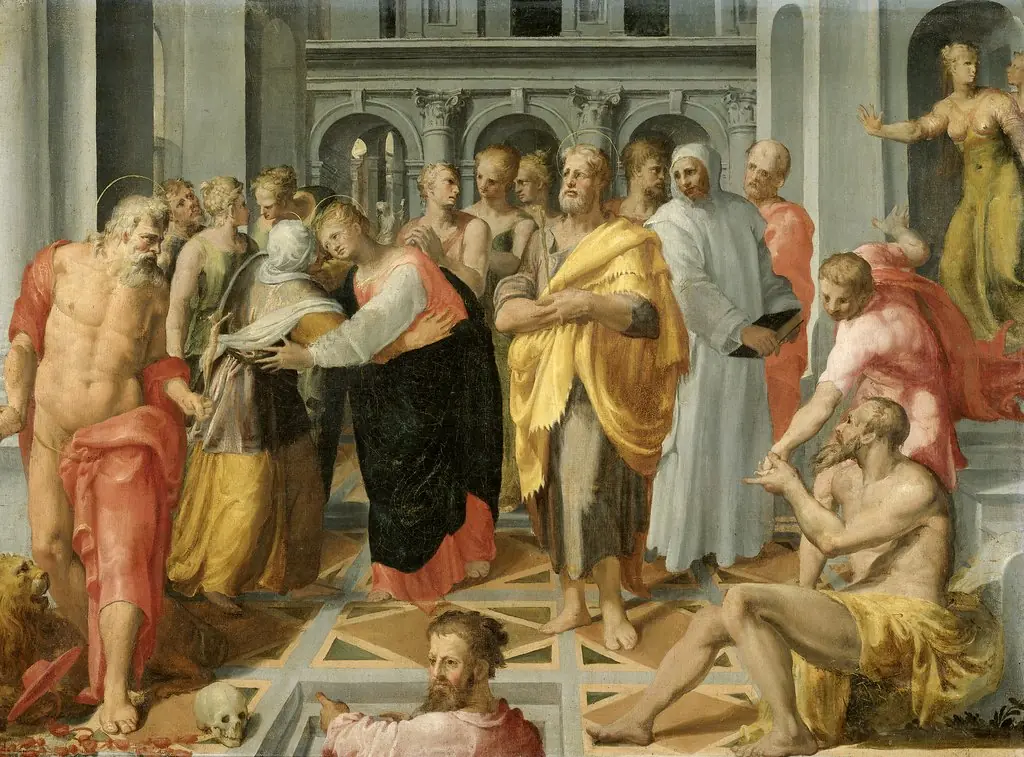 Visitation (Meeting of Mary and Elizabeth in the Presence of Saints Joseph and Jerome)
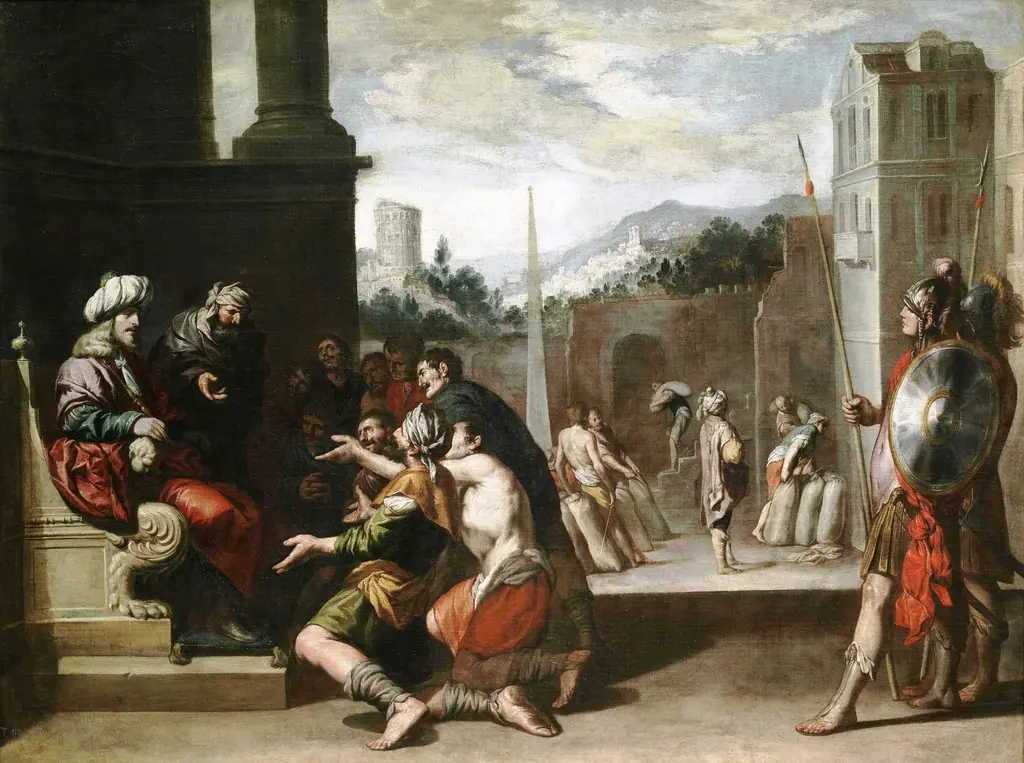 Joseph orders Simeon’s Imprisonment
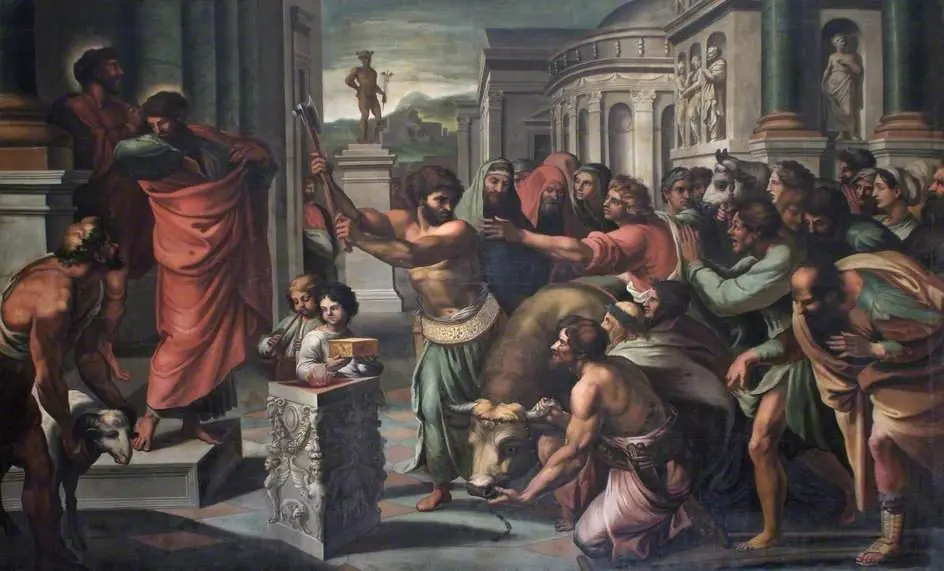 Sts Paul and Barnabas at Lystra
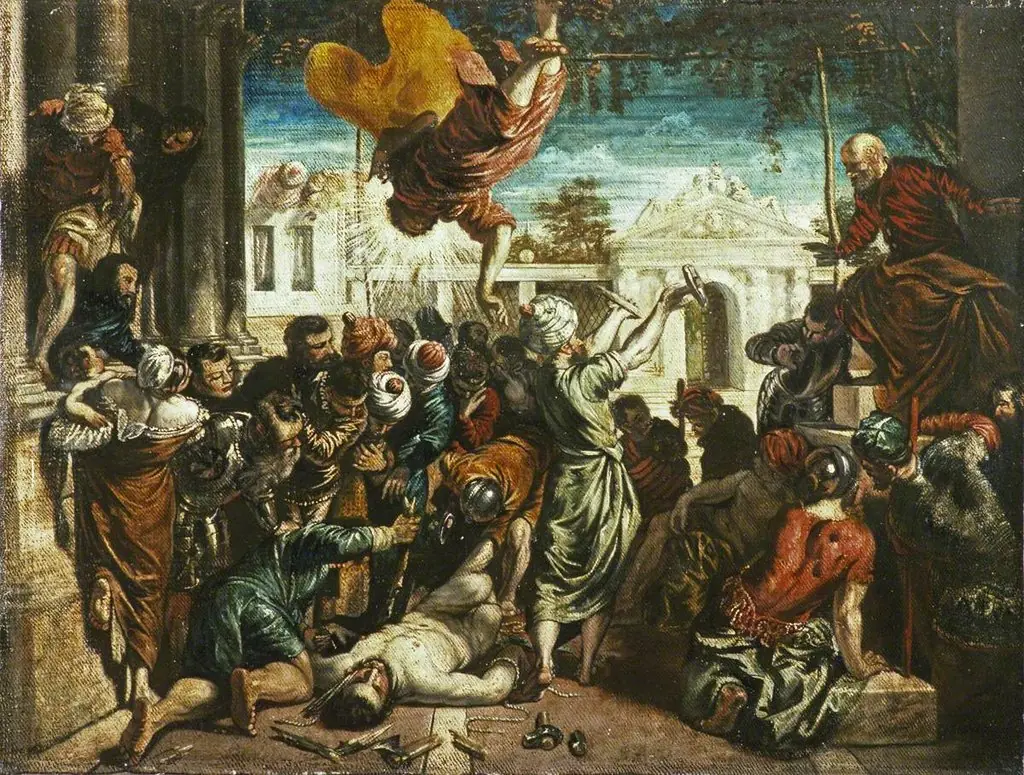 The Miracle of Saint Mark
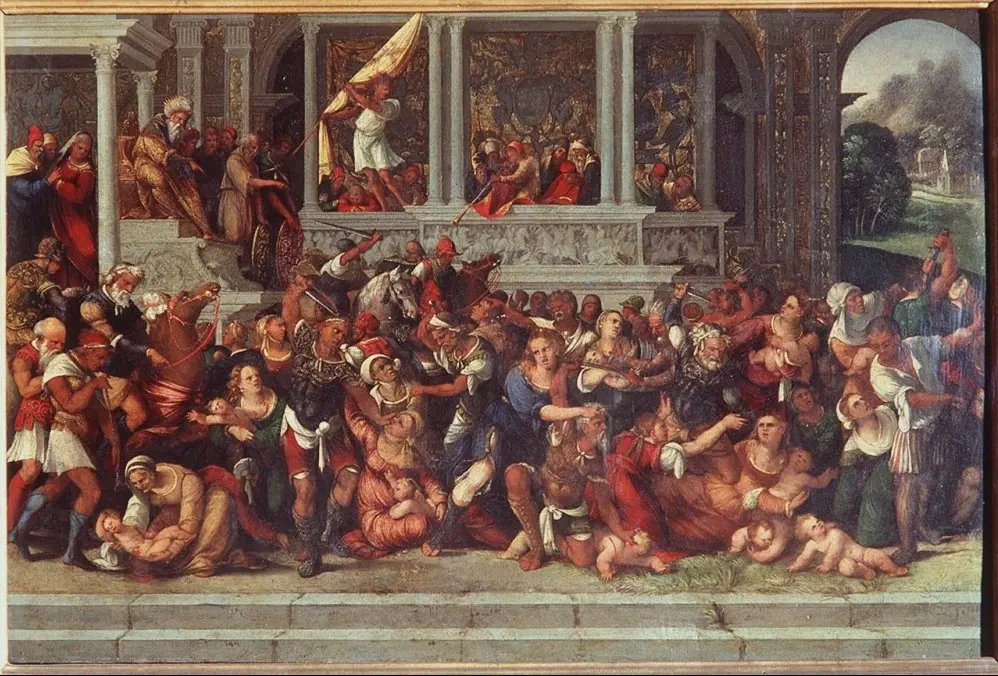 Massacre of the Innocents
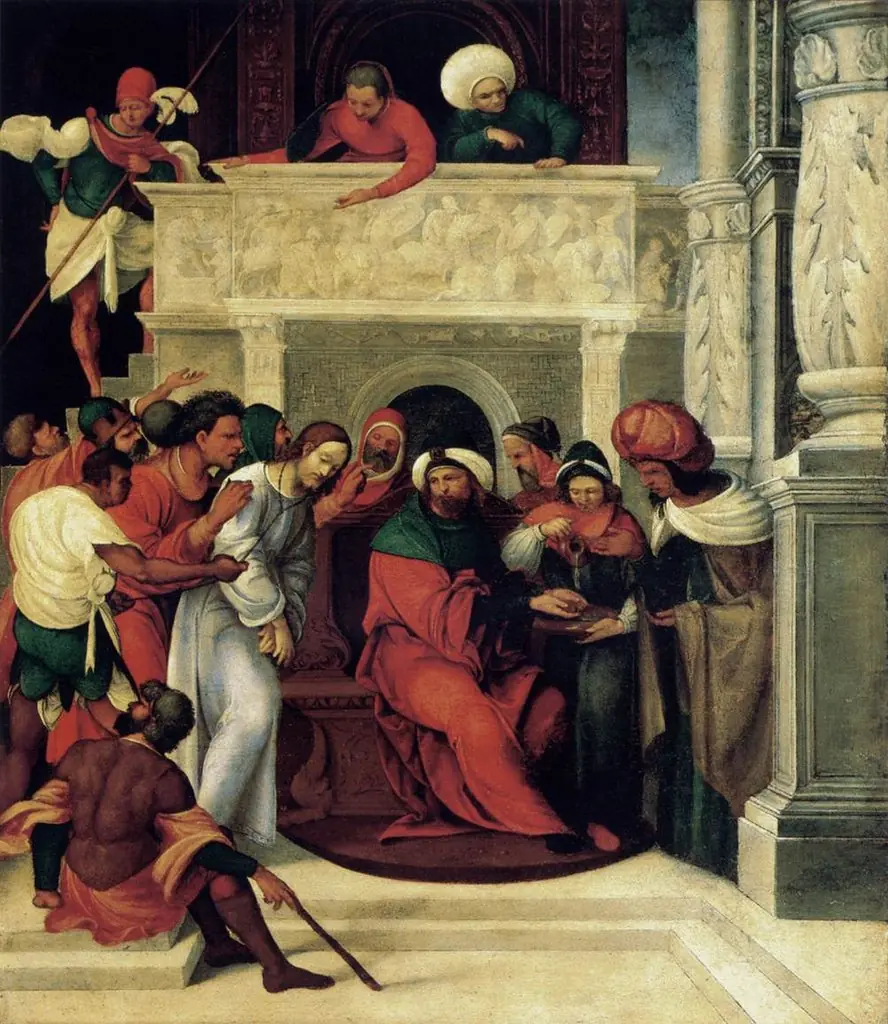 Christ before Pilate