Artwork
Sts Paul and Barnabas at Lystra
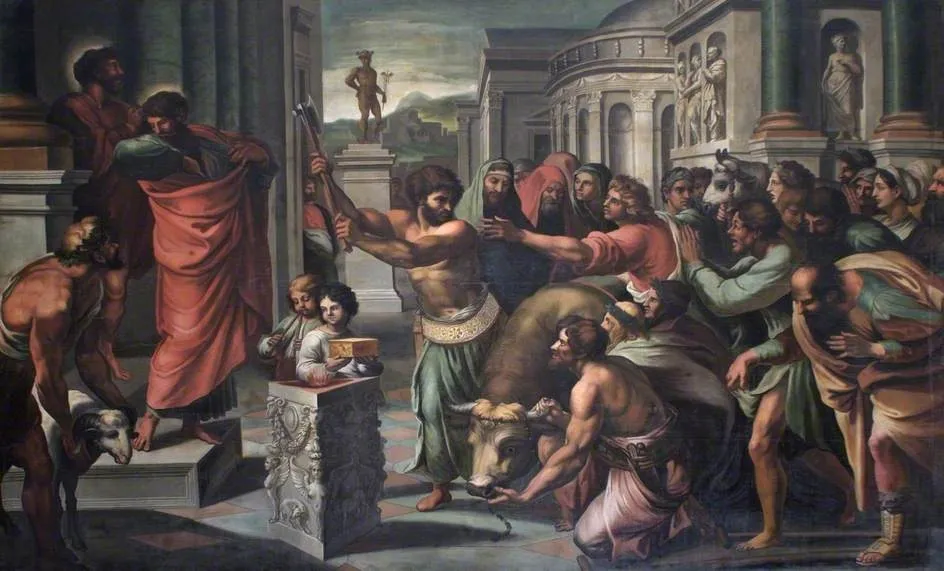
Sts Paul and Barnabas at Lystra is an oil painting by the High Renaissance artist Raphael. It dates from 1511 and is held in the collection of the Ashmolean Museum.
About this work
Overview
Created around 1511, this oil on canvas by Raphael portrays the biblical episode of Paul and Barnabas in Lystra. The work is part of the Ashmolean Museum’s collection and measures a modest size, typical of the artist’s early narrative pieces. It captures a moment of public preaching amid a mixed crowd, set against an architectural backdrop.
Subject & Meaning
The composition illustrates the apostolic duo addressing the inhabitants of Lystra, a scene recounted in the Acts of the Apostles. Paul, staff in hand, gestures as he delivers his message, while Barnabas stands supportively. The varied reactions of the onlookers—some attentive, others doubtful—reflect the early Christian encounter with a skeptical audience.
Technique & Style
Raphael employs a realistic approach, rendering figures with careful attention to clothing and anatomy. The use of chiaroscuro creates pronounced light‑and‑shadow contrasts, giving the scene a three‑dimensional quality. Architectural elements such as columns and arches are rendered in a classical idiom, while a distant landscape with mountains and a statue adds depth to the setting.
History & Provenance
The painting has been in the Ashmolean Museum’s holdings since the early twentieth century, acquired through a private donation. Its attribution to Raphael rests on stylistic analysis and documentary evidence linking the work to the artist’s early period in Rome, around the time he was developing his narrative fresco techniques.
Artist & collection
Artist
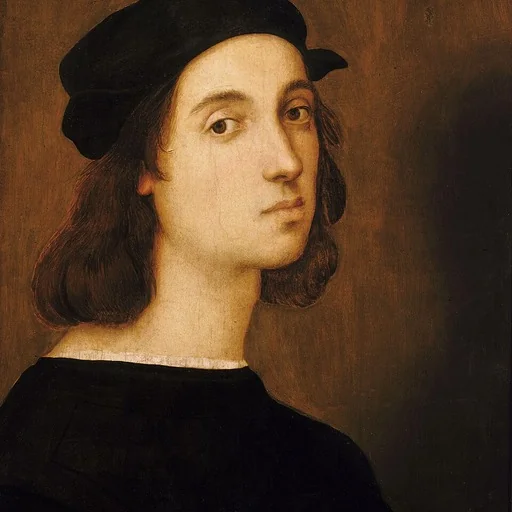
Raphael was born Raffaello Sanzio in Urbino on April 6, 1483, the son of Giovanni Santi, a painter and poet attached to the ducal court.

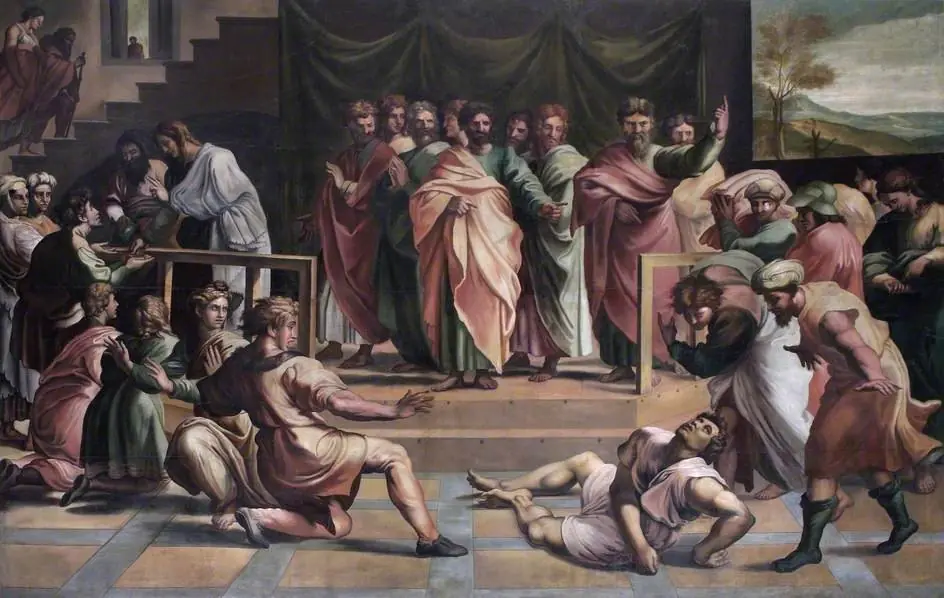 The Death of Ananias
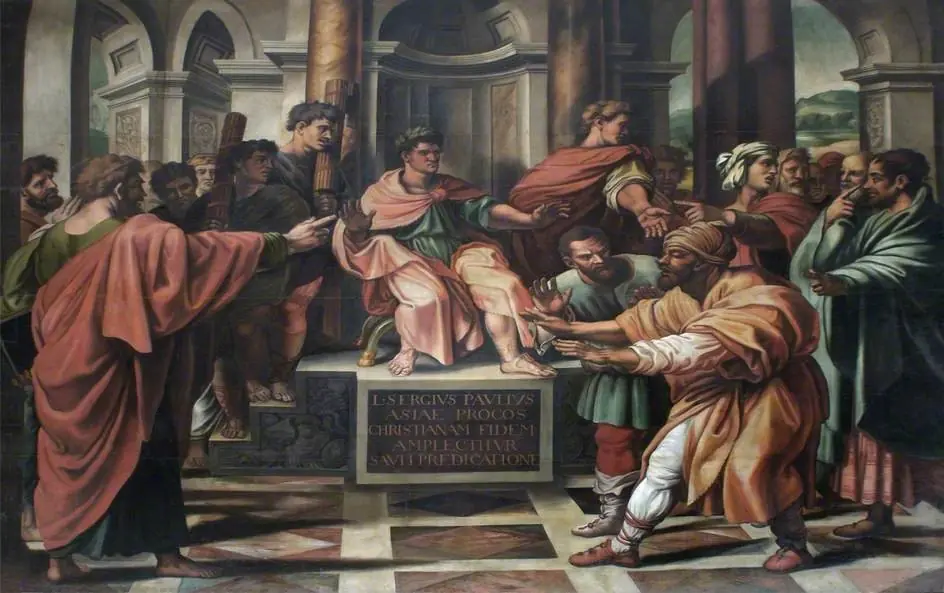 Elymas
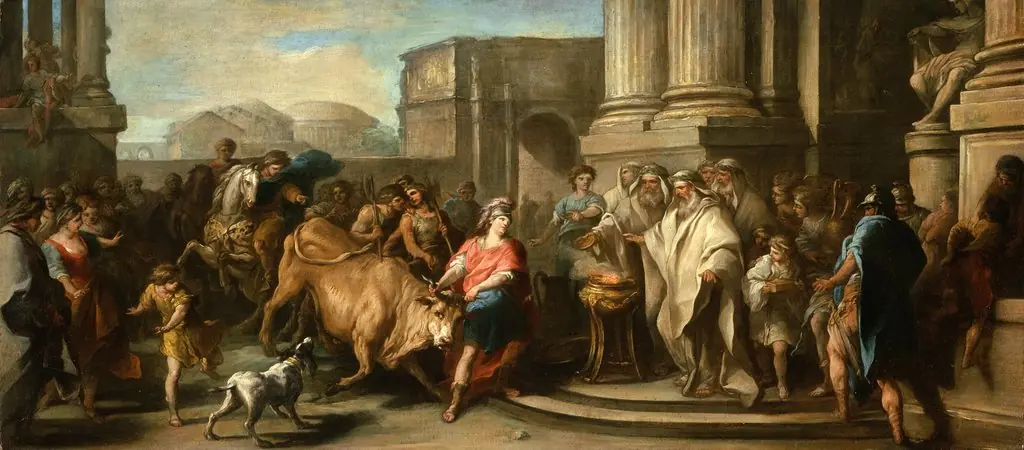 Theseus Taming the Bull of Marathon
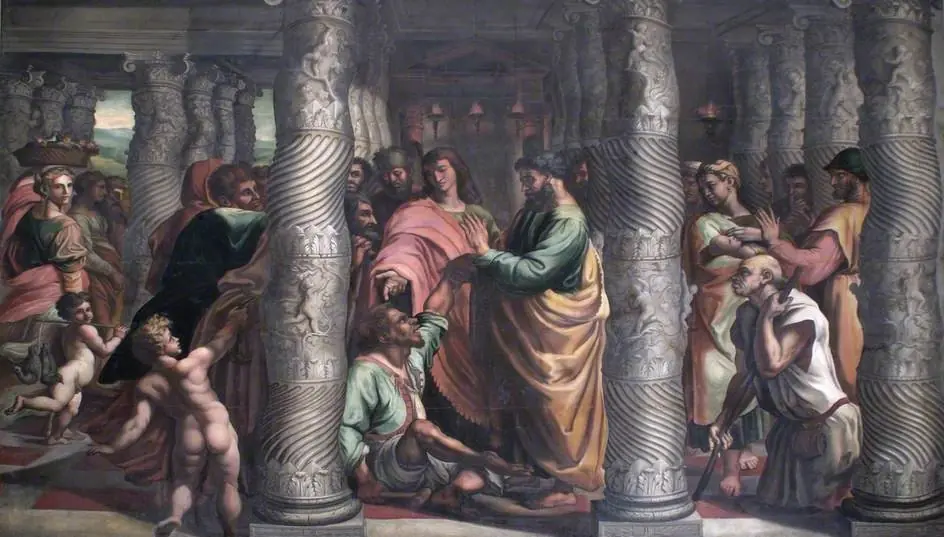 Sts Peter and John at the beautiful Gate
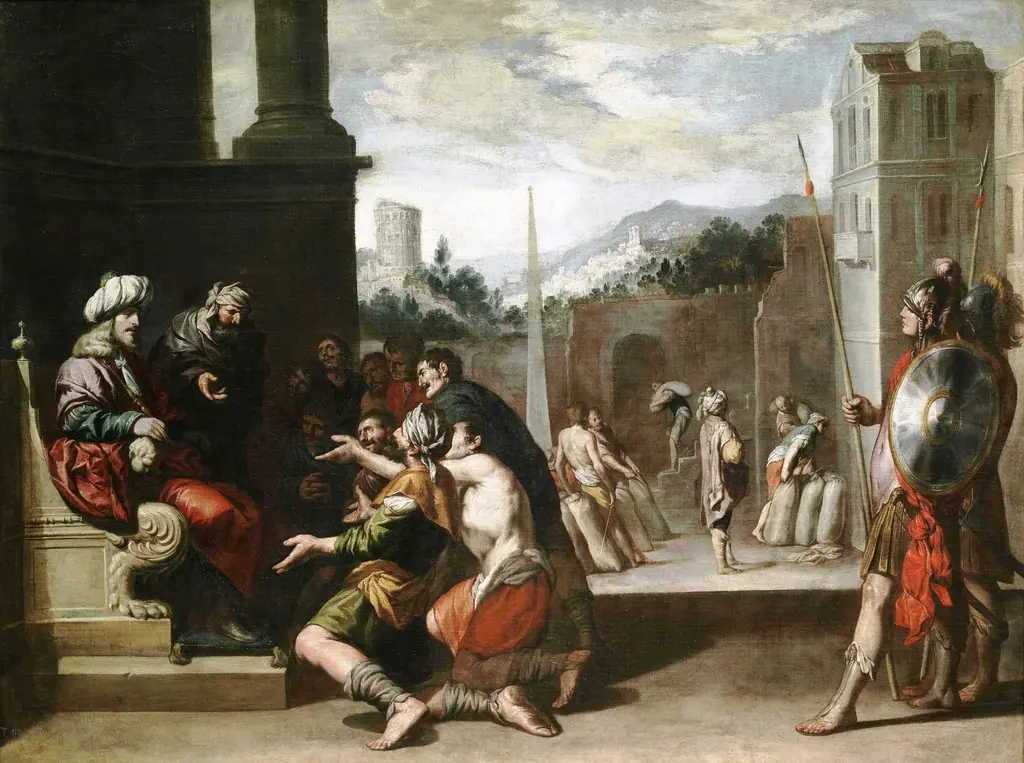 Joseph orders Simeon’s Imprisonment
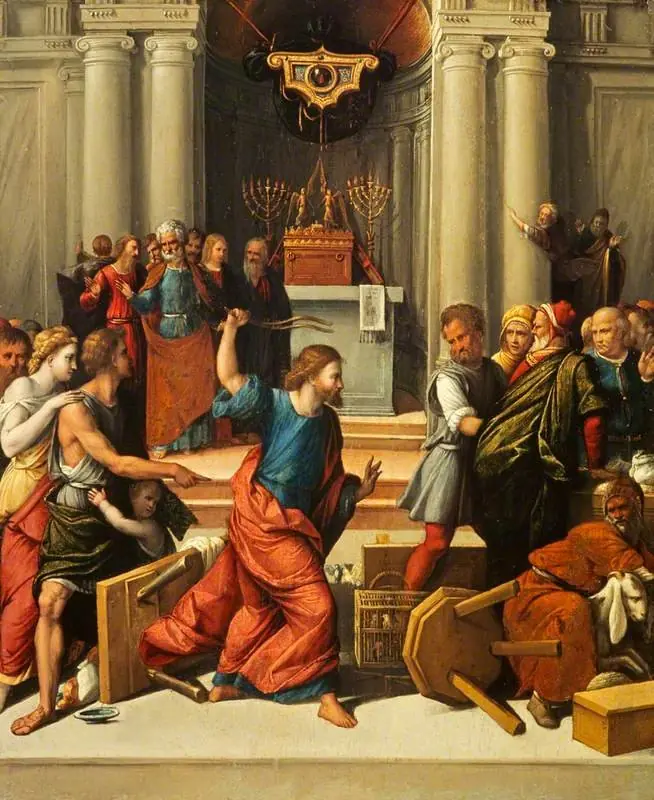 Christ Driving the Money-changers from the Temple
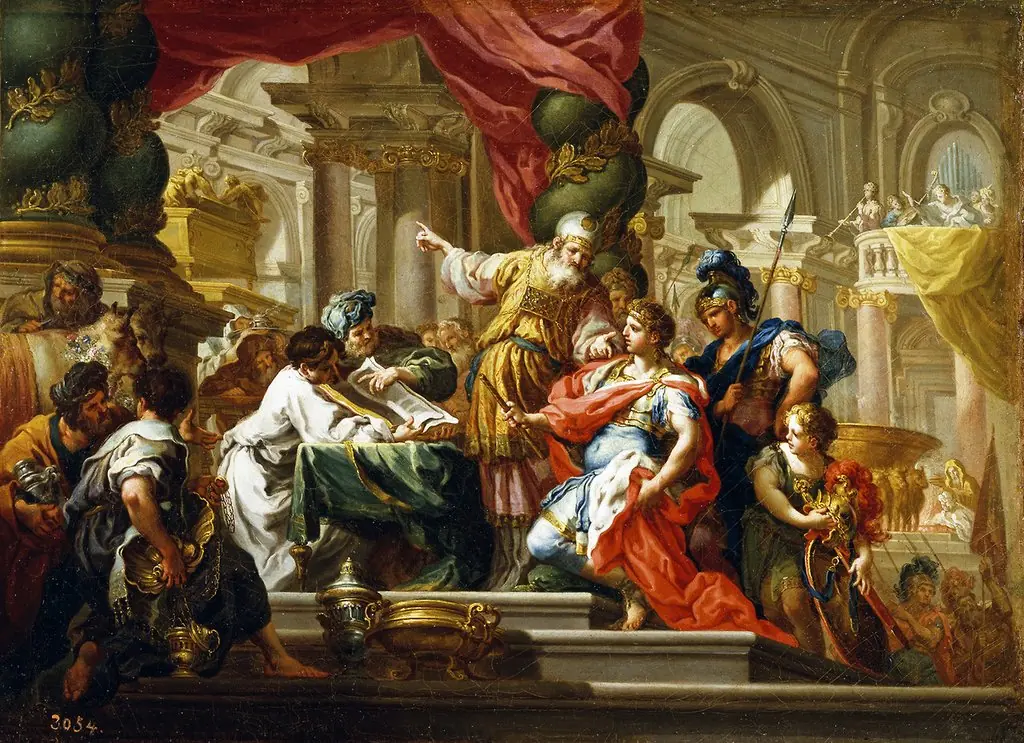 Alexander the Great in the Temple of Jerusalem
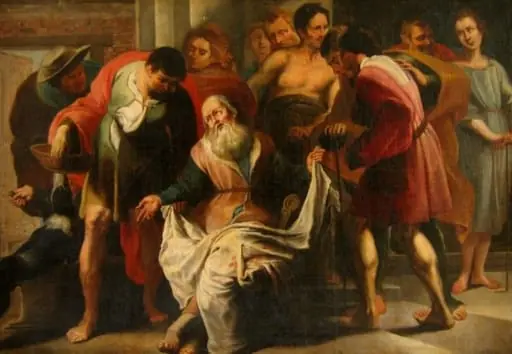 Fiii lui Iacob aduc hainele însângerate ale lui Iosif
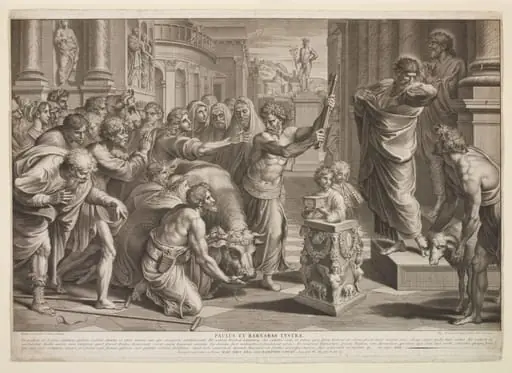 The Sacrifice at Lystra
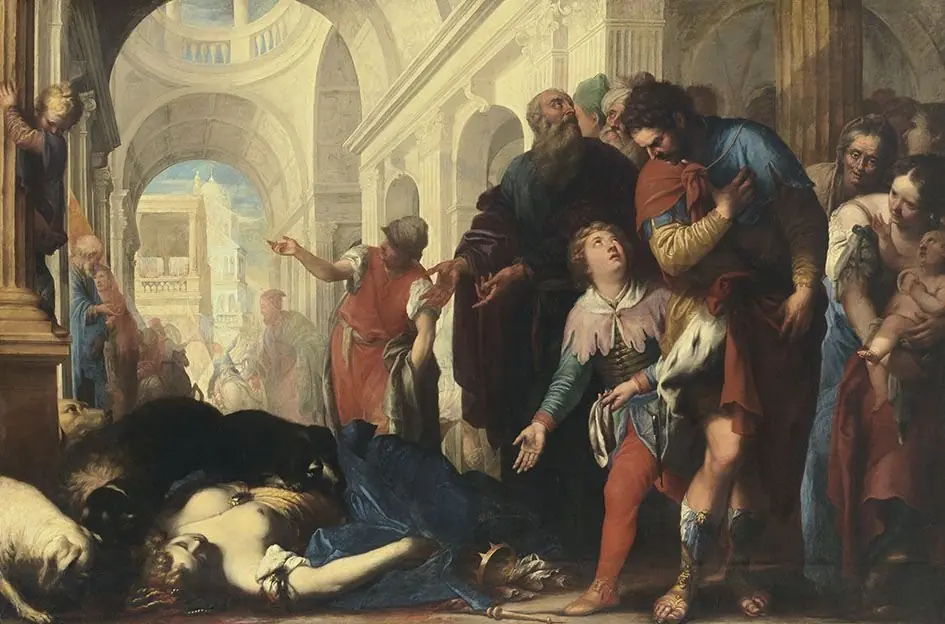 Königin Jezabel wird den Hunden vorgeworfen
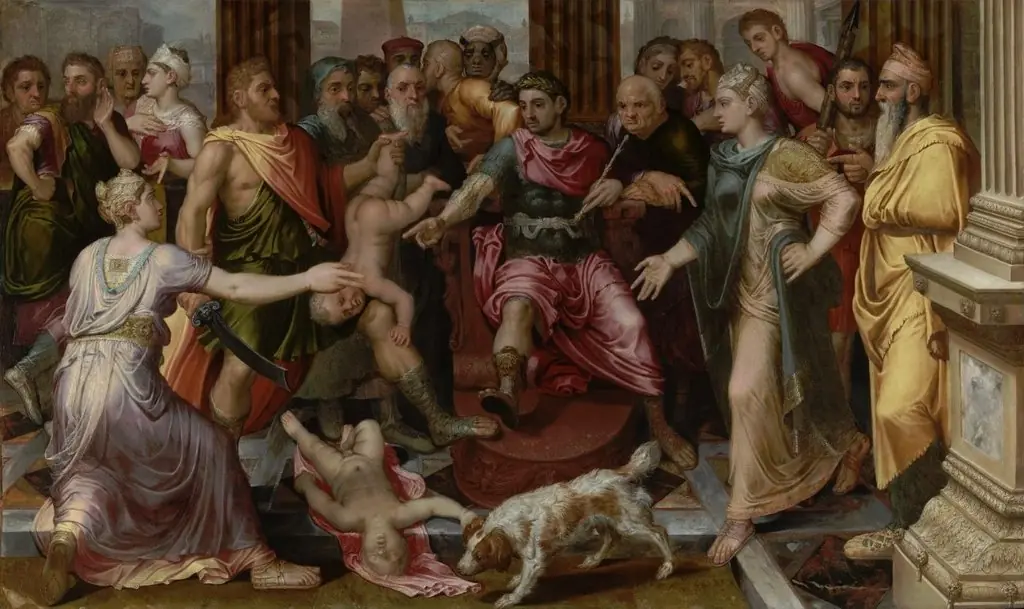 The Judgement of Solomon
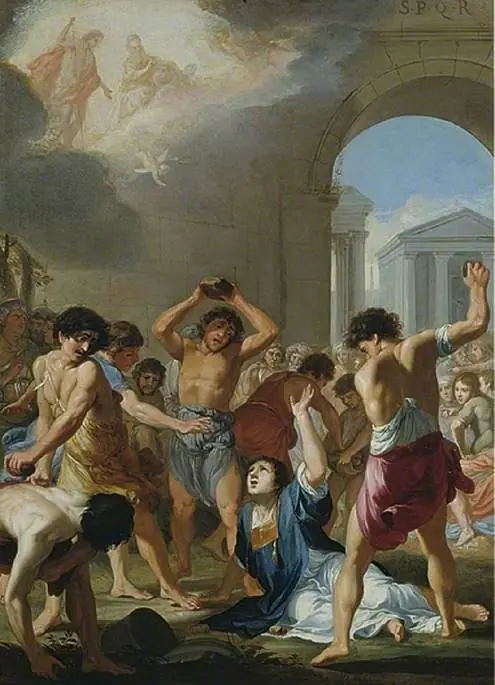 The Martyrdom of St Stephen