Artwork
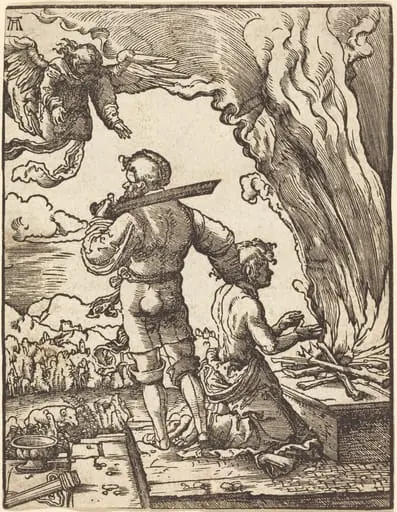
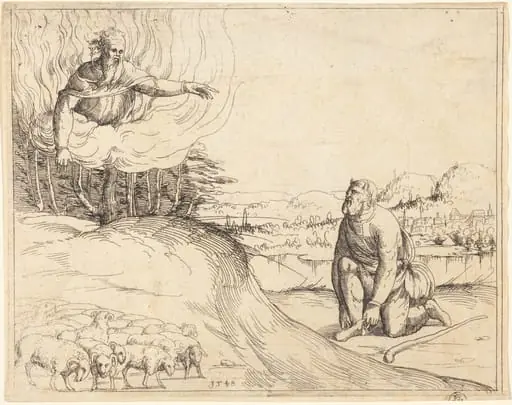
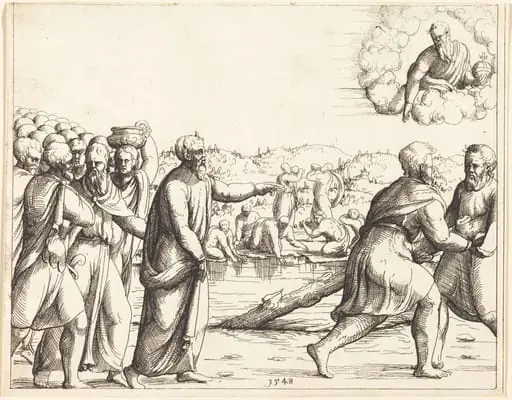
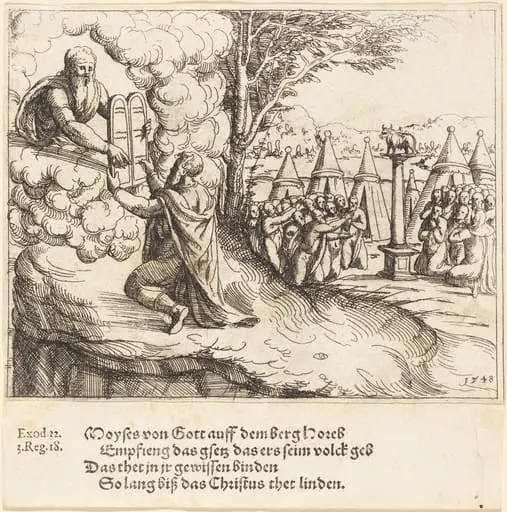
The Sacrifice of Cain and Abel
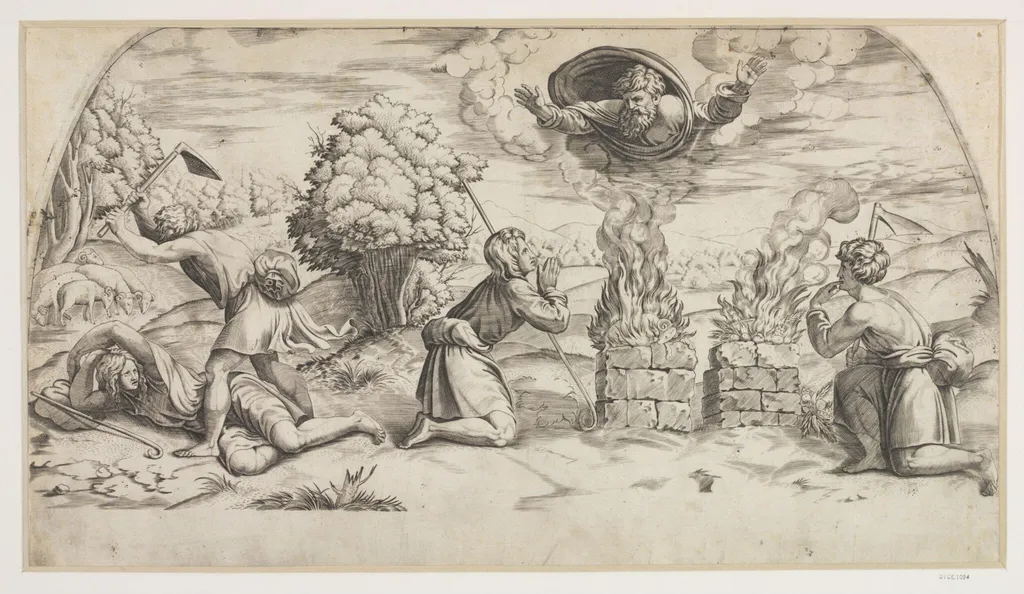
The Sacrifice of Cain and Abel is a print by the High Renaissance artist Raphael. It is held in the collection of the Victoria and Albert Museum.
About this work
Overview
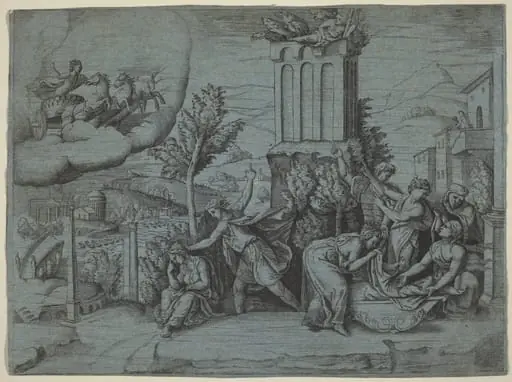
This print, based on a 16th-century composition by Raphael, depicts the biblical scene of Cain and Abel's offerings to God. Executed on paper, it faithfully reproduces Raphael's original design from circa 1550.
Subject & Meaning
The image illustrates the biblical narrative of Cain and Abel making simultaneous sacrifices. The composition conveys tension and drama, reflecting the narrative's ominous outcome.
Technique & Style
The print utilizes chiaroscuro to create depth and volume, characteristic of Renaissance artistic innovations. Figures are rendered in robes against a detailed landscape of trees, hills, and a cloudy sky.
History & Provenance
Originally designed by Raphael around 1550 for the Vatican Loggia, this print version is now part of the Victoria and Albert Museum's collection.
Context
The work is part of a broader Renaissance tradition of illustrating biblical themes through advanced artistic techniques, in this case, translating a mural design into a print format.
Legacy
As a reproduction of Raphael's work, it continues to educate viewers about Renaissance composition and the effective use of chiaroscuro, as highlighted in its display at the Victoria and Albert Museum.
Artist & collection
Artist
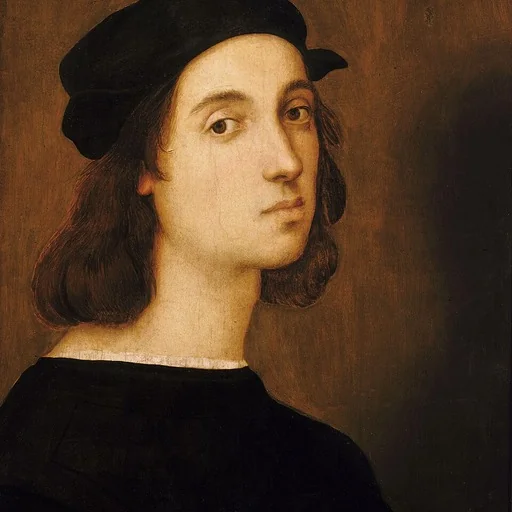
Raphael was born Raffaello Sanzio in Urbino on April 6, 1483, the son of Giovanni Santi, a painter and poet attached to the ducal court.