Artwork
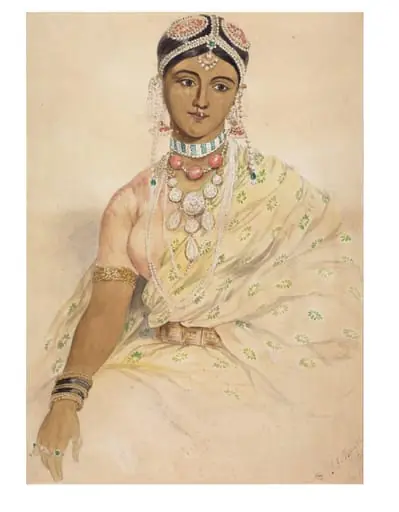
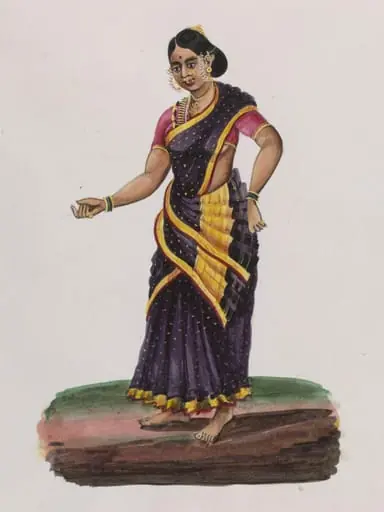
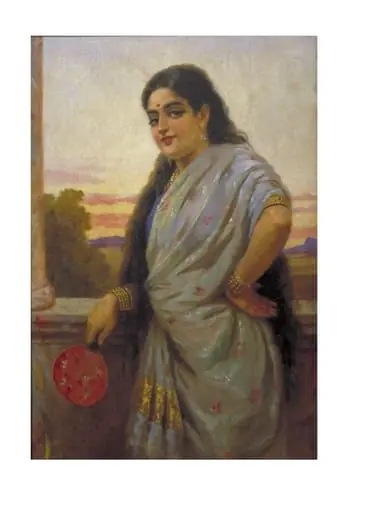
Portrait of a Hindu woman wearing a head-dress
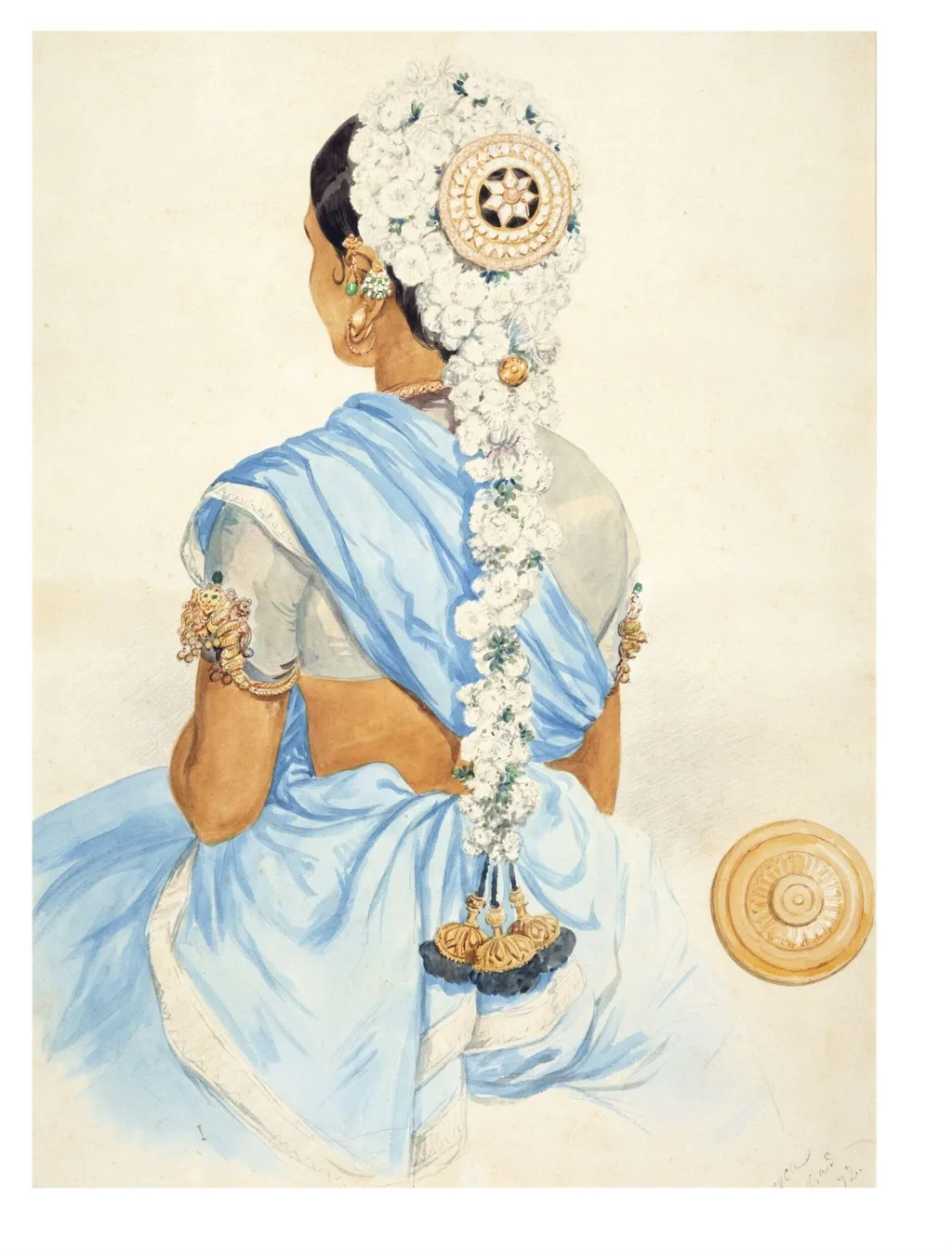
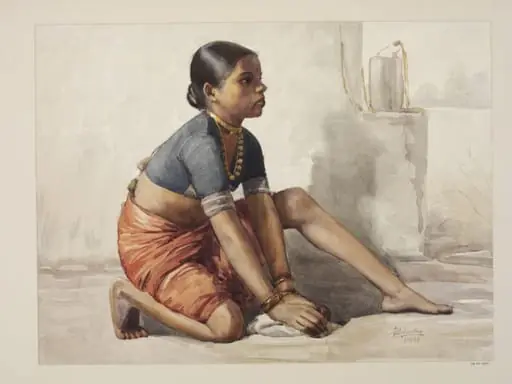
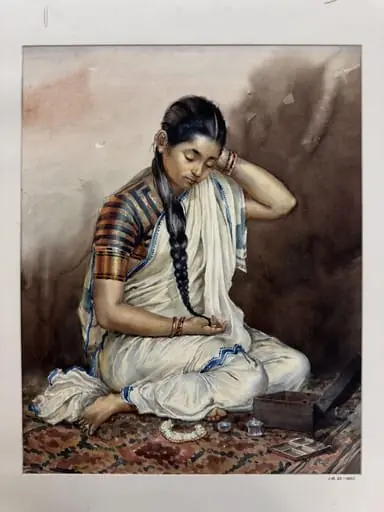
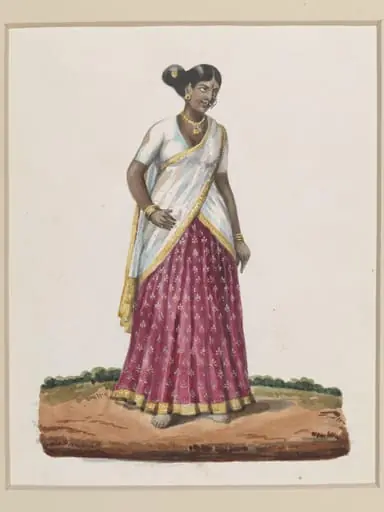
Portrait of a Hindu woman wearing a head-dress is a paint painting by the Impressionist artist John Joseph Fonçeca. It dates from 1872 and is held in the collection of the Victoria and Albert Museum.
About this work
It’s an oil work by John Joseph Fonçeca, blending Impressionist and Realist styles.
This 1872 painting shows a Hindu woman in a head-dress. It’s an oil work by John Joseph Fonçeca, blending Impressionist and Realist styles. The artist was born in Madras, where he painted five local portraits.
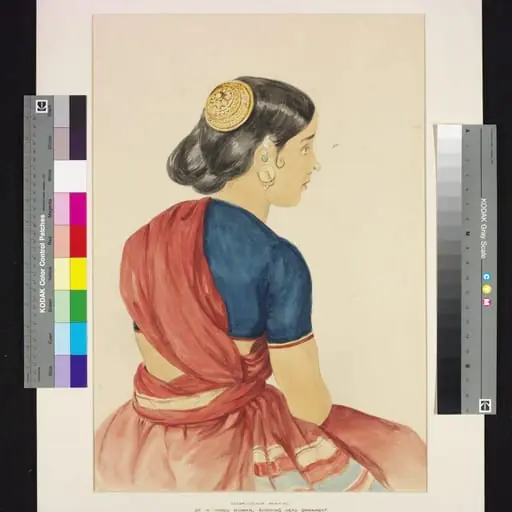
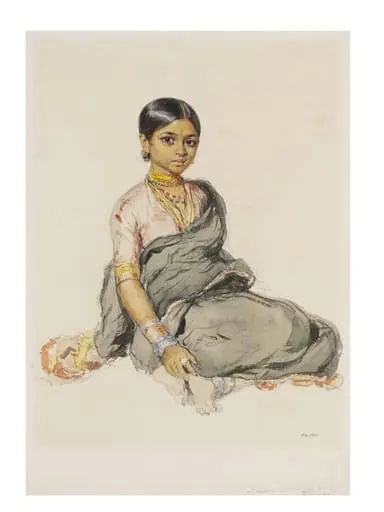
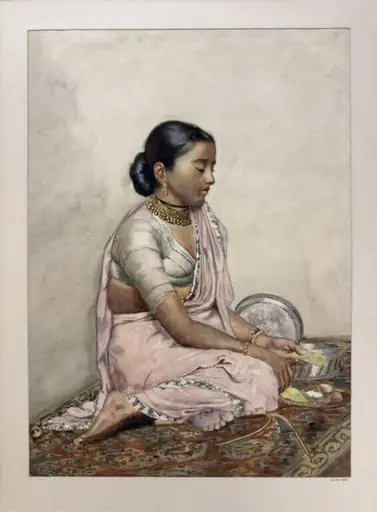
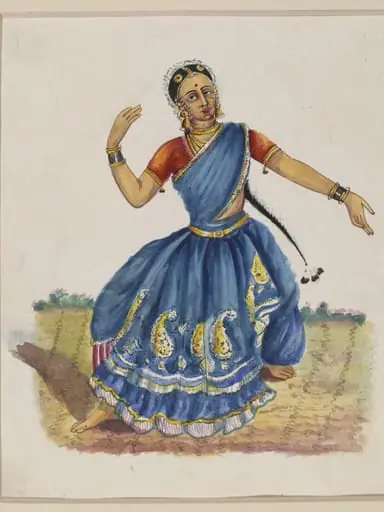
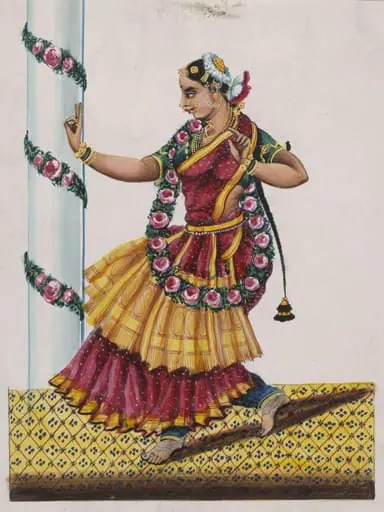
Not much else is known about Fonçeca. He married Anne Meppen in 1849 and had four children. Four of his five surviving works in the V&A focus on Hindu women.
Check out the Victoria and Albert Museum for more of his Madras portraits.
Overview
The work, titled Portrait of a Hindu Woman Wearing a Head‑dress, is an 1872 oil painting by John Joseph Fonçeca. It forms part of a small group of five portraits by the artist that are held in the Victoria and Albert Museum, four of which depict Hindu women and one a male subject. The painting presents a single figure in traditional attire, rendered with a calm, direct gaze.
Subject & Meaning
The sitter is a Hindu woman adorned with a distinctive head‑dress, reflecting regional dress customs of Madras in the mid‑nineteenth century. While no specific identity is recorded, the portrait offers a visual record of local female attire and the cultural milieu in which the artist worked, emphasizing individuality within a broader social context.
Technique & Style
Executed in oil on canvas, the painting merges elements of Realist observation with a looser, light‑filled approach reminiscent of Impressionism. Fonçeca captures the texture of the fabric and the subtle play of light across the figure’s face, balancing detailed rendering of features with broader, atmospheric brushwork that suggests ambient warmth.
History & Provenance
John Joseph Fonçeca, born in Madras, produced the five portraits now in the V&A during his career there. Little is documented about his artistic training, but personal records note his marriage to Anne Meppen on 11 July 1849 and the birth of four children. The painting entered the museum’s collection as part of its holdings of colonial‑era portraiture, representing the limited surviving output of this largely obscure artist.
Artist & collection
Artist