Artwork
Portrait of Juan Manuel de Rosas
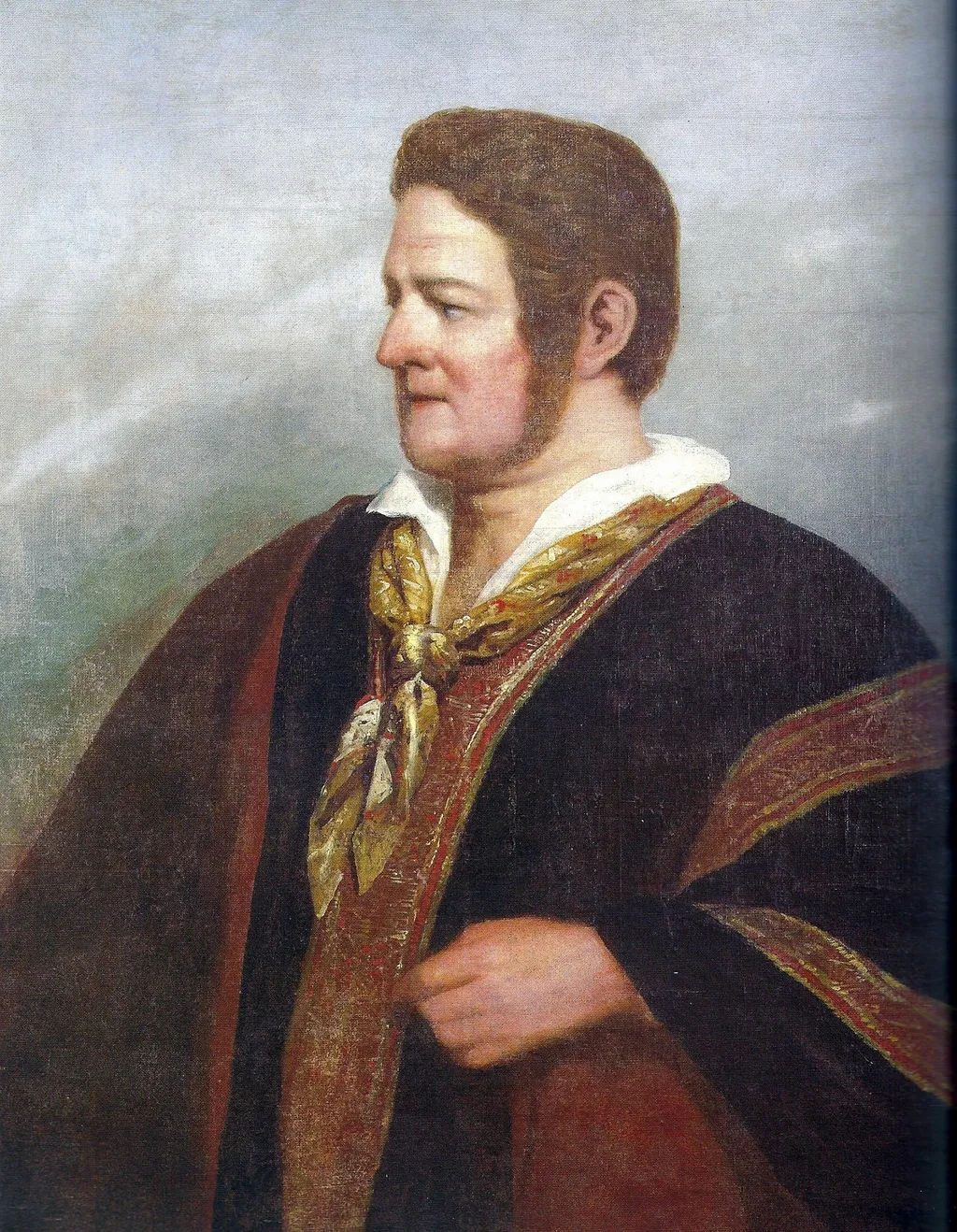
Portrait of Juan Manuel de Rosas is an oil painting by Raymond Monvoisin. It dates from 1842 and is held in the collection of the National Museum of Fine Arts, Argentina.
About this work
The painting depicts a man with short brown hair, wearing a dark jacket with red and gold trim, a white shirt, and a gold scarf.
The painting depicts a man with short brown hair, wearing a dark jacket with red and gold trim, a white shirt, and a gold scarf. He is shown from the waist up, facing left, with his right hand resting on his stomach.
The man's attire and the style of the painting suggest a formal portrait from the 19th century. The artist has used oil paint to create a detailed and realistic image.
To learn more about the artist's use of oil paint, explore the technique of glazing.
Overview
Painted in 1842 by French-born artist Raymond Monvoisin, this oil portrait depicts Juan Manuel de Rosas, a dominant political figure in 19th-century Argentina. The work is part of the permanent collection at the National Museum of Fine Arts in Buenos Aires. Rendered in a formal, full-length bust composition, it reflects the conventions of elite portraiture during a period of national consolidation under Rosas’s leadership.
Subject & Meaning
Rosas is portrayed in military-style attire, with a dark jacket adorned in red and gold trim, a white shirt, and a gold scarf draped across his chest. His gaze is direct yet reserved, and his right hand rests calmly on his abdomen, conveying composure and authority. The costume and posture were carefully chosen to reinforce his public image as a strong, disciplined leader, aligning visual symbolism with his political persona.
Technique & Style
Monvoisin employed oil paint with precision, using layered glazes to achieve subtle tonal transitions and rich textures in fabric and skin. The lighting is even and controlled, avoiding dramatic contrasts to emphasize clarity and realism. The brushwork is refined but not overly ornate, reflecting a neoclassical influence tempered by the demands of political portraiture in the early 19th century.
History & Provenance
Commissioned during Rosas’s rule, the portrait was likely intended for public display to reinforce his authority. After his fall from power in 1852, the painting remained in Argentina and eventually entered the collection of the National Museum of Fine Arts in Buenos Aires. Its preservation reflects its enduring significance as a visual record of a controversial yet pivotal era in Argentine history.
Context
Created during Rosas’s second term as governor of Buenos Aires, the portrait emerged amid intense political polarization. Official imagery was tightly controlled, and portraits like this one served as tools of state propaganda. Monvoisin, an expatriate artist working in Latin America, adapted European academic traditions to suit local political needs, bridging transatlantic artistic norms with regional power dynamics.
Legacy
The portrait remains one of the most recognizable images of Rosas, frequently reproduced in historical texts and educational materials. While interpretations of his rule vary, the painting endures as a primary source for understanding how visual culture was mobilized to construct and sustain political legitimacy in post-colonial Argentina.
Artist & collection

Museum
National Museum of Fine Arts, Argentina
Continue through works from the same source collection.
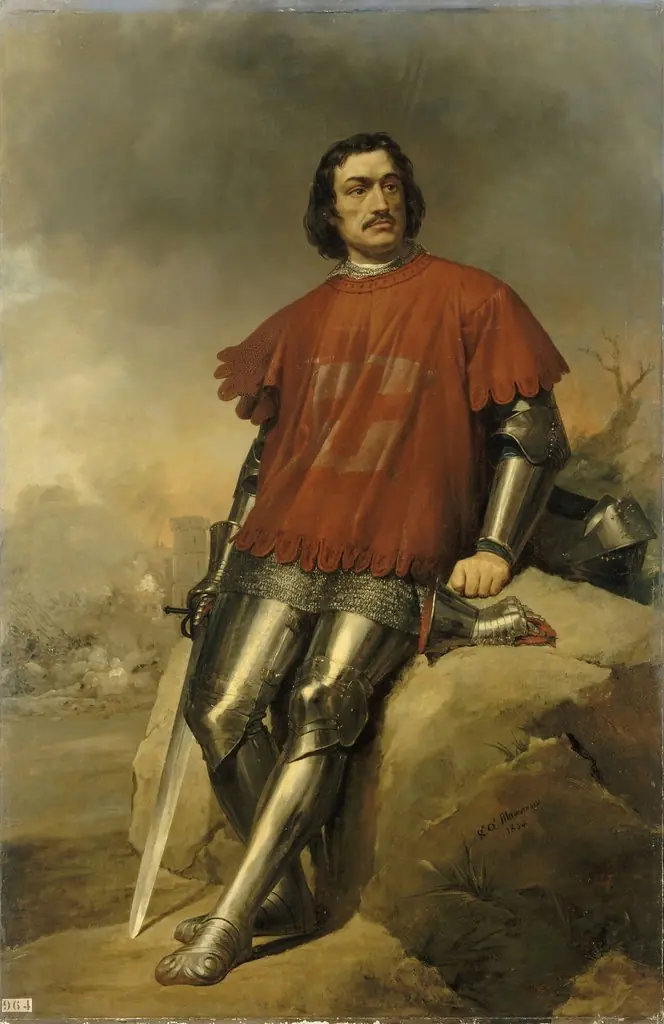 Jean, dit Poton, seigneur de Xaintrailles (?-1461)
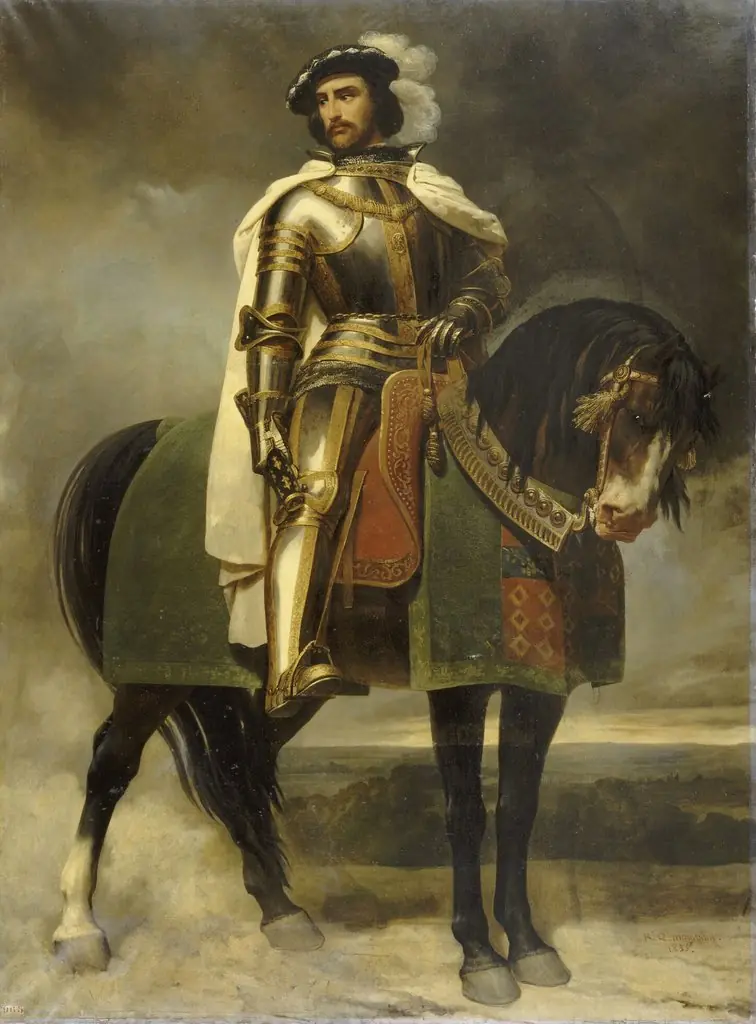 Pierre de Rohan, seigneur de Gye
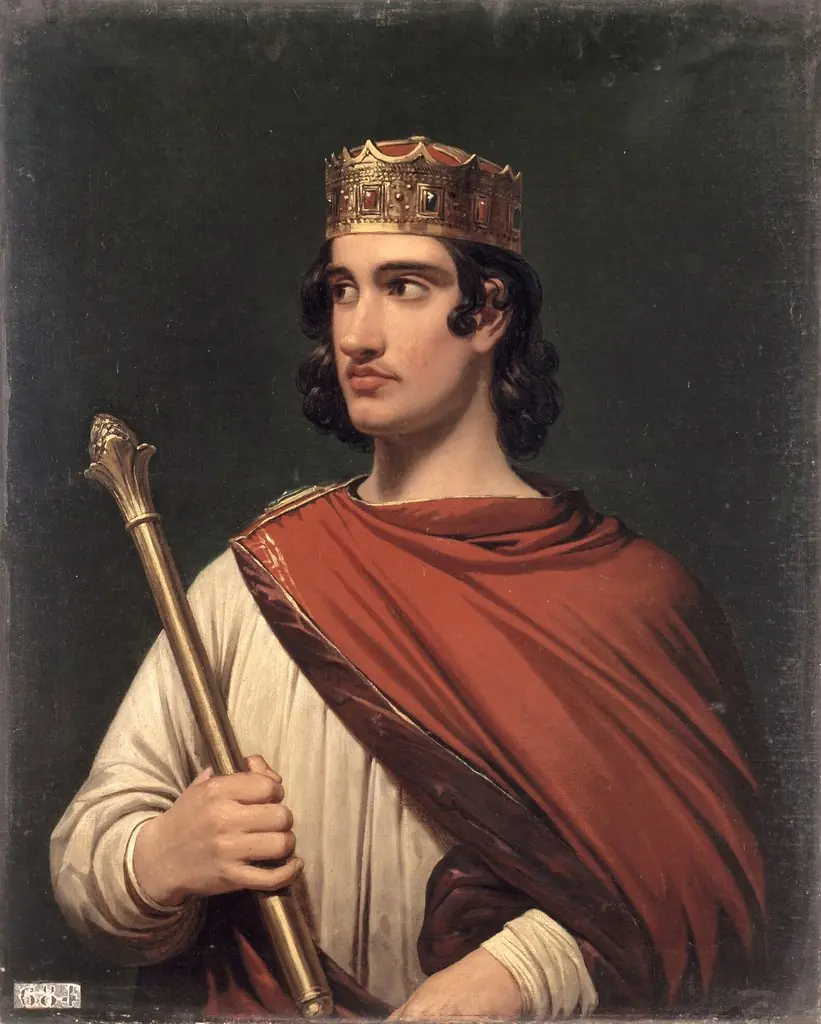 Lothair of France
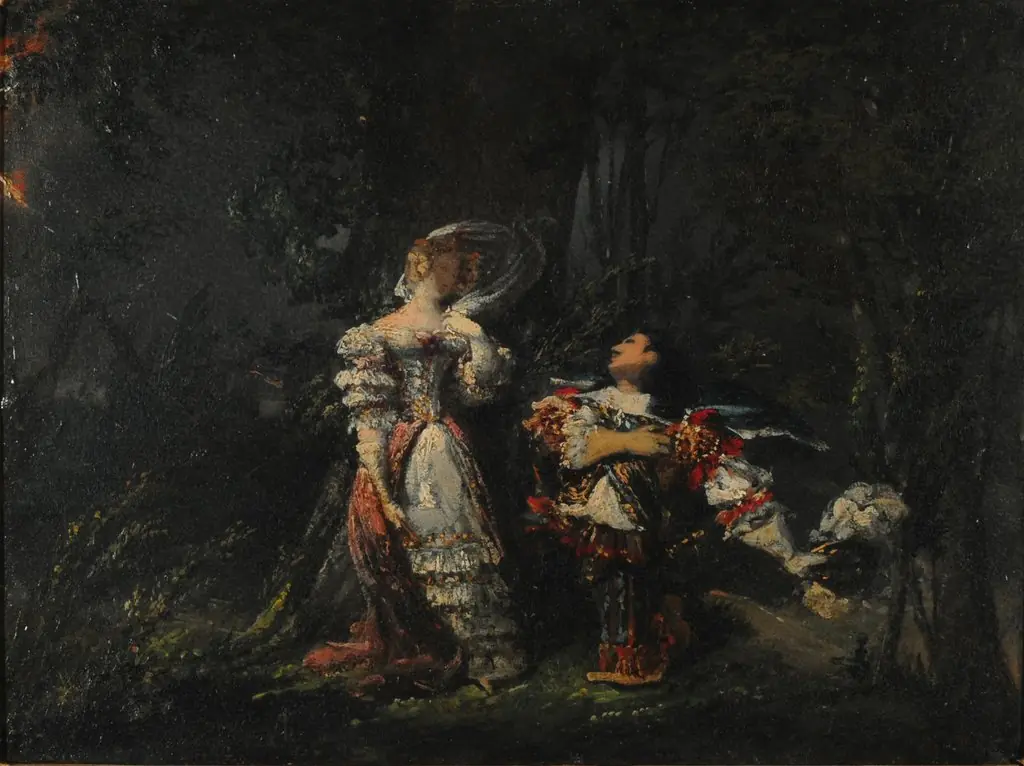 Louis XIV and Mlle. De La Valliere
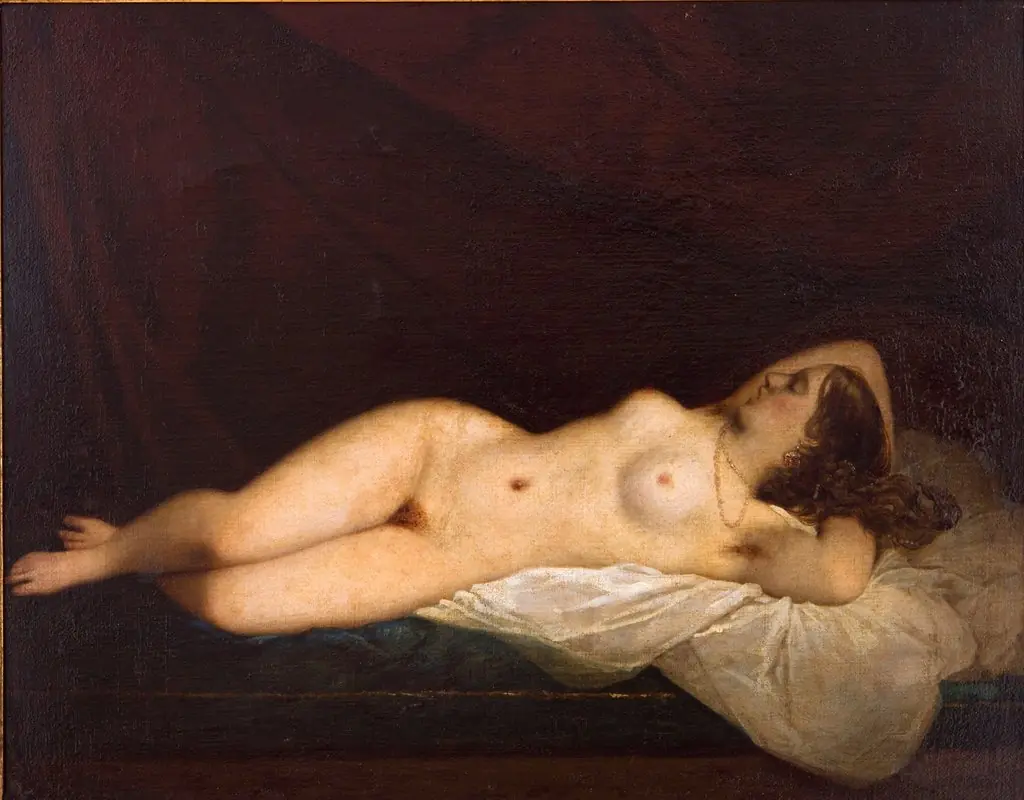 Oriental Odalisque
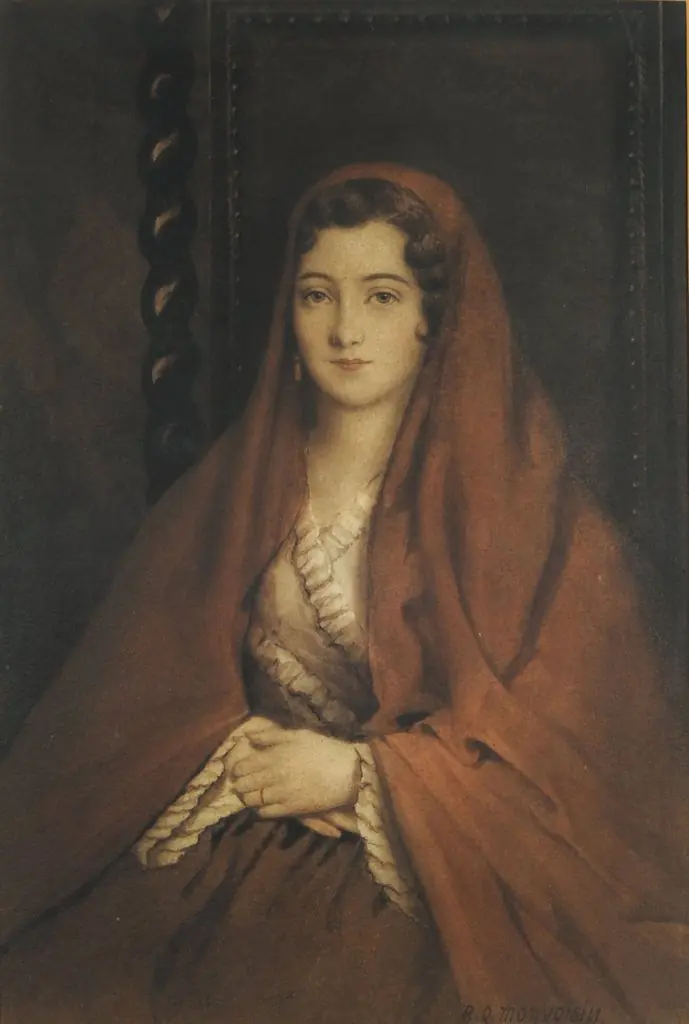 Young Chilean or Portrait of a Chilean Lady
 Don Ignacio Martínez de la Torre Contador
 Nicolas Beaurepaire, lieutenant-colonel au 1er bataillon de Maine-et-Loire en 1792 (1740-1792)
 Retrato de caballero
 Thos Williams, JP, Gwaelodygarth 1823-03
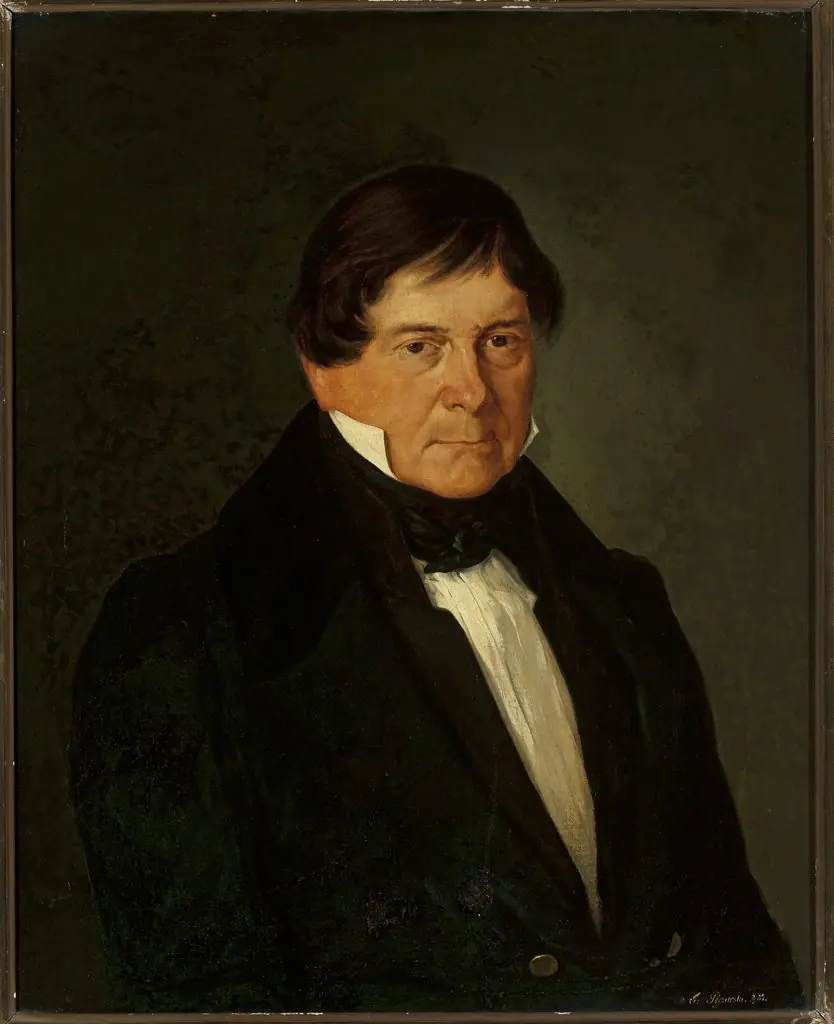 Portrait of Ksawery Dybowski
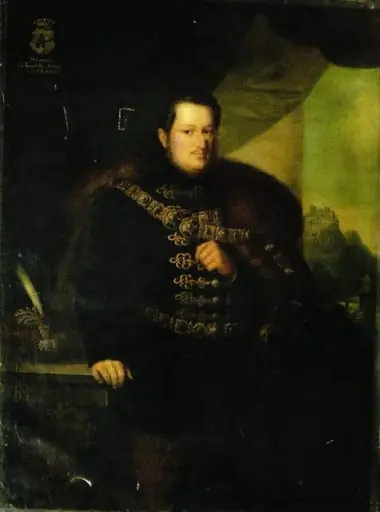 Malomvizi Gr. Kenedeffy Adam (1795-1834)
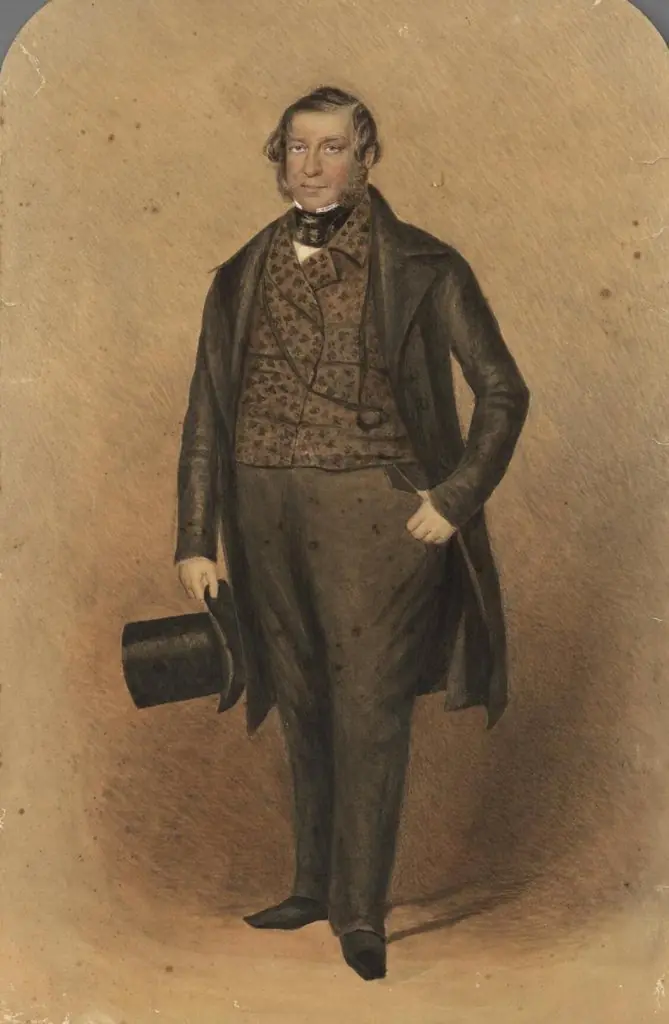 Frederick Augustus Jones
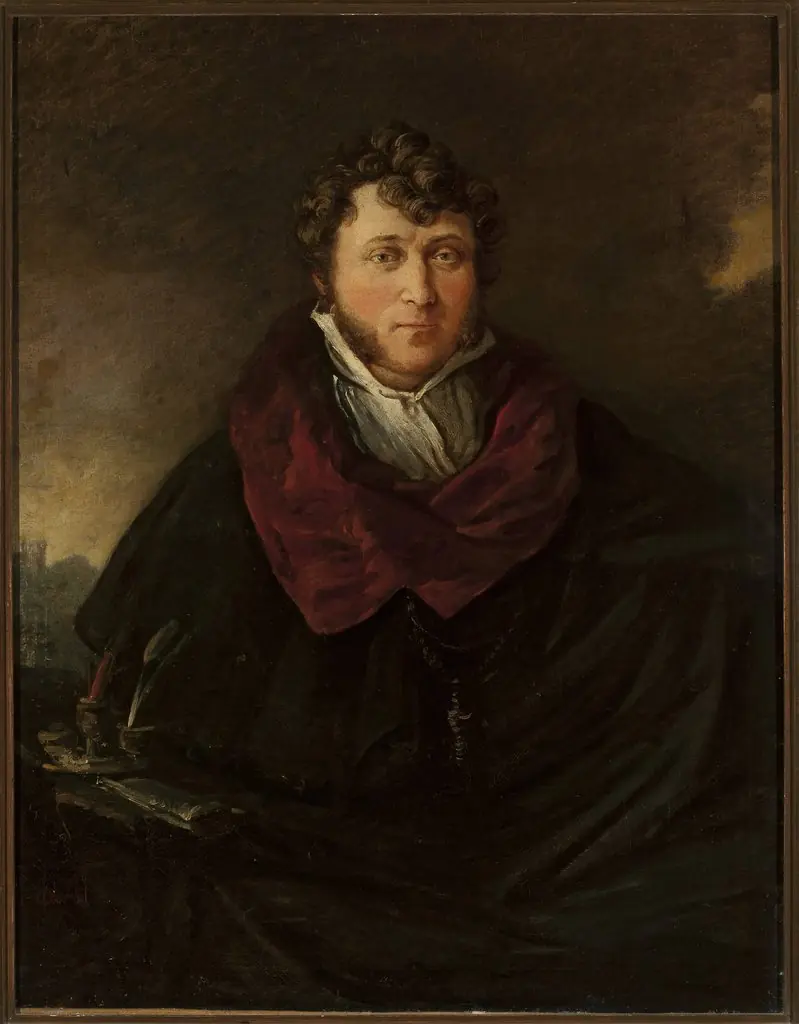 Portrait of Antoni Ostrowski
 Fedor Antonovich Kuznetsov
 Portrait of Izydor Dymidowicz
 Ebenezer Cooper, Llangollen
 Portrait of a man with a medal
 John Huger
 Retrato del famoso ''barba'' del Teatro del Príncipe don Joaquín Caprara estudiando el papel de Diego Láynez en la tragedia de ''El Cid''