Artwork
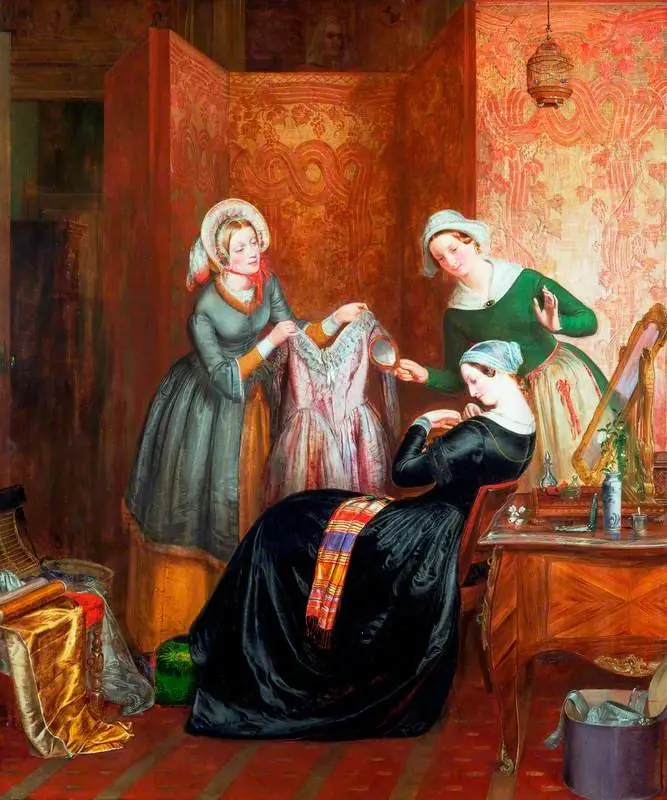
Cinderella About to Try on the Glass Slipper
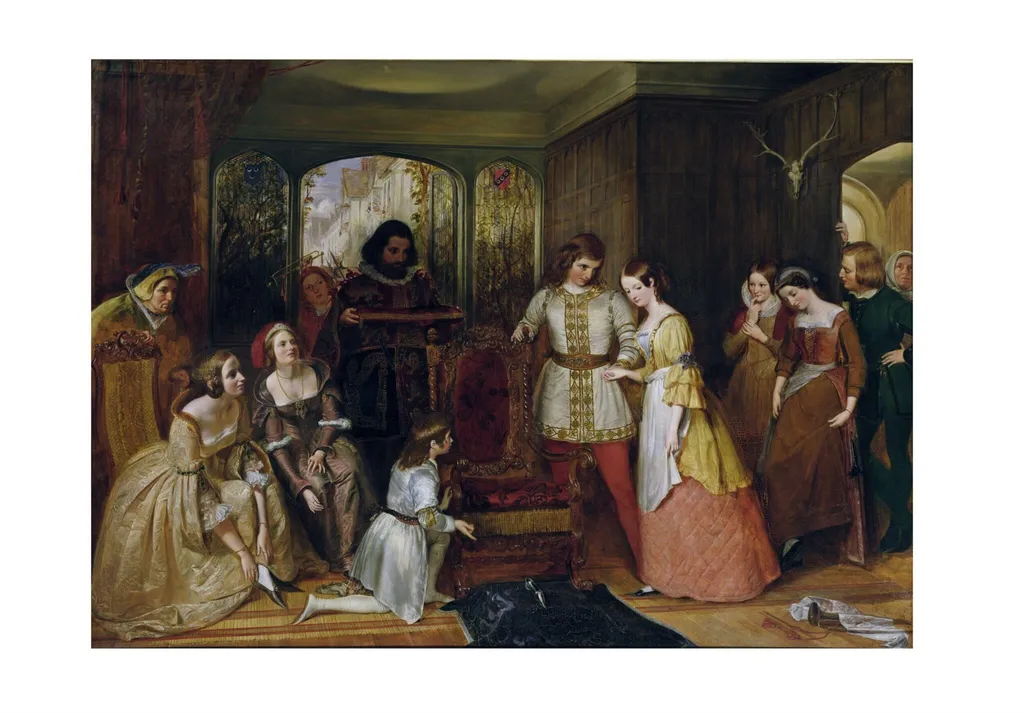
Cinderella About to Try on the Glass Slipper is an oil painting by the British Romanticist artist Richard Redgrave. It dates from 1842 and is held in the collection of the Victoria and Albert Museum. This oil painting by Redgrave captures the moment just before Cinderella attempts to fit the glass slipper.
About this work
Overview
The scene is rendered with careful attention to costume and interior detail, though the attire and furnishings do not align with any single historical period.
This oil painting by Redgrave captures the moment just before Cinderella attempts to fit the glass slipper. The scene is rendered with careful attention to costume and interior detail, though the attire and furnishings do not align with any single historical period. Instead, they blend elements from medieval, 18th-century, and Victorian eras, creating a deliberate anachronism that distances the image from literal storytelling.
Subject & Meaning
The painting illustrates a pivotal instant in the Cinderella tale, focusing on tension and anticipation rather than resolution. A step-sister’s dismissive remark, quoted by the artist, underscores the social friction surrounding Cinderella’s claim to the slipper. The composition emphasizes the contrast between her quiet demeanor and the surrounding skepticism, framing the moment as one of fragile possibility.
Technique & Style
Redgrave employed glazing techniques to achieve luminous skin tones and rich fabric textures, enhancing the painting’s atmospheric depth. The layered application of translucent oil pigments allows light to interact subtly with surfaces, lending a soft glow to the slipper and garments. This method, common in 19th-century academic painting, supports the work’s refined, almost theatrical realism.
History & Provenance
The painting was exhibited publicly with a direct literary quotation, indicating Redgrave’s intent to anchor the image in its narrative source. Its early reception noted the eclectic styling as intentional, not careless. While its early ownership records are sparse, it remained within British collections, reflecting its status as a genre work appreciated for its narrative nuance rather than its historical accuracy.
Context
Created during a period when Victorian audiences favored literary and fairy-tale subjects, the painting aligns with a broader trend of reimagining folk narratives through refined academic technique. The deliberate mixing of eras may reflect contemporary fascination with historical hybridity, as well as a desire to evoke timeless moral themes rather than depict a specific past.
Legacy
Though not widely reproduced, the painting is recognized for its nuanced approach to fairy-tale illustration. Its stylistic anachronisms influenced later artists seeking to avoid rigid historical reconstruction in mythic subjects. Redgrave’s choice to foreground psychological tension over spectacle contributed to a quieter, more introspective tradition in narrative painting.
Own this work as a print
Artist & collection
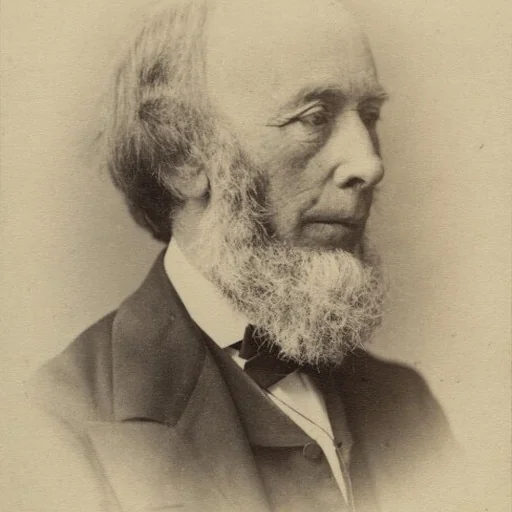
Artist
Richard Redgrave was an English landscape artist, genre painter, author, and administrator.


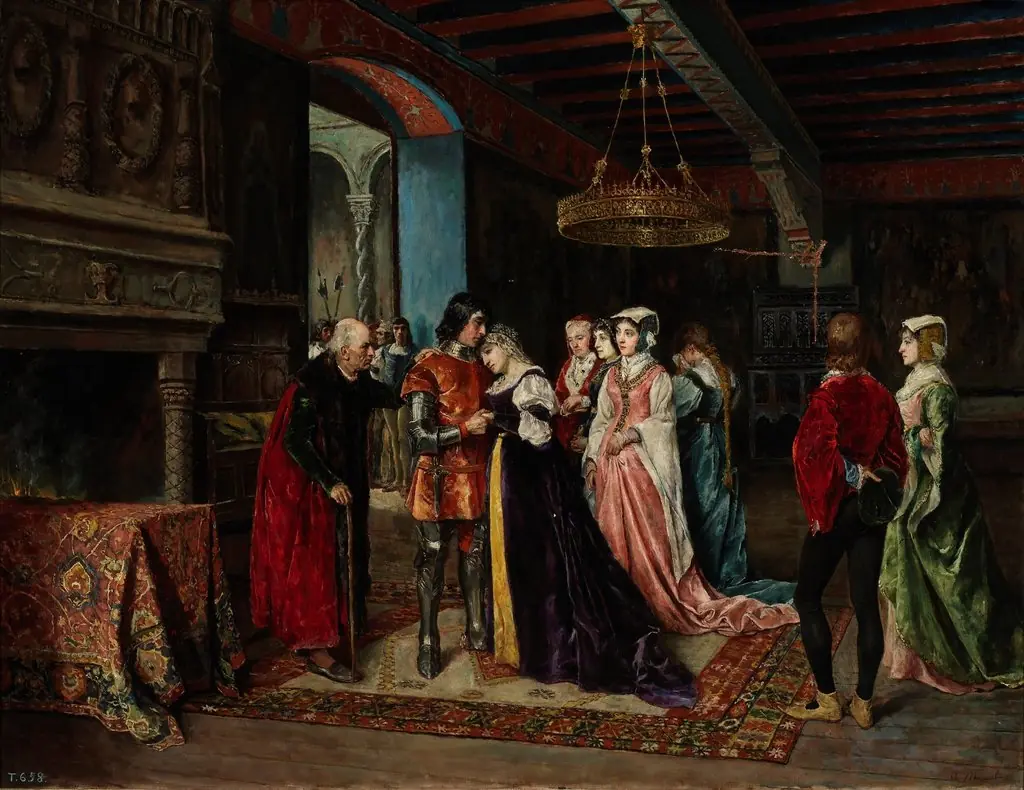 La despedida
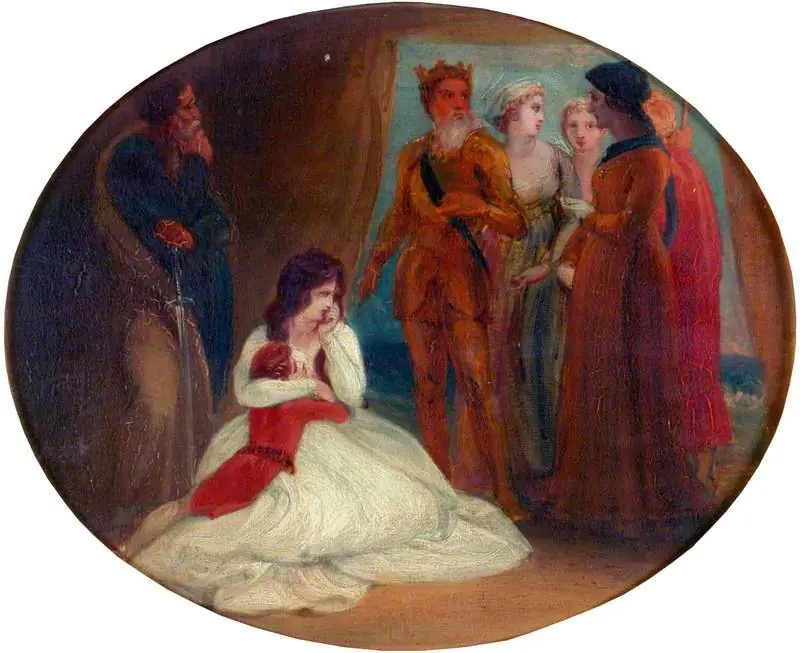 Constance and Arthur (from William Shakespeare's 'King John', Act III, Scene 1)
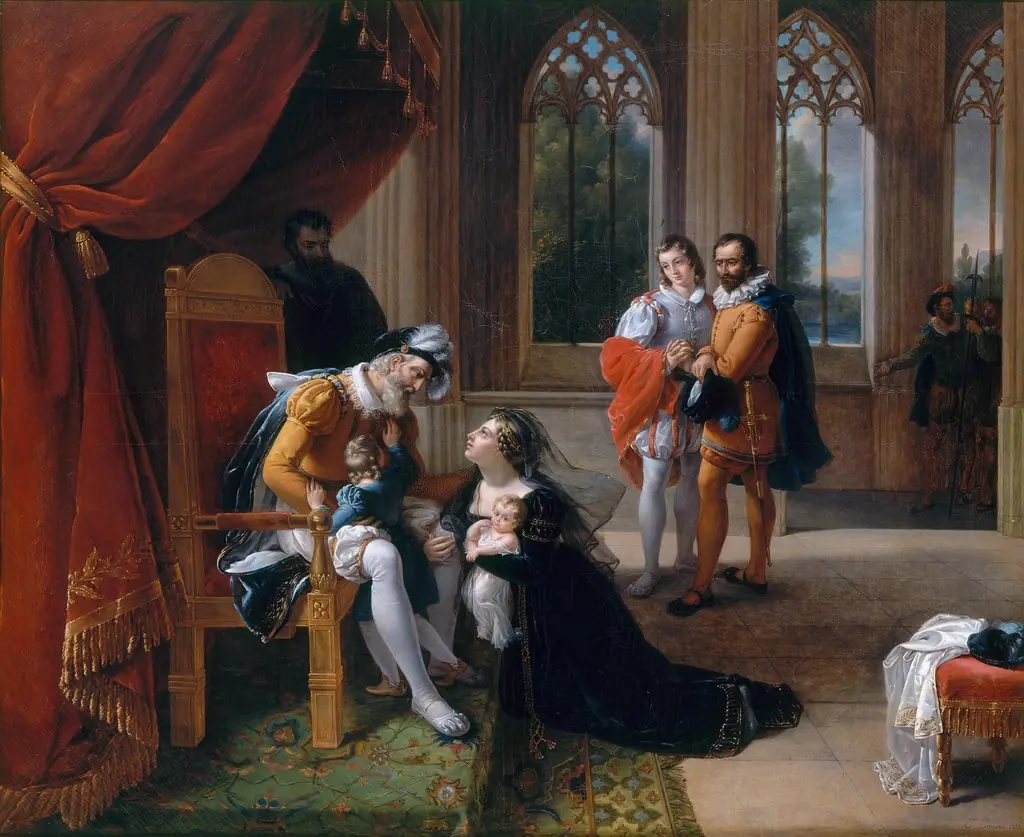 Inès de Castro and Her Children Throwing Themselves at the Feet of King Alphonso IV of Portugal
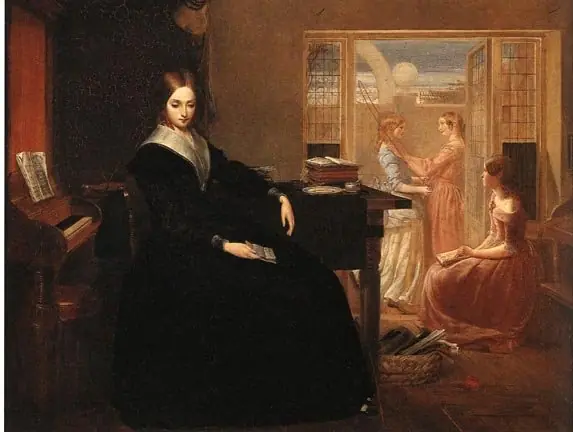
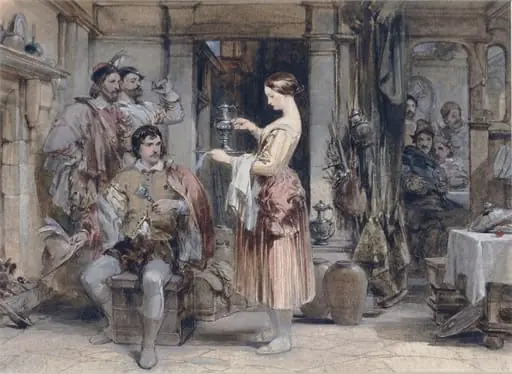 The Silent Warning
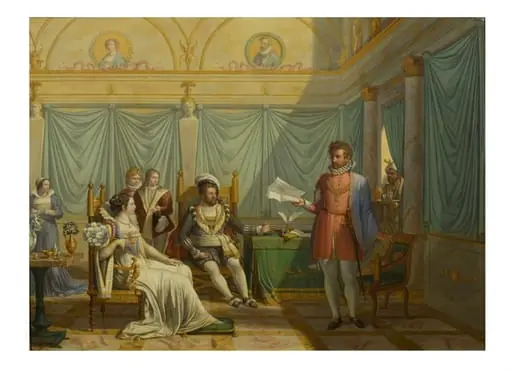 Tasso Reading Before the Duke of Ferrara
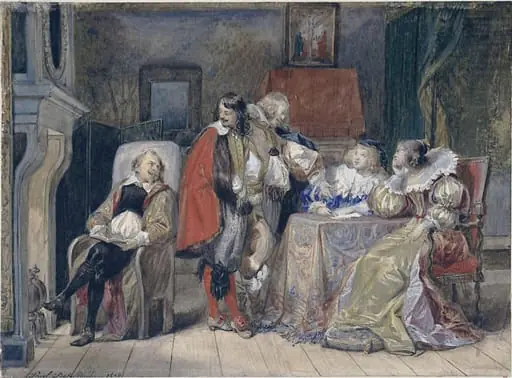 Untitled
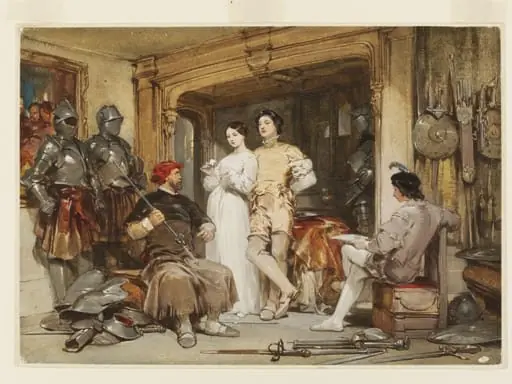 The Armourer's Tale
 Reposición de Colón
 The Abdication of Mary, Queen of Scots
 Waiting for an Answer
 Queen Margaret's Defiance of the Scottish Parliament
 A Study for 'Queen Margaret's Defiance of the Scottish Parliament' (NG 2527)