Artwork
Cellule Auriculaire
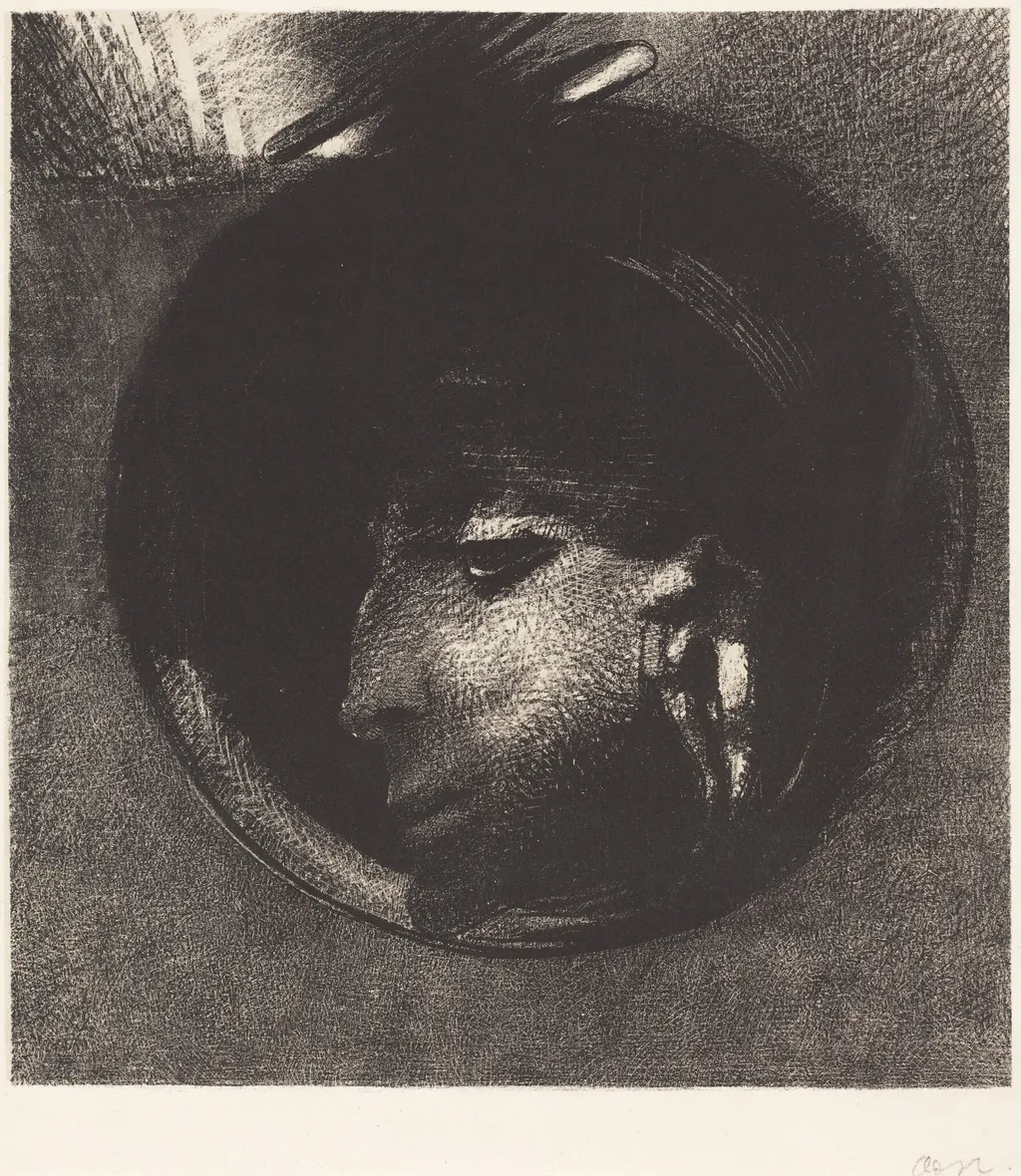
Cellule Auriculaire is an ink print by the Impressionist artist Odilon Redon. It dates from 1894 and is held in the collection of the National Gallery of Art.
About this work
Overview
Cellule Auriculaire is a lithographic print executed by French symbolist Odilon Redon in 1894. Rendered on wove paper, the work presents a central, indistinct form that emits a faint, ghostly illumination, set against a muted background. Thin, filamentous lines hover above the figure, contributing to an overall atmosphere of ambiguity and quiet tension.
Subject & Meaning
The composition centers on an obscure, shadowy entity whose soft radiance suggests an ethereal presence rather than a concrete object. The surrounding wisps resemble drifting smoke or hair, reinforcing a sense of the uncanny and inviting viewers to contemplate the boundary between the material and the imagined, a recurring preoccupation in Redon’s oeuvre.
Technique & Style
Created through lithography, Redon employed a smooth limestone surface to transfer ink onto wove paper, allowing for delicate tonal gradations and blurred edges. The print’s muted palette and diffuse lighting exemplify the artist’s late‑career shift toward monochrome and atmospheric effects, emphasizing mood over precise delineation.
History & Provenance
First produced in 1894, Cellule Auriculaire belongs to the period when Redon was exploring printmaking as a primary medium. While specific ownership records are limited, the work has been cited in catalogues of Redon’s prints and is representative of his late symbolic investigations, often appearing in scholarly surveys of his lithographic output.
Artist & collection
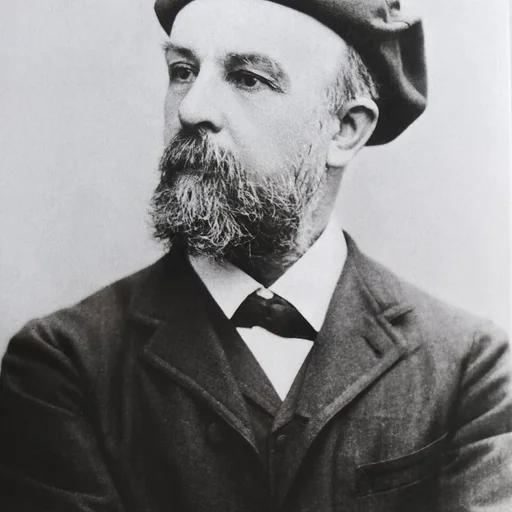
Artist
Born Bertrand-Jean Redon on 20 April 1840 in Bordeaux, the artist adopted the name Odilon from his mother, Marie-Odile.

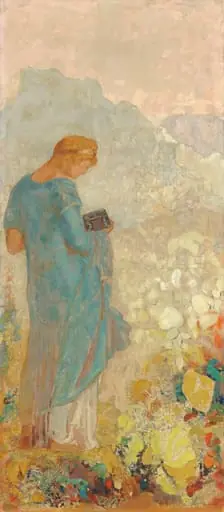
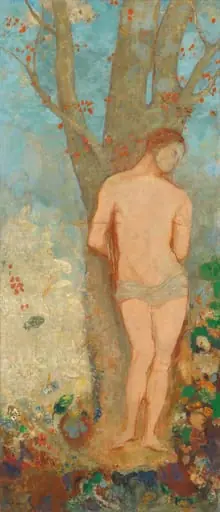
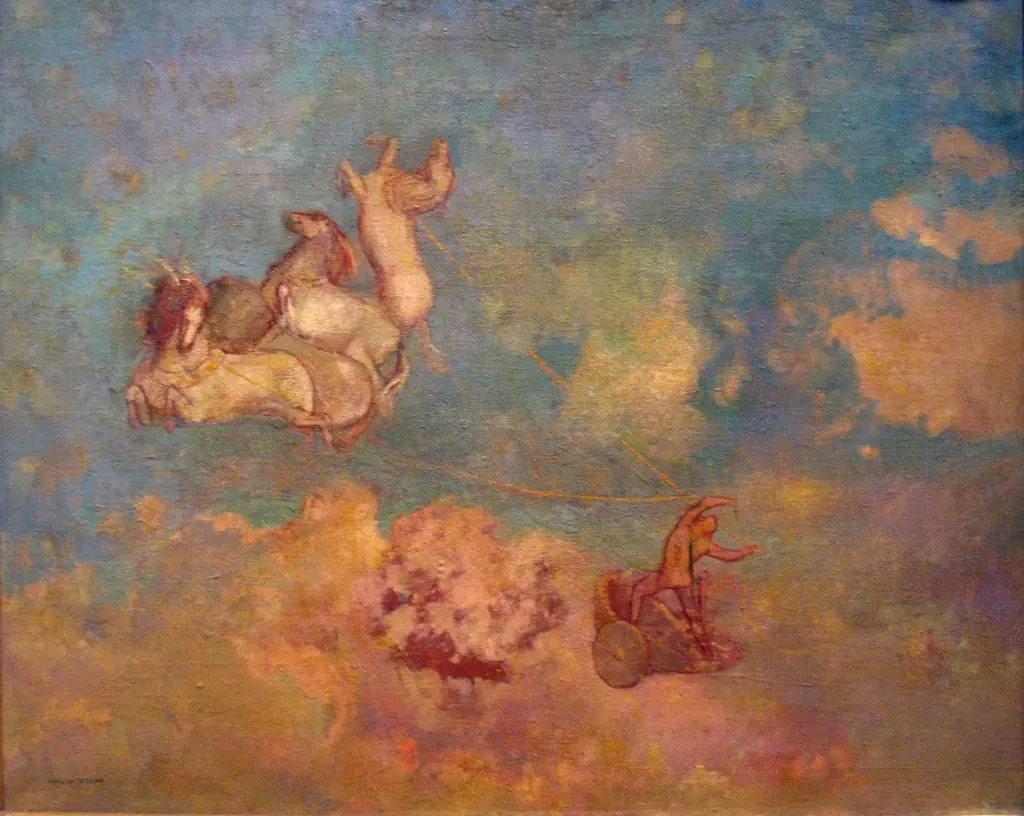
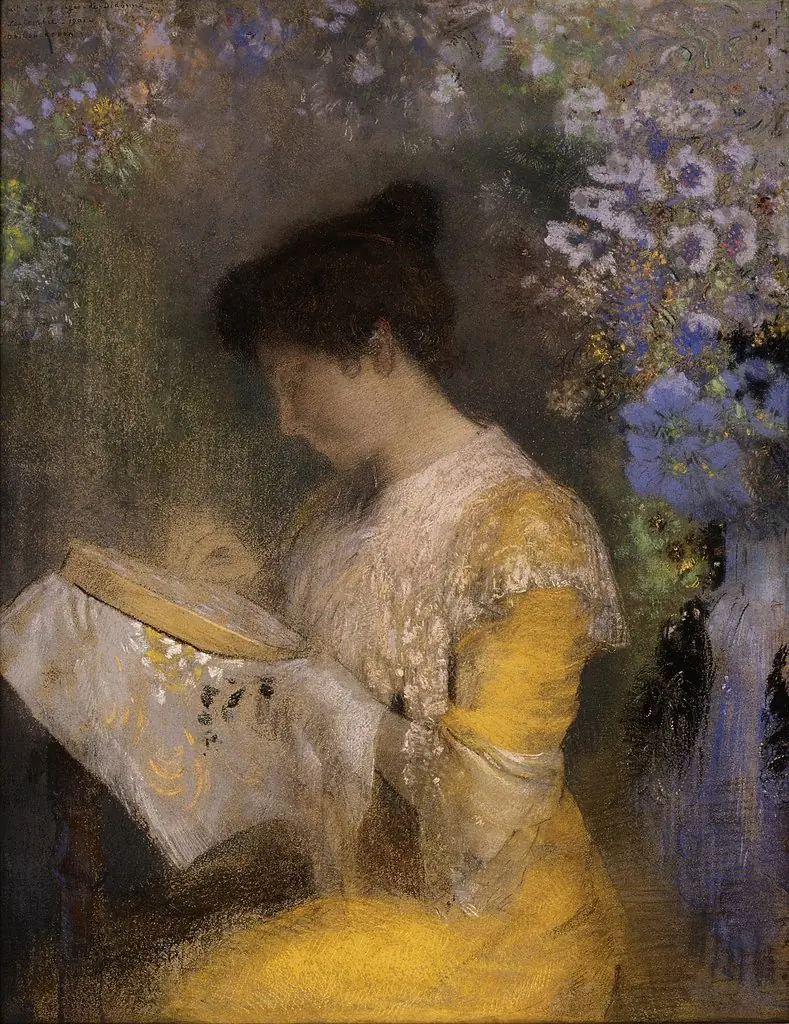
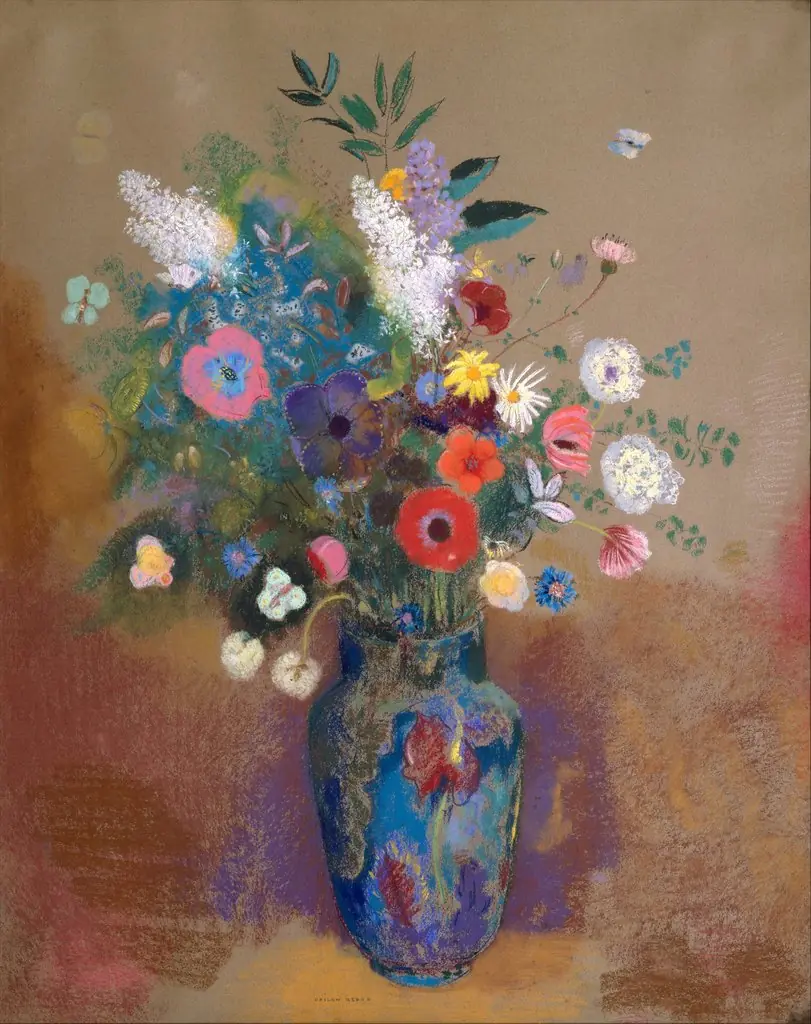
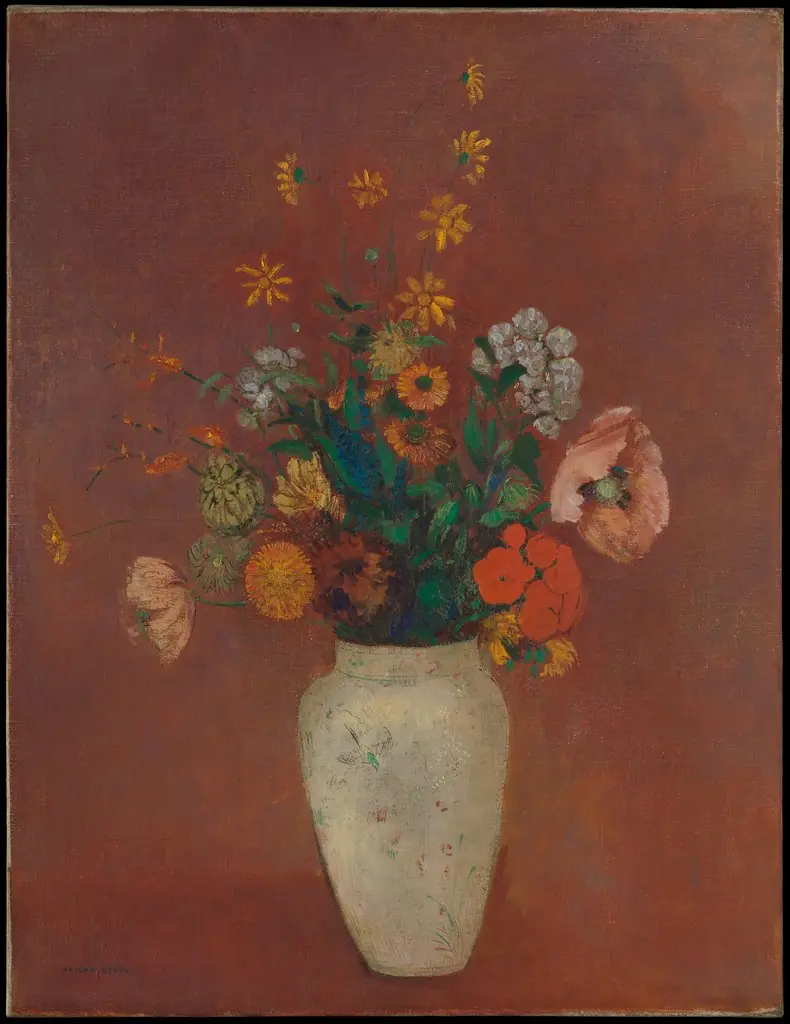
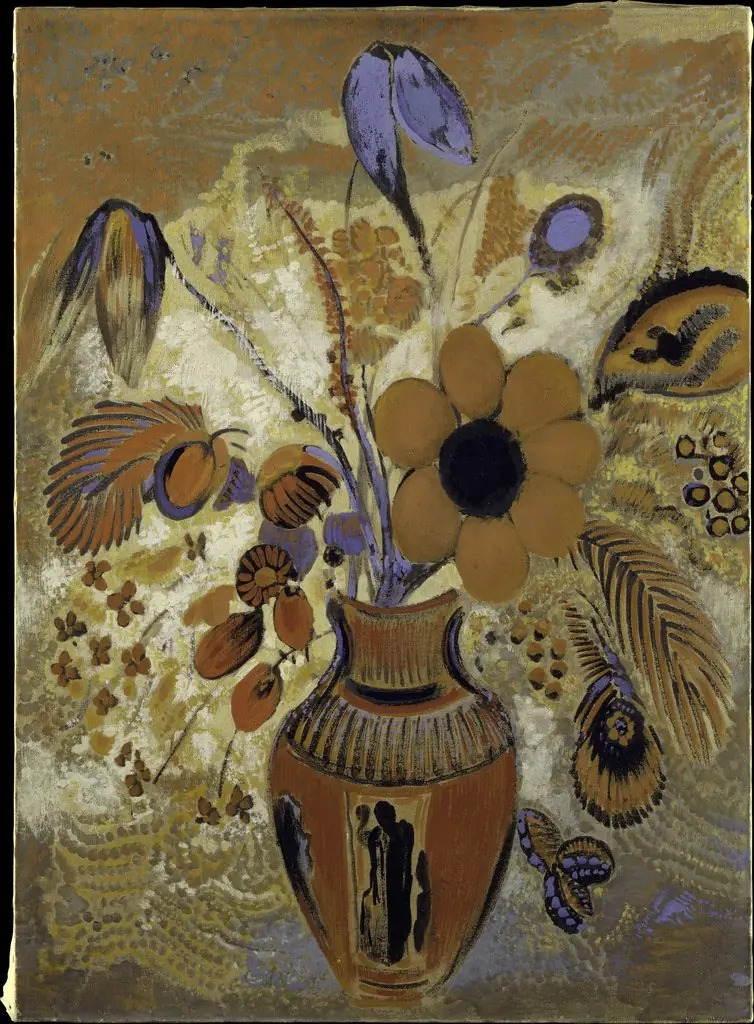
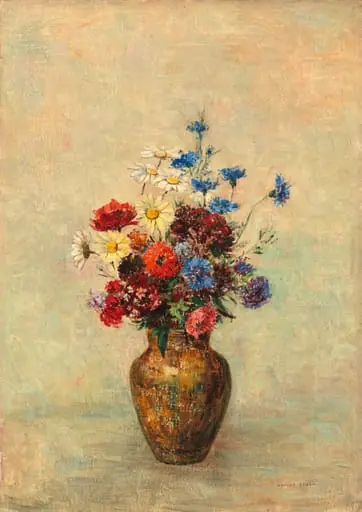
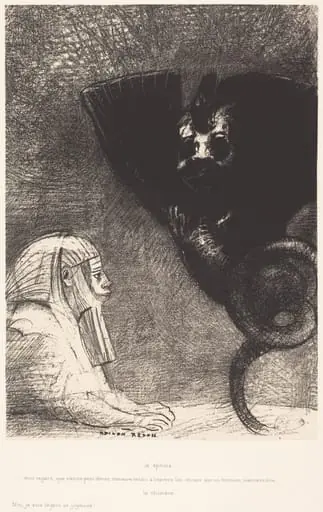 Le Sphynx...mon regard que rien ne peut devier, demeure tendu a travers les choses sur un horizon inaccessible. La Chimere: Moi,Je suis legere et joyeuse (The Sphinx: "My gaze, which nothing can deflect, passes through the things and remains fixed on an inaccessible horizon." The Chimera: "I am weightless and joyful")
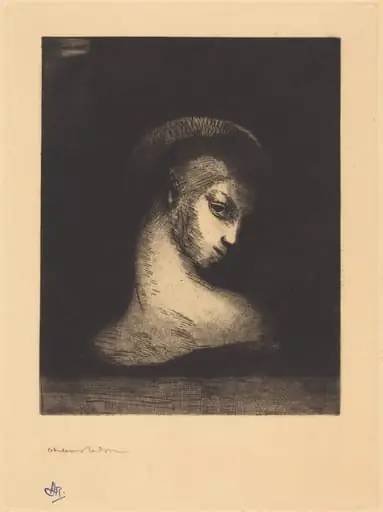 Perversité
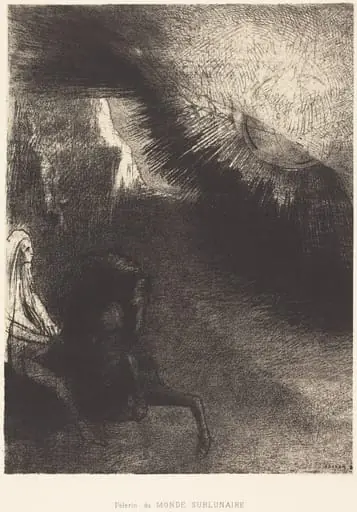 Pélerin du monde sublunaire (Pilgrim of the sublunary world)
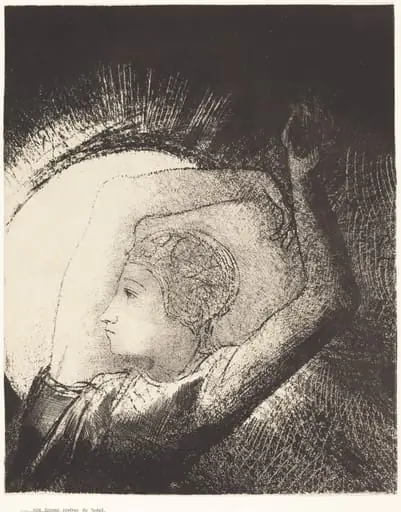 Une femme revêtue du Soleil (A woman clothed with the sun)
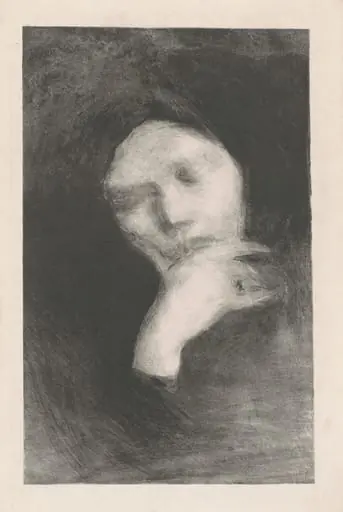 Meditation
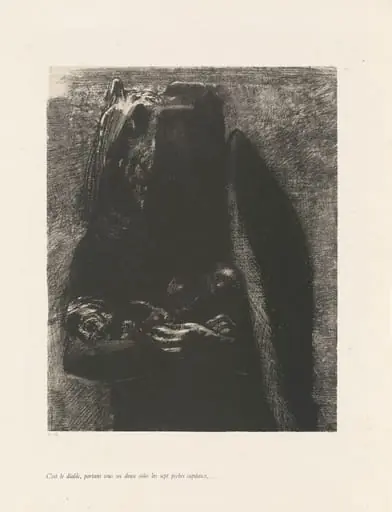 C'est le Diable
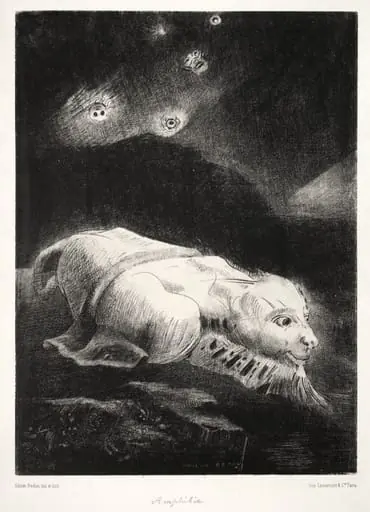 When Life Was Awakening in the Depths of Obscure Matter
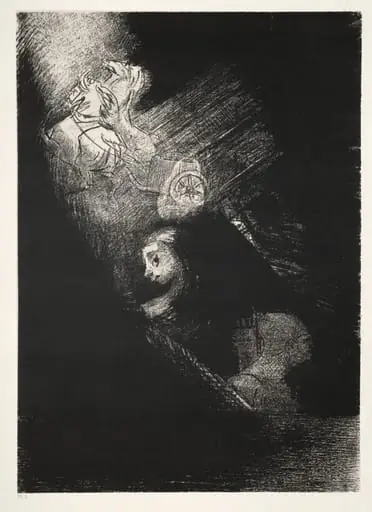 First a Pool of Water, Then a Prostitute, the Corner of a Temple, a Soldier's Face, a Chariot with Two White, Rearing Horses
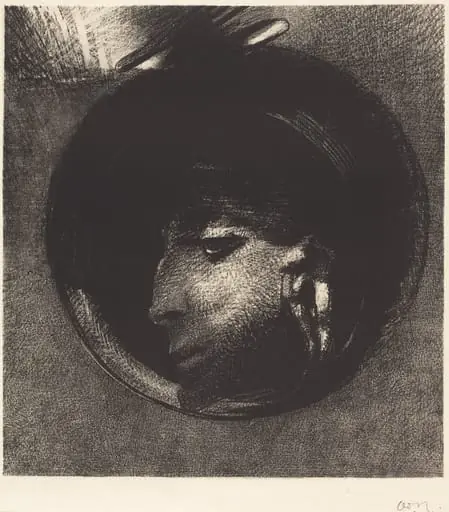 Cellule Auriculaire (Auricular Cell)