Artwork
Two Figures in a Landscape
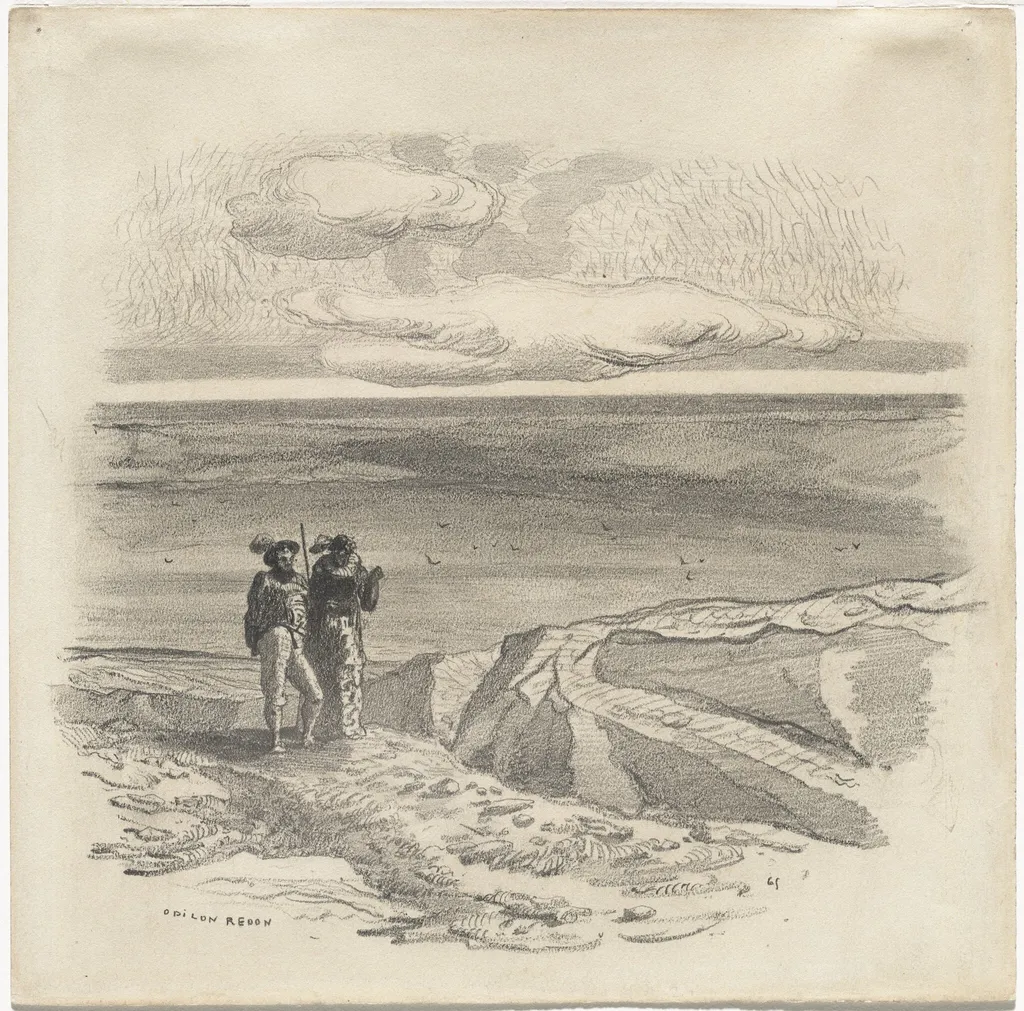
Two Figures in a Landscape is a graphite drawing by the Impressionist artist Odilon Redon. It dates from 1865 and is held in the collection of the National Gallery of Art.
About this work
Overview
The work reflects Redon’s early interest in atmospheric landscapes, predating his later symbolic and dreamlike imagery.
Created in 1865, this graphite drawing by Odilon Redon depicts two figures on a rugged coastline. Executed on wove paper, it belongs to the National Gallery of Art in Washington, D.C. The work reflects Redon’s early interest in atmospheric landscapes, predating his later symbolic and dreamlike imagery. Its quiet composition and restrained technique mark it as a study in mood rather than narrative.
Subject & Meaning
Two solitary figures stand on a rocky shore, their forms simplified and cloaked in long coats and hats. One carries a walking stick, suggesting a journey or contemplative pause. The absence of facial detail and the stillness of the scene invite introspection. The figures seem dwarfed by the wild sea and barren land, evoking a sense of isolation or existential quiet rather than specific identity or story.
Technique & Style
Redon employed soft graphite shading to model form and suggest light without sharp lines. The uneven terrain and crashing waves are rendered with subtle tonal gradations, avoiding detailed definition. This approach prioritizes emotional tone over topographical accuracy, aligning with 19th-century practices that valued atmosphere and mood. The minimal use of line and emphasis on texture create a somber, meditative quality.
History & Provenance
The drawing entered the National Gallery of Art’s collection as part of its broader holdings of 19th-century European works on paper. Its provenance traces back to Redon’s early career, before he gained recognition for his charcoal and pastel fantasies. The piece remains a rare example of his pre-symbolist phase, offering insight into his development as an artist grounded in observation.
Context
In the mid-1860s, French artists increasingly turned to nature as a vehicle for personal expression, moving away from academic idealism. Redon’s drawing reflects this shift, echoing the quiet realism of contemporaries like Corot. Yet even here, his tendency toward emotional ambiguity and understated drama foreshadows his later turn toward the poetic and the unseen.
Legacy
Though less known than his later works, this drawing illustrates Redon’s foundational engagement with landscape and mood. It serves as a bridge between traditional 19th-century draftsmanship and his eventual exploration of the subconscious. Art historians view it as a key indicator of his evolving sensibility — one that would later redefine Symbolist aesthetics.
Own this work as a print
Artist & collection
Artist
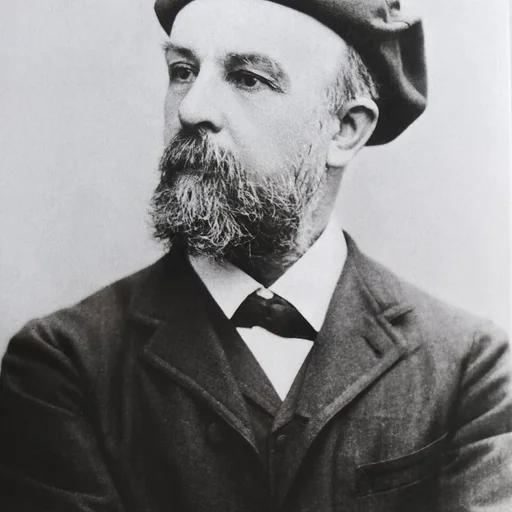
Born Bertrand-Jean Redon on 20 April 1840 in Bordeaux, the artist adopted the name Odilon from his mother, Marie-Odile.

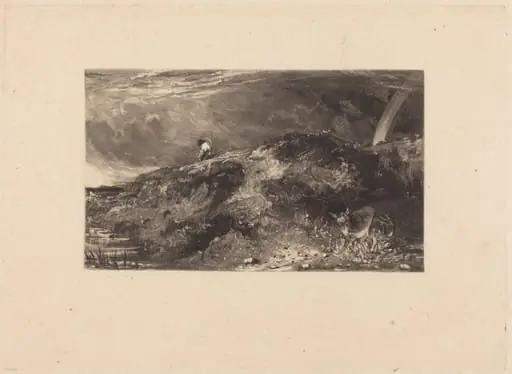 Hampstead Heath, with St. Paul's in the Distance (Vignette)
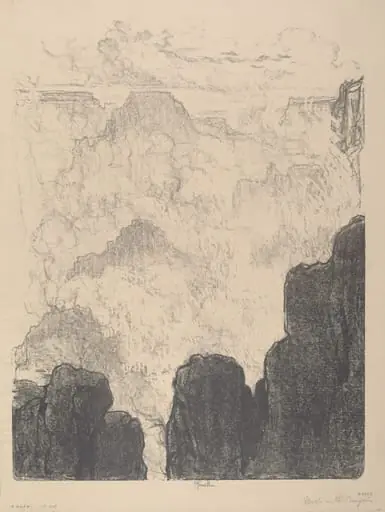 Mists in the Canyon, No.II
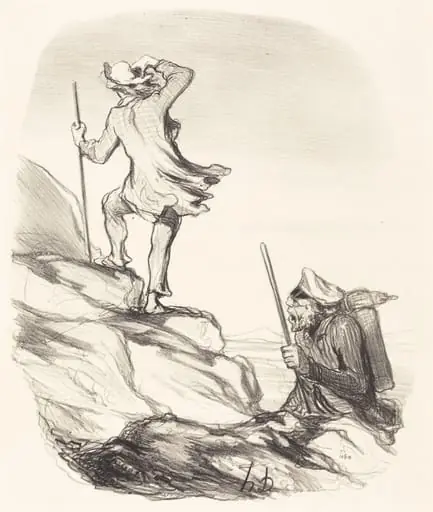 Aperçois-tu un lieu civilisé...
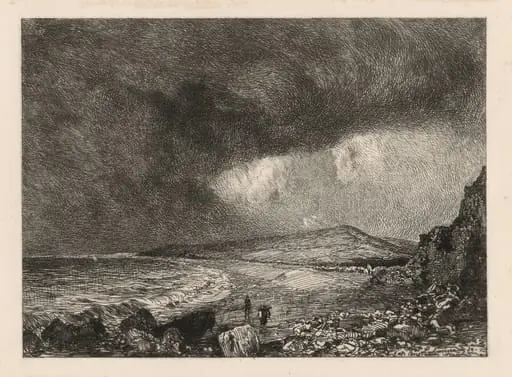 Weymouth Bay
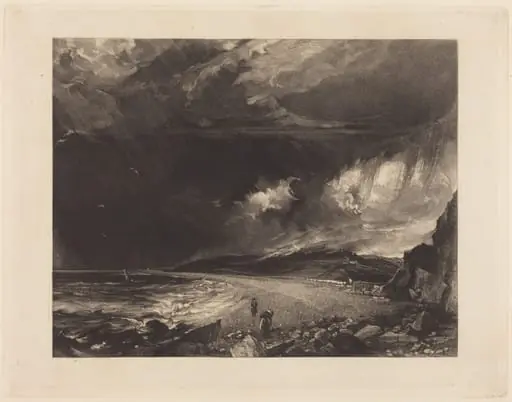 Weymouth Bay
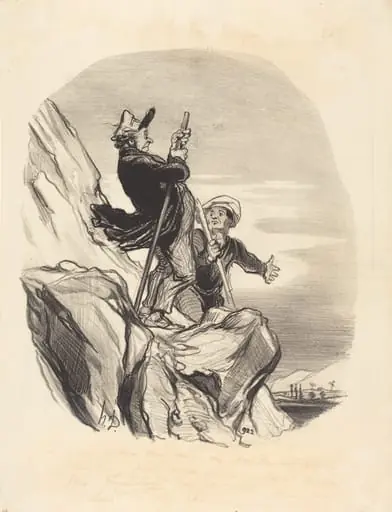 Guide, allons-nous-en... au nom du ciel...
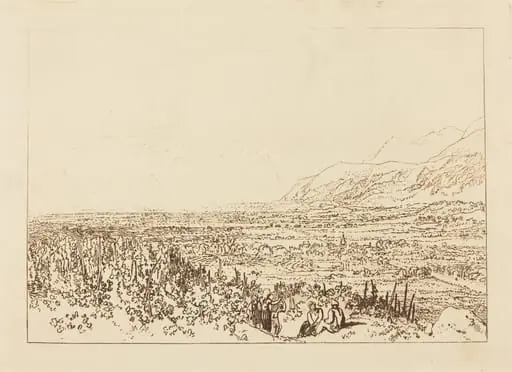 Chain of Alps from Grenoble to Chamberi
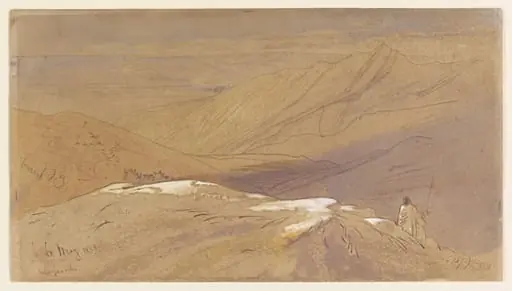 Near Jericho
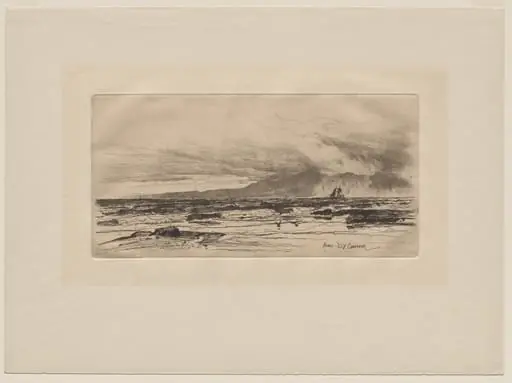 Arran
Arran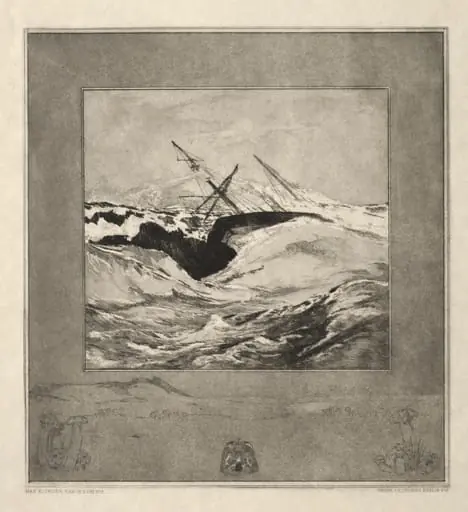 Vom Tode I, (Opus II, 1889) No. 3
 The Resounding Sea
![Landscape [Paesaggio], by Carlo Paolo Agazzi](https://artifactworldgallery.com/img/carlo-paolo-agazzi--landscape-paesaggio--e606f4ada87d2052-w320.webp) Landscape [Paesaggio]
Landscape [Paesaggio]