Artwork
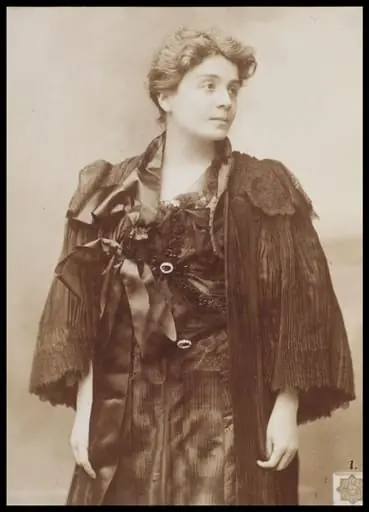
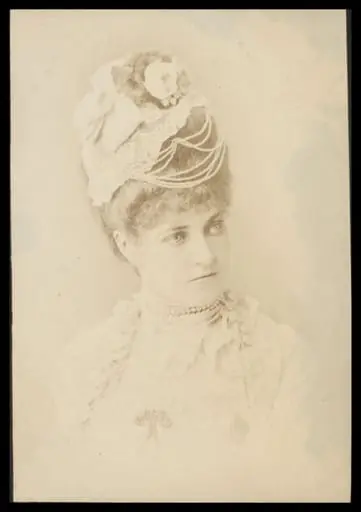
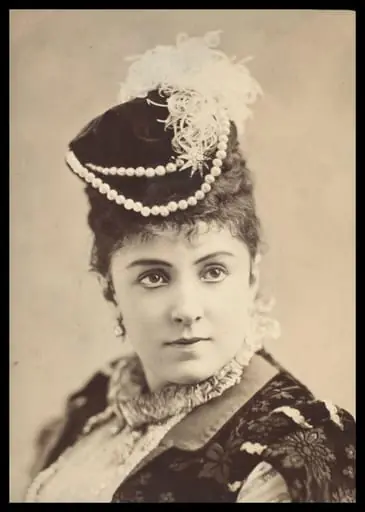
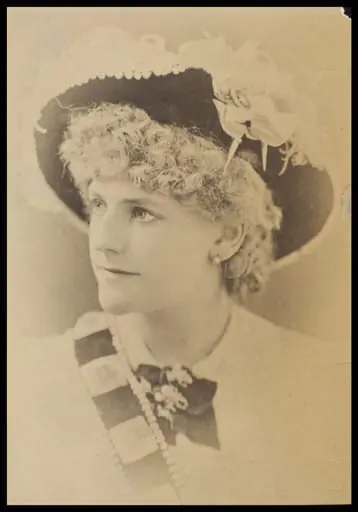
Guy Little Theatrical Photograph
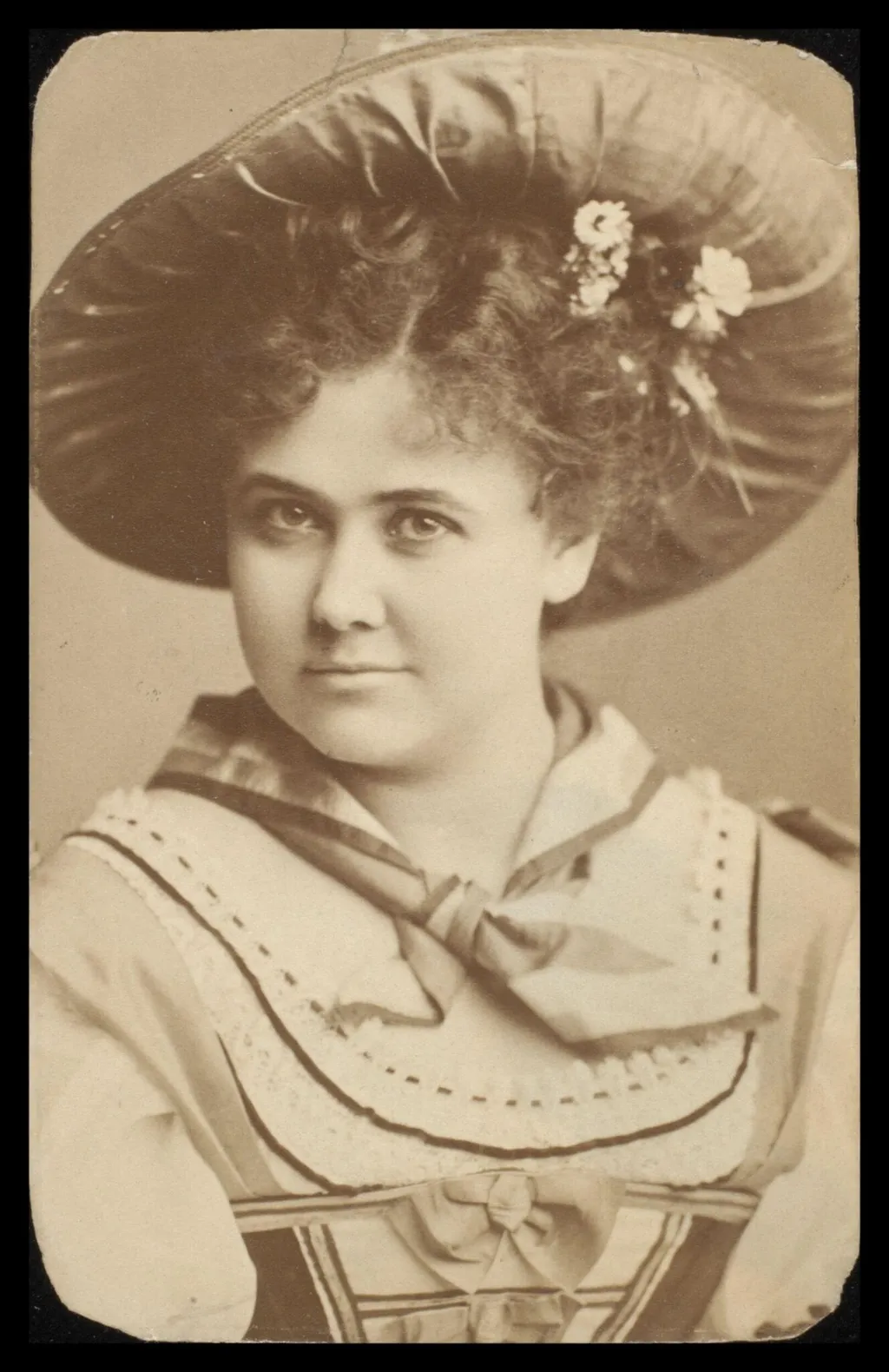
Guy Little Theatrical Photograph is a photographic photography by Reichard and Lindner. It dates from 1850 and is held in the collection of the Victoria and Albert Museum.
About this work
Overview
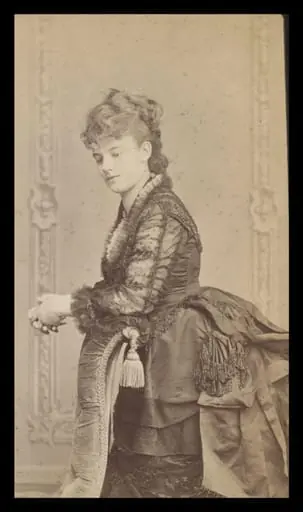
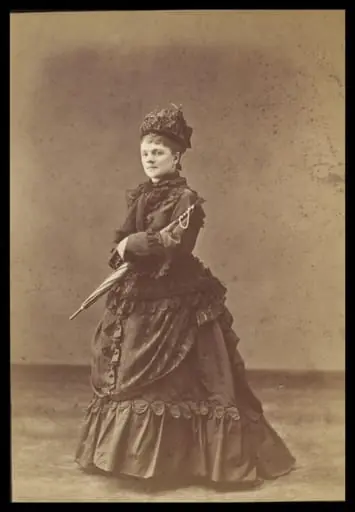
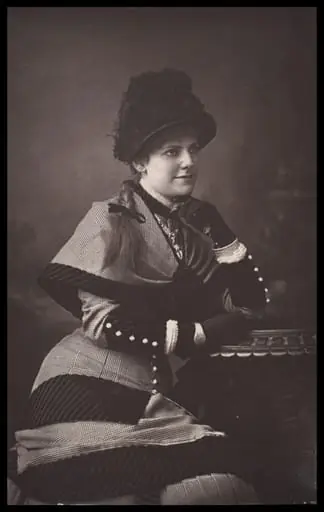
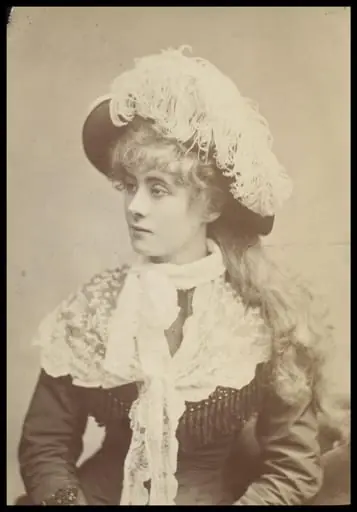
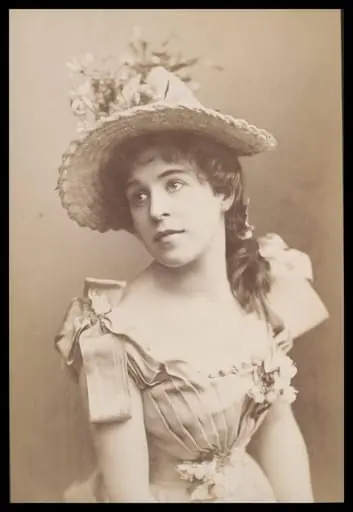
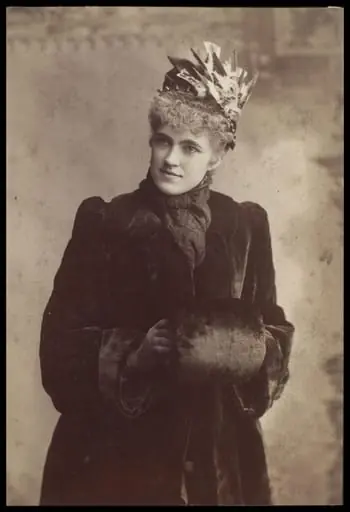
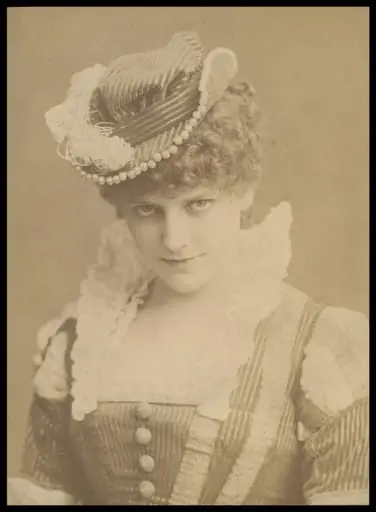
This photograph of actress Minnie Hauk was produced as a cabinet card, a larger format that succeeded the smaller carte de visite in the late 1870s.
This photograph of actress Minnie Hauk was produced as a cabinet card, a larger format that succeeded the smaller carte de visite in the late 1870s. Made by the studio of Reichard and Lindner, it is an albumen print on card, typical of commercial photographic portraiture of the period. The image was part of a personal collection assembled by Guy Tristram Little, a solicitor and avid collector of theatrical memorabilia, later donated to the Victoria and Albert Museum.
Subject & Meaning
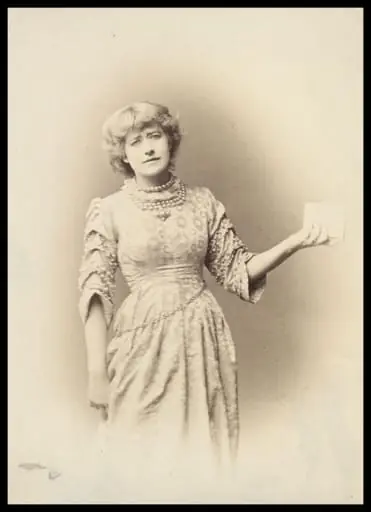
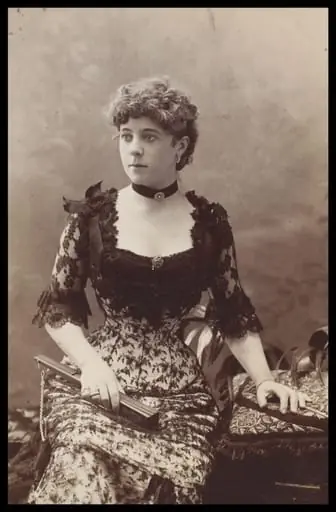
Minnie Hauk was a prominent stage performer in the late 19th century, known for her dramatic roles in Europe and America. This portrait captures her in theatrical attire, likely from a signature role, intended to reinforce her public persona. Such images served both as fan souvenirs and professional advertisements, bridging the gap between live performance and the growing culture of visual celebrity.
Technique & Style
The photograph is an albumen print derived from a glass negative, a standard process of the era. Printed on a sturdy card mount, it features a crisp, monochrome tone with careful lighting to highlight Hauk’s facial expression and costume details. The studio backdrop is plain, directing focus to the subject, while the border and printer’s imprint reflect commercial conventions of the time.
History & Provenance
The image belonged to Guy Tristram Little, who collected and mounted hundreds of theatrical photographs into albums, removing them from their original card mounts. Little, a partner in a London law firm, was also the executor of Gabrielle Enthoven’s estate, whose extensive theatrical holdings became the foundation of the V&A’s Theatre Collections. The photograph entered the museum through his bequest.
Context
Cabinet cards emerged as a response to the popularity of cartes de visite, offering a more durable and visually prominent format. By the 1880s, they were ubiquitous in middle-class homes, used to display likenesses of celebrities, royalty, and performers. Theatrical portraits like this one catered to a public increasingly engaged with the visual culture of performance, reflecting broader shifts in media consumption.
Legacy
Little’s collection preserved a vast archive of 19th-century theatrical imagery, offering insight into how performers were marketed and remembered. The V&A’s acquisition of his albums ensured the survival of ephemeral photographic culture, providing researchers with material on costume, pose, and public perception. This photograph remains a tangible link to the era’s intersection of theater, photography, and collecting.
Artist & collection
Artist
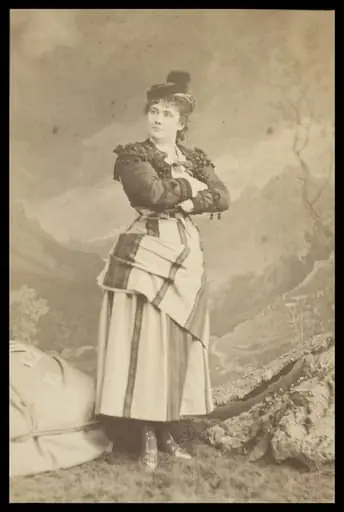
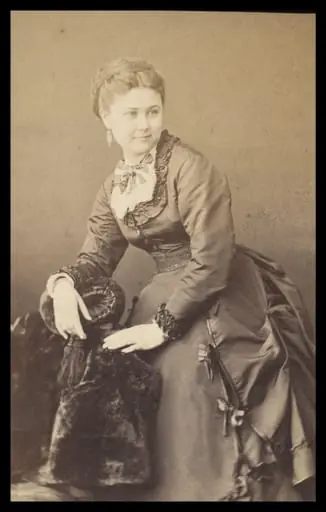
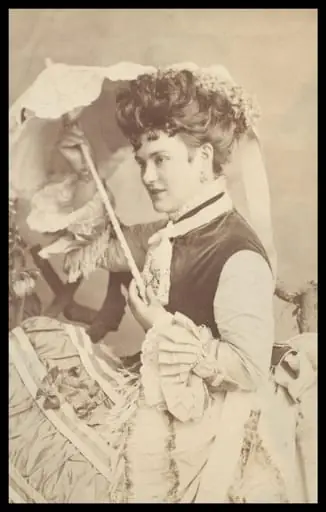
These photographers made late-19th-century theater portraits. Their Guy Little Theatrical Photograph series from the 1880s freeze actors mid-performance, each print signed and stamped on the back. The images show…

 Guy Little Theatrical Photograph
 Guy Little Theatrical Photograph
 Guy Little Theatrical Photograph
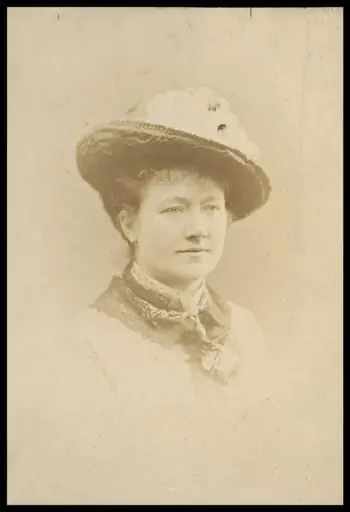 Guy Little Theatrical Photographs
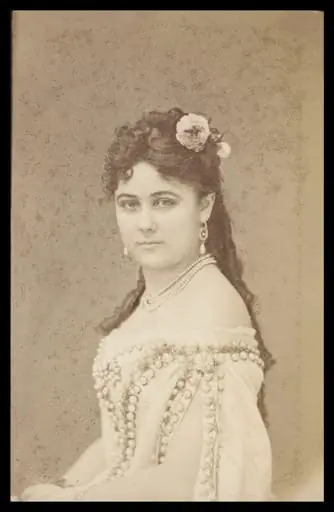 Guy Little Theatrical Photograph
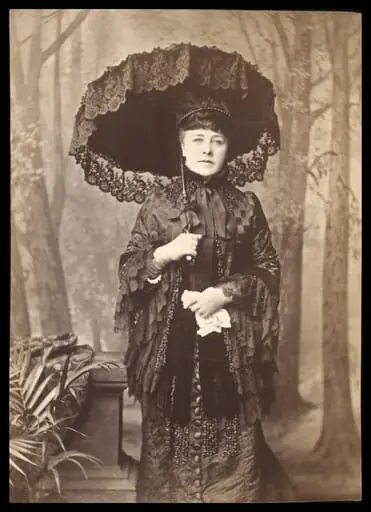 Guy Little Theatrical Photograph
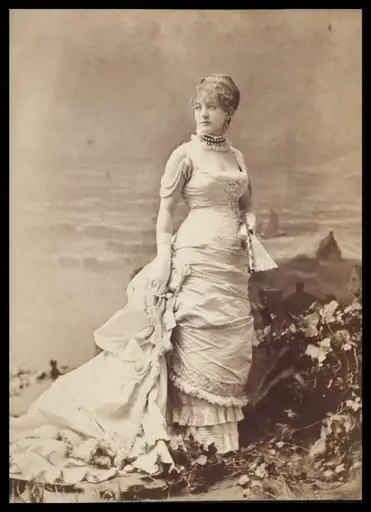 Guy Little Theatrical Photograph
 Guy Little Theatrical Photograph
 Guy Little Theatrical Photograph
 Guy Little Theatrical Photographs
 Guy Little Theatrical Photographs
 Guy Little Theatrical Photograph
 Guy Little Theatrical Photograph
 Guy Little Theatrical Photograph
 Guy Little Theatrical Photograph
 Guy Little Theatrical Photograph
 Guy Little Theatrical Photograph
 Guy Little Theatrical Photograph
 Guy Little Theatrical Photograph
 Guy Little Theatrical Photograph