Artwork
Guy Little Theatrical Photograph
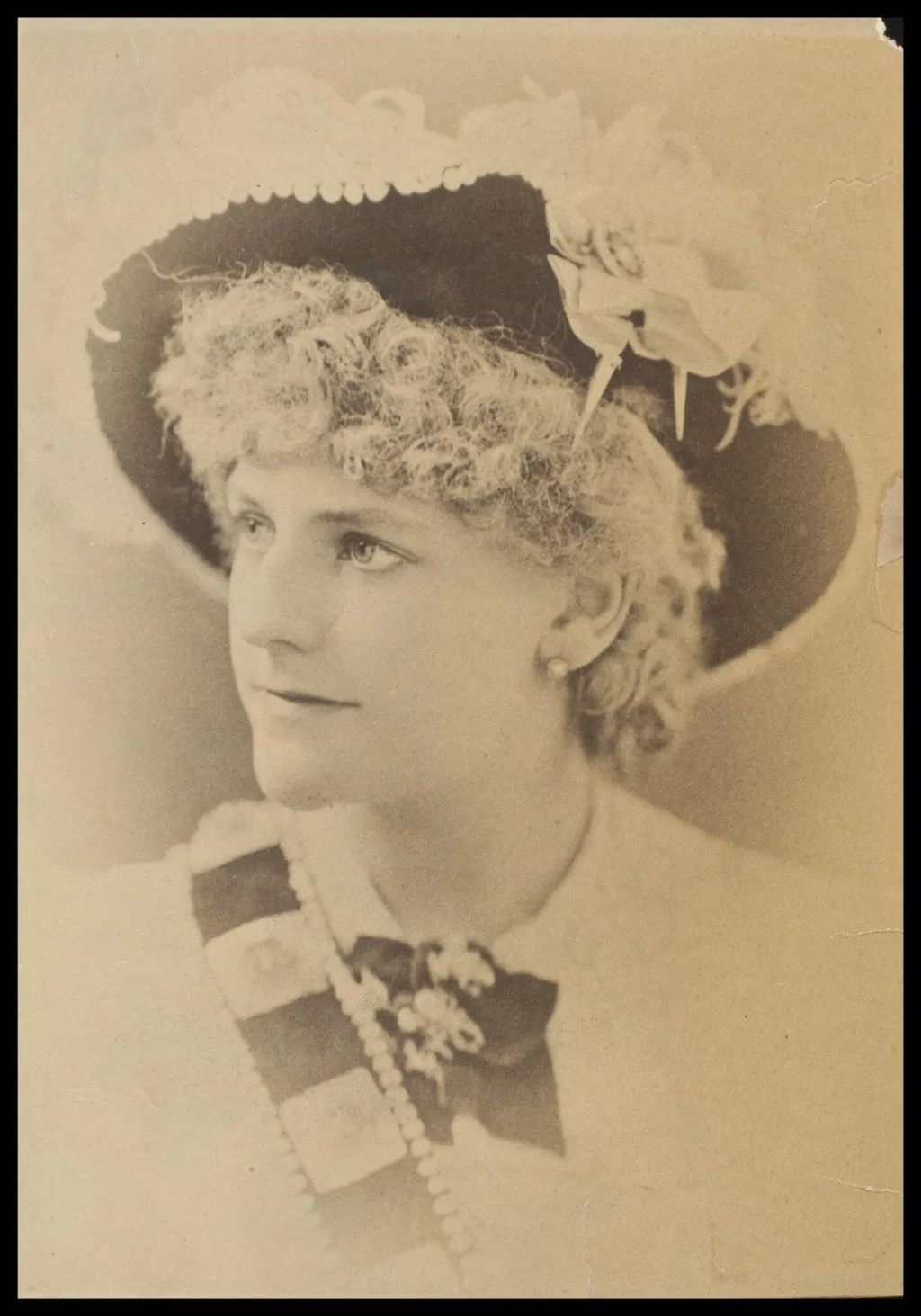
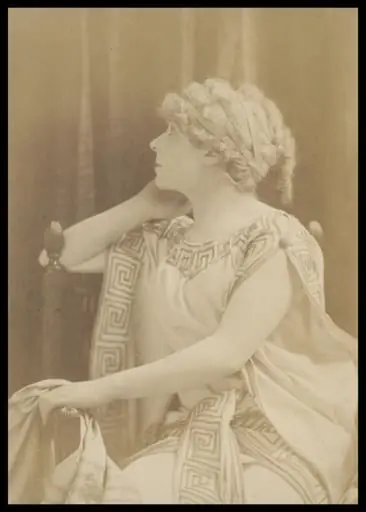
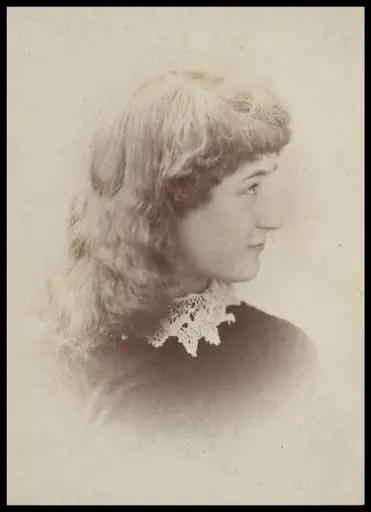
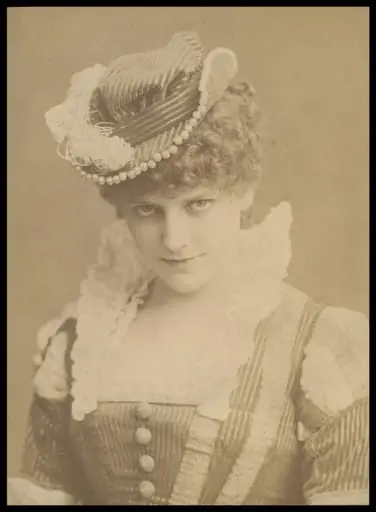
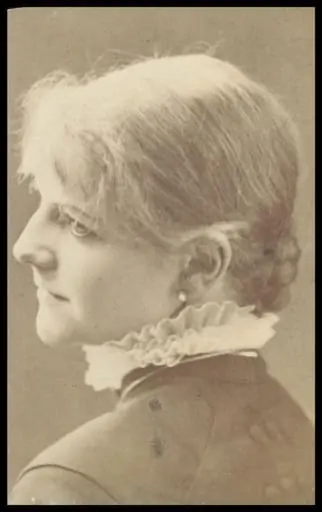
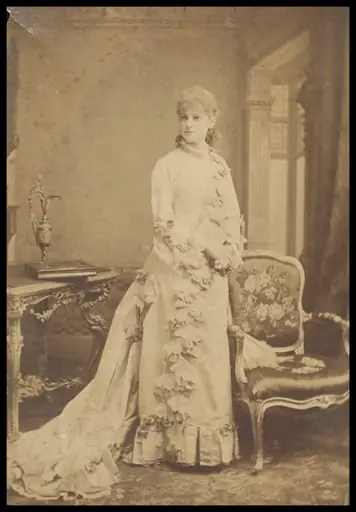
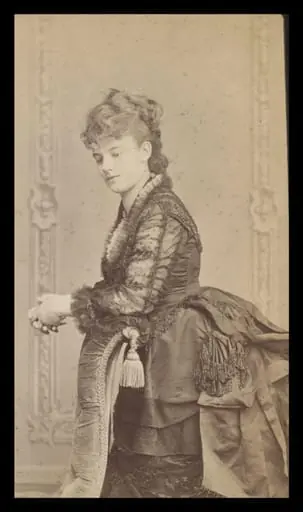
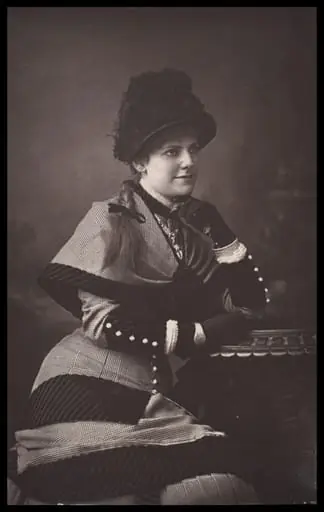
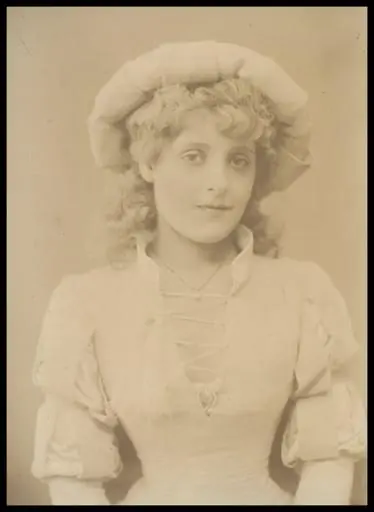
Guy Little Theatrical Photograph is a photographic photography by the Impressionist artist Vanderweyde. It dates from 1880 and is held in the collection of the Victoria and Albert Museum. This photograph captures Violet Cameron in costume as the Countess from the opera Olivette, performed at London’s Strand Theatre.
About this work
Overview
Little preserved these images by removing them from their original backings and organizing them into bound albums, later donated to the V&A.
This photograph captures Violet Cameron in costume as the Countess from the opera Olivette, performed at London’s Strand Theatre. Taken by Guy Little, it belongs to a personal archive of theatrical portraits assembled in the late 19th and early 20th centuries. The image is an albumen print, originally mounted on card, typical of the period’s popular photographic formats. Little preserved these images by removing them from their original backings and organizing them into bound albums, later donated to the V&A.
Subject & Meaning
Violet Cameron, a prominent stage actress of the Victorian era, is depicted in her role as the Countess, a character from the comic opera Olivette. The portrait serves as both a record of her performance and a commercial artifact of theatrical celebrity culture. Such images allowed audiences to maintain a personal connection with performers beyond the stage, reinforcing the growing public fascination with theatrical personalities during the period.
Technique & Style
The photograph is an albumen print made from a glass negative, a standard process in mid-to-late 19th-century photography. It was likely produced as a cabinet card, larger and more durable than the earlier carte de visite, reflecting evolving consumer tastes by the 1880s. The composition is formal, emphasizing costume and pose, with minimal background detail—typical of studio portraiture designed to highlight the performer’s stage identity.
History & Provenance
The image was collected by Guy Tristram Little, a solicitor and avid collector of theatrical memorabilia. He systematically removed photographs from their original card mounts and reassembled them into albums, preserving them for future study. Upon his death in 1953, his collection was bequeathed to the Victoria and Albert Museum, where it became part of the foundational materials of the Theatre Collections, originally assembled by Mrs. Gabrielle Enthoven.
Context
During the Victorian era, theatrical photography flourished as a commercial and cultural phenomenon. Cartes de visite and cabinet cards were widely traded, allowing the public to collect images of actors, actresses, and scenes from popular plays. These photographs blurred the lines between art, commerce, and fandom, reflecting a society increasingly engaged with mass-produced visual culture and the rising status of stage performers as public figures.
Legacy
Little’s collection, now housed at the V&A, provides a rare, organized archive of theatrical portraiture from a time when such images were ephemeral. His preservation efforts have enabled scholarly access to visual records of performances otherwise lost to time. The album remains a key resource for understanding how theatre was consumed, remembered, and documented by audiences in the late 19th and early 20th centuries.
Artist & collection
Artist
Dry plates and gaslight flickered behind the curtain as Vanderweyde turned stage moments into still portraits.