Artwork
Twelve Poetic Immortals and Their Poems

Twelve Poetic Immortals and Their Poems is an unspecified painting by Reizei Tamechika. It dates from 1850 and is held in the collection of the Art Institute of Chicago.
About this work
Overview
Created circa 1850 by Reizei Tamechika, this painting presents twelve revered Japanese poets from antiquity, each paired with a verse attributed to them.
Created circa 1850 by Reizei Tamechika, this painting presents twelve revered Japanese poets from antiquity, each paired with a verse attributed to them. Tamechika, active in the late Edo period, drew from classical traditions to revive the Yamato-e aesthetic, emphasizing historical continuity and literary reverence. The work resides in the Art Institute of Chicago’s collection as a testament to 19th-century scholarly engagement with Japan’s poetic heritage.
Subject & Meaning
The twelve figures represent celebrated poets from the Nara and Heian periods, chosen for their enduring influence on Japanese literature. Each is rendered with symbolic attributes—scrolls, brushes, or robes—that signal their literary status. The inclusion of their poems reinforces the connection between image and text, positioning the poets not merely as historical figures but as enduring voices in cultural memory.
Technique & Style
Tamechika employed delicate ink and color on silk, adhering to Yamato-e conventions: flattened space, fine linework, and restrained palette. Figures are arranged in orderly rows, their postures and gestures subtly differentiated to convey individual character. Calligraphic inscriptions are integrated as visual elements, not mere annotations, blending poetry and painting into a unified composition.
History & Provenance
The painting was produced during a period of renewed interest in classical Japanese culture amid increasing Western influence. Tamechika, a member of the Reizei family of court painters, inherited a lineage dedicated to preserving traditional forms. The work entered the Art Institute of Chicago’s collection in the 20th century, likely through early Japanese art acquisitions by American collectors.
Context
In mid-19th century Japan, scholarly circles sought to reaffirm native cultural identity through classical arts. Tamechika’s work responded to this movement, countering modernizing trends by reviving Heian-era aesthetics. The selection of poets reflects a canon established centuries earlier, underscoring a desire to anchor contemporary identity in literary tradition.
Legacy
Though not widely exhibited, the painting remains a key example of late Edo-period revivalism in Japanese painting. It illustrates how artists like Tamechika sustained classical forms beyond the court’s political decline. Its preservation in a major Western institution highlights its role in shaping international understanding of Japan’s literary-artistic heritage.
Artist & collection
Artist
Reizei Tamechika (Japanese: 冷泉為恭; 20 October 1823 – 8 June 1864), also known as Okada Tamechika (岡田為恭), was a Japanese artist from the later Edo Period who was instrumental in reviving the classical style known as Yamato-e.

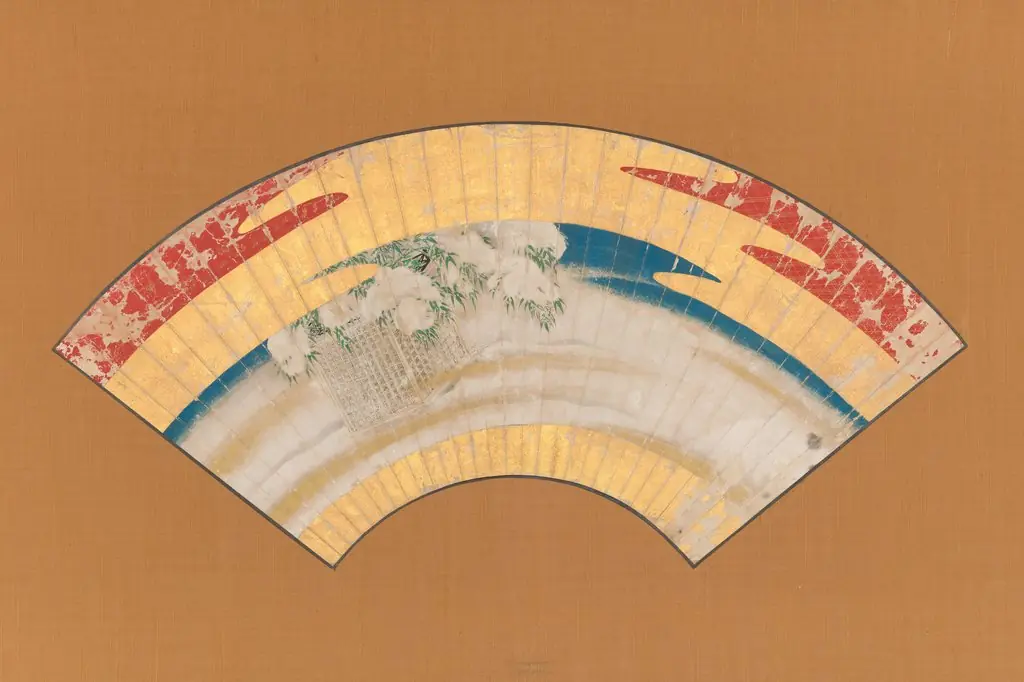
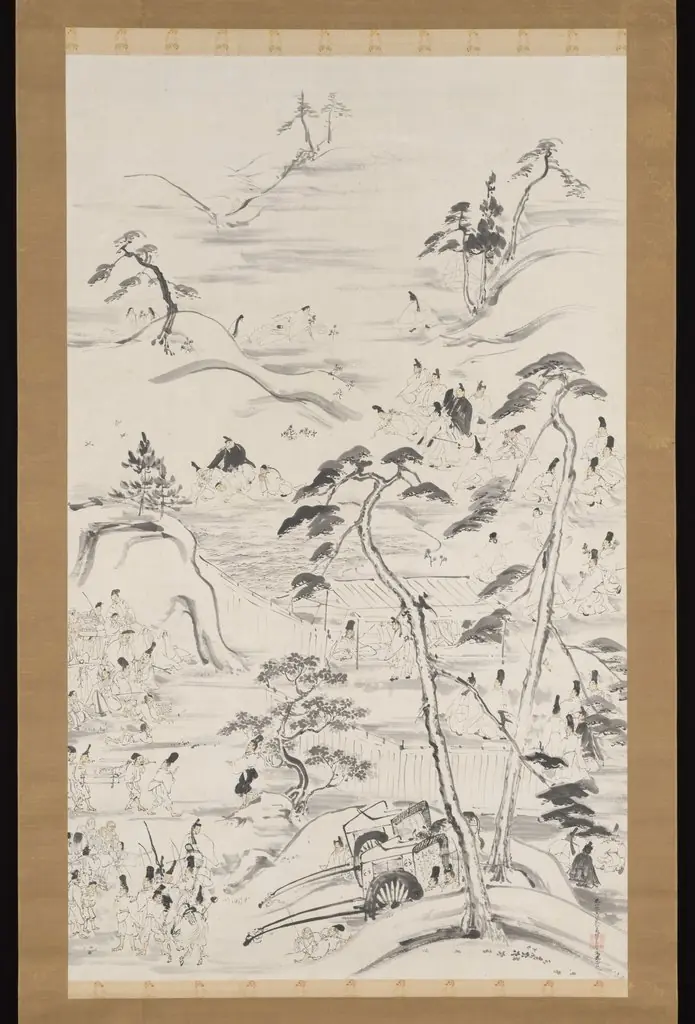
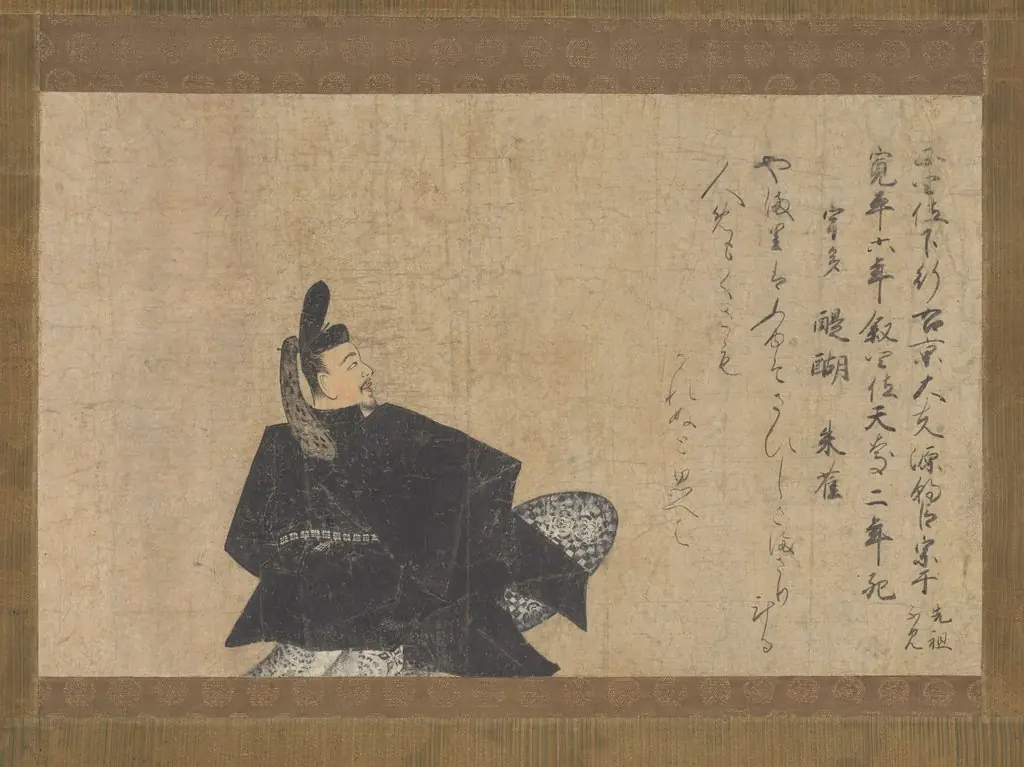 Minamoto no Muneyuki, from the “Fujifusa Version” of Thirty-six Poetic Immortals (Fujifusa-bon Sanjūrokkasen emaki)
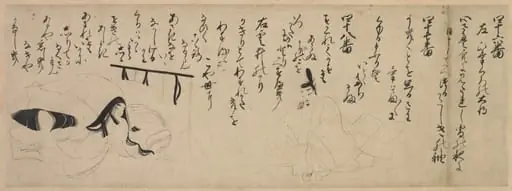 Section of an Illustrated Tale of Genji Poetry Contest
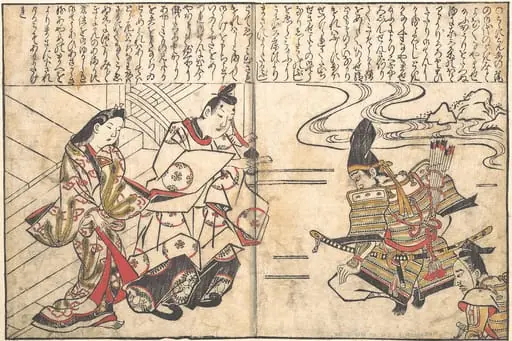 Untitled
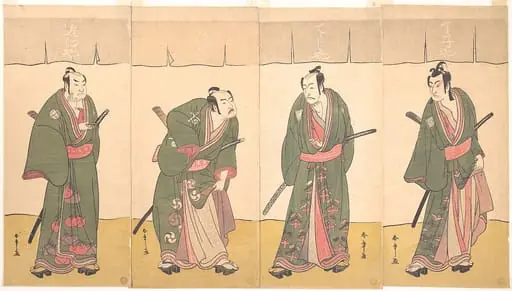 Untitled
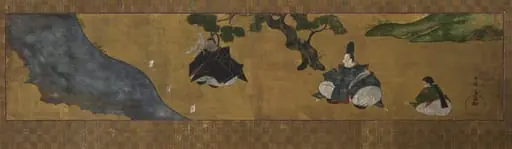 Ablution Scene (Misogi)
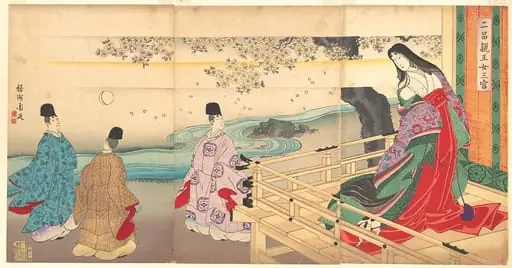 二品親王女三宮|The Third Princess and Kashiwagi, from Chapter 34, “New Herbs I (Wakana I)” (Nihon shinnō onna sannomiya)
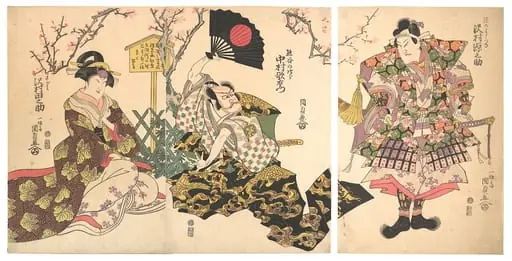 Untitled
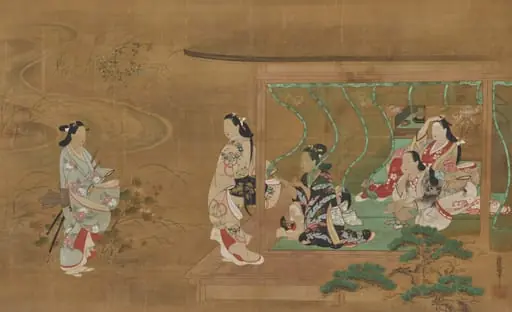 Beauty Receiving a Visitor
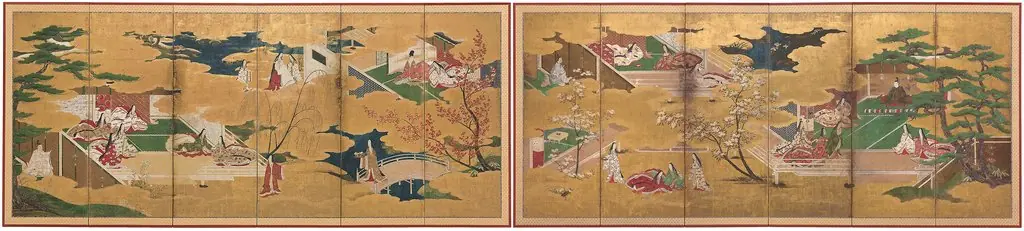 The Tale of Genji
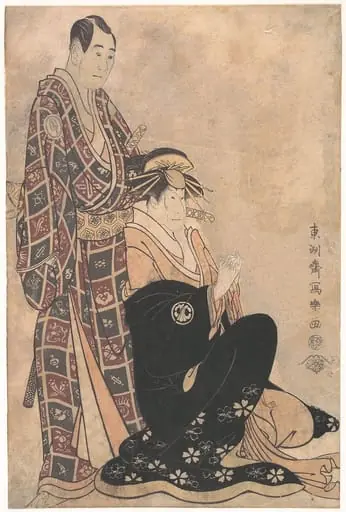 Untitled